Striped Bass Fishing Guide for Tennessee Reservoirs
For many anglers, the dream of battling a powerful fish that strips line off the reel in a furious rush is what keeps them coming back to the water. In Tennessee, that dream often takes the form of a striped bass, a truly formidable opponent that can make even seasoned fishermen feel like beginners. But figuring out where these incredible fish hide in our vast reservoirs, and what it takes to actually hook one, can feel like trying to solve a complex puzzle. This guide is here to unravel that mystery, offering you practical advice and proven strategies to increase your chances of landing one of Tennessee's most exciting sport fish.
Understanding Tennessee's Striped Bass
Striped bass, often simply called "stripers," are an awe-inspiring species. They are built for power and speed, and once you encounter one, you'll quickly understand why they're such a prized catch. Their presence in Tennessee's freshwater reservoirs is a testament to careful management and stocking efforts by the state wildlife agency.
Where Do Stripers Live in Tennessee Reservoirs?
Our Tennessee reservoirs are massive bodies of water, which can make locating striped bass feel like searching for a needle in a haystack. However, stripers have predictable preferences. They thrive in large, deep impoundments with abundant baitfish, particularly threadfin and gizzard shad. Lakes like Norris Lake, Watts Bar Lake, Melton Hill Lake, and Cherokee Lake are prime examples of excellent striper habitat. These fish are constantly on the move, chasing schools of baitfish, so they rarely stay in one spot for long.
During warmer months, you'll often find stripers congregating in the deeper, cooler sections of the main lake channel, especially near dam discharges or submerged river channels where oxygen levels are higher. They use these deeper areas as thermal refuges. When the water cools in fall and winter, they might push into shallower coves and embayments, following baitfish that are seeking warmer waters. Look for them around major creek arms, humps, ledges, and points—anywhere baitfish schools might congregate. Don't be afraid to explore, as their patterns can shift based on water temperature, current, and the location of their food.
Identifying Striped Bass vs. Hybrids
One common point of confusion for anglers, especially those new to striper fishing, is distinguishing between purebred striped bass and hybrid striped bass (often called "wipers"). Both are fantastic fighters, but they do have some distinct differences. Pure stripers tend to grow larger, often exceeding 20 or even 30 pounds in our reservoirs, while hybrids typically top out in the 10-20 pound range. However, size alone isn't a reliable identifier.
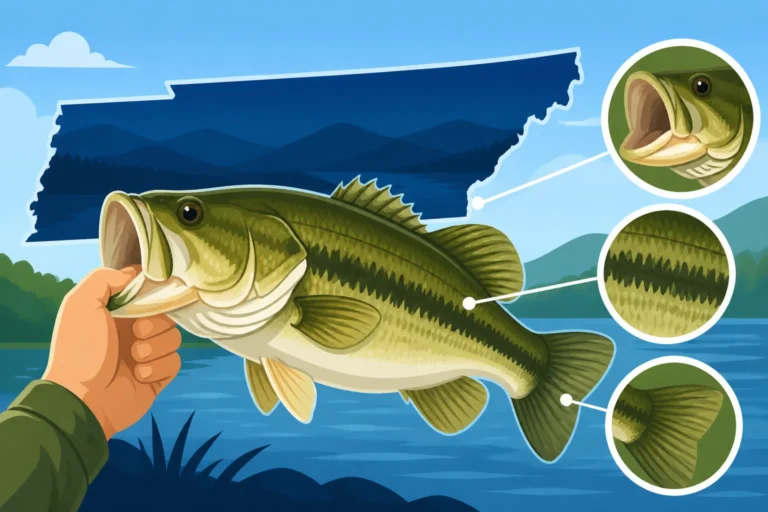
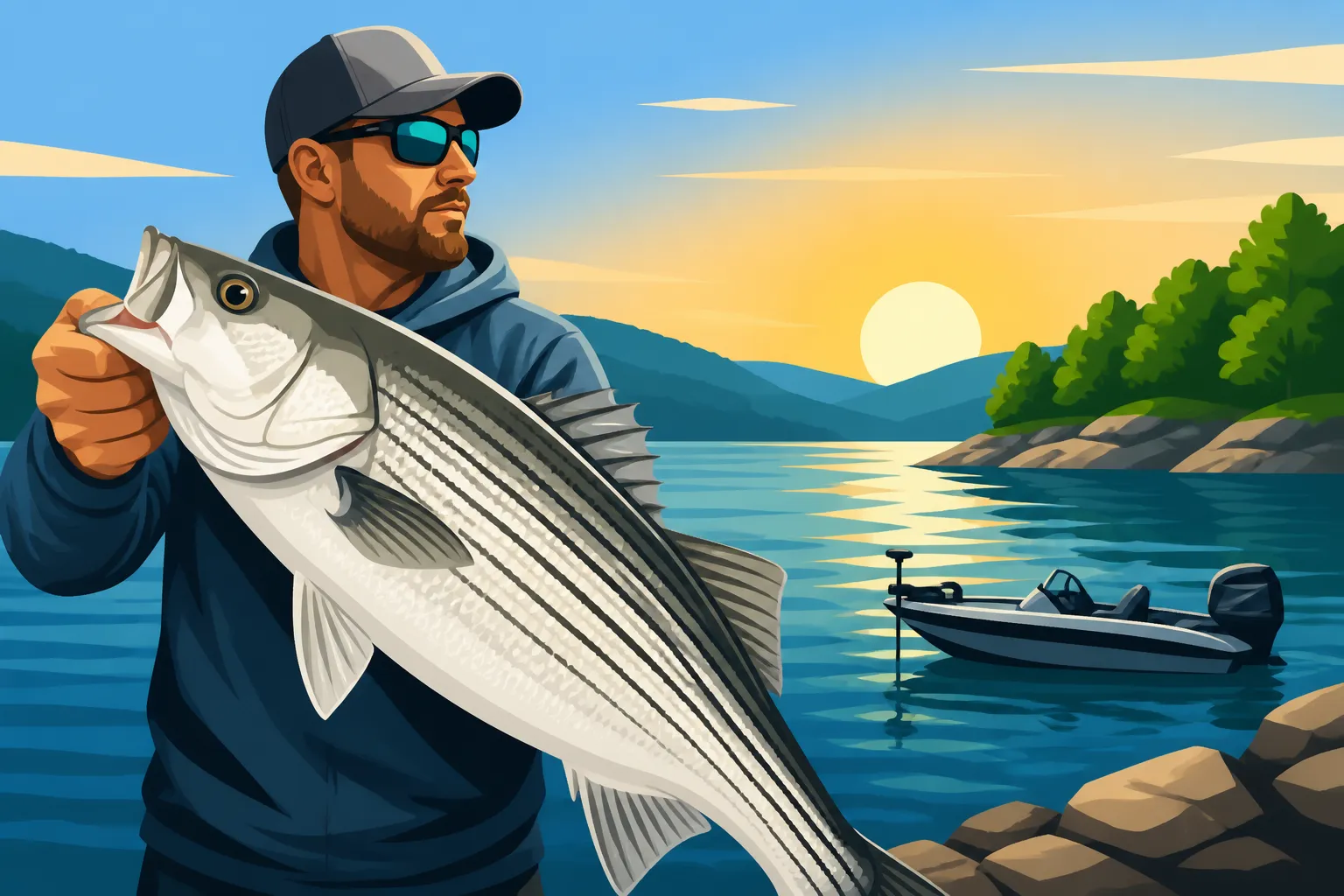
The most consistent way to tell them apart is by looking at their lateral lines. A pure striped bass will have unbroken, distinct black stripes running horizontally along its body. These stripes are typically straight and continuous from head to tail. Hybrid striped bass, on the other hand, will usually have broken or interrupted stripes, especially below the lateral line. The stripes on a hybrid might be more mottled or appear to crisscross rather than run perfectly parallel. It’s a subtle difference, but one that becomes easier to spot with practice. Knowing the difference can be important for Tennessee Striped Bass Season and Regulations, as catch limits can sometimes vary, though both are often treated similarly.
| Feature | Striped Bass (Purebred) | Hybrid Striped Bass (Wiper) |
|---|---|---|
| Size Potential | Larger, commonly 20-30+ lbs in reservoirs | Smaller, typically 10-20 lbs |
| Body Shape | More elongated, torpedo-like | Deeper body, often a bit more stout |
| Stripes | Distinct, unbroken, and generally straight lines | Often broken, interrupted, or unevenly spaced lines |
| Lateral Line | Stripes typically extend uniformly above and below it | Stripes below lateral line may be more scattered or mottled |
| Dorsal Fins | Two distinctly separate dorsal fins | Two dorsal fins, but often connected at the base |
The Striped Bass's Unique Feeding Habits
Striped bass are voracious predators, and their feeding habits are largely dictated by the abundance and movement of their primary food source: shad. They are schooling fish, and they often hunt in packs, herding baitfish to the surface or against submerged structures before ambushing them. This "schooling" behavior is why you might suddenly find yourself in the middle of a feeding frenzy, with stripers busting bait on the surface.
Their diet isn't strictly limited to shad; they'll also consume herring, alewives, and even smaller panfish. Because they are constantly chasing bait, they have an incredibly high metabolism, which means they need to eat frequently and aggressively. This makes them responsive to a wide variety of presentations, from fast-moving lures that mimic fleeing baitfish to slow-trolled live bait. Understanding their pursuit-oriented feeding strategy is key to selecting the right lures and techniques, whether you're casting, trolling, or drifting.
Essential Gear and Techniques for Reservoir Stripers
Catching a Tennessee striper requires more than just luck; it demands the right gear and a good understanding of effective techniques. These are powerful fish, and your tackle needs to be up to the task.
Rods, Reels, and Line: Building Your Setup
When it comes to battling a hard-fighting striped bass, your gear needs to be robust. You'll want a medium-heavy to heavy action rod, typically between 7 and 8 feet long. This length provides good casting distance, helps with powerful hooksets, and offers leverage during the fight. For reels, a conventional baitcasting reel with a good drag system is often preferred, especially when trolling or using heavy live bait rigs. However, strong spinning reels in the 4000-6000 series can also be effective, particularly for casting lighter lures or when you need quick retrieves.
Line choice is critical. Most serious striper anglers opt for braided line due to its strength, thin diameter, and lack of stretch, which provides excellent sensitivity. A 30-50 pound test braided mainline is a good starting point. You'll want to pair this with a fluorocarbon leader, usually 15-30 pound test, for abrasion resistance and invisibility in clearer water. Having a quality leader material is especially important around rocky structures where stripers often feed. Many excellent options for rods, reels, and line can be found on platforms like Amazon, offering a wide range of price points and specifications to suit your budget.
Top Baits and Lures for Tennessee Stripers
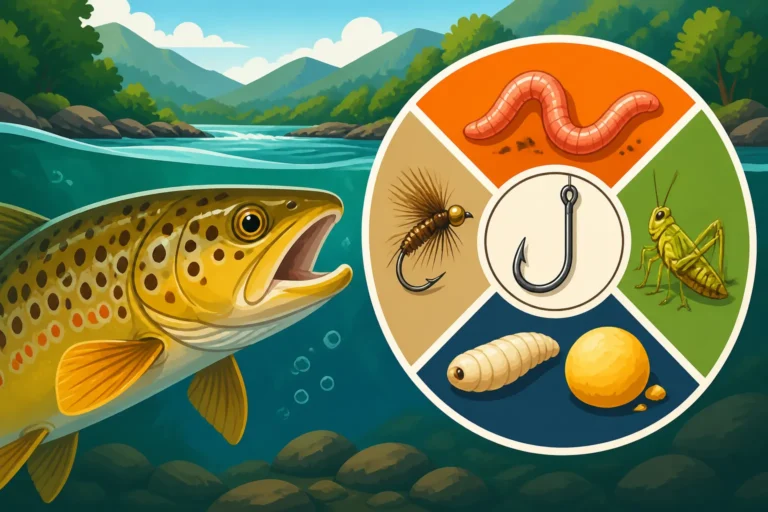
Stripers are opportunistic feeders, but some baits and lures consistently outperform others in Tennessee reservoirs. Live bait, particularly gizzard shad and threadfin shad, is often irresistible. If you can catch your own bait using a cast net, you'll have a significant advantage. Presenting live bait on a free-line, under a balloon, or on a downrigger are all effective methods.
For artificial lures, consider those that mimic shad. Sinking swimbaits, large bucktail jigs, and spoons are excellent choices for vertical jigging or casting to schooling fish. Topwater plugs can create exhilarating strikes when stripers are actively busting bait on the surface, especially during low light conditions. Crankbaits that dive to different depths can also be effective, particularly when trolling along ledges or humps. Don't forget umbrella rigs, which can imitate a small school of baitfish and are incredibly productive when trolled. Understanding Best Lures for Striped Bass in Deep Water is crucial for success when fish are holding deep.
Mastering Trolling and Live Bait Rigs
Trolling is arguably one of the most effective ways to cover water and find active striped bass in large Tennessee reservoirs. This technique involves dragging lures or bait behind a moving boat at specific depths and speeds. Downriggers are invaluable tools for presenting baits at precise depths, especially when stripers are holding deep. Planer boards can be used to spread out multiple lines, covering a wider swath of water and preventing tangles. When trolling, experiment with different speeds, typically between 2-4 mph, and vary your lure types and colors until you find what the fish prefer.
For live bait, a simple free-line rig with a hook and perhaps a small split shot can be incredibly effective when fish are shallow or busting on the surface. For deeper presentations, a Carolina rig with an egg sinker or a three-way swivel rig (also known as a Cleveland rig) allows you to present live shad near the bottom or at specific depths. Having a good livewell to keep your bait fresh and lively is paramount. Remember that successful trolling often comes down to matching the hatch—using lures or bait that closely resemble the natural forage the stripers are feeding on. You can find specialized Rod Holder and Planer Board Setup for Reservoir Striper Trolling information to help optimize your boat setup.
When and How to Find Striped Bass
Striped bass behavior changes with the seasons, and understanding these patterns is key to consistent success. Being able to "read the water" and knowing where to look based on current conditions can make all the difference.
Seasonal Patterns: Spring, Summer, Fall, and Winter
- Spring: As water temperatures begin to rise in early spring, stripers become more active and start moving out of their deeper winter haunts. They often follow baitfish into creek arms and shallower main lake areas. This is a great time for casting a variety of lures, and live bait fishing can be red-hot as they feed aggressively to prepare for the spawn.
- Summer: The Tennessee summer heat drives stripers deep, seeking cooler, oxygen-rich water. You'll find them concentrating in the main lake channel, often near thermoclines or deep structure like ledges and humps. Trolling with downriggers or vertical jigging with heavy spoons and jigs are primary tactics during these months. Early morning and late evening can see them move shallower for a brief feeding window. If you're struggling to locate them, focus on How to Find Striped Bass in Summer by targeting areas with cooler water and current.
- Fall: As water temperatures cool down, stripers become incredibly active again. They follow vast schools of shad into creek arms and embayments. This is arguably the best time for surface action, with "topwater blitzes" being a common sight. Casting large topwater plugs, swimbaits, and bucktail jigs can be incredibly productive. Trolling remains effective as well, covering vast areas where hungry fish might be roaming.
- Winter: During the coldest months, stripers will often school tightly and hold in deep water. They might be less active, but they are still catchable. Vertical jigging directly over schools of fish located with your electronics is a prime strategy. Trolling very slowly with deep-diving crankbaits or live bait can also entice strikes. Focus on areas with subtle temperature differences or current breaks where baitfish might be seeking refuge.
Reading the Water: Structure and Depth
Striped bass are highly structure-oriented when they're not actively chasing bait. Understanding common underwater structures will greatly improve your chances. Look for points extending into the main lake, submerged humps, ledges, old creek channels, and standing timber. These features provide ambush points and congregation areas for baitfish, which in turn attract stripers.
Your electronics are your best friend when striper fishing. A good fish finder with side-imaging or down-imaging capabilities can help you locate schools of baitfish and the larger predatory stripers below. Pay attention to changes in depth, bottom contours, and any signs of baitfish on your screen. Often, a few scattered arches around a bait ball indicate stripers are lurking. Don't just motor over these spots; stop, observe, and try different presentations once you've identified a promising area. Many anglers also find success by watching for diving birds, which often signal baitfish being driven to the surface by feeding stripers.
Night Fishing for Stripers
While many anglers pack up when the sun goes down, some of the most consistent and exciting striped bass fishing happens after dark, especially during the warmer months. Stripers are highly visual predators, but under the cover of darkness, they can become less wary and more aggressive, often moving into shallower water to feed. This can be a huge advantage for anglers who prefer to cast from the bank or target areas that are heavily pressured during the day.
When night fishing for stripers, lights can play a crucial role. Submersible green lights or bright LED lights suspended over the water can attract baitfish, creating a natural feeding station for stripers. Once the baitfish gather, stripers are usually not far behind. Focus on bridge pilings, lighted docks, and main lake points. Live bait, especially shad, is incredibly effective at night. Large topwater lures that create a strong commotion can also draw violent strikes in the dark. Always prioritize safety when on the water at night, ensuring you have proper navigation lights and a reliable headlamp. For a deeper dive, check out How to Catch Striped Bass at Night.
Learning to fish for striped bass in Tennessee reservoirs is a journey, not a destination. These fish offer an incredible challenge and an even greater reward. By understanding their habits, equipping yourself with the right gear, and mastering a few key techniques, you're well on your way to experiencing the thrill of a lifetime. Remember, every trip to the lake is a learning experience, so stay persistent, pay attention to the details, and enjoy the beautiful waters of Tennessee.
Disclaimer
This article is for general informational purposes only and does not constitute professional advice. Laws, prices and regulations vary by location and change over time. Consult a qualified professional for guidance on your specific situation.