Tennessee Brook Trout Conservation Waters
Many anglers in Tennessee dream of connecting with truly wild fish, but finding untouched waters and understanding the unique rules that protect them can feel like navigating a hidden map. It’s frustrating to want to do right by the environment but not know the best way to approach these sensitive areas. This guide is here to shed light on Tennessee Brook Trout Conservation Waters, explaining what they are, why they're so vital, and how you can be a responsible and successful angler in these special places.
Understanding Tennessee's Brook Trout Conservation Waters
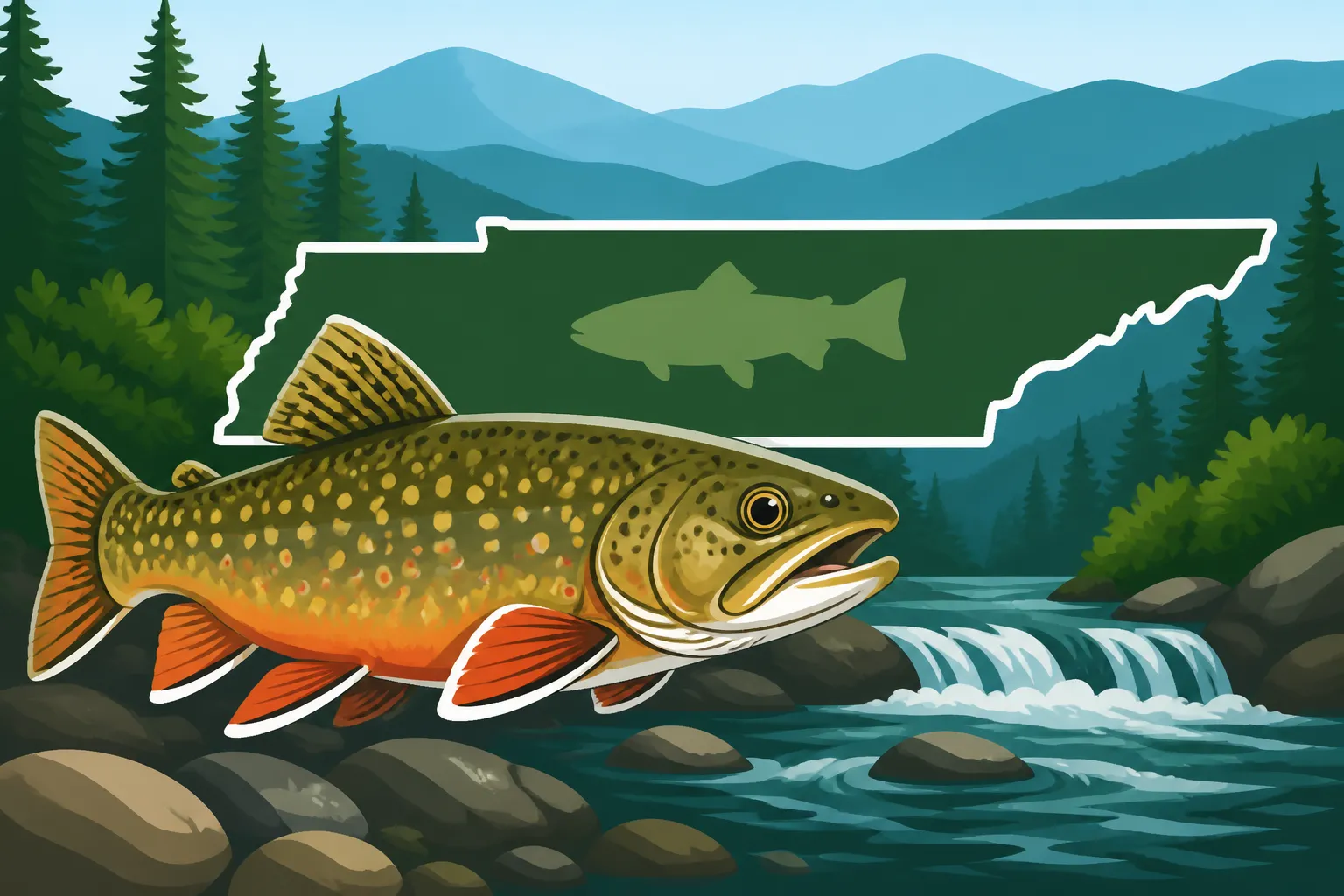
Tennessee is blessed with an incredible diversity of fish, but our native brook trout hold a special place in the hearts of many anglers. These beautiful fish, with their distinctive worm-like markings and vibrant colors, are true gems of our cold-water streams. However, their populations have faced challenges over the years, leading to the establishment of specific conservation efforts.
What Makes a Water "Conservation"?
When we talk about "conservation waters" for brook trout in Tennessee, we're referring to specific streams or sections of streams that have been identified as crucial habitats for our native populations. These aren't just any trout streams; they are places where the Tennessee Wildlife Resources Agency (TWRA) and other conservation partners are actively working to protect, restore, and maintain populations of brook trout that are wild and self-sustaining. The designation often means stricter regulations, a focus on natural reproduction, and a commitment to preserving the ecological integrity of the entire watershed. It's about letting nature do its thing, with a little help and a lot of respect from us anglers. These aren't your typical put-and-take fisheries; they are living laboratories of ecological recovery.
You might wonder why some streams get this special designation while others don't. It often comes down to the genetic purity of the brook trout population residing there, the quality of the habitat (think cold, clean water and plenty of cover), and the potential for these fish to thrive without constant stocking. These streams are chosen because they offer the best chance for brook trout to recover their historical ranges and numbers. It's a long-term investment in our natural heritage.
The Importance of Native Brook Trout
Our native brook trout, Salvelinus fontinalis, are more than just a beautiful fish to catch; they are an indicator species. Their presence and health tell us a lot about the overall health of our Appalachian stream ecosystems. If brook trout are thriving, it generally means the water quality is excellent, the riparian zones are intact, and the habitat is robust. They've been here for thousands of years, evolving with these specific stream environments. Brook Trout: Tennessee's Native Cold-Water Species delves deeper into their unique characteristics.
The genetic integrity of these native fish is also incredibly important. Stocked trout, often rainbow or brown trout, can sometimes compete with or even hybridize with native brook trout, diminishing their unique genetic makeup. By protecting conservation waters, we are safeguarding this genetic heritage, ensuring that future generations of Tennessee anglers can experience the thrill of catching a truly wild, native fish. It’s about preserving a piece of living history right here in our mountains. These small, often overlooked fish are crucial threads in the intricate tapestry of our state's biodiversity.
How These Waters Differ from Stocked Streams
The experience of fishing a brook trout conservation water is vastly different from fishing a heavily stocked stream. In stocked waters, the focus is often on high catch rates and easily accessible fish. The rules might be more lenient, and the fish themselves are often larger and less wary, having been raised in hatcheries. You might even find signage detailing recent stocking schedules.
In contrast, conservation waters emphasize the challenge and the purity of the experience. The fish are often smaller, warier, and more elusive, a direct result of their wild upbringing. The regulations are typically geared towards protecting these fragile populations, often involving catch-and-release only policies and specific gear restrictions. It’s not about how many you catch, but that you catch one, and more importantly, how you respect the environment you're in. This distinction means a different mindset, different gear, and a much deeper appreciation for the fish and their habitat. It's a true wilderness experience, even if you're not miles from the nearest road.
Navigating the Regulations and Responsibilities
Fishing in Tennessee Brook Trout Conservation Waters isn't just about casting a line; it's about being a steward of these special places. The rules are designed to protect these vulnerable populations, and understanding them is your first step in being a responsible angler.
Specific Rules You'll Encounter
The regulations for brook trout conservation waters are often stricter than those for general trout fishing. While statewide trout limits generally allow for keeping several fish a day during certain seasons, in conservation waters, it's very common to find catch-and-release only rules. This means every brook trout you catch must be carefully unhooked and returned to the water unharmed. Tennessee Trout Limits and Season Rules provides the general framework, but always check the specific regulations for the stream you plan to visit.
You might also encounter restrictions on the type of bait or lures you can use. Often, these waters are designated as "artificial lures only" or "fly fishing only" with single, barbless hooks. The reason for this is simple: to minimize harm to the fish. Barbless hooks make removal easier and quicker, reducing stress and injury to the trout. Natural baits can be more easily swallowed, causing internal damage. Always check the current TWRA regulations before heading out, as these rules can vary from stream to stream and are updated periodically. It's a small effort to ensure these fish have the best chance of survival after being caught.
Embracing Catch-and-Release Ethics
Catch-and-release is the cornerstone of conservation angling in these sensitive areas. It's not just a rule; it's an ethical commitment. The goal is to minimize stress and injury to the fish, allowing them to swim away healthy and continue their role in the ecosystem. To do this effectively, there are a few best practices. First, handle the fish as little as possible. If you can unhook it in the water without touching it, even better. If you must handle it, wet your hands first to protect the fish's delicate slime coat, which acts as a protective barrier against disease.
Avoid using nets with large, abrasive knots; rubberized or knotless nets are much gentler on fins and scales. Take photos quickly, holding the fish horizontally with support under its belly, never vertically by the jaw. Ensure the fish is fully revived before releasing it, holding it gently in the current until it can swim strongly on its own. This conscious effort ensures that the fish you release has the best possible chance of survival, contributing to the health of the population. Every single brook trout in these waters is precious, and our actions directly impact their future.
The Role of Anglers in Preservation
As anglers, we are on the front lines of conservation. Our actions directly impact the health and sustainability of these brook trout populations. Beyond following the rules, there's a larger role we play in advocating for these waters and educating others. Reporting any signs of poaching or environmental damage, even something as simple as trash along the stream bank, is crucial. You can find information on who to contact on the TWRA website.
It also means practicing "Leave No Trace" principles rigorously. Pack out everything you pack in, and if you see litter, pick it up. Be mindful of stream banks, avoiding unnecessary erosion, and wading carefully to protect redds (fish spawning beds) if you're fishing during spawning season. Where Do Brook Trout Live in Tennessee Streams? offers insights into their preferred habitats, which helps you understand where to be extra careful. By being good stewards, we help ensure these Tennessee Brook Trout Conservation Waters remain pristine for generations to come, allowing these native fish to thrive undisturbed.
Where to Find and How to Fish These Special Places
Finding Tennessee Brook Trout Conservation Waters can sometimes feel like discovering a hidden treasure, but with the right knowledge and approach, you can experience these unique fisheries. Remember, these are wild fish in often remote settings, so preparation is key.
Identifying Key Conservation Streams
Many of Tennessee's brook trout conservation efforts are focused on the higher elevation streams within the Appalachian Mountains, particularly those within the Cherokee National Forest and around the Great Smoky Mountains National Park. These areas naturally provide the cold, oxygen-rich water and pristine habitats that brook trout require. While I can't give you a precise map of every single stream (partially to protect these sensitive areas and because exact designations can change), general areas known for brook trout include sections of the Tellico River watershed, streams flowing off the Unicoi Mountains, and various tributaries within the Big South Fork National River and Recreation Area.
The best way to find specific designated waters is to consult the latest TWRA fishing guide, which usually outlines special regulation waters, or visit their website. These resources often provide details about specific stream segments and their unique rules. You won't find brook trout in the major lakes or larger rivers; you'll be looking for smaller, typically fast-flowing mountain streams. Sometimes, discovering these places involves a bit of research and a willingness to explore, which only adds to the adventure. Best Trout Streams in the Great Smoky Mountains, Tennessee is a great resource for starting your search.
Essential Gear for Conservation Water Angling
When you're targeting wild brook trout in conservation waters, simplicity and effectiveness are your best friends. Fly fishing is often the most popular and effective method, as it allows for delicate presentations and often adheres to "artificial lures only" regulations. A lightweight fly rod, typically a 2-weight to 4-weight, between 6 and 7.5 feet long, is ideal for navigating tight quarters and casting small flies. Pair this with a matching reel and a good quality weight-forward fly line. For flies, think small dries like Adams, elk hair caddis, or parachute emergers, and small nymphs like pheasant tails or caddis larvae patterns. How to Fly Fish for Trout for Beginners can give you a great start if you're new to the sport.
If fly fishing isn't your style or isn't explicitly required, ultralight spinning gear can also be effective. A sensitive spinning rod, 4.5 to 6 feet long, paired with a small spinning reel spooled with 2-4 pound test monofilament or fluorocarbon line, will give you the finesse needed. Small inline spinners, tiny spoons, or micro-jigs are good choices for lures. You can find a fantastic selection of these specialized items, from fly tying materials to ultralight lures, on platforms like Amazon, making it easy to prepare for your trip. Don't forget chest waders for navigating rocky streambeds and a reliable vest or pack to keep your essentials organized and easily accessible. Do You Need Waders for Smoky Mountains Trout Fishing? provides more detail on this essential gear.
Techniques for Targeting Wild Brook Trout
Wild brook trout are notoriously wary, a testament to their survival instincts. Approaching the water with stealth is paramount. Move slowly and deliberately, keeping a low profile to avoid spooking fish. They often hold in pocket water, behind rocks, under overhanging vegetation, or in small pools. How to Read Water When Trout Fishing is an invaluable skill here, helping you identify prime holding spots.
Your casts need to be accurate and delicate. For fly fishing, short, precise casts are often more effective than long, sweeping ones in these confined spaces. Present your fly or lure upstream and allow it to drift naturally downstream, mimicking a natural insect or baitfish. Watch your line for any subtle hesitations or movements that might indicate a strike, as these wild fish can be incredibly gentle biters. If you're using spinning gear, retrieve your lure slowly, with subtle twitches, trying to imitate wounded prey. These fish are opportunists, but they are also masters of their environment, requiring your best efforts and a healthy dose of patience.
Supporting the Future of Tennessee's Brook Trout
Our native brook trout and the conservation waters they inhabit are a precious resource. Our responsibility as anglers extends beyond simply following the rules; it involves active participation in their long-term survival.
Beyond the Fishing Trip: How You Can Help
The desire to protect these incredible fish doesn't have to end when you pack up your gear. There are numerous ways to contribute to brook trout conservation even when you're not on the water. Many local conservation organizations and chapters of national groups like Trout Unlimited are dedicated to habitat restoration, stream cleanups, and public education. Volunteering your time with these groups can involve anything from planting trees along stream banks to removing invasive species, all of which directly benefit brook trout habitat.
Financial contributions, even small ones, to reputable conservation non-profits also make a tangible difference, helping fund scientific research, stream surveys, and advocacy efforts. Consider purchasing items where a portion of the proceeds goes towards conservation, which you can often find while browsing outdoor gear on sites like Amazon. Every little bit helps to ensure the health and future of these vital ecosystems.
Education and Awareness
One of the most powerful tools for conservation is education. Sharing your knowledge about Tennessee Brook Trout Conservation Waters and the importance of responsible angling with friends, family, and especially younger generations, helps to foster a culture of stewardship. Explain why catch-and-release is so vital, or why specific gear restrictions are in place. Encourage others to learn about How to Identify a Brook Trout so they can appreciate these unique fish.
Taking a child or a new angler to a conservation water and teaching them the etiquette and respect for the environment can instill a lifelong appreciation for these fragile ecosystems. There are many educational resources available online and through conservation groups that can help you become a more informed advocate for brook trout. It’s about being a positive example and passing on the torch of conservation to ensure that the passion for wild places endures.
The Long-Term Vision for Brook Trout
The ultimate goal of Tennessee Brook Trout Conservation Waters is to see these native populations not just survive, but truly thrive. This involves ongoing efforts in habitat improvement, such as stabilizing stream banks, restoring natural flow patterns, and ensuring clean water free from pollution. It also includes continued research to monitor populations, understand threats, and adapt management strategies as needed.
Ideally, these conservation areas serve as sources from which brook trout can naturally expand their range into adjacent, suitable habitats, slowly reclaiming more of their historical territory. It's a vision that requires patience, dedication, and the collective effort of state agencies, conservation groups, and passionate anglers like you. Every time you wet a line in these special waters, you're not just fishing; you're participating in a much larger story of environmental restoration and preservation. It's about securing a wild future for a wild fish.
| Aspect | Stocked Trout Streams | Brook Trout Conservation Waters |
|---|---|---|
| Primary Goal | Provide recreational opportunities, higher catch rates | Protect & restore native, wild brook trout populations |
| Fish Origin | Hatchery-raised (Rainbow, Brown, Brook) | Wild, native brook trout, naturally reproducing |
| Regulations | Often allows harvest, fewer gear restrictions | Primarily catch-and-release, often artificial/fly only, barbless hooks |
| Fish Size/Behavior | Often larger, less wary | Smaller, extremely wary, elusive |
| Angler Approach | Focus on catching | Focus on experience, conservation, minimal impact |
| Water Quality/Habitat | Can vary, but stocking compensates | Typically pristine, high-elevation, cold-water streams |
| Ecological Importance | Recreational value | Indicator species, genetic purity, ecosystem health |
Disclaimer
This article is for general informational purposes only and does not constitute professional advice. Laws, prices and regulations vary by location and change over time. Consult a qualified professional for guidance on your specific situation.