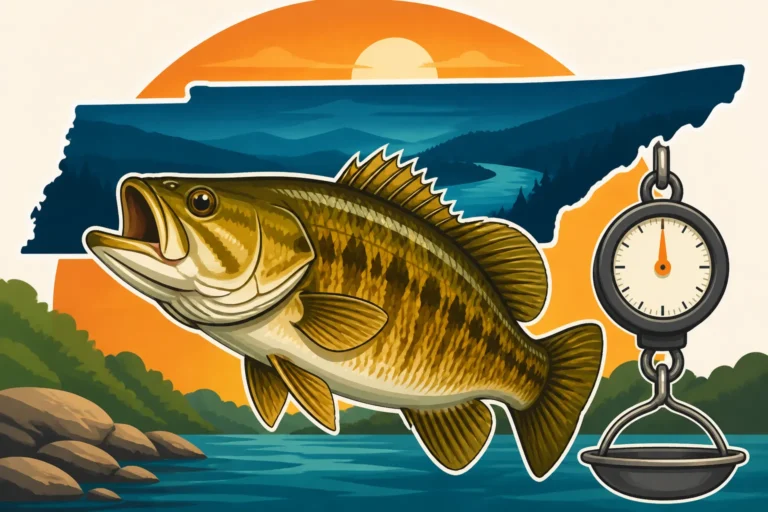
Tennessee Blue Catfish Record Catches
For many anglers, the pursuit of a true trophy fish is a lifelong passion, and when it comes to sheer size and power in Tennessee, the blue catfish reigns supreme. It’s a common frustration to hear whispers of massive catches but never really know the official records or how to even begin targeting such giants. This comprehensive guide will dive deep into Tennessee's impressive blue catfish record catches, explore the waters where these behemoths lurk, and equip you with the knowledge to potentially land your own legendary cat.
The Lure of Giant Blue Catfish in Tennessee
There's something uniquely captivating about blue catfish. Maybe it's their immense size, their brute strength, or the challenge they present to even the most seasoned angler. For many, just the thought of hooking into one of these freshwater titans is enough to get their heart pounding.
Why Blue Catfish Are So Prized
Blue catfish are not just big; they're incredibly powerful. When you hook into a truly large one, you're not just reeling in a fish; you're engaging in a tug-of-war with a creature that can easily outweigh a small person. Their broad, muscular tails and sheer determination make for an unforgettable fight, often testing both angler and gear to their limits. Beyond the thrill of the fight, blue catfish also hold a significant place in the ecosystem and are a fantastic table fare, especially the smaller ones. However, the true monsters are usually destined for photos and careful release to swim another day and grow even larger. The chance to break a personal best, or even the state record, keeps countless Tennessee anglers returning to the water. They are a species that truly embodies the wild spirit of our Tennessee rivers and reservoirs.
Understanding Tennessee's Record Keeping
Tennessee takes its fishing records very seriously, and for a good reason. These records aren't just bragging rights; they highlight the health of our fisheries and the incredible potential of our waters. The Tennessee Wildlife Resources Agency (TWRA) maintains official records for various fish species, including the coveted blue catfish. To be considered for a state record, a fish must typically be weighed on a certified scale, witnessed, and positively identified by a TWRA biologist. There are strict rules around how and when a fish is caught, ensuring fair chase and adherence to all Tennessee Fishing Regulations Explained. It’s a rigorous process, but it ensures that every record is legitimate and stands as a testament to the quality of Tennessee's fishing. Anglers hoping to set a new record should always familiarize themselves with the precise rules before they even cast a line, because a record-breaking catch could be disqualified if the proper procedures aren't followed.
Deciphering Tennessee's Blue Catfish Records
Every state has its legendary fish, and in Tennessee, the blue catfish holds a special place. The stories of colossal catches echo through bait shops and along riverbanks, inspiring new generations of anglers to dream big.
The Current State Record Holder
Tennessee has a truly impressive state record for blue catfish, a testament to the rich waters flowing through our state. While specific weights and dates can fluctuate with new catches, the current record-holder stands as a monumental achievement in the world of freshwater fishing. These record-breaking fish aren't just big; they are often the result of years of growth in nutrient-rich environments, often thriving in our large river systems and reservoirs. The record fish are usually caught in areas with abundant forage and deep, stable water conditions. It's truly incredible to think about the size and age of these fish when you see the numbers on the scale. When a new record is set, it sends ripples of excitement through the entire angling community, proving that even bigger fish are out there, just waiting for the right bait and the right angler.
Where the Big Ones Are Found
While you can find blue catfish in many Tennessee waters, the true giants tend to concentrate in specific areas. Our major river systems, like the Tennessee River and the Cumberland River, and their associated reservoirs, are historically the hotspots for trophy blue catfish. Lakes such as Watts Bar Lake, Kentucky Lake, and Chickamauga Lake are renowned for their massive populations and the potential for true giants. These large bodies of water offer everything a blue catfish needs: vast expanses of deep water, strong currents, and an abundant food supply, often consisting of shad and other baitfish.
For a deeper dive, check out Where to Catch Trophy Blue Catfish in Tennessee. Anglers often focus on areas with significant depth changes, submerged river channels, ledges, and deep holes. The confluence of rivers, where two major waterways meet, can also be incredibly productive, as baitfish are often concentrated in these turbulent waters, attracting the biggest predators. Identifying these key structural elements on your sonar is often the first step in locating a potential record-breaker.
Strategies for Chasing Your Own Trophy Blue Catfish
Landing a record-size blue catfish isn't just luck; it's a combination of preparation, technique, and sheer determination. You need to approach these fish with the right mindset and the right tools.
Essential Gear for Monster Cats
When you're targeting blue catfish that could potentially weigh 50 pounds or more, your gear needs to be up to the task. This isn't the time for lightweight spinning rods. You'll want heavy-duty catfish specific rods, typically 7 to 10 feet long, with a strong backbone to handle powerful runs. Pairing these with large conventional reels, spooled with 50-80 pound test monofilament or braided line, is crucial. Braided line offers superior strength and sensitivity, which can be an advantage when fishing in deep water or strong current.
Hooks should be stout, sharp, and appropriately sized for the bait and mouth of a large catfish – often 8/0 to 12/0 circle hooks are preferred. Swivels and leaders also need to be heavy-duty to prevent break-offs. Don't forget heavy sinkers to keep your bait on the bottom in strong currents; some anglers use several ounces, or even up to a pound, depending on conditions. Having a sturdy rod holder is also a must, as a big blue can rip a rod right out of your hands. Many anglers find great options for these heavy-duty items, from rods to line, available on platforms like Amazon, ensuring they have robust, reliable equipment for the fight of a lifetime.
Here's a quick look at essential gear:
| Gear Type | Description | Key Considerations |
|---|---|---|
| Rod | Heavy-action, fiberglass or composite, 7-10 feet | Strong backbone for fighting, good sensitivity |
| Reel | Large conventional (baitcasting) reel with high line capacity | Smooth drag system, durable construction |
| Line | 50-80 lb braided (preferred) or monofilament | High breaking strength, abrasion resistance |
| Hooks | 8/0 – 12/0 circle hooks | Strong, sharp, promotes jaw hooking (safer for fish) |
| Sinkers | Pyramid, no-roll, or flat sinkers, 4 oz to 1 lb+ | Holds bait on bottom in current, weight varies by conditions |
| Leader Material | 80-150 lb monofilament or fluorocarbon | Abrasion resistance, knot strength |
| Rod Holders | Heavy-duty, bank or boat mounted | Securely holds rod, can withstand powerful strikes |
| Landing Net | Large, deep-hoop net with sturdy handle | Essential for safely landing and releasing big fish |
Best Baits and Techniques
Blue catfish are primarily scavengers and opportunistic predators, making fresh cut bait their absolute favorite. Shad, skipjack herring, and carp are prime choices. The fresher the bait, the better! Many anglers will catch their baitfish fresh on the day they fish, as the oils and scent released by fresh cut bait are irresistible to big blues. For more details on bait, check out Best Bait for Blue Catfish Fishing. Other effective baits include raw shrimp, chicken livers (though these can be messy and fall off hooks easily), and even commercially prepared stink baits, though cut bait typically reigns supreme for the true giants.
The most common technique for trophy blue catfish is bottom fishing. This involves casting your bait out and letting it rest on the bottom, often in conjunction with a slip-sinker rig or a Carolina rig, which allows the fish to pick up the bait without immediately feeling the weight of the sinker. Look for deep holes, ledges, and submerged channels, especially where current brings food. Drifting baits along these contours is also highly effective. Understanding how to present your bait in these key locations is paramount. Many successful anglers also swear by night fishing, as blue catfish are often more active feeders after dark. How to Catch Catfish at Night is a great resource if you plan to extend your angling past sunset. Positioning your boat and utilizing good How to Anchor for Catfish in a River techniques are vital to staying on top of productive spots.
Patience and Persistence
Catching a record blue catfish is rarely a quick affair. It requires immense patience and persistence. You might spend hours, or even days, without a bite from a true giant. The key is to stay focused, trust your chosen spot, and keep fresh bait in the water. Pay attention to subtle bites and be ready to react quickly when that heavy thud hits your line. Fishing for these monster cats is often a waiting game, a test of wills between angler and fish. Don't get discouraged by slow periods; the next cast could always be the one that connects you with a fish of a lifetime. The Best Time of Year to Catch Catfish can vary slightly, but consistency is key no matter the season. Remember, every angler has tales of long hours and empty stringers, but also of that one incredible strike that made it all worthwhile.
Responsible Angling and Conservation
While the thrill of the catch is undeniable, responsible angling is paramount, especially when targeting such magnificent creatures. We all have a role to play in protecting Tennessee's incredible fisheries for future generations.
Catch and Release for Record Fish
For many anglers pursuing record-class blue catfish, the ultimate goal isn't to take the fish home for dinner, but to capture a photograph and then carefully release it. These truly massive blue catfish are often very old, and their genes are incredibly valuable for the overall health and vitality of the blue catfish population. Releasing them ensures they can continue to spawn and contribute to future generations of trophy fish. If you do catch a potential record, have your camera ready, weigh the fish quickly and accurately on a certified scale, get your photos, and then return it to the water as gently as possible. Minimizing the time the fish is out of water is critical for its survival. Practicing ethical catch and release ensures that the tradition of chasing monster cats in Tennessee can continue indefinitely. You might be surprised to learn that even though they're often consumed, many anglers consider even smaller Is Blue Catfish Good to Eat? specimens for release as well, especially if they are part of a healthy local population.
Protecting Tennessee's Fisheries
The health of our fisheries depends on every angler understanding and respecting regulations. This includes knowing Tennessee Fishing License Costs and Types, adhering to Tennessee Fishing Season and Catch Limits, and being aware of any specific lake or river regulations that might differ from statewide rules. Properly disposing of trash, avoiding the spread of invasive species, and reporting any illegal fishing activities are all crucial aspects of conservation. By being mindful stewards of our waters, we help ensure that species like the blue catfish continue to thrive. Comparing the Flathead Catfish vs Blue Catfish: Key Differences and their habitats can also help anglers understand the distinct needs of each species and how to best protect them. The ongoing efforts of organizations and individuals dedicated to conservation are what allow us all to enjoy the amazing fishing opportunities Tennessee has to offer, year after year.
Disclaimer
This article is for general informational purposes only and does not constitute professional advice. Laws, prices and regulations vary by location and change over time. Consult a qualified professional for guidance on your specific situation.