Do Crappie Bite Better in Spring or Fall in Tennessee?
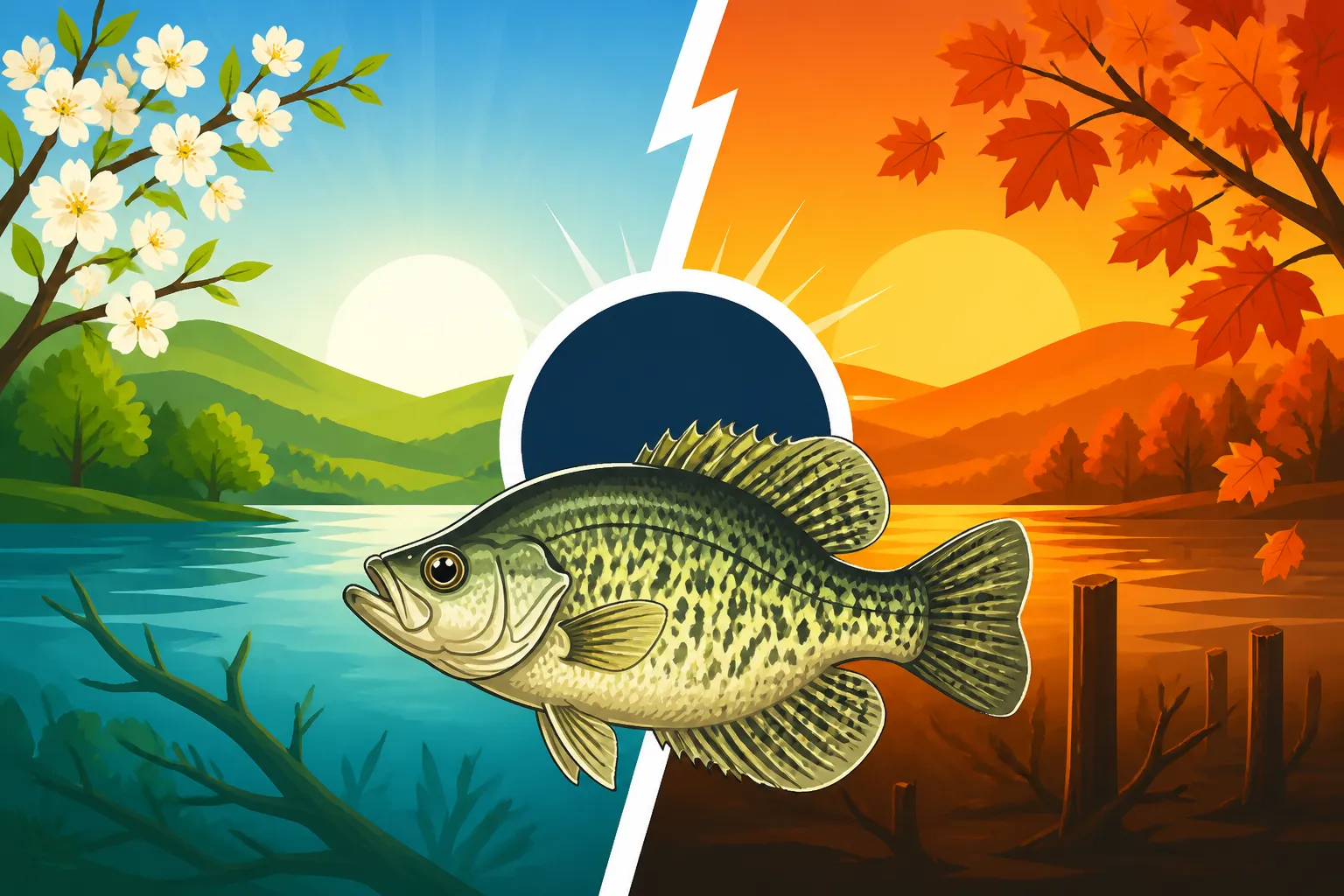
The age-old question for many Tennessee anglers revolves around one delicious fish: the crappie. You're out there, maybe on Chickamauga Lake or Reelfoot Lake, and you can't help but wonder if you're hitting the waters at the absolute best time for those papermouths. It's a valid frustration, because sometimes the bite is on fire, and other times it's a ghost town. This guide is going to dive deep into the nuances of crappie fishing in Tennessee during both the vibrant spring and the often-underestimated fall, helping you understand the "when" and "why" behind the bite.
The Spring Crappie Frenzy in Tennessee
Ah, spring! The trees are budding, the air is warming up, and every crappie angler in Tennessee starts feeling that familiar tug towards the water. It’s no secret that spring is widely considered the prime time for crappie fishing, and for good reason. The fish become incredibly active, driven by the powerful instinct to spawn, making them more predictable and often easier to catch.
Understanding the Crappie Spawn
The magic of spring crappie fishing largely centers around the spawn. As the water temperatures in Tennessee lakes and rivers begin to climb into the 50s and low 60s Fahrenheit, crappie, both black and white, start migrating from their deeper wintering grounds to the shallower, warmer waters. This is where they'll eventually build their nests and lay eggs.
Think of it like this: after a long, cold winter, these fish are suddenly feeling the urge to reproduce, and it puts them into a highly aggressive state. They're not just looking for food; they're also protecting their territory and preparing for the next generation. This behavioral shift means they become less wary and more likely to strike at anything perceived as a threat or a meal. You'll find them concentrating in large numbers, making it a fantastic time for both novice and experienced anglers alike. It’s why so many of us mark our calendars for this period, eagerly anticipating the first signs of rising water temperatures. Spring Crappie Spawn Timing in Tennessee is an annual event that dictates much of the fishing success.
Prime Spring Locations and Techniques
When spring crappie move shallow, they seek out specific types of cover. This often includes submerged brush piles, fallen trees, docks, bridge pilings, and even weed beds. These structures offer protection from predators and a place to secure their nests. Anglers often find success by slowly probing these areas with small jigs or live minnows. A classic tactic is to vertical jig, slowly raising and lowering your bait right into the cover.
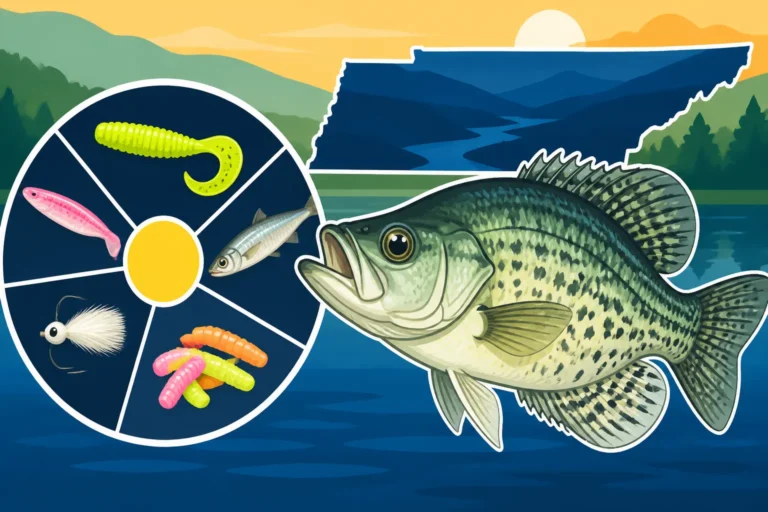
Another highly effective method is casting small plastic jigs, especially those with curly tails or paddle tails, around these same structures. The key is often a slow retrieve, giving the crappie plenty of time to react. Many anglers swear by specific jig colors in the spring, with chartreuse, white, and various greens often being top performers. You can find an incredible variety of these crappie jigs on platforms like Amazon, offering different weights and colors to match local conditions. The depth can vary, but generally, crappie will be in 2 to 10 feet of water during the peak of the spawn, sometimes even shallower.
Spring Challenges and Considerations
While spring offers fantastic opportunities, it's not without its challenges. The biggest one is often fishing pressure. Everyone knows spring is prime crappie time, so popular lakes like Kentucky Lake or Percy Priest Lake can get crowded. This means you might be competing with more boats and bank anglers for those prime spots.
Another factor is fluctuating spring weather. One day it might be warm and sunny, causing the water temps to climb, only for a cold front to roll through the next, sending crappie retreating to slightly deeper water. Staying adaptable is crucial. Have a plan B for deeper structure, and always keep an eye on weather forecasts and water temperature readings. Despite these minor hurdles, the sheer numbers and aggressive bites often make spring an undeniable favorite for many crappie enthusiasts. Remember, the Crappie limit in Tennessee is 20 fish per day, but pay attention to size restrictions as Only 5 of your 20 daily crappie may be over 12 inches.
Fall's Hidden Crappie Gems in Tennessee
While spring gets all the glory, fall crappie fishing in Tennessee is a truly underrated experience. As the crisp autumn air returns and the leaves begin to turn vibrant shades of red and gold, crappie undergo another significant behavioral shift. They're no longer focused on spawning, but rather on fattening up for the lean winter months ahead. This can lead to some incredibly productive and often less crowded days on the water.
Crappie's Post-Summer Recovery and Feeding
After the exhaustion of the summer heat and the spawn, crappie enter a recovery phase. As water temperatures begin to drop from their summer highs into the comfortable 60s and 70s, crappie become much more active and aggressive in their feeding. They sense winter approaching and know it's time to build up their fat reserves. This "feedbag" mentality means they'll often chase down baits with gusto, and you can find them in predictable patterns.
They're not as spread out as they might be in summer, nor are they as focused on shallow nesting as in spring. Instead, they’re often ganged up in schools, chasing baitfish. This makes them excellent targets for anglers who understand their fall movements. It's a different kind of intensity than the spring spawn, more about consistent feeding than territorial aggression, but equally rewarding.
Effective Fall Tactics and Hotspots
In the fall, crappie often begin to move back towards deeper creek channels, river bends, and main lake points, especially those with submerged timber or brush. They'll follow schools of baitfish, so finding the bait is often key to finding the crappie. Trolling with multiple rods, often referred to as "spider rigging," can be incredibly effective in the fall. This allows you to cover a lot of water and present baits at different depths until you find the sweet spot where the crappie are holding.
Vertical jigging over deep brush piles, using electronics to pinpoint schools of fish, is another powerful tactic. Small crankbaits that mimic shad can also be deadly when crappie are actively chasing bait. Look for areas where creeks feed into main lake bodies, or where shallow flats transition into deeper channels. Often, crappie will stage in these transition areas before moving to their winter haunts. Sometimes, a simple slip bobber rig with a minnow can be unbeatable, especially if you're fishing near known brush piles. For those looking to upgrade their gear for deep-water trolling, Amazon is a great place to compare different rod holders and trolling motor options. How to Catch Crappie in Cold Water can give you further insights into what works as fall deepens.
Fall Benefits and Overlooked Opportunities
One of the biggest advantages of fall crappie fishing is the reduced angler pressure. Many fair-weather fishermen have packed up their gear for the season, leaving the lakes quieter and the prime spots more accessible. This means you can often have excellent fishing without the crowds that characterize spring.
The weather is also incredibly pleasant for a day on the water. The scorching summer heat is gone, replaced by cool, crisp mornings and comfortable afternoons. This makes for a much more enjoyable fishing experience, whether you're in a boat or fishing from the bank. Fall crappie can be just as big, if not bigger, than spring crappie, as they've had a full season to grow and are now actively gorging themselves. Don't overlook the opportunity to have some of your most memorable crappie trips during this beautiful, productive season.
Comparing Spring and Fall for Tennessee Crappie Fishing
So, which season truly is "better" for crappie fishing in Tennessee? It's not as simple as picking one over the other. Both spring and fall offer fantastic opportunities, but they cater to different fishing styles and preferences. Understanding these differences can help you decide which season aligns best with your angling goals.
The "Better" Season Depends on Your Style
For many, spring is synonymous with crappie. The fish are shallow, aggressive, and often stacked up in visible cover. This makes it an ideal time for bank fishing, targeting docks, or slowly moving through shallow coves. If you love seeing a bobber dip or feeling a light tap on a jig fished right in front of you, spring might be your preferred season. It's often easier for beginners too, as the fish are more forgiving.
Fall, on the other hand, often requires a bit more active searching. Crappie might be deeper, spread out more, or constantly on the move with baitfish. This can make it a more rewarding challenge for anglers who enjoy using electronics, covering vast stretches of water by trolling, or dissecting deep structure. While spring offers the excitement of the spawn, fall often presents a more consistent, albeit sometimes deeper, bite from healthy, actively feeding fish. If you appreciate solitude and a strategic hunt, fall might be your true crappie paradise. For specific lake information, checking resources like Best Time of Year to Catch Crappie on Tennessee's Kentucky Lake can give you localized insights.
A Seasonal Crappie Calendar for Tennessee
To give you a clearer picture, here's a quick overview of what you can generally expect from crappie behavior across the seasons in Tennessee. Keep in mind that exact timing can vary year to year based on weather and water temperatures.
| Season | General Water Temp (F) | Crappie Location | Crappie Behavior | Common Techniques | Angler Pressure |
|---|---|---|---|---|---|
| Winter | 30s-40s | Deep holes, main lake channels | Lethargic, tightly schooled | Vertical jigging, tightlining deep | Low |
| Early Spring | 40s-50s | Transition areas, creek mouths | Pre-spawn staging, sluggish | Slow jigging, minnows on deep structure | Moderate |
| Mid-Spring | 50s-60s | Shallow cover, spawning flats | Spawning, aggressive, territorial | Jigs, minnows, slip bobbers in shallow cover | High |
| Late Spring | 60s-70s | Post-spawn recovery, moving deeper | Dispersing, somewhat lethargic | Fan casting, deeper jigs/minnows | Moderate |
| Summer | 70s-90s | Deep structure, thermocline | Seeking cool water, suspended | Deep trolling, night fishing, brush piles | Moderate (less during day) |
| Early Fall | 70s-60s | Creek channels, main lake points | Actively feeding, chasing bait | Trolling, vertical jigging, casting | Moderate |
| Late Fall | 60s-50s | Deeper creek channels, timber | Schooling up for winter, feeding | Vertical jigging, minnows, deep trolling | Low |
Essential Gear for Year-Round Crappie Success
No matter if you're chasing spring spawners or fall feeders, having the right gear makes a huge difference. Crappie fishing generally calls for light tackle to detect their subtle bites.
- Rods: An ultralight or light-action spinning rod, typically 5 to 7 feet long, is perfect. Look for sensitive tips to feel those light taps. A good What Rod Length Works Best for Tennessee Crappie Fishing? guide can help you dial in your setup.
- Reels: A small spinning reel (500-1000 series) spooled with 4-6 pound test monofilament or fluorocarbon line is ideal. The light line helps with casting small baits and increases sensitivity.
- Line: While mono and fluorocarbon are traditional, some anglers are switching to light braid (6-10lb test) with a fluorocarbon leader for even greater sensitivity.
- Baits: You absolutely cannot go wrong with live minnows. They are a crappie magnet year-round. For artificials, small soft plastic jigs (1/32 to 1/8 ounce) in various colors, especially chartreuse, white, and pink, are excellent. Tiny crankbaits and hair jigs also have their moments.
- Tackle Box Essentials: Don't forget an assortment of jig heads, small hooks, split shots, and bobbers. A sturdy tackle box, perhaps one you found a good deal on through Amazon, will keep everything organized. And a good pair of pliers for hook removal is a must.
Ultimately, both spring and fall offer incredible crappie fishing experiences in Tennessee. It's not about one being definitively "better," but rather about understanding the unique opportunities each season presents and adapting your approach. So, whether you're out there chasing the spring spawn or enjoying the peaceful, productive days of fall, grab your gear and hit the water – those Tennessee crappie are waiting! Crappie Fishing Season in Tennessee Lakes is a dynamic thing, and knowing when and where to go makes all the difference.
Disclaimer
This article is for general informational purposes only and does not constitute professional advice. Laws, prices and regulations vary by location and change over time. Consult a qualified professional for guidance on your specific situation.