Bluegill Size and Growth Expectations
Ever reeled in a bluegill and wondered, "Is this a good one?" or "How big do these little fighters actually get?" It's a common question that crosses the mind of many anglers, from seasoned veterans to parents introducing their kids to fishing. The truth is, bluegill sizes can vary wildly across Tennessee, and understanding why will not only satisfy your curiosity but also help you become a more effective and responsible angler. This guide will explore the fascinating world of bluegill growth, breaking down what influences their size and what you can realistically expect from the sunfish in your local waters.
Understanding Bluegill Growth Factors in Tennessee
Bluegill, those vibrant little panfish that put a smile on everyone's face, are much more complex than they might seem. Their size isn't just a matter of age; it's a delicate dance between genetics, their environment, and the balance of the ecosystem they call home. When you pull in a hand-sized 'gill, it's the culmination of many factors working together (or sometimes, against each other) to produce that fish.
The Role of Genetics and Species Variation
Just like people, not all bluegill are created equal. There can be genetic predispositions within different populations that influence their potential maximum size. While we generally talk about "bluegill" as one species, Lepomis macrochirus, there can be subtle variations in growth rates from one body of water to another, passed down through generations. Some bluegill populations in certain large reservoirs, for instance, might naturally have a higher genetic potential for growth compared to those in a smaller, isolated pond.
Furthermore, environmental pressures over time can even shape these genetic tendencies. If a population consistently faces specific challenges, like limited food or high predation, the bluegill that survive and reproduce might pass on traits that favor either faster growth to escape predation or slower growth to survive on less food. It's a subtle but powerful force at play beneath the surface. For serious anglers looking to understand these nuances, researching local fish studies might reveal specific details about the bluegill strains in your favorite fishing spots.
Food Availability and Water Quality
Perhaps the most significant factors influencing bluegill size are the availability of food and the overall quality of the water. Bluegill are opportunistic feeders, munching on everything from aquatic insects and their larvae to small crustaceans, zooplankton, and even tiny fish. If a lake or pond has an abundance of these food sources, bluegill can grow faster and larger. Think of a buffet versus a meager snack – the fish at the buffet will thrive.
Conversely, poor water quality can severely stunt growth. Things like low oxygen levels, high acidity, or the presence of pollutants can stress bluegill, making them lethargic and less able to forage effectively. Even if there's enough food, if the water conditions are poor, the fish won't be healthy enough to take advantage of it. Maintaining healthy aquatic habitats is crucial not just for bluegill, but for the entire food chain, impacting everything from the smallest minnow to the biggest bass.
Population Density and Predation Dynamics
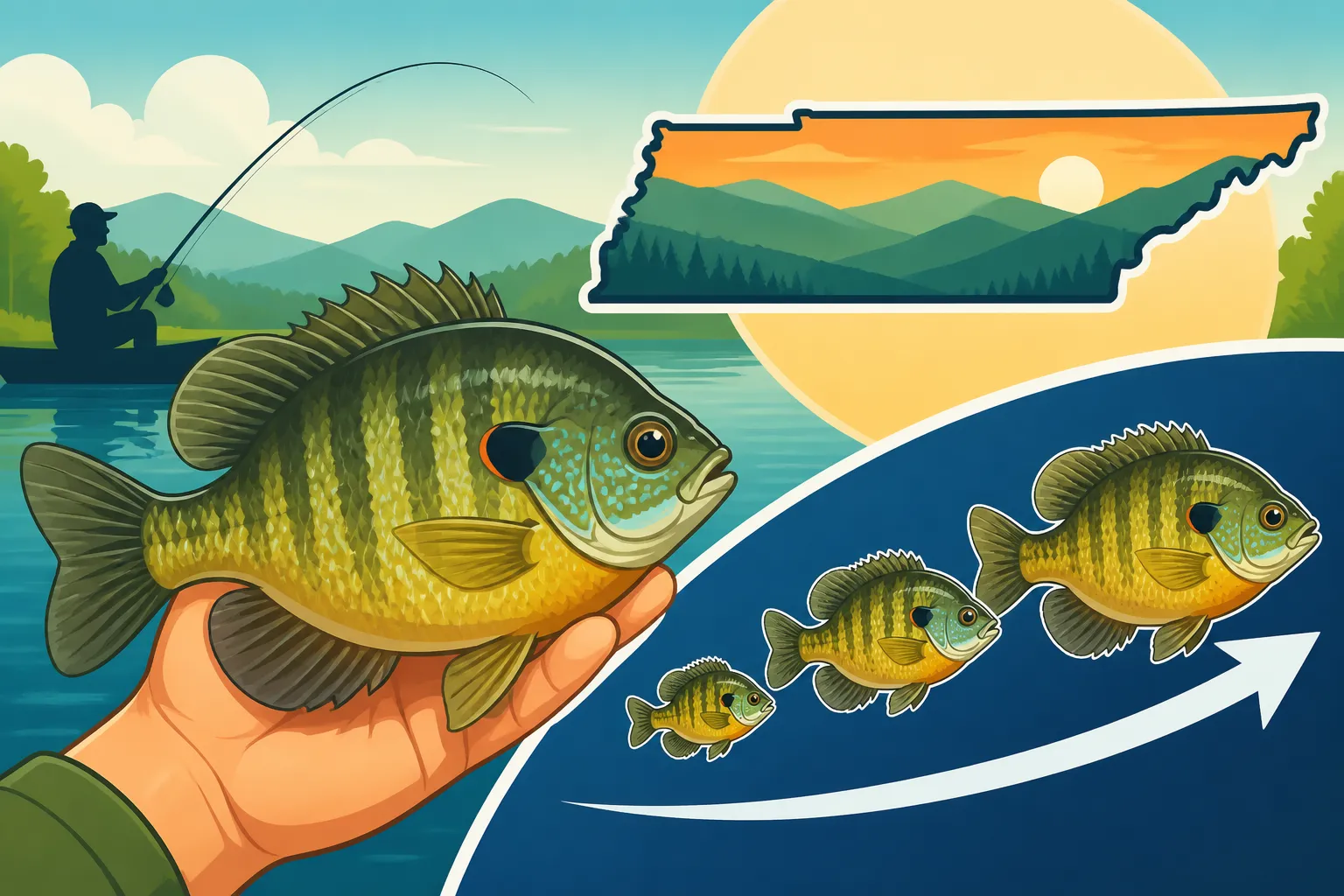
This is a big one, especially in many smaller, private ponds across Tennessee. If a body of water becomes overpopulated with bluegill, there simply isn't enough food to go around for everyone. This leads to a phenomenon known as "stunting," where you'll catch dozens of tiny bluegill, all roughly the same small size, and rarely a decent keeper. It's a classic sign of an imbalanced ecosystem.
The presence of predators, particularly a healthy population of largemouth bass, is vital for bluegill growth. Bass act as natural "thinners" of the bluegill population, culling the smaller, weaker fish. This leaves more food and less competition for the remaining bluegill, allowing them to grow larger. Without effective predation, bluegill populations can explode, leading to widespread stunting. It's a delicate balance; too many bass can decimate bluegill, but too few means a pond full of tiny fish. Understanding these dynamics is key to Tennessee's Fishing Season and Catch Limits for various species.
Average Bluegill Size Expectations by Water Body Type
When we talk about bluegill size, it's important to remember that a "good" bluegill in a small pond might be considered tiny in a large reservoir. The type of water body profoundly influences how big these fish can get. You wouldn't compare the growth of a deer in a suburban park to one in a vast national forest, right? The same principle applies to bluegill across Tennessee's diverse aquatic landscapes.
Farm Ponds and Small Lakes
These are often the first places many of us learn to fish for bluegill, and for good reason—they're usually abundant! However, farm ponds and smaller lakes frequently suffer from bluegill overpopulation if not managed correctly. Without enough predators or proper harvesting by anglers, bluegill can quickly out-compete each other for food. In such scenarios, a bluegill that's five or six inches long might be considered a very respectable catch.
You might catch dozens of fish in a short time, but they'll all be very similar in their small size. This indicates a stunted population where growth has hit a ceiling due to limited resources. While still fun to catch, these ponds rarely produce the truly impressive 'gills that dedicated panfish anglers dream of. If you're managing a pond, understanding these dynamics is crucial for creating a healthy, balanced fishery.
Large Reservoirs and Rivers
Now, this is where you can find some true bluegill hogs! Tennessee is blessed with numerous large reservoirs like Chickamauga Lake, Kentucky Lake, and Watts Bar Lake, as well as extensive river systems. These larger bodies of water offer several advantages for bluegill growth. They typically have a more diverse and abundant food supply, wider variations in habitat (like deep channels, expansive flats, and intricate submerged cover), and a healthier balance of predator and prey species.
In these environments, it's not uncommon to catch bluegill in the 7- to 9-inch range, with some exceptional specimens pushing past 10 or even 12 inches, sometimes weighing over a pound. These are truly trophy-sized panfish that fight hard and make for an excellent meal. The sheer size and complexity of these ecosystems mean that bluegill have more opportunities to find rich feeding grounds and grow to their full potential. For those looking for bigger fish, these larger waters are often the best bet, and knowing Best Crappie Fishing Lakes in Tennessee might also guide you to good bluegill spots.
Regional Differences Across Tennessee
Tennessee's geography is incredibly diverse, from the cold, clear streams of the Appalachian Mountains in East Tennessee to the vast, slower-moving rivers and lakes in West Tennessee. These regional differences can subtly impact bluegill growth rates. In cooler waters, fish metabolism might slow down slightly, potentially leading to slower growth compared to their counterparts in warmer, nutrient-rich environments.
Conversely, the warmer waters of West Tennessee's flood-plain lakes might support a longer growing season and a higher metabolic rate, given sufficient food, allowing bluegill to reach larger sizes more quickly. However, this isn't a hard and fast rule; local conditions within each region are still the dominant force. For instance, a well-managed private pond in East Tennessee could easily produce bigger bluegill than a neglected one in West Tennessee. Exploring A Complete Guide to Fishing Spots in Tennessee can give you a better idea of what to expect regionally.
Identifying Healthy Bluegill for a Sustainable Fishery
When you catch a bluegill, it's not just about its length; its overall appearance can tell you a lot about its health and the health of the fishery it came from. As anglers, we have a role to play in promoting sustainable fishing practices, and that starts with recognizing what makes a healthy fish and a healthy population. Observing the condition of your catch is a valuable skill that goes beyond just measuring.
Physical Characteristics of a Robust Bluegill
A truly healthy, well-fed bluegill is a sight to behold. They'll typically have a deep, thick body that feels substantial in your hand, rather than being thin or "slab-sided." Their belly should be full, indicating consistent feeding, and their overall color should be vibrant and distinct. The operculum (gill plate) should have a prominent black 'ear flap,' often with a reddish-orange or light blue trim, depending on the individual and its spawning stage.
Their fins should be intact and well-formed, not ragged or eroded, which can be a sign of poor water quality or disease. A strong, healthy bluegill will also put up a feisty fight on the line, indicating good muscle tone and vitality. These are the fish that contribute positively to the gene pool and signal a thriving ecosystem with plenty of food and balanced populations.
Signs of a Stunted Population
On the flip side, if you're consistently catching bluegill that are all roughly the same small size (say, 3-5 inches), appear thin or emaciated, and have dull coloration, you're likely fishing in a stunted population. These fish might have large eyes in proportion to their bodies, a common indicator of malnutrition where the body isn't keeping up with head growth. Their fight might also be less enthusiastic, reflecting their overall poor condition.
Such a situation often points to an overabundance of bluegill and a scarcity of adequate food resources, compounded by insufficient predation. In these cases, actively harvesting a good number of these smaller bluegill can actually be beneficial, as it reduces competition and allows the remaining fish to grow larger. It's a form of active management that can improve the overall health and size structure of the bluegill population.
The Role of Management in Bluegill Growth
Effective fishery management, whether by state agencies like the Tennessee Wildlife Resources Agency (TWRA) or private pond owners, plays a huge role in bluegill growth. This can involve a variety of strategies:
- Stocking: Introducing new bluegill or predator species (like bass) to balance the population.
- Harvest Regulations: Setting appropriate Tennessee Fishing Season and Catch Limits for both bluegill and their predators to maintain balance. For bluegill, specific limits might vary by lake, so always check local regulations.
- Habitat Improvement: Enhancing aquatic vegetation, adding artificial structure (like brush piles), and managing water quality can create better environments for bluegill to thrive.
- Monitoring: Regular surveys to assess the size and age structure of fish populations help managers make informed decisions.
By understanding these management efforts, anglers can better appreciate the work that goes into providing diverse fishing opportunities across Tennessee. You can find many products to help with pond management on sites like Amazon, from water testing kits to fish feeders, though professional consultation is always best for serious pond issues.
Catching Bigger Bluegill: Tips and Techniques
So, you're ready to target those larger bluegill? It's certainly possible, and it often involves a slight shift in strategy from simply casting a worm anywhere. While bluegill are generally cooperative, the bigger ones tend to be a bit warier and require a more deliberate approach. You don't just want to catch any bluegill; you want to find the ones that have grown to impressive sizes.
Targeting Larger Fish with Specific Baits and Lures
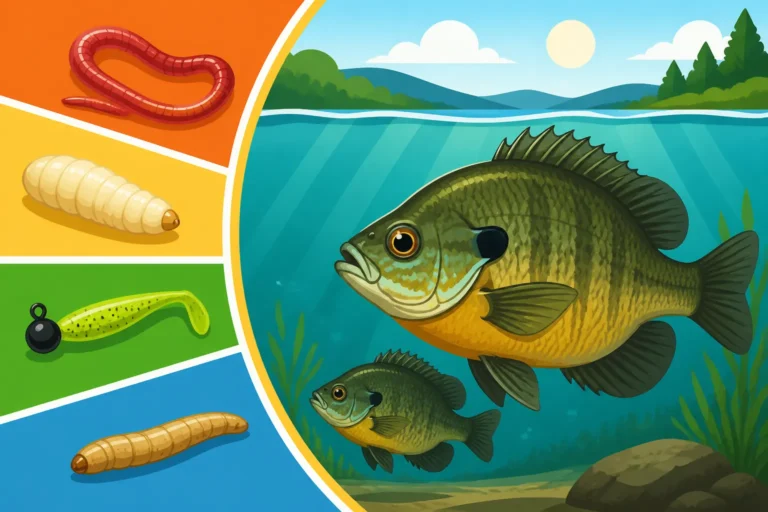
While a simple worm or cricket will catch bluegill of all sizes, if you want to weed out the smaller ones and focus on the giants, you might need to up your game. Larger bluegill often prefer slightly bigger baits. Crickets are still fantastic, but sometimes a larger piece of worm, a live grasshopper, or even a small minnow can entice a more substantial bite. For artificial lures, tiny jigs (1/32 or 1/64 ounce) tipped with a small soft plastic grub, a micro-tube, or even a piece of Gulp! bait can be incredibly effective.
Fly fishing can also be a phenomenal way to target big bluegill. Small poppers, foam spiders, or wet flies that imitate aquatic insects can be irresistible to a hungry 'gill. Experiment with colors and retrieves; sometimes a subtle twitch or a slow drift is all it takes. Check out Best Bait for Bluegill and Panfish for more specific recommendations, and you can find a wide array of these baits and lures on Amazon.
Locating Prime Bluegill Habitats
Bigger bluegill tend to hang out in slightly different spots than their smaller brethren. While the smaller fish might be in large schools in open water, the larger ones are often more solitary or found in smaller groups, preferring structure and cover. Look for:
- Submerged Structure: Brush piles, fallen trees, old stumps, rock piles. These provide cover from predators and ambush points for food.
- Weed Lines and Aquatic Vegetation: The edges of lily pads, cattails, and submerged grass beds are insect factories and offer excellent cover.
- Docks and Piers: Especially those with plenty of shade and submerged bracing. The shade attracts baitfish and insects, which in turn attract bluegill.
- Drop-offs and Ledges: Where shallow flats transition to deeper water, bluegill can often be found patrolling these edges, especially during hotter parts of the day.
Understanding Where to Find Bluegill in Tennessee Ponds and larger lakes can dramatically increase your chances of finding those elusive jumbo 'gills. Remember that bluegill often move with the sun, seeking shade during bright days.
Gear Considerations for Bluegill Anglers
To truly enjoy the fight of a large bluegill and maximize your chances of landing them, using appropriate gear makes all the difference. While any rod and reel can catch a bluegill, an ultralight setup turns a modest fish into a thrilling battle.
- Rod: An ultralight spinning rod, typically 4.5 to 6 feet long, with a fast action tip, is ideal. It allows for delicate presentations and maximizes the feel of the fight.
- Reel: A small spinning reel (500 or 1000 size) spooled with light line, usually 2-4 pound test monofilament or fluorocarbon. Lighter line allows for longer casts of tiny baits and is less visible to wary fish.
- Bobbers: A small, sensitive bobber (like a slip bobber) is crucial for detecting subtle bites, especially when fishing deeper. A traditional red and white bobber is fine, but those sensitive cigar or pencil bobbers can make a world of difference.
- Hooks: Tiny, sharp hooks are essential. Size 8, 10, or even 12 Aberdeen or Kahle hooks are perfect for bluegill mouths.
Using this lighter tackle not only enhances the fun but also often leads to more successful hookups, as bluegill can be surprisingly adept at stealing bait from heavier rigs. You can put together an excellent ultralight bluegill setup by checking for deals on Amazon, often finding great beginner combos. For more ideas on simple setups, check out Simple Bluegill Rig for Kids.
| Bluegill Habitat Type | Typical Size Range (Inches) | Average Weight (Ounces) | Key Growth Factors |
|---|---|---|---|
| Small Farm Ponds | 3 – 6 | 1 – 4 | Overpopulation, limited food, low predation |
| Medium Lakes | 5 – 8 | 3 – 8 | Moderate population, varied food, balanced predation |
| Large Reservoirs | 7 – 10+ | 6 – 16+ | Abundant food, diverse habitat, healthy predator ratio |
| Rivers | 6 – 9 | 4 – 10 | Current, varied food, complex habitat |
Please note that these are general expectations, and individual fish size can vary widely based on specific local conditions, water temperatures, and individual genetics. Trophy bluegill are often caught outside these ranges!
Disclaimer
This article is for general informational purposes only and does not constitute professional advice. Laws, prices and regulations vary by location and change over time. Consult a qualified professional for guidance on your specific situation.