Watts Bar Lake’s Best Fish Species for Anglers
Oh, Watts Bar Lake! It's such an incredible body of water, sprawling across more than 39,000 acres, and honestly, trying to figure out where to even begin fishing can feel utterly overwhelming. You might be staring at a map, seeing all those coves, creeks, and main lake channels, and just wonder, "What in the world should I even try to catch here?" This guide is for every angler, whether you're a seasoned pro or just dipping your toes into Tennessee's waters, who wants to unlock the secrets to targeting the best fish species Watts Bar Lake has to offer. We'll break down the top species, where they like to hang out, and give you some pointers to make your next trip a success.
Watts Bar Lake's Bass Bonanza: Largemouth and Smallmouth
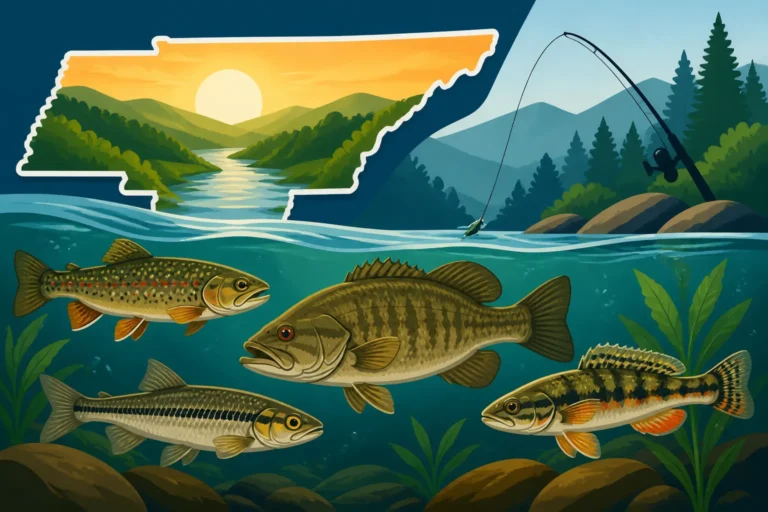
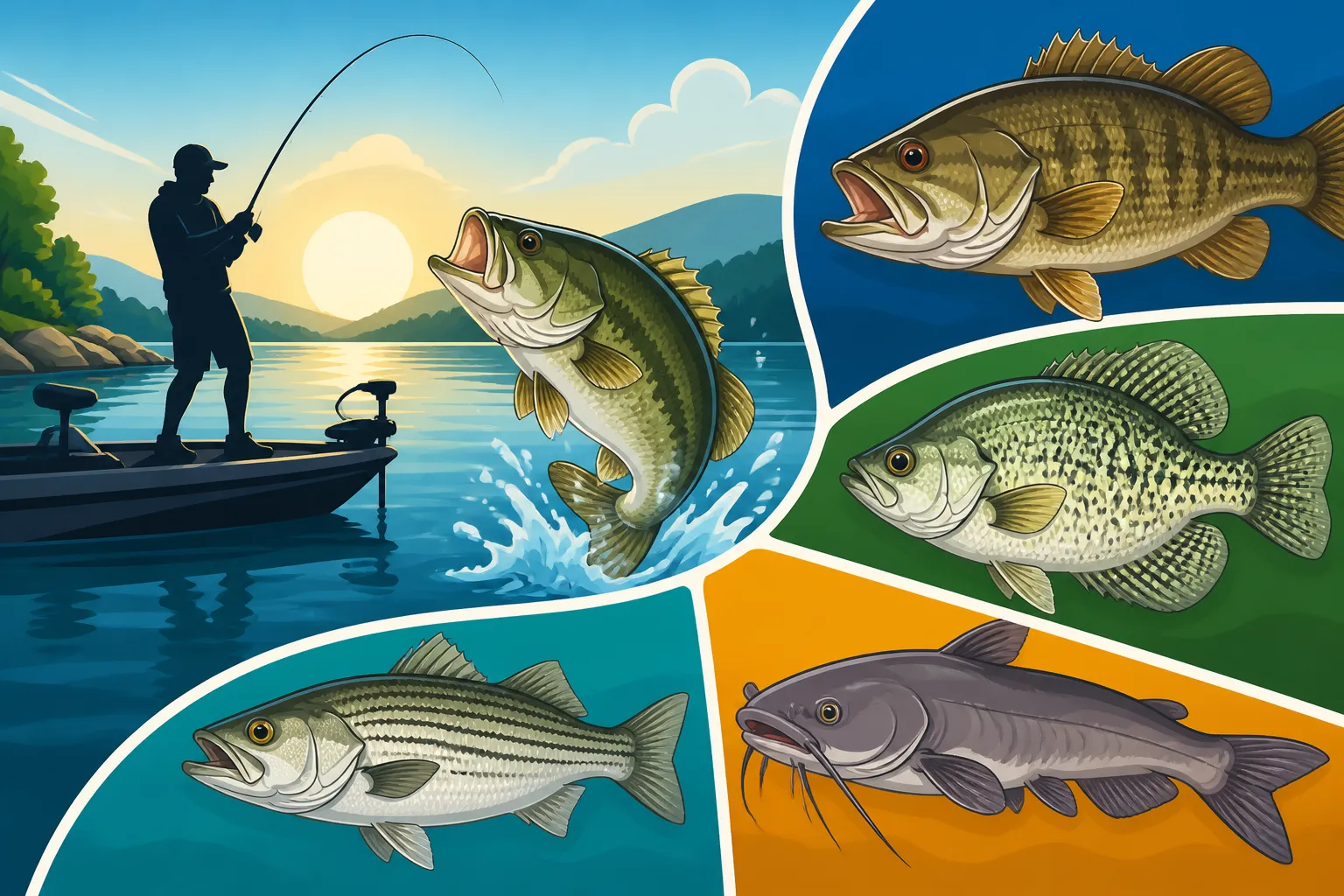
When folks talk about fishing on Watts Bar Lake, more often than not, the conversation quickly turns to bass. And for good reason! Watts Bar is renowned for its fantastic bass fishery, hosting both robust largemouth and feisty smallmouth populations. It's truly a bass angler's dream, offering diverse habitats that appeal to both species. Knowing where to look for each can make all the difference in filling your livewell or just enjoying a memorable fight.
Largemouth Bass: The Greenbacks of the Lake
Largemouth bass are arguably the most popular target species on Watts Bar. These green-and-black beauties thrive in the lake's rich cover and abundant forage. What makes Watts Bar so special for largemouth is the sheer variety of structure available. From shallow coves choked with aquatic vegetation to deep brush piles and countless docks, there's always a spot for a largemouth to ambush its prey.
During the warmer months, especially in spring and fall, you'll find largemouth moving into shallower water, often near submerged grass beds or around the many boat docks that line the shoreline. These areas provide both cover and food, making them prime real estate. As the summer heat intensifies, the bigger bass tend to retreat to deeper offshore structure, like ledges, humps, and submerged timber, where the water is cooler and oxygen levels are more stable. Understanding these seasonal movements is key to consistent success. Many anglers swear by a good jig, a Texas-rigged worm, or a crankbait to entice these fish. You can find an excellent selection of these tried-and-true baits, along with all the hooks and weights you'll need, on Amazon. For more detailed tips on how to identify these popular fish, check out Largemouth Bass Identification Tips for Tennessee Anglers.
Smallmouth Bass: The Bronze Beauties of Rocky Bottoms
While largemouth get a lot of attention, don't overlook the incredible smallmouth bass fishing that Watts Bar Lake provides. These hard-fighting fish, often called "bronze backs," prefer cleaner, rockier environments, making them prevalent in the main lake points, rocky banks, and deeper bluff walls. Watts Bar's unique blend of riverine characteristics and reservoir conditions creates ideal habitat for smallmouth, especially in areas with current flow.
You'll often find smallmouth congregating around rocky points, gravel bars, and areas where the old river channel swings close to the bank. They're particularly fond of current, so fishing near dam releases or in tributary mouths can be highly productive. During the cooler months, smallmouth will often move deeper, suspending over submerged structure or hunkering down on deep rock piles. Popular baits for smallmouth include small crankbaits, jerkbaits, hair jigs, and various soft plastics like tubes or grub tails. These fish are known for their strong runs and aerial acrobatics, making them a thrilling catch. Watts Bar is one of those places that truly exemplifies why Smallmouth Bass: Tennessee's Official State Fish holds such a special place in anglers' hearts. For deeper insights into targeting these incredible fish, you might find some useful information in Best Bass Fishing Spot on Watts Bar Lake, Tennessee.
Chasing Panfish: Crappie and Bluegill on Watts Bar
Beyond the bass, Watts Bar Lake offers some absolutely fantastic panfishing opportunities. If you're looking for a relaxing day on the water with the potential for a delicious dinner, crappie and bluegill should be high on your target list. These smaller species are abundant, relatively easy to catch, and provide endless fun for anglers of all ages and skill levels.
Crappie: The Slabs of Watts Bar
Crappie fishing on Watts Bar is legendary among those who know. Both black and white crappie thrive in the lake's diverse environment, growing to impressive "slab" sizes. These fish are notorious for congregating in large schools around submerged brush piles, standing timber, and under boat docks, offering the chance for truly epic catches once you locate them.
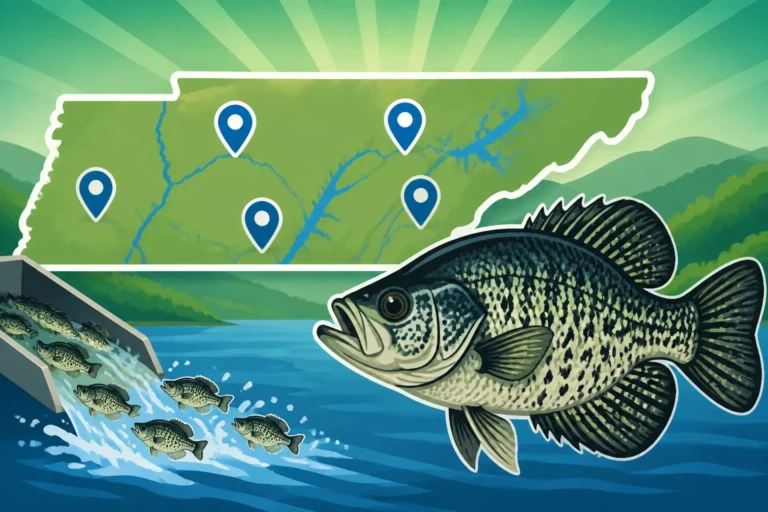
The spring spawn is a prime time for crappie, as they move into shallower coves and creeks, seeking out woody cover to lay their eggs. During this period, you can often find them in water as shallow as a few feet. As the water warms, they retreat to deeper brush piles and submerged structure, sometimes suspending over channels or humps in 15-30 feet of water. Vertical jigging with small jigs (like Bobby Garland crappie jigs) or live minnows is incredibly effective. Many dedicated crappie anglers use specialized electronics, sometimes found on Amazon, to pinpoint these submerged structures and the schools of fish holding to them. For specific locations and techniques, you'll definitely want to check out Where to Catch Crappie on Watts Bar Lake and learn more about Black Crappie: A TWRA-Stocked Tennessee Favorite.
Bluegill: The Sunfish Staples
Bluegill, along with other sunfish like redear and shellcrackers, are plentiful across Watts Bar Lake and provide an excellent target for family outings or a casual afternoon of fishing. They might not be the biggest fish in the lake, but their eagerness to bite and the sheer number you can catch make them a perennial favorite. Plus, they are incredibly tasty!
You'll find bluegill in many of the same shallow, cover-rich areas as largemouth bass, especially around docks, fallen trees, lily pads, and other aquatic vegetation. They love to hang out near structure, using it for protection from larger predators and as an ambush point for insects and small aquatic invertebrates. A simple setup with a small hook, a bit of bobber, and a worm, cricket, or piece of corn is usually all it takes. Cast near some cover, let your bait sink, and be ready for that telltale bobber dance. Many of the peaceful, quieter coves throughout Watts Bar are absolutely teeming with bluegill, making them perfect spots for beginners and kids.
The Giants Below: Catfish Species of Watts Bar
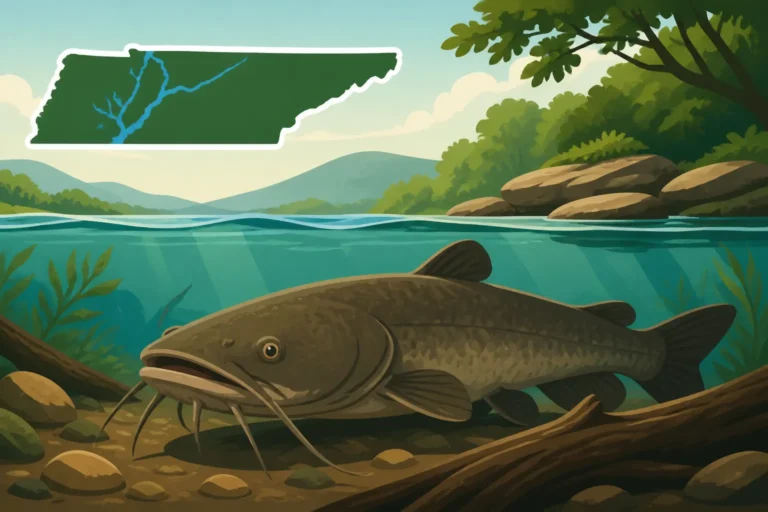
If you're after something with serious pulling power and the potential for a truly enormous catch, Watts Bar Lake's catfish population will not disappoint. The lake is home to all three major species: channel, blue, and flathead catfish, each offering a unique challenge and the reward of a fantastic fight. These fish are not just big; they're abundant, making Watts Bar a prime destination for dedicated catfishing.
Channel Catfish: The Widespread Favorites
Channel catfish are the most common and widespread cat species in Watts Bar Lake. They're identifiable by their slender bodies, deeply forked tails, and spotted patterns (though spots can fade in older fish). Channel cats are opportunistic feeders, eating almost anything they can find, which makes them relatively easy to catch with a variety of baits.
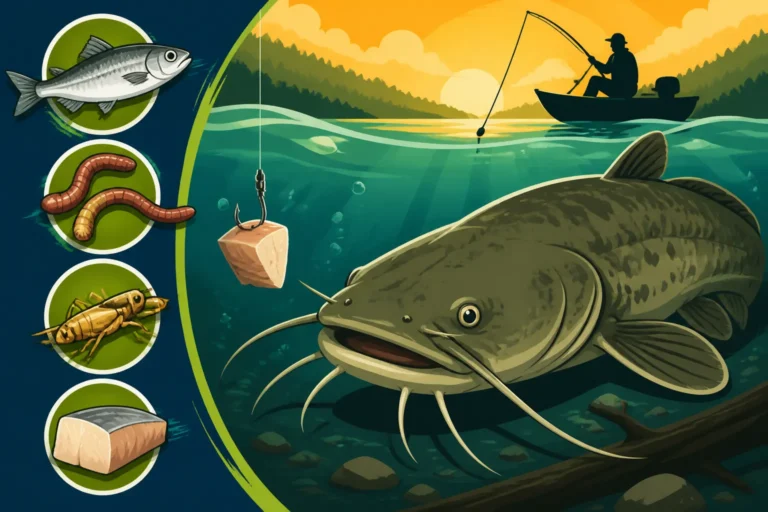
You can find channel cats throughout the lake, from shallow creeks and embayments to the main river channel. They often hang out in areas with a soft bottom, near drop-offs, or around submerged timber. Hot spots often include the mouths of tributary creeks, especially after a rain, where food washes into the main lake. Popular baits include chicken livers, cut bait (like shad or skipjack), stink baits, and even nightcrawlers. Bottom fishing is the most common technique, using a slip sinker rig to allow the bait to sit naturally on the bottom. When considering the diverse fish in this water, Watts Bar Lake Bass and Catfish Species offers a great overview.
Blue and Flathead Catfish: The Lake's True Monsters
For those seeking a true trophy, Watts Bar delivers with its robust populations of blue and flathead catfish. These species can grow to truly enormous sizes, providing battles that will test your tackle and your stamina. They are the giants of the deep, often requiring heavier gear and a bit more patience, but the payoff is well worth it.
Blue catfish are primarily found in the main lake channel and deeper holes, often preferring areas with current. They are schooling fish and primarily eat other fish, making cut bait (especially fresh shad or skipjack) their preferred meal. Drifting with cut bait over deep humps, ledges, or along the old river channel can be incredibly effective for blues. Flathead catfish, on the other hand, are solitary predators that prefer live bait. They are often found in areas with heavy cover, like large log jams, rock piles, and deep holes in the main river channel. A live bluegill or shad is a prime offering for a flathead, presented directly into their ambush points. Check out Watts Bar Lake Catfish Fishing Spots for more specific details on where to find these behemoths, and consider how Watts Bar Lake Tennessee Catfish Season Patterns might influence your approach throughout the year.
| Fish Species | Preferred Habitat | Common Baits/Lures | Best Season(s) | Typical Size Range (Watts Bar) |
|---|---|---|---|---|
| Largemouth Bass | Aquatic vegetation, docks, brush piles, ledges | Jigs, worms, crankbaits, spinnerbaits | Spring, Fall, Summer | 2-8 lbs (trophies >10 lbs) |
| Smallmouth Bass | Rocky points, bluff walls, gravel bars, current | Jerkbaits, tubes, grubs, small crankbaits | Spring, Fall, Winter | 1-5 lbs (trophies >6 lbs) |
| Crappie | Submerged brush, standing timber, docks, deep channels | Small jigs, live minnows, spinner rigs | Spring, Fall, Winter | 0.5-2 lbs (slabs >3 lbs) |
| Channel Catfish | Soft bottoms, creek mouths, main channel drop-offs | Chicken liver, cut bait, stink bait, nightcrawlers | Spring, Summer, Fall | 1-15 lbs (larger possible) |
| Blue Catfish | Main river channel, deep holes, current breaks | Fresh cut bait (shad, skipjack) | Spring, Summer, Fall | 5-50 lbs (monsters >100 lbs) |
| Flathead Catfish | Heavy cover, log jams, deep holes, isolated structure | Live bait (bluegill, shad) | Summer, Fall | 10-60 lbs (monsters >80 lbs) |
| Bluegill | Shallow cover, docks, lily pads, fallen trees | Worms, crickets, small jigs, corn | Spring, Summer, Fall | 0.25-1 lbs |
Open Water Thrills: Striped Bass on Watts Bar Lake
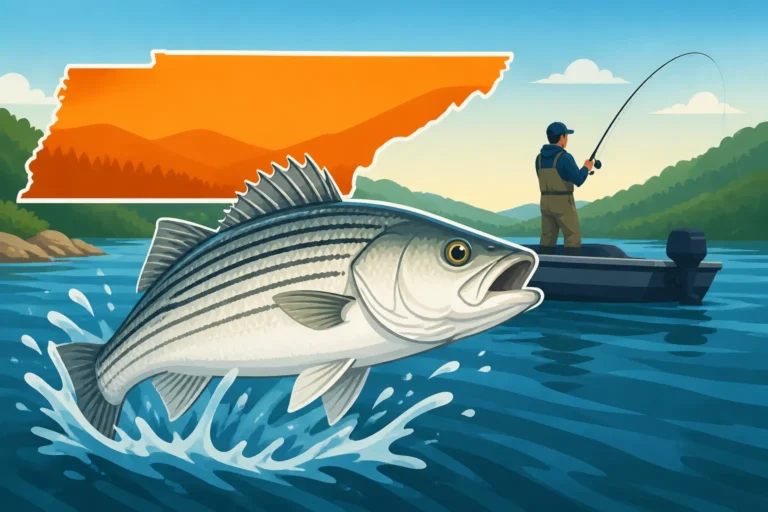
For an adrenaline-pumping experience, few fish can compare to the raw power of a striped bass. Watts Bar Lake is home to a robust population of stripers, offering anglers the chance to hook into truly massive fish that will test every inch of your tackle and every ounce of your strength. These open-water predators are built for speed and power, making them a top target for many who visit the lake.
Where to Find Watts Bar Stripers
Striped bass are pelagic, meaning they generally roam the open waters of the main lake, often following schools of baitfish like shad. They are highly active and will move across large expanses of water in pursuit of food. However, they do tend to congregate in certain areas, making them somewhat predictable if you know what to look for.
Look for stripers in the main river channel, especially around humps, points, and ledges where baitfish are likely to gather. The areas near the Watts Bar Dam are often prime spots, as the current attracts both bait and predators. During the warmer months, stripers will often move deeper to find cooler, more oxygenated water, while in the spring and fall, they can be found shallower, chasing bait near the surface. Keep an eye out for bird activity, as diving birds often indicate baitfish being pushed to the surface by feeding stripers. Trolling with large crankbaits or live bait (gizzard shad are a favorite) is a highly effective method for covering water and locating these schooling fish. Many anglers rely on strong trolling motors and good electronics, which you can research on Amazon, to successfully chase these fish. For more on targeting these powerful fish, be sure to read Striped Bass Fishing in Tennessee Reservoirs.
Tactics for Taming a Striper
Catching a Watts Bar striper requires heavy-duty gear. Forget your ultralight panfish rod; you'll want a stout medium-heavy to heavy action rod with a strong reel spooled with at least 15-20 lb test line, and often much heavier for leaders. Live bait, especially large gizzard shad, is incredibly effective, either slow trolled or fished on a free line. When trolling, look for areas where the main channel comes close to a submerged island or a deep point.
Artificial lures can also be highly productive. Large swimbaits, bucktail jigs, and deep-diving crankbaits are all great choices, especially when stripers are actively feeding on baitfish. Early mornings and late evenings are often the best times, but stripers can bite throughout the day, particularly when there's cloud cover or current. Be prepared for a long, hard fight once you hook one; these fish are known for their powerful runs and never-say-die attitude. Always be aware of Tennessee Fishing Season and Catch Limits for striped bass to ensure you're fishing legally and sustainably.
Watts Bar Lake truly is a jewel in Tennessee's fishing crown, offering an incredible variety of species to target. Whether you're after the thrill of a trophy bass, the steady action of panfish, the brute strength of a catfish, or the pure power of a striper, this lake has something for everyone. So grab your gear, do a little scouting, and get ready for some unforgettable angling adventures on Watts Bar!
Disclaimer
This article is for general informational purposes only and does not constitute professional advice. Laws, prices and regulations vary by location and change over time. Consult a qualified professional for guidance on your specific situation.