Best Fishing Boats for Tennessee’s Big Reservoirs
Picking the perfect fishing boat for Tennessee's expansive reservoirs can feel like trying to find a needle in a haystack, especially when you're staring at thousands of acres of water and imagining all the possibilities. It's not just about getting on the water; it's about finding a vessel that truly fits your fishing style, keeps you safe, and allows you to comfortably pursue those legendary Tennessee lunkers. This comprehensive guide will walk you through everything you need to consider, helping you navigate the waters of boat selection to find your ideal fishing companion.
Understanding Tennessee's Big Reservoirs: What Makes Them Unique?
Before you even start looking at boat models, it’s crucial to understand the very waters you plan to conquer. Tennessee isn't home to small, placid ponds; our reservoirs are vast, dynamic, and present unique challenges and opportunities for anglers. Understanding these characteristics is the first step in making an informed boat choice.
The Sheer Scale and Diversity of Waterways
When we talk about Tennessee's big reservoirs, we're talking about massive bodies of water like Chickamauga Lake, Kentucky Lake, Norris Lake, Watts Bar Lake, and Percy Priest Lake. These aren't just big; they are incredibly diverse. You might have miles of open water where wind can kick up significant chop in a hurry, demanding a boat with good rough-water handling. Then, tucked away, you'll find countless coves, intricate creek channels, submerged timber, and vast flats that require a different approach.
Think about Kentucky Lake, stretching over 184 miles with an average width of a mile and a half. Running from one end to another, or even just crossing a major channel, can be a serious journey, especially if conditions turn windy. This scale means your boat needs to be capable of covering significant distances efficiently and safely. A small craft designed for a tranquil pond simply won't cut it when you're facing down a blustery afternoon on one of these giants. The sheer variety of structure, from steep rocky bluffs to expansive shallow flats, means that a truly versatile boat might need to navigate both deep and surprisingly shallow areas to reach prime fishing spots.
Varying Fishing Styles and Target Species
Tennessee's reservoirs are legendary for their fishing, offering a smorgasbord of species from trophy largemouth and smallmouth bass to massive catfish, abundant crappie, and hard-fighting striped bass. Each of these species, and the techniques used to catch them, places different demands on your boat.
If you're a serious bass angler, for instance, you'll likely be covering a lot of water quickly, needing speed and a platform conducive to casting and flipping into heavy cover. You might spend hours standing on a casting deck, requiring stability. For crappie anglers, slow trolling or spider rigging might be the name of the game, demanding plenty of rod holders and a stable platform for multiple lines. Catfish enthusiasts might be anchoring in current or drifting vast flats, needing a boat that can handle heavier gear and potentially large fish. Striped bass anglers often troll large lures in open water or chase schooling fish, which again requires speed, good electronics, and robust rod holders. Your fishing boat isn't just a means of transport; it's an extension of your fishing style. The more clearly you define your primary targets and techniques, the better you can narrow down your boat options. Consider the diverse angling opportunities available in Tennessee, which you can learn more about in guides like Best Fishing Lakes in Tennessee and Tennessee's Top Bass Fishing Lakes.
Key Considerations When Choosing a Reservoir Fishing Boat
Once you've wrapped your head around the nature of Tennessee's reservoirs and your personal fishing goals, it's time to drill down into the practical aspects of boat selection. This isn't just about aesthetics; it's about function, safety, and long-term satisfaction.
Size and Stability for Open Water
The large, open expanses of Tennessee's reservoirs mean that choppy water is often a reality, especially on windy days or when pleasure boat traffic is high. A boat that feels perfectly stable on a calm, small lake can quickly become uncomfortable, or even unsafe, on a wind-whipped Chickamauga. You need a boat with enough length and beam (width) to handle these conditions gracefully.
A longer boat generally rides smoother through waves, bridging the gaps between swells rather than crashing over each one. A wider boat offers better side-to-side stability, which is crucial when you're standing up to cast, fighting a large fish, or moving around the deck. For families, this stability also translates to a safer, more enjoyable experience for everyone on board. Trying to fish from a small, unstable boat when the waves are crashing over the bow is not only frustrating but also potentially dangerous. Think about the comfort level for everyone on board when considering rough water conditions, especially if you plan to bring along younger anglers.
Power and Performance for Covering Distance
As we've discussed, Tennessee's big reservoirs demand a boat capable of covering significant distances. You might have a prime fishing spot 10 miles upriver or across a wide main lake channel. A boat with adequate horsepower isn't just about speed; it's about efficiency and getting to your desired location quickly and safely, especially if a storm is brewing or you need to make a long run back to the ramp at the end of a long day.
Higher horsepower allows for faster planing, better fuel efficiency at cruising speeds, and the ability to maintain headway against strong currents or into stiff winds. It also provides a safety margin in adverse conditions. When you're running 20 or 30 miles down Kentucky Lake, you'll be grateful for a motor that can get you there and back without feeling like a marathon. However, balancing power with fuel economy is key, as long days on the water can quickly add up in fuel costs. It's a trade-off many anglers are willing to make for the performance and safety benefits.
Deck Space and Storage for Gear
Any serious angler knows that fishing requires gear – and lots of it! Rods, reels, tackle boxes filled with lures, nets, coolers, safety equipment, rain gear, snacks, and drinks all need a place. On a fishing boat, organized and ample storage isn't a luxury; it's a necessity. Cluttered decks are trip hazards and can lead to damaged equipment or, worse, a lost fish if you can't find what you need when you need it.
Look for boats with dedicated rod lockers that can accommodate multiple rods, often up to 8 or 9 feet in length, keeping them secure and out of the way. Dry storage compartments are essential for electronics, spare clothing, and other items you want to keep protected from the elements. Tackle storage systems, built-in cooler spaces, and even dedicated areas for things like anchor and ropes all contribute to a functional fishing platform. The more organized your boat is, the more enjoyable and efficient your fishing experience will be.
Essential Electronics and Trolling Motor Capabilities
In modern reservoir fishing, electronics aren't just gadgets; they are indispensable tools. A good fish finder, equipped with sonar, down imaging, and side imaging, can reveal structure, baitfish, and target species that would otherwise remain hidden. A reliable GPS/chartplotter is crucial for navigation on vast, often unmarked waters, helping you mark waypoints, follow contours, and safely return to the ramp. For deeper dives into selection, check out Fish Finders and Electronics for Tennessee Reservoirs.
Equally important, especially for bass and crappie anglers, is a powerful and reliable bow-mount trolling motor. Features like Spot-Lock (which uses GPS to hold your boat in a precise location) have revolutionized fishing, allowing you to stay on a brush pile, a submerged hump, or a specific contour line without constantly wrestling with an anchor or manual steering. The voltage (24V or 36V) and thrust of your trolling motor should match your boat's size and weight, ensuring you have enough power for long days and strong currents. These tools not only help you find fish but also position your boat to catch them more effectively.
Popular Boat Types for Tennessee's Reservoirs
Tennessee's angling community is incredibly diverse, and so are the boats you'll see gracing the waters of our magnificent reservoirs. Each type offers a unique set of advantages and disadvantages, making some better suited for certain fishing styles or family needs than others. Let's explore the most common options.
Bass Boats: Speed and Performance for Serious Anglers
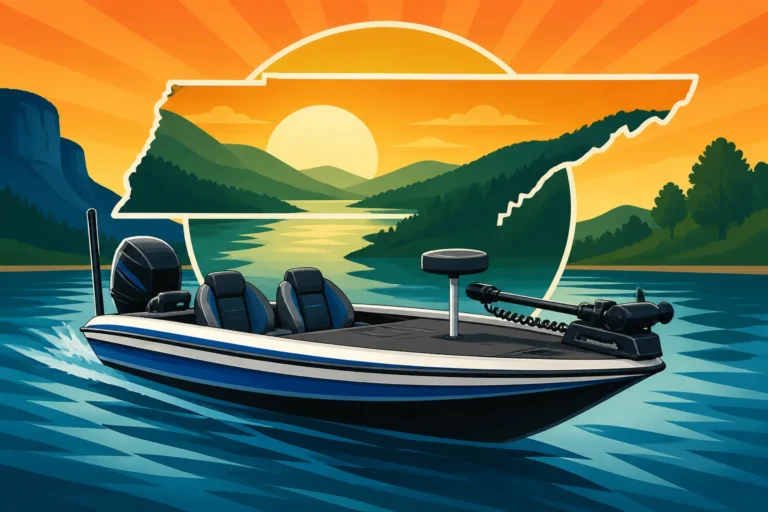
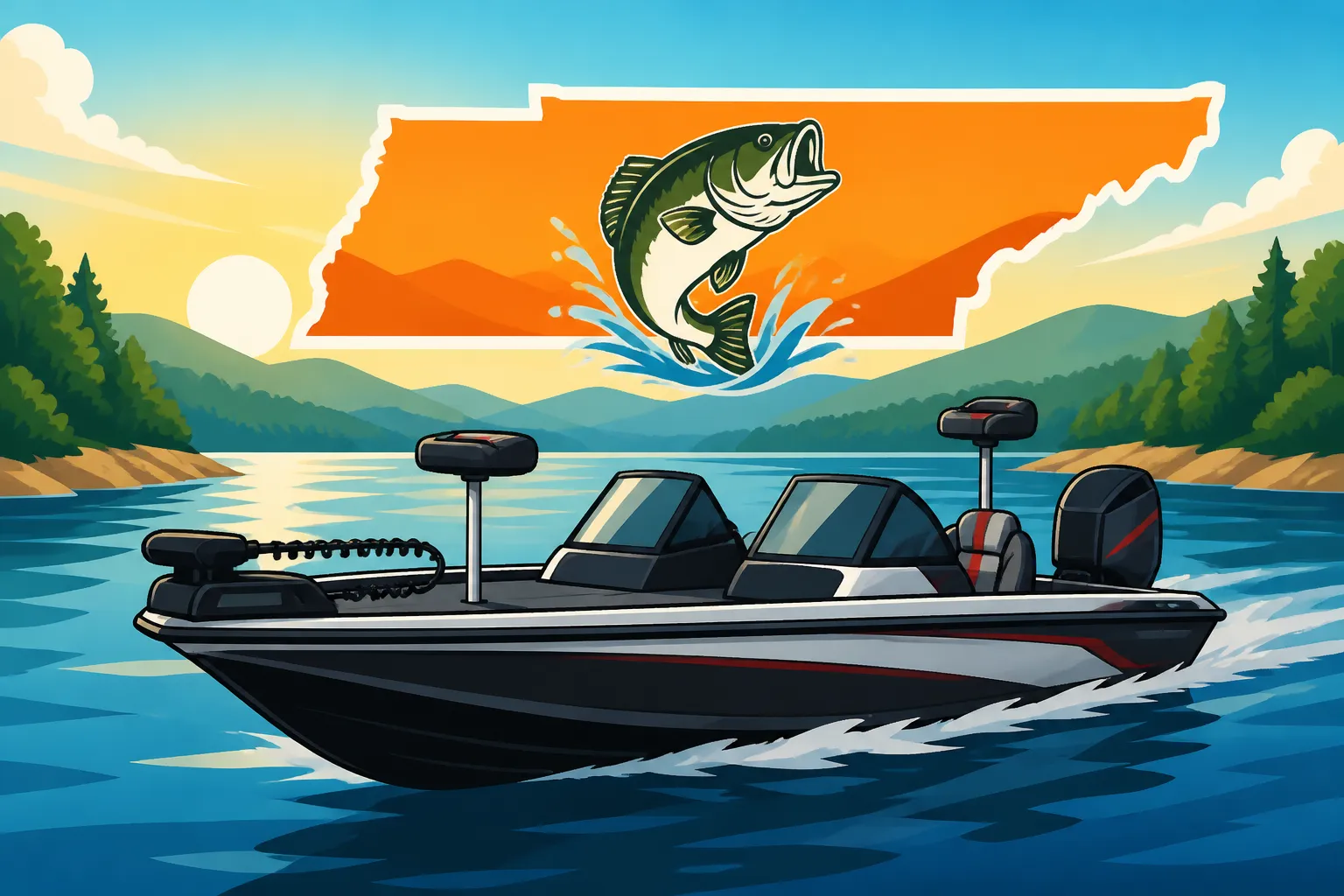
When you think of serious tournament fishing on lakes like Chickamauga or Kentucky Lake, a bass boat is often the first image that comes to mind. These sleek, powerful machines are engineered for one primary purpose: getting anglers to prime fishing spots quickly and providing an optimal platform for casting.
Pros:
- Speed: Bass boats are notoriously fast, allowing anglers to cover vast distances in short order, crucial for competitive fishing or simply maximizing time on the water.
- Optimal Fishing Platform: They feature large, open casting decks both front and rear, providing ample space for multiple anglers to stand and cast comfortably. Recessed trolling motor foot pedals and strategically placed rod straps are standard.
- Shallow Water Access: Many bass boat designs allow them to operate effectively in relatively shallow water, which is often key for targeting bass in backwater coves or around shallow grass beds.
- Abundant Storage: Dedicated, oversized rod lockers can hold a dozen or more rigged rods, and extensive dry storage keeps tackle and gear organized and secure.
- Integrated Livewells: Large, aerated livewells are designed to keep tournament-winning fish healthy all day, a crucial feature for catch-and-release tournaments.
Cons:
- Rough Water Ride: While some larger models can handle moderate chop, bass boats generally don't offer the smoothest or driest ride in truly rough water conditions, which can be common on Tennessee's vast reservoirs. The lower profile can mean taking more spray over the bow.
- Limited Versatility: Their design is highly specialized for bass fishing, making them less ideal for other activities like pleasure cruising, tubing, or family outings.
- Passenger Capacity: Typically designed for one or two anglers, with limited seating for additional passengers, making them less family-friendly for general recreation.
- Cost: High-performance bass boats, especially new ones with powerful engines and advanced electronics, represent a significant investment.
Many serious anglers find the trade-offs well worth it, especially if their passion lies primarily in pursuing bass. For those targeting tournament-winning fish, the specialized design and speed are simply unmatched. Best Fishing Boats for Tennessee's Chickamauga Lake offers a closer look at boats suited for that specific, renowned bass fishery.
Multi-Species Boats (Walleye/Deep-V Boats): Versatility and Comfort
For anglers who want to pursue a variety of fish, from bass and crappie to catfish and stripers, and do so comfortably across changing conditions, multi-species boats (often referred to as walleye boats or deep-V boats) are an excellent choice.
Pros:
- Rough Water Handling: Designed with deeper hulls (hence "deep-V"), these boats excel at cutting through chop and providing a much drier, smoother ride than a bass boat in rough conditions. This is a huge advantage on windy days on large bodies of water like Norris Lake or Watts Bar.
- Versatility: As the name suggests, they are built to handle multiple fishing techniques and target various species. They typically have both casting platforms and a deeper cockpit area for comfort.
- Comfort: The deeper cockpit offers more protection from wind and spray, and often features more comfortable seating options, making them great for longer days or cooler weather.
- Higher Sides: The higher freeboard (side height) adds a sense of security, especially when fishing with children or in rougher waters.
- Rod Storage: Often feature in-floor rod storage, keeping rods secure and out of the way without sacrificing deck space.
Cons:
- Slower: While still capable, multi-species boats are generally not as fast as dedicated bass boats due to their deeper V-hull design.
- Shallow Water Access: Their deeper draft means they might struggle to access very shallow backwater areas that a bass boat could easily reach.
- Cost: Similar to bass boats, well-equipped multi-species boats can also be a significant investment.
These boats strike a fantastic balance for many Tennessee anglers, offering a comfortable and capable platform for a wide array of fishing adventures, along with the ability to handle the variable conditions of our large reservoirs.
Jon Boats: Simplicity and Access to Skinny Water
The humble jon boat is a classic for a reason. Simple, rugged, and typically affordable, these flat-bottomed boats are a common sight on many Tennessee waters, especially for those who prioritize accessibility and economy.
Pros:
- Affordability: Jon boats are often the most budget-friendly option, making them accessible to a wide range of anglers.
- Shallow Draft: Their flat-bottomed design allows them to navigate extremely shallow water, perfect for exploring skinny creeks, beaver ponds, or reaching otherwise inaccessible pockets on the reservoirs.
- Durability: Made of aluminum, they are tough and can withstand bumps and scrapes against rocks and timber better than fiberglass.
- Easy to Transport: Lighter weight means they are easier to launch, retrieve, and tow with smaller vehicles.
- Customizable: Their simple, open layout makes them a blank canvas for customization, allowing anglers to add decking, seating, and accessories to fit their specific needs.
Cons:
- Rough Water Performance: This is the biggest drawback. The flat bottom that makes them great for shallow water also means a very jarring, wet ride in choppy conditions. They are not built for navigating large, open expanses of rough reservoir water.
- Limited Features: Standard jon boats are very basic, often lacking built-in livewells, extensive storage, or comfortable seating. These often need to be added aftermarket.
- Speed: While a powerful outboard can push a jon boat quickly, their design limits top-end speed and efficiency compared to V-hull boats.
For anglers primarily targeting specific shallow areas, or those on a tighter budget who plan to fish smaller, calmer sections of the reservoirs, a jon boat can be a fantastic workhorse. However, for traversing the main lake channels of Kentucky Lake on a windy day, they are far from ideal.
Pontoon Boats: Family-Friendly Comfort and Stability
While not traditionally thought of as pure fishing boats, pontoon boats have evolved significantly and now offer incredibly stable and spacious platforms, making them a surprisingly good choice for families who want to combine fishing with general recreation on Tennessee's large, calmer reservoirs.
Pros:
- Exceptional Stability: With their twin (or triple) hull design, pontoons are incredibly stable, providing a rock-solid platform for multiple anglers to move around freely without causing much sway.
- Ample Space: They offer an incredible amount of deck space, perfect for large families, multiple fishing buddies, or bringing along lots of gear and coolers.
- Comfort: Modern pontoons are designed with comfortable seating, sometimes even lounges and sun decks, making them ideal for long days on the water.
- Family-Friendly: Excellent for swimming, sunbathing, tubing, and cruising, easily transitioning from fishing to other recreational activities.
- Fishing-Specific Layouts: Many manufacturers now offer "fishing" pontoon models with features like swivel fishing seats, livewells, rod holders, and even dedicated tackle storage.
Cons:
- Speed: Pontoons are generally slow compared to V-hull boats, making long runs across vast reservoirs more time-consuming.
- Rough Water Handling: While stable, their flat deck and open design mean they can take a lot of spray over the bow in choppy conditions, and they don't cut through waves as efficiently as a deep-V hull.
- Maneuverability: Their larger footprint and slower speed can make them less agile for precise boat positioning when actively fishing structure, though a good bow-mount trolling motor helps.
- Storage (Fishing Gear): While general storage is ample, dedicated, secure rod lockers and tackle compartments might be less integrated than on purpose-built fishing boats, unless it's a specialized fishing pontoon.
For families or groups of friends who want a comfortable, stable platform for relaxing, swimming, and enjoying some leisurely fishing on the calmer parts of Tennessee's reservoirs, a fishing-equipped pontoon can be a wonderful choice. You can find many accessories to outfit a pontoon for fishing at retailers like Bass Pro Shops or even online at Amazon.
| Boat Type | Primary Advantage | Key Disadvantage | Ideal Reservoir Use Case | Rough Water Handling | Top Speed Capability | Typical Deck Space |
|---|---|---|---|---|---|---|
| Bass Boat | Speed, specialized casting platform | Rough water ride, limited versatility | Tournament bass fishing, rapid spot-to-spot movement | Poor to Moderate | High | Ample (fishing) |
| Multi-Species | Versatility, excellent rough water handling | Slower than bass boats, deeper draft | All-around fishing, comfort on large, choppy lakes | Good to Excellent | Moderate | Good |
| Jon Boat | Affordability, shallow water access | Harsh ride in chop, limited built-in features | Calm coves, shallow backwaters, budget-conscious fishing | Poor | Low to Moderate | Basic, Customizable |
| Pontoon Boat | Stability, spaciousness, family-friendly | Slow, susceptible to spray in chop, less agile | Leisurely fishing, family recreation on calmer waters | Poor to Moderate | Low | Very Ample |
| Aluminum Deep-V | Durability, lighter weight, good rough water ride | Not as refined as fiberglass, can be louder | Versatile fishing, good for remote access, frequent trailering | Good | Moderate | Good |
| Center Console | 360-degree fishing access, open layout | Less protection from elements, often pricier | Multiple anglers, casting around structure, bigger water | Good to Excellent | Moderate to High | Excellent (open) |
| Kayak | Stealth, access to tight spots, portability | Limited range, weather dependent, less capacity | Quiet exploration, very shallow water, solo angling | Poor to Moderate | Very Low | Minimal |
Specialized Boats for Specific Reservoir Pursuits
Beyond the general categories, there are specific types of boats or construction materials that cater to particular preferences or fishing conditions often encountered on Tennessee's reservoirs.
Aluminum Boats: Durability and Lighter Weight
While many anglers dream of sleek fiberglass, aluminum boats offer a practical and often superior alternative, especially for those who frequently fish rougher terrain or prioritize ease of handling. They are available in various configurations, from simple jon boats to sophisticated deep-V multi-species designs.
Pros:
- Durability: Aluminum is incredibly tough and forgiving. Bumps against rocky shorelines, submerged stumps, or dock pilings that would chip or crack fiberglass often leave only a minor dent in aluminum. This makes them ideal for exploring less-developed areas or for anglers who might not be as gentle with their craft.
- Lighter Weight: Generally, aluminum boats are significantly lighter than comparable fiberglass models. This translates to easier trailering (often requiring a smaller tow vehicle), better fuel economy both on the road and on the water, and simpler launching and retrieval, especially at less-than-perfect ramps.
- Lower Maintenance: They typically require less upkeep than fiberglass boats, which can develop gel coat cracks or require waxing to maintain their finish.
- Cost-Effective: While high-end aluminum models can be pricey, they often offer a lower entry point than fiberglass, and their durability can lead to lower long-term ownership costs.
Cons:
- Ride Quality: While modern deep-V aluminum hulls ride very well, some lighter, flatter designs can still be a bit noisier or pound more in heavy chop compared to a heavy fiberglass boat that cuts through waves more smoothly.
- Aesthetics: Historically, aluminum boats were seen as less "pretty" than fiberglass, though modern designs have significantly closed this gap with attractive paint schemes and refined interiors.
- Customization: While customizable, integrated features and complex curves might be more limited than what's possible with molded fiberglass.
For anglers navigating the diverse terrains of Tennessee's reservoirs, from the rocky shores of Center Hill Lake to the cypress stumps of Reelfoot Lake, the ruggedness and practicality of an aluminum boat are hard to beat.
Center Console Boats: Open Layout and 360-Degree Fishing
Originating from saltwater fishing, center console boats have found a dedicated following on large freshwater reservoirs due to their open design and exceptional fishing functionality. The steering console is located in the center of the boat, leaving a wide-open deck from bow to stern.
Pros:
- 360-Degree Fishability: This is the primary advantage. Anglers can move freely around the entire perimeter of the boat to cast, fight fish, or net a catch from any angle without obstruction. This is fantastic when multiple people are fishing or when chasing schooling fish.
- Visibility: The elevated helm position often provides excellent visibility for spotting structure, baitfish, or navigating busy waters.
- Deck Space: Despite their size, they often feel larger than they are due to the efficient use of open space.
- Rough Water Capability: Many center console designs feature deep-V hulls, making them very capable in rough, open water conditions that our big reservoirs often produce.
- Versatility: Beyond fishing, they can be great for cruising, with many models offering comfortable seating and amenities.
Cons:
- Protection from Elements: The open design, while great for fishing, offers less protection from sun, wind, and rain compared to boats with a full windshield or cabin. While T-tops offer some shade, they don't replace a full enclosure.
- Storage: While there's plenty of deck space, enclosed, dry storage compartments might be less numerous or smaller than in bass boats or multi-species boats with more built-in structures.
- Cost: Quality center console boats, especially those capable of handling big water, can be on the higher end of the price spectrum.
For groups of anglers or those who value maximum freedom of movement while fishing for species like striped bass or catfish on Tennessee's main lake channels, a center console offers a highly effective and enjoyable experience.
Kayaks and Canoes: Stealth and Accessibility for Niche Waters
While not "boats" in the traditional sense discussed above, kayaks and canoes deserve a mention for their incredible ability to access specific fishing grounds on Tennessee's reservoirs that larger boats simply cannot reach. They represent a minimalistic, intimate approach to angling.
Pros:
- Stealth: They are incredibly quiet, allowing anglers to sneak up on wary fish in shallow coves or quiet backwaters without spooking them.
- Accessibility: Their small size and shallow draft mean they can get into tight spaces, small creeks, and extremely shallow water where even jon boats might struggle. This opens up countless hidden gems on any reservoir.
- Portability: Easy to launch from nearly any shoreline, often without the need for a ramp. Many can be transported on car rooftops or in truck beds.
- Affordability: Generally the most inexpensive way to get on the water for fishing, though specialized fishing kayaks can still be a significant investment.
- Exercise and Immersion: Offers a unique, immersive experience and a good workout.
Cons:
- Limited Range: Paddling or pedaling limits how much water you can cover, making long runs across large reservoirs impractical or exhausting.
- Weather Dependent: Highly susceptible to wind and waves. A breezy day on a large lake can make paddling a significant challenge and create unsafe conditions.
- Limited Capacity: Carrying gear, multiple rods, coolers, and a livewell is challenging. Dedicated fishing kayaks offer better storage solutions than recreational models, but it's still far less than a powerboat.
- Safety Concerns: On vast, busy reservoirs, being in a small, low-profile craft means you are less visible to larger boats, increasing safety risks. Always wear a Tennessee Life Jacket and PFD Rules for Boaters and consider a safety flag.
- Comfort: While fishing kayaks are designed for comfort, sitting for hours can still be taxing for some.
For those who crave solitude, enjoy a physical challenge, and want to explore the quiet, hidden corners of Tennessee's reservoirs or the smaller feeder creeks, a fishing kayak or canoe can be an amazing tool. To learn more about getting started, check out Best Kayaks for Tennessee River Fishing.
Essential Features and Outfitting for Reservoir Success
Having the right type of boat is just the beginning. Outfitting it with the necessary features and gear will elevate your fishing experience, making you more efficient, comfortable, and most importantly, safe on Tennessee's big waters.
Livewells and Cooler Space: Keeping Your Catch Fresh
For many anglers, especially those targeting bass, crappie, or catfish for the dinner table, a functional livewell is non-negotiable. It's not just about keeping fish alive for a tournament weigh-in; it's about keeping them healthy if you plan to release them, or fresh if you intend to keep them for a meal later.
Livewells: A good livewell should be aerated, circulating fresh, oxygenated water to keep fish vigorous. Look for sufficient capacity for the species you target – a bass livewell will differ in size and shape from one designed for a large haul of crappie. Some modern livewells also include features like timers, pumps for fresh water intake and discharge, and even oxygen injectors or recirculating systems. The location and accessibility of the livewell are also important; you don't want to be fumbling with it when you're trying to quickly measure and place a fish.
Cooler Space: Beyond the livewell, dedicated cooler space is crucial. This isn't just for your catch, though a separate cooler for fish you intend to keep is a good idea to avoid crowding the livewell. You'll need space for drinks, snacks, and any perishable items for a long day on the water. Built-in, insulated compartments are a premium feature, but even open deck space for a high-quality portable cooler (many are available on Amazon) is essential. Staying hydrated and fueled is key to a productive and enjoyable fishing trip.
Rod Holders and Storage Solutions: Organization is Key
A cluttered boat is a frustrating boat, and nowhere is this more true than with fishing rods. Protecting your expensive rods and reels, and having them readily accessible, is paramount.
Rod Lockers: Purpose-built rod lockers are a hallmark of well-designed fishing boats. They should be long enough to accommodate your longest rods (often up to 8.5 or 9 feet for bass and crappie techniques), secure them against movement during rough rides, and protect them from the elements and accidental damage. Some larger boats offer multiple rod lockers, allowing you to separate different rod types or keep them organized by technique.
Rod Holders: Beyond internal storage, external rod holders are invaluable. For trolling for crappie or striped bass, multiple flush-mount or rail-mount rod holders allow you to deploy several lines simultaneously. Adjustable rod holders let you experiment with different angles and depths. For catfish anglers, heavy-duty rod holders that can withstand the pull of a large flathead are a must. You can find a vast array of rod holders and other storage solutions at retailers like Bass Pro Shops, or explore options online to fit your specific boat and fishing style.
General Storage: Think about storage for tackle bags, landing nets, boat hooks, and other essentials. Under-seat compartments, bow storage, and side pockets can all contribute to keeping your deck clear and organized.
Navigation and Safety Gear: Peace of Mind on the Water
Safety should always be your top priority, especially on the vast and sometimes unpredictable waters of Tennessee's reservoirs. A well-equipped boat isn't just about catching fish; it's about getting home safely.
Navigation Electronics: As mentioned earlier, a reliable GPS/chartplotter is a lifeline. It helps you navigate safely, avoid hazards like submerged stumps or shallow shoals, and locate your favorite fishing spots with precision. Many modern units integrate depth sounding, side imaging, and even forward-looking sonar to enhance both fishing efficiency and safety.
VHF Radio: On large bodies of water where cell service can be spotty, a VHF marine radio provides a critical means of communication in an emergency. It allows you to call for assistance from the Coast Guard (or local rescue services) or communicate with other boats.
Essential Safety Gear: This is non-negotiable. You must carry the legally required safety equipment, including:
- Life Jackets (PFDs): Ensure you have enough Coast Guard-approved life jackets for every person on board, and that children under a certain age wear them at all times while underway. This is a crucial point covered in detail in Tennessee Life Jacket and PFD Rules for Boaters.
- Throwable Device: A Type IV throwable flotation device (like a cushion or ring buoy) is required on boats 16 feet or longer.
- Fire Extinguisher: Necessary for boats with enclosed engine compartments or fuel tanks.
- Sound-Producing Device: A whistle, horn, or air horn.
- Visual Distress Signals: Flares or an orange flag.
- Navigation Lights: If you plan to be on the water after sunset or before sunrise.
- First Aid Kit: A well-stocked kit for minor injuries.
Beyond the legal requirements, consider additional items like a bilge pump (manual and/or electric), a spare propeller, basic tools, a charged cell phone in a waterproof case, and a jump starter. Being prepared for common mishaps means you can focus on fishing with peace of mind. A comprehensive checklist can be found in Essential Safety Gear Checklist Before a Tennessee Fishing Trip.
Budgeting for Your Dream Reservoir Boat
The excitement of picking out a new or new-to-you fishing boat can sometimes overshadow the practicalities of budgeting. A boat purchase isn't just a one-time expense; it involves a host of ongoing costs that need to be factored into your financial planning.
New vs. Used: Weighing the Costs and Benefits
The eternal dilemma: do you buy new or used? Both paths have distinct advantages and disadvantages when it comes to your wallet.
New Boats:
- Pros: You get the latest technology, a full factory warranty, and the peace of mind that comes with knowing no one else has abused the boat. You can often customize options and colors.
- Cons: New boats depreciate significantly the moment they leave the dealer lot. The initial purchase price is higher, and you'll pay more in sales tax. You might also wait longer for delivery, especially for custom orders.
Used Boats:
- Pros: Significantly lower upfront cost, avoiding the steepest curve of depreciation. You can often get more boat for your money, potentially affording a larger or better-equipped model than you could new. The previous owner might have already added valuable aftermarket accessories.
- Cons: No factory warranty (or a very limited one), meaning you're on the hook for repairs. There's a higher risk of hidden problems, requiring thorough inspection by a qualified mechanic. You might also inherit outdated electronics or worn-out components.
When considering a used boat, a pre-purchase inspection by a reputable marine mechanic is highly recommended. It’s a small investment that can save you from a major headache (and expense) down the road. Look into the maintenance history if available and check for signs of neglect or damage.
Understanding Ongoing Costs: Maintenance, Fuel, and Storage
The purchase price is often just the tip of the iceberg. True boat ownership costs include several recurring expenses that can quickly add up.
- Maintenance: Like any vehicle, boats require regular maintenance. Outboard motors need annual service (oil changes, spark plugs, fuel filters, etc.), which can cost a few hundred dollars or more depending on the engine. Trailers also need attention: tire checks, bearing lubrication, and brake maintenance. Then there's general boat upkeep like cleaning, waxing, and minor repairs.
- Fuel: On Tennessee's large reservoirs, you can burn a lot of fuel, especially with powerful engines and long runs. Fuel costs can vary dramatically based on how often you go out and how far you travel. Knowing How Water Temperature Affects Fish Activity might influence your trip frequency, and thus your fuel consumption.
- Insurance: Boat insurance is highly recommended, and often required if you finance your purchase. It protects your investment against damage, theft, and liability. Premiums vary based on boat value, engine size, your boating history, and where you store the boat.
- Registration: All motorized boats on Tennessee waters must be registered with the state, and this fee is recurring, typically every one to three years. You can learn more about this in Tennessee Boat Registration Requirements Explained. Don't forget the cost of your personal fishing license either, as covered in Tennessee Fishing License Guide.
- Storage: If you don't have space to keep your boat at home, you'll need to factor in storage fees. This could be a slip at a marina, dry storage facility, or a secure outdoor lot.
- Accessories: You'll inevitably want to buy new lures, tackle, safety gear, or upgrade electronics. These ongoing "small" purchases can add up over time.
Having a realistic understanding of these ongoing costs is crucial for avoiding buyer's remorse and ensuring your boating experience remains enjoyable, not financially stressful.
Where to Shop: Dealers, Online Marketplaces, and Local Connections
Finding your next fishing boat can happen through several avenues, each with its own benefits.
- Authorized Dealers: Buying from a reputable dealer offers several advantages, especially for new boats. You get professional sales support, financing options, access to service departments, and often a better understanding of warranty claims. They can also assist with proper setup and registration. Many well-known boat brands have dealers located throughout Tennessee.
- Online Marketplaces: Websites specializing in boat sales, or general classified sites, offer a vast selection of used boats. This is a great way to browse a wide range of makes, models, and price points. However, it requires more due diligence on your part for inspection and verifying the seller's legitimacy. Check out listings on reputable sites for used options, or search for deals on smaller accessories on platforms like Amazon.
- Local Connections and Consignment: Word-of-mouth through local fishing clubs, bait shops, or marina bulletin boards can sometimes yield excellent finds, especially for well-maintained boats from passionate local anglers. Some marinas also offer consignment sales. This can be a more personal way to find a boat, often with the opportunity to talk directly with the previous owner.
- Outdoor Retailers: For smaller boats like kayaks, canoes, or even some jon boats, major outdoor retailers like Bass Pro Shops often have a good selection, sometimes even with financing options and package deals. They're also an excellent source for all your outfitting needs, from electronics to safety gear.
Regardless of where you shop, always perform due diligence, ask questions, and don't be afraid to walk away if something doesn't feel right.
Making the Final Decision: Test Drives and Expert Advice
You've done your research, considered your budget, and narrowed down your options. Now comes the most exciting part: experiencing the boats firsthand and gathering final insights to make your ultimate choice.
The Importance of a Test Drive on Your Target Water
This cannot be stressed enough: always test drive a boat before you buy it. Pictures and specifications are one thing; experiencing the boat on the water is entirely another. If possible, try to test drive it on one of Tennessee's big reservoirs, or at least a body of water that simulates the conditions you'll frequently encounter.
During the test drive, pay close attention to:
- Ride Quality: How does the boat handle chop? Is it a dry ride, or are you getting soaked? Does it pound excessively?
- Stability: How stable does it feel when moving around the deck? Can you stand and cast comfortably?
- Performance: How quickly does it get on plane? What's the top speed? How does it handle turns at speed? How fuel-efficient does it feel at cruising speed?
- Maneuverability: How easy is it to steer and control, especially at low speeds around docks or when approaching a fishing spot?
- Comfort and Ergonomics: Are the seats comfortable? Is the helm laid out logically? Can you easily reach all controls and electronics? Is there enough space for your gear?
- Trolling Motor Functionality: If equipped, test the trolling motor. Does it have enough thrust? Do features like Spot-Lock work effectively?
A test drive will reveal crucial aspects of the boat's character that you simply can't glean from a listing or brochure. It's your opportunity to confirm that the boat not only meets your practical needs but also feels right for you. Don't forget to consider how to handle the boat at the ramp, a crucial skill discussed in Boat Trailer and Ramp Guide for Tennessee Lakes.
Seeking Input from Experienced Tennessee Anglers
Before making a final commitment, tap into the wealth of knowledge available from the local angling community. Tennessee anglers are passionate and often eager to share their experiences.
- Local Forums and Social Media Groups: Join online fishing forums or Facebook groups dedicated to Tennessee fishing. Post your questions, describe your fishing style, and ask for opinions on specific boat models or types. You'll get real-world feedback from people who actually fish our reservoirs.
- Bait Shops and Marinas: Strike up conversations at local bait shops, marinas, or boat ramps. These are hubs of local knowledge, and the people working there, or other anglers you meet, often have strong opinions and valuable advice based on years of experience on specific lakes.
- Fishing Guides: If possible, consider hiring a local fishing guide for a day. Not only will they put you on fish, but you'll also get to experience their boat firsthand and learn why they chose that particular setup for Tennessee waters. Their insights into durability, maintenance, and what truly performs in different conditions can be invaluable.
- Talk to Owners: If you see a boat type you're interested in at a ramp or gas station, politely approach the owner and ask about their experience. Most anglers are happy to talk about their boats and offer pros and cons.
By combining your personal experience from a test drive with the wisdom of experienced Tennessee anglers, you'll be well-equipped to make a confident decision and invest in a fishing boat that will provide years of enjoyment on our incredible reservoirs. You might also want to review resources like Best Rods and Reels for Tennessee Fishing to ensure you're matching your boat to your overall gear strategy.
Disclaimer
This article is for general informational purposes only and does not constitute professional advice. Laws, prices and regulations vary by location and change over time. Consult a qualified professional for guidance on your specific situation.