Best Boats for Kentucky Lake Striped Bass in Tennessee
Oh, trying to find the perfect boat for chasing those magnificent striped bass on Kentucky Lake? You're not alone! It’s a big, impressive body of water, and those stripers are powerful, elusive fish that demand a serious approach. Picking the right vessel isn't just about getting on the water; it's about confidence, safety, and ultimately, success in landing that trophy fish. This guide is going to walk you through everything you need to consider, from hull design to essential electronics, so you can make an informed choice and feel ready to tackle Kentucky Lake's striper fishery.
Understanding Kentucky Lake and Striped Bass Fishing
Kentucky Lake is a true behemoth, a jewel of the Tennessee River system that stretches for miles. Its sheer size and diverse structure, combined with the often-challenging nature of striped bass, mean your boat needs to be more than just a floating platform. It needs to be a workhorse, a comfortable base, and a safe haven.
The Unique Challenges of Kentucky Lake
Let's be real: Kentucky Lake isn't your average farm pond. This massive impoundment of the Tennessee River presents some significant challenges that directly impact your boat choice. First, it’s enormous – over 160,000 acres in Tennessee alone, with miles of open water. This means you’ll often be running long distances, sometimes across choppy conditions. A beautiful sunny morning can quickly turn windy, whipping up waves that would make smaller boats feel like washing machines. You need a boat that can handle this kind of unpredictable weather and keep you and your crew safe and relatively dry.
Beyond the open water, Kentucky Lake has a complex structure. There are vast flats, deep river channels, submerged timber, stump fields, and countless creek arms. The lake levels can fluctuate, revealing new hazards or hiding old ones. Navigating these varied terrains, especially when chasing migratory striped bass, requires a boat that is both capable in open water and maneuverable enough to approach structure. You're not just fishing; you're exploring a small inland ocean.
Striped Bass Behavior and Preferred Habitats
Striped bass, often called "stripers," are fascinating fish. They are powerful, migratory, and often follow schools of baitfish like shad throughout the year. On Kentucky Lake, they tend to hang out in deeper, open waters, especially near the main river channel or major creek channels where they can ambush bait. They are constantly on the move, which means you'll be too. Your boat needs to be able to keep up with them, whether they're suspended over deep water or pushing bait into shallower coves.
Their schooling behavior and preference for certain water temperatures mean you'll often find them grouped up. This is where your electronics become crucial, but your boat’s stability and space are equally important when you get on a hot bite and have multiple lines in the water. Unlike some other species that might stick to a small brush pile, stripers demand a boat that facilitates a more active, wide-ranging approach. Understanding their habits is the first step in understanding what your boat needs to be capable of.
Popular Striped Bass Fishing Techniques on Kentucky Lake
The methods for catching Kentucky Lake stripers are varied, and each technique places different demands on your boat.
-
Trolling: This is arguably the most common and effective way to cover vast amounts of water and find active stripers. You'll typically deploy multiple rods, often using planer boards, downriggers, or lead core line to present baits at different depths and distances from the boat. For successful trolling, you need a boat with ample deck space, numerous rod holders, and the ability to maintain slow, consistent speeds. A wide, stable platform is crucial for setting and retrieving lines without chaos. This technique alone makes specific boat features non-negotiable. If you're looking to dive deeper into this method, consider checking out articles like How to Troll for Striped Bass or Best Trolling Gear for Tennessee Striped Bass.
-
Live Baiting: Many anglers prefer to use live shad or herring, either free-lined or fished under a bobber. This technique often involves anchoring or spot-locking over submerged structure or known striper hangouts. For live baiting, a good livewell system is paramount to keep your bait fresh and lively. You also need a stable platform for multiple anglers to manage their lines, and easy access to bait.
-
Casting and Jigging: While less common for covering vast areas, casting jigs, swimbaits, or topwater lures can be incredibly effective when stripers are actively schooling on the surface or concentrated in a specific area. This requires deck space for casting, and a boat that can quickly get into position and hold its spot with a trolling motor. The ability to move quickly and quietly into a busting school can make all the difference.
-
Jigging Spoons or Vertical Jigs: When stripers are holding deep, vertical jigging is a killer technique. This involves positioning directly over the fish, usually identified with your fish finder, and dropping heavy jigs. For this, a precise trolling motor with GPS-controlled spot-lock functionality is invaluable, allowing you to stay on top of the school even in current or wind.
Each of these techniques, whether you plan to specialize or use a combination, dictates certain boat features. Choosing a boat that can accommodate your preferred methods will significantly enhance your fishing experience.
Key Boat Features for Striped Bass Anglers on Kentucky Lake
When you’re staring at various boat models, it’s easy to get caught up in aesthetics or general features. But for Kentucky Lake stripers, there are specific, non-negotiable features that rise to the top of the priority list.
Size and Stability for Open Water
This is perhaps the most critical factor for Kentucky Lake. As we discussed, that lake can get rough, and quickly. A smaller, narrower boat might be fine for a protected cove or a calmer river, but out on the main lake, especially near the dam or where major creeks meet the river, you need a boat that feels solid underfoot.
-
Length: Generally, boats in the 20-foot range and up are going to offer a much more comfortable and safer ride on Kentucky Lake. A longer hull can span waves more effectively, reducing pounding and spray. If you’re often heading out with a few buddies and a lot of gear, the extra length also translates to more usable space. Thinking about the minimum length for safe and comfortable trips, you might find the article Best Boat Size for Kentucky Lake Striped Bass Trips quite useful.
-
Beam (Width): A wider boat means more initial stability. When you're standing up, casting, reeling in a fish, or moving around to set lines for trolling, you want to feel secure. A wider beam also provides more interior volume, which translates to more deck space for fishing and storage. This is particularly important when you have several anglers aboard, all doing their thing. You don’t want to feel cramped or constantly bumping into each other.
-
Deep-V Hull: We'll get into specific boat types later, but a hull with a significant "V" at the bow, transitioning to a more moderate V or flatter aft, is key for cutting through waves rather than pounding over them. This hull design ensures a smoother, drier ride when the water gets snotty, which is a frequent occurrence on large reservoirs. It minimizes the jarring impact that can wear you out quickly and even lead to safety concerns.
Power and Performance for Covering Distance
Stripers are nomadic, and Kentucky Lake is vast. This means you’ll often be running significant distances between fishing spots or chasing active schools. Your boat needs to get you there efficiently and reliably.
-
Engine Size: Don't skimp on horsepower. A boat that is adequately powered, or even slightly overpowered for its rating, will not only get you on plane faster but will also be more fuel-efficient at cruising speeds. You'll be able to outrun storms, cover ground quickly when the bite moves, and have the power reserves to handle heavy loads of gear, fuel, and people. Think about an engine that lets you cruise comfortably at 30-40 mph without straining.
-
Fuel Capacity: Running long distances means consuming fuel. Look for a boat with a generous fuel tank. You don't want to be constantly worried about running dry, especially if you’re exploring some of the more remote sections of the lake. It's always better to have more capacity than you think you need, giving you peace of mind for those full-day excursions.
-
Reliability: You're often far from the ramp on Kentucky Lake. A reliable outboard engine from a reputable manufacturer is crucial. Regular maintenance is key, but starting with a quality engine will save you headaches and potentially dangerous situations on the water.
Storage and Deck Space
Anglers, especially striper anglers, come with a lot of gear. Rods, tackle boxes, bait buckets, coolers, safety equipment, and personal items all need a place.
-
Rod Storage: Whether it's in-gunnel rod holders, rocket launchers, or dedicated rod lockers, you need places to store multiple rods, especially when trolling with a spread of 6-10 lines. Secure storage keeps expensive rods safe during travel and prevents tangles when not in use.
-
Gear Compartments: Ample, dry storage compartments are essential for tackle boxes, rain gear, safety equipment, and anything else you don't want exposed to the elements or cluttering the deck. Locking compartments add security, which is a nice bonus.
-
Livewells: If you're going to use live bait, a large, aerated livewell is a must. Stripers love fresh, lively bait, and a good livewell keeps your shad or herring frisky all day. Look for a livewell that is easily accessible and has a good circulation system. Some boats even feature multiple livewells, allowing you to separate different bait species or keep your legal catch alive.
-
Deck Layout: Consider the overall layout. Is there enough open deck space to move around freely, set up trolling spreads, fight fish, and manage your catch? A cluttered deck is a recipe for accidents and frustration. Many dedicated fishing boats are designed with this in mind, offering wide walkways and clear casting platforms.
Top Boat Types for Kentucky Lake Striped Bass
Now that we’ve covered the essential features, let’s look at the types of boats that generally fit the bill for chasing Kentucky Lake stripers. Each has its strengths and weaknesses, so consider what truly matters most for your personal fishing style and comfort.
Deep-V Hull Boats
These boats are often the first choice for anglers on large, open waters, and for good reason. They are specifically designed to handle rough conditions.
-
Pros:
- Superior Ride in Rough Water: The deep-V design cuts through waves, providing a much smoother and drier ride than flatter-bottomed boats. This is paramount for comfort and safety on choppy Kentucky Lake.
- Stability at Rest (often): While they excel at cutting waves, many modern deep-V designs also incorporate wider beams and clever hull shapes that offer good stability when drifting or anchored.
- High Sides: The deeper hull often means higher gunwales (sides), which adds a sense of security, especially in rough water or when fishing with kids. This also helps keep spray out of the boat.
- Ample Storage: Many deep-V models, particularly those designed for multi-species or walleye fishing, come with generous rod lockers and storage compartments.
-
Cons:
- Draft: The deeper hull can mean a deeper draft, making it less ideal for extremely shallow water access, though this is rarely a major issue on the main body of Kentucky Lake.
- Cost: Quality deep-V boats, especially those with larger engines, can represent a significant investment.
- Trailering: Larger deep-V boats can be heavier and require a more substantial tow vehicle and trailer.
-
Why they excel for stripers: Their ability to safely and comfortably navigate the vast, often rough expanses of Kentucky Lake makes them ideal for trolling long distances and staying out when conditions change. They provide a stable platform for managing multiple lines and fighting powerful fish. These are often the boats you see running the main lake with a full spread of trolling rods.
Center Console Boats
Originating in saltwater, center console boats have become increasingly popular on large freshwater reservoirs due to their versatility and open layout.
-
Pros:
- 360-Degree Fishability: The console is centrally located, leaving open deck space all around. This is a huge advantage when multiple anglers are casting, fighting fish, or deploying a trolling spread. There's no bow or stern deck to separate anglers.
- Excellent Visibility: The elevated helm position often provides a commanding view of the water, crucial for spotting breaking fish or navigating hazards.
- Rugged Construction: Many are built to withstand saltwater conditions, meaning they are inherently durable and well-suited for big freshwater.
- Deep-V Options: Many center consoles feature deep-V hulls, offering a comfortable ride in choppy conditions.
-
Cons:
- Lack of Shelter: While some have T-tops or canvas enclosures, the open design means less protection from the elements compared to a full windshield on a deep-V or walleye boat. This can be a factor on cold or rainy days.
- Limited Storage (sometimes): While deck space is open, dedicated dry storage can sometimes be less compartmentalized than in a multi-species boat.
- Cost: Like deep-Vs, capable center consoles can be a substantial investment.
-
Why they excel for stripers: The ultimate in fishability, center consoles are fantastic for anglers who want to move around freely, troll effectively, and have plenty of room for multiple people and gear. They are especially great for chasing breaking fish where quick repositioning and casting are key.
Walleye Boats/Multi-Species Boats
Often a type of deep-V hull, these boats are designed with a balanced approach for a variety of freshwater species and techniques, making them incredibly versatile for Kentucky Lake.
-
Pros:
- Versatility: As the name suggests, they are built to handle multiple fishing styles – trolling, casting, jigging – and different species, from bass to walleye to stripers.
- Good Rough Water Performance: Most feature a deep-V or modified V-hull that provides a very capable ride in chop, similar to dedicated deep-V boats.
- Excellent Storage & Features: They often come packed with angler-friendly features: multiple livewells, extensive rod storage (both in-floor and in-gunnel), large casting decks, and ample dry storage.
- Comfort: Many models offer comfortable seating, full windshields for weather protection, and can be quite family-friendly.
-
Cons:
- Cost: Quality multi-species boats, especially those from top brands, can be pricey.
- Size/Weight: While versatile, the larger models can be heavy to tow.
-
Why they excel for stripers: They strike an excellent balance between rough water capability, fishing features, and comfort. If you plan to chase stripers but also enjoy targeting other species like bass or crappie on Kentucky Lake, a multi-species boat gives you the best of all worlds. They are often seen as the ultimate freshwater fishing machine. Brands like Ranger, Skeeter, and Lund often have excellent multi-species offerings that fit this category.
Pontoon Boats (with considerations)
Okay, now for a curveball. While not traditional striper boats, pontoons are incredibly popular on Kentucky Lake for their comfort and family-friendliness. Can they work for stripers? Sometimes, with big caveats.
-
Pros:
- Unmatched Deck Space and Comfort: This is where pontoons shine. Massive, flat deck space, comfortable seating, and often amenities like changing rooms or galleys. Great for a large group or family.
- Stability at Rest: Pontoons are incredibly stable when anchored or drifting, which can be nice for live baiting.
- Shallow Draft: They can get into some shallower areas due to their twin or triple tube design.
-
Cons:
- Rough Water Performance: This is the major drawback. While stable at rest, pontoons generally perform poorly in heavy chop. They "pound" over waves rather than cutting through them, leading to a jarring, wet, and potentially unsafe ride on a windy day on Kentucky Lake. A "tritoon" (three tubes) offers a slightly better ride, but it's still not a deep-V.
- Speed and Maneuverability: While modern pontoons can be quite fast with larger engines, they are not as nimble or quick to respond as a monohull boat, which can be an issue when chasing fast-moving schools of stripers.
- Fishing Layout (generally): Standard pontoons are not designed for serious fishing. Rod holders, livewells, and open casting areas might be lacking, though fishing-specific pontoon models exist.
-
Why they might work for stripers (with caution): If you primarily plan to fish for stripers on calm days, close to the ramp, using live bait while anchored or slowly drifting, and prioritize family comfort, a pontoon could be a highly specialized option. However, if you intend to regularly run across open water, troll aggressively, or fish in less-than-ideal conditions, a dedicated fishing boat is a far superior and safer choice. Don't compromise safety for comfort when facing Kentucky Lake's potential chop.
Here's a quick comparison of the primary boat types:
| Feature/Boat Type | Deep-V Hull | Center Console | Multi-Species (Walleye) | Pontoon (Fishing-specific) |
|---|---|---|---|---|
| Rough Water Ride | Excellent | Excellent | Excellent | Poor to Fair (Tritoon) |
| Fishability (360) | Good (especially aft) | Excellent | Good to Excellent | Excellent |
| Deck Space | Good | Excellent | Good to Excellent | Excellent |
| Storage (Rods/Gear) | Good to Excellent | Good | Excellent | Fair to Good |
| Livewell System | Good to Excellent | Good to Excellent | Excellent | Fair to Good |
| Trolling Capability | Excellent | Excellent | Excellent | Good (slow trolling) |
| Price Range | Mid to High | Mid to High | Mid to High | Mid |
| Family Friendliness | Good | Good | Excellent | Excellent |
Essential Boat Accessories and Electronics for Striper Fishing
Having the right boat is only half the battle. Outfitting it with the necessary accessories and state-of-the-art electronics will dramatically improve your success rate and overall enjoyment on Kentucky Lake. These aren't just luxuries; they're essential tools for serious striper anglers.
Advanced Fish Finders and GPS
This is arguably the most important category for striper fishing. Stripers are often found in open water, suspended over deep channels, or feeding on baitfish. You can't find them without good electronics.
-
Sonar Technology: Look for units with multiple sonar frequencies and types.
- 2D Sonar: The traditional "down-looking" sonar is still crucial for identifying fish arches and bottom structure directly beneath your boat. High-definition 2D offers incredible target separation.
- Side-Imaging/SideScan: This technology allows you to see out to the sides of your boat, scanning vast areas for bait schools, stripers, and submerged structure like timber or rock piles that extend away from your path. On a massive lake like Kentucky Lake, this is a game-changer for efficiently locating fish.
- Down-Imaging/DownScan: Provides a photographic-like view directly below the boat, excellent for distinguishing structure and fish from each other.
- Mega Imaging/LiveScope (or equivalent): The newest generation of "live" sonar technology from brands like Garmin (LiveScope), Lowrance (ActiveTarget), and Humminbird (Mega Live) is revolutionary. These systems allow you to see fish and bait schools in real-time, often out to 100 feet or more around your boat. This is invaluable for actively chasing schools, pitching baits to individual fish, and understanding how they relate to structure. While a significant investment, many serious anglers consider these indispensable for stripers.
-
GPS and Mapping: An accurate GPS with detailed mapping capabilities is non-negotiable for navigating Kentucky Lake.
- Lake Maps: Your unit should come pre-loaded with highly detailed lake maps (like Navionics, LakeMaster, or C-MAP) that show depth contours, navigation aids, channels, and common hazards.
- Waypoint Management: The ability to mark, save, and navigate to waypoints is essential for returning to productive spots, marking bait schools, or noting hazards.
- Track Logging: Logging your boat's track can help you understand successful trolling patterns or areas you've already covered.
- Networking: Consider networking multiple units (one at the console, one at the bow) so you can share waypoints, sonar data, and maps seamlessly. Brands like Garmin, Lowrance, and Humminbird offer excellent integrated systems. You can find a wide range of these advanced fish finders and chartplotters at retailers like Bass Pro Shops or online at Amazon. For a deeper dive, check out Best Fish Finders for Tennessee Reservoir Fishing.
Trolling Motors and Power Poles
These tools provide precise boat control, which is critical for many striper techniques.
-
Bow-Mount Trolling Motor: A powerful, reliable bow-mount trolling motor is essential for maneuvering quietly, holding position over structure, or slowly drifting.
- Thrust: Don't skimp on thrust. For a larger boat on a big lake, you’ll want at least 80-100+ pounds of thrust, especially if you plan to fight wind or current.
- Battery Life: You’ll need a robust battery system (typically 24V or 36V) to power the motor all day.
- GPS Integration (Spot-Lock): This feature is a game-changer. It allows the trolling motor to automatically hold your boat’s position using GPS, essentially acting as a digital anchor. This is invaluable for jigging over a deep school, live baiting a specific point, or holding your boat steady in current.
- Advanced Features: Features like integrated sonar transducers, auto-pilot, and remote control capabilities (like those from Minn Kota or Motorguide) enhance usability.
-
Shallow Water Anchors (e.g., Power-Pole or Talon): While less critical for deep-water striper fishing, if you ever target stripers pushing bait into shallower coves or want to quickly anchor in 15 feet of water or less, these hydraulic or electric poles can be incredibly convenient for rapid, silent deployment.
Rod Holders and Storage Solutions
Given the typical multi-rod approach to striper fishing, this area needs careful attention.
- Heavy-Duty Rod Holders: You'll need numerous rod holders, especially if you troll. These should be heavy-duty, adjustable, and securely mounted to handle the powerful strikes of a striper. Flush-mount, rail-mount, or track-mounted systems allow for flexibility. Consider specific brands like Cannon, Scotty, or Berts Custom Tackle.
- Rocket Launchers: These are vertical rod holders often mounted on the back of a T-top or leaning post, providing additional storage and an elevated presentation for some trolling setups.
- Dedicated Rod Lockers/Tubes: For protecting your expensive rods during transit or when not in use, secure, in-boat rod storage is vital. This prevents damage and keeps the deck clear.
Livewells and Cooler Space
As mentioned before, if live bait is part of your striper strategy, a top-notch livewell is essential.
- Aeration and Circulation: Ensure the livewell has a good aeration system to keep bait oxygenated and a circulation pump to refresh the water.
- Size: The bigger, the better for live bait. Larger livewells are less crowded, reducing stress on baitfish.
- Cooler Space: Beyond the livewell, you'll want ample cooler space for drinks, food, and, of course, for keeping your catch fresh. Many boats have integrated cooler compartments, or you might opt for a high-quality freestanding cooler from brands like Yeti or RTIC.
Outfitting your boat properly is an ongoing process, but investing in these core accessories and electronics will undoubtedly make your Kentucky Lake striper fishing more productive and enjoyable.
Budgeting for Your Kentucky Lake Striper Boat
Let's talk brass tacks: getting the right boat for Kentucky Lake striper fishing is an investment. It’s not just the sticker price; there are ongoing costs that you absolutely need to factor into your budget. Being realistic upfront will prevent unwelcome surprises down the road.
New vs. Used Boats
This is often the biggest decision point, and there are compelling arguments for both sides.
-
New Boats:
- Pros: You get the latest technology, a full factory warranty on the engine and hull, and the peace of mind that comes with knowing the boat has no hidden issues from previous owners. You can also often customize it to your exact specifications. Many dealerships offer financing options for new boats, spreading the cost over several years.
- Cons: The price tag is significantly higher. Boats depreciate, and a new boat will lose a good chunk of its value as soon as you drive it off the lot.
- What to look for: If going new, research reputable brands known for quality construction and good resale value. Visit boat shows or local dealers like Bass Pro Shops to see models firsthand. Don't be afraid to negotiate on price and ask about package deals that include electronics or trolling motors.
-
Used Boats:
- Pros: This is where you can get the most "boat for your buck." A well-maintained used boat can offer tremendous value, often coming with many desirable accessories already installed (like high-end fish finders, trolling motors, or even downriggers) at a fraction of the new price. The initial depreciation hit has already been absorbed by the previous owner.
- Cons: You inherit any issues the previous owner didn't fix or disclose. Warranties are often expired or limited. You might not get the latest technology. There's also the risk of scams or hidden damage if you don't do your due diligence.
- What to look for:
- Thorough Inspection: Absolutely essential. If you’re not mechanically inclined, hire a marine surveyor to inspect the hull, engine, and all systems. This small investment can save you thousands.
- Engine Hours/Condition: Ask for service records. A low-hour engine is great, but a well-maintained high-hour engine can also be reliable. Get a compression test done on the engine.
- Transom and Floor: Check for any signs of rot or softness, especially in older fiberglass boats.
- Electronics: Test everything. Make sure the fish finder, GPS, lights, pumps, and livewells all work.
- Trailer: Don't forget the trailer! Bearings, tires, lights, and brakes need to be in good working order.
- Test Drive: Always, always take it for a test drive on the water.
- Where to find used boats: Online marketplaces, boat brokerage services, local marinas, and even the classifieds at your local Bass Pro Shops store can be good places to start.
Hidden Costs: Maintenance, Storage, and Insurance
The purchase price is just the beginning. Don't forget these recurring expenses:
- Maintenance: Regular engine service (oil changes, spark plugs, fuel filters), trailer maintenance (wheel bearings, tires), and general upkeep (cleaning, waxing, winterization) are vital. Budget for these annually. Costs vary depending on engine size and hours of use.
- Fuel: Kentucky Lake is big, and striper fishing often involves a lot of running. Fuel costs can add up quickly, especially with larger, more powerful engines.
- Insurance: Marine insurance is a must. It protects your investment against theft, damage, and liability. Premiums vary based on boat value, engine size, your boating record, and where you store the boat.
- Registration: Your boat will need to be registered with the state of Tennessee. This is a recurring fee, usually annually or every few years. You can find more details in Tennessee Boat Registration Requirements Explained.
- Storage: Do you have a place to store it at home? If not, you’ll need to budget for marina slips, dry storage, or a self-storage unit large enough for your boat and trailer.
- Tackle & Gear: Let's be honest, you'll always be buying new lures, lines, baits, and probably upgrading an accessory or two. This is an ongoing passion expense!
Where to Shop and Research
Doing your homework is crucial. Don't rush into a purchase.
- Boat Dealerships: Local dealers are excellent resources for new boats, used boats, and service. They often have experienced sales staff who can guide you through options and financing. Brands like Tracker, Ranger, Nitro, and many others can be found at larger outdoor retailers.
- Online Marketplaces: Websites specializing in used boats (like Boat Trader, YachtWorld for larger vessels, or even Facebook Marketplace for smaller options) offer a vast selection. Be cautious and follow all the advice for inspecting used boats.
- Boat Shows: These are fantastic for seeing many different models from various manufacturers in one place. You can compare features, talk to sales reps, and often find special show pricing.
- Local Fishing Forums & Clubs: Connect with other Kentucky Lake striper anglers. They can offer invaluable real-world advice on what works, what doesn't, and which specific boats hold up best on the lake. You might even find a used boat for sale from a trusted source.
- Retailers for Accessories: For all your electronics, trolling motors, rod holders, and other gear, stores like Bass Pro Shops and Amazon are excellent places to compare prices and read reviews.
Choosing the right boat for Kentucky Lake striped bass is a journey, not a sprint. By carefully considering your needs, understanding the costs, and doing thorough research, you'll be well on your way to making a confident purchase that will bring you many memorable days on the water.
Safety and Regulations on Kentucky Lake
No matter how excited you are about your new boat and chasing those stripers, safety always comes first. Boating on Kentucky Lake, like any large body of water, carries inherent risks, and it's your responsibility to be prepared and compliant with all regulations. Tennessee has specific rules in place to keep everyone safe.
Tennessee Boating Safety Certificate Requirements
This is a big one, and it's often overlooked by new boaters or those visiting from out of state.
- Who Needs It: In Tennessee, anyone born after January 1, 1989, who operates a motorboat or personal watercraft (PWC) on Tennessee waters must possess a Tennessee Boating Safety Education Certificate. There are a few exceptions, such as operating a boat with an instructor or in an approved competition, but for general recreational fishing, this rule applies broadly.
- Why It Matters: This isn't just a hoop to jump through. The course covers crucial topics like navigation rules, aids to navigation, safety equipment, emergency procedures, and how to operate your vessel safely and responsibly. Understanding these principles is vital for preventing accidents, especially on a busy lake like Kentucky Lake.
- How to Get It: You can typically obtain the certificate by completing an approved boater education course, often available online or in person. The Tennessee Wildlife Resources Agency (TWRA) provides resources and approves these courses. Make sure you get the official state certificate. For more details on this, you can refer to Tennessee Boating Safety Education Certificate Guide.
- Proof of Certification: Always carry proof of your certificate when operating a boat. A game warden can ask to see it, and not having it could result in a citation.
Life Jacket and Safety Gear Rules
Life jackets save lives. It's as simple as that. There are strict rules in Tennessee, and for good reason.
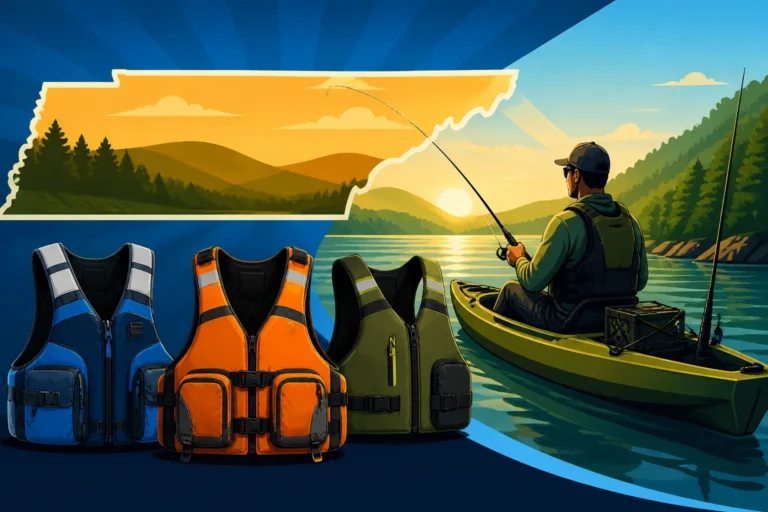
- Children Under 12: Any child under the age of 12 must wear a Coast Guard-approved life jacket whenever they are on the open deck of a recreational boat that is underway. This means if you're moving, they need to be wearing it, no exceptions. Even if they are strong swimmers, accidents happen fast.
- All Occupants: There must be a readily accessible, Coast Guard-approved life jacket for every person on board your vessel. "Readily accessible" means it shouldn't be stowed away in a locked compartment under a pile of gear. It should be easy to grab in an emergency.
- Type IV Throwable Device: All boats 16 feet or longer (excluding canoes and kayaks) must also have one Type IV throwable flotation device (like a ring buoy or seat cushion) that is immediately available. This is for throwing to someone who has fallen overboard.
- Other Essential Safety Gear: Beyond life jackets, every boat should carry:
- Fire Extinguisher: A Coast Guard-approved fire extinguisher, especially if you have an enclosed engine compartment or fixed fuel tank.
- Sound-Producing Device: A whistle, horn, or other device capable of producing an audible signal.
- Visual Distress Signals: Flares or an electronic visual distress signal, particularly if operating after sunset or before sunrise.
- Navigation Lights: Must be functional and used from sunset to sunrise and during periods of restricted visibility.
- First-Aid Kit: A well-stocked kit for minor injuries.
- Anchor and Line: Appropriate for your boat size and the conditions.
- Tool Kit: Basic tools for minor repairs.
- Extra Rope: Always comes in handy.
Remember, these are minimum requirements. It's always best practice to exceed them. For a deeper dive into life jacket rules, check out Tennessee Life Jacket and PFD Rules for Boaters.
Understanding Navigation and Water Hazards
Kentucky Lake is a busy waterway, and understanding how to navigate it safely is paramount.
- Aids to Navigation: Familiarize yourself with buoys and markers. Red buoys mark the right side of the channel when returning from sea (upstream on a river system like the Tennessee), and green buoys mark the left. Non-lateral markers indicate dangers, restricted areas, or points of interest.
- The Main Channel: Kentucky Lake follows the path of the old Tennessee River channel. This is typically the deepest water, and commercial traffic (barges) will use it. Always give commercial vessels a wide berth; they cannot stop or turn quickly.
- Shallow Areas and Submerged Hazards: Especially when lake levels are low, submerged stumps, rock piles, and shallow flats can become significant hazards. Your detailed GPS maps and fish finder are your best friends here. Don't cut corners; stick to marked channels unless you are absolutely certain of the depth.
- Other Boat Traffic: You'll encounter everything from other fishing boats and jet skis to pontoon boats and cruisers. Understand the rules of the road: who has the right of way, how to pass, and how to avoid collisions. Be courteous and predictable.
- Weather Monitoring: Always check the weather forecast before heading out, and keep an eye on conditions throughout the day. Kentucky Lake can go from calm to dangerous quickly. If thunderstorms or high winds are forecast, it's often best to stay off the water or get back to shore.
By taking these safety measures seriously, you're not just complying with regulations; you're protecting yourself, your passengers, and your investment, ensuring many safe and enjoyable days pursuing striped bass on Kentucky Lake.
Disclaimer
This article is for general informational purposes only and does not constitute professional advice. Laws, prices and regulations vary by location and change over time. Consult a qualified professional for guidance on your specific situation.