Do Canoes Need a Throwable Life Jacket in Tennessee?
It's a common misconception, especially for us paddlers who love the peace and quiet of a Tennessee lake or river, to get tangled up in what exact safety gear is truly required for our canoes. You're out there on the water, enjoying the beauty, and the last thing you want is a run-in with the wildlife resource agency because you missed a tiny detail in the regulations. This guide is here to clear up that confusion specifically about whether canoes need a throwable life jacket in Tennessee, ensuring you stay safe and compliant, so you can focus on the fishing, not the fines.
Understanding Tennessee's Boating Safety Regulations for Canoes
Let's cut right to the chase about what's legally expected of you when you're out on the water in your canoe here in Tennessee. The rules are designed to keep everyone safe, but they can definitely feel a little convoluted if you're not used to navigating them. Many folks assume a blanket rule applies to all boats, but there are nuances, especially when it comes to smaller, unpowered vessels like canoes. It's not just about having a life jacket; it's about having the right kind for the right situation.
The Core Requirement: Wearable PFDs for Everyone on Board
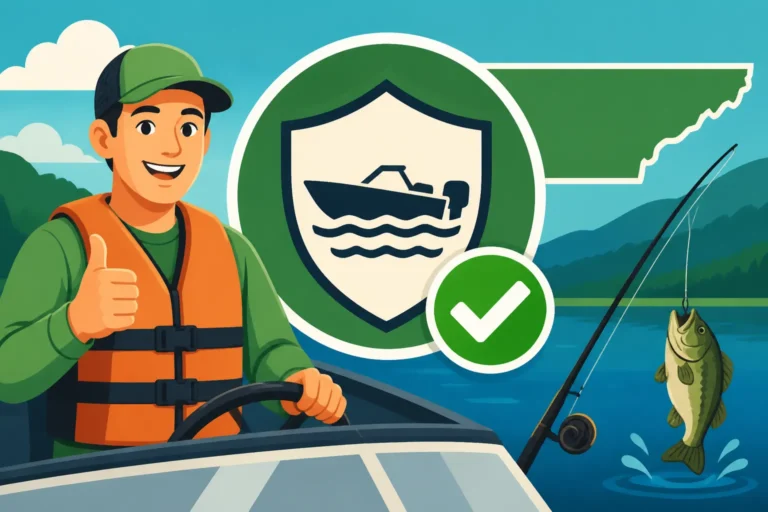
First and foremost, the golden rule, the non-negotiable requirement for any vessel, including your beloved canoe, is that every single person on board must have a Coast Guard-approved wearable personal flotation device (PFD). This isn't just a suggestion; it's the law. If you're out with your buddy on the Cumberland River, or taking your kids for a serene paddle on Percy Priest Lake, each of you needs a PFD that fits properly and is readily accessible. Don't just toss them under a seat; they need to be in a spot where you can grab them, or even better, be wearing them!
This requirement applies regardless of age, with one important exception: if you're under the age of 12, the law in Tennessee mandates that you must wear a Coast Guard-approved PFD while on the open deck or cockpit of any vessel, unless you're securely enclosed within a cabin. So, for the little ones in your canoe, it's not enough to just have it on board; they need to have it on their person. This is why when you see families out on the water, the kids are almost always sporting their bright orange or yellow vests. It's a critical safety measure, especially in a small craft like a canoe where capsizing can happen quickly and unexpectedly. You can learn more about this in Tennessee's Under-12 Life Jacket Rule Explained.
Think of your wearable PFD as your seatbelt for the water. Just like you wouldn't drive a car without everyone buckled up, you shouldn't launch a canoe without everyone having a properly fitting PFD. The fit is crucial; a PFD that's too big can ride up around your ears, making it harder to stay afloat and potentially more dangerous, while one that's too small will be uncomfortable and might not provide adequate flotation. It's always a good idea to try them on beforehand, especially if you're using older ones or buying new ones for growing kids.
The Throwable Device Rule Explained and Where Canoes Fit In
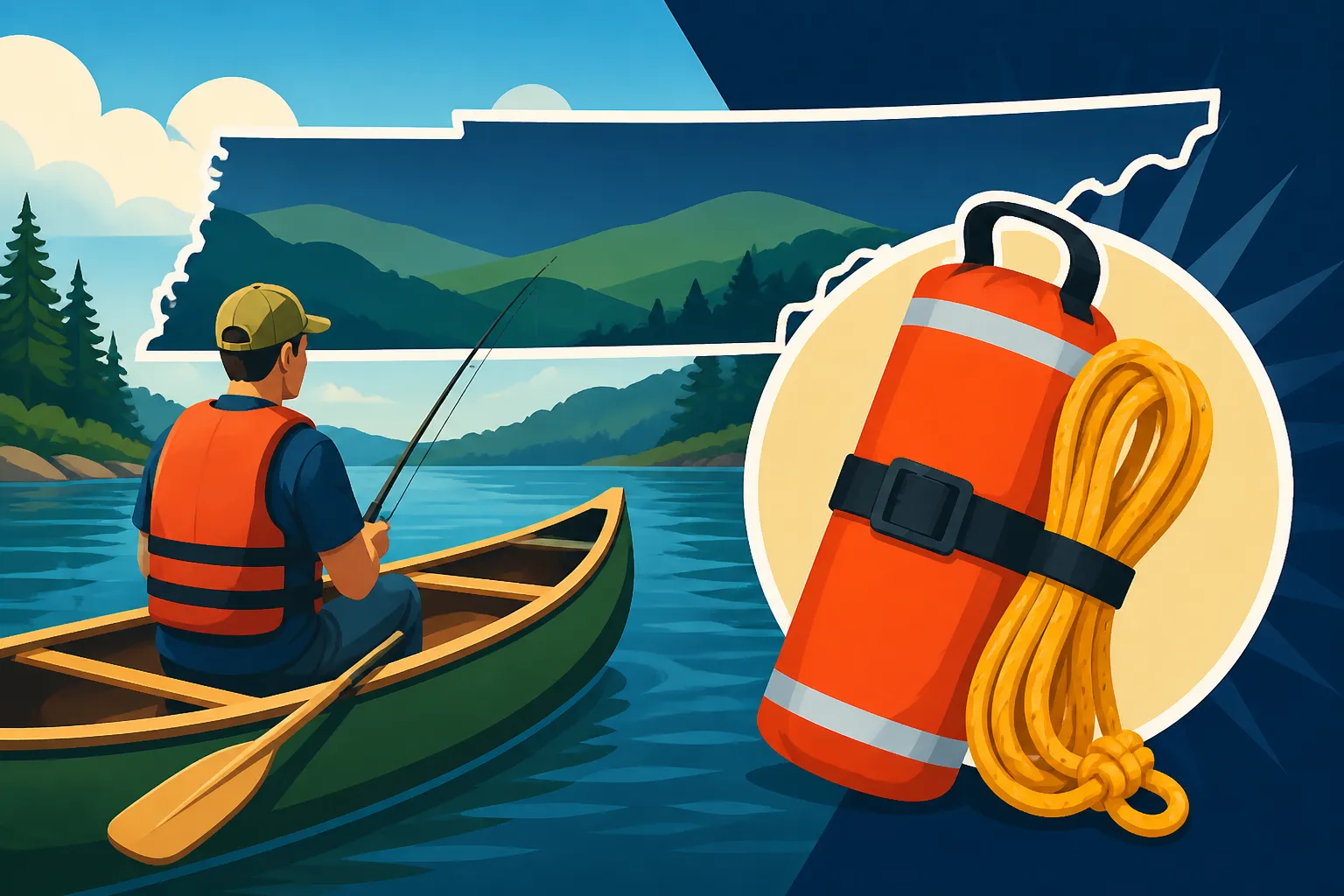
Now, let's get to the heart of your question: the throwable life jacket, also known as a Type IV PFD. Many larger boats are absolutely required to carry at least one throwable device. This is typically a buoyant cushion or a ring buoy, designed to be tossed to someone in the water. The idea is that if someone falls overboard, you can quickly throw this device to them for immediate assistance, rather than having to don your own wearable PFD or maneuver the boat precisely. It's an extra layer of safety, a quick-response tool.
However, here's where canoes, along with kayaks and stand-up paddleboards, often differ from larger vessels. In Tennessee, a throwable flotation device (Type IV PFD) is required only on boats 16 feet in length or longer. The vast majority of canoes, while they come in various sizes, typically fall under this 16-foot threshold. This means, legally speaking, if your canoe is, say, 15 feet long, you are not mandated by Tennessee law to carry a throwable PFD. This distinction often surprises people, as the mental image of a "boat" usually includes all vessels.
It's important to understand this specific length requirement. If you happen to have a particularly long canoe, perhaps a 17 or 18-foot expedition model, then yes, the law would require you to have that throwable device on board. But for the average recreational canoe, the explicit legal requirement for a Type IV PFD simply doesn't apply. You can check out What Is a Type IV Throwable Flotation Device? for more details on these specific PFDs. So, while it's not required by law for most canoes, we'll delve into why it's still a fantastic idea to have one in a moment.
Distinguishing Between Different PFD Types
To really understand why the rules are structured the way they are, it helps to know the different types of PFDs the U.S. Coast Guard recognizes. Each type serves a slightly different purpose, offering varying levels of buoyancy and turning capabilities. Knowing these helps you make informed choices, not just for compliance but for maximum safety.
- Type I: Offshore Life Jackets. These are typically bulky but provide the most buoyancy and are designed to turn an unconscious person face-up in the water. They're best for rough or remote waters where rescue might be delayed. You rarely see these on canoes, as they are overkill for most inland paddling.
- Type II: Near-Shore Buoyancy Vests. Less bulky than Type I, these are good for calm, inland waters where a quick rescue is likely. They will turn some unconscious wearers face-up, but not all. Many general-purpose "life vests" fall into this category, and they are common on smaller boats.
- Type III: Flotation Aids. These are the most common type for recreational activities like canoeing, kayaking, and waterskiing. They're comfortable for continuous wear, and while they won't reliably turn an unconscious person face-up, they offer good buoyancy for conscious persons. They come in many styles and colors, making them popular for active users. Most paddlers opt for these, and you can find great options from brands like Bass Pro Shops. Best Life Jackets for Tennessee Kayak Anglers provides some excellent options, many of which are suitable for canoeists too.
- Type IV: Throwable Devices. As we've discussed, these are designed to be thrown to a person in the water, not worn. They include buoyant cushions or ring buoys. They are not a substitute for a wearable PFD, but rather a supplemental safety item for boats 16 feet or longer.
- Type V: Special Use Devices. These are for specific activities and must be used according to their label. They include things like inflatable PFDs (which have specific use restrictions) or work vests. They are approved for certain activities and must be worn to be counted as a legal PFD. If you choose an inflatable, make sure it's U.S. Coast Guard approved and you understand its deployment mechanism.
Understanding these distinctions helps clarify why the law differentiates. For a canoe, the primary concern is that if you go in the water, you have something on you that keeps you afloat. A throwable device, while helpful, cannot substitute for that immediate, worn flotation.
Why a Throwable Device is Still a Smart Idea for Canoeists (Even if Not Required)
So, legally, most canoes don't need a throwable Type IV PFD in Tennessee. But here's the kicker: just because something isn't legally mandated doesn't mean it isn't an incredibly smart and responsible piece of gear to have on board. When it comes to safety on the water, erring on the side of caution is almost always the best approach. A small investment in a throwable cushion could make a world of difference in an unexpected moment.
Enhanced Safety in Unexpected Situations
Imagine this scenario: you're paddling down a quiet stretch of the Caney Fork River, enjoying the solitude. Suddenly, your canoe hits a submerged log, or perhaps you just shift your weight a bit too quickly, and over you go! Now you're in the water, maybe a little disoriented, maybe you hit your head, or perhaps you're just struggling with cold water shock. Your wearable PFD is doing its job, but what about your paddling partner who might be further downriver, or struggling to get back to the capsized canoe? A throwable device offers an immediate lifeline.
You can grab that buoyant cushion and toss it to your partner who might be struggling more, or use it to help you gather your gear that's floating away. It’s also incredibly useful if another boater nearby is in distress. You could be the first on the scene for someone else who’s unexpectedly in the water, and having that throwable cushion means you can render aid without putting yourself in further jeopardy by getting too close or attempting a direct rescue without a flotation aid. These "what if" scenarios are precisely why many experienced canoeists carry one, even when not required. It’s about being prepared for more than just staying afloat yourself.
Practical Applications on the Water
Beyond emergency situations, a throwable device, particularly a buoyant cushion, has some surprisingly practical uses that make it a worthwhile addition to your canoe gear. For starters, it makes a fantastic extra seat or a comfortable cushion for those long paddling trips. Sitting directly on the canoe's seat can get uncomfortable after a few hours, and having a soft, buoyant cushion underneath you can significantly improve your comfort. This is especially true if you're out fishing for an extended period.
Many anglers use them as a kneeling pad when fishing or as something to lean against. If you’re pulling up to a bank for a quick break, it can serve as a dry spot to sit. Additionally, in a pinch, a brightly colored throwable cushion can double as a visual distress signal. If you find yourself stranded and need to attract attention, waving a bright orange or yellow cushion can be much more visible than just waving your arms, especially over longer distances or in choppy water. It's a versatile piece of equipment that often pays for itself in comfort and peace of mind, long before an actual emergency ever calls for its primary use.
Essential Safety Gear Beyond the PFD for Tennessee Canoe Trips
While PFDs are undoubtedly at the top of the list, a safe and enjoyable canoe trip in Tennessee involves a bit more than just wearing a life jacket. The Tennessee Wildlife Resources Agency (TWRA) has other regulations that apply to all vessels, and there are also some non-regulated items that are just plain smart to have on board. Being prepared means considering a wider range of potential issues you might encounter on the water.
Sound-Producing Devices and Lights
For example, all vessels, including canoes, are required to have a sound-producing device if they are operating in restricted visibility or if there's a risk of collision. This could be a whistle, horn, or other device capable of producing an efficient sound signal audible for at least half a mile. While you might think of a serene canoe trip as quiet and calm, sudden fog, heavy rain, or even just navigating around busy boat ramps can quickly make a sound signal essential. Tucking a simple whistle onto your PFD or having it easily accessible in your canoe is a no-brainer.
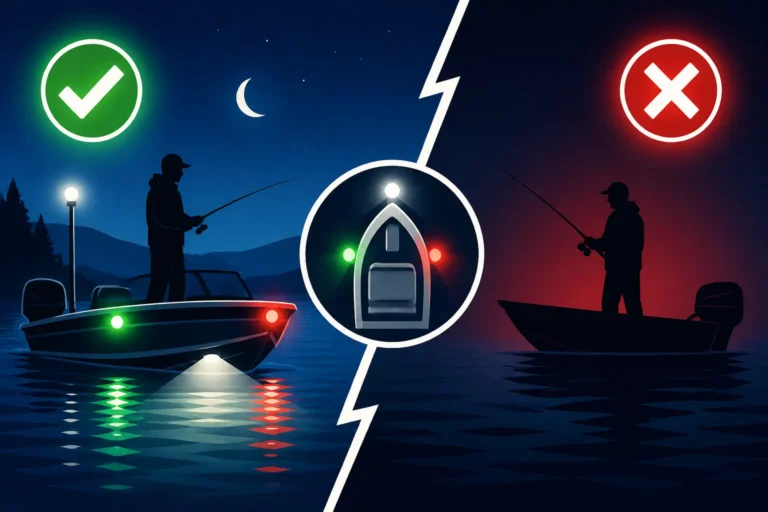
Furthermore, if you plan to be out on the water between sunset and sunrise, or during periods of restricted visibility (like heavy fog or rain), you'll need appropriate lighting. For canoes, this generally means displaying a white light visible from all directions (360 degrees) whenever you're underway. A simple battery-powered lantern or an all-around white light mounted on a pole can fulfill this requirement. This isn't just about avoiding a citation; it's about being seen by other boaters, especially larger, faster vessels that might not spot a low-profile canoe in dim light. Do You Need Navigation Lights for Night Fishing in Tennessee? offers more detailed insights into this specific requirement.
Visual Distress Signals and Other Essentials
While not typically required for canoes on inland waters in Tennessee (they're usually for coastal waters), having a visual distress signal can still be a good idea, especially if you're venturing onto larger reservoirs like Kentucky Lake or Chickamauga Lake. This could be a small flare gun, a signaling mirror, or a brightly colored flag. Again, it's about being able to call for help if needed.
Beyond the regulated items, a few other things should always make it into your dry bag. A small bailing device, like a sponge or scoop, is invaluable if you take on water from splashes or rain. A first-aid kit, even a basic one, can handle minor cuts, scrapes, or stings that are common on any outdoor adventure. Sunscreen, bug spray, a map of the area (even if you have GPS, a paper backup is smart), and plenty of drinking water are also crucial. Being stranded without water on a hot Tennessee summer day is no fun for anyone. For a more comprehensive list, check out Essential Safety Gear Checklist Before a Tennessee Fishing Trip.
Checking Local Regulations and Water Conditions
It's also crucial to remember that while statewide regulations provide a baseline, specific bodies of water or local jurisdictions might have additional rules. Always do a quick check before heading out, especially if you're trying a new spot. Sometimes, areas within state parks or wildlife management areas might have their own specific boating or fishing rules. The TWRA website is your best friend for this kind of information.
Furthermore, consider the actual conditions you'll be facing. Are you on a slow-moving stream, a calm pond, or a large, windy reservoir? Will there be powerboat traffic? Is the water cold? These factors should influence not just the gear you bring, but also how you use it. For instance, if you're paddling on cold water, wearing your PFD becomes even more critical, as cold water shock can incapacitate even strong swimmers very quickly. No piece of safety gear works if it's not being used or if it's not appropriate for the conditions.
Where to Acquire Your Essential Canoe Safety Gear
Getting your hands on the right safety gear doesn't have to be a complicated or expensive ordeal. Thanks to a wide variety of retailers, both brick-and-mortar and online, you have plenty of options to equip your canoe for safety and compliance. It’s always best to purchase from reputable sources to ensure your gear meets safety standards.
Retailers for PFDs and Safety Equipment
For those who prefer to see and try on gear in person, large outdoor retailers are excellent resources. Stores like Bass Pro Shops are fantastic because they often have a dedicated boating and water sports section where you can find a wide array of PFDs in different sizes, styles, and buoyancy ratings. You can try them on, get a feel for the fit, and ask knowledgeable staff members any questions you might have about compliance or suitability for canoeing. This in-person experience is especially valuable when selecting wearable PFDs, as comfort and fit are paramount for ensuring they'll actually be worn. You can also find sound-producing devices, lights, and other essential items here.
If convenience and variety are your top priorities, online retailers like Amazon offer an almost endless selection of boating safety gear. You can compare different brands, read customer reviews, and often find competitive pricing. Just be sure to double-check that any PFDs you purchase online are explicitly labeled as U.S. Coast Guard-approved. Reading product descriptions carefully for sizing charts and approval stamps is key when you can't physically inspect the item. Both these types of retailers are reliable places to pick up everything from your essential wearable PFDs to those optional-but-smart throwable cushions.
Understanding PFD Sizing and Fit
When it comes to wearable PFDs, the importance of proper sizing and fit cannot be overstated. A PFD that doesn't fit correctly is essentially useless, or worse, can be dangerous. For adults, PFDs are typically sized by chest circumference and weight. You want one that fits snugly but comfortably, allowing for a full range of motion needed for paddling. It shouldn't ride up around your ears when you lift your arms or try to float in the water. A good test is to put it on, buckle it up, and have someone gently pull up on the shoulders; if it moves up past your chin, it's too loose or too big.
For children, sizing is almost always based on weight. It's critical to get a child-specific PFD that matches their weight range. Never put a child in an adult PFD, thinking "they'll grow into it," as it simply won't provide the necessary flotation and can be extremely dangerous. Remember the rule about children under 12 wearing their PFDs – this applies whether you're in a canoe, a kayak, or a larger boat. Best Coast Guard Approved Life Jackets for Kids is an excellent resource for finding the right fit for the younger paddlers in your family. Taking the time to ensure proper fit for everyone on board is just as important as having the PFDs in the first place.
Here's a quick summary of PFD types and their general use:
| PFD Type | Description | Primary Use/Characteristics | Legal Requirement for Canoes (Tennessee) |
|---|---|---|---|
| Type I | Offshore Life Jacket | High buoyancy, turns unconscious face-up, bulky | Not specifically required, but provides highest safety |
| Type II | Near-Shore Buoyancy Vest | Good buoyancy, may turn unconscious face-up, less bulky | Acceptable for wearable PFD requirement |
| Type III | Flotation Aid | Comfortable for continuous wear, good for conscious users | Most common for wearable PFD requirement |
| Type IV | Throwable Device | Designed to be thrown, not worn (cushions, ring buoys) | Required only for boats 16 feet or longer |
| Type V | Special Use Device | Specific activities (e.g., inflatables), must be worn if required | Acceptable if U.S. Coast Guard approved and worn |
Conclusion
So, to answer the burning question: Do canoes need a throwable life jacket in Tennessee? The straightforward answer is, generally, no, not legally required for most standard canoes because the law specifies boats 16 feet or longer. However, and this is a big "however," equipping your canoe with a throwable device is an incredibly wise decision that significantly enhances safety on the water. It offers an invaluable tool for assisting others, provides extra comfort, and can serve as a visual aid in an emergency. Coupled with wearable PFDs for everyone on board, a sound-producing device, and appropriate lighting for low-light conditions, you'll be well-prepared for a safe and enjoyable paddling adventure across Tennessee's beautiful waters.
Disclaimer
This article is for general informational purposes only and does not constitute professional advice. Laws, prices and regulations vary by location and change over time. Consult a qualified professional for guidance on your specific situation.