Best Waders for Smoky Mountains Trout Streams
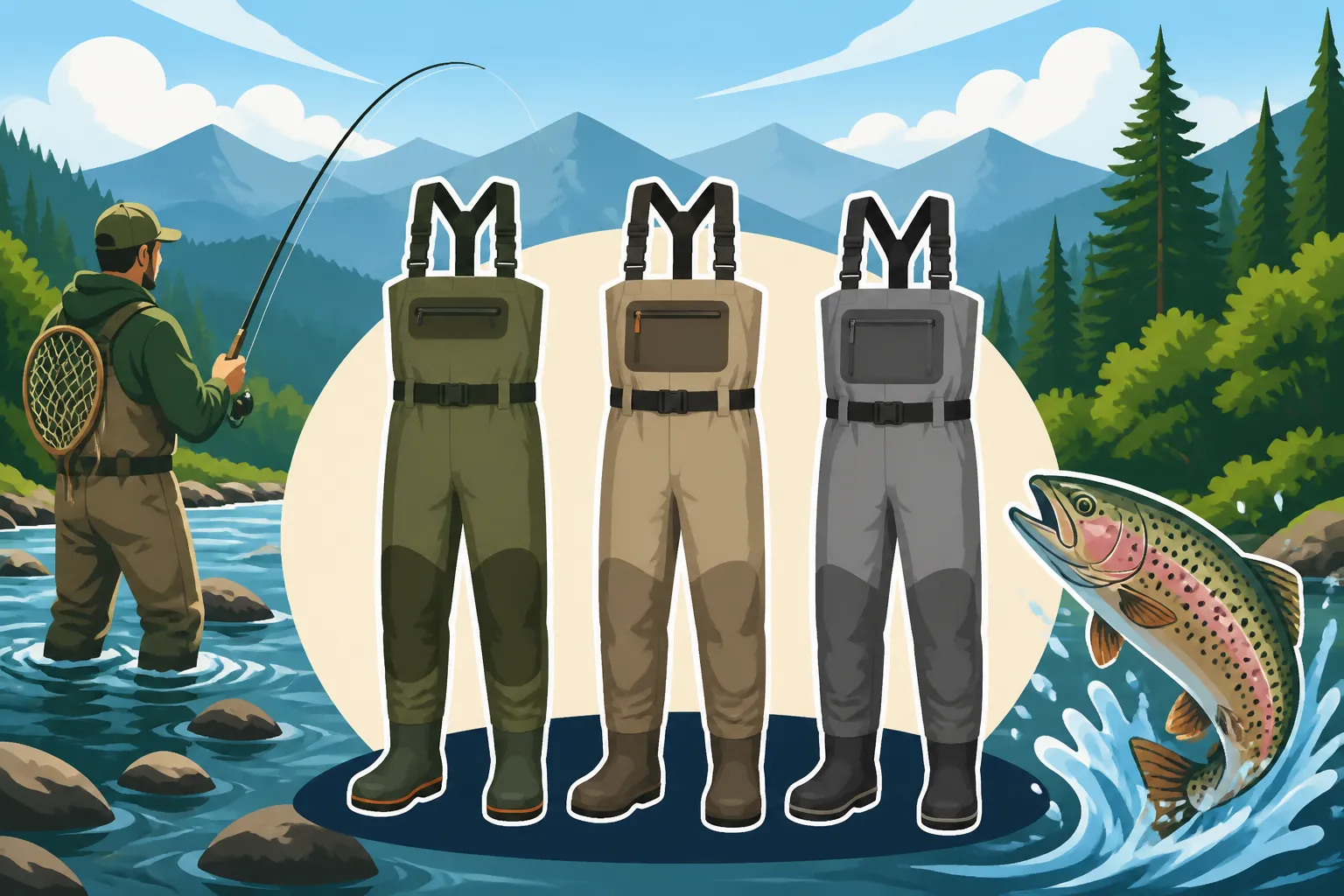
There's nothing quite like the crisp, cool air of the Great Smoky Mountains, the sound of rushing water, and the thrill of spotting a native brook trout in its crystal-clear habitat. But let's be real, chasing those beautiful fish in Tennessee's legendary trout streams also means dealing with biting cold water, slippery rocks, and often, an unpredictable climate. If you've ever tried to wet-wade a mountain stream in early spring or felt the chill seep into your bones after an hour in surprisingly deep water, you know the frustration. This comprehensive guide is here to walk you through everything you need to know about choosing the best waders to keep you warm, dry, and safe, ensuring your time on the water is as enjoyable and successful as possible.
Why Waders are Non-Negotiable for Smoky Mountain Trout Fishing
When you picture trout fishing in the Smokies, you might imagine serene, sun-dappled streams. While that's often true, the reality involves scrambling over rocks, wading through currents that can reach your waist, and battling chilly temperatures, even in warmer months. Waders aren't just a luxury here; they're a fundamental piece of safety and comfort gear that can make or break your trip. Trying to fish these waters without proper protection is a recipe for discomfort and can even be dangerous.
Beating the Mountain Chill and Staying Dry
One of the most immediate benefits of quality waders is protection from the cold. Mountain streams, fed by snowmelt and natural springs, stay surprisingly cold year-round. Even on a hot summer day, standing in 50-degree water for hours will draw heat right out of your body. This isn't just about being a little uncomfortable; prolonged exposure to cold can lead to hypothermia, which is a serious risk. Waders, especially those made from insulated or breathable materials designed for cold water, create a barrier that keeps your body temperature stable.
Think about those early spring mornings or late fall afternoons when the air temperature might be pleasant, but the water is still biting cold. Without waders, you'd be limited to bank fishing, missing out on prime spots that are only accessible by wading. Waders allow you to fully immerse yourself in the experience, getting to those hidden pools and runs where trout often hold, without sacrificing your warmth or drying out your clothes back at the cabin. It means more time fishing and less time shivering or changing into dry clothes. For more insights on seasonal changes, you might find How Cold Water Changes Trout Fishing in Tennessee's Smoky Mountains to be a helpful read.
Navigating Tricky Terrain and Protecting Yourself
Beyond temperature, the physical environment of Smoky Mountain trout streams presents its own challenges. The stream beds are often a jumble of slick, algae-covered rocks, submerged logs, and uneven gravel. The banks can be steep, overgrown with thorny bushes, and unstable. A good pair of waders, combined with sturdy wading boots, offers a critical layer of protection for your legs. Imagine slipping and scraping your shin on a jagged rock – waders provide a buffer. They also protect you from sharp branches, insect bites, and the general wear and tear that comes with bushwhacking to your favorite spot.
Moreover, the added bulk and sometimes the design of waders can help you maintain better footing. While they aren't a substitute for careful movement, the right wader-and-boot combination can significantly improve your traction. This is particularly important when crossing swift currents or navigating deeper sections where visibility is limited. It's not just about staying dry; it's about minimizing cuts, bruises, and outright falls that could cut your fishing trip short or worse.
Understanding Different Wader Types: What's Right for You?
Choosing waders isn't a one-size-fits-all decision. There are distinct types and materials, each with its own advantages and disadvantages. Your choice will depend on the specific conditions you anticipate, your comfort preferences, and your budget. Understanding these differences is key to making an informed decision that will serve you well on the stream.
Stockingfoot vs. Bootfoot: A Crucial Choice
This is perhaps the first major decision you'll face when buying waders.
Stockingfoot Waders: These waders have neoprene "feet" built into them, similar to socks. They are designed to be worn with separate wading boots.
- Pros:
- Customizable Fit: The biggest advantage is that you can choose wading boots that fit your feet perfectly and provide the specific ankle support and sole traction you need for the terrain. This can significantly improve comfort and safety on uneven, slippery streambeds. Many anglers opt for specific felt-soled or rubber-soled boots depending on the river bottom.
- Versatility: If your fishing takes you to different locations with varying riverbed conditions, you can simply swap out your wading boots rather than buying a whole new pair of waders.
- Packability: Stockingfoot waders tend to be lighter and more compressible, making them easier to pack for longer trips or hikes into remote spots.
- Drying: Separating the waders from the boots generally allows both to dry more thoroughly, reducing mildew and odor.
- Cons:
- Two-Piece System: You have to buy and carry both waders and boots. This means a higher initial cost and more gear to put on and take off.
- Entry/Exit Time: It takes a bit longer to get ready, especially if you're dealing with laces or buckles on your boots.
Bootfoot Waders: These waders have waterproof boots permanently attached to them. You simply step in and go.
- Pros:
- Convenience: Super easy to put on and take off. No need to fiddle with separate boots.
- Warmth: Often, the integrated boots are insulated, providing extra warmth in very cold conditions. This can be a huge plus when the air is frigid.
- No Gravel Entry: Since the boot is sealed to the wader, you won't get gravel or sand working its way into your boots, which can be a common annoyance with stockingfoot waders.
- Cons:
- Less Customizable Fit: The boots are a fixed size, and while you can wear thicker socks, you can't get the truly custom fit and support of separate wading boots. This can sometimes lead to discomfort or less stability on challenging terrain.
- Bulkier: Generally heavier and more cumbersome to pack.
- Sizing Challenges: If one part of the wader (say, the body) fits great but the boot is a little off, you're stuck.
- Drying: Can be harder to dry completely inside the boot, leading to potential mildew issues if not aired out properly.
For the varied and often challenging conditions of the Smoky Mountains, many seasoned anglers lean towards stockingfoot waders for their superior boot flexibility and footing control. However, for quick trips or very cold weather, bootfoots certainly have their place.
Material Matters: Breathability and Durability
Wader materials have come a long way. Gone are the days when all waders felt like stiff, rubbery death traps. Today, the choice generally comes down to neoprene or breathable fabrics.
Neoprene Waders: Made from the same material as wetsuits, neoprene waders offer excellent insulation.
- Pros:
- Warmth: Unbeatable for cold water and cold weather. If you're planning winter fishing in the Smokies, or very early spring/late fall outings, neoprene is fantastic at keeping you warm.
- Durability (to a point): The material is quite tough and resistant to punctures and abrasions.
- Cons:
- Breathability: Almost none. You'll sweat, and that sweat will condense inside, making you feel damp and clammy, especially during warmer months or strenuous hikes. This makes them less suitable for mild-to-warm conditions.
- Bulk: They are heavier and bulkier than breathable waders.
Breathable Waders: These are typically made from multi-layered fabrics like Gore-Tex, Toray, or proprietary membranes that allow moisture vapor (sweat) to escape while preventing water from entering.
- Pros:
- Comfort: The major advantage is their ability to "breathe," reducing clamminess and keeping you much more comfortable during active fishing, hiking to spots, or on warmer days.
- Versatility: By layering appropriately underneath, you can adapt breathable waders to a wide range of temperatures, from chilly to mild. They are generally the best all-around choice for the Smokies, where you might experience varying temperatures in a single day.
- Lighter Weight: Easier to move in and less fatiguing over a long day of fishing.
- Cons:
- Cost: Quality breathable waders tend to be more expensive than neoprene.
- Durability: While modern breathable fabrics are tough, they can sometimes be more susceptible to punctures from thorns or sharp objects than thick neoprene, requiring careful handling. However, repairs are often straightforward.
For the typical Smoky Mountain trout angler, especially one who plans to fish throughout the spring, summer, and fall, breathable waders are usually the better investment. You can always layer up with fleece or wool underneath on colder days.
Construction and Features to Look For
Beyond material and type, several construction details and features can significantly impact the performance and longevity of your waders.
- Seam Construction: Look for waders with sealed seams. Taped seams are standard, but ultrasonic welding (which creates a seamless bond) or reinforced seams add extra durability and leak protection. Waders notoriously leak at the seams first, so this is a crucial area.
- Reinforced Knees and Seat: Many high-quality waders feature extra layers of material or tougher fabrics in high-wear areas like the knees and seat. This is a huge plus when you're kneeling on rocks or sliding down banks to access a stream.
- Suspender System: Comfortable, adjustable suspenders are key. Look for wide, elasticized straps that don't dig into your shoulders, and buckles that are easy to operate, even with cold hands. Some waders offer convertible suspenders that allow you to roll down the top for waist-high wading on hot days.
- Pockets and Storage: Having a waterproof chest pocket for your phone, keys, or a small fly box is incredibly convenient. Fleece-lined hand-warmer pockets are a godsend on chilly mornings. Some waders also include internal flip-out pockets for additional storage.
- Gravel Guards: For stockingfoot waders, integrated gravel guards are essential. These cuffs fit over your wading boots to prevent gravel and sand from entering your boots, saving you discomfort and potential blisters. Make sure they have a hook or clip to secure them to your boot laces.
Remember, a good pair of waders, much like a reliable fly rod or a well-chosen reel, is an investment in your fishing enjoyment and success. You'll often find a good selection of brands and models at retailers like Bass Pro Shops or online at Amazon, where you can compare features and read reviews.
Key Considerations When Choosing Waders for Smoky Mountain Trout Streams
Choosing the best waders isn't just about picking the most expensive pair. It's about finding the right balance of features, durability, and comfort that suits your personal fishing style and the unique challenges of the Smoky Mountain environment.
Fit is Everything: Comfort and Mobility
You'll be spending hours in these waders, often hiking, bending, and wading through tricky currents. A poor fit will quickly lead to discomfort, chafing, and restricted movement.
- Don't Go Too Snug: While you don't want them baggy, waders that are too tight will restrict your movement, especially when kneeling or stepping over obstacles. They can also put undue stress on seams, leading to premature leaks.
- Allow for Layering: Remember you'll likely be wearing base layers and perhaps a fleece pant underneath, especially during cooler seasons. Ensure there's enough room for these layers without feeling constricted.
- Leg Length and Inseam: Pay attention to the inseam measurement. Waders that are too short will pull uncomfortably when you bend your knees or step high. Too long, and you'll have excess material bunching up, which can be awkward.
- Chest and Torso Fit: The chest area should be comfortable, allowing for a full range of arm motion without pulling.
- Foot Size (Stockingfoot): For stockingfoot waders, ensure the neoprene foot fits snugly but not tightly. If it's too big, it can bunch up inside your wading boots, causing blisters.
It's always best to try waders on with the type of layers you typically wear. If buying online, check the brand's sizing chart meticulously and read customer reviews about fit.
Durability for Rocky Streams and Overgrown Banks
Smoky Mountain streams are rugged. You'll encounter sharp rocks, abrasive gravel, fallen logs, and dense undergrowth along the banks. Your waders need to be able to stand up to this abuse.
- Fabric Denier: For breathable waders, the "denier" of the fabric indicates its thickness and durability. Higher denier numbers usually mean tougher fabric. Look for waders with a good balance – perhaps a lighter upper for breathability and a heavier denier in the lower legs and seat for protection.
- Reinforced Areas: As mentioned, extra reinforcement in high-wear zones like the knees and seat is crucial. These areas are constantly rubbing against rocks, logs, and bankside vegetation.
- Seam Quality: We can't stress this enough. Well-taped or welded seams are vital. A tiny pinhole from a thorn might be patchable, but a blown seam is a much bigger headache. Brands often highlight their seam technologies for a reason.
Investing in a more durable pair of waders upfront can save you money and frustration in the long run. Constantly patching leaks or replacing flimsy waders quickly adds up.
Breathability in Variable Mountain Weather
The weather in the Smokies can change on a dime. A sunny morning can turn into a chilly, overcast afternoon, or vice versa. This is where breathable waders really shine.
- Layering Advantage: With breathable waders, you can adjust your warmth by simply changing your layers underneath. A lightweight merino wool base layer for mild days, adding a fleece pant for colder conditions. This flexibility is impossible with non-breathable options like neoprene.
- Sweat Management: Even on a cool day, hiking to a remote stream section or actively casting can make you sweat. Breathable fabrics pull that moisture away from your body, preventing the clammy, uncomfortable feeling that can quickly make you cold once you stop moving.
- Comfort on Hotter Days: While serious summer heat might call for wet wading in shorts, there are plenty of warm-to-mild days when breathable waders are still comfortable. If you’re fishing Tennessee's Best Trout Streams during the warmer parts of the Tennessee Trout Fishing Season Explained, breathability will be a major comfort factor.
Look for waders that specifically tout their breathability ratings or utilize well-known breathable membranes. This feature will drastically improve your overall comfort and enjoyment on the water.
Essential Features for Anglers
Beyond the core components, several angler-specific features can make a big difference in your on-stream experience.
- Wading Belt: Almost all waders come with a wading belt, and you should always wear it. In the event of a fall in deep water, cinching the belt reduces the amount of water that can rush into your waders, making it much safer to recover.
- Built-in Gravel Guards: For stockingfoot waders, gravel guards are non-negotiable. They keep annoying grit out of your wading boots, preventing discomfort and wear on your socks.
- Accessory Attachment Points: D-rings or loops are great for attaching essential gear like a net, nippers, or a zinger. This keeps your tools easily accessible.
- Internal Pockets/Storage: A flip-out internal pocket is fantastic for keeping valuables like your car keys or wallet secure and dry.
- Hand-Warmer Pockets: These are a small feature with a huge impact on cold days. Fleece-lined pockets are perfect for warming chilly hands between casts.
Think about how you fish and what you carry. These thoughtful additions can significantly improve your efficiency and comfort on the stream. For those interested in Fly Fishing Basics for Trout, having these features can streamline your setup.
Caring for Your Waders: Longevity in the Wild
You've invested in a great pair of waders for those challenging Smoky Mountain streams. Now, how do you make them last? Proper care isn't just about keeping them clean; it's about preserving their waterproof integrity and extending their lifespan, saving you money and hassle down the road.
Cleaning and Drying Best Practices
Neglecting your waders after a day on the water is one of the quickest ways to shorten their life and invite nasty odors.
- Rinse After Each Use: As soon as you get home, or even before packing them into your vehicle, give your waders a good rinse with fresh water. This removes mud, algae, sand, and any other debris that can abrade the fabric or clog the breathable membrane over time. Pay special attention to the seams and the neoprene booties or integrated boots.
- Thorough Drying is Key: This is perhaps the most important step. Hang your waders inside out first in a well-ventilated area, out of direct sunlight. Let the inside dry completely. Once the inside is dry, turn them right side out and let the exterior dry. This can take a day or two depending on humidity. Never store damp waders; they will quickly develop mildew and a foul odor, and the material can degrade. A wader hanger, often found at places like Bass Pro Shops or on Amazon, can help them air out fully.
- Spot Cleaning: For stubborn dirt or stains, use a mild, non-detergent soap and a soft brush or sponge. Gently scrub the affected area, then rinse thoroughly. Avoid harsh chemicals or abrasive cleaners, as these can damage the waterproof membrane.
- Occasional Deep Cleaning: If your breathable waders start to "wet out" (the outer fabric absorbs water instead of beading it up), they might need a wash with a specialized technical fabric cleaner (like Nikwax or Granger's). These cleaners restore the DWR (Durable Water Repellent) finish without damaging the breathable membrane. Follow the product instructions carefully.
By establishing a consistent routine of rinsing and thoroughly drying your waders, you’ll prevent premature wear and maintain their performance for many seasons of Tennessee Trout Limits and Season Rules adventures.
Repairing Minor Leaks and Punctures
Even the most durable waders can fall victim to a sharp rock, a rogue thorn, or a stray fishing hook. Don't despair! Most minor leaks and punctures can be easily repaired, extending the life of your waders.
- Finding the Leak: The trickiest part is often locating the leak. For small punctures in breathable waders, turn them inside out. Lightly spray the affected area with rubbing alcohol; the spot where the alcohol darkens the fabric is usually the leak. Alternatively, you can fill the waders with water (carefully, not to overstress seams) and look for drips, or spray soapy water on the outside and look for bubbles if you have an air compressor to inflate them gently. For neoprene, simply submerging them in a bathtub and looking for bubbles works.
- Patching Breathable Waders: Once you've found the hole, clean and dry the area thoroughly. Most breathable waders come with a small repair kit, which typically includes Aquaseal or a similar urethane-based adhesive and sometimes a fabric patch. Apply a small bead of the adhesive over the hole, covering a slightly larger area than the puncture. For larger tears, a fabric patch can be used in conjunction with the adhesive. Allow ample drying time, often 12-24 hours.
- Patching Neoprene Waders: Neoprene patches are usually applied with a neoprene cement. Clean the area, apply cement to both the patch and the wader, allow it to become tacky, then press firmly together.
- Testing the Repair: After the adhesive has fully cured, re-test the area for leaks before your next trip. It's always better to find out at home than on the stream!
Keeping a wader repair kit handy in your fishing bag or vehicle is always a good idea. Brands like Simms, Orvis, and other major wader manufacturers usually offer their own repair kits or compatible adhesives. This proactive approach ensures a small mishap doesn't derail your fishing plans.
Complementary Gear for the Ultimate Wading Experience
Waders are fantastic, but they're part of a system. To truly maximize your comfort, safety, and effectiveness when wading Tennessee's trout streams, you need a few other key pieces of gear working in harmony with your waders.
Wading Boots: Grip and Support
If you opt for stockingfoot waders, your wading boots are arguably as important as the waders themselves. They provide the critical traction and ankle support needed to navigate slick, uneven, and often swift-moving streambeds.
- Sole Types:
- Felt Soles: Traditionally popular for their excellent grip on slimy rocks. However, some states have banned felt due to concerns about transporting invasive species. Always check local regulations, though this is less common in Tennessee for general use.
- Rubber Soles: Modern rubber soles, often with aggressive tread patterns and sometimes incorporating micro-studs or sticky compounds, offer a good balance of grip on various surfaces and are generally easier to clean. They're typically favored for their versatility and ease of cleaning to prevent transferring aquatic invasives.
- Studded Soles: Many rubber-soled boots can have metal studs added for extra traction on extremely slick surfaces. These are fantastic for challenging conditions but can be very noisy on dry land and aren't always ideal for delicate boat floors.
- Ankle Support: Look for boots that provide robust ankle support. A twisted ankle on a remote stream can be a serious problem. High-cuff designs and strong lacing systems are key.
- Fit with Wader Booties: Ensure your chosen wading boots fit comfortably over the neoprene booties of your stockingfoot waders, allowing for a bit of extra sock thickness if needed. They should be snug enough to prevent your foot from sliding around, but not so tight that they cut off circulation. You'll want to review your overall gear strategy, maybe checking out Best Fly Rods and Waders for Tennessee Trout Streams for a holistic view.
Spending a little extra on quality wading boots is an investment in your safety and comfort. Don't skimp here; good footing is paramount.
Wading Staff: Stability in Swift Currents
A wading staff is a simple but incredibly effective tool that can prevent falls and give you confidence when traversing challenging water. Think of it as a third point of contact, providing stability and allowing you to probe the streambed ahead.
- Probing for Depth and Obstacles: Before taking a step in murky or swift water, you can use your wading staff to feel for drop-offs, loose rocks, or submerged logs. This prevents unexpected plunges into deeper water or losing your footing on an unseen obstacle.
- Stability in Currents: When crossing strong currents, a wading staff can be braced upstream, helping you maintain your balance against the force of the water. This is particularly important on larger rivers or after heavy rains when currents are stronger.
- Support on Uneven Terrain: Even on seemingly gentle slopes, the staff can provide extra leverage and stability when hiking over slippery banks or steep inclines to get to the water's edge.
- Portability: Most wading staffs are collapsible, folding down into a compact size that can be clipped to your wading belt or fishing vest until needed.
Many experienced anglers consider a wading staff as essential as their fly rod, especially when exploring new waters or fishing alone. It's a small piece of gear that offers a huge boost in safety and confidence. Learning How to Read Water When Trout Fishing becomes even more effective when you can also physically probe the depths with a staff.
| Wader Type | Best For | Pros | Cons |
|---|---|---|---|
| Stockingfoot | Versatile, active wading | Customizable boots, packable, good drying | Two-piece system, higher initial cost |
| Bootfoot | Cold weather, convenience | Quick on/off, extra warmth, no gravel in boots | Less customizable fit, bulky, harder to dry |
| Neoprene | Coldest conditions, winter | Maximum warmth, durable | Not breathable, heavy, bulky |
| Breathable | All-season, active fishing | High comfort, versatile with layering, light | Higher cost, can be less puncture-resistant |
Ultimately, selecting the best waders for Tennessee's Smoky Mountain trout streams is about preparing for the reality of the environment. The right gear will not only keep you comfortable and dry but also enhance your safety and allow you to fully immerse yourself in the incredible fishing opportunities these waters provide. Whether you're targeting rainbow, brown, or Where Do Brook Trout Live in Tennessee Streams?, being properly outfitted will make all the difference.
Disclaimer
This article is for general informational purposes only and does not constitute professional advice. Laws, prices and regulations vary by location and change over time. Consult a qualified professional for guidance on your specific situation.