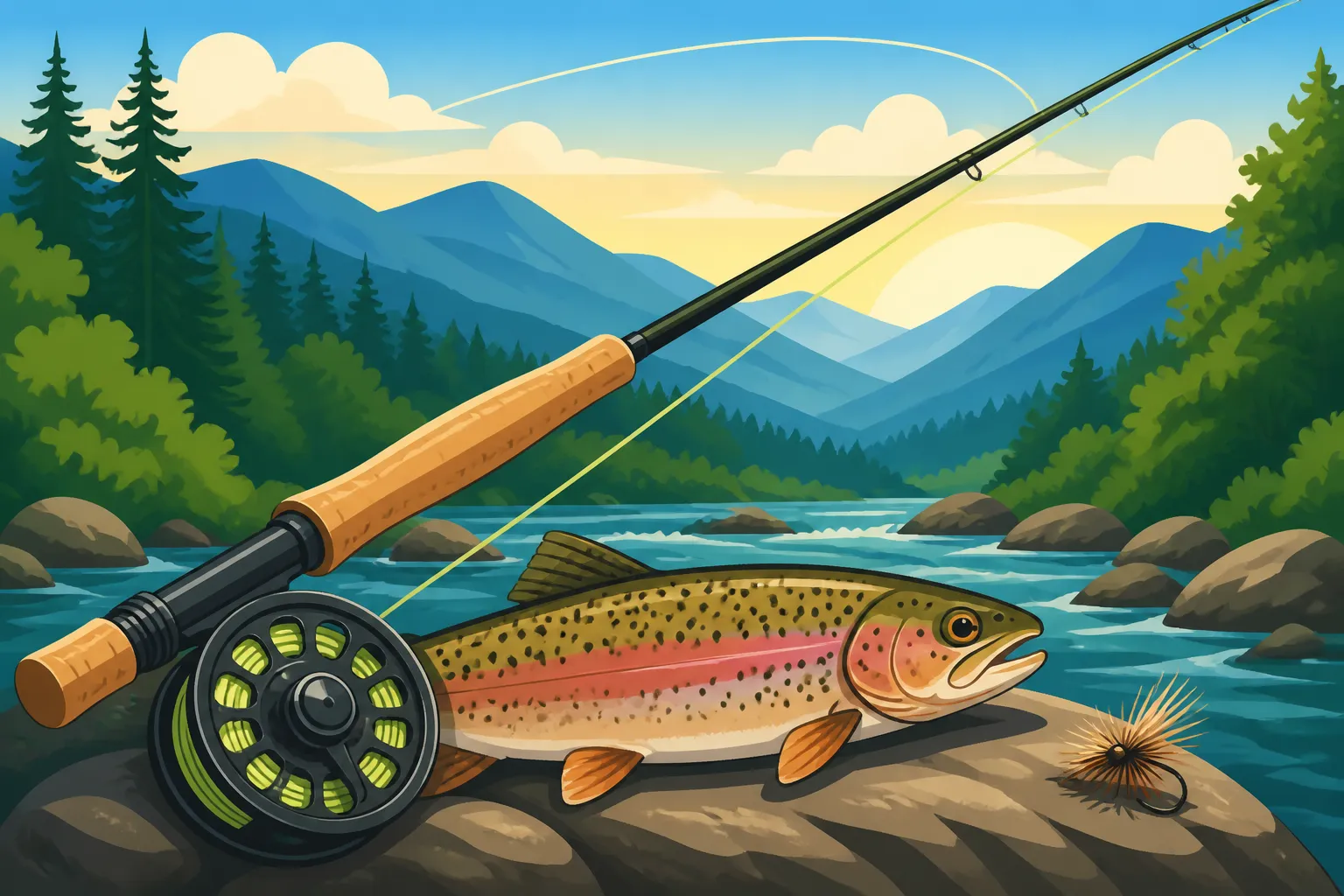
Best Fly Rods for Smoky Mountains Trout
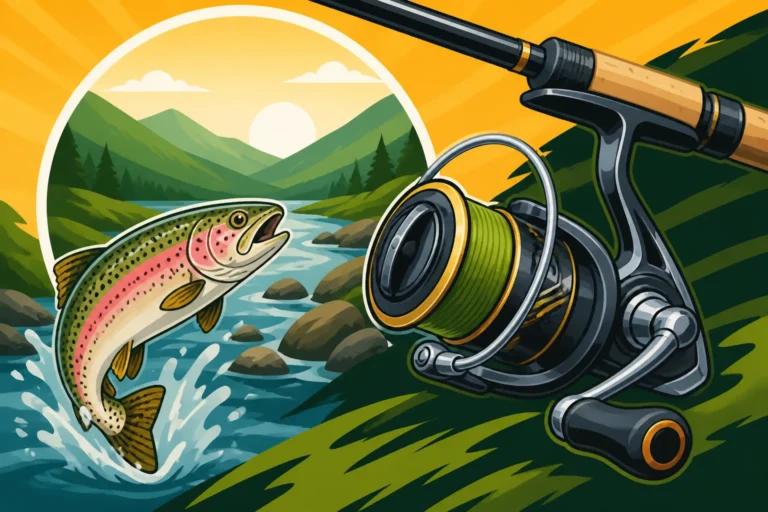
There's nothing quite like the serene beauty and challenging waters of the Smoky Mountains when it comes to fly fishing for trout. But if you've ever found yourself struggling with a fly rod that just doesn't feel right in those tight, overgrown streams, or you're missing those delicate presentations, you know the frustration. This guide is all about helping you navigate the options and choose the absolute best fly rod to conquer the unique demands of Smoky Mountain trout fishing, ensuring your next outing is less about wrestling gear and more about landing beautiful fish.
Why the Smoky Mountains Demand Specific Fly Rod Considerations
Anglers who have spent time on the famous freestone streams and high-elevation creeks of the Great Smoky Mountains National Park will tell you it's a whole different ballgame. It's not like casting on wide-open rivers or still lakes. The environment itself plays a huge role in dictating what kind of gear will truly shine. If you try to bring your big, heavy saltwater rod here, you're in for a rude awakening!
The Unique Challenges of Mountain Streams
Imagine this: you're wading up a crystal-clear stream, the water barely reaching your knees, surrounded by rhododendron thickets so dense you can barely see the sky. Suddenly, you spot a beautiful brook trout rising in a small pool just ahead. But wait, there's an overhanging branch, a thorny bush to your left, and a rock face to your right. This isn't a place for long, sweeping casts. You need accuracy, delicacy, and the ability to punch a short leader into a tight window. Many of these streams are narrow, can be quite swift, and are often blanketed by a dense canopy, limiting your backcast. This means a fly rod that can load quickly and deliver a precise, shorter cast is often preferred. You'll also encounter a mix of riffles, runs, and pockets, each requiring a slightly different presentation.
Furthermore, the fish themselves can be incredibly spooky. Whether you're targeting wild rainbow, brown, or the native brook trout, they've seen it all. A clumsy cast that splashes down like a cannonball will send them darting for cover. You need a rod that can lay down a fly with grace and stealth, almost as if it floated down from a cloud. This often means a lighter line weight and a rod that can absorb the energy of your cast, reducing line slap and disturbance. It's all about tricking those wary fish into thinking your offering is just another natural morsel drifting downstream. For more on these incredible fish, check out Tennessee Trout Guide: Rainbow, Brown, and Brook Trout.
Matching Rod Power to Trout Size
While the Smoky Mountains are renowned for their picturesque beauty, they're not typically known for monster trophy trout, especially in the higher elevation, smaller streams. Most of the fish you'll encounter will be in the 6-12 inch range, though larger browns and rainbows certainly inhabit the bigger rivers and stocked areas. This difference in fish size directly impacts the "power" or "weight" of the fly rod you should choose.
Using a rod that's too heavy for the average fish can take all the fun out of the fight. Imagine hooking a feisty 8-inch rainbow on a 6-weight rod – it's like reeling in a wet sock! You won't feel the fight, the subtle head shakes, or the thrilling runs. Conversely, an ultralight rod might struggle to handle a surprisingly strong 15-inch brown trout in a swift current, potentially leading to a lost fish or even a broken rod tip if you're not careful. The key is to find that sweet spot that allows you to enjoy the fight of the average fish while still having enough backbone to handle a larger surprise. The goal is always to land the fish quickly and safely, minimizing stress for both angler and trout.
Understanding Fly Rod Components and What Matters for Mountain Trout
When you start looking at fly rods, it's easy to get overwhelmed by all the terminology: length, weight, action, materials. But for the unique environment of the Smoky Mountains, a few key components rise above the rest in terms of importance. Understanding these will help you make an informed decision that truly enhances your time on the water.
Rod Length: Reach, Accuracy, and Clearance
The length of your fly rod is arguably one of the most critical factors for Smoky Mountain fishing. Typical fly rods range from around 6 feet to 10 feet or more.
- Shorter Rods (6 to 7.5 feet): These are the workhorses for tight, overgrown streams. Think about those streams deep within the park where tree limbs hang low and dense brush lines the banks. A shorter rod allows you to make precise casts without constantly snagging trees behind or above you. It gives you incredible accuracy for dropping a fly into small pockets and undercuts. The downside is less line control on longer drifts and a slightly reduced ability to mend line. For the very smallest, brush-choked creeks, a 6-foot rod might be ideal, making it easier to sneak through the dense foliage.
- Medium Rods (8 to 8.5 feet): This length often strikes a fantastic balance for many Smoky Mountain anglers. An 8-foot or 8-and-a-half-foot rod still offers good accuracy for medium-sized streams, provides better line control for longer drifts, and can help you reach over smaller obstacles or mend your line effectively in varying currents. It's a great choice if you're fishing a mix of conditions, perhaps starting in a more open section and moving into slightly tighter areas.
- Longer Rods (9 feet and up): While a 9-foot rod is often considered the standard "all-around" length for many fly fishing scenarios, it can be a handful in the absolute tightest Smoky Mountain streams. However, for wider rivers like the lower sections of the Little Pigeon or Little Tennessee rivers, or if you plan on doing a lot of nymphing where line control and high-sticking are crucial, a 9-foot rod can be highly beneficial. It provides excellent reach for mending line, keeping your fly in the strike zone longer, and managing multiple currents. Just be prepared to fight a few more branches if you venture into the really dense stuff. If you're mainly fishing larger, more open sections, a 9-foot rod might be your preference.
Rod Weight: Fighting Fish vs. Casting Delicate Flies
Fly rod weight, typically expressed in numbers like 2-weight, 3-weight, 5-weight, etc., refers to the line weight the rod is designed to cast, which in turn dictates the rod's overall power and delicacy.
- Ultralight (0-weight to 2-weight): These are incredibly delicate rods, almost like fishing with a feather. They're fantastic for the smallest brook trout in tiny, crystal-clear creeks where the fish are often no bigger than your hand. The light line creates almost no splash, and fighting a 6-inch trout feels like a genuine battle. However, they have limited casting distance and little backbone, so they're not for every situation. They're more of a specialized tool for true ultralight enthusiasts.
- Light (3-weight to 4-weight): This is often the sweet spot for many Smoky Mountain anglers. A 3-weight or 4-weight rod offers a wonderful blend of delicacy for presenting small dry flies and nymphs to wary trout, while still having enough power to handle a surprise 12-inch rainbow or brown. They cast smaller flies beautifully and protect light tippets, which are often necessary in clear mountain water. Many anglers consider a 3-weight or 4-weight their go-to rod for general trout fishing in the park.
- Medium (5-weight to 6-weight): A 5-weight rod is often considered the most versatile "all-around" trout rod for general use across many different waters. In the Smokies, it might be a bit heavy for the smallest creeks but excellent for larger freestone rivers or when you anticipate larger stocked trout. If you're only going to own one trout rod and plan to fish a variety of water types, including some of the slightly larger rivers in the region, a 5-weight could be a good compromise. A 6-weight is generally overkill for most dedicated Smoky Mountain trout fishing, though it could be used for larger streamers or if you're also targeting smallmouth bass in the foothills rivers. For deeper dives into fishing strategies, consider Fly Fishing Basics for Trout.
| Rod Weight | Typical Trout Size (Smoky Mountains) | Primary Use Case | Advantages | Disadvantages |
|---|---|---|---|---|
| 0-2 weight | 4-8 inches (small brookies) | Small, overgrown creeks | Max delicacy, fun fight for small fish | Very limited range, little power |
| 3-4 weight | 6-14 inches (most park trout) | All-around mountain trout | Great balance of delicacy & power | Can struggle with large fish in heavy current |
| 5-6 weight | 12-20+ inches (larger rivers, stocked) | Larger rivers, bigger flies | Versatile, good for bigger fish/wind | Overkill for small streams, less delicate |
Rod Action: Fast, Medium, or Slow for Varying Conditions
Rod action describes how much a rod bends when pressure is applied and where it bends. This significantly impacts casting performance, especially in challenging environments.
- Fast Action: These rods are stiff, bending mostly in the tip section. They are powerful, excellent for generating high line speeds, casting long distances, and punching through wind. They excel at casting heavy flies or multiple flies with indicators. However, they require precise timing and technique to load properly, and their stiffness can make delicate presentations difficult. For tight, technical casting in the Smokies, a fast-action rod can be unforgiving and lead to more splashy landings or frustrated short casts.
- Medium Action (or Mid-Flex): These rods bend through the upper half to two-thirds of the blank. They offer a great compromise between power and feel. They are forgiving enough for beginners to learn timing, yet still provide enough backbone to cast decent distances and handle good-sized fish. For Smoky Mountain trout, a medium-action rod is often highly recommended because it offers enough delicacy for soft presentations but enough power for roll casts or short, accurate overhead casts in tricky spots. They are generally more pleasant to cast all day.
- Slow Action (or Full-Flex): These rods bend deep into the butt section, sometimes almost to the handle. They are often associated with classic fiberglass rods or bamboo. Slow-action rods are incredibly forgiving, making them excellent for very short, delicate presentations and protecting light tippets. They load with minimal line, making them ideal for roll casts or bow-and-arrow casts in extremely tight quarters. The downside is they are not powerful for long casts and struggle in windy conditions. For true small-stream specialists who prioritize feel and delicacy above all else, a slow-action rod can be a joy.
For the Great Smoky Mountains, a medium-action rod or even a medium-slow action rod will typically be your best bet, offering the versatility needed for varied conditions and trout behavior.
Top Fly Rod Features to Look For When Targeting Smoky Mountain Trout
Beyond the basic length, weight, and action, certain features can elevate a fly rod from good to great, especially when you're battling the elements and the terrain of the Smoky Mountains. Paying attention to these details can make a significant difference in your overall fishing experience.
Durability and Portability for Backcountry Access
When you're hiking into remote sections of the park to find those less pressured fish, your gear needs to be up to the task. Trails can be rugged, river crossings can be slick, and gear gets bumped around.
- Rod Material: Most modern fly rods are made from graphite, which offers an excellent strength-to-weight ratio and sensitivity. Some anglers still prefer fiberglass for its slower action and extreme durability, which can be a plus for clumsy moments on rocky trails. Whichever material you choose, look for quality construction. A reputable brand known for its robust blanks will give you more peace of mind.
- Number of Pieces: A 4-piece rod is generally the standard for portability and convenience. It breaks down into a manageable length that can easily fit into a backpack, a car trunk, or even carry-on luggage. Some rods come in 2-piece or even single-piece designs, but these are incredibly impractical for hiking into remote areas. While 5 or 6-piece "travel rods" exist and offer even greater compactness, sometimes the extra ferrules (connection points) can slightly affect the rod's action or introduce potential weak points. For most, a good 4-piece rod hits the sweet spot for durability and portability in the Smokies. You might find a great selection of these on Amazon with varying price points to suit any budget.
- Rod Tube: A durable rod tube is non-negotiable. Look for a hard case made of PVC or aluminum that can withstand impacts. Many quality rods come with a suitable tube, but if not, invest in one. It protects your valuable investment from crushing or bending while you're scrambling through brush or tossing your pack around.
Reel Seat and Grip: Comfort and Performance
These are the direct points of contact between you and your rod, so their quality and design heavily influence comfort and control.
- Reel Seat: A good reel seat should hold your fly reel securely without any wobble. It should be made of durable materials like anodized aluminum to resist corrosion, especially since you'll be wading in and out of water. Some reel seats feature double locking rings for extra security, which is a nice touch if you're frequently changing reels or are prone to overtightening. A down-locking reel seat (where the rings tighten downwards towards the butt of the rod) is often preferred for lighter rods as it shifts the balance point slightly back, making the rod feel lighter in hand.
- Grip Material and Shape: Cork is the standard for fly rod grips, prized for its comfortable feel, light weight, and natural warmth. Look for a grip made of high-quality, dense cork with minimal filler. Cheaper cork will degrade quickly and develop pitting. The shape of the grip also matters. For lighter trout rods, a "cigar" or "reverse half-wells" grip is common. These shapes are comfortable for smaller hands and offer good control for delicate casting. Try holding different rods to see what feels best in your hand – it's a very personal preference. A comfortable grip will reduce fatigue over a long day of casting and enable more precise control over your rod, which is paramount when trying to hit a small target in a mountain stream. You can often try out different grip styles at a local fly shop or a large outdoor retailer like Bass Pro Shops before making a decision.
The Importance of a Good Warranty
Fly rods are not inexpensive, and accidents happen. A moment of carelessness, a rogue branch, or even a manufacturing defect can lead to a broken rod. This is where a strong warranty becomes your best friend.
Many reputable fly rod manufacturers offer excellent warranties, sometimes covering breakages for the lifetime of the original owner, often for a reasonable repair or replacement fee. Before you buy, research the brand's warranty policy. How easy is it to submit a claim? What's the turnaround time? Is there a flat fee, or does it vary? Knowing that your investment is protected can provide immense peace of mind. A good warranty indicates a manufacturer's confidence in their product and a commitment to their customers, which is a huge plus when you're looking to buy a rod that you hope will last you for many seasons of Tennessee Trout Fishing Season Explained.
Recommended Fly Rod Setups for Different Smoky Mountain Scenarios
There isn't a single "best" fly rod for the Smoky Mountains, just like there isn't one "best" lure for all fishing. The ideal setup depends heavily on where you plan to fish, what species you're primarily targeting, and your personal casting style. However, we can break down some solid recommendations for the most common scenarios you'll encounter.
All-Around Rod for General Stream Fishing
If you're looking for one rod that can handle the majority of your trout fishing adventures in the Great Smoky Mountains National Park, you'll want something versatile. This setup aims to strike a balance between delicacy, castability in tight quarters, and the ability to handle various trout sizes.
- Rod Length: An 8 to 8.5-foot rod is often an excellent choice. It's short enough to maneuver in most streams without constantly snagging but long enough to provide good line control for mending and reaching over minor obstacles. You'll find it comfortable for both overhead casts in more open areas and roll casts when space is limited.
- Rod Weight: A 3-weight or 4-weight rod is ideal. A 3-weight offers superb delicacy for small dries and light nymphs, making fighting average park trout an absolute joy. A 4-weight adds a touch more backbone for slightly larger fish, a bit more wind resistance, and can handle slightly heavier nymphs or small streamers with ease. Both are light enough to protect fine tippets, which are crucial for success in these clear waters.
- Rod Action: A medium-fast action rod is typically preferred here. It provides enough power for efficient casting without sacrificing the delicate presentations needed for spooky trout. It's forgiving enough for a relaxed casting stroke but responsive when you need to quickly load and shoot line into a tight seam. You can find excellent medium-fast action graphite rods from various manufacturers online or at your local Bass Pro Shops. Many anglers find this combination to be the perfect companion for exploring the diverse trout waters of the Smokies, from the West Prong of the Little Pigeon River to the Middle Prong of the Little River. This balanced approach allows you to effectively present a wide array of Best Fly Patterns for Stocked Trout.
Ultralight Setups for Small Creeks and Panfish
For the dedicated small-stream enthusiast who loves the challenge of stalking tiny native brook trout in their ancestral waters, or for families introducing kids to panfishing, an ultralight setup is truly special. These rods are about maximizing the fun with smaller fish in often incredibly tight, pristine environments.
- Rod Length: Go short. A 6 to 7-foot rod is perfect for these situations. Imagine casting in creeks where you can almost jump across. Longer rods would be a constant headache. These short rods allow for precise bow-and-arrow casts, flip casts, and short roll casts. They make navigating through dense foliage much easier, which is often a significant part of the adventure on these remote waters.
- Rod Weight: A 0-weight, 1-weight, or 2-weight rod is your ticket here. These ultralight rods make even a 6-inch brook trout feel like a powerhouse. The extremely light line touches down almost silently, a critical factor for not spooking fish in tiny, clear pools. While specialized, they offer an unparalleled level of finesse and an incredibly fun fishing experience.
- Rod Action: Many ultralight rods come in medium or slow action. This helps protect those super fine tippets (often 6x or 7x) you'll use and makes those short, delicate presentations incredibly easy. The deep flex of a slow-action rod loads with just a few feet of line, ideal for those close-quarters engagements. If you're looking to explore the hidden gems of the higher-elevation creeks, where wild brook trout thrive, this setup is a blast. You might even find some surprising panfish in the lower sections, making it a great all-around light tackle choice. You can often find fantastic value in ultralight rods from lesser-known brands on Amazon, perfect for this niche application. To truly master this, understanding How to Fly Fish for Trout for Beginners will be key.
Heavier Rods for Larger Rivers and Bigger Trout
While the average Smoky Mountain trout might be on the smaller side, Tennessee also boasts larger, wider rivers and tailwaters where bigger brown and rainbow trout, sometimes even stocked fish, can grow to impressive sizes. For these waters, you might want to step up your gear.
- Rod Length: A 9-foot rod becomes a much more practical choice here. On wider rivers like the Clinch River tailwater or the lower Little Tennessee, you'll have more room to cast. The added length provides superior line control for nymphing with indicators, longer drifts for streamers, and better reach for mending line across complex currents. If you're planning on fishing from a drift boat or a larger raft, a 9-foot rod is standard.
- Rod Weight: A 5-weight or 6-weight rod is appropriate for these larger waters. A 5-weight remains incredibly versatile, capable of handling larger dry flies, heavy nymph rigs, and small streamers. It has enough power to cast longer distances and fight bigger fish effectively. A 6-weight moves into the realm of handling larger streamers, heavier nymph rigs, and even smallmouth bass if you venture into those habitats. If you're specifically targeting larger trophy fish on a consistent basis or fishing during periods when heavier flies are required, a 6-weight can be an excellent choice.
- Rod Action: A medium-fast to fast action rod will perform well on these larger rivers. The power of a fast-action rod helps punch out long casts, turn over heavy rigs, and battle strong winds that can sweep through open river valleys. While perhaps not as delicate for close-in work, its strength shines when you need to cover a lot of water or present larger flies. For insights on where to find these fish, consider Tennessee's Best Trout Streams. For more in-depth knowledge on the various life stages of trout in different seasons, be sure to check out Tennessee Trout Season and Catch Limits.
Disclaimer
This article is for general informational purposes only and does not constitute professional advice. Laws, prices and regulations vary by location and change over time. Consult a qualified professional for guidance on your specific situation.