Essential Safety Gear Checklist Before a Tennessee Fishing Trip
Heading out for a day of fishing in Tennessee, whether it's a peaceful morning on a quiet creek or an exciting adventure on a sprawling reservoir, brings a sense of freedom and anticipation. But that feeling can quickly turn to dread if an unforeseen emergency strikes and you're caught unprepared. This guide is all about ensuring your peace of mind by detailing the essential safety gear you absolutely need to pack before your next Tennessee fishing trip, helping you navigate potential hazards with confidence.
Why Safety Isn't Optional on Tennessee Waters
It’s easy to get caught up in the excitement of a new fishing spot, or even a familiar one, and overlook the mundane details like checking your safety gear. Many anglers, myself included, have been guilty of thinking "it won't happen to me." But the truth is, accidents on the water can happen to anyone, at any time, and being unprepared can turn a minor incident into a life-threatening situation. Tennessee's diverse waterways, from the fast-flowing rivers to the vast, open lakes, each present their own set of challenges, making a comprehensive safety checklist not just a recommendation, but a necessity.
Understanding the Unique Challenges of Tennessee Lakes and Rivers
Tennessee boasts an incredible variety of fishing environments, and while that's part of its charm, it also means a wide range of potential hazards. On a large lake like Chickamauga or Kentucky Lake, sudden weather changes can whip up dangerous waves in minutes, turning calm waters into a choppy nightmare. Strong currents in rivers like the Cumberland or Tennessee River can quickly pull an unanchored boat or a wading angler downstream. Even smaller, seemingly tranquil waters can hide submerged obstacles, unexpected drop-offs, or isolated areas where cell service is non-existent. These aren't just theoretical dangers; they're real scenarios that seasoned anglers have faced. Knowing what you're up against helps you understand why having the right gear isn't just about following rules, it's about protecting yourself and your loved ones.
Imagine you're out on Norris Lake, known for its deep, clear waters, and a sudden afternoon thunderstorm rolls in. The sunny skies turn dark, the wind picks up, and whitecaps start forming. If your boat isn't properly equipped with the right flotation devices and communication tools, that serene fishing trip can become a desperate struggle to get back to shore. Or consider a peaceful morning wade fishing in a Smoky Mountain trout stream; a slip on a mossy rock could lead to a sprained ankle, far from any easy access point. These are the moments when well-thought-out safety preparations truly shine, allowing you to react effectively rather than panic.
The Legal Ramifications of Neglecting Safety Gear
Beyond personal safety, there's also the legal side of things. The Tennessee Wildlife Resources Agency (TWRA) has clear regulations regarding required safety equipment for boats of all sizes. Not complying with these regulations can lead to hefty fines, delays, and a ruined day on the water if you're stopped by a game warden. These aren't just arbitrary rules; they're put in place to ensure everyone's safety on the water. For example, specific rules dictate Tennessee Life Jacket and PFD Rules for Boaters, outlining who must wear one and what types are acceptable.
It's not uncommon for anglers to think they can skirt by with minimal gear, especially if they're just planning a short trip. However, a routine safety check by the TWRA can quickly reveal any deficiencies. You might be asked to show your PFDs, fire extinguisher, or throwable device. If you're missing something essential, not only could you face a penalty, but you might also be required to return to shore immediately to acquire the missing items, effectively ending your trip. The cost of a fine and a wasted day fishing far outweighs the relatively small investment in proper safety equipment, which you can often find at places like Bass Pro Shops or on Amazon. Always remember that prevention is far better than having to deal with the consequences later.
Your Core Life-Saving Gear: Flotation Devices
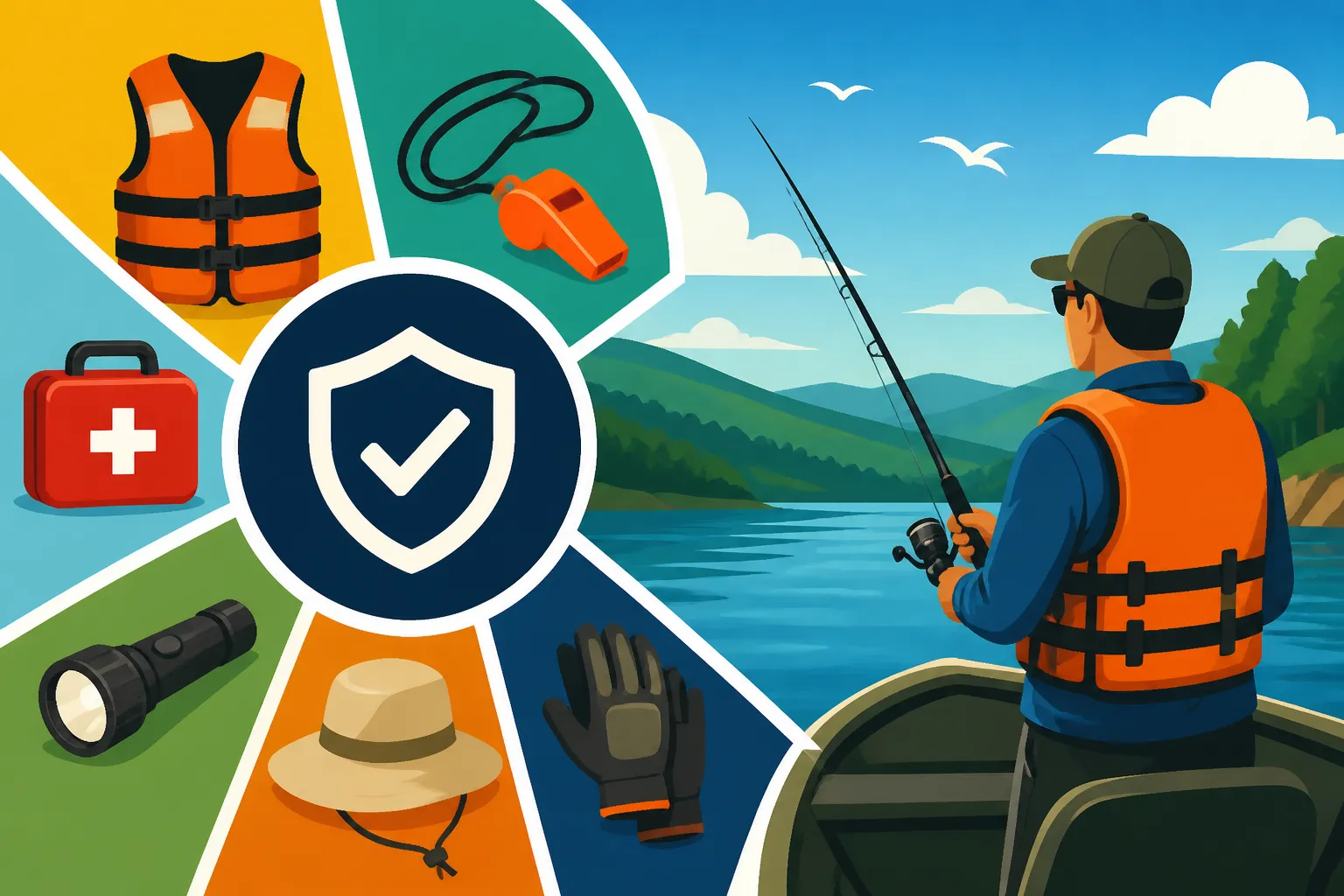
When we talk about water safety, personal flotation devices (PFDs) immediately come to mind. And for good reason – they are, without a doubt, the most critical piece of safety equipment you can have on any fishing trip. Falling overboard, whether due to a sudden jolt, a slip, or an unexpected wave, can happen in an instant, even to the most experienced angler. Being immersed in cold water, or finding yourself in a strong current, can quickly lead to panic and exhaustion. That's why having readily accessible and properly fitting PFDs for everyone on board is non-negotiable.
Personal Flotation Devices PFDs for Every Angler
Every single person on your boat, regardless of age or swimming ability, should have access to a U.S. Coast Guard-approved PFD. For children, the rules are even stricter: Tennessee's Under-12 Life Jacket Rule Explained mandates that children under 12 years of age must wear a PFD while on the open deck of a recreational boat that is underway. But honestly, why stop there? Adults should seriously consider wearing them too, especially if you're fishing alone, in cold water, or in challenging conditions. The best PFD is the one you actually wear.
When choosing PFDs, think about comfort and fit. Modern PFDs come in a variety of styles, from traditional vests to inflatable models that offer more freedom of movement. If you're a kayak angler, specific Life Jacket Rules for Kayaks and Canoes in Tennessee apply, and you'll want a PFD designed for paddling that doesn't restrict your arm movement. Make sure each PFD fits snugly but comfortably. A PFD that's too loose can ride up around your ears and actually hinder rather than help you in the water. Regularly inspect your PFDs for tears, rips, or mildew that could compromise their buoyancy. Replacing old or damaged PFDs is a small price to pay for vital safety.
Throwable Flotation Devices: The Backup Plan
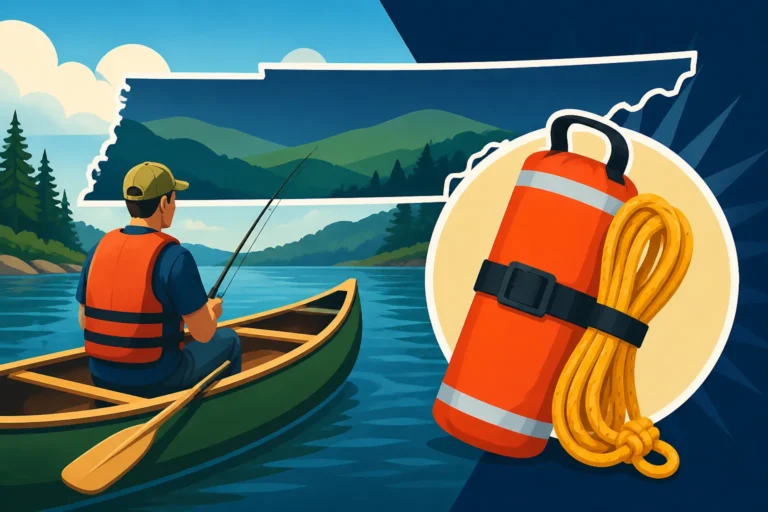
While wearing a PFD is ideal, accidents happen, and sometimes someone unexpectedly goes overboard without one. This is where throwable flotation devices become your critical backup. Tennessee law, consistent with federal regulations, generally requires boats 16 feet or longer to carry at least one Type IV throwable device. If you're not sure what that means, What Is a Type IV Throwable Flotation Device? will give you the full scoop. These can be buoyant cushions, ring buoys, or horseshoe buoys, designed to be thrown to someone in the water for them to hold onto until they can be safely brought back aboard.
Having a throwable device readily accessible, not stashed away in a hard-to-reach locker, is key. When an emergency strikes, seconds count. You want to be able to grab it and throw it quickly and accurately. Regularly check that your throwable device is in good condition, free from punctures or waterlogging. While it’s technically considered "backup" for someone not wearing a PFD, it can also be invaluable if someone wearing a PFD needs extra assistance, or if you need to mark a spot for rescue personnel. Don't underestimate the importance of this simple, yet effective, piece of gear. It’s part of the answer to Which Boats Need a Type IV Throwable Device in Tennessee?, and if your vessel is in that category, it needs to be on board and ready.
Communication, Navigation, and Emergency Preparedness
Beyond flotation, being able to call for help, know where you are, and address immediate medical needs are paramount. Many anglers venture into remote areas of Tennessee's vast lakes or tucked-away river bends where cell service is spotty at best. Relying solely on your cell phone for emergencies is a gamble you don't want to take. A multi-faceted approach to communication and navigation ensures you're prepared for whatever comes your way.
Staying Connected When You're Off-Grid
Let's face it, cell service in the backcountry of Tennessee can be like trying to catch a greased hog – incredibly elusive. While your smartphone is great for selfies and checking the weather at the ramp, don't count on it as your sole emergency communication device. For serious offshore or remote river fishing, a marine radio (VHF radio) is a much more reliable option. These radios allow you to communicate with other boats and with emergency services, even when you're miles from a cell tower. Checking out a guide to Best Marine Radios for Tennessee Reservoir Fishing could be a game-changer for your safety setup.
Another excellent piece of gear, especially if you venture far from civilization, is a satellite messenger or personal locator beacon (PLB). Devices from brands like Garmin inReach or Spot allow you to send pre-programmed messages or an SOS signal, even without cell service. These units can be pricey, but they offer incredible peace of mind for solo anglers or those exploring truly remote areas. Always tell someone your float plan – where you're going, when you expect to return, and who to call if you don't check in. This simple step can be a lifesaver even if your high-tech gadgets fail.
Essential Navigation Tools for Unfamiliar Waters
Getting lost on the water is not only frustrating but can quickly become dangerous, especially as daylight fades or bad weather rolls in. Modern GPS units and marine chartplotters have revolutionized navigation, making it easier than ever to know exactly where you are and where you're going. Even if your boat has a built-in GPS, having a backup plan is always wise. A handheld GPS unit or even a good old-fashioned waterproof map and compass can prove invaluable if your primary electronics decide to quit.
Remember that many of Tennessee’s reservoirs have countless coves, inlets, and islands that can look remarkably similar, especially in low light. A detailed chart, either digital or paper, will show depth contours, navigation markers, and potential hazards like submerged stumps or rocks. Familiarize yourself with how to read these charts before you head out. Understanding how to use your navigation tools to mark waypoints for good fishing spots is also helpful, but marking hazards or your safe return path is critical. You might even find some useful models for fish finders with GPS capabilities on sites like Amazon or at Bass Pro Shops.
First Aid and Emergency Kits: Better Safe Than Sorry
Every fishing trip, whether it's an hour or a full day, needs a well-stocked first aid kit. Minor cuts from hooks, scrapes from boat docks, or even sunburn are common occurrences. But a more serious injury, like a severe cut, a sprain, or an allergic reaction, can turn your fun day into an urgent crisis. Your first aid kit should be waterproof and easily accessible. It's not enough to have one; you need to know what's in it and how to use it. Looking for advice on Best First Aid Kits for Tennessee Boat Anglers can help you tailor your kit to common fishing injuries.
Beyond basic first aid, think about a broader emergency kit. This might include:
- Signaling devices: Whistle, flare gun, or signal mirror to attract attention if you're stranded.
- Fire extinguisher: Required on most motorized boats and crucial for putting out accidental fires. Do You Need a Fire Extinguisher on a Tennessee Boat? covers the specifics.
- Tool kit: Basic tools for minor boat repairs, like a screwdriver, pliers, and duct tape.
- Anchor and extra line: Essential for holding your position in an emergency or if your engine dies.
- Backup light sources: A headlamp or flashlight with extra batteries for unexpected low-light situations.
- Sunscreen and bug spray: Small things that make a huge difference in comfort and preventing skin issues.
Consider taking a basic first aid or even a CPR course. Knowing how to react in a medical emergency is just as important as having the right supplies.
Beyond the Basics: Extra Gear for Specific Scenarios
While PFDs and communication are universal must-haves, certain fishing conditions or environments in Tennessee call for specialized safety gear. The weather in Tennessee can be notoriously fickle, shifting from warm sunshine to chilling rain or intense heat in a single day. Being ready for these extremes will not only make your trip safer but also far more enjoyable.
Sun Protection and Hydration: Battling the Elements
The Tennessee sun can be intense, even on cloudy days. Prolonged exposure without protection can lead to severe sunburn, heat exhaustion, or even heatstroke. This isn't just uncomfortable; it's a serious health risk. Always wear a wide-brimmed hat, sunglasses to protect your eyes from glare, and UV-protective clothing. Long-sleeved shirts and pants made from lightweight, breathable fabric are your best defense. Don't forget sunscreen for any exposed skin, and reapply it regularly, especially after sweating or getting wet.
Hydration is equally crucial. Dehydration can creep up on you quickly, especially when you're active and spending hours under the sun. Always bring plenty of water, far more than you think you'll need. Sports drinks can also be beneficial for replenishing electrolytes lost through sweat. Avoid excessive alcohol consumption while on the water, as it accelerates dehydration and impairs judgment, making you more susceptible to accidents. A good cooler, packed with ice and plenty of fluids, is as essential as your tackle box.
Cold Weather Gear and Hypothermia Prevention
Tennessee winters and even early springs can bring frigid temperatures, especially on the water where wind chill can dramatically drop the perceived temperature. Cold water immersion is a serious danger, as hypothermia can set in quickly. If you're fishing in cooler months, dressing in layers is key. Start with a moisture-wicking base layer, add insulating layers, and top it off with a waterproof and windproof outer shell. Wool and synthetic materials are far superior to cotton, which loses its insulating properties when wet.
Gloves, warm socks, and a knit hat are also vital for retaining body heat. Even if you don't plan on getting wet, a sudden dip or even prolonged exposure to cold spray can be dangerous. Consider carrying a dry bag with a complete change of warm, dry clothes. If you do find yourself in the water, getting out and into dry clothing as quickly as possible is critical. Some boats even carry an emergency blanket or sleeping bag for severe cold weather emergencies. Don't let the beauty of a crisp fall morning lull you into underestimating the power of cold water.
Lighting and Signaling for Dawn, Dusk, and Night Fishing
Fishing during twilight hours or at night can be incredibly productive, but it also introduces unique safety challenges. Visibility becomes severely limited, making navigation trickier and increasing the risk of collisions with other boats or submerged obstacles. If you're fishing from a boat, proper navigation lights are legally required for operation between sunset and sunrise, or during periods of restricted visibility. Make sure yours are in working order and clearly visible. The question of Do You Need Navigation Lights for Night Fishing in Tennessee? is not just about compliance, but fundamental safety.
For anglers on the bank or wading, a reliable headlamp or flashlight is essential. This allows you to see where you're going, tie knots, and unhook fish without fumbling in the dark. Always carry extra batteries. Beyond lighting, consider signaling devices. A loud whistle can alert other boats to your presence or call for help if you're in distress. For more extreme situations, an emergency strobe light or even a small, handheld air horn can draw attention. A reflective patch on your PFD or clothing can also make you more visible to others. Don't let the allure of night fishing overshadow the need for careful preparation.
Essential Safety Gear Checklist
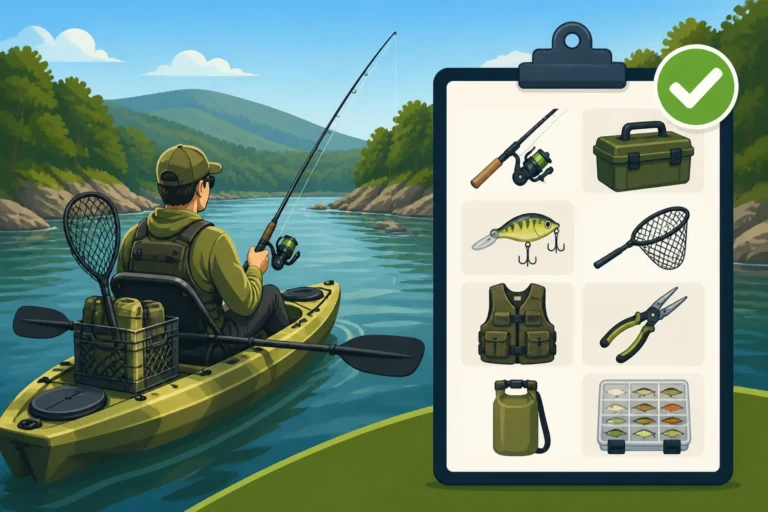
To make things easy, here's a quick reference table of essential safety gear to consider for your next Tennessee fishing adventure. This is not exhaustive but covers the primary categories we've discussed.
| Category | Essential Items | Notes |
|---|---|---|
| Flotation | USCG-approved PFDs for all on board | Worn by children under 12 and recommended for all. Ensure proper fit. |
| Type IV Throwable Device (if boat > 16 ft) | Buoyant cushion or ring buoy, readily accessible. | |
| Communication | Fully charged Cell Phone (with waterproof case) | Primary contact, but not sole reliance. |
| Marine Radio (VHF) or Satellite Messenger/PLB | For offshore or remote areas without cell service. | |
| Whistle or Air Horn | For signaling distress or alerting others. | |
| Navigation | GPS Unit (boat-mounted or handheld) | Essential for knowing your location and path. |
| Paper Charts/Map of fishing area | Backup for electronic failures. | |
| Compass | Basic navigation tool, understand how to use it. | |
| First Aid & Emergency | Waterproof First Aid Kit | Stocked for common fishing injuries and personal medical needs. |
| Fire Extinguisher (if motorized boat) | Required for most motorized vessels. | |
| Basic Tool Kit (pliers, screwdriver, duct tape) | For minor repairs. | |
| Anchor with Sufficient Line | For holding position in emergencies. | |
| Extra Batteries (for lights, electronics) | Crucial for extended trips or unexpected delays. | |
| Personal Protection | Sunscreen, UV-protective clothing, Hat, Sunglasses | Prevents sunburn, heatstroke, and glare. |
| Ample Water and Snacks | Prevents dehydration and maintains energy. | |
| Cold Weather Layers (if applicable) | Insulating, moisture-wicking clothing, waterproof outer shell. | |
| Headlamp/Flashlight | For low-light conditions and night fishing. |
No matter how familiar you are with your favorite fishing hole, taking a few minutes to review and pack your safety gear is an investment in your well-being. From ensuring every child has a properly fitted PFD, as covered in Youth Fishing License Rules in Tennessee, to making sure your boat has a working fire extinguisher, these details can mean the difference between a memorable day on the water and a preventable disaster. Fish safe, my friends, and enjoy all that Tennessee's incredible waters have to offer!
Disclaimer
This article is for general informational purposes only and does not constitute professional advice. Laws, prices and regulations vary by location and change over time. Consult a qualified professional for guidance on your specific situation.