Where to Fish in Tennessee by Region
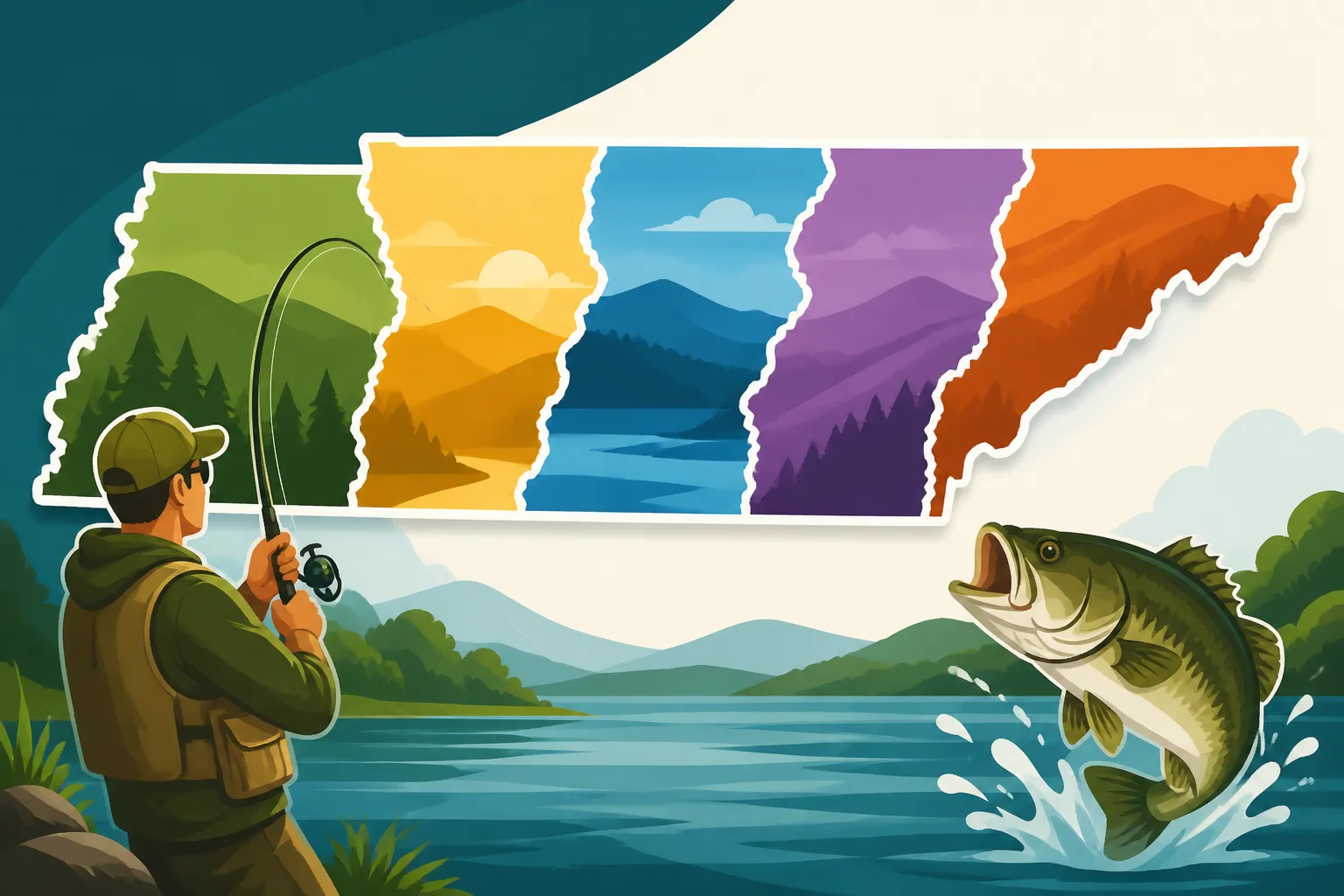
Trying to figure out where to cast your line in a state as vast and diverse as Tennessee can feel like a daunting task, especially with so many incredible lakes, rivers, and streams to choose from. It’s easy to get overwhelmed trying to pinpoint the best spots for your preferred species or fishing style. This comprehensive guide is here to break down Tennessee's rich fishing landscape by region, helping you navigate the waters and discover your next favorite angling destination.
Fishing in East Tennessee: Mountain Lakes and Rivers
East Tennessee is an angler’s paradise, defined by the towering peaks of the Appalachian Mountains, crystal-clear trout streams, and massive reservoirs carved into rolling foothills. The sheer variety here means you can spend one day fly fishing for trout in a secluded mountain stream and the next battling a monster bass on a sprawling lake. It's a region where the scenery alone is worth the trip, even if the fish aren't biting as furiously as you'd hoped (though they usually are!).
The Majestic Great Smoky Mountains and Appalachian Streams
When you think of fishing in East Tennessee, the iconic Great Smoky Mountains National Park often comes to mind, and for good reason. This area is a true gem for those seeking wild trout in pristine, unpressured waters. The streams here, like the Little River and Abrams Creek, are absolutely stunning, cascading over rocks and through dense forests. Many anglers flock to these areas for the challenge of catching native brook trout, as well as wild rainbow and brown trout. It's not about big numbers in these streams; it's about the experience, the solitude, and the beauty of catching a truly wild fish in its natural habitat. The fishing is primarily catch-and-release with artificial lures or flies only in many sections, preserving the delicate ecosystem. For those new to fly fishing, this region offers an incredible learning environment, though local guides can be invaluable for navigating the trickier spots and understanding the nuances of mountain stream fishing. To learn more about the best times to visit, check out our guide on Trout Fishing in the Great Smoky Mountains, Tennessee.
Beyond the national park boundaries, numerous other Appalachian streams and rivers offer fantastic opportunities. The South Holston River, for example, is renowned as one of the finest tailwater fisheries in the Southeast, boasting impressive populations of brown and rainbow trout. Its cold, oxygen-rich waters released from the bottom of South Holston Lake create an ideal habitat year-round. Wade fishing is popular here, but drift boats are also a great way to cover more water and access deeper runs. Similarly, the Clinch River Trout Fishing in East Tennessee is another world-class tailwater fishery near Knoxville, known for its healthy trout populations and reliable hatches. These rivers demand a bit more skill and precise fly presentations, but the rewards—often larger, robust trout—are well worth the effort. It's a place where seasoned fly anglers truly shine, but beginners can also find success with patience and perhaps a bit of local guidance.
Trophy Bass Waters: Chickamauga and Watts Bar
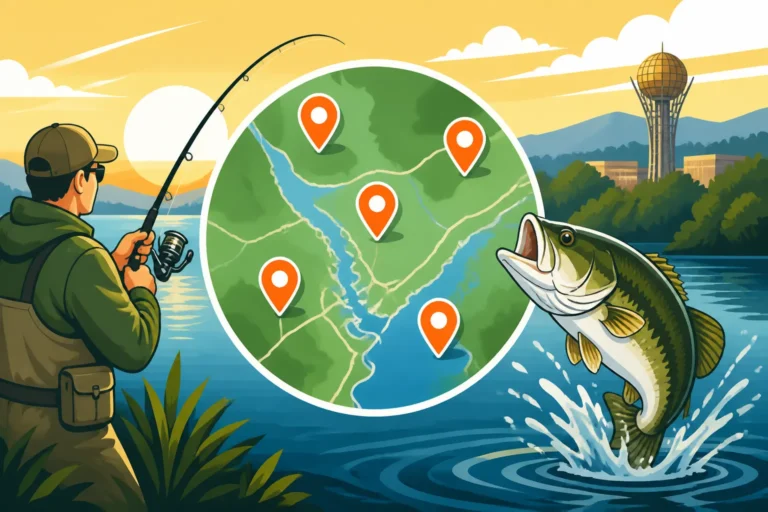
For those who dream of catching a true trophy bass, East Tennessee is home to some of the most famous fisheries in the country, especially when it comes to giant largemouth. Chickamauga Lake, particularly its lower sections near Chattanooga, has earned a reputation as a legitimate destination for "double-digit" bass. Anglers from all over the world descend upon Chickamauga, hoping to land a bass weighing over 10 pounds, which is a rare feat in many other states. The lake's abundant forage, including gizzard shad and bluegill, coupled with diverse hydrilla beds and offshore structure, creates an optimal environment for bass to grow to enormous sizes. Techniques like flipping heavy jigs into hydrilla mats, slow-rolling swimbaits, and targeting offshore ledges with deep-diving crankbaits are highly effective here. Many local tournaments are held on Chickamauga, highlighting its status as a premier bass fishery. If you're planning a trip specifically for huge bass, a guide service from FishingBooker can significantly increase your chances of success, as local knowledge of current patterns and hot spots is crucial on such a vast body of water. Learn more about this incredible lake in our Chickamauga Lake: Tennessee's Top Bass Fishing Destination article.
Just upstream from Chickamauga, Watts Bar Lake offers another sprawling reservoir with excellent fishing for a variety of species, including impressive largemouth and smallmouth bass. While Chickamauga might steal some of the bass headlines, Watts Bar holds its own with consistent action and a healthy population of quality fish. It's a huge lake, spanning over 39,000 acres, providing endless opportunities for anglers to explore different types of cover and structure. Beyond bass, Watts Bar is a fantastic spot for crappie, catfish, and even some striped bass, making it a versatile destination for anglers looking for diverse action. You can find bass relating to submerged timber, rock piles, main lake points, and river channels, depending on the season. It’s a great lake for both recreational anglers and serious tournament competitors, offering plenty of space without feeling overly crowded in most areas.
High-Altitude Lakes and Deep Waters: Norris and Watauga
Moving further into the mountainous terrain, you encounter reservoirs like Norris Lake and Watauga Lake, which offer different, yet equally rewarding, fishing experiences. Norris Lake, known for its crystal-clear waters and deep, rugged structure, is often called Tennessee's clearest lake. This clarity can make fishing a bit more challenging for some species, as fish can be warier, but it also means an incredibly beautiful setting. Norris is famous for its smallmouth bass, which thrive in its rocky, deep environment. Anglers often target these bronzebacks with drop shots, tube baits, and jerkbaits around points, bluffs, and submerged islands. Beyond smallmouth, Norris also holds good populations of crappie, walleye, and striped bass, particularly in the lower sections of the lake where baitfish congregate. For an in-depth look at this beautiful body of water, read our Norris Lake Fishing Guide, Tennessee's Clearest Water.
Watauga Lake, nestled even deeper in the Appalachian Mountains near the North Carolina border, is another stunning, deep-water reservoir. It's known for its colder waters and excellent populations of both smallmouth bass and various trout species. The lake is regularly stocked with trout, providing a unique opportunity to catch them in a deep-water reservoir setting rather than just rivers. Anglers targeting trout often troll deep with spoons or live bait, especially during the cooler months. Watauga also boasts strong populations of crappie and walleye, though they can be a bit more elusive given the lake's size and depth. Fishing on Watauga often feels more remote and wilderness-oriented than some of the larger, more developed reservoirs, making it perfect for those seeking a tranquil angling experience away from the crowds. The combination of stunning mountain views, pristine waters, and diverse fishing opportunities makes Watauga a true East Tennessee gem.
Middle Tennessee's Diverse Waters: Reservoirs and Rolling Hills
Middle Tennessee, with its rolling hills, fertile farmlands, and the vibrant city of Nashville at its heart, offers a distinct set of fishing opportunities. While it might not have the dramatic mountain backdrops of East Tennessee, its reservoirs are incredibly productive, catering to a wide range of angling preferences from urban fishing to secluded wilderness experiences. The Cumberland River system is the lifeblood of this region, feeding many of its premier fishing spots.
Nashville's Backyard Fishing: Percy Priest and Old Hickory
Living in or visiting Nashville doesn't mean you have to travel far for excellent fishing. J. Percy Priest Lake is practically in Nashville's backyard, offering fantastic fishing just a short drive from downtown. This lake is a fantastic multi-species fishery, well-known for its largemouth bass, striped bass, and crappie. Percy Priest is a popular destination for both weekend warriors and serious tournament anglers due to its consistent fishing opportunities. The lake features extensive submerged timber, rock ledges, and creek channels that provide excellent habitat. Striped bass can grow quite large here, often topping 30 pounds, and are a major draw for anglers willing to put in the time trolling or live-baiting deep. For detailed information on this popular spot, check out our Percy Priest Lake Fishing Near Nashville, Tennessee guide.
Just northeast of Nashville, Old Hickory Lake is another highly accessible and productive reservoir on the Cumberland River. This lake is particularly famous for its superb largemouth and smallmouth bass fishing. It’s a shallower, more fertile lake than Percy Priest, often featuring more visible cover like willow trees and lily pads along its banks. Anglers frequently target bass in these shallow areas with spinnerbaits, crankbaits, and soft plastics. Old Hickory is also an excellent crappie lake, with abundant brush piles and submerged structures that hold slabs throughout the year. Catfish, including channel, blue, and flathead, also thrive in Old Hickory's rich waters, making it a great destination for those who enjoy chasing whiskered giants. The proximity of both Percy Priest and Old Hickory to Nashville makes them ideal for anglers looking to combine a city trip with some quality time on the water.
The Tranquil Beauty of Center Hill and Dale Hollow
Heading east from Nashville into the beautiful Cumberland Plateau, you'll discover lakes that offer a more serene and often stunning fishing experience. Center Hill Lake is a deep, clear reservoir known for its scenic bluffs, waterfalls, and excellent smallmouth bass fishing. The clear water here makes finesse techniques particularly effective, with anglers often relying on shaky heads, drop shots, and jig worms to entice wary bronzebacks. Beyond smallmouth, Center Hill also has good populations of largemouth bass, walleye, and crappie, though they can require a bit more effort to locate due to the lake's depth and clarity. Its steep banks and numerous coves offer plenty of structure, and the lake is generally less crowded than some of the more accessible reservoirs.
Dale Hollow Lake, straddling the Tennessee-Kentucky border, holds a legendary status among anglers, particularly for world-record smallmouth bass. This lake is famous for producing multiple world-record smallmouths, and anglers still flock here hoping to catch a true giant. Dale Hollow’s deep, clear waters, rocky points, and abundant baitfish create the perfect habitat for smallmouth to thrive and grow to incredible sizes. While smallmouth are the undisputed kings, the lake also offers excellent fishing for largemouth bass, crappie, walleye, and even some musky in certain areas. Fishing here often involves targeting deep structure with a variety of baits, from live shiners to deep-diving crankbaits and jigging spoons. The sheer beauty of the lake, with its undeveloped shorelines and pristine surroundings, adds to the allure, making every trip to Dale Hollow a memorable one.
Cumberland River: Urban Fishing and Beyond
The Cumberland River itself, flowing through much of Middle Tennessee, provides fantastic fishing opportunities that extend beyond the major reservoirs. In and around Nashville, sections of the Cumberland River offer unique urban fishing experiences. Anglers can target striped bass, largemouth, smallmouth, and various catfish species right within the city limits. Access points, including public parks and boat ramps, are readily available, making it convenient for local anglers to get on the water. The river’s currents and diverse structures, such as bridge pilings, submerged timber, and deep holes, provide excellent habitat. Many anglers find success drifting live bait or casting artificial lures for striped bass, which often follow baitfish migrations up and down the river.
As the Cumberland River flows further upstream and downstream from Nashville, it transitions into more rural and wild sections, offering different angling possibilities. Upstream, towards lakes like Center Hill and Dale Hollow, the river becomes more of a pristine smallmouth and trout fishery, especially below the dams where cold-water releases create ideal conditions. Downstream, as it approaches Kentucky Lake, the river widens and becomes an excellent area for large catfish and various bass species. The Cumberland River is truly a backbone of Middle Tennessee fishing, offering something for every angler, whether you prefer the hustle and bustle of urban angling or the quiet solitude of a remote river bend. Always remember to check current regulations and local advisories, as river conditions can change with water levels and dam releases.
West Tennessee's Flatlands and River Systems: The Mississippi Influence
West Tennessee presents a stark contrast to the mountainous regions of the east. Here, the landscape flattens out, dominated by agricultural fields, cypress swamps, and the mighty Mississippi River. The fishing in this region is heavily influenced by these characteristics, offering unique opportunities for species that thrive in warmer, often muddier, waters. Think big catfish, plenty of crappie, and some truly unique lake ecosystems.
Reelfoot Lake: A Unique Cypress Swamp Fishery
Reelfoot Lake is perhaps the most unique fishing destination in all of Tennessee, and indeed, in much of the United States. Formed by a series of powerful earthquakes in the early 19th century, Reelfoot is a shallow, cypress-filled lake in the northwestern corner of the state. Its dense stands of bald cypress trees, often draped with Spanish moss, create an otherworldly fishing environment. This lake is an absolute paradise for crappie anglers, often producing huge numbers of both black and white crappie. Anglers frequently "spider rig" with multiple rods, targeting crappie around the cypress trees and submerged stumps.
Beyond crappie, Reelfoot Lake is also renowned for its excellent largemouth bass fishing. The shallow, fertile waters, combined with abundant cover, allow bass to grow large and aggressive. Flipping and pitching jigs and soft plastics into heavy cover are highly effective techniques here. Catfish, particularly channel and blue catfish, also thrive in Reelfoot's nutrient-rich waters. The lake's unique ecosystem means that fishing here isn't just about catching fish; it's about experiencing a truly wild and historically significant natural wonder. Because of its unique structure, navigating Reelfoot Lake can be challenging for the uninitiated, so consider hiring a local guide or using an experienced outfitter found through services like FishingBooker.
Mississippi River and its Backwaters
The western edge of Tennessee is defined by the powerful and iconic Mississippi River. This immense river system offers unparalleled opportunities for anglers seeking massive catfish, including blue, channel, and flathead varieties. The sheer volume of water and the abundance of forage allow these catfish to grow to truly gargantuan sizes, with fish exceeding 100 pounds not uncommon. Anglers often target them by anchoring on deep river bends, around submerged structure like wing dams and log jams, or by drifting cut bait in the main current. The Mississippi isn't just about catfish, though; its vast backwaters, oxbow lakes, and tributary mouths provide excellent fishing for largemouth bass, crappie, and various panfish. These calmer, often clearer, areas offer a break from the main river's swift currents and muddy waters.
Fishing the Mississippi River requires specialized knowledge and equipment, especially for navigating its powerful currents and ever-shifting sandbars. A heavy-duty boat, strong rods, and robust tackle are essential for tackling the river's giants. Safety is paramount on the Mississippi, and it's always wise to go with someone experienced or hire a guide if you're unfamiliar with the river. While challenging, the rewards of landing a trophy catfish or experiencing the raw power of one of America's greatest rivers are unmatched. The river's dynamics mean that spots can change frequently, so up-to-date local information is invaluable.
Kentucky Lake's Sprawling Waters
While parts of Kentucky Lake extend into Kentucky, a significant and highly productive portion lies within West Tennessee, making it one of the state's most popular fishing destinations. Kentucky Lake is absolutely massive, stretching for miles along the Tennessee River. It's legendary for its crappie fishing, often being ranked among the top crappie lakes in the nation. Anglers pursue crappie using a variety of methods, from spider rigging over brush piles and submerged timber to single-pole jigging around docks and shallow cover. The spring crappie spawn is particularly famous here, drawing anglers from all over.
Beyond crappie, Kentucky Lake is a phenomenal bass fishery, holding strong populations of both largemouth and smallmouth. Bass fishing often involves targeting submerged ledges, main lake points, and extensive grass beds, especially during the warmer months. The lake's abundant forage base supports healthy populations of various species, including catfish, bluegill, and even some striped bass in the deeper channels. The sheer size of Kentucky Lake means there's always new water to explore and different patterns to unlock. Whether you're chasing crappie slabs, trophy bass, or giant catfish, Kentucky Lake in West Tennessee offers world-class angling experiences. Our guide on Kentucky Lake Fishing on the Tennessee Side provides even more detailed insights for planning your trip.
Targeting Specific Species Across Tennessee Regions
Tennessee's diverse geography isn't just pretty to look at; it creates a multitude of habitats that allow a wide array of fish species to thrive. From cold-water mountain streams to warm, shallow reservoirs, there's a specific technique and a best region for nearly every popular game fish. Understanding where to focus your efforts for a particular species can drastically improve your success and enjoyment on the water.
Chasing Largemouth and Smallmouth Bass
When it comes to bass fishing, Tennessee truly shines, and different regions offer distinct experiences for largemouth and smallmouth. For largemouth bass, especially those trophy-sized giants, East Tennessee's larger, fertile reservoirs like Chickamauga Lake and Watts Bar Lake are hard to beat. These lakes boast abundant forage and extensive cover like hydrilla beds and submerged timber, allowing bass to grow to impressive sizes. In these waters, anglers often employ power fishing techniques like flipping jigs, throwing swimbaits, and deep-diving crankbaits. Middle Tennessee's Percy Priest and Old Hickory lakes also offer exceptional largemouth opportunities, particularly around their many docks, rock piles, and creek channels. In West Tennessee, Reelfoot Lake's cypress-filled shallows are prime for flipping and pitching for aggressive largemouth. To refine your strategy, our Tennessee Bass Fishing Seasons and Patterns guide offers seasonal insights.
For smallmouth bass, which are often found in cooler, clearer, and rockier environments, East Tennessee's deep reservoirs like Norris Lake and Dale Hollow Lake are legendary. These lakes provide the ideal habitat for bronzebacks, with their deep, clear waters and rocky bluffs. Finesse techniques such as drop-shotting, using Ned rigs, and throwing tube baits are often very effective here. The cooler tailwaters of the Cumberland River in Middle Tennessee also hold excellent populations of smallmouth. These riverine smallmouth are often targeted with small crankbaits, spinnerbaits, and topwater lures in faster currents. The challenge of smallmouth fishing often lies in their preference for deeper, more subtle structures and their powerful fights.
| Lake/River | Primary Bass Species | Regional Focus | Key Techniques |
|---|---|---|---|
| Chickamauga Lake | Largemouth (Trophy) | East Tennessee | Flipping, Swimbaiting, Deep Cranking |
| Norris Lake | Smallmouth | East Tennessee | Drop Shot, Tube Baits, Jerkbaits |
| Percy Priest Lake | Largemouth, Striped Bass | Middle Tennessee | Crankbaits, Jigs, Live Bait (Stripers) |
| Old Hickory Lake | Largemouth, Smallmouth | Middle Tennessee | Spinnerbaits, Plastics, Topwater |
| Dale Hollow Lake | Smallmouth (World Record) | Middle Tennessee | Finesse, Live Bait, Jigging Spoons |
| Reelfoot Lake | Largemouth | West Tennessee | Flipping, Pitching, Frogs |
| Kentucky Lake | Largemouth, Smallmouth | West Tennessee | Ledge Fishing, Crankbaits, Jigs |
| Cumberland River | Smallmouth, Striped Bass | Middle Tennessee | Small Cranks, Spinnerbaits, Topwater |
The Thrill of Trout Fishing
Tennessee offers incredible opportunities for trout anglers, predominantly concentrated in the colder, oxygen-rich waters of East and Middle Tennessee. The Great Smoky Mountains National Park is arguably the most famous destination, offering pristine streams where you can catch wild brook, rainbow, and brown trout. Fly fishing with light tackle is the preferred method here, focusing on dry flies, nymphs, and small streamers. The experience is as much about the solitude and natural beauty as it is about the catch. The Tennessee Trout Fishing Season Explained will give you more context on when to go.
Beyond the national park, the tailwater fisheries downstream from dams are world-class. The South Holston River and the Clinch River in East Tennessee are renowned for their consistent hatches and large populations of stocked and wild brown and rainbow trout. These rivers often require more technical fly fishing, with precise presentations and matching the hatch being crucial. Wade fishing is popular, but many anglers also use drift boats to cover more water. In Middle Tennessee, sections of the Caney Fork River, particularly below Center Hill Dam, also provide excellent trout fishing dueiment, thanks to regular stocking by the Tennessee Wildlife Resources Agency (TWRA). These waters are highly accessible and offer fantastic opportunities for both fly and spin anglers using small spinners, spoons, or power baits.
Crappie and Panfish Hotspots
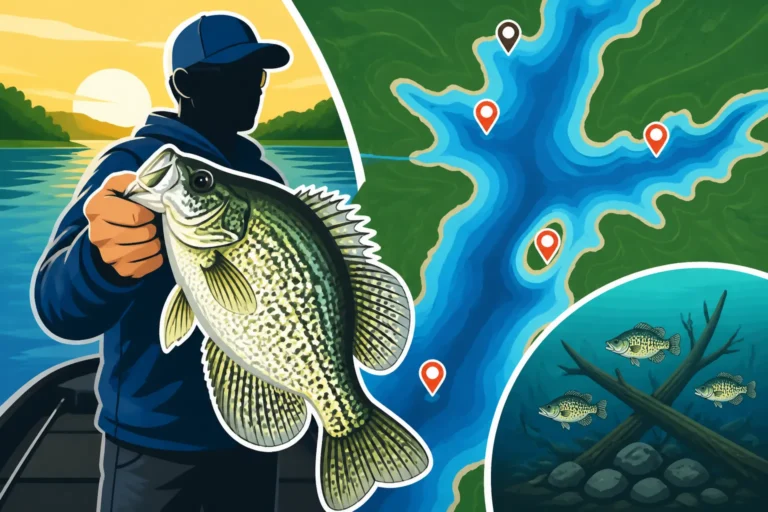
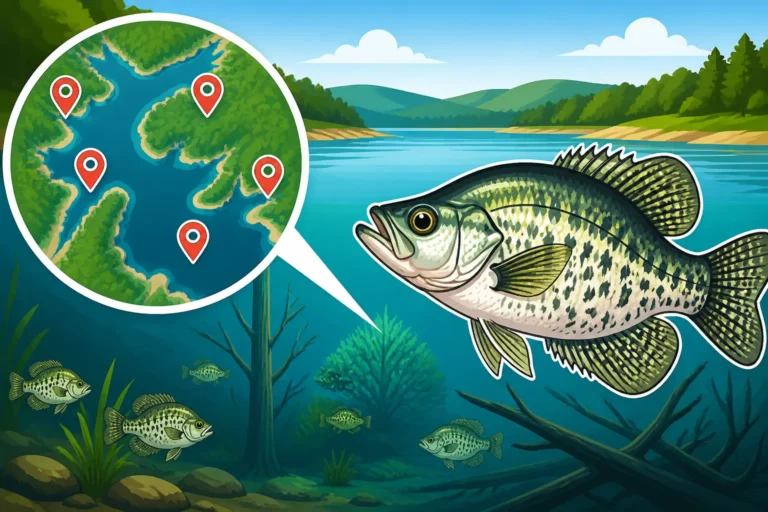
For those who love to fill a cooler with delicious panfish, Tennessee’s waters are teeming with crappie, bluegill, and other sunfish. Crappie are a statewide favorite, with major hotspots in every region. In East Tennessee, Watts Bar Lake and Norris Lake hold strong populations, often found around submerged timber and brush piles. Middle Tennessee's Percy Priest Lake and Old Hickory Lake are also crappie factories, with anglers targeting them around docks, bridge pilings, and creek channels.
However, West Tennessee arguably boasts some of the best crappie fishing in the entire state. Kentucky Lake is legendary for its crappie, with anglers traveling long distances for its prolific spring spawn. Reelfoot Lake, with its unique cypress tree habitat, is another unparalleled crappie destination, offering unique sight-fishing opportunities among the trees. The Mississippi River backwaters also hold abundant crappie populations. Anglers typically use small jigs, minnows, or spider rigs to target these schooling fish. Our Tennessee Crappie Fishing Guide by Season provides excellent tips on timing your trip for peak crappie action.
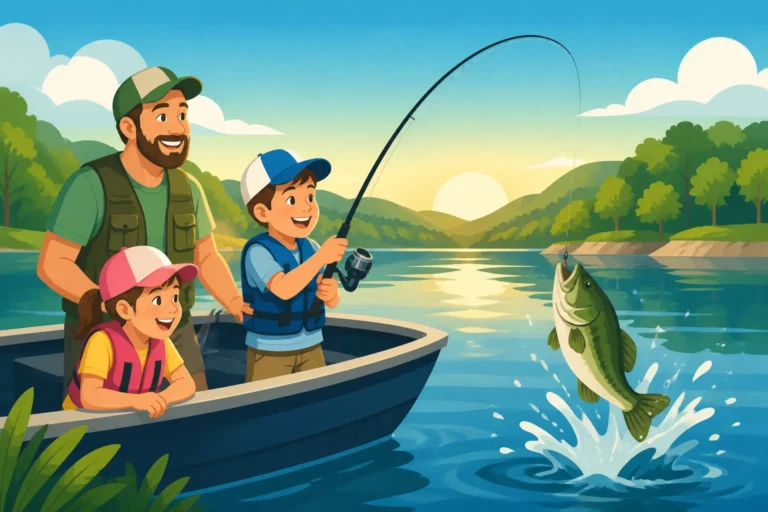
Bluegill and other panfish are ubiquitous across Tennessee and can be found in virtually every lake, pond, and slow-moving river section. They are perfect for family outings or teaching kids how to fish, as they are often eager biters. Farm ponds, small public lakes, and the shallow coves of larger reservoirs are prime spots. Simple rigs with a bobber, small hook, and bait like crickets, worms, or small jigs are all you need for a fun day of bluegill fishing.
Understanding Regional Regulations and Seasons
Fishing in Tennessee is an incredibly rewarding pursuit, but to ensure everyone can enjoy it for years to come, it's crucial to understand and adhere to the state's fishing regulations. While many rules are statewide, certain regions, lakes, and even specific stretches of river can have unique regulations that override the general guidelines. Ignoring these can lead to fines and a ruined fishing trip, which nobody wants.
Lake-Specific Rules and Exceptions
It's a common misconception that once you know the statewide limits, you're good to go anywhere in Tennessee. While statewide regulations provide a baseline, many of Tennessee's most popular fishing spots, particularly the large reservoirs and specific trout streams, have their own unique rules. For example, a lake might have a slot limit for bass that differs from the general statewide size restrictions, or a particular crappie population might have a reduced creel limit to protect it during certain times of the year. This is especially true for popular tournament lakes like Chickamauga or Dale Hollow, where management strategies are often tailored to foster trophy fisheries.
Before heading out to any specific body of water, it is absolutely essential to consult the latest Tennessee Fishing Regulations Guide published annually by the TWRA. This guide, available online and at license vendors, details all these lake-specific and stream-specific exceptions. Not doing so could lead to keeping undersized fish or exceeding limits, which can result in penalties for fishing without a license in Tennessee. Always remember that the sign at the boat ramp or the official TWRA guide will always take precedence over general knowledge. If you're unsure, it's always best to err on the side of caution or even ask a local guide through a platform like FishingBooker, who will be intimately familiar with the nuances of their home waters.
Seasonal Shifts and Regional Best Times
Just as the landscape changes across Tennessee's regions, so too do the best times to fish for various species. Each region has its peak seasons, influenced by water temperature, fish spawning cycles, and local weather patterns. For instance, the spring is generally excellent statewide for bass and crappie as they move into shallower waters for their spawn. East Tennessee's trout streams come alive in the spring as well, with increasing insect activity. However, in the peak heat of summer, fishing patterns shift dramatically. While river smallmouth might still be active, reservoir bass often move to deeper offshore structures, and trout fishing in many small streams can slow down as water temperatures rise. Conversely, tailwater trout fisheries like the Clinch River remain productive year-round due to cold water releases.
Fall brings a resurgence of activity in many areas, often considered one of the best times to fish for aggressive bass and schooling crappie as they feed heavily before winter. Trout stocking often begins in the fall in many lakes and streams, providing excellent opportunities. Winter fishing can be tough but highly rewarding. Deep-water jigging for crappie or targeting sluggish bass with slow presentations can produce some of the largest fish of the year, especially in Middle and West Tennessee's larger reservoirs. Understanding these regional and seasonal shifts is key to successful fishing. For a deeper dive, check out our Best Times to Fish in Tennessee Year-Round guide, which outlines the seasonal sweet spots for various species across the state.
Licenses and Permits: What You Need to Know
Before you even think about casting a line, you need to make sure your paperwork is in order. Every angler 13 years of age or older needs a valid Tennessee fishing license, with very few exceptions like Free Fishing Day. This is a non-negotiable requirement. Tennessee offers a variety of license types, including annual licenses for residents and non-residents, multi-day options for visitors, and specialized licenses like the combination hunt and fish license. The costs vary depending on your residency and the duration of the license. You can purchase a license easily online, at many sporting goods stores, bait shops, and county clerk offices. Our comprehensive Tennessee Fishing License Guide is an invaluable resource for understanding the various options and requirements.
Beyond the general fishing license, there's also the often-confused trout permit. If you plan to fish for trout, particularly in designated trout waters or if you want to keep trout caught anywhere, you generally need to add a trout permit to your base license. This permit helps fund the state's trout stocking and management programs. It's an extra cost, but a small one for the access it provides to Tennessee's fantastic trout fisheries. Certain short-term non-resident licenses might have trout included, but always double-check. For instance, Why Nonresident Licenses Cost More With Trout Included explains this in detail. Making sure you have the correct license and any necessary permits for your chosen fishing location and target species is the first and most critical step to a legal and enjoyable fishing trip in any Tennessee region. You can typically buy or renew your license online instantly, so there's no excuse for not having one.
Finding Your Perfect Fishing Experience: From Remote to Family-Friendly
Tennessee offers such a vast array of fishing experiences that it truly caters to every type of angler. Whether you dream of escaping into the wilderness for a secluded angling adventure or you're looking for a safe, accessible spot to introduce your kids to the joys of fishing, Tennessee has a perfect spot waiting for you. It's all about matching your expectations and desired experience with the right location.
Secluded Retreats and Wild Rivers
For those who crave solitude and the challenge of untouched waters, Tennessee boasts numerous remote fishing spots, particularly within its mountainous eastern regions. The headwaters of streams deep within the Great Smoky Mountains National Park offer miles of hiking and wild trout fishing where you might not see another soul all day. These areas require effort to reach, often involving strenuous hikes, but the reward of pristine wilderness and the chance to catch native brook trout in their natural habitat is unparalleled. Similarly, certain stretches of lesser-known rivers in the Cumberland Plateau or the remote backwaters of vast lakes offer a sense of escape. These spots often require self-sufficiency, good navigation skills, and a willingness to explore beyond the well-trodden paths.
Even in the more developed regions, pockets of seclusion can be found. The less accessible coves of huge reservoirs like Watts Bar or Norris Lake, often reached only by boat or a long paddle, can feel like private paradises. For the truly adventurous, the vastness of the Mississippi River and its myriad of backwaters offer endless opportunities to find quiet corners, though navigating these areas demands respect for the powerful currents. These remote fishing spots aren't about ease or guaranteed catches; they are about the adventure, the tranquility, and the profound connection with nature that only a true wilderness experience can provide.
Accessible and Family-Friendly Spots
On the other end of the spectrum, Tennessee excels at providing accessible and family-friendly fishing opportunities, perfect for introducing new anglers to the sport or enjoying a relaxed day out. Many state parks and wildlife management areas across all regions feature designated fishing piers, easily accessible bank fishing areas, and smaller, often stocked, ponds that are perfect for kids. For example, Fall Creek Falls State Park in Middle Tennessee offers accessible fishing, as do many of the smaller municipal lakes near major cities. The Tennessee Wildlife Resources Agency (TWRA) regularly stocks many of these ponds and lakes with catfish, trout (seasonally), and sunfish, ensuring good chances of success for young anglers.
Larger lakes like Percy Priest Lake near Nashville or even sections of Kentucky Lake provide excellent access with numerous boat ramps, marinas, and public parks that offer shoreline fishing. These areas often have amenities like restrooms, picnic areas, and playgrounds, making them ideal for a full family day out. Targeting bluegill and other panfish with simple bobber rigs and worms is a surefire way to keep kids engaged and excited. Many of these locations also host youth fishing events, like Bobby Wilson Free Fishing Day, which offer a fantastic opportunity for kids to try fishing without needing a license. Whether you're in East, Middle, or West Tennessee, you won't have to look far to find a welcoming spot for a family fishing adventure.
Guided Trips and Local Expertise
For those who want to maximize their chances of success, explore new waters with confidence, or simply learn from the best, hiring a local fishing guide is an excellent option across all of Tennessee's regions. Guides offer invaluable local expertise, knowing exactly where the fish are, what they’re biting on, and the best techniques for current conditions. This is particularly beneficial on massive and complex bodies of water like Chickamauga Lake for trophy bass, Dale Hollow for smallmouth, or Reelfoot Lake for crappie, where local knowledge can be the difference between a frustrating day and a memorable catch.
Guides also provide all the necessary gear, bait, and often cover the vessel and safety equipment, making it a hassle-free experience. Many guides specialize in particular species or techniques, such as fly fishing for trout in the Clinch River or chasing striped bass on Percy Priest. If you're new to an area or want to target a challenging species, booking a trip through platforms like FishingBooker can connect you with experienced, licensed captains and guides who know the regional waters inside and out. It's not just about catching fish; it's about learning the water, understanding patterns, and gaining skills that you can apply on future trips, ultimately enhancing your overall Tennessee fishing adventure.
Disclaimer
Please note that fishing regulations, license requirements, and local conditions can change. Always consult the latest Tennessee Wildlife Resources Agency (TWRA) regulations guide before heading out on any fishing trip. This article is intended for informational purposes only and does not constitute legal advice.