Percy Priest Lake Catfish Fishing Spots, Tennessee
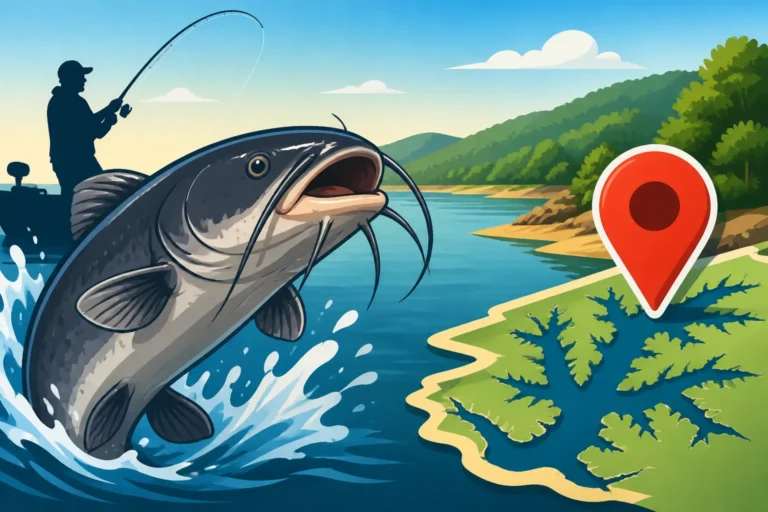
Ever stared out across the vast waters of Percy Priest Lake, knowing there are monstrous catfish lurking beneath, but feeling utterly lost on where to even start? It's a common frustration, especially on a reservoir this size where finding those prime whisker-mouthed giants can feel like searching for a needle in a haystack. This comprehensive guide is designed to cut through that confusion, giving you the insider's scoop on Percy Priest Lake's best catfish haunts, the techniques that actually work, and the specific baits that will entice those big cats to bite.
Understanding Percy Priest Lake's Catfish Population
Percy Priest Lake, a jewel just east of Nashville, is a fantastic fishery, and while many anglers flock here for its bass and crappie, the catfish population is incredibly robust and often overlooked. You're not just dealing with one type of catfish; the lake is home to a healthy mix that offers different challenges and rewards. Knowing what's swimming below the surface is the first step to a successful day.
Channel Catfish Abundance
By far the most common catfish species you'll encounter in Percy Priest is the channel catfish. These are the classic "eating size" cats, typically ranging from a pound or two up to 10 pounds, though bigger ones are certainly out there. They're widespread and not too picky, making them a great target for beginners and seasoned anglers alike. You'll find them in almost every part of the lake, from shallow coves to deeper channels, especially when they're on their relentless hunt for food. They have a forked tail and a generally sleeker body profile compared to their blue and flathead cousins. For more details on this popular species, you might want to check out our guide on Channel Catfish: Tennessee's Other Official State Fish for identification and habits.
They are scavengers by nature, meaning they're always on the prowl for an easy meal. This makes them relatively predictable once you understand their preferred feeding grounds. During warmer months, you'll often find them congregating in areas with a steady current or where food sources are naturally funneled, like creek mouths or submerged timber. They're also quite active at night, offering fantastic opportunities for those who don't mind fishing after dark.
Blue Catfish The Trophy Hunters' Target
If you're dreaming of a true Tennessee lunker, the blue catfish is your main target on Percy Priest. These fish can grow absolutely massive, with individuals weighing 30, 40, or even 50 pounds not uncommon in the lake's deeper reaches. They are typically found in the main river channel and the deepest parts of the reservoir, preferring strong currents and structure. Blue cats are powerful fighters, and hooking into one will give you a battle you won't soon forget.
Identifying a blue catfish is relatively easy once you know what to look for: they have a deeply forked tail, a somewhat humped back, and a distinct bluish-gray color. They also have an anal fin with 30-35 rays, which is more than channel cats. If you're struggling to differentiate between them, our article on Blue Catfish vs Channel Catfish Identification can provide some clear visual cues. Unlike channel cats, blues are primarily piscivorous, meaning they prefer to eat other fish. This preference dictates the type of bait you'll use if you're specifically targeting these giants.
Flathead Catfish The Elusive Bottom Dwellers
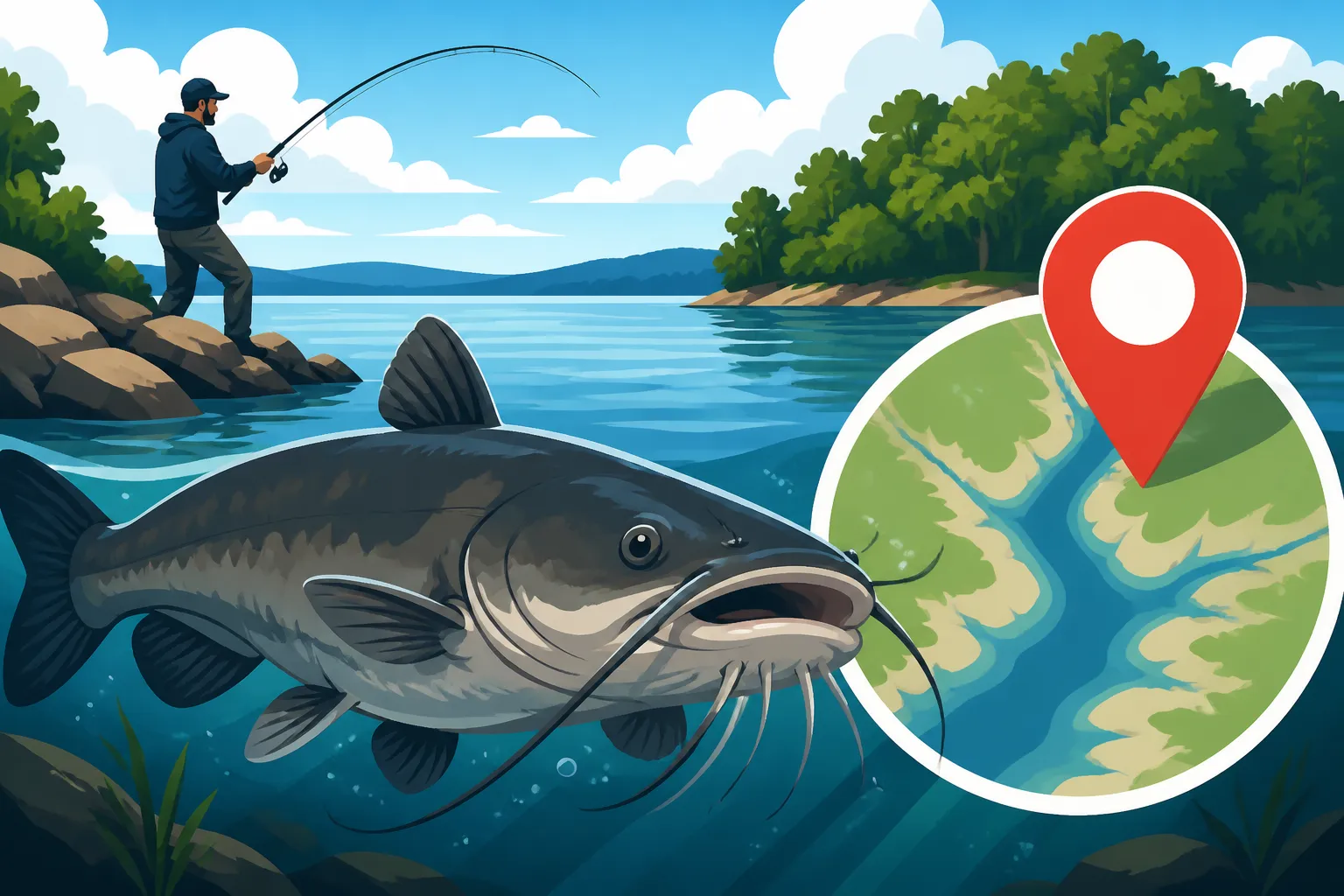
The flathead catfish is the wild card of Percy Priest. While not as abundant as channel cats or as widespread as blues, they are present and can grow to impressive sizes, often exceeding 20 pounds. What makes flatheads unique is their predatory nature and their preference for live bait. They're ambush predators, typically found hunkered down in heavy cover like submerged timber, rock piles, or old creek beds, waiting for an unsuspecting meal to swim by.
Flatheads are distinct with their flattened heads, small eyes, and an elongated, slightly rounded lower jaw that extends beyond the upper jaw. Their tail is also square or slightly rounded, unlike the forked tails of channel and blue cats. They're solitary and territorial, making them a bit more challenging to locate, but the reward of landing one of these powerful, unique fish is well worth the effort. For a deeper dive into where these elusive fish hide, take a look at our guide on Flathead Catfish Habitat in Tennessee Rivers. Their preference for live bait and specific habitat makes targeting them a specialized endeavor, often requiring a bit more patience and precise presentation.
Top Catfish Hotspots on Percy Priest Lake
Percy Priest Lake is a sprawling body of water, covering over 14,000 acres, so just saying "fish Percy Priest" isn't going to cut it. To truly succeed, you need to narrow down your focus to areas that consistently hold catfish. These spots often share characteristics like depth, current, and abundant food sources.
The Main Channel and River Bends
The original Stones River channel, now submerged beneath Percy Priest Lake, is a magnet for all three species of catfish, especially the larger blue cats. This channel snakes its way through the entire lake, offering deep water, consistent current, and plenty of hidden structure. The bends in the river channel are particularly productive, as the current will naturally scour out deeper holes and deposit debris, creating excellent ambush points and feeding lanes.
Anglers often have success drift fishing or anchoring on the edges of the main channel, especially where it meets shallower flats or humps. Using a good fish finder to locate these channel breaks and deeper pockets is crucial. The stretch of the channel that runs roughly from the I-40 bridge down towards the dam is particularly known for holding trophy blue catfish.
Deep Holes and Structure Near the Dam
The area immediately upstream from the J. Percy Priest Dam is another prime location. The dam itself creates significant depth and current, and the tailrace below it is a world-renowned fishery, though access above the dam is key for lake fishing. The deep holes, ledges, and rocky structure near the dam provide ideal habitat for large blue and flathead catfish seeking refuge and abundant food.
The deeper water here stays cooler in the summer, attracting big cats, and the constant flow provides a steady supply of baitfish. Anchoring upstream from the dam, especially targeting depths of 30-60 feet, can yield impressive results. Remember, safety near the dam is paramount; always be aware of generation schedules and swift currents. If you're venturing out on the water to chase these fish, ensure you're aware of all Tennessee Fishing Regulations Explained.
Feeder Creeks and Inflow Areas
During periods of rain or heavy generation, the mouths of feeder creeks and areas with significant inflow become catfish hotspots. These inflows carry nutrients, dislodge food, and attract baitfish, which in turn draw in hungry catfish. Popular feeder creeks include Suggs Creek, Jefferson Springs, and the headwaters of the lake where the Stones River truly enters.
These areas can be especially productive for channel catfish, which will move into shallower waters to feed on the influx of food. Focus on the transition zones where the creek water meets the main lake, looking for depth changes, submerged timber, or even just muddy water lines. Fishing just after a rain event can be incredibly fruitful here, as the stirred-up water often masks angler presence and pushes more food into the system.
Submerged Timber and Brush Piles
Catfish, particularly flatheads and even some larger channel cats, love to relate to structure. Submerged timber, old stump fields, and intentionally sunken brush piles offer cover, ambush points, and concentrated baitfish. Percy Priest has plenty of these areas, especially in the shallower coves and along older creek beds.
Using your electronics to pinpoint these underwater structures is essential. Once you find them, present your bait as close to the cover as possible without getting snagged. This often requires a bit of finesse and patience, but the biggest catfish are usually found hiding in the densest cover. The "timber" areas around Couchville and the main lake's numerous submerged islands are excellent starting points for this type of fishing. For specific spots and boat ramp access, consider checking out guides like Percy Priest Lake Fishing Near Nashville, Tennessee.
Effective Techniques and Baits for Percy Priest Catfish
Catching catfish on Percy Priest requires more than just knowing where they are; you need the right tools and strategies. Different species and conditions call for different approaches.
Bottom Fishing and Carolina Rigs
Bottom fishing is the bread and butter of catfish angling, and it's incredibly effective on Percy Priest. A simple Carolina Rig is hard to beat for versatility and effectiveness. This rig typically consists of a weight (often an egg sinker or no-roll sinker) sliding freely on your main line, followed by a swivel, and then a leader (12-24 inches) tied to a hook. The sliding weight allows the fish to pick up the bait without feeling immediate resistance, which can lead to more solid hookups.
This technique works well from the bank, especially in areas with a gentle slope or gradual drop-off. You can cast out and let your bait sit on the bottom, allowing its scent to disperse and attract hungry cats. For boat anglers, anchoring on ledges, humps, or channel edges and deploying multiple Carolina rigs is a highly productive strategy. Our article on Catfish Bottom Fishing Basics delves deeper into setting up these rigs for maximum effectiveness.
Juglining and Trotlining
For those looking to cover more water and potentially land multiple fish, juglining and trotlining are traditional and highly effective methods on Percy Priest, particularly for blue and channel catfish.
- Juglining: This involves setting individual lines attached to buoyant jugs or floats. Each jug has a weighted line with a hook (or multiple hooks) baited and allowed to drift freely or anchored in a specific area. As a fish takes the bait, the jug moves or dives, signaling a bite. This method is fantastic for exploring different depths and areas without constantly monitoring a rod. Just remember to abide by TWRA regulations regarding the number of jugs allowed and marking requirements.
- Trotlining: A trotline is a long main line anchored at both ends, with multiple baited hooks suspended from it at intervals. This method allows you to target a specific stretch of water, often in the main channel or across a flat, catching numerous fish overnight or during a set period. Both jugs and trotlines require adherence to specific regulations, including marking them with your name and TWRA ID. For more detailed instructions on setting up a trotline, you might find our guide on How to Set Up a Trotline for Catfish extremely helpful. And if jug fishing piques your interest, we cover that in detail in Jug Fishing for Catfish Explained.
Cut Bait, Live Bait, and Stink Baits
The choice of bait is paramount for catfish, and Percy Priest's cats have their preferences.
- Cut Bait: For blue catfish and large channel catfish, fresh cut bait is king. Shad (threadfin or gizzard), skipjack herring, or even bluegill cut into chunks or strips are irresistible. The oil and scent they release in the water are powerful attractants. Use fresh bait, not frozen if possible, as it retains more scent and firmness.
- Live Bait: Flathead catfish are predominantly predators of live prey. Small live bluegill, sunfish, or even sturdy creek chubs are excellent choices. Hook them carefully through the back or lips to keep them lively. Since flatheads are ambush predators, presenting live bait near heavy cover is key.
- Stink Baits & Prepared Baits: For abundant channel catfish, especially those of eating size, prepared "stink baits" or punch baits can be incredibly effective. Brands like Catfish Charlie or Sonny's Super Sticky are popular choices. Hot dogs, chicken livers, or even shrimp are also excellent, readily available options. These baits release a powerful scent trail that channel cats can't resist. For a deeper dive into bait choices, our article on Best Bait for Bottom Fishing Catfish offers a comprehensive overview.
Remember, whatever bait you choose, fresh is always best. And don't be afraid to experiment! What works one day might not work the next, or in a different part of the lake.
Seasonal Strategies for Catfishing Success
Catfish behavior on Percy Priest, like all fish, is heavily influenced by the seasons. Understanding these patterns will significantly increase your chances of success throughout the year.
Spring Spawning Frenzy
As water temperatures begin to rise in spring, typically from April through June, channel catfish become incredibly active. This is their pre-spawn and spawning period. They'll move into shallower waters, around 5-15 feet, seeking out protected areas like hollow logs, undercut banks, or rock crevices to lay their eggs. This makes them more accessible to anglers fishing from the bank or in smaller boats.
During this time, the fish are focused on feeding to build energy for spawning, and then guarding their nests. Targeting the mouths of feeder creeks, shallow coves with structure, and transition areas where flats meet deeper water can be highly productive. Cut bait and stink baits tossed into these areas are often met with aggressive bites. This is a fantastic time to hit those shallow, timber-rich coves around areas like Poole Knobs or Fate Sanders.
Summer Deep Water Tactics
When the scorching Tennessee summer heat sets in, usually from July through early September, catfish on Percy Priest will generally retreat to deeper, cooler water. The thermocline, a distinct layer where water temperature changes rapidly, often dictates their depth. Larger blue cats will hold to the main river channel and the deepest holes, often in 30-60 feet of water, seeking out current and cooler temperatures.
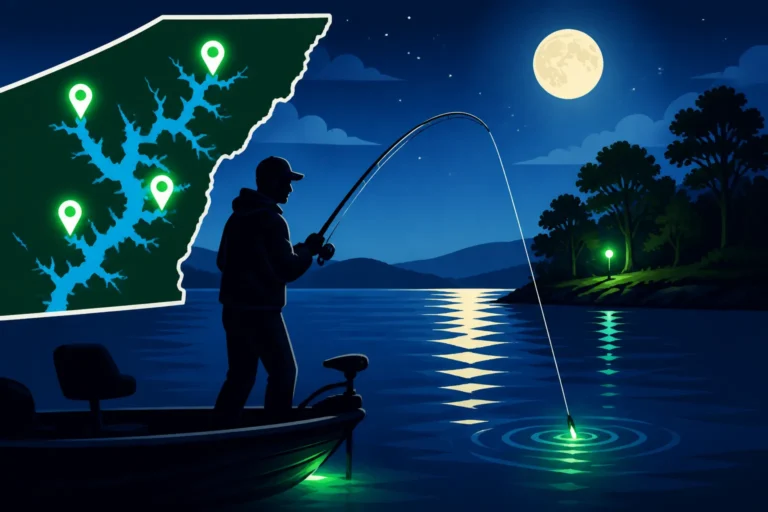
Night fishing really comes into its own during the summer. As the sun sets, catfish, especially channel cats, will often move shallower to feed under the cover of darkness. This opens up opportunities for bank anglers and those who enjoy the tranquility of night fishing. Our article on Night Fishing Spots on Percy Priest Lake has some great tips for chasing catfish after sunset. During the day, focus on drifting cut bait over the main channel or anchoring on deep structure.
Fall Feeding Feast
Fall, from September through November, is another fantastic time for catfishing on Percy Priest. As water temperatures begin to cool, catfish embark on a major feeding binge to put on weight for the upcoming winter. They become very active and can be found in a wider range of depths.
During this period, blue and channel catfish will often move to main lake points, secondary channels, and around the mouths of creeks, targeting schools of baitfish that are also moving into these areas. Drifting cut bait or trolling with heavy weights to keep your bait down in the 20-40 foot range can be incredibly effective. The fish are often more willing to chase bait, making them aggressive biters.
Winter Slow Downs
Catfishing in winter, from December through March, requires a different approach on Percy Priest. The fish are still there, but their metabolism slows down considerably. They will typically congregate in the deepest, most stable water they can find, often in large schools in the main river channel or deep holes.
The bites will be much subtler, and you'll need to present your bait slowly and precisely. Focus on the main channel from the dam upstream to the I-40 bridge, targeting depths of 50 feet or more. Vertical jigging with heavy spoons tipped with cut bait or simply letting fresh cut bait soak on the bottom in these deep holes can still produce some impressive catches, especially big blue catfish. Patience is key during the colder months.
| Catfish Species | Preferred Habitat on Percy Priest | Primary Baits | Best Season to Target |
|---|---|---|---|
| Channel Catfish | Shallow coves, creek mouths, main lake flats, timber | Stink bait, chicken liver, hot dogs, cut bait | Spring, Summer (night), Fall |
| Blue Catfish | Main river channel, deep holes, dam area, strong current | Fresh cut shad, skipjack, large live bait | Summer, Fall, Winter |
| Flathead Catfish | Heavy submerged timber, rock piles, deep creek beds | Live bluegill, sunfish, creek chubs | Summer, Fall |
Remember, fishing reports can be a great resource for up-to-date information on where the fish are biting and what's working. Many local bait shops around the lake, like those near Fate Sanders Marina or Jefferson Springs Recreation Area, often have current intel. You can also look up local fishing guides on platforms like FishingBooker to get personalized advice or even book a trip for hands-on experience on Percy Priest Lake.
No matter the season, always ensure you have a valid Tennessee Fishing License Guide and are familiar with Tennessee Fishing Regulations Explained to avoid any penalties. If you're planning a trip to Percy Priest, it's always wise to check local conditions and specific rules, as lake-specific regulations can sometimes apply.
Disclaimer
Fishing conditions and regulations can change. Always consult the official Tennessee Wildlife Resources Agency (TWRA) website for the most current rules, limits, and licensing requirements before heading out on the water. This guide is for informational purposes only and does not constitute legal advice.