Reelfoot Lake Catfish Fishing Spots
Reelfoot Lake is one of Tennessee’s true natural wonders, a shallow, mysterious body of water carved out by ancient earthquakes. But let's be honest, fishing it can feel like a whole different ballgame compared to your typical deep reservoir. The cypress trees, the stumps, the lily pads – it’s a labyrinth! If you've ever felt overwhelmed trying to navigate its unique structure while chasing down elusive catfish, you’re not alone. This guide is here to untangle the complexities and point you directly to the prime catfish spots and proven techniques that will make your next Reelfoot Lake adventure a success.
The Unparalleled Catfish Haven of Reelfoot Lake
Reelfoot Lake is unlike any other major fishing destination in Tennessee, and that’s precisely why it’s such a phenomenal spot for catfish. Its origins in the New Madrid Earthquakes of 1811-1812 left behind a truly unique ecosystem: a sprawling, shallow lake averaging only 5-10 feet deep, densely populated with bald cypress trees, submerged stumps, and thick aquatic vegetation. This isn't your deep, clear-water reservoir; it's a living, breathing swampy wonderland.
The abundance of structure and cover, from the cypress knees to vast fields of lily pads, provides an incredible habitat for various baitfish and aquatic insects, which in turn supports a thriving catfish population. These fish have endless places to hide, ambush prey, and escape the heat of the sun. The rich, fertile waters are teeming with life, creating a constant food source that allows catfish to grow to impressive sizes. It’s a natural nursery and a buffet all rolled into one. While the snags can be frustrating for anglers, for the catfish, it’s prime real estate, offering protection and an easy meal. This dense cover also means that fishing pressure can be concentrated in more accessible areas, leaving plenty of undisturbed territory for those willing to explore.
Unmasking Reelfoot Lake's Catfish Cast
When you drop a line into Reelfoot Lake, you're likely to encounter three main species of catfish: the Channel Catfish, Blue Catfish, and the formidable Flathead Catfish. Each has its own personality, preferred diet, and typical haunts, making Reelfoot a truly dynamic fishery for whiskerfish enthusiasts.
Channel Catfish: The Abundant Eater
The Channel Catfish, one of Tennessee's Official State Fish, is by far the most abundant and widely distributed catfish species in Reelfoot Lake. They are known for their slender, sleek bodies, deeply forked tails, and generally mottled skin. In Reelfoot, you can expect to catch Channels ranging from pan-sized eaters to solid 5-10 pounders, with larger specimens certainly possible. They are not particularly picky eaters, which is why they're so popular with anglers. They thrive in the lake's rich, warm waters and can be found almost everywhere, from the main lake basin to the shallower sloughs and channels. They are often targeted for their excellent table fare.
Blue Catfish: The Hard-Fighting Giant
Blue Catfish are the heavyweight champions of Reelfoot Lake. While perhaps not as numerous as Channels, they offer an incredible fight and the potential for truly massive fish. Blues are characterized by their bluish-gray bodies, deeply forked tails (even more so than channels), and a noticeable hump on their back. These opportunistic predators can grow to incredible sizes here, sometimes pushing past the 50-pound mark. They prefer deeper areas and stronger currents, if any can be found in the mostly still Reelfoot. They are usually found congregating in schools, especially around any natural depressions or former river channels within the lakebed. Catching one of these requires stout tackle and a strong will!
Flathead Catfish: The Ambush Predator
The Flathead Catfish is the most elusive and arguably the most prized catfish in Reelfoot. Recognizable by its distinctively flattened head, protruding lower jaw, and mottled brown-to-yellow coloration, the Flathead is a solitary, nocturnal ambush predator. Unlike Channels and Blues, Flatheads almost exclusively feed on live bait. They prefer to lurk in heavy cover – thick logjams, submerged timber, and dense weed beds – waiting for an unsuspecting baitfish or sunfish to swim by. While not as common as the other two species, the Flathead represents the ultimate challenge for many catfish anglers, and Reelfoot offers plenty of the type of cover they adore. A truly large Flathead can easily exceed 40 pounds in these waters.
Here's a quick comparison of the three main catfish species you'll encounter on Reelfoot:
| Species | Identification | Preferred Diet | Typical Size Range (Reelfoot) | Prime Locations |
|---|---|---|---|---|
| Channel Catfish | Slender, forked tail, mottled skin | Omnivorous (cut bait, stink bait, worms, insects) | 2-10 lbs (up to 20+ lbs) | Main lake, sloughs, edges of vegetation |
| Blue Catfish | Bluish-gray, deeply forked tail, noticeable hump | Carnivorous (cut bait, live bait, shad) | 10-50+ lbs | Deeper basins, natural channels, sparse timber |
| Flathead Catfish | Flat head, protruding jaw, mottled brown/yellow | Live bait (sunfish, shad) | 10-40+ lbs (up to 60+ lbs) | Heavy timber, logjams, dense submerged cover |
Prime Catfish Hotspots on Reelfoot Lake
Knowing the species is one thing, but knowing where to find them on a lake as unique as Reelfoot is key. The entire lake is essentially a giant catfish magnet, but some spots consistently produce better than others, especially depending on the time of year and the specific species you're targeting.
The Blue Basin and Main Lake Expanses
The "Blue Basin" area is often cited as a productive zone for anglers, particularly those chasing Blue Catfish. This refers to some of the slightly deeper, more open water sections within Reelfoot, where blues tend to school up. While Reelfoot is generally shallow, even an extra foot or two of depth can make a difference. These areas still contain plenty of submerged timber, so boaters need to be extremely cautious. Drifting across these open stretches, keeping an eye on your sonar for baitfish schools or submerged structures, can yield excellent results for blues and larger channels. Anglers often find success working the slight drops and humps here, especially those bordering dense cover.
Beyond the named basins, the main lake itself, particularly the larger open water expanses dotted with cypress trees, holds a significant population of all three catfish species. Focus on areas where there's a good mix of open water, standing timber, and the edges of vast lily pad fields. The transition zones where these different types of cover meet are often honey holes. These main lake areas can be accessed from various public boat ramps on both the eastern and western shores, though navigating the dense timber requires slow speeds and keen awareness.
Timbered Flats and Submerged Structure
This is perhaps the quintessential Reelfoot catfish habitat. The lake is famous for its submerged forest, a relic of its formation. These timbered flats, especially those with dense concentrations of stumps and fallen logs, are absolute goldmines for Flathead Catfish and provide incredible cover for large Channel and Blue Cats.
When targeting these areas, it’s crucial to fish directly in the snags or as close as possible. Look for logjams that create current breaks, or dense stands of cypress trees where the bottom is littered with debris. These spots hold immense amounts of baitfish, which in turn attract the predators. This is where your heavy tackle comes in handy, as you'll inevitably get snagged. Some of the most productive timbered areas are found in the northern parts of the lake, near areas like Grassy Island, but really, any dense patch of submerged wood can hold fish. For those unfamiliar with the lake's intricate layout, using a local guide service found on platforms like FishingBooker can be invaluable, as they know the exact "runs" through the timber and the most productive, albeit snaggy, spots.
Spillways and Outflow Areas
While Reelfoot isn't a traditional reservoir with significant dam releases, it does have outflow structures and spillways, particularly on the southern end of the lake, near the spillway into the Obion River. Any area where there's even a slight current or water movement tends to concentrate baitfish and, consequently, catfish. These spots provide cooler, more oxygenated water during warmer months and a consistent flow of food.
Fishing the immediate vicinity of these spillways can be incredibly productive, especially after periods of heavy rain when water levels are higher and there's more noticeable flow. Both Channel and Blue Catfish will stack up in these areas, waiting for an easy meal to be swept their way. Look for eddy lines, deeper pockets, or submerged rocks and debris that break the current. Bank anglers may find more accessible spots near these structures, while boaters can position themselves to drift baits through the feeding zones. Always check local regulations, as some areas around spillways might have specific fishing restrictions.
Techniques and Baits for Reelfoot Lake Catfish
Catching catfish on Reelfoot Lake often comes down to matching your technique to the specific species and the unique environment. Given the heavy cover, presentation is key to getting your bait to the fish and, more importantly, getting the fish out of the cover.
Bottom Fishing: The Reliable Standby
Bottom fishing is the most common and often most effective method for targeting Channel and Blue Catfish on Reelfoot. Given the lake's shallow nature and abundant structure, a simple Carolina Rig or a three-way swivel rig works well.
- Carolina Rig: This consists of a sinker (1/2 to 2 oz depending on depth and current), a bead, a swivel, and a leader (1-3 feet) tied to a hook. This allows your bait to float or drift naturally off the bottom, enticing curious catfish.
- Three-Way Swivel Rig: Ideal for heavier cover or if you want to present multiple baits. Tie your main line to one eye of the swivel, a short leader with a sinker to another, and a longer leader with your hook to the third. This keeps your bait suspended just off the bottom, above snags.
When bottom fishing, cast to the edges of cover, into open pockets within lily pads, or alongside standing timber. Let your bait settle, and be patient. Catfish often mouth the bait before committing, so a sensitive rod tip can help detect those subtle taps. For areas with particularly dense snags, consider using a slip bobber to suspend your bait just above the bottom, keeping it out of the immediate danger zone.
Jug Fishing: A Reelfoot Tradition
Jug fishing is a long-standing tradition on Reelfoot Lake and can be incredibly effective for both Channel and Blue Catfish. This method involves using individual floating devices (often repurposed milk jugs or foam noodles) with a baited line suspended beneath them.
Each jug is essentially a mini trotline. Regulations for Jug Fishing for Catfish Explained are specific to Reelfoot Lake, so always consult the latest TWRA rules. Generally, you’ll rig a jug with a heavy lead weight to keep the bait suspended at a desired depth, and a sturdy hook. Set out multiple jugs in promising areas, such as the open waters of the Blue Basin or along the edges of timber, and then motor around to check them periodically. The beauty of jug fishing is that it covers a large area and allows fish to hook themselves. It’s a passive but highly effective method that many local anglers swear by. You might even find guided trips that incorporate jug fishing, perfect if you're looking for an authentic Reelfoot experience through a service like FishingBooker.
Trotlines: Covering More Ground
Trotlines are another highly effective, yet regulated, method for catching multiple catfish. A trotline consists of a main line anchored between two points, with multiple baited hooks suspended at intervals. Similar to jug fishing, How to Set Up a Trotline for Catfish requires checking specific Reelfoot Lake regulations, as they can be restricted to certain areas or times.
Typically, trotlines are set across channels, along drop-offs, or between dense timber patches. The hooks are usually baited with cut bait or live bait. Trotlines are excellent for covering a wide area and letting the fish come to you, especially overnight. They are particularly good for targeting larger Blue and Channel Catfish that might be cruising for food. Remember to check your trotlines frequently and always mark them clearly according to TWRA guidelines.
Baits for Reelfoot Catfish
Selecting the right bait is crucial for success on Reelfoot:
- Cut Bait: Hands down, fresh cut bait is king for both Channel and Blue Catfish. Shad, skipjack, or even bluegill (check regulations on using game fish as bait) are excellent choices. The stronger the scent, the better. Cut strips or chunks release a powerful odor that catfish can detect from a distance, pulling them out of the dense cover.
- Chicken Liver: A classic for Channel Catfish, chicken liver is a super stinky, soft bait that Channels can't resist. It's affordable and easy to find, though it can be messy and falls off the hook easily. Using a small piece of nylon stocking or a bait holder hook can help keep it on.
- Stink Baits & Punch Baits: Prepared stink baits and punch baits (like those from Catfish Charlie or Uncle Josh) are also very effective for Channel Catfish. They come in various consistencies and scents and are designed to attract fish through their powerful aroma.
- Worms: Nightcrawlers or red wigglers can tempt smaller Channel Catfish and are a great all-around option, especially for casual fishing or when targeting panfish as well.
- Live Bait: For Flathead Catfish, live bait is almost non-negotiable. Small sunfish (like bluegill or perch, again, check bait regulations), shad, or small bullheads are ideal. Hook them through the back or lips to keep them lively. Flatheads are ambush predators, and a struggling live baitfish is often what triggers their strike.
Seasonal Strategies for Reelfoot Lake Catfish
Understanding how catfish behave throughout the year is vital for consistent success on Reelfoot Lake. Their patterns shift with water temperature, spawning cycles, and available forage.
Spring: Post-Spawn Feast
Spring, particularly from late April through June, is an excellent time for catfish on Reelfoot. After the cold of winter, the water warms, and catfish become highly active, feeding aggressively to regain energy lost during the spawn (which typically occurs when water temperatures hit the mid-70s). During this post-spawn period, catfish will be found in shallower waters, often around dense cover like cypress trees, logjams, and newly growing lily pads, where baitfish are abundant.
Focus your efforts on fishing the edges of timber lines, inside pockets of vegetation, and around any areas with good current or incoming water. Both Channel and Blue Catfish will be actively cruising and gorging themselves. Cut bait and chicken liver are extremely effective now. For Flatheads, live bait presented close to heavy cover starts to become very productive as they move into their warmer water patterns.
Summer: Deeper Retreats and Night Bites
Reelfoot Lake can get quite warm in the summer months, and the catfish respond by seeking out cooler, more comfortable water. This usually means they'll move to the slightly deeper sections of the lake, if available, or more commonly, they'll burrow deep into the thickest, shadiest cover they can find – dense logjams, deep beneath cypress roots, or under thick mats of vegetation.
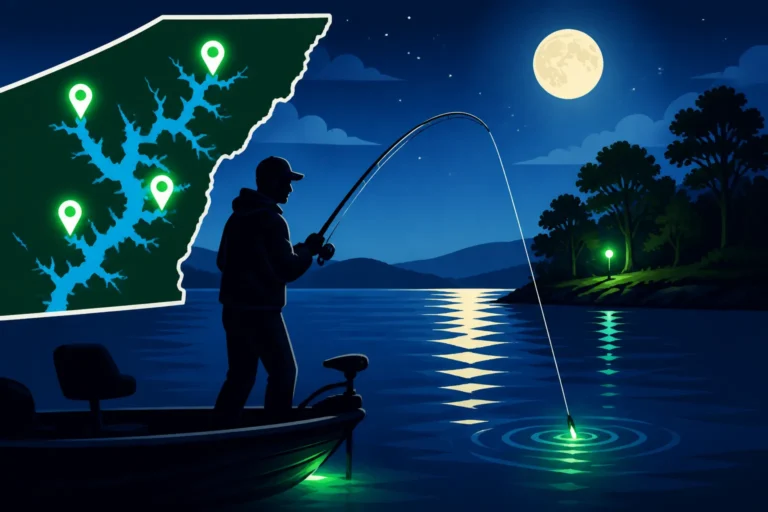
Summer is also prime time for night fishing on Reelfoot. As the sun sets and temperatures drop, catfish move out of their daytime hiding spots to actively feed. Targeting Night Fishing Spots on Reelfoot Lake, Tennessee with cut bait, stink bait, or live bait near deep holes or along structure can be incredibly productive. For daytime summer fishing, focus on tight-lining or presenting baits directly into heavy cover. This can be challenging due to snags, but patience often pays off with larger fish. Early mornings and late evenings also offer excellent opportunities before the heat of the day takes full effect.
Fall: The Pre-Winter Feeding Frenzy
As fall approaches and water temperatures begin to cool, catfish on Reelfoot enter a pre-winter feeding frenzy. They become extremely active, trying to pack on weight for the leaner winter months. This period, typically from September through November, can offer some of the most exciting fishing.
Catfish will often be found scattered throughout the lake, but particularly concentrated in areas where baitfish are schooling up. Look for schools of shad or other forage fish, as catfish won't be far behind. The edges of timber, deeper channels, and any remaining green vegetation can be productive. All baits continue to work well, with cut bait being a top choice for both Channels and Blues. Flatheads will still respond to live bait, especially as they hunt for larger meals. The cooler temperatures make daytime fishing more comfortable and productive, though early morning and late afternoon remain prime times.
Winter: Slow and Deep
Winter on Reelfoot Lake sees a significant slowdown in catfish activity. As water temperatures drop into the 40s and 50s, catfish become much more lethargic. They will generally move to the deepest available water and concentrate in large schools. Finding these winter aggregations is key.
Focus on the deepest areas of the main lake, any subtle depressions, or former creek channels within the lakebed. While the fishing can be slower, if you locate a school, you can often catch multiple fish from the same spot. A slow, subtle presentation is best, using smaller pieces of cut bait or worms. Look for these schools using sonar, and once you find them, anchor up and fish vertically. Patience is paramount during the winter months, but the reward can be a cooler full of fat, healthy catfish.
Essential Gear for Reelfoot Catfish
Given the unique environment of Reelfoot Lake, having the right gear can make all the difference between a frustrating snag-fest and a successful day on the water.
Rods and Reels
For catfish on Reelfoot, durability and power are key. You'll want medium-heavy to heavy action rods, around 7 to 8 feet long, capable of handling heavy lines and strong fish in snaggy conditions. Paired with sturdy baitcasting or spinning reels, spooled with 20-40 pound monofilament or braided line. Braided line is often preferred due to its superior strength-to-diameter ratio and lack of stretch, which helps detect subtle bites and muscle fish out of cover. When choosing your rod, consider if you'll be primarily Fishing From the Bank vs a Boat – longer rods are great for casting from shore, while shorter ones offer more maneuverability in a boat.
Hooks and Sinkers
Heavy-duty hooks are a must. Circle hooks (4/0 to 8/0) are highly recommended, as they tend to hook fish in the corner of the mouth, reducing gut hooking and making release easier if desired. For Flatheads, you might go even larger, up to 10/0. Sinkers should be heavy enough to keep your bait on the bottom, usually 1/2 oz to 2 oz pyramid or egg sinkers, depending on the depth and any minimal current.
Navigation and Safety
Navigating Reelfoot Lake can be tricky due to the submerged timber. A reliable GPS or mapping unit with detailed lake contours is invaluable. If you're new to the lake, consider hiring a local guide who knows the safe boat lanes and hidden hotspots. Boat Fishing Tips for Beginners on Reelfoot should always include slow speeds and extreme caution. Always carry all required Essential Safety Gear Checklist Before a Tennessee Fishing Trip, including life jackets for everyone on board and a throwable flotation device. Having a good, sturdy anchor is also vital for holding your position in preferred fishing areas.
Final Thoughts on Reelfoot Catfish
Reelfoot Lake offers a truly exceptional catfish fishing experience, unlike any other in Tennessee. Its unique, earthquake-formed landscape, teeming with cypress trees and submerged timber, creates a perfect habitat for abundant Channel, Blue, and Flathead Catfish. While it can be a challenging lake to navigate and fish, the rewards are often substantial, with the potential for trophy-sized fish and a truly memorable outdoor adventure.
Remember to always consult the latest Tennessee Wildlife Resources Agency (TWRA) regulations, as specific rules for Reelfoot Lake can vary, especially concerning methods like trotlines and jug fishing. Understanding these rules, along with having the right gear and knowledge of these prime fishing spots and techniques, will set you up for success. Whether you're a seasoned angler or a beginner looking to tackle one of Tennessee's most iconic fishing destinations, Reelfoot Lake's catfish are waiting.
Disclaimer
Fishing regulations, license requirements, and safety guidelines can change. Always check the current Tennessee Wildlife Resources Agency (TWRA) regulations and local advisories before heading out on the water. This guide is for informational purposes only and should not replace official sources.