Best Remote Fishing Spots on Watts Bar Lake, Tennessee
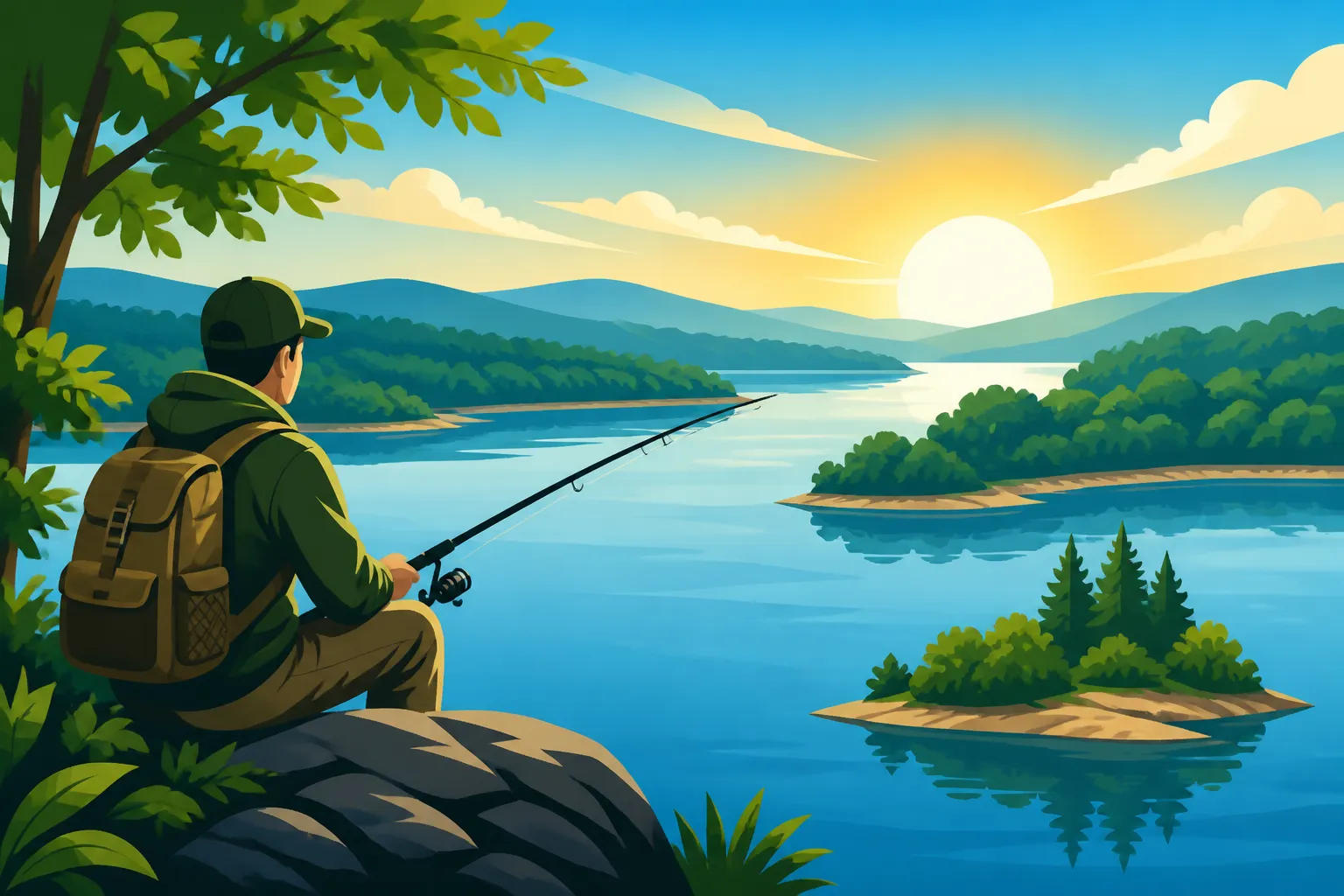
There's nothing quite like the frustration of arriving at your favorite fishing spot, rod in hand, only to find it already swarming with other anglers, boats crisscrossing every promising point, and the tranquil peace you craved replaced by the buzz of engines and chatter. It can feel like finding a needle in a haystack to truly escape the crowds, especially on popular bodies of water. But for those willing to venture just a little further, Watts Bar Lake in Tennessee offers a surprising number of secluded havens where the only company you'll have is the fish and the rustle of the wind. This guide is your compass to unlocking those hidden gems, helping you discover the best remote fishing spots on Watts Bar Lake and reclaim your quiet angling experience.
Why Watts Bar Lake Holds Untapped Potential for Remote Anglers
Watts Bar Lake, a sprawling reservoir on the Tennessee River, is often celebrated for its sheer size and impressive fishing, drawing in countless anglers seeking trophy bass, crappie, and catfish. However, its immense scale is precisely what makes it a goldmine for those desiring solitude. Stretching over 72 miles long with more than 700 miles of shoreline, Watts Bar isn't just one big open lake; it's a labyrinth of rivers, creeks, coves, and islands, many of which remain relatively untouched by the mainstream fishing traffic. This vastness provides ample opportunity to get away from it all, offering a chance to truly connect with nature and experience fishing as it was meant to be – peaceful and rewarding.
Escaping the Crowds on a Popular Reservoir
When most people think of a popular reservoir like Watts Bar Lake, they imagine crowded boat ramps, a constant stream of jet skis, and every visible brush pile or point already claimed by another angler. And sure, parts of Watts Bar can indeed get busy, especially on prime weekends or near major marinas and public access points. But the beauty of a lake this size is that those busy areas only represent a fraction of its total footprint. If you’re tired of competing for space, the secret lies in knowing where to look beyond the obvious. We're talking about those out-of-the-way fingers, deep creek channels far from any road, or secluded coves accessible only by boat through winding passages. These are the places where the pressure on the fish is significantly lower, and the chances of having a whole section of water to yourself skyrocket. It’s about being willing to navigate a little further, perhaps launch from a less-used ramp, or even rely on a good kayak or smaller boat to get into tight spaces bigger vessels can't reach.
Watts Bar's Unique Geography and Ecosystem
Watts Bar Lake isn't just big; it's incredibly diverse geographically, offering a rich tapestry of habitats that support a wide array of fish species. Unlike some more uniform reservoirs, Watts Bar transitions from a broad, open lake environment in its lower sections to a more riverine character as you move upriver towards Kingston and Rockwood. This variation in habitat is key to finding remote spots. You'll encounter everything from vast flats and deep main channel ledges to shallow, stump-filled backwaters and rocky bluffs. This diversity means that fish aren't concentrated in just a few prime areas; they're spread out across the entire system, utilizing different types of cover and structure depending on the season and their needs.
The lake’s nutrient-rich waters support a thriving ecosystem. From robust populations of Watts Bar Lake Bass and Catfish Species to plentiful crappie and panfish, there’s always something biting. The sheer number of feeder creeks, like Paint Rock Creek, White's Creek, and numerous others, provide endless nooks and crannies, many of which are undeveloped and offer pristine, quiet fishing opportunities. These smaller arms of the lake, particularly those with limited road access, become perfect hideouts for fish and anglers alike. Understanding the different sections of the lake and their unique characteristics is the first step to pinpointing your remote fishing haven.
Unearthing Watts Bar Lake's Secluded Fishing Hotspots
Finding solitude on Watts Bar Lake requires a bit of an adventurous spirit and a willingness to explore. While there aren't many "secret spots" that stay secret for long in the age of GPS and social media, there are certainly less-pressured areas that offer a genuine escape. These locations often require a bit more effort to reach, making them less appealing to the casual angler who prefers easy access.
Upper Watts Bar: Riverine Retreats
As you move north on Watts Bar Lake, upstream from the main dam, the lake begins to take on more characteristics of a wide, slow-moving river. This "upper lake" region, particularly around the areas where the Tennessee River and Clinch River converge and then spread out into the reservoir, offers numerous riverine retreats. Think about the intricate network of creeks and channels that branch off the main flow.
- Clinch River and Emory River Arms: The Clinch River and Emory River enter Watts Bar Lake on its northern end, near Kingston. These river arms offer miles of winding channels, often shallower and with more current than the main lake body. Look for deep holes, fallen timber, and rocky banks. Accessing these areas often means launching further upriver, perhaps even into the actual rivers themselves, and working your way downstream into the quieter, broader lake sections. The banks here are often heavily wooded, providing excellent cover and a sense of isolation. You can spend an entire day exploring a single creek arm without seeing another boat. Bass and crappie thrive in these environments, often hunkering down in the abundant cover. Fishing here in the spring can be especially productive, as fish move into these shallower, warmer waters for the spawn.
- Small Creek Inlets: Throughout the upper half of Watts Bar, numerous unnamed or smaller creeks feed into the main lake. Many of these have limited development and can be explored by kayak or a smaller boat. These are prime locations for bank-hugging fish, particularly largemouth bass and various panfish. The key is to look for bends, fallen trees, and areas where the creek widens into small, pond-like sections before flowing into the main body. These areas are often too shallow or winding for larger boats, which means less competition for you.
Lower Watts Bar: Backwater Bays and Coves
The lower section of Watts Bar Lake, closer to the dam and extending towards Chattanooga, is generally wider and deeper. While this area sees a lot of recreational traffic, it also boasts extensive backwater bays and coves that provide excellent opportunities for remote fishing.
- Pond Creek and Piney Creek: These are two prominent creeks that feed into the lower Watts Bar Lake from the west, near Spring City. Both have extensive arms and numerous smaller coves branching off them. While popular near their mouths, if you venture further back into the winding channels, you'll find plenty of quiet water. These areas are known for their submerged timber and brush piles, making them fantastic for crappie and bass. Look for areas where the creek narrows or makes sharp bends, creating natural ambush points for predatory fish. Accessing the very furthest reaches of these creeks may sometimes require a shallow-draft boat or even a canoe/kayak, which is often the key to finding true solitude.
- The Island Clusters: Watts Bar Lake has several significant islands and numerous smaller ones, especially in its mid to lower sections. Around these islands, you'll find countless small coves, cuts, and sheltered areas that offer protection from wind and boat traffic. Many of these are too small or shallow for larger bass boats to bother with, but they can hold fantastic populations of fish. The back sides of larger islands, facing away from the main channel, are often much calmer and less disturbed. These are great spots to try some Night Fishing Spots on Watts Bar Lake, Tennessee for catfish during the warmer months.
Mid-Lake Islands and Hidden Channels
The mid-section of Watts Bar Lake, roughly between Spring City and Kingston, is characterized by a mix of wide-open water, deep channels, and a scattering of islands and submerged structures. This area can be particularly tricky to navigate if you're not familiar with it, but that's exactly what makes it a treasure trove for remote fishing.
- Submerged Humps and Ledges: Many of Watts Bar's best remote spots aren't visible above the water. The lake is rich with submerged humps, old roadbeds, and creek channels that are now underwater. These offshore structures can be magnets for fish, especially bass and crappie, and they often go untouched because they're harder to locate without good electronics. Utilizing a quality fish finder is almost essential here. Once you pinpoint a promising hump or ledge, you’ll often find you have it all to yourself, as many anglers prefer visible cover. This is where you might find those elusive large schools of crappie or bass that haven't seen a lure in days.
- Remote Island Pockets: While many islands have visible shorelines that might be fished, look for the smaller, more isolated islands or those with very shallow approaches. The deeper cuts and pockets immediately surrounding these can hold fish, especially if there's any form of cover like submerged timber or rocky outcrops. These areas offer a genuine feeling of wilderness, perfect for those seeking to immerse themselves in nature while pursuing their passion. Finding these truly remote spots might involve using a detailed lake map and perhaps even checking satellite imagery to scout out potential coves or channels that don't have obvious boat ramps nearby. If you are ever unsure about access or specific rules, you can always check with local experts through platforms like FishingBooker, which often have guides who specialize in these less-traveled areas.
Essential Gear and Tactics for Remote Watts Bar Fishing
Venturing into the remote corners of Watts Bar Lake isn't just about finding the spot; it's also about being prepared with the right gear and knowing how to approach fish that might be less accustomed to pressure. The tactics you employ in these secluded areas might differ slightly from those used in high-traffic zones, often favoring a more subtle and natural presentation.
Specialized Gear for Secluded Waters
When you're heading off the beaten path, your gear choices become even more critical. Comfort, reliability, and portability are key.
- Vessel Choice: For true remote access, a kayak, canoe, or a small jon boat with a shallow draft is often superior to a large bass boat. These smaller vessels can navigate tight coves, shallow creek arms, and around submerged obstacles that would impede larger boats. Kayak fishing offers the added benefit of stealth, allowing you to approach wary fish without spooking them. If you're considering Best Kayaks for Tennessee Bass Fishing, look for stable models that can handle open water if needed but are nimble enough for tight quarters. Remember, even with a kayak, it's wise to carry a Tennessee Life Jacket and PFD Rules for Boaters to ensure safety, especially in less-traveled areas.
- Portable Electronics: A portable fish finder, even a basic one, can be invaluable for identifying submerged structure, humps, and ledges in areas that don't see much traffic. These hidden features are often magnets for fish. GPS capabilities on your phone or a dedicated unit are also crucial for navigation, helping you mark promising spots and find your way back, especially in unfamiliar, winding coves.
- Reliable Tackle: While specific baits will vary by target species, focusing on natural presentations often works best in remote areas. For bass, consider creature baits, jigs, and slow-moving crankbaits. For crappie, small jigs tipped with minnows or soft plastics are hard to beat. Catfish anglers should pack an assortment of stink baits, cut bait, or even live baits like bluegill. Make sure your Best Rods and Reels for Tennessee Fishing are versatile enough to handle various techniques and potential trophy catches. Don't forget a sturdy landing net, a good pair of pliers, and plenty of extra line and hooks.
Mastering Techniques for Untouched Fish
Fish in remote areas tend to be less accustomed to constant fishing pressure, which can make them both more aggressive and sometimes more easily spooked by unnatural presentations.
- Stealth and Approach: The less noise and disturbance you make, the better. If you're in a kayak or canoe, paddle quietly. If using a trolling motor, keep speeds low. Cast accurately and try to avoid splashing. Approaching a spot from downwind or with the sun in your favor can also help keep a low profile. Remember, you're trying to mimic a natural environment, not disrupt it.
- Targeting Cover and Structure: Remote areas often have abundant natural cover that hasn't been picked over repeatedly. Look for thick brush piles, fallen trees, rock outcrops, changes in bottom contour, and distinct weed lines. Fish will relate to these features, using them for ambush points, shade, and protection. Learning How to Fish for Bass in Summer Heat or understanding Spring Crappie Spawn Timing in Tennessee can help you predict where fish will be holding based on the season and water temperature, allowing you to maximize your efforts in these secluded spots.
- Varying Your Presentation: Don't be afraid to experiment. While natural baits and subtle presentations are often effective, sometimes a slightly more aggressive retrieve or an unusual lure color can trigger a strike from an unpressured fish. Start subtle, but if you're not getting bites, switch it up. Also, consider the time of day; Dawn and Dusk Fishing Patterns for Crappie or bass can be exceptionally productive in remote areas where fish feel safer feeding.
Prioritizing Safety in the Wilderness
Remote fishing is inherently more adventurous, but it also means you're further from immediate help if something goes wrong. Safety should always be your top priority.
- Tell Someone Your Plan: Always let a friend or family member know where you're going, your planned route, and when you expect to return. This is non-negotiable for remote excursions.
- Carry Essential Safety Gear: Beyond your PFD, pack a first-aid kit, whistle, knife, flashlight, and enough water and snacks for longer than you expect to be out. A fully charged cell phone is a must, but understand that reception can be spotty in some remote Watts Bar areas. A portable charger can extend your phone's battery life.
- Weather Awareness: Watts Bar Lake is large, and weather conditions can change rapidly. Always check the forecast before you go and be prepared for sudden storms, strong winds, or temperature drops. If the weather turns foul, know when to cut your trip short and head back to safety.
- Know the Rules: Just because you're remote doesn't mean the rules don't apply. Make sure you have your Tennessee Fishing License Guide in order and are aware of all Tennessee Fishing Regulations Explained, including any lake-specific rules that might override statewide limits on Watts Bar Lake. Carry your license with you, whether it's a digital version on your phone or a printed copy.
| Watts Bar Lake Region | Characteristics | Primary Fish Species | Best Remote Access | General Tactics Recommended |
|---|---|---|---|---|
| Upper Watts Bar | Riverine, shallower, current | Bass, Crappie, Catfish | Small boat, Kayak upriver creeks | Pitching jigs, slow trolling minnows, bottom fishing |
| Mid-Lake Sections | Deep channels, islands, humps | Bass, Striped Bass, Crappie | Offshore by larger boat, then small boat/kayak for coves | Vertical jigging, drop-shot, casting to structure |
| Lower Watts Bar | Wide bays, deep coves, submerged timber | Bass, Crappie, Catfish | Smaller ramp near bay mouths, Kayak into backwaters | Flipping jigs, spinnerbaits, tightlining for crappie |
Planning Your Remote Watts Bar Lake Fishing Expedition
The key to a successful remote fishing trip on Watts Bar Lake is thorough planning. It's not just about packing your tackle box; it's about understanding the environment, anticipating challenges, and preparing for a truly immersive experience.
Research and Preparation
Before you even launch your boat or kayak, a good amount of research can save you a lot of time and effort, and point you towards the most promising remote spots.
- Detailed Maps and Satellite Imagery: Digital maps with depth contours (like those found on many fish finder apps or online mapping services) are your best friend. Look for areas with limited road access, numerous small coves or creek arms, and interesting underwater topography like humps, channels, or points far from main boat lanes. Satellite imagery can reveal hidden clearings, creek mouths, or even old foundations that are now submerged. You might even find some insights on local conditions or guide availability through resources like FishingBooker, which lists charter captains who often know the less-traveled areas.
- Weather and Water Conditions: Always check the forecast leading up to your trip, including wind predictions. High winds can make navigating a large lake like Watts Bar, especially in a smaller craft, treacherous. Also, pay attention to water levels and temperature. Current data from the Tennessee Valley Authority (TVA) can provide information on water levels and generation schedules, which can influence current and fish activity, particularly in riverine sections of the lake.
- Packing Smart: Since you'll likely be in less accessible areas, pack light but pack smart. This means enough water and food, sun protection (hat, sunscreen, long sleeves), insect repellent, and extra layers of clothing. A dry bag for electronics and personal items is a must, as is a good quality cooler to keep your catch fresh. Don't forget a multi-tool!
Respecting the Environment and Fellow Anglers
Finding remote fishing spots is a privilege, and it comes with the responsibility of preserving these natural havens. We all want to enjoy pristine waters, and it’s up to us to ensure they remain that way for future generations.
- Leave No Trace: Pack out everything you pack in, and then some. This includes all your trash, discarded fishing line, and any other waste. Do not leave behind bait containers, plastic wrappers, or anything else. The goal is to leave the area looking better than you found it.
- Practice Catch and Release (Thoughtfully): While you're allowed to keep fish within the Tennessee Fishing Season and Catch Limits, consider practicing selective harvest in remote areas. Keeping only what you'll eat and releasing the rest, especially larger breeding fish, helps maintain healthy populations in these less-pressured areas.
- Be Mindful of Wildlife: Remote areas are home to a diverse array of wildlife. Observe from a distance, avoid disturbing nesting sites, and never feed wild animals. Enjoy the natural beauty without interfering with it.
- Share Responsibly: While it's great to share stories and general tips about Watts Bar Lake, keeping the specific, ultra-remote honey holes to yourself helps preserve their solitude. The more people who flock to a truly hidden gem, the less "remote" it becomes. It's a balance, of course, but appreciating the quiet often means being a bit selective about how widely you broadcast exact locations.
Watts Bar Lake truly offers some incredible opportunities for anglers seeking peace, solitude, and unpressured fish. It might take a little more effort to find these spots, but the reward of a quiet morning, a beautiful view, and potentially a great catch without a crowd in sight is absolutely priceless. So, gear up, plan your adventure, and go find your piece of paradise on Watts Bar.
Disclaimer
The information provided in this guide is for general informational purposes only. Fishing conditions, regulations, and access points can change. Always consult the official Tennessee Wildlife Resources Agency (TWRA) website for the most current rules and regulations before planning your fishing trip. Safety should always be your top priority when on the water.