Best Remote Fishing Spots on Reelfoot Lake
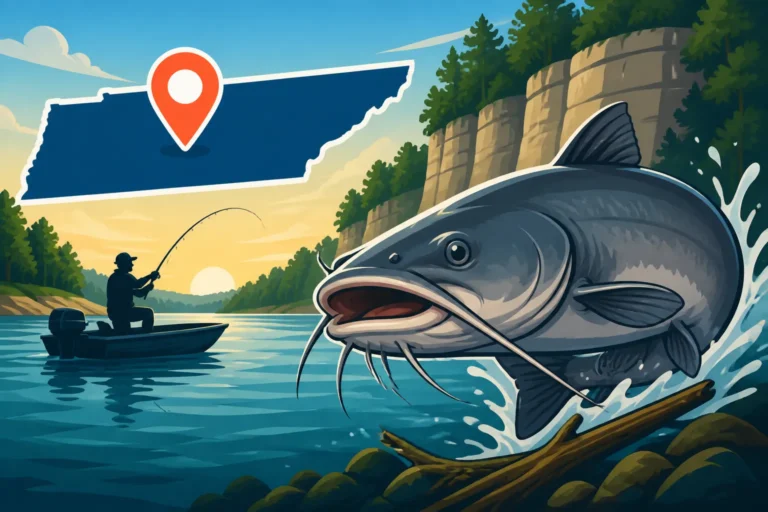
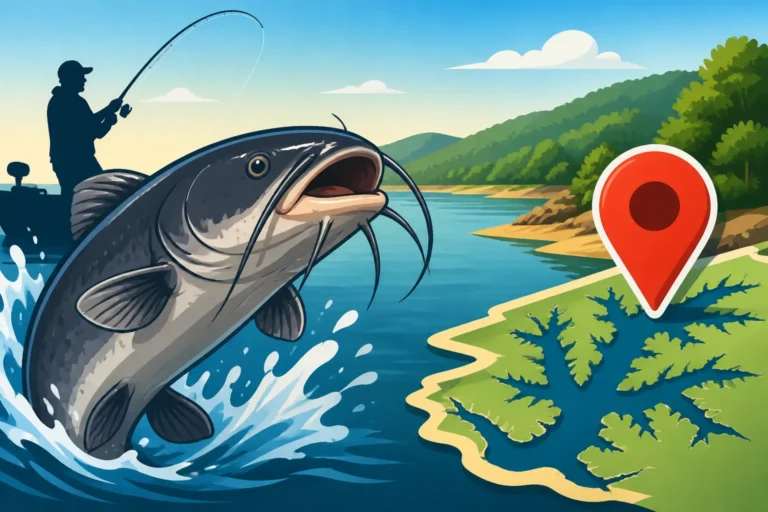
For many anglers, the true magic of fishing isn't just about the catch; it's about finding that serene escape, that untouched corner where the sounds of civilization fade and only nature's symphony remains. If you've ever felt that pull, that desire to leave the crowded ramps and popular fishing holes behind, then you know the unique frustration of seeking solitude in a busy world. This guide is your compass to unlocking the hidden, remote fishing spots on Reelfoot Lake, a truly one-of-a-kind natural wonder in Tennessee.
Understanding Reelfoot Lake's Unique Character
Reelfoot Lake isn't your typical deep, clear mountain lake or a sprawling TVA reservoir. Born from a series of powerful earthquakes in the early 19th century, it's a shallow, flooded cypress forest, a hauntingly beautiful and incredibly fertile body of water that defies easy categorization. Its very geology makes it inherently "remote" in many areas, even when a popular spot might be just a bend away.
The Cypress Tree Labyrinth
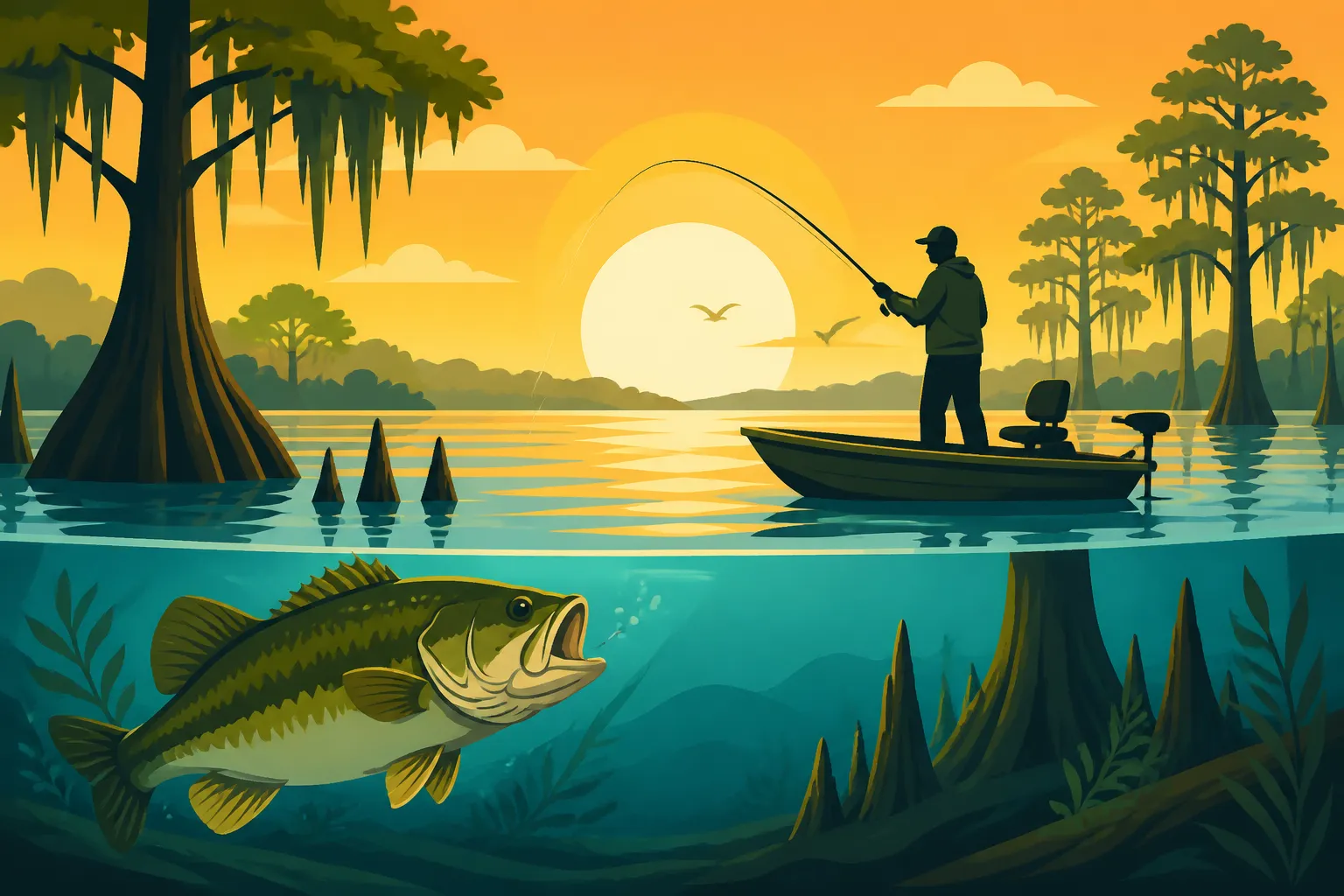
Imagine navigating a forest where the trees grow out of the water, their ancient, gnarled knees breaking the surface like watchful sentinels. That's the Reelfoot experience. This dense, watery labyrinth of bald cypress trees and sunken stumps creates an unparalleled habitat for fish and a natural barrier against excessive human traffic. These natural structures offer endless cover for crappie, bass, and catfish, making them prime targets for anglers willing to venture deep into the cypress maze. The sheer density means that even a few hundred yards from a main channel, you can feel utterly isolated, surrounded by the calls of birds and the rustle of leaves. It’s this very maze-like quality that fosters its remote feel and holds some of its best kept fishing secrets.
Seasonal Changes and Water Levels
The remote nature and accessibility of certain areas on Reelfoot Lake can dramatically shift with the seasons and fluctuating water levels. During periods of higher water, especially in late winter and spring, many areas that are usually too shallow or marshy become accessible by boat, opening up new remote possibilities. Conversely, during drier summer months and into fall, water levels can recede significantly, exposing vast mudflats and making some channels impassable. This seasonal ebb and flow means that a "remote spot" you discovered in April might be a dry cypress stump field in August. Always check current lake conditions before planning your trip. The Tennessee Wildlife Resources Agency (TWRA) often provides updates, and local bait shops around Tiptonville and Samburg are invaluable sources of real-time information. Understanding these cycles is crucial for a successful and safe venture into Reelfoot's less-traveled areas.
Navigating Reelfoot for Secluded Waters
Venturing into Reelfoot's remote corners requires more than just a sense of adventure; it demands careful planning and appropriate gear. This isn't a lake where you can just point and go. The unique hydrology and dense timber demand respect and preparation.
Boat Access and Kayak Entry Points
While major boat ramps exist, like those at Blue Basin and Kirby Pocket, reaching truly remote spots often means starting from lesser-known access points or launching smaller, more maneuverable vessels. For those seeking deep solitude, a kayak or canoe is often your best friend. These silent, shallow-draft vessels allow you to slip through narrow channels and over submerged logs that larger boats simply can't navigate. When planning your trip, consider smaller ramps or even roadside access points along the northern and eastern shores, keeping in mind that parking might be limited. Some local guides, often found through services like FishingBooker, can also point you to these less-trafficked launch zones and even provide transport if needed. Before you head out, be sure to review specific guidelines for different types of vessels, as detailed in resources like Life Jacket Rules for Kayaks and Canoes in Tennessee.
For larger boats, flat-bottomed jon boats with shallow-draft outboard or mud motor propulsion are generally preferred over deep-V hull boats, which can easily get hung up on stumps or in shallow water. You’ll find that many of the Best Boat Ramps on Reelfoot Lake are designed with this kind of vessel in mind.
Reading the Water and Topographic Maps
The key to finding remote spots on Reelfoot Lake isn't always about secret GPS coordinates; it's about understanding the lay of the watery land. A good topographic map, like those available from the TWRA or online, is indispensable. Look for areas with dense cypress stands, narrow feeder channels, or shallow "flats" that transition into deeper pockets – these are natural fish magnets and often deter casual boat traffic. Understanding How Water Temperature Affects Fish Activity will also help you pinpoint where fish might congregate in these varied structures.
Beyond maps, learn to read the water itself. Observe changes in current, the presence of specific aquatic vegetation (like lily pads or hydrilla), and the contours of the cypress trees. A slightly deeper ditch winding through a flat of cypress stumps can be a highway for fish moving between feeding and resting areas. In many ways, Reelfoot demands a more intuitive, almost primal, form of navigation than many other lakes.
Top Remote Fishing Zones on Reelfoot Lake
While defining "remote" on Reelfoot can be subjective due to its maze-like nature, certain areas consistently offer a more secluded experience and fantastic fishing opportunities for those willing to explore.
Upper Blue Basin's Quiet Corners
The Upper Blue Basin is a well-known area, but its vastness and dense cypress cover mean there are countless quiet corners waiting to be discovered. Instead of heading straight for the main channels where most boats congregate, look for smaller, less obvious cuts and sloughs winding off into the trees. These hidden passages often lead to expansive pockets of still water, shielded from the main lake's activity. Here, you'll find excellent populations of crappie and largemouth bass, especially around the base of cypress trees and submerged logs. The tranquility in these parts is often profound, offering that true escape many anglers crave. Be prepared for tight navigation and bring a trolling motor or paddle for silent approach. This region is a prime example of why Reelfoot Lake Fishing, Tennessee's Cypress Swamp Lake is so uniquely special.
Reelfoot National Wildlife Refuge Areas
A significant portion of Reelfoot Lake falls within the Reelfoot National Wildlife Refuge, managed by the U.S. Fish and Wildlife Service. While some areas are strictly protected and off-limits to fishing or boating, others allow controlled access, often by permit or under specific regulations designed to preserve the delicate ecosystem. These controlled areas naturally offer some of the most pristine and remote fishing experiences. Always check the specific refuge regulations before entering, as rules can vary by season and location. For example, some backwater sloughs within the refuge might be open to fishing during certain times of the year but closed during waterfowl nesting seasons. Fishing in these areas often yields impressive catches because of reduced pressure. This is where understanding Tennessee Fishing Regulations Explained becomes critical, as refuge rules can be more stringent than general state regulations.
Deep Water Drops Near the Stumps
Even in a shallow lake like Reelfoot, there are subtle depth changes that create fantastic fishing opportunities. Remote doesn't always mean shallow. Look for areas where the general 4-6 feet depth abruptly drops to 8-10 feet or more, often indicated by darker water or breaks in the cypress growth. These deeper pockets, especially those littered with dense stump fields and fallen timber, are magnets for larger crappie and catfish. Fish often hold tight to these structures, seeking cooler water and ambush points. Using a quality fish finder, even a portable one on a kayak, can help you identify these subtle but crucial transitions. These deeper, timber-filled zones are less frequented by casual anglers due to the navigation challenge, making them perfect remote targets. For catfish, specifically, these deeper holes are key; you can learn more about Reelfoot Lake Catfish Fishing Spots to target them effectively.
Here's a quick overview of typical fish and prime habitat in Reelfoot's remote areas:
| Fish Species | Preferred Remote Habitat | Key Baits/Lures | Best Time to Target | Notes |
|---|---|---|---|---|
| Crappie | Dense cypress knees, submerged brush piles, deep pockets with timber | Small jigs (chartreuse, white), minnows | Spring (spawn), Fall | Often suspended around structure. See Where to Catch Crappie on Reelfoot Lake. |
| Largemouth Bass | Heavy lily pads, cypress roots, shallow marshy cover, log jams | Topwater frogs, spinnerbaits, plastic worms | Spring, Early Summer, Fall | Look for shaded areas and current breaks. Tennessee Bass Fishing Seasons and Patterns apply. |
| Channel Catfish | Deep holes near cypress stumps, creek channels, muddy bottoms | Cut bait, chicken liver, worms | Summer (night), Spring | Set lines on the bottom. Catfish Bottom Fishing Basics are essential here. |
| Bluegill/Panfish | Shallow, vegetated areas, calm pockets, around cypress trees | Worms, crickets, tiny jigs | All warm months | Great for kids and light tackle. Easy to find in most remote spots. |
Gear and Tactics for Reelfoot's Hidden Gems
Fishing these remote areas isn't just about getting there; it's about being prepared with the right equipment and employing techniques suited to Reelfoot's unique environment.
Essential Equipment for Cypress Fishing
When you're slipping through cypress trees and winding channels, specialized gear becomes your best friend. For starters, a strong trolling motor is almost non-negotiable for precise boat positioning, especially if you're working tight cover. A shallow-water anchor, like a Power-Pole or Talon, or even a simple stout stick pin anchor, can be invaluable for silently holding your position against a cypress tree while you fish a specific pocket. Your rod and reel setup also matters. Many anglers prefer longer, medium-heavy action rods (7-8 feet) for crappie and bass, giving you more leverage to steer fish out of heavy cover. Braided line is highly recommended for its strength and abrasion resistance against rough cypress bark and stumps. Don't forget a good map, a compass or GPS, and plenty of water and snacks – you won't be running to a marina once you're deep in the cypress. When compiling your Best Rods and Reels for Tennessee Fishing list for a Reelfoot trip, prioritize durability and backbone.
Beyond your basic fishing setup, consider a sturdy paddle or push pole, even if you have a trolling motor. There will be times when silence is golden, or when the water is too shallow for your propeller. A quality pair of polarized sunglasses is also crucial for spotting submerged structure and navigating the sometimes-confusing reflections of the cypress forest. And for safety, always have a fully charged phone or a satellite communicator, as cell service can be spotty in the truly remote areas.
Subtle Techniques for Spooked Fish
Fish in remote areas, while often less pressured, can sometimes be surprisingly spooky due to the quiet environment. Loud noises, sudden movements, or splashing lures can send them scattering. The key here is subtlety and stealth. For crappie, a slow, methodical approach with small jigs or minnows fished vertically around cypress knees is highly effective. Instead of casting widely, drop your bait directly into likely cover. For bass, weedless presentations like Texas-rigged worms or soft plastic frogs are ideal for working through dense lily pads and slop without snagging. Try pitching your lures with precision rather than making long, noisy casts.
Consider using lighter line where possible, or fluorocarbon leaders for invisibility, especially in Reelfoot's clearer basins. Even something as simple as using your trolling motor on its lowest setting, or opting to paddle, can make a huge difference in approaching a prime fishing spot undetected. The goal is to become part of the natural environment, blending in rather than disturbing it. Services like FishingBooker can help connect you with local guides who are masters of these subtle techniques, offering invaluable real-world experience.
Respecting the Ecosystem and Regulations
Reelfoot Lake is a fragile and precious ecosystem, and exploring its remote areas comes with a responsibility to protect it. It’s not just about what you catch, but how you conduct yourself in such a unique natural environment.
Conservation Practices and Leave No Trace
When you venture into Reelfoot's remote corners, you're stepping into a wilder, less-disturbed habitat. This means practicing strict "Leave No Trace" principles. Pack out everything you pack in, including all trash, fishing line, and old bait containers. Avoid disturbing wildlife, particularly nesting birds or waterfowl, especially during sensitive seasons. Be mindful of boat wakes in narrow channels, which can erode banks and disturb spawning fish. Consider using barbless hooks for catch-and-release fishing, especially if you're targeting species you don't intend to keep. The health of Reelfoot's remote fisheries depends on every angler's commitment to these practices.
Remember that the cypress trees themselves are ancient and protected. Avoid tying up directly to them in a way that damages the bark, and never cut or remove any vegetation. These trees are the very foundation of the lake's unique character and ecosystem.
Understanding Local Rules and Limits
Fishing on Reelfoot Lake, particularly within the Reelfoot National Wildlife Refuge, comes with its own specific set of rules that can sometimes differ from general statewide regulations. It's crucial to consult the latest TWRA fishing guide, paying close attention to any lake-specific regulations listed for Reelfoot. These might include special slot limits for certain species, different daily creel limits, or specific rules regarding bait or fishing methods in certain areas. For example, Crappie Limits Under Tennessee Fishing Rules might have a specific nuance for Reelfoot.
Always carry your valid Tennessee Fishing License Guide and any necessary permits, and be prepared to present them to a game warden if requested. Penalties for non-compliance can be stiff, and ignorance of the rules is never an excuse. Staying informed ensures your remote fishing adventure remains both enjoyable and legal, preserving the opportunity for future generations to experience the wild beauty of Reelfoot Lake.
Disclaimer
Please note that fishing conditions, regulations, and access points can change. Always consult the latest official resources from the Tennessee Wildlife Resources Agency (TWRA) and the U.S. Fish and Wildlife Service (for refuge areas) before planning your trip. Safety should always be your top priority when exploring remote areas.