Night Fishing Spots on Dale Hollow Lake
Let's be real: sometimes, trying to enjoy a peaceful day of fishing on a popular lake like Dale Hollow can feel more like navigating a crowded amusement park. Between the intense summer sun beating down, the constant churn of pleasure boats, and the sheer number of fellow anglers, finding that tranquil, productive spot can be a true challenge. But what if I told you there's a whole other world waiting for you after the sun dips below the horizon? This guide is all about diving deep into the magic of night fishing on Dale Hollow Lake, uncovering its secrets, and helping you experience a truly different kind of angling adventure.
Why Night Fishing on Dale Hollow Lake is a Game Changer
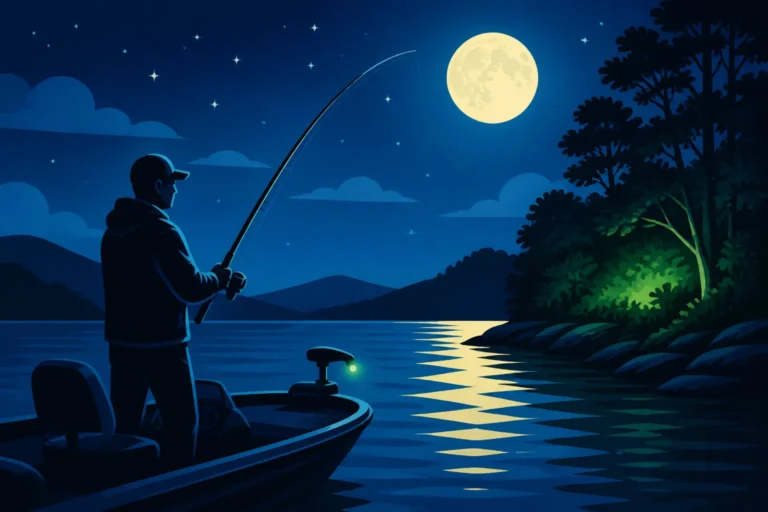
There's a unique serenity that descends upon Dale Hollow Lake as daylight fades. The incessant hum of motors gives way to the gentle lapping of water against the hull, and the harsh glare of the sun is replaced by the soft glow of moonlight and stars. For many seasoned anglers, this isn't just a different time to fish; it's a completely different experience altogether, often yielding incredible results that daytime fishing simply can't match.
Beating the Heat and Crowds
Anyone who's spent a summer afternoon on Dale Hollow knows the oppressive heat and the bustling activity that can come with it. Ski boats, jet skis, pleasure cruisers – they all churn up the water, create noise, and frankly, can make fishing a less than relaxing endeavor. When you head out after sunset, all that changes. The air cools down, making for a much more comfortable experience, especially during the sweltering months of July and August. More importantly, the crowds vanish. You'll find yourself with vast stretches of water practically to yourself, allowing for undisturbed drifts, quiet casts, and a genuine connection with the natural environment. It’s not just about comfort; it's about reclaiming the peace that fishing is supposed to offer.
Unlocking Nocturnal Feeding Patterns
Fish, much like people, have their routines. Many species, particularly the predators we love to target, become significantly more active under the cover of darkness. The lower light conditions give them an advantage over their prey, which might be less vigilant or visible. This means bass, walleye, and even crappie often move into shallower waters or transition areas they wouldn't dare visit during the bright midday sun. The reduced visibility makes them bolder, less wary of boats and lines, and often more aggressive in their pursuit of a meal. Understanding How Water Temperature Affects Fish Activity is key here; as the water cools slightly at night, it can trigger a feeding frenzy, particularly during the warmer seasons when daytime temperatures push fish into deeper, cooler havens.
The Thrill of the Unknown
There’s an undeniable thrill that comes with night fishing. Every splash, every tug on the line feels magnified in the darkness. Your senses sharpen, relying more on sound and feel than sight. Casting into the inky blackness, listening for the distinctive thwack of a lure hitting the water, and anticipating that sudden, powerful strike from a unseen fish – it’s an exhilarating experience that daylight just can’t replicate. It challenges your skills in a new way, pushing you to pay closer attention to your electronics, your line, and the subtle cues the water provides. Many anglers, myself included, find this element of mystery and heightened sensation to be one of the most compelling reasons to embrace night fishing on Dale Hollow.
Prime Night Fishing Locations on Dale Hollow Lake
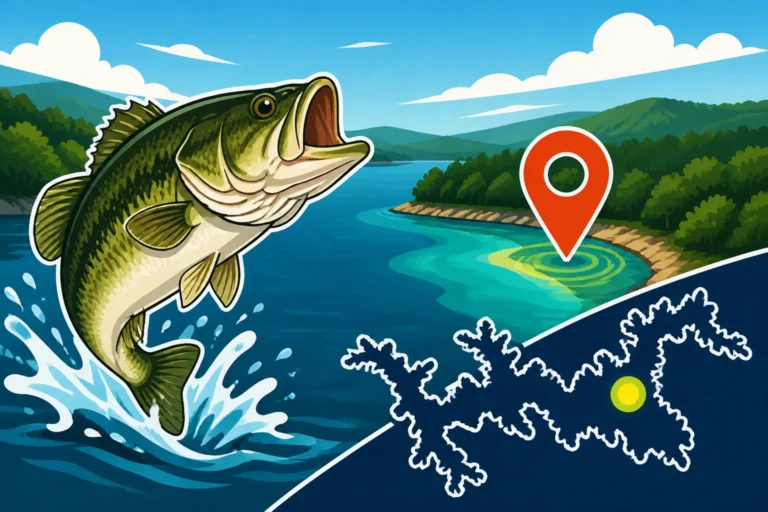
Dale Hollow Lake is renowned for its incredible clear waters and diverse underwater structure, making it a fantastic night fishing destination. But knowing where to cast your line when the sun goes down is crucial. Fish will relocate from their daytime haunts, often moving to areas where they can ambush prey more effectively in low light.
Deep Water Structure and Drop-offs
During the day, many of Dale Hollow's larger fish, especially smallmouth bass and walleye, retreat to the cooler, deeper parts of the lake. As evening approaches and temperatures drop, they often begin to migrate vertically, moving up from the absolute deepest sections to shallower ledges, humps, and submerged points. These deep-water structures, particularly those with sharp drop-offs into even deeper water, become prime ambush points at night.
Focus on areas where there's a significant depth change, especially if these structures are close to major creek channels. Fish will use these contours as highways, moving up to feed and then retreating back into the safety of the depths. Look for rocky ledges, underwater islands, and long tapering points that extend far out into the lake. These are classic Best Bass Fishing Spot on Dale Hollow Lake locations, both day and night, but their effectiveness often magnifies after dark. Using your sonar to identify these contours is critical; even at night, understanding the underwater landscape will give you a significant advantage.
Submerged Timber and Brush Piles
Dale Hollow Lake has an abundance of standing timber, laydowns, and artificial brush piles, remnants from when the valley was flooded. These underwater forests and habitats are fish magnets during the day, offering shade and cover. At night, they become even more critical. Baitfish often congregate around this cover, and predatory fish follow suit.
When fishing submerged timber at night, focus on the edges and openings within the cover. Fish might be sitting deeper within the brush during the day, but at night they'll often move to the outer fringes, making them more accessible. Jigging around isolated trees or casting along brush lines can be incredibly productive. Just be prepared for snags – this is not the time for your lightest tackle unless you're specifically targeting crappie. If you're using a service like FishingBooker to find a local guide, they'll likely have specific spots marked with extensive knowledge of these hidden underwater structures.
Main Lake Points and Creek Channels
Main lake points are always high-percentage areas on any reservoir, and Dale Hollow is no exception. At night, these points become even more active. Fish will stage on the deeper sides of the point during bright daylight, then push up onto the shallower shoulders and tops of the points to feed under the cloak of darkness.
Similarly, the mouths of major creek channels and even smaller coves that drain into the main lake can be phenomenal. These areas often have baitfish moving in and out, creating feeding opportunities for larger gamefish. Look for points that have a good mix of rock and some scattered timber or brush. Drifting across these points or anchoring quietly and casting to different depths can produce strikes from a variety of species. If you’re looking for Best Remote Fishing Spots on Dale Hollow Lake, Tennessee, these less-pressured main lake points away from marinas can be goldmines after hours.
Essential Gear and Techniques for Night Angling
Night fishing isn't just daytime fishing done in the dark; it requires a different mindset and, more importantly, a specific set of gear to ensure both safety and success. Being prepared makes all the difference when you're out on the water after sunset.
Lighting and Safety Equipment
Safety is paramount when fishing at night. First and foremost, you need proper navigation lights on your boat. This isn't just a suggestion; it's a legal requirement. Make sure your bow and stern lights are fully functional and visible. Remember, Do You Need Navigation Lights for Night Fishing in Tennessee? The answer is a resounding yes! Beyond your boat's permanent lighting, personal lighting is crucial. Headlamps with red-light options are ideal; red light preserves your night vision better than white light and is less disruptive to other anglers and wildlife. Carry extra batteries!
Beyond lighting, always have a fully charged cell phone, a marine radio, and plenty of personal flotation devices (PFDs) for everyone on board. It's easy to misjudge distances or encounter unexpected obstacles in the dark. A first-aid kit, a whistle, and a throw cushion are also non-negotiables. For anyone born after January 1, 1989, a Tennessee Boating Safety Education Certificate Guide is mandatory for operating a motorized vessel. Don't leave shore without checking all your safety gear.
Lures and Baits for Night Success
When it comes to lures and baits for night fishing, presentation and vibration often trump visual appeal. Darker colors, or even black, are highly effective as they create a distinct silhouette against the lighter surface or sky. Lures that produce a strong vibration or thumping sound can also be deadly, helping fish locate them in the murky darkness.
Spinnerbaits with large thumping blades, deep-diving crankbaits that wobble aggressively, and jigs with noisy rattles are excellent choices for bass and walleye. For crappie, small jigs tipped with scent or live minnows are hard to beat. Glow-in-the-dark lures or those with built-in lights can also be effective, providing a subtle beacon for curious fish. Many anglers swear by scented baits at night, as the added aroma can draw fish in when visibility is low. Even if you're an experienced angler, checking out local reports, perhaps even through a specialized guide found on FishingBooker, can give you insights into what's currently working best on Dale Hollow after dark.
Here's a quick guide to some popular choices:
| Species | Recommended Night Lures/Baits | Key Characteristics for Night Fishing |
|---|---|---|
| Smallmouth Bass | Spinnerbaits (dark colors, large blades), Jigs (rattling, black/blue), Crankbaits (deep-diving, noisy), Live shiners | Vibration, strong silhouette, scent, deeper presentation |
| Walleye | Blade Baits, Jigs (tipped with minnows/grubs), Spoons, Crawler Harnesses | Vibration, shimmer (even subtle), live bait appeal |
| Crappie | Small Jigs (black/blue, glow), Live Minnows, Scented Soft Plastics | Scent, small profile, slow presentation, subtle glow |
| Catfish | Cut Bait, Liver, Dough Balls, Stink Baits, Live Perch/Bluegill | Strong scent trail, bottom presentation, durable bait |
Navigational Aids and Boat Safety
Navigating Dale Hollow at night, especially in areas with standing timber or numerous points, requires caution. GPS and reliable depth finders are invaluable tools. Mark your fishing spots and hazards during the day if possible. Consider using mapping apps on your phone or tablet as a backup, but always have a physical chart as well.
Before you leave the ramp, double-check your anchor, ropes, and a spotlight. An extra paddle or trolling motor can be a lifesaver if your main engine has an issue. Always let someone know your float plan – where you're going and when you expect to return. This simple step can be crucial for your safety and peace of mind, especially when venturing into Night Fishing Spots on Center Hill Lake, Tennessee or other unfamiliar waters.
Targeting Specific Species After Dark
Dale Hollow Lake is a diverse fishery, boasting a variety of species that become active once the sun sets. Knowing what to expect and how to approach each one can significantly improve your catch rates.
Smallmouth Bass Tactics
Dale Hollow is legendary for its smallmouth bass. As the official Smallmouth Bass: Tennessee's Official State Fish, these bronze beauties are a prized catch, and night offers some of the best opportunities to land a lunker. After dark, smallmouth often move shallower, particularly onto main lake points, rocky banks, and humps. They're looking for crayfish, minnows, and shad that also become more exposed.
Effective tactics include casting large spinnerbaits with thumping blades parallel to rocky shorelines, working deep-diving crankbaits over submerged humps, or slowly dragging a black or dark blue jig with a pork or plastic trailer. The key is to fish slowly and thoroughly, feeling for every bump and tap. Often, the strike will be aggressive, but sometimes it's a subtle weight. Knowing Dale Hollow Lake Smallmouth Bass Fishing strategies specific to the lake will give you a big advantage.
Walleye and Crappie Strategies
Walleye, known for their incredible table fare and challenging bite, are another species that become very active at night. They have excellent low-light vision, giving them a distinct advantage. On Dale Hollow, walleye will often move onto shallow flats adjacent to deeper channels, or position themselves on the tops and sides of submerged humps and points. Trolling deep-diving crankbaits or casting blade baits and jigs tipped with live minnows are excellent methods. Look for areas where baitfish are congregating, as walleye will likely be lurking nearby.
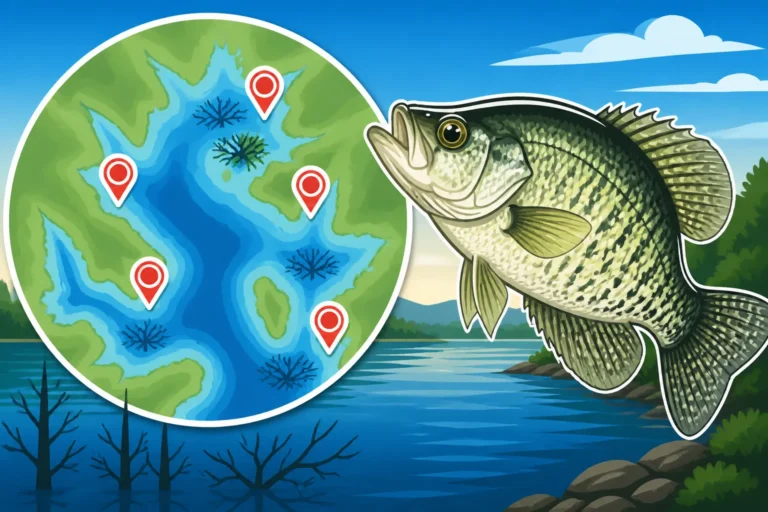
Crappie are also fantastic night targets. They often school up around brush piles, standing timber, and bridge pilings. Using a submerged crappie light, if permitted, can attract zooplankton, which then attracts baitfish, and ultimately, crappie. Tiny jigs (1/32 to 1/8 ounce) in black, blue, or glow-in-the-dark patterns, fished vertically or under a slip bobber, are deadly. Live minnows are always a top choice. Remember to check Crappie Limits Under Tennessee Fishing Rules before you go, as these can vary slightly.
Catfish in the Moonlight
For a more relaxed but equally rewarding night fishing experience, targeting catfish on Dale Hollow is a great option. Channel, blue, and flathead catfish are all abundant and feed heavily after dark. They're less structure-oriented than bass or walleye and will patrol flats, creek channels, and the bottoms of deeper coves, using their keen sense of smell to locate food.
Bottom fishing with smelly baits like cut bait (shad or sunfish), chicken livers, or commercial stink baits is the most popular and effective method. You can anchor near a creek channel bend or a long, shallow flat and cast multiple lines with heavy sinkers. The powerful runs of a large catfish under the moonlight are an unforgettable experience. For more detailed tips, you can explore guides like How to Catch Catfish at Night. Always make sure your Tennessee Fishing License Guide is up to date, no matter what species you're chasing.
Disclaimer
Fishing inherently carries risks, including but not limited to drowning, injuries from hooks or marine life, and adverse weather conditions. Always prioritize safety by wearing appropriate personal flotation devices, informing others of your fishing plans, checking weather forecasts, and adhering to all local and state regulations. The information provided in this guide is for informational purposes only and does not constitute professional advice. Anglers are responsible for their own safety and for understanding and following all Tennessee Wildlife Resources Agency (TWRA) rules and regulations, including those pertaining to Tennessee's Fishing License Requirements, catch limits, and boating laws.