Chickamauga Lake vs Kentucky Lake for Bass Fishing
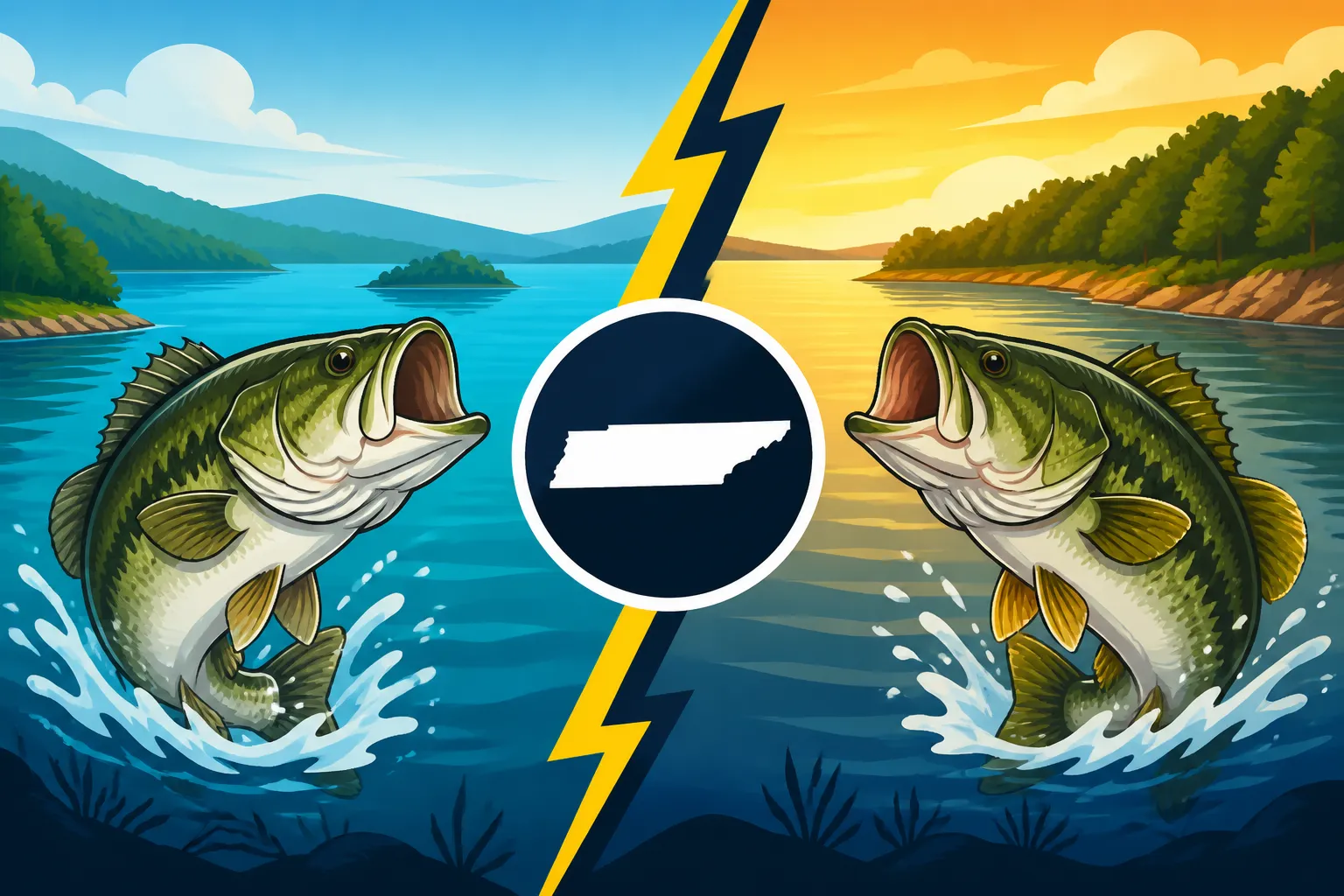
Choosing between Tennessee's legendary Chickamauga Lake and the vast Kentucky Lake for your next bass fishing adventure can feel like picking your favorite child – both are phenomenal, but they offer distinct experiences. Anglers often struggle with where to focus their precious fishing time, wondering which lake truly holds the potential for that dream catch, or which offers the type of fishing experience they prefer. This guide will meticulously break down the unique characteristics, fishing strategies, and seasonal nuances of each lake, helping you make an informed decision and get the most out of your Tennessee bass quest.
Chickamauga Lake's Reign as a Largemouth Bass Powerhouse
Chickamauga Lake, located near Chattanooga, has truly cemented its reputation in recent years as the place to go for trophy largemouth bass. It’s not just hype; the numbers and the size of the fish speak for themselves. This reservoir, part of the Tennessee River system, offers a unique blend of shallow, fertile backwaters and deeper main channel structure that creates an ideal environment for bass to thrive and grow to incredible sizes.
The Draw of Giant Bass and Lush Habitat
What makes Chickamauga Lake such a magnet for massive largemouth bass? A significant factor is the prolific aquatic vegetation, especially hydrilla and milfoil, which provides abundant cover, oxygenation, and a prime ambush point for predatory bass. These grass beds are essentially underwater cities for baitfish, bluegill, and crawfish, creating an all-you-can-eat buffet that allows largemouth to bulk up quickly. Anglers frequently pull in fish weighing 5 to 10 pounds, and catches pushing well into the double digits are not uncommon, making it a true trophy fishery. For many, the chance at a truly giant bass is what draws them back again and again. You can learn more about specific spots in our guide to the Best Bass Fishing Spot on Chickamauga Lake, Tennessee.
Beyond the grass, Chickamauga also features plenty of submerged timber, rock piles, and creek channels that offer diverse habitats. This variety means that bass can be found in different environments depending on the season and water conditions, requiring anglers to be versatile in their approach. The Tennessee Wildlife Resources Agency (TWRA) has done an excellent job managing the fishery, ensuring healthy populations and habitat, which contributes significantly to the lake's sustained productivity.
Key Fishing Strategies and Techniques
Fishing Chickamauga successfully often revolves around understanding how to approach its dense cover and structure.
- Flipping and Pitching: When the bass are buried deep in the hydrilla or submerged timber, flipping and pitching heavy jigs, creature baits, or Texas-rigged worms into those thick mats is an extremely effective tactic. It’s a close-quarters combat style of fishing that rewards precision and patience, but the payoff can be a giant largemouth. Anglers use braided line and stout rods to wrench these big fish out of the heavy cover.
- Deep Cranking and Swimbait Fishing: As water temperatures rise in summer, many of the larger bass move to deeper offshore structure, like ledges and humps along the main river channel. This is where deep-diving crankbaits, slow-rolled swimbaits, and Carolina rigs really shine. Electronics, particularly side-imaging and down-imaging sonars, become crucial for identifying these subtle depth changes and baitfish schools that attract the bass.
- Topwater Action: During the spring and fall, and often in the early mornings or late evenings of summer, the topwater bite can be absolutely explosive. Walking baits, poppers, and hollow-body frogs (fished over grass mats) can entice aggressive strikes that are truly unforgettable. The sheer thrill of a largemouth exploding on a topwater lure is a core part of the Chickamauga experience.
Best Seasons for Chickamauga Bass Success
Understanding the seasonal patterns is vital for consistent success on Chickamauga.
- Spring (March-May): This is prime time. Bass move shallow for the Bass Spawn Timing in Tennessee Lakes, making them accessible to a wider range of anglers. You'll find them cruising warming flats, around boat docks, and in creek arm pockets. Spinnerbaits, ChatterBaits, square bill crankbaits, and soft plastics like Stick Worms are excellent choices during this period. The pre-spawn can offer some of the fattest fish of the year.
- Summer (June-August): While it can be hot, summer offers excellent deep-water ledge fishing. As mentioned, deep crankbaits, jigs, and large worms worked offshore are the ticket. Early mornings and late evenings can still produce a good shallow bite with topwater lures or buzzbaits around grass edges. Night fishing also becomes a popular and productive option as bass become more active in cooler water.
- Fall (September-November): The fish start to scatter and feed heavily as they follow baitfish migration into the creek arms. This is a great time for reaction baits like crankbaits, spinnerbaits, and bladed jigs. Topwater can remain strong, especially on overcast days. The key is often covering a lot of water to locate active schools. For deeper insights, check out our guide on the Best Season to Fish Chickamauga Lake in Tennessee for Trophy Bass.
- Winter (December-February): Don't count winter out! While fishing slows, quality fish can still be caught. Bass often group up tightly on deep main lake points, channel swings, and around standing timber. Alabama rigs, jigging spoons, and slow-rolled swimbaits are effective at tempting these colder-water bass.
Kentucky Lake's Sprawling Bass Fisheries
Stretching over 160 miles from Kentucky into Tennessee, Kentucky Lake is one of the largest man-made lakes in the eastern United States. While it’s renowned for many species, its bass fishing, particularly its offshore ledge bite, has earned it a legendary status that rivals any lake in the country. This massive body of water presents a different challenge and reward compared to Chickamauga, often favoring anglers with a keen understanding of river system dynamics and deep-water electronics.
A River System's Bounty and Offshore Structure
Kentucky Lake is essentially a flooded river system, the Tennessee River, which means it's characterized by extensive main river channels, numerous creek channels, vast flats, and countless offshore ledges and humps. This setup provides an enormous amount of varied habitat. Unlike Chickamauga's predominant grass, Kentucky Lake’s bass fishing often revolves around deciphering contour lines and finding subtle changes in depth where bass ambush baitfish.
The sheer size of Kentucky Lake is daunting. It can feel like an ocean compared to other reservoirs. This vastness means bass have endless places to hide, but it also means there's a huge capacity for large populations of fish. While Chickamauga is often associated with bigger individual bass, Kentucky Lake is known for its incredible numbers of quality bass, with many anglers reporting 20-30 fish days, often with several solid 3-5 pounders mixed in. Our guide to Kentucky Lake Fishing on the Tennessee Side offers more insights into this incredible fishery.
Premier Techniques for Kentucky Lake Bass
Fishing Kentucky Lake requires a different approach, often favoring anglers who are comfortable with big water and using advanced electronics.
- Offshore Ledge Fishing: This is Kentucky Lake's claim to fame. Bass will gang up in massive schools on these offshore ledges, especially during the post-spawn and summer months. Anglers spend hours idling with their electronics, searching for these schools, then dropping deep-diving crankbaits, football jigs, or large plastic worms to entice bites. It's a game of finding the sweet spot on the ledge where the fish are holding.
- Creek Channel and Flat Fishing: In the spring and fall, bass will move into the countless creek channels and expansive flats. During the spring, they’ll stage on points and shallow drops before moving to spawn in protected coves. In the fall, they chase schooling baitfish across these flats, making for exciting topwater and reaction bait opportunities.
- Targeting Wood and Rock: While not as dense as Chickamauga's grass, Kentucky Lake has plenty of submerged timber, brush piles, and rock veins, particularly in the upper sections and around major creek entrances. Flipping and pitching to these targets can be very productive, especially during periods when bass are less active on the ledges.
Seasonal Adaptations for Anglers
Just like Chickamauga, Kentucky Lake's fishing patterns shift dramatically with the seasons.
- Spring (March-May): The pre-spawn and spawn are fantastic times. Bass move shallow, staging on points and flats. Spinnerbaits, lipless crankbaits, and ChatterBaits are great for covering water. As fish move to beds, Texas-rigged plastics and jigs become effective. The crappie spawn also coincides, making for a dual target. For detailed information on specific areas, consult our guide on the Best Bass Fishing Spot on Kentucky Lake.
- Summer (June-August): This is the time for offshore ledge fishing. The heat drives bass deep, and they congregate in massive schools on the main river ledges. Deep crankbaits, huge worms, and jigging spoons are standard arsenal. Be prepared for intense heat and long runs between spots, but the reward of multiple big bass from one school is unparalleled.
- Fall (September-November): Bass spread out, chasing baitfish in the creeks and on the main lake flats. Reaction baits like crankbaits, spinnerbaits, and topwater lures are excellent as bass gorge themselves before winter. Schooling activity is common, leading to explosive fishing. Our guide on How Kentucky Lake's Bass Bite Changes Through Tennessee's Seasons will help you adapt.
- Winter (December-February): Like Chickamauga, winter fishing can be tough but rewarding for quality fish. Bass retreat to deeper, more stable water in the main river channel and deep creek arms. Vertical jigging, slow-rolling swimbaits, and suspending jerkbaits are key. Targeting channel swings and deep points can yield impressive results on colder days.
The Head-to-Head Showdown: Choosing Your Bass Battlefield
So, how do you decide between these two incredible Tennessee bass factories? It really comes down to your personal fishing style, the kind of challenge you're looking for, and ultimately, what you want to experience on the water. Both lakes offer phenomenal opportunities, but their personalities are quite distinct.
Size, Structure, and Species Focus
One of the biggest differentiators is the typical target species and the dominant structure.
- Chickamauga Lake: Largemouth bass reign supreme here. While you can catch spotted and smallmouth bass, the focus is almost exclusively on those giant largemouth. The dominant cover is aquatic vegetation, particularly hydrilla and milfoil. If you love dissecting thick grass beds, flipping jigs, and the thrill of pulling a huge green fish out of heavy cover, Chickamauga is your paradise. The challenges here often involve navigating dense mats and identifying subtle changes in grass type or depth.
- Kentucky Lake: This lake offers excellent fishing for both largemouth and smallmouth bass, particularly the latter on the upper end near the dam. The predominant structure is offshore ledges, humps, and creek channels. If you enjoy fishing vast expanses of open water, relying heavily on your electronics to find schools of fish, and throwing deep-diving crankbaits or football jigs, then Kentucky Lake will likely be more to your liking. The challenge here is covering immense amounts of water and precisely locating those active schools on expansive offshore structures. For a broader view, check out our Largemouth vs Smallmouth Bass: Tennessee Angler's Guide.
Accessibility and Fishing Resources
Consider how you prefer to access and fish the water, and what resources you might need.
- Boat Requirements: Both lakes can be fished from a variety of boats, but the scale of Kentucky Lake often favors larger, more powerful bass boats equipped with advanced electronics for efficient navigation and ledger fishing. Chickamauga can be successfully fished from smaller boats or even kayaks in certain areas, though a powerful motor is still beneficial for covering water between grass beds. You can find information on Boat Ramp Access on Tennessee's Major Lakes to help plan.
- Guide Services: If you're visiting and want to maximize your chances, a local guide is invaluable on either lake. They know the current patterns, the best spots, and can help you quickly learn the ropes. Platforms like FishingBooker are excellent for finding reputable, experienced guides on both Chickamauga and Kentucky Lake. They can save you a ton of time and frustration, especially on your first visit.
- Proximity: Chickamauga is right next to Chattanooga, offering plenty of urban amenities, restaurants, and lodging. Kentucky Lake is more spread out with smaller towns like Paris, Dover, and Buchanan, giving it a slightly more remote, yet still well-equipped, outdoor feel.
Tournament vs. Leisure Fishing
Your fishing goals can also guide your choice.
- Tournament Anglers: Both lakes host numerous major bass tournaments, and for good reason. Chickamauga is a proven producer of heavy limits and big bags, often decided by anglers who master its grass fishing or deep-water structure game. Kentucky Lake's ledge fishing makes it a tournament staple, with anglers vying to find those large schools of fish that can put them over the top. If you're eyeing competitive fishing, both offer world-class venues. Remember to familiarize yourself with Tournament Angler Rules on Tennessee Waters.
- Leisure Anglers: If your goal is a relaxing day on the water with the chance of a good catch, both lakes deliver. Chickamauga might appeal more to those who enjoy sight fishing in spring or picking apart visible cover. Kentucky Lake offers the thrill of finding those massive offshore schools and pulling fish after fish, or simply cruising its expansive waters. FishingBooker also lists guides perfect for a family outing or a casual trip, not just hardcore tournament pros.
Ultimately, the "better" lake is subjective. If catching a double-digit largemouth by punching mats or flipping docks is your dream, head to Chickamauga. If you love the challenge of finding vast schools of bass on subtle offshore structure with your electronics and cranking deep, Kentucky Lake is calling your name. Many anglers consider it a rite of passage to fish both, experiencing the distinct challenges and rewards each offers. Why not plan a trip to one this year and the other next? You truly can't go wrong with either of these Tennessee titans.
| Feature | Chickamauga Lake | Kentucky Lake |
|---|---|---|
| Primary Target | Largemouth Bass (Trophy potential) | Largemouth & Smallmouth Bass (Numbers & Quality) |
| Dominant Cover | Aquatic Vegetation (Hydrilla, Milfoil), Timber | Offshore Ledges, Creek Channels, River Bends |
| Primary Season | Spring & Fall (shallow), Summer (deep grass) | Summer (offshore ledges), Spring & Fall (flats) |
| Key Techniques | Flipping, Pitching, Deep Cranking, Topwater | Deep Cranking, Jigging, Large Plastics (offshore) |
| Electronics Use | Beneficial for locating grass lines/timber | Essential for finding offshore structure/schools |
| Typical Catch | Fewer bites, but higher average weight | More bites, good average weight, strong numbers |
| Vibe | Diverse, often grass-oriented, trophy hunting | Vast, riverine, structure-oriented, school fishing |
Disclaimer
Fishing conditions and regulations in Tennessee can change. Always consult the latest Tennessee Wildlife Resources Agency (TWRA) regulations before heading out on the water. Stay safe and be aware of weather conditions.