Tennessee Trout Fishing Season Explained
If you've ever felt a bit lost trying to figure out when and where you can chase trout in Tennessee, you're definitely not alone. The Volunteer State's trout fishing regulations can feel like a puzzle, with different rules for different times of the year and even specific stretches of water. It's enough to make even seasoned anglers scratch their heads! This comprehensive guide is designed to demystify Tennessee's trout fishing seasons, breaking down the regulations, offering tips for each time of year, and helping you understand exactly what to expect from our incredible cold-water fisheries.
Understanding Tennessee's Trout Fishing Calendar
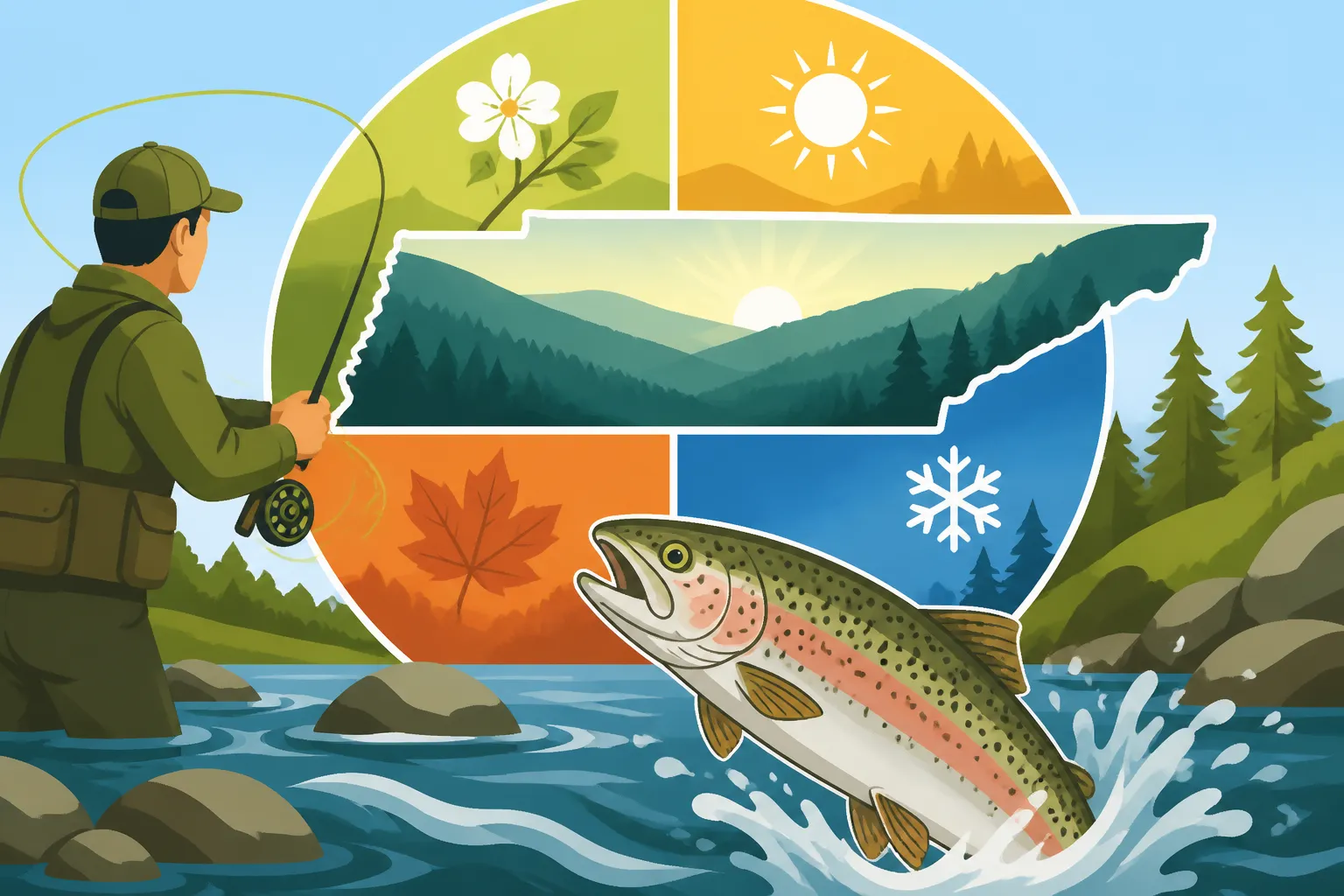
Tennessee offers fantastic trout fishing opportunities year-round, but the regulations, available species, and even the best techniques can shift dramatically with the seasons. The Tennessee Wildlife Resources Agency (TWRA) manages these fisheries carefully, often dividing the year into two main regulatory periods to protect fish during crucial times and to maximize recreational opportunities. This seasonal split often causes confusion, but once you understand the logic behind it, you'll be much better equipped to plan your trips.
The Standard Statewide Trout Season
For much of the year, typically from March 1st through September 30th, Tennessee operates under a more standardized statewide trout season. During this period, the daily creel limit for trout is seven fish, but with a specific carve-out for brown trout. You can only keep two brown trout per day within that overall limit of seven. This statewide regulation aims to provide consistent angling opportunities across the state's diverse trout waters, from large reservoirs to smaller streams. It's designed to be a straightforward guideline for most anglers.
During this primary season, you'll find trout in various habitats. Stocked streams and tailwaters are often buzzing with activity, especially in the spring and early summer when water temperatures are still favorable. Wild trout populations in higher elevation streams in places like the Great Smoky Mountains National Park are also thriving. It’s important to remember that even within this statewide period, specific waters might have their own unique regulations, so always double-check local signage or the latest TWRA guide before heading out.
The Special Winter Trout Fishing Season
Things shift significantly from October 1st through the last day of February. This is what many anglers refer to as the "winter season" or the "catch-and-release" period for many streams. During these colder months, many waters transition to special regulations that often include reduced creel limits, artificial lure-only restrictions, or even mandatory catch-and-release policies. This change is primarily driven by the need to protect spawning trout, particularly brown trout and brook trout, which typically spawn in the fall and early winter.
These special regulations are absolutely critical for the long-term health of Tennessee's trout fisheries. By limiting harvest and requiring specific gear, the TWRA helps ensure that wild populations can successfully reproduce, and that stocked fish have a chance to grow. Ignoring these specific rules can lead to stiff penalties, so paying close attention to the signage at your chosen fishing spot is paramount. Many of these winter-specific rules are in place on popular tailwaters like the Clinch River or Caney Fork River, which are renowned for their trophy trout potential.
Spring Trout Fishing: A Time of Abundance
Spring in Tennessee is arguably one of the most exciting times to be a trout angler. As the weather warms and rivers begin to swell with rain and snowmelt, trout become incredibly active, making it a prime time for both stocked and wild fish. The increasing insect activity also means that fly anglers will find abundant hatches.
March Through May: Early Season Action
When March rolls around, many anglers are practically bursting with anticipation. Water temperatures, while still chilly, are on the rise, signaling to trout that it's time to feed aggressively after the leaner winter months. This is when the majority of rainbow trout stocking truly kicks into high gear across the state, with the TWRA releasing thousands of fish into designated trout waters. You can find detailed information about when and where fish are stocked in the Tennessee Trout Stocking Schedule and Season guide. These freshly stocked fish are often eager to bite, making it an excellent time for beginners and families to get out and enjoy the sport.
Accessing these areas during early spring can sometimes be a challenge due to higher water levels from rain and snowmelt, especially in streams originating in higher elevations. However, these conditions also bring fresh nutrients into the system, invigorating the trout. Popular spots like the Clinch River tailwater below Norris Dam and the Hiwassee River are often fantastic, offering a mix of stocked and holdover trout. Anglers often find success using PowerBait, corn, small spinners like Mepps or Panther Martins, and even basic live worms. It’s also a great time for fly fishing, with early spring hatches of midges and some Caddis.
June: Transition to Summer Fishing
As spring progresses into June, the fishing continues to be strong, though water temperatures begin to steadily climb. This marks the tail end of the consistent statewide regulations before the major shift in October. The longer days mean more time on the water, and the stable weather makes for pleasant outings. While stocking continues, many of the earlier stocked fish have spread out, grown a bit, and become more acclimated to their environment, making them a little more challenging and rewarding to catch.
By June, insect hatches become more diverse, providing excellent opportunities for fly anglers. Sulphurs, light Cahills, and various Caddis flies can be prolific, especially in the evenings. For spin anglers, small inline spinners, spoons, and soft plastics can be very effective. This period is also often when the Bobby Wilson Free Fishing Day occurs, usually the first Saturday in June, where no license is required for anyone to fish. This is a fantastic opportunity to introduce someone new to the sport without the hassle of permits. However, remember that the standard creel limits, including the specific brown trout limit, still apply on this day unless otherwise noted.
Summer Trout Fishing: Navigating Warmer Waters
Summer trout fishing in Tennessee, particularly from July through September, presents a unique set of challenges and rewards. As temperatures rise, trout become more sensitive to warm water, and anglers need to adjust their strategies to find success while also prioritizing the well-being of the fish.
July and August: Seeking Cool Sanctuaries
The dog days of summer in July and August can be tough on trout. Warmer water holds less oxygen, which stresses fish, making them lethargic and less willing to feed. During this time, the key to successful and ethical trout fishing is to seek out waters that remain consistently cold. This almost exclusively means tailwater fisheries below large dams, which release cold water from the bottom of their reservoirs, and high-elevation mountain streams.
Places like the Watauga River, South Holston River, and the Clinch River are prime summer destinations because of their cold, stable water temperatures. Here, trout can thrive even when air temperatures soar. Anglers should focus on fishing early in the morning or late in the evening when water temperatures are at their coolest. Using natural baits like worms or small insects, or artificial lures that minimize handling time, is crucial. If you're practicing catch and release, consider using barbless hooks and minimizing the time the fish is out of the water. On Tennessee Trout Limits and Season Rules, you can delve deeper into how the specific regulations guide responsible summer angling.
September: Preparing for Fall Spawning
As September arrives, there's a subtle but significant shift in the air. Nights get cooler, and water temperatures in some streams begin to drop, hinting at the approaching fall. This month can offer some excellent fishing as trout sense the coming changes and often begin to feed more aggressively in preparation for the upcoming spawning season, particularly for brown trout.
While still largely operating under the statewide 7-trout daily limit (with the 2-brown trout restriction), September is a critical time to be mindful of spawning activity, especially in streams with healthy wild brown trout populations. You might start to see brown trout moving into shallower, gravelly areas in preparation for nest building (redds). While it's tempting to target these fish, disturbing them during this vulnerable period can negatively impact future generations. Fly anglers might find success with terrestrials, small nymphs, and streamers mimicking baitfish. For spin anglers, small jerkbaits or grubs can work wonders. Remember to check local regulations carefully, as some specific stretches of water might already be transitioning to special fall/winter rules.
Fall Trout Fishing: The Magic of Cooler Temps
Fall is, for many, the absolute best time for trout fishing in Tennessee. The crisp air, vibrant foliage, and active fish make for an unforgettable experience. This season also marks a significant shift in regulations, especially as we move deeper into October and November.
October and November: Brown Trout Spawning Excitement
When October hits, a sense of anticipation fills the air for many serious trout anglers. This is prime brown trout spawning season. While the statewide trout limit of 7 fish (with only 2 brown trout) applies through September 30th, many designated trout waters across Tennessee transition to their special fall and winter regulations starting October 1st. This is when you'll often encounter catch-and-release only sections, artificial lure-only rules, and reduced creel limits on certain streams. Understanding How the Trout Season Splits Between Spring and Fall in Tennessee is key to navigating these changes.
The focus shifts dramatically. Big brown trout, sometimes referred to as "brutes," become incredibly active and aggressive as they prepare to spawn. They'll actively defend their redds and feed opportunistically. This is a fantastic time to target them with larger streamers, swimbaits, or even larger nymphs. Areas like the Caney Fork River near Carthage or the Clinch River near Clinton become hotspots. It's crucial to be extra careful not to disturb spawning fish on their redds; targeting fish actively on nests is not only unethical but can also lead to fines. Instead, focus on aggressive fish holding in nearby pools or runs.
December: Late Fall Opportunities
As December arrives, the full force of the winter regulations is usually in effect across most of Tennessee's designated trout waters. While water temperatures continue to drop, trout remain active, especially in the nutrient-rich tailwaters. This is a time when the fish are often well-fed and strong, having bulked up during the fall.
Despite the colder weather, December can offer some spectacular fishing. The crowds often thin out, leaving you with more solitude on the water. Midges and small nymphs are often the go-to flies for fly anglers, while spin anglers might find success with tiny jigs or drifting salmon eggs or PowerBait in slower pools. Many of the "delayed harvest" waters, where trout are stocked in the fall but are catch-and-release until spring, offer phenomenal fishing during this time, allowing trout to grow significantly over the winter months. For specific details, make sure you're up to date on Tennessee Trout Limits and Season Rules before you cast a line.
Winter Trout Fishing: A Unique Challenge
Winter trout fishing in Tennessee, from January through February, might not be for everyone, but for those who brave the cold, it can offer some incredibly rewarding experiences. The fish are often in prime condition, and the serene quiet of the winter landscape adds to the appeal.
January and February: Cold Weather Strategies
January and February are typically the coldest months in Tennessee, and trout fishing demands patience and persistence. Most of the special fall/winter regulations, including catch-and-release or artificial-only rules, remain in effect on many popular trout streams. This protection allows trout to recover from spawning and gives stocked fish time to acclimate and grow before the spring season opens.
Trout metabolism slows down in cold water, meaning they feed less frequently and move less actively. The key is to fish slowly and precisely. Nymph fishing is often the most effective method for fly anglers, presenting small flies deep in slow-moving pools or current seams where trout conserve energy. Spin anglers can find success with tiny jigs, heavily weighted micro-spinners, or drift fishing natural baits like corn or PowerBait in the limited areas where bait is permitted. Always remember that on certain waters, only two brown trout count towards the 7-fish summer limit, but in winter, many specific waters will have even stricter limits or be entirely catch-and-release. For example, No more than 2 brown trout count toward the 7-fish summer limit is a good rule of thumb, but it is often superseded by more restrictive rules in winter on specific rivers.
Targeting Winter Holdovers
One of the great joys of winter fishing is targeting "holdover" trout. These are fish that were stocked months or even a year prior and have successfully adapted to the wild, growing larger and becoming more wary. They often have brighter colors and are much stronger fighters than freshly stocked fish. They've also learned the nuances of their environment, making them more challenging to catch.
Finding these holdovers often means seeking out deeper pools, submerged structure, or undercut banks where they can find cover and ambush prey. They are less likely to chase a fast-moving lure or fly, so a subtle, natural presentation is often best. Stealth is also important, as winter waters are often clearer, and trout are easily spooked. Layering up with warm, waterproof clothing is essential, and a good pair of insulated waders will make your day much more enjoyable. Checking reviews on Amazon for insulated waders can help you find a comfortable and durable pair for those chilly mornings.
Understanding Trout Stocking Schedules
Tennessee's trout program heavily relies on stocking to maintain robust populations, especially in waters that can't support natural reproduction due to warmer temperatures or habitat limitations. Knowing the stocking schedule can significantly improve your chances of success.
When and Where Trout are Stocked
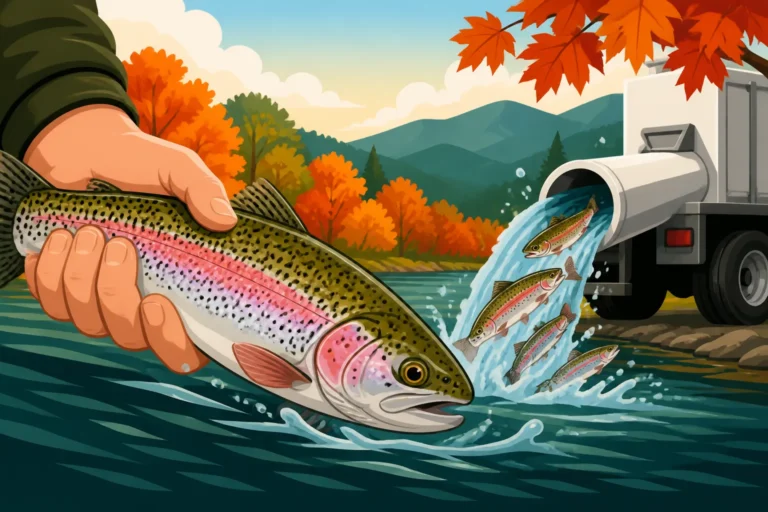
The TWRA does an incredible job of stocking hundreds of thousands of rainbow, brown, and brook trout annually into rivers, streams, and even some ponds across the state. Rainbow trout are by far the most commonly stocked species. While stocking occurs year-round in various capacities, the peak stocking periods are typically in the spring and fall. Spring stocking begins as early as March and continues through early summer, replenishing waters for the general season. Fall stocking often starts in October, particularly in "delayed harvest" waters, providing fish for the winter catch-and-release period.
You can often find weekly or monthly stocking reports on the TWRA's official website, which are invaluable for planning your trips. These reports specify the stream, the species stocked, and sometimes even the size of the fish. For example, you might see reports for the Hiwassee River, Tellico River, or local state park ponds near Nashville or Knoxville. These regular infusions of trout ensure that even if you're not an expert angler, you have a good chance of catching fish. Learning about When Tennessee Stocks Rainbow Trout Each Year can provide specific insights into timing.
Different Types of Stocked Waters
Not all stocked waters are created equal, and understanding the differences can help you refine your approach.
Regular Stocking Waters: These are streams and rivers that receive regular stockings throughout the spring and sometimes into summer. They are often managed with standard statewide regulations, though some might have localized exceptions. These waters are great for consistent action and for those who enjoy taking a few fish home for dinner.
Delayed Harvest Waters: These are a special category, typically stocked in the fall and managed under strict catch-and-release, artificial-lure-only rules from October 1st through the end of February. This allows the stocked fish to grow significantly, spread out, and become more challenging before a harvest season opens, usually on March 1st. The Caney Fork River is a prime example of a popular delayed harvest fishery.
Winter Stocked Ponds: In addition to rivers, the TWRA also stocks trout into select small ponds and lakes, often in urban or suburban areas, specifically for winter fishing. These ponds are incredibly popular for family fishing and offer easy access. They typically have their own specific regulations regarding limits and bait, so always check before you go. You can find information about Fall Trout Stocking Streams in Tennessee and other specific locations to help guide your winter adventures.
Special Regulations and Local Exemptions
While Tennessee has overarching statewide fishing regulations, it's absolutely crucial to understand that many individual rivers, streams, and lakes have their own specific rules that can override the general guidelines. Failing to check these local exemptions can lead to confusion or, worse, penalties.
Tailwater Fisheries: A World of Their Own
Tennessee is blessed with an abundance of fantastic tailwater fisheries, which are stretches of river immediately downstream from large dams. These waters, fed by cold, oxygen-rich releases from the bottom of reservoirs, create ideal trout habitat year-round. However, their unique ecosystems often necessitate unique regulations. Popular tailwaters like the Clinch River, South Holston River, Watauga River, and Caney Fork River each have highly specific rules regarding creel limits, size restrictions, gear limitations (e.g., artificial lures only, single hook only), and even fishing seasons for certain species or stretches.
For instance, a section of the Clinch River might be catch-and-release only with artificial lures, while a few miles downstream, bait fishing might be permitted, and a harvest limit applies. These differences are often marked with clear signage along the riverbanks, but it's always best practice to consult the current TWRA Fishing Guide or their website before visiting. These special regulations are put in place to manage complex, highly productive fisheries that attract thousands of anglers annually, ensuring sustainable fishing pressure.
Great Smoky Mountains National Park Rules
Another major area of special regulation that impacts Tennessee trout fishing is within the Great Smoky Mountains National Park. While fishing within the park is permitted year-round, it operates under its own distinct set of rules, separate from TWRA regulations. The park is managed for wild trout, primarily brook trout, rainbow trout, and brown trout, with a strong emphasis on conservation and native species.
Key differences within the park include:
- No fishing license required: You don't need a Tennessee state fishing license, but you do need a valid fishing permit from the park (which can be obtained at visitor centers or online).
- Artificial lures only: Only single-hook, artificial lures are permitted. Bait fishing is strictly prohibited.
- Reduced creel limits: The daily creel limit is often lower than state limits, typically five fish per day, and size restrictions apply.
- Native Brook Trout Protection: Special regulations are in place to protect the park's native brook trout populations, often including catch-and-release only sections or even closures on specific streams.
Anglers targeting Trout Fishing in the Great Smoky Mountains, Tennessee must familiarize themselves with the park's specific guidelines, which can be found on the National Park Service website. These rules are vital for preserving the delicate ecosystems of these pristine mountain streams.
Lake-Specific Rules and Other Exceptions
Beyond tailwaters and national parks, some specific lakes or reservoirs might also have unique trout regulations. For example, while not primarily trout fisheries, some reservoirs might have occasional trout stockings or unique catch limits for trout species that manage to survive in deeper, cooler sections. It’s always best to check the "Lake Specific Rules That Override Tennessee's Statewide Limits" section in the TWRA fishing guide if you're venturing to a new body of water.
A fantastic way to stay informed and compliant is to download the free "TWRA On The Go" app, available on most smartphone app stores. This app provides immediate access to the current fishing guide, stocking reports, and licensing information, making it incredibly easy to verify regulations right on the water. It's truly a game-changer for staying up-to-date and ensuring you're always fishing legally and responsibly.
Essential Gear and Techniques for Each Season
Having the right gear and knowing how to adapt your techniques to the changing seasons is paramount for successful trout fishing in Tennessee. What works perfectly in spring might be completely ineffective (or even harmful) in the heat of summer or the cold of winter.
Rods, Reels, and Line Choices
For general trout fishing in Tennessee, a good all-around setup would be a lightweight spinning rod, usually 5 to 6.5 feet long, with a fast action for good sensitivity. Pair this with a small spinning reel (size 1000 or 2000) spooled with 4-6 pound test monofilament or fluorocarbon line. Fluorocarbon is less visible underwater and has less stretch, offering better feel, which can be crucial for detecting subtle trout bites. For ultralight fishing, which is fantastic for smaller streams and highly pressured fish, you might drop down to a 2-4 pound test line.
Fly anglers targeting Tennessee's diverse waters will want a versatile setup. A 4 to 6-weight fly rod, 8.5 to 9 feet long, is a great all-around choice. A 5-weight is often considered the most versatile for everything from nymphing to throwing dry flies and smaller streamers. Pair this with a matching reel and a weight-forward floating fly line. Your leader and tippet choice will vary significantly by technique and water clarity, ranging from 5X to 7X for delicate presentations. If you're serious about fly fishing, browsing Fly Fishing Basics for Trout can give you a solid foundation for getting started.
Seasonal Lures and Baits
- Spring:
- Spin Fishing: Stocked trout are often hungry and less wary. PowerBait (especially in bright colors like chartreuse, orange, or rainbow), corn, salmon eggs, and small live worms are highly effective. Small inline spinners (Mepps, Panther Martin, Rooster Tail) in sizes #0-2, and tiny spoons are also excellent choices.
- Fly Fishing: Early spring sees hatches of midges and some smaller Caddis. Emerger patterns, small nymphs (Zebra Midges, Pheasant Tail, Hare's Ear), and small streamers can work well.
- Summer:
- Spin Fishing: Focus on cold tailwaters. Small inline spinners, spoons, and soft plastic grubs in natural colors are effective. If bait is allowed, a carefully presented live worm or piece of corn can entice lethargic fish.
- Fly Fishing: Hatches vary, but often include Caddis, Sulphurs, and Tricos (especially early mornings). Terrestrial patterns (ants, beetles, hoppers) become very productive near grassy banks. Nymphs fished deep remain a staple.
- Fall:
- Spin Fishing: Brown trout become aggressive. Larger inline spinners, spoons, small jerkbaits, and swimbaits can trigger strikes. Soft plastics resembling baitfish are also good. Where bait is allowed, minnows or larger worms can be effective for bigger fish.
- Fly Fishing: Streamers (Woolly Buggers, Sculpins, articulated patterns) are fantastic for aggressive, pre-spawn brown trout. Larger nymphs, Caddis, and October Caddis patterns are also good.
- Winter:
- Spin Fishing: Fish slowly and deep. Tiny jigs (1/32 to 1/16 oz) with small plastic bodies in natural or dark colors, micro-spinners, or drifting small natural baits like single salmon eggs or PowerBait where permitted.
- Fly Fishing: Very small nymphs (Zebra Midge, Griffith's Gnat, Brassie) fished deep under an indicator are often the most productive. Slowly retrieved small streamers can also entice a strike from a sluggish trout.
For specific recommendations on what to use on certain rivers, looking up things like "Best Lures for Stocked Rainbow Trout" or "Best Fly Patterns for Brown Trout" on Amazon can lead you to highly-rated options and insights from other anglers.
Essential Accessories and Safety
Beyond your rod and reel, a few key accessories will make your trout fishing experience much better:
- Waders and Boots: Especially for cooler weather and stream access. A good pair of breathable waders for warmer months and insulated ones for winter will allow you to reach prime spots. You can find highly-rated options for Best Waders for Smoky Mountains Trout Streams on popular online retailers.
- Net: A rubber-coated net is ideal for safely landing trout, as it's gentle on their slime coat and less likely to tangle hooks.
- Pliers/Forceps: Essential for quickly and safely removing hooks, especially if practicing catch and release.
- Polarized Sunglasses: Reduce glare, allowing you to see fish and submerged structure much better.
- Layered Clothing: Tennessee weather can change quickly. Dressing in layers ensures you're comfortable throughout the day.
- Water and Snacks: Always stay hydrated and fueled.
- First-Aid Kit: For minor cuts and scrapes.
- TWRA Fishing Guide/App: Always have access to the current regulations, either a physical copy or the "TWRA On The Go" app on your phone.
- Fishing License: Make sure you have your current Tennessee Fishing License Guide. Penalties for fishing without a license in Tennessee can be significant, so don't risk it!
Remember, responsible angling includes respecting private property, leaving no trace, and practicing ethical catch-and-release methods when appropriate. Knowing when to target specific species, such as Tennessee Trout Guide: Rainbow, Brown, and Brook Trout, will also enhance your overall fishing strategy.
Conclusion and Planning Your Trip
Navigating Tennessee's trout fishing seasons might seem complex at first glance, but with a bit of understanding and a commitment to checking the current regulations, you'll unlock a world of incredible angling opportunities. From the eager bites of freshly stocked rainbows in spring to the challenging pursuit of trophy brown trout in the fall, there’s truly something for every angler at every time of year.
The key takeaways are clear:
- Understand the Statewide vs. Special Regulations: Remember the general March-September period with a 7-trout limit (2 brown trout max), and the stricter, often artificial-lure-only or catch-and-release rules from October-February on many waters.
- Always Check Local Rules: Tailwaters, the Great Smoky Mountains National Park, and specific lakes often have their own unique regulations that supersede statewide rules. Use the TWRA app or website!
- Adapt Your Gear and Techniques: Trout behavior changes with water temperature and season. Be prepared to adjust your lures, baits, and presentation.
- Prioritize Fish Health: Especially in summer and during spawning seasons, practice ethical handling to ensure the long-term health of the fishery.
Whether you're planning a trip to the famed Clinch River, a secluded mountain stream in the Smokies, or a local stocked pond, taking the time to understand the nuances of the Tennessee trout fishing season will not only keep you legal but also significantly increase your chances of a memorable and successful outing. So, grab your gear, check the regulations, and get ready to experience some of the best trout fishing the Southeast has to offer!
Disclaimer
The information provided in this guide is for general informational purposes only and is not intended as legal advice. Fishing regulations in Tennessee are subject to change by the Tennessee Wildlife Resources Agency (TWRA) and other governing bodies. It is the angler's sole responsibility to consult the most current official TWRA fishing guide, local signage, and relevant federal or park regulations before engaging in any fishing activity. Non-compliance with fishing laws can result in fines and penalties.