Best Times to Fish in Tennessee Year-Round
If you're anything like me, you know that trying to figure out the "best" time to go fishing in Tennessee can feel like chasing a ghost. You hear tales of trophy catches in the spring, epic topwater action in summer, and monster fish in the fall, leaving you wondering if there's ever a "bad" time. This comprehensive guide is here to cut through the confusion, offering a seasoned angler's perspective on when and how to maximize your fishing success throughout all four beautiful Tennessee seasons.
Understanding Tennessee's Fishing Seasons
Tennessee is a truly unique state when it comes to fishing, boasting an incredible diversity of waters, from vast reservoirs to winding rivers and pristine trout streams. This variety means that while some general rules apply, understanding the nuances of each season and how it impacts different species is absolutely crucial for consistent success. It's not just about the calendar date; it's about water temperature, fish biology, and the shifting buffet of available forage.
Why Seasons Matter for Anglers
Think of fishing seasons not just as arbitrary calendar markers, but as distinct chapters in the annual life cycle of fish. Each season brings a different set of challenges and opportunities, directly influencing where fish hold, what they eat, and how aggressively they feed. Ignoring these seasonal shifts is like trying to use a bass lure for trout – you might get lucky, but you're probably not going to have a very productive day. For example, the spring spawn brings fish into shallow waters, making them more accessible, while scorching summer heat drives them deep or into low-light conditions. Understanding these patterns allows you to adapt your approach, choose the right baits, and target the most active fish. It also helps you plan your trips around prime conditions, rather than just hoping for the best.
General Overview of Seasonal Fishing Patterns
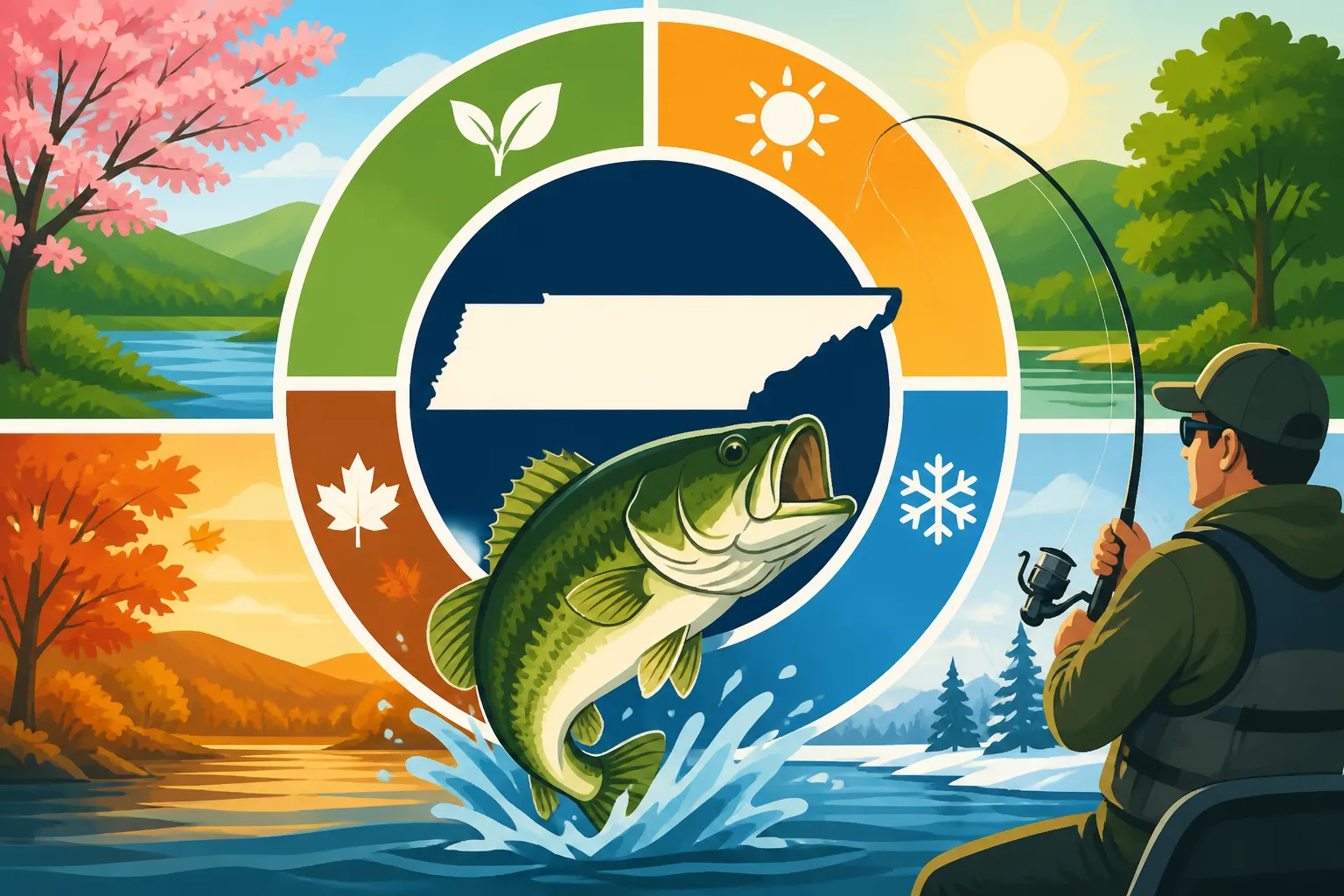
Generally speaking, Tennessee's fishing year can be broken down into periods of high activity and periods requiring more specialized tactics. Spring sees a surge in activity as fish move to spawn, making it a fantastic time for largemouth bass, smallmouth bass, and crappie. Summer can be tougher due to high heat and recreational boat traffic, but it offers excellent opportunities for deep-water trolling for striped bass and night fishing for catfish. Fall brings another burst of feeding as fish fatten up for winter, making it a second peak season for many species, particularly aggressive bass and hungry trout. Winter, while often overlooked, can be incredibly rewarding for those willing to brave the cold, offering chances at trophy-sized fish in deep water and consistent trout action on tailwaters. We'll dive into the specifics of each in the following sections, but always remember that local conditions, recent weather, and specific species behaviors are key.
Spring Fishing in Tennessee: The Season of Renewal
Spring in Tennessee is often hailed as the best time to fish, and for good reason. As the days lengthen and water temperatures slowly rise, the entire aquatic ecosystem awakens. Fish become more active, moving out of their winter haunts and beginning their annual spawning rituals. This period of increased metabolism and reproductive drive makes them more predictable and often more willing to strike.
Targeting Spawning Bass and Crappie
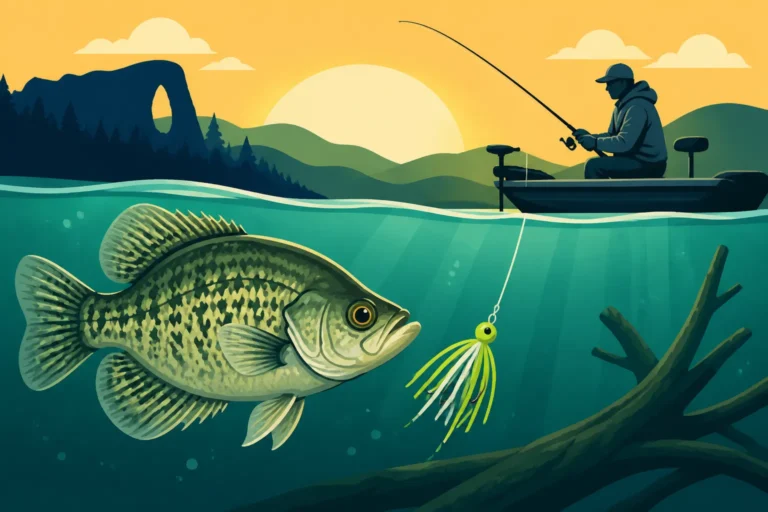
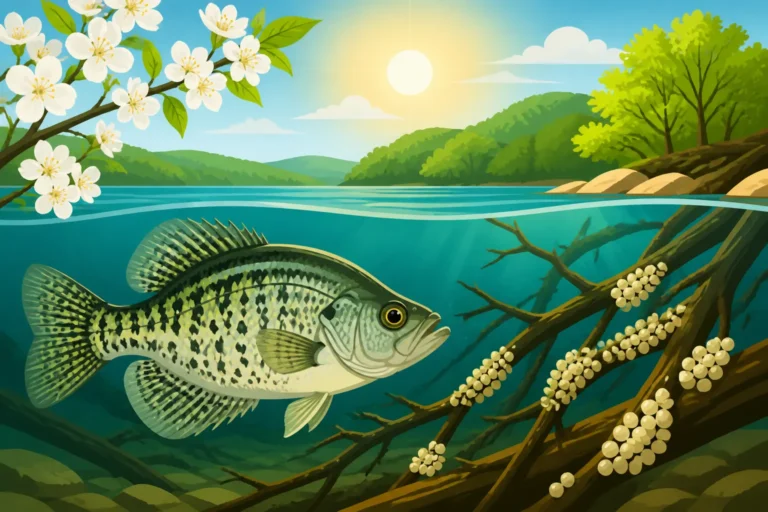
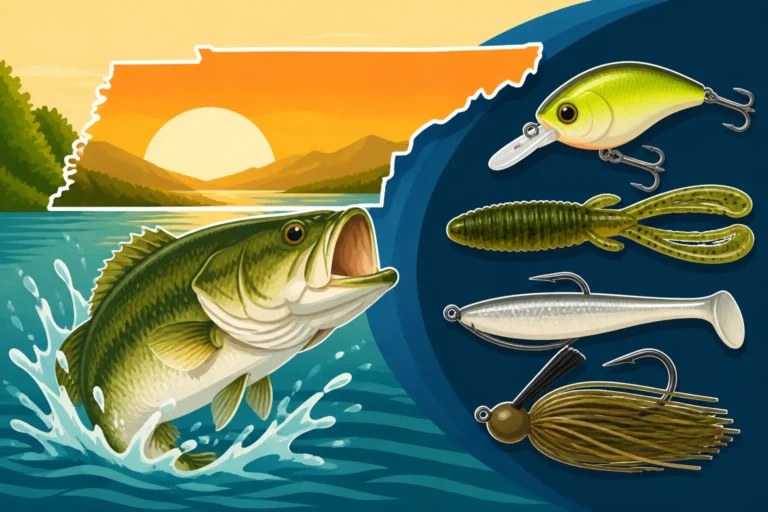
Few times of year rival the excitement of spring bass and crappie fishing in Tennessee. As water temperatures climb into the 50s and 60s Fahrenheit, both species begin their journey towards shallower waters to spawn. This is when you'll find largemouth bass moving into coves, creeks, and protected shallow areas with some kind of cover – think submerged brush, docks, or laydowns. They'll be looking for ideal spots to build nests, and during this pre-spawn and spawn period, they can be incredibly aggressive and territorial. Crankbaits, spinnerbaits, and soft plastics like Texas-rigged worms or jigs are excellent choices. You might also find success with a lipless crankbait or even a chatterbait as they transition. For crappie, the action heats up when water temperatures hit the mid-50s. They'll congregate in shallow areas, often around brush piles, submerged timber, or even lily pads in lakes like Reelfoot Lake or Kentucky Lake. Small jigs (1/16 to 1/8 ounce) tipped with a soft plastic grub or live minnows are deadly. Techniques like spider rigging from a boat or simply casting and retrieving along structure can yield impressive stringers. Remember, during the spawn, fish are focused on reproduction, so approaching quietly and respecting their beds is good practice. Check out Tennessee Bass Fishing Seasons and Patterns and Tennessee Crappie Fishing Guide by Season for more in-depth strategies.
Early Spring Trout Opportunities
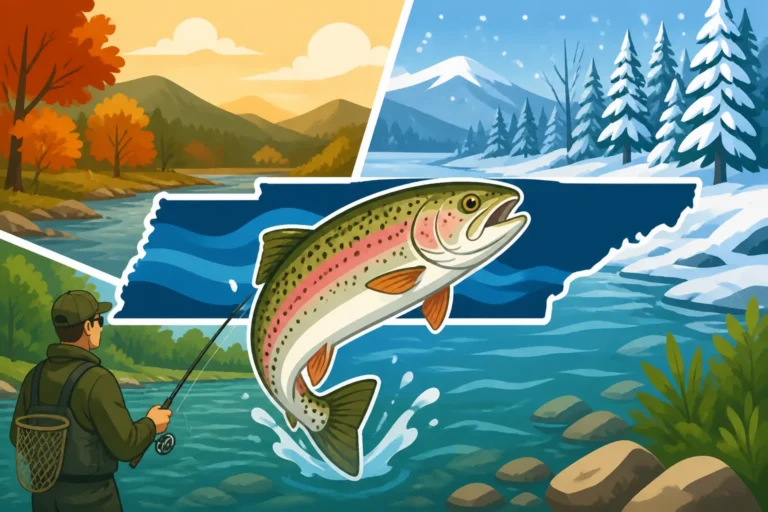
While many anglers focus on bass and crappie, early spring also provides fantastic opportunities for trout fishing, particularly in Tennessee's numerous stocked streams and cold-water tailwaters. Rivers like the Clinch River below Norris Dam or the Caney Fork River are renowned for their year-round trout fishing, but spring brings milder weather and often strong flows, which can spread fish out and bring new food sources. Rainbow trout, brown trout, and even native brook trout become more active as insect hatches begin. Fly fishing with nymphs, emergers, and eventually dry flies can be incredibly productive, but spin anglers also do very well with small inline spinners, spoons, or live bait like PowerBait or worms. The Tennessee Wildlife Resources Agency (TWRA) conducts regular stockings of rainbow trout in many streams and ponds, especially from fall through spring, ensuring good populations. Knowing the Tennessee Trout Stocking Schedule and Season can help you plan trips to recently stocked waters for consistent action.
Catfish Activity Ramps Up
Don't overlook catfish during the spring! As water temperatures rise, channel catfish, blue catfish, and flathead catfish become much more active after their cooler winter dormancy. While the peak spawn for channel cats usually hits in late spring or early summer, the warming water in April and May gets them on the prowl. They'll move into shallower areas, especially around creek mouths, flats, and areas with current, searching for food. Fresh cut bait (shad is a local favorite), chicken livers, and stink baits are all highly effective. For flatheads, which prefer live bait, try bluegill or shad. Fishing from the bank or anchoring in a boat in strategic locations on large reservoirs like Chickamauga Lake or Watts Bar Lake can lead to some truly impressive catches. For more specific tactics, be sure to read our guide on Tennessee Catfish Fishing Techniques and Seasons.
Summer Fishing in Tennessee: Beating the Heat
Summer fishing in Tennessee often gets a bad rap, mostly because the rising temperatures and increased recreational boat traffic can make conditions challenging. However, with the right strategies and a willingness to adjust your schedule, summer can still be incredibly productive, especially if you know where and when to look for active fish. It’s all about adapting to the heat and finding the cooler, more oxygenated water.
Deep Water Strategies for Bass and Stripers
When the sun is high and the surface water temperature climbs, most game fish, especially bass, will retreat to deeper, cooler, and more stable environments. This means focusing your efforts on offshore structures, ledges, humps, and deep points on lakes like Kentucky Lake or Percy Priest Lake. Carolina rigs, deep-diving crankbaits, football jigs, and drop-shot rigs become your best friends for targeting these deep-holding bass. Electronics like a good fish finder (many excellent options are available on Amazon) are almost essential to locate these subtle deep-water features and the schools of fish holding on them.
Striped bass, which are also temperature-sensitive, will also move to the cooler depths, often suspending over open water or congregating around baitfish schools near the thermocline. Trolling with large swimbaits, bucktail jigs, or live gizzard shad at specific depths can be incredibly effective. Early mornings, late evenings, and even cloudy days can bring them closer to the surface, but generally, deep water is the key during the dog days of summer.
Night Fishing for Catfish and Crappie
Summer nights offer a fantastic escape from the heat and crowds, providing some of the best fishing opportunities of the year for certain species. Catfish, especially blue and channel cats, are primarily nocturnal feeders, and the cooler night air often brings them into shallower areas to hunt. Anchoring up in a productive channel or flat with fresh cut bait or chicken livers can lead to non-stop action under the stars.
Crappie also bite well at night, particularly around lighted docks or brush piles. The lights attract baitfish, which in turn attract crappie. Using small jigs or minnows fished vertically under a light can be deadly. Lakes like Old Hickory Lake and Pickwick Lake are known for their excellent night fishing. Just be sure to bring proper lighting, bug spray, and all your safety gear if you’re heading out after dark.
High-Altitude Trout Retreats
For those who crave trout action when the rest of the state is sweltering, the high-altitude streams of the Great Smoky Mountains National Park offer a refreshing reprieve. These headwater streams remain cold year-round, making them prime habitat for wild brook trout, rainbow trout, and brown trout. While the fish may be smaller than their tailwater cousins, the pristine environment and the challenge of fishing these tight, clear streams are incredibly rewarding. Fly fishing with small dry flies, nymphs, or even tiny spinners is the preferred method here. You'll often need to hike to reach the best spots, but the solitude and beauty are worth the effort. Always check park regulations, as they can differ from statewide rules. This is truly one of the Tennessee's Best Trout Streams experiences you can have.
Fall Fishing in Tennessee: A Feast Before Winter
Autumn in Tennessee is a magical time, not just for the stunning foliage, but for the fishing. As air temperatures cool and water temperatures begin their gradual descent, many fish species enter a "feeding frenzy" phase, actively bulking up for the leaner winter months ahead. This can lead to some of the most consistent and exciting fishing of the year.
Aggressive Bass and Crappie Feeding Frenzies
Fall is often considered the second best time, if not equal to spring, for bass fishing in Tennessee. Both largemouth and smallmouth bass become incredibly aggressive, chasing down baitfish that are also schooling up. They'll follow these baitfish into creek arms, shallow coves, and onto main lake points. Topwater baits can still be effective in the mornings, but crankbaits, spinnerbaits, jerkbaits, and Alabama rigs shine as fish actively pursue their prey. Look for birds diving, which often indicates schooling baitfish and, consequently, active bass underneath. Tennessee's Top Bass Fishing Lakes like Chickamauga Lake and Dale Hollow Lake are particularly renowned for their fall bass fishing.
Crappie also experience a significant resurgence in activity during the fall. As temperatures drop into the 60s and 50s, crappie will move out of their deep summer haunts and gather in large schools, often relating to submerged timber, brush piles, and bridge pilings in 10-25 feet of water. Vertical jigging with small jigs or live minnows is a highly effective technique. Spider rigging or slow trolling can also cover more water and locate these active schools.
Fall Trout Stocking Programs
While summer might be tough for trout in many areas, fall brings a renewed focus on trout fishing, especially with the onset of the TWRA's fall stocking programs. Many designated trout waters, particularly those accessible to a wider public like state park ponds and community lakes, receive fresh stockings of rainbow trout. These recently stocked fish are often eager to bite and provide excellent action for anglers of all skill levels. Fishing with PowerBait, corn, small worms, or inline spinners can be very successful. Fly anglers can also do well with attractor patterns or small nymphs. These stocking events create fantastic opportunities for families and beginners to experience the joy of trout fishing, often found in easily accessible locations throughout East and Middle Tennessee. This is a prime time to explore new waters if you enjoy Tennessee Trout Fishing Season Explained.
Prime Time for Walleye and Muskie
For anglers seeking a different kind of fight, fall is an excellent time to target walleye and muskie in Tennessee. Walleye, which can be found in reservoirs like Norris Lake and Dale Hollow Lake, become more active as water temperatures drop. They often move onto main lake points, humps, and ledges, feeding heavily on baitfish. Trolling with crankbaits or casting jigs and spoons are productive methods. Muskie, the elusive "fish of 10,000 casts," also become more aggressive as winter approaches. Rivers like the Cumberland River and parts of the Tennessee River hold these magnificent predators. Large bucktail spinners, jerkbaits, and swimbaits are the go-to lures for muskie, requiring heavy tackle and a lot of patience. This is a serious commitment but can result in a truly memorable trophy catch.
Winter Fishing in Tennessee: Patience Pays Off
Winter fishing in Tennessee is definitely not for the faint of heart. The cold air, frosty mornings, and often sluggish fish can deter many anglers. However, for those willing to brave the elements, winter can offer some of the most peaceful and rewarding fishing experiences, often with fewer crowds and the chance at truly large, healthy fish that are still feeding, albeit more subtly.
Targeting Deep-Holding Bass and Crappie
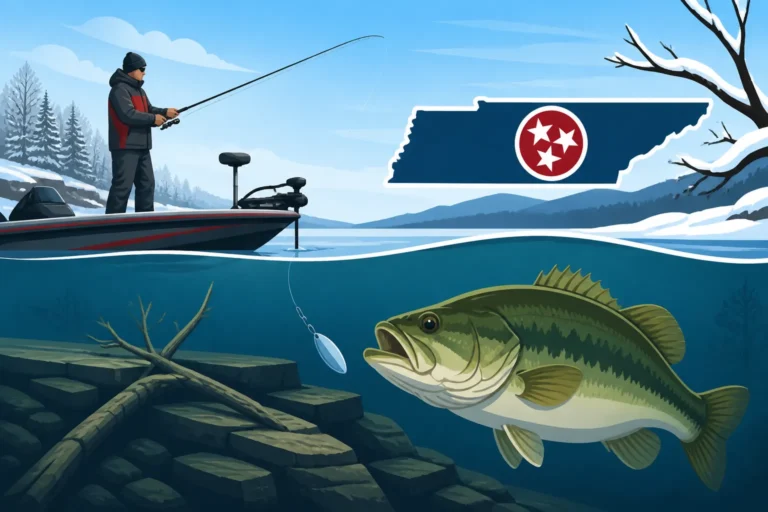
In the coldest months, most fish species retreat to their deepest, most stable haunts. For bass, this means deep water on main lake points, bluff walls, channel swings, and submerged timber. Fish metabolism slows down significantly, so your presentation needs to be slow and deliberate. Vertical jigging with spoons or blade baits, slowly dragging football jigs, or using a Ned rig can entice lethargic bass. Sonar becomes an even more critical tool to locate these isolated fish and structure. Don't expect fast and furious action; instead, focus on making precise presentations to individual fish or small schools you've marked on your electronics. Sometimes, a single bite can be a trophy.
Crappie also congregate tightly in deep water during winter, often forming massive schools around brush piles, standing timber, or bridge pilings in 30-50 feet of water. They will suspend at specific depths within these structures. Vertical jigging with tiny jigs (1/32 or 1/64 ounce) or minnows, using a sensitive rod, is the key. Often, the bite will feel like a slight "thump" or simply added weight. Locating these dense schools is the biggest challenge, but once you do, the action can be steady, leading to a great day of catching.
Winter Trout Fishing on Tailwaters
Tennessee's cold-water tailwaters, like the Clinch River, Caney Fork River, and Holston River, truly shine in the winter months. Because the water released from the bottom of dams remains a consistent, cold temperature year-round, these rivers offer fantastic trout fishing even when other waters are frozen or too cold. In fact, many trophy brown trout are caught during the winter. Midges, tiny nymphs, and small streamers are often the most effective fly patterns, while spin anglers can do well with very small inline spinners, Velveeta cheese, or PowerBait. The key is often to fish deeper and slower, mimicking the natural drift of insects in the cold water. The lack of heavy recreational traffic also adds to the serene experience. Just be prepared for cold weather with plenty of layers, and always be aware of changing water levels due to dam releases.
Less Pressure, More Solitude
Perhaps one of the biggest "benefits" of winter fishing in Tennessee is the sheer solitude. While fair-weather anglers are tucked inside, those who venture out often find themselves with entire stretches of water to themselves. This lack of pressure can make the fish less wary and the overall experience more peaceful. There's something truly special about being on the water in the quiet of winter, watching the steam rise off the lake, and earning a hard-fought bite. It takes a certain kind of dedication, but the rewards are often more profound than just the fish themselves. Remember that obtaining your Tennessee Fishing License Guide is an annual responsibility, and it's especially nice to have fewer people competing for prime spots.
Daily and Weather Considerations for Optimal Fishing
Beyond the broader seasonal patterns, the daily conditions can dramatically influence your fishing success. Understanding how factors like time of day, weather, water temperature, and barometric pressure affect fish behavior can turn a slow day into a memorable one. It’s all about putting together the puzzle pieces to predict where and when fish will be most active.
Best Times of Day to Fish
Generally speaking, the periods around dawn and dusk are often the most productive times to fish, regardless of the season. These "low-light" conditions offer several advantages:
- Reduced Light Intensity: Many predatory fish have superior low-light vision, giving them an advantage over their prey.
- Cooler Temperatures: In summer, these are the coolest parts of the day, when fish are most comfortable and active. In winter, late morning or early afternoon might be better as the sun has had a chance to warm the air and shallow water slightly.
- Increased Baitfish Activity: Baitfish are often more active and less wary during these times, leading to more feeding opportunities for game fish.
- Less Pressure: There are typically fewer other anglers and recreational boaters on the water during these hours, leading to calmer waters and less disturbed fish.
During the middle of the day, especially under bright sun, fish tend to retreat to deeper, cooler water or seek dense cover. Adapting your techniques to these conditions, such as fishing slower or using jigs to target structure, is crucial.
Impact of Weather, Water Temperature, and Barometric Pressure
These factors are paramount in shaping fish behavior:
-
Water Temperature: This is arguably the single most important factor. Each species has an optimal temperature range for feeding and spawning. For example, bass become active in the 50s and 60s, while crappie prefer slightly warmer water in the mid-60s for spawning. Knowing the How Water Temperature Affects Fish Activity is fundamental. In summer, hot water sends fish deep; in winter, extremely cold water slows them down. A sudden drop in water temperature (like after a cold front) can shock fish and make them sluggish, while a gradual warming trend often signals increased activity.
-
Barometric Pressure: Often overlooked, changing barometric pressure has a significant impact.
- Falling Pressure: Often precedes a storm front and indicates active feeding. Fish sense the approaching weather and feed aggressively.
- Stable Pressure: Generally good fishing, especially if it's been stable for a few days.
- Rising Pressure: Often occurs after a cold front has passed. Fish tend to become lethargic and less active, moving to deeper water or denser cover. This is when fishing can be tough, requiring slow, precise presentations.
-
Clouds and Rain: Cloudy days are often excellent for fishing, as they reduce light penetration and can extend prime feeding times beyond dawn and dusk. Light rain can also stimulate fish, washing insects and nutrients into the water. Heavy downpours, however, can muddy the water and disrupt fishing, although some species like catfish might become more active in stained water.
Reading the Water: Signs of Productive Spots
Becoming a successful angler means learning to "read the water" – observing subtle clues that indicate where fish might be holding or feeding.
- Baitfish Activity: Look for schools of baitfish dimpling the surface, jumping out of the water, or being chased by larger predators. This is a clear sign that game fish are nearby and actively feeding. Birds diving into the water are another excellent indicator of schooling baitfish.
- Structure and Cover: Fish love structure (changes in bottom contour like ledges, humps, creek channels) and cover (submerged timber, brush piles, docks, rocks, vegetation). These provide ambush points, shade, and protection. Use your electronics to locate submerged structures, and visually scan for visible cover.
- Current: In rivers and tailwaters, current is everything. Fish will position themselves in current breaks, behind rocks, or along seam lines to conserve energy while waiting for food to drift by. Pay attention to eddies and slack water pockets.
- Water Color and Clarity: While some fish prefer clear water, others thrive in stained or muddy conditions. For example, catfish often bite well in murky water, while trout generally prefer clear, oxygenated streams. Adjust your lure colors and presentation based on water clarity. Sometimes, even subtle variations in water color can indicate a change in depth or current.
Essential Gear and Planning for Year-Round Success
Having the right mindset is crucial, but so is having the right tools for the job. Tennessee's diverse fishing environments and ever-changing seasons demand a flexible approach to your gear and a solid understanding of the rules.
Adapting Your Tackle Box for Each Season
One tackle box simply won't cut it for year-round fishing in Tennessee. You'll need to adapt your lure choices, line types, and even rod and reel setups to match the conditions and target species of each season.
- Spring: Focus on reaction baits for pre-spawn bass (crankbaits, spinnerbaits, chatterbaits) and finesse plastics for spawning fish (jigs, worms). For crappie, small jigs and minnows are paramount. Consider a medium-action spinning rod for versatility.
- Summer: Shift to deep-diving crankbaits, heavy jigs, Carolina rigs, and drop-shot rigs for bass. For striped bass, large swimbaits and live bait setups are key. Night fishing for catfish requires sturdy rods and heavy lines with robust hooks. Don't forget your headlamp!
- Fall: This is a power fishing season for bass – larger crankbaits, Alabama rigs, and jerkbaits to mimic schooling baitfish. Crappie will respond well to jigging spoons and minnows on bridge pilings. For trout, smaller spinners and flies are effective as stocking increases.
- Winter: Slow down. Finesse techniques dominate for bass and crappie in deep water (spoons, Ned rigs, tiny jigs). For tailwater trout, focus on very small nymphs and midges for fly fishing, or micro-spinners and scented baits for spin fishing.
Investing in a few versatile rods and reels for different applications, and organizing your tackle by species and season, will save you a lot of time and frustration on the water. Many specialized items and organizational tools are easily found on Amazon.
Licensing and Regulations: Your Year-Round Responsibility
Before you even think about casting a line, ensure you have the proper Tennessee Fishing License Guide. This isn't just a recommendation; it's the law. Violating fishing regulations can lead to hefty fines and even loss of fishing privileges.
- Annual Renewals: Most Tennessee fishing licenses run for 12 months from the date of purchase, not necessarily the calendar year. Make sure you know your expiration date and renew it promptly.
- Specific Permits: If you plan on fishing for trout, you'll generally need a trout permit in addition to your standard fishing license. This is crucial for participation in many of the popular trout fisheries. It's important to know Do You Need a Trout Permit With Your Tennessee License.
- Catch Limits and Size Restrictions: These vary significantly by species, water body, and sometimes even by season. Always check the current Tennessee Fishing Season and Catch Limits and be aware that Lake-Specific Fishing Rules That Override Tennessee's Statewide Limits. For example, a trophy bass lake might have a different size limit than a general recreational lake. The TWRA publishes an annual fishing guide that is an invaluable resource, available online and at most license vendors. Carry a copy or have easy access to the digital version on your phone.
Local Knowledge and Resources
While guides like this one provide a great foundation, nothing beats current, local knowledge.
- Bait Shops: Your local bait shop is often a goldmine of information. The folks working there are usually avid anglers themselves and can provide up-to-the-minute reports on what's biting, where, and with what. They can tell you about recent water conditions, specific hot spots, and any unusual patterns.
- Online Forums and Social Media Groups: Many regional fishing forums and Facebook groups are dedicated to Tennessee fishing. These communities are excellent places to ask questions, share reports, and learn from other anglers.
- TWRA Website: The Tennessee Wildlife Resources Agency (TWRA) website is a fantastic official resource for regulations, stocking schedules, creel limits, and general information about Tennessee's waters. They also provide regular fishing reports for major lakes.
- Fishing Guides: If you're targeting a specific species or visiting a new body of water, hiring a professional fishing guide for a day can be an excellent investment. They can quickly put you on fish, teach you local techniques, and accelerate your learning curve.
By combining general seasonal understanding with diligent local research, you'll dramatically increase your chances of having a successful and enjoyable fishing experience in Tennessee, no matter what time of year you choose to cast a line.
| Season | Primary Target Species | Key Behaviors & Locations | Recommended Lures/Baits | General Tips |
|---|---|---|---|---|
| Spring | Largemouth Bass, Smallmouth Bass, Crappie, Trout, Catfish | Spawning in shallows (bass/crappie), active feeding in warming waters, trout stockers eager to bite, catfish moving shallow. | Crankbaits, Spinnerbaits, Jigs, Soft Plastics, Live Minnows, PowerBait, Cut Bait | Focus on shallow coves, creek mouths, brush piles. Check water temps. Respect spawning fish. |
| Summer | Striped Bass, Catfish, Deepwater Bass, High-Altitude Trout | Retreating to cooler, deeper water or low-light periods. Nocturnal feeding (catfish/crappie). | Deep-diving Crankbaits, Heavy Jigs, Live Bait, Cut Bait, Topwater (dawn/dusk), Small Flies (trout) | Fish early/late, at night, or target deep offshore structure. Look for thermocline. Stay hydrated. |
| Fall | Largemouth Bass, Smallmouth Bass, Crappie, Walleye, Muskie, Trout | Aggressive feeding on schooling baitfish, pre-winter bulk-up. Trout stocking in full swing. | Crankbaits, Jerkbaits, Alabama Rigs, Jigs, Spoons, Large Swimbaits, Live Bait | Follow baitfish schools. Cover water aggressively. Enjoy cooler temps and less crowded waters. |
| Winter | Deepwater Bass, Crappie, Tailwater Trout | Lethargic in deep water (bass/crappie), consistent cold-water feeding (trout), schooling tightly. | Spoons, Ned Rigs, Tiny Jigs, Live Minnows, Small Nymphs, Midges, PowerBait | Fish very slow and deliberate. Use sensitive equipment. Target specific deep structures. Dress warmly. Enjoy the solitude. |
Disclaimer
Fishing conditions and regulations in Tennessee can change frequently. Always consult the official Tennessee Wildlife Resources Agency (TWRA) website or their current fishing guide for the most up-to-date rules, regulations, and stocking schedules before planning your trip. The information provided in this guide is for general informational purposes only and should not be considered legal advice or a substitute for official TWRA publications.