How Water Temperature Affects Fish Activity
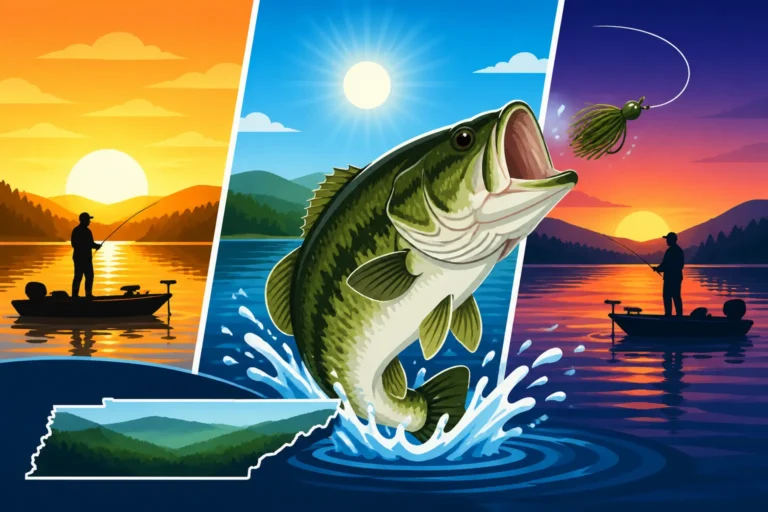
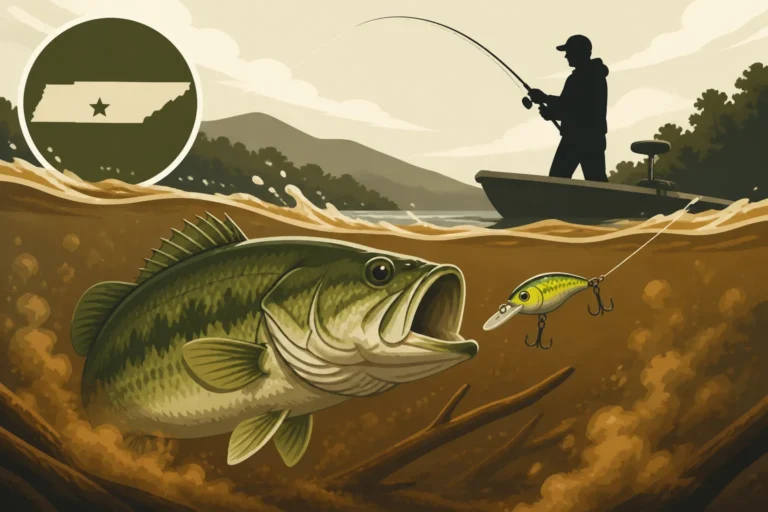
Ever wonder why sometimes the fish are biting like crazy, and other times it feels like the lake is completely empty? More often than not, the answer lies hidden beneath the surface: water temperature. Fish are cold-blooded creatures, meaning their body temperature is directly influenced by the water around them, and this dictates everything from their metabolism to where they choose to hang out. This guide will dive deep into how water temperature affects fish activity in Tennessee, helping you understand their movements and feeding patterns so you can adapt your approach and improve your catch rate.
Why Water Temperature Matters So Much for Fish Activity
For us humans, a few degrees difference in air temperature might mean grabbing a light jacket or shedding a layer. For a fish, a change of just a few degrees in water temperature can be the difference between a hearty meal and a sluggish fast, or even a matter of life and death. It's the ultimate environmental control knob, influencing every aspect of their existence.
Metabolism and Feeding Response
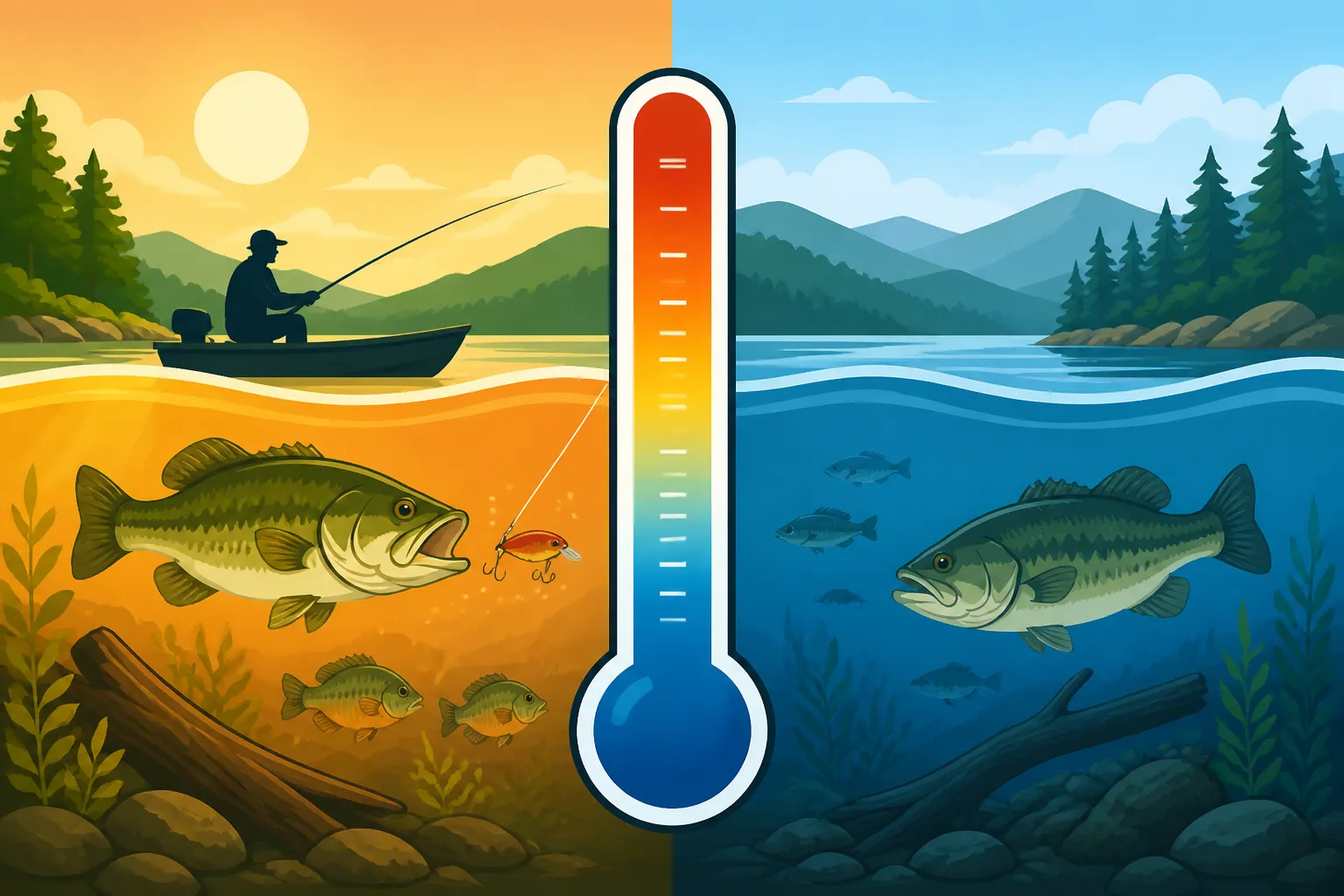
Think of water temperature as the accelerator pedal for a fish's metabolism. When the water is warm, their metabolic rate speeds up significantly. They digest food faster, need more energy, and consequently, they eat more frequently and aggressively. This is why you often see explosive topwater bites in the warmer months when fish are actively hunting. Conversely, when the water cools down, their metabolism slows to a crawl. They become lethargic, digest food much slower, and don't need to feed as often. This doesn't mean they stop eating entirely, but their feeding windows become shorter, and their strikes are often much more subtle. Understanding this core principle is crucial for knowing when to fish fast and when to slow down your presentation.
A fish's "comfort zone" for feeding is quite specific, and outside of that range, their energy is focused more on survival than on chasing bait. For example, a largemouth bass thrives and feeds actively when water temperatures are in the 65-75°F range. Below 50°F, they might still eat, but it will be a much less energetic pursuit. Knowing these temperature preferences for different species, which we'll get into later, gives you a significant edge in predicting their behavior.
Oxygen Levels and Comfort Zones
Temperature doesn't just affect a fish's internal systems; it also impacts their environment directly. One of the most critical factors is dissolved oxygen. Colder water holds more dissolved oxygen than warmer water. This is a scientific fact that plays a huge role in where fish decide to live, especially in deeper lakes and reservoirs during the summer.
As the surface water heats up in the summer, it becomes less dense and stays on top, forming distinct layers. The warmest layer, the epilimnion, is at the surface. Below it is the thermocline, a transitional layer where temperature drops rapidly. And below that is the hypolimnion, the coldest, densest layer. While the hypolimnion is cold, it often has very low oxygen due to decomposition and lack of circulation. Fish need oxygen to breathe, just like us. So, even if the deep water is cold and seems appealing, if it lacks oxygen, fish won't go there. They'll often suspend in or just above the thermocline, finding that sweet spot where temperatures are comfortable and oxygen levels are still sufficient. This concept is fundamental when you're using a fish finder to locate schools in deeper water; you're not just looking for fish, but for fish in the "right" water column.
Understanding Seasonal Temperature Shifts in Tennessee
Tennessee's diverse geography and distinct four seasons mean that water temperatures fluctuate wildly throughout the year. Being a successful angler here means understanding these macro-level shifts and how they impact fish behavior. It’s not just about the daily weather, but the long-term trends that set the stage for fish activity.
Spring Warming Trends
Ah, spring in Tennessee! It's a time of renewal, and for anglers, it means fish waking up from their winter slumber. As air temperatures rise and the sun's rays linger longer, the surface water in lakes and rivers slowly but steadily begins to warm. This initial warming is a massive trigger for fish. Their metabolism starts to kick into higher gear, and they become more active, moving out of their deeper winter haunts.
The shallow flats and north-facing banks, which receive the most direct sunlight, are often the first areas to warm up. This makes them prime locations for fish to seek out. Species like largemouth and smallmouth bass, crappie, and even some catfish will move into these shallows in search of warmer water and easy prey. This is often when you find concentrations of fish in staging areas before they move to their spawning grounds. However, spring weather can be fickle. A sudden cold front can drop water temperatures quickly, pushing fish back out to deeper, more stable water until the sun warms things up again. Understanding these nuances can help you decide if you should be fishing shallow or deep on a given spring day.
Summer Heat and Thermoclines
Summer in Tennessee brings consistently high temperatures, and with it, significant changes in water structure, especially in larger reservoirs. As mentioned before, the water stratifies into distinct layers: a warm, oxygenated top layer (epilimnion), a rapidly cooling middle layer (thermocline), and a cold, low-oxygen bottom layer (hypolimnion). For many fish species, particularly bass and crappie, the thermocline becomes the key feature to locate. It’s often where they find the perfect balance of cooler water and adequate oxygen.
During the scorching dog days of summer, surface temperatures can easily reach the upper 80s or even low 90s, which is often too warm for optimal fish activity, especially for larger game fish. While panfish might still be active in the shallows early and late in the day, the big bass will often retreat to deeper structure, points, and ledges, holding tight to the thermocline. Fishing deep during this period becomes essential. Conversely, species like catfish, which are incredibly tolerant of warm water and lower oxygen, might still be quite active in shallower, warmer sections of the lake or river. Knowing the How to Fish for Bass in Summer Heat strategies is vital for success when the mercury climbs.
Fall Cooling and Turnover
As summer fades and autumn leaves begin to change, Tennessee's lakes and rivers undergo another critical transformation: the fall turnover. This process is triggered by cooling air temperatures that gradually chill the surface water. When the surface water becomes as cool and dense as the deeper water, the distinct layers break down. Winds and currents can then mix the entire water column, essentially "turning over" the lake.
During turnover, nutrient-rich but often low-oxygen water from the bottom can mix with the upper layers. This can temporarily disperse fish as they adjust to the changing conditions and can sometimes lead to slower fishing for a week or two. However, once the lake completely mixes and stabilizes, typically in late fall, the fishing can become absolutely phenomenal. Fish are now able to roam freely throughout the water column, and with consistently cooling water, their metabolism is still high enough for aggressive feeding as they prepare for winter. This is a fantastic time for targeting larger fish on offshore structures, and understanding the Tennessee Bass Fishing Seasons and Patterns for fall can lead to some trophy catches.
Winter's Chill and Deep Holds
Winter brings the coldest water temperatures of the year. While Tennessee rarely sees completely frozen lakes, the water can get quite chilly, often dropping into the low 40s or even upper 30s in some areas. For most warmwater species like bass and crappie, this means a significant slowdown in metabolism and activity. They move into their deepest, most stable wintering areas, often suspending over deep channels, tight to vertical structures like bluff walls, or hunkering down on deep ledges.
During this time, fish don't feed frequently, but they do feed. Their bites are often incredibly subtle, requiring lighter lines, smaller baits, and slower presentations. Think vertical jigging spoons, slow-crawling jigs, or dropshotting tiny baits. Finding these concentrated schools of fish in their deep winter haunts is key. When fishing in winter, even a half-degree difference in water temperature can make a huge difference in finding active fish. Some species, like coldwater trout, actually thrive in these cooler temperatures and become more active. Learning How to Catch Bass in Cold Water requires patience and a specific approach.
How Different Fish Species React to Water Temperatures
Not all fish are created equal when it comes to temperature preferences. What makes a largemouth bass happy might send a trout into a state of shock, and vice-versa. Tennessee is home to a fantastic array of fish, and knowing the thermal sweet spot for each species is like having a secret weapon in your tackle box.
Warmwater Species: Bass, Crappie, Catfish
Tennessee is famous for its warmwater fisheries, particularly its incredible bass and crappie populations, and robust catfish. These species generally prefer warmer water, but even among them, there are nuanced differences.
- Largemouth Bass: These are the quintessential warmwater predators. They truly come alive when water temperatures hit the mid-50s, leading up to their spawn, and are most active in the 65-75°F range. In summer, they'll seek out cooler, oxygenated water in the thermocline or dense cover, but they'll still feed aggressively. In winter, they'll retreat to deep, stable areas, becoming much more sluggish. For a deeper dive, check out the Tennessee Bass Fishing Seasons and Patterns.
- Smallmouth Bass: Tennessee's official state fish, smallmouth bass, are often found in cooler, clearer waters than their largemouth cousins. While still a warmwater species, they prefer temperatures a bit lower, typically in the 60-70°F range for peak activity. You'll often find them in rocky areas, current seams, and deeper structure, even in summer. They are a bit more tolerant of cold water than largemouths, but still slow down considerably in winter.
- Crappie (Black and White): Crappie are another beloved warmwater species. They become very active in the spring as water temperatures climb into the 50s and 60s, which signals their spawning period. They love to congregate around brush piles, submerged timber, and other structures. While they tolerate warm summer water, they will also seek out cooler, deeper cover, often suspending near the thermocline. In winter, they school tightly in deep channels and river bends, and you'll need precise vertical presentations to tempt them. Our Tennessee Crappie Fishing Guide by Season offers extensive details on targeting these popular panfish.
- Catfish (Channel, Blue, Flathead): Catfish are incredibly hardy and tolerant of a wide range of water temperatures, often thriving in conditions that might stress other game fish. They are true warmwater specialists. Channel and blue catfish are very active in warm summer water, even when temperatures soar into the 80s, and they can be caught shallow or deep. Flatheads tend to be a bit more sensitive to extreme heat and prefer slightly cooler, moving water, but still much warmer than trout. Even in winter, when other species are sluggish, catfish can often be caught, though their activity will be reduced. Techniques for targeting these fish are covered in the Tennessee Catfish Fishing Techniques and Seasons.
Coldwater Species: Trout
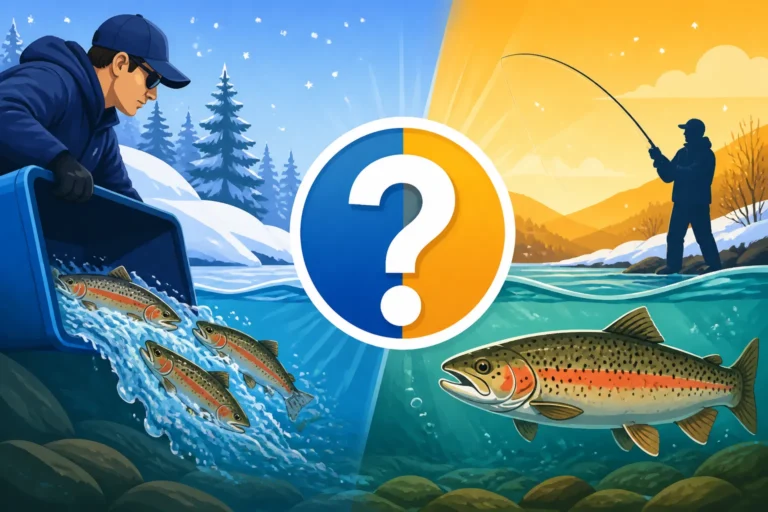
In stark contrast to the bass and catfish, trout are coldwater specialists. Tennessee boasts excellent trout fishing, particularly in the mountain streams and tailwaters of East Tennessee.
- Rainbow, Brown, and Brook Trout: These species thrive in cold, highly oxygenated water. Their ideal temperature range is generally between 45-65°F. Water above 70°F can be lethal for them if prolonged, as it holds less oxygen and puts immense stress on their systems. This is why you find trout predominantly in high-elevation mountain streams, spring-fed rivers, and the cold tailwaters below dams. In these environments, water temperatures remain consistently cool throughout the year. Their activity levels actually increase in colder water where other species become sluggish, making winter an excellent time for trout fishing in many tailwater fisheries. Our Tennessee Trout Fishing Season Explained delves into the best times and places to find these beautiful fish.
Hybrid Striped Bass Considerations
Hybrid striped bass are a unique case. They are a cross between striped bass and white bass, and they exhibit some of the characteristics of both. They are incredibly powerful, schooling fish that are stocked in many Tennessee reservoirs.
- Hybrid Striped Bass: While they tolerate warmer water than pure striped bass, hybrids still prefer cooler, more oxygenated water than largemouth bass, often seeking out the thermocline or areas with good current. Their optimal temperature range is often in the 60-70°F sweet spot. You'll find them actively chasing baitfish in open water, particularly when the water is within their preferred thermal band. In extreme summer heat, they will go deeper, often suspending in the main lake basins. In colder months, they might be found deeper as well, but still relating to schools of baitfish.
| Species | Optimal Temperature Range (°F) | General Behavior in Warm Water (>75°F) | General Behavior in Cold Water (<50°F) | Prime Fishing Seasons |
|---|---|---|---|---|
| Largemouth Bass | 65-75 | Seek deeper, cooler, oxygenated water/cover | Lethargic, slow metabolism, deep holds | Spring, Fall |
| Smallmouth Bass | 60-70 | Seek deeper, cooler, rocky structure | Slow, deep rocky structure | Spring, Fall |
| Black/White Crappie | 60-70 | Seek deeper brush piles, suspend | School tightly in deep channels | Spring, Fall |
| Channel Catfish | 70-85 | Highly active, tolerates warm, lower O2 | Active but slower, can be caught deep | Summer, Fall |
| Blue Catfish | 70-85 | Highly active, tolerates warm, lower O2 | Active but slower, can be caught deep | Summer, Fall |
| Flathead Catfish | 70-80 | Active, may seek slightly cooler current | Slow, deep rocky areas, current breaks | Summer, Fall |
| Rainbow/Brown Trout | 45-65 | Stressed, seek coldwater refuges, very slow | Highly active, optimal feeding | Winter, Spring, Fall |
| Hybrid Striped Bass | 60-70 | Seek thermocline, active schooling | Slow, suspend over deep water, follow bait | Spring, Fall, Summer |
Practical Tips for Anglers: Adjusting to Water Temperature
Knowing why temperature matters is one thing; putting that knowledge into practice is another. The best anglers are those who can read the water and adjust their techniques to match what the fish need based on the thermal conditions. It's about thinking like a fish.
Reading the Water for Temperature Clues
You don't always need a fancy gadget to get a general idea of water temperature. Your eyes can tell you a lot. Look for clues:
- Sun Exposure: Areas that get direct sunlight for longer periods, like north-facing banks or shallow flats, will warm up faster in spring and fall. Shady areas, bluff walls, or deep pockets will remain cooler.
- Inflows: Tributaries, creeks, and even rain runoff can significantly impact local water temperatures. A warm rain can bring in warmer water, while a cold spring or snowmelt will dump in cold water. Fish will often stage at these junctures.
- Current: Moving water, especially in rivers or tailwaters, tends to be more consistent in temperature and oxygenated. Fish will use current breaks for ambush points, but also for thermal comfort.
- Color and Clarity: Clear water warms and cools more slowly than stained or muddy water. Dark, muddy water absorbs heat faster. This can create micro-climates that fish exploit.
- Baitfish Activity: Observe where baitfish are congregating. They are also temperature-sensitive, and game fish will follow their food source. If baitfish are shallow, the predators are likely close behind.
By observing these factors, you can make informed decisions about where to start your fishing day. It's not foolproof, but it's a great initial assessment to narrow down productive areas.
Adjusting Lure Presentation and Speed
Once you have a handle on the water temperature, the next step is to match your presentation to the fish's activity level. This is where many anglers either succeed or fail.
-
Cold Water (Below 50°F for warmwater species):
- Presentation: Slow, slow, slow. Think finesse. Fish are sluggish, and a fast-moving bait will often be ignored. They want an easy meal that doesn't require much energy to chase.
- Lures: Jigs, dropshots, suspendin' jerkbaits, blade baits, spoons. Think smaller profiles.
- Retrieve: Often a dead stick, hop-and-pause, or extremely slow drag. Let the lure sit for extended periods. For trout in cold water, they may still be active, and a faster retrieve on a spinner or fly might work.
- Example: On a cold winter day on Percy Priest Lake, you might be dropshotting a small worm on a deep ledge, barely moving it, waiting for that almost imperceptible tap.
-
Moderate Water (50-70°F):
- Presentation: Fish are becoming more active, so you can increase your retrieve speed and be more aggressive. This is often the prime time for a wide variety of techniques.
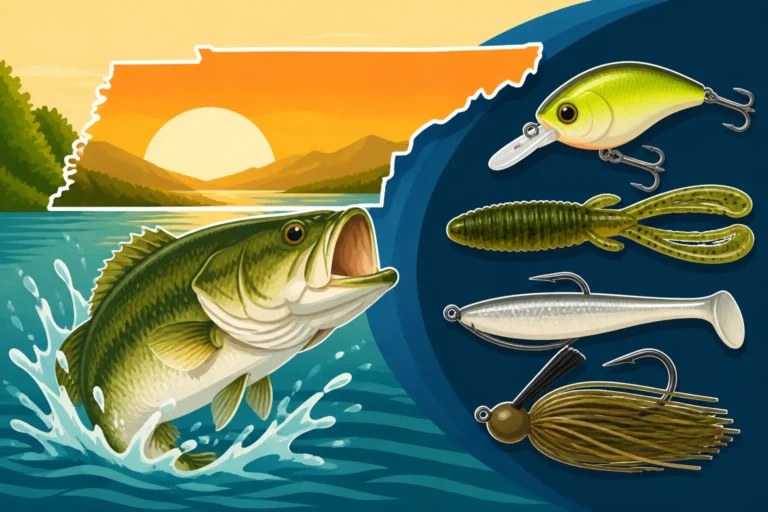
- Lures: Crankbaits, spinnerbaits, bladed jigs, swimbaits, jerkbaits, topwater (as it warms up).
- Retrieve: Vary your retrieve. Experiment with pauses, jerks, and steady retrieves. This is when reaction strikes become more common.
- Example: During the spring spawn on Chickamauga Lake, you might be throwing a squarebill crankbait on rocky points or flipping a jig into shallow cover with a moderate retrieve.
-
Warm Water (Above 70°F for warmwater species):
- Presentation: Fish might be highly active in short windows (early morning/late evening) or seeking refuge in deeper, cooler water. Adjust accordingly. Faster, more erratic retrieves can trigger reaction bites, but also consider going very slow for deep-holding fish.
- Lures: Deep-diving crankbaits, jigs, worms, dropshots for deep fish. Topwater, buzzbaits, frogs in low-light conditions over shallow cover.
- Retrieve: For deep fish, a slow, methodical retrieve is often best. For shallow fish, target low-light times with aggressive, fast retrieves.
- Example: On a hot summer afternoon on Kentucky Lake, you might be trolling deep-diving crankbaits for striped bass or working a heavy jig slowly on a deep river channel bend for catfish. Learning How to Jig for Crappie effectively means adjusting speed and depth based on the season.
Locating Fish in Temperature-Driven Structures
Fish aren't just randomly swimming around; they're constantly searching for their ideal thermal comfort zone. Understanding where these zones are at different temperatures is a game-changer.
- Shallow Flats and Banks: In spring and fall, these areas warm up first and attract baitfish, making them excellent spots for bass and crappie. Look for southern-facing banks in early spring or areas with dark bottom composition that absorbs heat.
- Deep Ledges and Humps: In summer and winter, these become prime locations as fish seek stable temperatures. Fish will congregate on the deep side of ledges in winter, and often on top or around the edges of humps and points that provide access to the thermocline in summer.
- Brush Piles and Submerged Timber: These provide not only cover but also shade and stability. In summer, deep brush piles are magnets for crappie and bass looking for cooler water. In winter, they offer refuge.
- Points and Channel Swings: These topographical features allow fish to easily move between shallow and deep water as temperatures fluctuate. A point that extends out into a deep channel can be a superhighway for fish movement during transitional periods.
- Tailwaters and Springs: For trout and other coldwater species, tailwaters below dams offer consistently cold water year-round. Natural springs feeding into lakes or rivers can create isolated pockets of cooler water that attract fish even in the hottest summer months. The Clinch River tailwater, for instance, remains cold and productive for trout even when the air temperature is soaring. This is why it's a popular spot for Tennessee Trout Fishing Season Explained during the summer.
Gear and Electronics for Monitoring Water Temperature
In today's world, anglers have access to an amazing array of tools to help them pinpoint fish by understanding water temperature. While experience and observation are invaluable, these tools can provide precise data to refine your approach.
Essential Temperature Measuring Tools
Having a way to accurately measure water temperature is fundamental to applying this knowledge. Don't leave home without one.
- Handheld Thermometers: These are simple, affordable, and effective. Many come with a long cord and a weighted sensor, allowing you to drop it to different depths to get readings. They are perfect for checking surface temps in different coves or understanding the temperature profile of a specific area. Some even have memory functions to record multiple readings. You can find reliable options for a reasonable price on Amazon, which are perfect for a quick check.
- Built-in Thermometers on Fish Finders: Most modern fish finders and depth sounders come with a temperature sensor built into the transducer. This gives you a real-time surface temperature reading as you move across the water. While typically only surface-level, this data is incredibly useful for spotting subtle temperature changes in different areas of the lake.
- Portable Sonar Devices: Compact, portable sonar units, often designed for kayak or bank fishing, frequently include a temperature sensor. Devices like the Deeper Smart Sonar PRO+ 2 can be cast out, giving you not only depth and fish arches but also water temperature readings at different depths. This is a game-changer for anglers who don't have a boat-mounted fish finder.
Having these tools, especially a multi-depth thermometer or a fish finder with temperature capabilities, allows you to confirm your observations and make precise adjustments. For instance, if your handheld thermometer shows a 3-degree warmer temp in a specific cove, you'll know exactly where the fish might be staging.
Fish Finders and Sonar for Thermal Layers
Modern fish finders are incredibly sophisticated and can do much more than just show you fish arches. They are powerful tools for interpreting the underwater environment, including temperature layers.
- Understanding the Thermocline: High-end fish finders, especially those with good 2D sonar, can visually display the thermocline. It often appears as a distinct line on your screen where the sonar signal gets partially deflected due to the rapid change in water density. This "false bottom" can be your best friend in summer. If you see baitfish and game fish suspended just above or in this line, you've found their comfort zone. Knowing the depth of the thermocline is crucial for presenting your lure at the correct level.
- Side Imaging and Down Imaging: While not directly showing temperature, these technologies help you locate the structure and cover where fish might be congregating because of temperature. If fish are holding tight to a deep ledge in 60-degree water, side imaging can help you find that ledge and see individual fish relating to it. Down imaging provides a clearer, photographic-like view directly beneath your boat, helping you pick out brush piles or timber where fish are seeking thermal refuge.
- Temperature Mapping: Some advanced marine electronics systems allow you to create custom lake maps that include temperature overlays. By recording temperature data as you travel, you can literally build a map showing warmer and cooler areas, helping you identify thermal breaks and prime fishing locations. This kind of detail, while often more for tournament anglers, shows the extreme extent to which temperature influences fishing success. Utilizing features like these, found on brands like Humminbird or Lowrance, is a pro move for understanding Best Fish Finders for Tennessee Reservoir Fishing.
Equipping yourself with these tools, and more importantly, knowing how to interpret the data they provide, will dramatically increase your chances of finding and catching fish throughout the varied seasons and conditions of Tennessee.
Conclusion
Understanding how water temperature affects fish activity in Tennessee is far more than just a scientific curiosity; it's a foundational pillar of successful angling. From the metabolism-boosting warmth of spring to the sluggish chill of winter, and everything in between, water temperature dictates where fish live, what they eat, and how aggressively they'll bite. By paying attention to seasonal shifts, learning the thermal preferences of different species, observing environmental clues, and utilizing modern technology, you can elevate your fishing game dramatically. So next time you're on the water, take a moment to consider the temperature below the surface – it just might be the secret ingredient to your next great catch.
Disclaimer
The information provided in this guide is for general informational purposes only and is not intended as legal advice regarding fishing regulations. Anglers must always consult the most current regulations published by the Tennessee Wildlife Resources Agency (TWRA) before fishing. Rules regarding licenses, seasons, and catch limits can change, and it is the individual angler's responsibility to stay informed and comply with all applicable laws.