Watts Bar Lake Tennessee Catfish Season Patterns
It can be incredibly frustrating to head out to Watts Bar Lake with high hopes, only to find the catfish aren't biting where you expect them to be. You've probably tried the same spot, the same bait, and the same time of day, but Watts Bar is a massive, complex system, and what works one month might completely fail the next. That's why understanding the seasonal patterns of catfish on Watts Bar Lake is absolutely crucial for consistent success. This guide is dedicated to breaking down exactly how catfish behave throughout the year on this incredible Tennessee fishery, helping you adjust your approach and put more whisker fish in your boat or on your stringer.
Understanding Catfish Behavior Through the Seasons on Watts Bar Lake
Catfish, whether we're talking about the hard-fighting blues, the elusive flatheads, or the abundant channels, are masters of adaptation. Their behavior on Watts Bar Lake is heavily dictated by water temperature, spawning cycles, and the availability of their favorite meals. Ignoring these natural rhythms is like trying to find a needle in a haystack – you might get lucky, but consistent success comes from understanding the when and where of it all. This reservoir system, part of the larger Tennessee River network, offers a fantastic environment for all three major species, but they each have their preferences and peak times.
The Impact of Water Temperature on Catfish Activity
Water temperature is, without a doubt, the single biggest factor influencing where Watts Bar catfish will be and how aggressively they’ll feed. As the water warms in spring, catfish become more active, moving out of their deep winter haunts to forage in shallower areas. Once the heat of summer hits, they might seek deeper, cooler water during the day, becoming more active at night. Come fall, as temperatures drop, they’ll embark on a feeding frenzy to prepare for winter, often moving back into shallower feeding grounds before retreating to deeper sections for the coldest months. Think of it like a giant thermostat for the lake; the catfish are just reacting to the changes it dictates. For a general overview of how different species behave, you might find our guide on "Catfish Species Found in Tennessee Waters" helpful.
Spawning Cycles and Their Influence
Each catfish species on Watts Bar has its own spawning period, which significantly alters their feeding patterns. Channel catfish typically spawn in late spring to early summer when water temperatures hit the mid-70s Fahrenheit. During this time, the males become very protective of their nests, often located in hollow logs, rock crevices, or undercut banks, and may become less interested in feeding. Blue catfish and flathead catfish also spawn around this time, usually when water temperatures are similar or slightly warmer for blue cats. Understanding these periods means you'll know when to adjust your expectations – you might still catch fish, but the frantic pre-spawn bite gives way to a more localized, protective behavior during the actual spawn. After the spawn, they'll often feed aggressively again to regain energy.
Spring and Summer Catfish Strategies for Watts Bar Lake
As Watts Bar Lake shakes off the chill of winter, the catfish begin to stir, and fishing can really heat up. These warmer months offer distinct opportunities for anglers targeting catfish, whether you're chasing a trophy flathead or just looking to fill a cooler with channels.
Spring: Pre-Spawn Aggression and Shallow Feasts
Spring on Watts Bar is a fantastic time for catfish, particularly as they move into their pre-spawn phase. Once the water temperature consistently climbs into the 60s, these fish, especially channel and blue catfish, start migrating from deeper wintering holes into shallower areas to fatten up before the rigors of spawning. You'll find them concentrating around creek channels, submerged humps, points, and flats adjacent to deeper water. They’re hungry and eager to bite.
During this period, focus your efforts in depths ranging from 5 to 20 feet, often near areas with some current or structure. Cut bait, like shad or skipjack herring, is king for larger blue and flathead catfish. For channel cats, traditional baits like chicken liver, worms, or stink baits are incredibly effective. You can find a wide variety of these specialized catfish baits, along with strong circle hooks, available on Amazon. Early mornings and late afternoons are prime times, but the bite can be steady all day. If you're looking for specific techniques, our "Catfish Bottom Fishing Basics" article covers fundamental setups that work wonders during the spring.
Summer: Deep Water Retreats and Nighttime Adventures
When the oppressive heat of a Tennessee summer settles over Watts Bar Lake, catfish behavior shifts dramatically. The shallower waters become too warm and oxygen-depleted during the day, prompting many catfish to retreat to deeper, cooler sections of the main river channel, submerged creek beds, and deeper humps. However, this doesn't mean the fishing stops; it just means you need to adjust your tactics.
- Daytime Deep Dives: During the day, target depths of 30-60 feet, sometimes even deeper. Look for areas where the main river channel swings close to a bluff or a deep drop-off. Fishing directly on the bottom with heavy weights and fresh cut bait is the most effective approach for blue and channel catfish. Flatheads tend to be more solitary and prefer woody cover in these deeper zones.
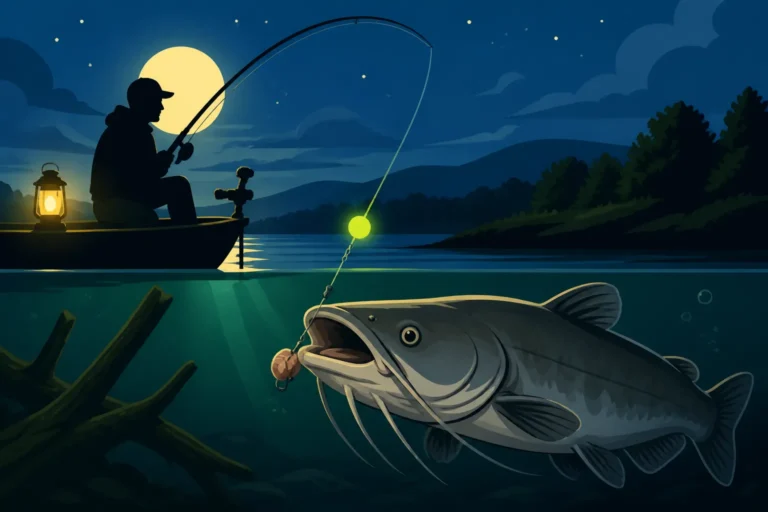
- Night Fishing Powerhouse: Summer is hands-down the best time for night fishing on Watts Bar. As the sun dips below the horizon and the water cools, catfish move into shallower flats, humps, and even along the banks to feed. This is when the bigger fish often become most active. Setting up trotlines or jug fishing with lights can be incredibly productive. Our guide on "How to Catch Catfish at Night" provides extensive tips for these nocturnal pursuits. You can even find specialized LED fishing lights on Amazon that attract baitfish and, in turn, hungry catfish.
| Season | Water Temperature | Key Depths | Primary Baits (Blue/Channel) | Flathead Bait | Best Times |
|---|---|---|---|---|---|
| Spring | 60-70°F | 5-20 feet | Cut shad, skipjack, chicken liver, worms | Live baitfish | Morning, Evening |
| Summer | 75-85°F+ | 20-60+ feet (day), 10-30 feet (night) | Cut shad, skipjack | Live baitfish (especially at night) | Night (best), Early Morning, Late Evening |
Fall and Winter Catfish Tactics on Watts Bar
Just like spring and summer offer their unique challenges and rewards, the cooler months on Watts Bar Lake present different patterns for successful catfish angling. Many anglers pack away their gear once the leaves start to turn, but that’s a mistake, as fall can be one of the most productive times, and even winter offers opportunities for the dedicated few.
Fall: The Pre-Winter Feeding Frenzy
Fall on Watts Bar Lake is a season of transition, marked by steadily cooling water temperatures. As the thermometer drops from the high 70s down into the 50s, catfish instinctively know winter is coming and go on a serious feeding binge. This "pre-winter feeding frenzy" makes them incredibly active and aggressive, often moving into shallower water during the day to gorge on baitfish before retreating to slightly deeper structure as temperatures continue to fall.
Look for blue and channel catfish on main lake points, secondary points, and along the edges of creek channels, often in depths of 10-30 feet. They'll be chasing schools of shad, so if you can locate baitfish on your fish finder, you’re likely to find catfish nearby. Fresh cut bait, especially shad, remains a top choice. This is also a fantastic time for flatheads, who will also be putting on weight. They'll typically be found near woody cover in those same transitional depth ranges. Consider our detailed guide on "How to Rig Cut Bait for Catfish" to ensure your presentation is enticing.
Winter: Deep Hole Haunts and Slower Bites
Winter fishing for catfish on Watts Bar Lake can be tough, but it's certainly not impossible, especially for those targeting large blue cats. As water temperatures drop below 50°F, catfish metabolism slows down significantly, and they migrate to their deepest wintering holes. These are typically the deepest sections of the main river channel, especially where there are significant changes in bottom contour, like old creek beds or submerged rock piles.
During winter, you'll need to be patient. The bite will be much more subtle, and fish won't chase bait as aggressively. Focus your efforts in depths of 40-80 feet, sometimes even deeper, concentrating on the very bottom. You might have to spend more time drifting slowly over promising areas or anchoring directly over a known deep hole. Fresh cut bait, presented on a stout Best Rods for Catfish Fishing setup, is still the go-to. Live baits can also entice a lethargic flathead. While it's a slower game, winter can often produce some of the largest catfish, as these mature fish are efficient at conserving energy and will still opportunistically feed. Remember to dress warmly and stay safe out on the water during these colder months.
Essential Gear and Watts Bar Hotspots
Having the right gear and knowing where to focus your efforts can make all the difference, especially when you're trying to crack the code of Watts Bar Lake's catfish patterns. This lake is huge, spanning thousands of acres, so narrowing down your search is key.
Recommended Gear for Watts Bar Catfishing
When you're chasing the big cats of Watts Bar, you need tackle that can stand up to the fight.
- Rods and Reels: For blue and flathead catfish, medium-heavy to heavy action rods in the 7-to-9-foot range paired with conventional baitcasting reels are ideal. Look for reels with strong drags and high line capacities. For channel catfish, a medium-action spinning or baitcasting rod will suffice.
- Line: Braided line, with a breaking strength of 30-80 pounds, is excellent for its sensitivity and strength, especially when fishing deep or around structure. A monofilament or fluorocarbon leader of similar strength can be used. You can find quality braided lines and a wide selection of suitable reels on Amazon.
- Terminal Tackle: Heavy sinkers (2-8 ounces, depending on current), sturdy circle hooks (4/0 to 10/0 depending on target species and bait size), and strong swivels are indispensable. Circle hooks are particularly good for catfish as they tend to hook in the corner of the mouth, making for easier release if desired and reducing gut-hooking.
- Baits: As mentioned, fresh cut bait (shad, skipjack, bluegill) is paramount for blue and flathead catfish. For channel catfish, add chicken liver, shrimp, hot dogs, and prepared stink baits to your arsenal. Live bait, like bluegill or small suckers, is crucial for targeting flatheads specifically.
For those planning to use advanced techniques, you might be interested in learning "How to Set Up a Trotline for Catfish" or "Jug Fishing for Catfish Explained", both of which can be highly effective on Watts Bar.
Prime Catfish Hotspots on Watts Bar Lake
Watts Bar Lake, with its numerous creek arms, main river channel, and varying bottom contours, offers an abundance of potential catfish locations. While patterns shift seasonally, there are some perennial hotspots and types of areas to focus on:
- Main River Channel and Deep Holes: The Tennessee River channel runs through Watts Bar, providing deep water and consistent current that catfish love, especially during colder months or hot summer days. Look for the deepest bends, drop-offs, and scour holes.
- Creek Mouths and Inflows: Areas where major creeks like Piney Creek, White's Creek, or Yellow Creek meet the main lake are often fantastic, particularly in spring and fall. These areas provide current, baitfish concentrations, and varied depths.
- Submerged Structure: Catfish, especially flatheads, love cover. Target areas with submerged timber, rock piles, old bridge abutments, and even submerged roadbeds. These structures break current and provide ambush points for feeding.
- Power Plant Discharges: The warmer water discharges from the Watts Bar Nuclear Plant can be significant fish attractors, especially in cooler months, drawing in baitfish and, consequently, hungry catfish.
- Reservoir Humps and Points: Submerged humps and points that rise out of deeper water are excellent ambush points where catfish can intercept schooling baitfish. These are particularly productive during spring and fall transition periods.
Remember, consistent success on Watts Bar Lake means continually adapting to the conditions and observing patterns. The "Best Time of Year to Catch Catfish" will vary slightly depending on your target species and preferred method, but by understanding these seasonal behaviors, you're well on your way to a successful day on the water.
Disclaimer
Fishing conditions and regulations can change, so always ensure you have a valid Tennessee fishing license and are familiar with the most current rules and limits set by the Tennessee Wildlife Resources Agency (TWRA) before heading out. Safety should always be your top priority on the water.