Best Bait for Chickamauga Lake Tennessee Trophy Bass in Spring
Chasing trophy bass on Chickamauga Lake in the spring can feel like trying to solve a complex puzzle. The fish are moving, the water is changing, and what worked yesterday might not even get a sniff today. It's frustrating when you know those giants are out there, but you can't quite dial in what they want. This guide is all about cutting through that confusion, helping you understand the best baits and techniques to finally land that bucket-list bass during Chickamauga's prime spring bite.
Understanding Chickamauga Lake in Spring
Spring on Chickamauga Lake isn't just one static period; it's a dynamic transition that bass react to heavily. To consistently catch those big fish, you really need to understand what's happening beneath the surface, especially concerning water temperature and the abundant forage available. Ignoring these factors is like trying to navigate a new city without a map – you might get lucky, but you're probably going to get lost.
Water Temperature and Bass Behavior
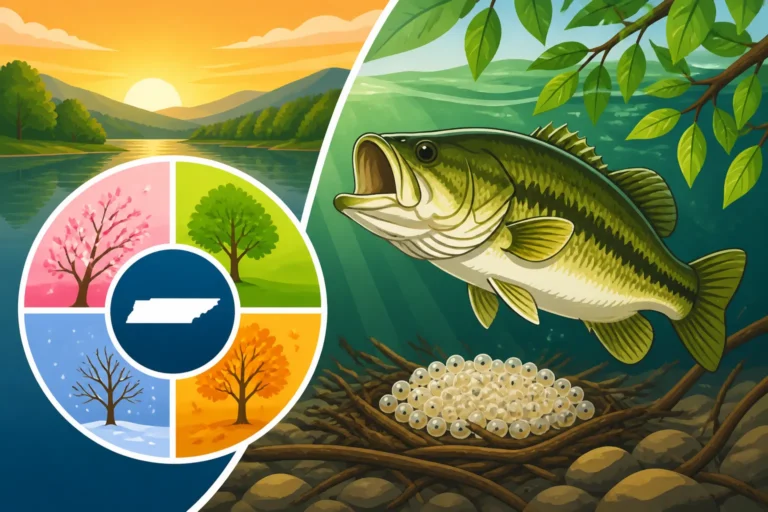
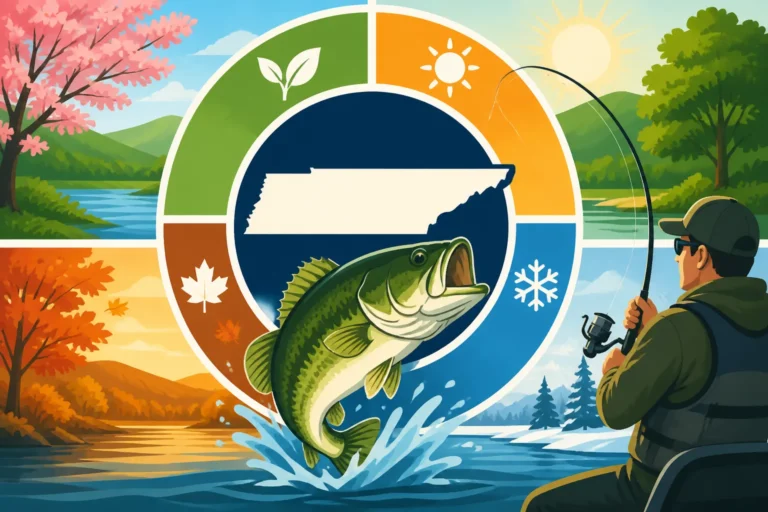
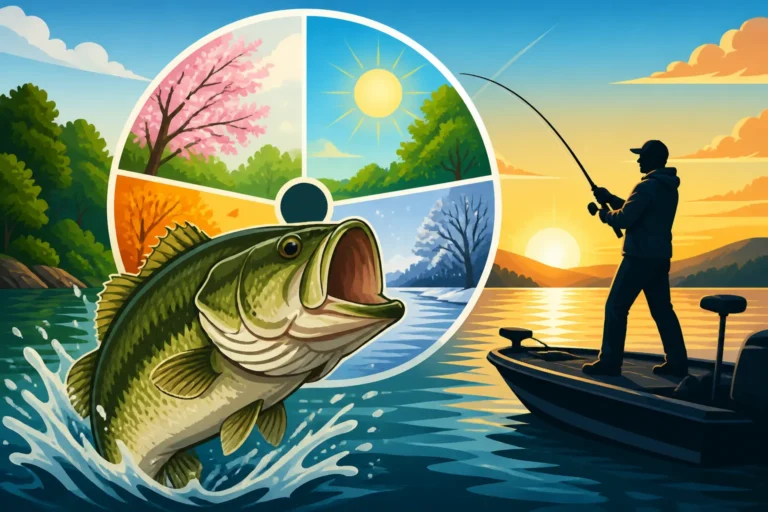
As the days get longer and the sun warms the water, Chickamauga Lake truly comes alive. We often talk about "spring," but for bass, this season breaks down into distinct phases: pre-spawn, spawn, and post-spawn. Each phase dictates where the bass will be and, crucially, what they'll be willing to eat.
In the early spring, when water temperatures are typically in the 40s and low 50s, bass are in their pre-spawn mode. They're often grouped up in deeper channels, on creek points, or along steep banks, just waiting for that perfect temperature window to push shallow. They're still somewhat sluggish but are starting to feed aggressively to build up energy for the upcoming spawn. Think of them as hungry but not yet running marathons; they prefer a meal that's easy to ambush. As the water warms into the mid-50s to low 60s, these fish will begin to migrate toward shallower flats, coves, and protected pockets, staging before moving onto beds. This staging period is absolutely critical, as bass are often at their heaviest and most catchable.
Once the water hits the upper 50s to mid-60s, the spawn is in full swing. Bass move into extremely shallow water, often visible on beds in clear areas. This is a fascinating but sometimes challenging time to fish. While you can target bedding bass, many anglers prefer to focus on the fish still moving up or those recovering right after the spawn. Finally, in the post-spawn phase, when temperatures climb into the mid to upper 60s and 70s, bass become more scattered. Some will guard fry, while others retreat to deeper cover to recover from the stresses of spawning. They're still feeding, but their patterns can be less predictable, requiring more searching and adaptability. Understanding these shifts is paramount to consistent success, and you can learn a lot more about these changes in our guide on Tennessee Bass Fishing Seasons and Patterns.
Forage Base and Habitat
Chickamauga Lake is a legendary fishery, and a big part of that legend comes from its incredible forage base. The lake is teeming with baitfish, primarily gizzard and threadfin shad, but also a healthy population of bluegill and crappie. These prey species are exactly what trophy bass are keying in on, especially in the spring. If you can "match the hatch" or present something that triggers a reaction, you're well on your way.
Beyond the bait, Chickamauga offers an incredibly diverse range of habitats that bass absolutely love. You've got vast grass beds, particularly hydrilla and milfoil, which serve as prime ambush points and cover for both bass and their prey. Then there are the numerous main lake ledges, creek channels, and deep points that hold pre-spawn giants. Don't overlook the riprap along causeways and bridges, or the countless boat docks and marinas that offer shade and structure. The variety of cover means you can fish shallow or deep, fast or slow, depending on the conditions and the specific phase of the bass cycle. Knowing where to find the fish based on these elements is just as important as knowing what bait to tie on. It's truly a complex ecosystem, making it a dream lake for serious anglers.
Top Baits for Pre-Spawn Trophy Bass
The pre-spawn period on Chickamauga is arguably one of the best times to catch the biggest bass of the year. These fish are at their heaviest, full of roe, and actively feeding to prepare for the rigors of spawning. The key is presenting baits that mimic their natural forage and trigger those aggressive, energy-conserving strikes.
Jerkbaits for Suspended Fish
When Chickamauga's water temperatures are still on the cooler side, generally in the high 40s to low 50s, many of the biggest bass will stage in deeper water, often suspending over channel swings, ledges, or points adjacent to spawning flats. This is where a jerkbait truly shines. Baits like the ever-popular Megabass Vision Oneten or a Lucky Craft Pointer are absolutely deadly here.
The beauty of a jerkbait is its ability to imitate a struggling baitfish with long pauses. You cast it out, give it a few sharp jerks to get it down to depth, and then let it sit. Sometimes a pause of 5 to 10 seconds, or even longer in colder water, is what it takes to get that hesitant giant to commit. These pauses make the lure appear vulnerable and easy pickings for a bass conserving energy. Effective colors often mirror shad patterns, so chrome, silver, or translucent finishes are great choices. For murkier water, something with a little chartreuse or a bone color can stand out. This technique is all about patience and believing in the pause; that’s often when the trophy bite happens.
Lipless Crankbaits and Bladed Jigs for Searching
If you're looking to cover water quickly and locate active pre-spawn bass, lipless crankbaits and bladed jigs are your best friends. These baits excel at triggering reaction strikes from bass that might not be actively chasing, but simply can't resist a vibrating, erratic lure.
Lipless crankbaits, like a Bill Lewis Rat-L-Trap or a Strike King Red Eye Shad, are fantastic for ripping through grass beds. As the grass starts to green up on Chickamauga, bass will often stage on the edges or even deeper within it. A lipless crankbait can be retrieved rapidly, and when it fouls in the grass, a sharp rip will tear it free, often provoking an immediate strike. Bladed jigs, such as a Z-Man Chatterbait, offer a similar erratic action but with a different profile and vibration. They are incredibly versatile, fished through grass, around docks, or along riprap. The flash and vibration mimic a fleeing baitfish perfectly, making them irresistible to hungry bass. Chartreuse and white, or black and blue, are classic color combinations that produce year after year. For more insights on the ideal lures, check out our guide on Best Lures for Pre-Spawn Bass Fishing.
Jigs and Creature Baits for Bottom Huggers
When bass are really hunkered down or you're fishing dense cover, nothing beats a jig or a creature bait for enticing those true trophy-sized fish. These baits are all about a slower, more deliberate presentation, getting right into the bass's living room.
Flipping and pitching jigs (like a Strike King Tour Grade Jig or a Buckeye Mop Jig) into thick hydrilla mats, around laydowns, or under docks is a classic big-bass technique. The heavy head of the jig allows it to penetrate cover, and the skirt provides a lifelike pulsing action. Pairing it with a bulky creature bait trailer, such as a Zoom Super Chunk or a Berkley PowerBait Chigger Craw, adds bulk and even more enticing action. Black and blue, green pumpkin, and brown are staple colors that mimic crawfish, a primary food source for larger bass. The key here is to keep contact with the bottom, feeling for any subtle tick or pressure that indicates a bite. Sometimes a big bass will just "load up" on the jig, making it feel like you've snagged a log. Set the hook hard! This is especially effective when bass are staging near deeper water but close to prime spawning areas, leveraging features like those found on Chickamauga Lake: Tennessee's Top Bass Fishing Destination.
Baits for Spawning and Post-Spawn Success
As spring progresses on Chickamauga Lake, the bass move through their reproductive cycle, and your bait choices need to evolve with them. While targeting bedding fish can be effective, focusing on the broader patterns of spawning and post-spawn bass often leads to more consistent action with trophy-sized fish.
Soft Plastics for Bed Fishing
Once the water temperatures hit that sweet spot (typically 58-68 degrees Fahrenheit), bass move onto their beds in shallow, protected pockets and coves. While some anglers ethically avoid targeting bedding bass, others view it as a challenging way to catch some of the biggest fish of the year. If you choose to fish for bedding bass, soft plastics are your most potent weapon.
Baits like a Texas rig creature bait, a weightless wacky-rigged worm, or even a Carolina rig are perfect for coaxing a bite from a bass guarding its nest. The key is to present these baits slowly and meticulously. Cast past the bed, drag the bait into the strike zone, and then let it sit. Twitch it minimally, just enough to annoy the bass into striking. The goal isn't necessarily to get the bass to eat the bait, but to trigger a protective reaction. Colors like white or chartreuse can sometimes be effective because they stand out visually, helping you see the bait and the bass's reaction. However, natural colors like green pumpkin or watermelon often work best to mimic intruders. Understanding How the Tennessee Bass Spawn Affects Where They Bite is crucial for pinpointing these bedding areas. Remember to check local regulations, as some areas may have specific rules for targeting bedding fish.
Topwater Baits for Aggressive Post-Spawn Bass
After the spawn, bass need to recover and replenish their energy stores, often leading to explosive topwater action, especially during dawn and dusk or on cloudy days. As the water warms into the upper 60s and 70s, many bass will move to shallow cover to ambush baitfish, and nothing beats the thrill of a topwater strike.
Walking baits like a Heddon Super Spook, poppers such as a Rebel Pop-R, or even hollow-body frogs fished over emergent grass are incredibly effective. A walking bait, when retrieved with a steady rhythm, mimics a dying baitfish or a snake struggling on the surface, drawing violent strikes. Poppers, with their distinct "blooper" sound, attract attention and can be worked slowly around cover. Hollow-body frogs are ideal for pitching into dense mats of lily pads or hydrilla, where other lures would snag. The key is to wait a moment after a bass blows up on the bait before setting the hook; often, they're just swatting at it first. Topwater fishing is not just effective; it's one of the most exciting ways to catch a trophy bass on Chickamauga Lake.
Swimbaits and Spinnerbaits for Cruising Bass
During the post-spawn period, bass often become more scattered and might be cruising flats, guarding fry, or moving along drop-offs as they transition back to deeper water. Swimbaits and spinnerbaits are excellent choices for covering water and targeting these actively feeding or defensive fish.
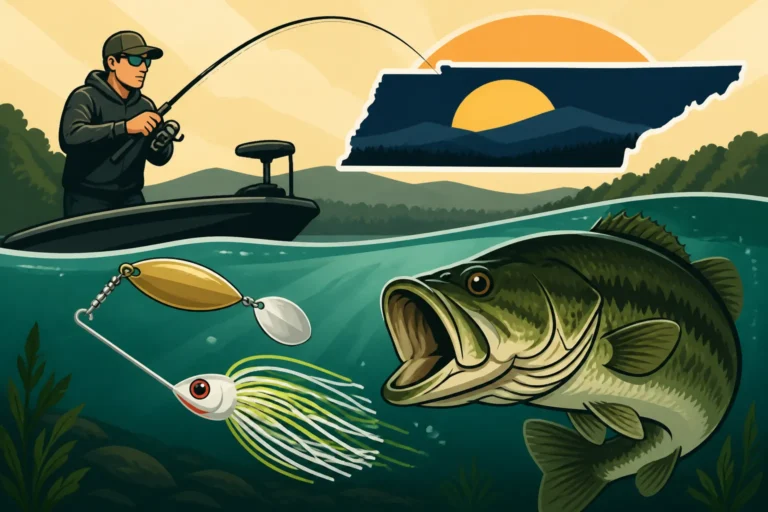
Soft plastic swimbaits, either rigged weightless or on a jig head, are incredibly versatile. They perfectly imitate shad, and a subtle kicking tail is often all it takes to entice a strike. Brands like Keitech offer fantastic options that come in a variety of sizes and colors to match the prevalent baitfish on Chickamauga. You can retrieve them steadily, yo-yo them, or even rip them through grass. Spinnerbaits, especially tandem willow leaf blade models, are also phenomenal search baits. The flash and vibration make them highly visible and attractive, particularly around cloudy water or on overcast days. They excel at fishing around sparse cover, submerged timber, or along gradual slopes where bass might be lurking. White, chartreuse, or combinations of both are go-to colors for spinnerbaits. These lures are particularly effective for those bigger bass that are regaining their strength and actively pursuing larger meals. For more specific bait recommendations, you might want to review our article on Best Lures for Post-Spawn Bass Fishing.
Essential Tips for Spring Bass Fishing on Chickamauga
Catching trophy bass consistently on Chickamauga Lake in the spring isn't just about throwing the right bait; it's about understanding the nuances of presentation, having the right equipment, and staying adaptable. A little extra thought in these areas can make a huge difference in your success.
Color Selection and Presentation
Picking the right color is often a subtle but critical factor. While shad patterns (silvers, whites, light blues) are almost always a safe bet on Chickamauga due to the abundance of baitfish, don't overlook natural crawfish patterns (green pumpkin, brown, black and blue) for bottom-oriented baits like jigs and creature baits. Water clarity plays a massive role: in clear water, natural, translucent colors are often best, while in stained or muddy water, brighter colors like chartreuse, white, or even solid black can provide better visibility for the bass.
However, color is often secondary to presentation. How you work the bait can be the ultimate determinant. For jerkbaits, the length of your pause is everything. For crankbaits and bladed jigs, varying your retrieve speed and incorporating sharp snaps or deflections off cover can trigger strikes. With soft plastics, subtle twitches and long drags often produce the best results. Always experiment with retrieve speed, pauses, and actions until you find what the bass are reacting to that particular day. Sometimes, it's just a slight adjustment that unlocks the bite. Even the Best Bait for Largemouth Bass Fishing won't work if it's not presented correctly.
Equipment Considerations
Having the right gear makes a difference, especially when you're talking about battling trophy-sized bass in heavy cover. For throwing big jerkbaits or deep-diving crankbaits, a medium-heavy rod with a moderate-fast action will give you the backbone to cast and control the lure, while offering enough forgiveness to keep a big fish pinned. A good quality baitcasting reel with a moderate gear ratio (around 6.4:1 to 7.1:1) is ideal for most applications, allowing for versatility in retrieves.
When you're flipping and pitching jigs into dense cover, you'll want a heavy-action rod, preferably 7' to 7'6", paired with a fast retrieve ratio reel (8.1:1 or higher). This setup gives you the power to pull big fish out of thick vegetation and take up line quickly. For line, fluorocarbon is excellent for its low stretch and abrasion resistance, making it perfect for most applications, especially with jigs and soft plastics. Braid is a fantastic choice for topwater frogs in heavy cover or for punching through mats, but you’ll want a fluorocarbon leader for other applications. Remember, a trophy bass on Chickamauga can easily pull 8-10 pounds, so your equipment needs to be up to the task.
Local Knowledge and Adaptability
Chickamauga Lake is a vast and complex system, and conditions can change rapidly in the spring. Water levels can fluctuate due to dam operations, and water clarity can vary significantly from one arm of the lake to another, especially after heavy rains. Keeping an eye on local fishing reports and weather forecasts can give you a significant advantage. Websites like the TWRA or local tackle shops often have up-to-date information.
Beyond that, the ability to adapt on the fly is paramount. If your chosen bait isn't producing, don't be afraid to switch it up. If bass aren't responding to a fast retrieve, slow it down. If they're not in the grass, check the nearest hard cover or a deep ledge. The best anglers are often the most versatile. While general patterns exist, every day on Chickamauga is a little different. Trust your instincts, pay attention to the subtle cues the fish give you, and don't get stuck on one technique if it's not working. Sometimes, a simple shift, like changing from a moving bait to a slow How to Fish a Texas Rig for Bass presentation, can turn your day around.
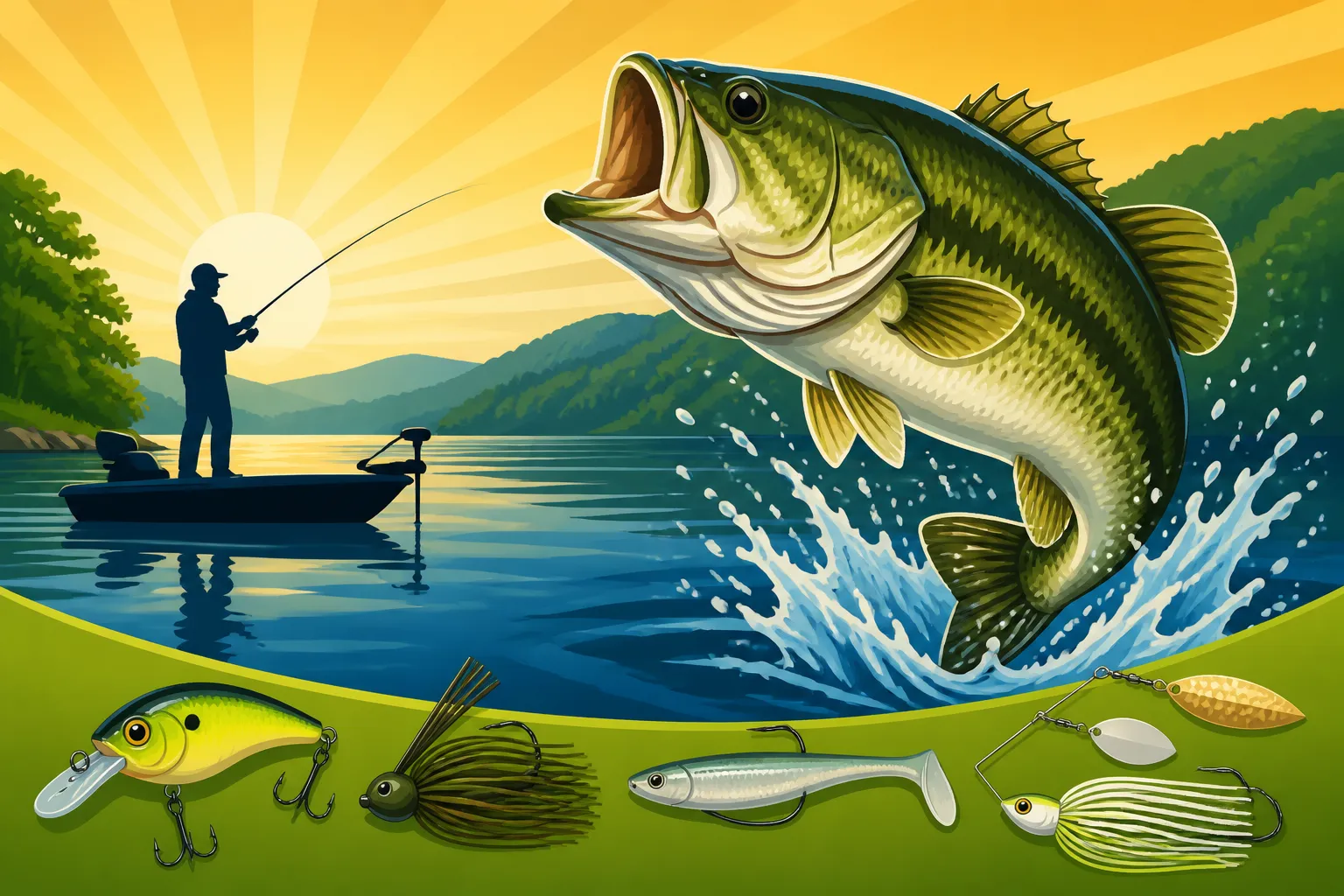
Here's a quick reference table for spring baits on Chickamauga Lake:
| Bait Type | Target Bass Phase | Ideal Water Temp Range | Key Characteristics | Where to Use |
|---|---|---|---|---|
| Jerkbait | Early Pre-Spawn | 48-55°F | Suspends, erratic action, long pauses | Deep points, channel swings, rocky banks |
| Lipless Crankbait | Pre-Spawn | 52-62°F | Rattle, vibration, fast retrieve | Grass beds, shallow flats, riprap |
| Bladed Jig | Pre-Spawn | 52-62°F | Unique vibration, erratic swim, weedless | Grass lines, docks, sparse cover |
| Flipping/Pitching Jig | Pre-Spawn, Spawn | 55-68°F | Mimics crawfish, heavy profile, slow fall | Thick grass, laydowns, docks, brush piles |
| Creature Bait (TX Rig) | Spawn, Post-Spawn | 58-70°F | Natural profile, subtle action, weedless | Bedding areas, shallow cover, sparse grass |
| Topwater (Popper/Walker) | Post-Spawn | 65-75°F | Surface disturbance, aggressive strikes, visual | Shallow flats, around cover, low light conditions |
| Swimbait (Soft Plastic) | Post-Spawn | 60-72°F | Realistic baitfish imitation, versatile retrieve | Open water, cruising flats, depth changes |
| Spinnerbait | Post-Spawn | 60-70°F | Flash, vibration, covers water | Stained water, sparse cover, transition areas |
This table should help you quickly identify what bait might be best suited for the conditions you encounter. Remember that Chickamauga Lake is known for its trophy bass, as detailed in Chickamauga Lake, Tennessee's Trophy Bass Fishery. You can find many of these top-performing baits and tackle on platforms like Amazon, making it easy to stock up before your next trip. Always be prepared with a variety to match what the bass are doing that day.
Disclaimer
The information provided in this guide is for general informational purposes only and is not intended as legal advice. Fishing regulations, seasons, and licensing requirements in Tennessee can change. Always consult the latest official regulations from the Tennessee Wildlife Resources Agency (TWRA) before planning any fishing trip. Adherence to all local, state, and federal laws is the responsibility of the angler.