Best Time of Year to Catch Crappie on Tennessee’s Kentucky Lake
One of the biggest head-scratchers for any angler hitting the colossal waters of Kentucky Lake is figuring out when the crappie are truly biting. This massive reservoir can feel like an ocean, making it incredibly frustrating to spend a day casting without so much as a nibble. If you've ever found yourself wondering if you're just in the wrong spot or at the wrong time, you're not alone! This comprehensive guide is designed to cut through the guesswork, pinpointing the best times of year to catch crappie on Kentucky Lake, offering clear strategies, and helping you fill your livewell.
Understanding Kentucky Lake's Crappie Dynamics
Kentucky Lake, straddling the border of Kentucky and Tennessee, is truly a fishing paradise, but its sheer size—over 160,000 acres and 2,000 miles of shoreline—can be daunting. Crappie fishing here isn't just about dropping a line; it's about understanding the seasonal rhythms of this massive fishery. The crappie, primarily black crappie, are abundant, but their behavior changes dramatically with water temperature, depth, and available forage throughout the year. Knowing these patterns is the key to consistent success.
Kentucky Lake's crappie thrive in its vast, nutrient-rich waters, which are fed by the Tennessee River. This means plenty of submerged structure, vast flats, and countless creeks and embayments for them to inhabit. But exactly where they'll be and what they'll be eating depends almost entirely on the season. Forget about a one-size-fits-all approach; successful crappie fishing on Kentucky Lake demands seasonal adaptation.
The Influence of Water Temperature
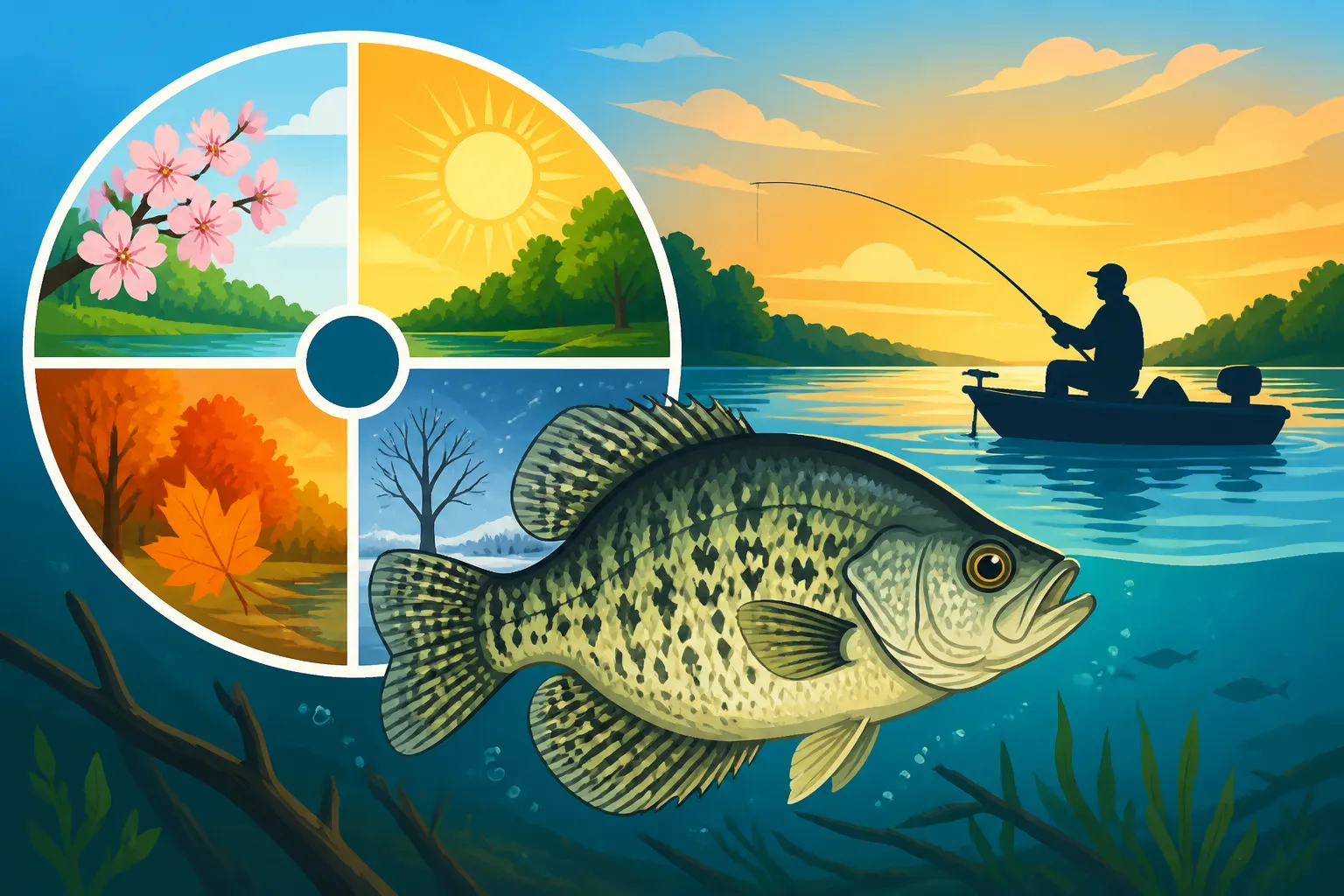
Water temperature is, without a doubt, the most critical factor influencing crappie behavior. These fish are ectothermic, meaning their body temperature mirrors that of the surrounding water, directly impacting their metabolism, feeding activity, and spawning urges. As the water warms in spring, crappie become more active and move towards shallower waters to spawn. In the scorching summer, they retreat to deeper, cooler zones. Fall brings a renewed feeding frenzy as temperatures drop, and winter sees them congregating in deep, stable areas. Understanding these thermal migrations is fundamental to knowing when and where to find them.
For instance, when the water temperature hovers around 50-60 degrees Fahrenheit, you're likely entering the prime pre-spawn and spawning periods for crappie. However, once that thermometer climbs into the 80s during peak summer, you can bet those slabs have moved to a different zip code. Keeping an eye on a quality fish finder with temperature readings can be incredibly beneficial.
Structure and Forage Availability
Beyond temperature, crappie are highly dependent on structure for ambush points and protection, and on the availability of baitfish for food. Kentucky Lake is riddled with both natural and man-made structures. Think submerged brush piles, standing timber, rock piles, creek channels, ledges, and docks. Crappie will use these structures as highways and hideouts. They often relate to specific depths, especially when following schools of shad, their primary food source.
The Tennessee Wildlife Resources Agency (TWRA) regularly enhances crappie habitat by adding artificial brush piles, often marked with buoys or identifiable through navigation apps, providing excellent targets. If you're wondering about specific guidelines for keeping your catch, you should definitely check out the comprehensive Crappie Limits Under Tennessee Fishing Rules.
Spring: The Golden Season for Kentucky Lake Crappie
Ah, spring on Kentucky Lake! If there’s one time of year that crappie anglers universally flock to these waters, it’s during the spring spawn. The air is fresh, the dogwoods are blooming, and the crappie are on the move. This season is truly a gift for those seeking to fill their coolers.
Pre-Spawn Preparations and Movement
As winter's chill begins to recede and water temperatures start to climb into the upper 40s and low 50s, crappie begin their pre-spawn migration. They'll start moving out of their deep winter haunts and staging in secondary creek channels and main lake points, often relating to structure like brush piles or stump fields at depths of 10-20 feet. This is a fantastic time for tight-lining or slow trolling jigs, as the fish are actively feeding to bulk up for the upcoming spawn. They're usually aggressive and willing to chase baits.
During this stage, look for channels that lead into spawning flats. The crappie won't be in the shallowest water yet, but they're not far off. Using a sensitive rod and reel combo, perhaps something you found on Amazon, can help detect those subtle pre-spawn bites. These fish are often found in larger schools, so once you find one, you're likely to find many more.
The Crappie Spawn Frenzy
The true magic happens when water temperatures consistently reach between 58 and 68 degrees Fahrenheit. This is when the crappie make their final push into the shallows for the spawn. They’ll be found anywhere from 1 to 5 feet deep, around shoreline cover like submerged bushes, fallen trees, dock pilings, and cypress trees. This is arguably the easiest time to catch crappie on Kentucky Lake because they are concentrated and highly aggressive, protecting their nests.
For many, the spawn is the best time of year to catch crappie on Kentucky Lake. Casting small jigs or minnows under a bobber right into visible cover is incredibly effective. You can also try spider rigging, presenting multiple baits at different depths from the front of your boat. For more in-depth strategies, our guide on Spring Crappie Spawn Timing in Tennessee offers additional tips. Remember to be quiet and stealthy; even in their aggressive state, crappie can be spooked by excessive noise or shadow.
Post-Spawn Recovery
Once the spawning ritual is complete and the water temperatures start to push into the 70s, crappie will begin to transition out of the shallowest areas. They'll often pull back to slightly deeper cover in the 5-10 foot range, often suspending around submerged timber or the edges of creek channels. They might be a bit lethargic immediately after the spawn, but they soon resume feeding aggressively to recover their energy.
This post-spawn period is still highly productive, though it requires a bit more searching. Focus on those intermediate depths where the fish can easily move between deeper water and shallower feeding grounds. Small crankbaits or slow-trolled jigs can be very effective as crappie look for easy meals after their demanding spawning period.
Summer: Adapting to the Heat
Summer on Kentucky Lake can be brutal with the heat, but don't let that deter you! While crappie fishing might require a bit more effort and strategic thinking than during the spring, it can still be incredibly rewarding. The key is to adapt your tactics to the higher water temperatures and the fish's deeper movements.
Deep Water Strategies
As surface temperatures soar into the 80s and even 90s, crappie seek refuge in deeper, cooler water. You'll typically find them suspending over creek channels, river ledges, or deep brush piles at depths of 15-30 feet, sometimes even deeper. They often relate to thermoclines, which are layers of water where the temperature changes rapidly. Your fish finder will be your best friend here, helping you locate these thermal layers and the schools of baitfish (and crappie) associated with them.
Vertical jigging or slow trolling with heavier jigs or minnows is the go-to technique. You might need to add a split shot or use a heavier jighead to get your bait down to where the fish are holding. This is also a good time for using live bait, as it provides a natural presentation to lethargic fish. Look for areas with significant depth changes, especially where creek channels meet the main lake.
Night Fishing Exploits
When the sun beats down relentlessly, many experienced Kentucky Lake crappie anglers turn to the night. Night fishing for crappie can be incredibly productive during the summer. The cooler night air makes for a more comfortable experience, and the crappie often move shallower to feed under the cover of darkness.
Using submersible lights to attract baitfish, which in turn attract crappie, is a popular and effective tactic. Position your boat over a known crappie hotspot (like a brush pile or ledge), drop your lights, and present jigs or minnows. Many anglers swear by the action that happens an hour or two after the lights have been in the water, as the entire food chain comes alive. Ensure you have proper navigation lights and safety gear if you plan a night excursion.
Locating Cover and Structure
Even in deep water, crappie will always relate to some form of cover or structure. During the summer, focus your efforts on deep-water brush piles, submerged timber, and the deep edges of old river channels. These areas provide shade, ambush points, and often hold baitfish.
The sheer volume of water in Kentucky Lake means there's a lot of ground to cover. Mapping software on your fish finder or a dedicated GPS unit can help you mark productive spots and return to them. Don't be afraid to move around until you find a concentration of fish. Sometimes a slight change in depth or a move to a different type of structure can make all the difference.
Fall: A Second Crappie Peak
Just when you thought the crappie action couldn't get any better after spring, fall arrives, bringing with it a renewed burst of activity. As air temperatures cool and water temperatures begin their gradual descent, Kentucky Lake crappie enter another aggressive feeding period, making fall arguably the second-best time of year to catch crappie on Tennessee's Kentucky Lake.
Cooling Waters and Feeding Sprees
When the water temperature starts to drop from the summer highs into the 70s and then the 60s, crappie respond by going on a serious feeding binge. They know winter is coming, and they need to pack on the calories. This means they become highly active and can often be found in a wider range of depths compared to summer. You'll find them moving into creek channels, along ledges, and often pushing up into shallower bays as baitfish also move in search of warmer water or cover.
The fall bite is characterized by aggressive strikes. Crappie will readily chase a variety of baits, from small crankbaits to jigs, and, of course, live minnows. Trolling jigs at varying depths along creek channels or casting jigs to prominent structure are excellent strategies. This is a great time to experiment with different jig colors; sometimes a bright chartreuse or a classic black and chartreuse from your tackle box, maybe one you stocked up on Amazon, will outproduce everything else.
Identifying Fall Hotspots
In the fall, crappie often follow schools of baitfish. Look for areas where shad are schooling up, often indicated by bird activity or visual surface disruptions. These baitfish will often be found in the backs of creeks or along channel swings where there's still a bit of warmth or ample food. Crappie will position themselves strategically to ambush these baitfish.
Submerged timber, brush piles along creek channels, and even shallow flats adjacent to deeper water can become hotspots. As the leaves begin to turn, the crappie fishing often heats up in many of Kentucky Lake's major feeder creeks and embayments. Don't overlook the importance of finding cover; crappie will use it not only for protection but also as a staging area for feeding. You can find more targeted advice on where to catch them in our detailed guide on Where to Catch Crappie on Kentucky Lake.
Winter: The Challenging but Rewarding Season
Winter fishing on Kentucky Lake for crappie isn't for the faint of heart, but for those willing to brave the cold, it can offer some of the most consistent and rewarding fishing experiences. The key here is patience and precision.
Targeting Deep Structures
As water temperatures plummet into the 30s and 40s, crappie retreat to their deep-water winter havens. They'll typically be found tightly bunched in large schools, often suspending over the deepest sections of creek channels, river channels, or around significant submerged structures like bridge pilings or exceptionally large brush piles. These fish will congregate in these stable environments, often at depths of 25-40 feet or more.
Your electronics are absolutely essential in winter. A good fish finder will help you locate these tightly packed schools. Once you find them, precise boat positioning and vertical presentations are crucial. You're not looking for active chasing; you're trying to put the bait right in front of their noses. This is where a lot of anglers discover the value of a quality forward-facing sonar system to pinpoint individual fish.
Slow and Steady Wins the Race
Winter crappie are much more lethargic due to their slowed metabolism. This means your presentations need to be much slower and more subtle. Small jigs (1/32 to 1/16 ounce) tipped with a minnow or a soft plastic body are incredibly effective. A common technique is "dead sticking" – simply holding your rod still and letting the bait hang perfectly motionless in front of the crappie. Any movement should be minimal, just enough to impart a slight twitch.
A common setup for this is a light or ultralight spinning rod with a sensitive tip, allowing you to detect the often incredibly subtle bites. Remember, in cold water, crappie might just "suck in" the bait rather than deliver a pronounced strike. For more tips on navigating the cooler months, take a look at our article on How to Catch Crappie in Cold Water. Patience is your greatest virtue during winter crappie fishing on Kentucky Lake; when you find them, the rewards can be incredible.
Essential Gear for Kentucky Lake Crappie
Having the right gear makes all the difference when you're tackling a lake as vast and varied as Kentucky Lake. While crappie fishing can be done with minimal equipment, a few key items will significantly boost your success.
Rods, Reels, and Line
For crappie, light tackle is generally preferred. Look for sensitive, light to ultralight action spinning rods, typically 6 to 7 feet long. These rods allow you to cast small jigs and detect those subtle crappie bites. Pair them with small, smooth spinning reels spooled with 4-6 pound test monofilament or fluorocarbon line. Braided line can also be used, especially in deeper water, for increased sensitivity, often with a fluorocarbon leader.
Many anglers on Kentucky Lake use longer "spider rigging" rods, often 10 to 16 feet, to present multiple baits around the boat. These are usually mounted in rod holders and used for slow trolling or drifting over large flats or creek channels.
Jigs, Minnows, and Baits
Jigs are the undisputed king for crappie. Small lead-head jigs ranging from 1/32 to 1/8 ounce, dressed with soft plastic bodies (grubs, tubes, swimbaits) in various colors, are extremely effective. Popular colors include chartreuse, white, black, pink, and various combinations. Live minnows, particularly small shiners or rosy reds, are also incredibly potent, either fished alone or tipped on a jig. Many anglers combine a minnow with a jig to offer both scent and visual appeal. You can often find great value multi-packs of crappie jigs on Amazon, making it easy to stock up.
Consider carrying a variety of jig sizes and colors, as crappie can be picky. Sometimes a slight change in the plastic tail's action or a different color can make all the difference. For more details on what to stock, our Best Bait for Crappie Fishing guide is a great resource.
Electronics and Navigation
On a lake the size of Kentucky Lake, good electronics are non-negotiable. A quality fish finder with GPS capabilities will help you identify crappie schools, locate submerged structure, track depth contours, and mark your productive spots. Down imaging and side imaging technologies are invaluable for finding those hidden brush piles and channel edges where crappie often hold.
Many serious crappie anglers also invest in forward-facing sonar, which allows them to see fish and structure in real-time ahead of and around the boat. This technology has revolutionized crappie fishing, especially in deeper water or when fish are suspended. Make sure your boat's battery system can handle the demands of your electronics for a full day on the water.
| Season | Best Time of Day | Typical Depths | Preferred Baits | Key Techniques | Notes |
|---|---|---|---|---|---|
| Spring | Morning/Late Afternoon | 1-20 ft (shallow during spawn) | Small Jigs, Live Minnows | Casting, Jigging, Spider Rigging | Crappie move shallow for spawn; highly aggressive. |
| Summer | Early Morning, Night | 15-30 ft+ (deeper) | Live Minnows, Small Jigs | Vertical Jigging, Night Fishing w/ Lights | Fish seek cooler, deeper water; slower bite. |
| Fall | Morning/Late Afternoon | 5-25 ft (variable) | Small Jigs, Crankbaits, Live Minnows | Trolling, Casting to Structure | Crappie feed aggressively for winter; follows baitfish. |
| Winter | Mid-Day (warmer hours) | 25-40 ft+ (deepest) | Small Jigs (1/32 oz), Live Minnows | Vertical Jigging, Dead Sticking | Fish are lethargic; precision and patience are key. |
Important Considerations for Kentucky Lake Fishing
Fishing on Kentucky Lake isn't just about catching fish; it's about respecting the regulations and ensuring a safe, enjoyable experience.
Licenses and Regulations
Always make sure you have the proper Tennessee Fishing License Guide before you cast a line. Regulations for catch limits and sizes are in place to ensure the sustainability of the fishery. These rules can sometimes vary by water body, so always double-check the latest TWRA regulations for Kentucky Lake itself. Understanding the nuances, like whether you need a special trout permit with your license, can save you from potential fines.
Boating Safety
Given the size of Kentucky Lake, boating safety is paramount. Always check the weather forecast before heading out, as conditions can change rapidly. Ensure you have all required safety gear, including life jackets for everyone on board (especially children under 12), a fire extinguisher, and proper navigation lights if you're out at dawn, dusk, or night. If you're new to operating a boat, consider taking a boating safety course.
Conservation Practices
While crappie are abundant, practicing good conservation helps ensure healthy populations for future generations. Consider keeping only what you plan to eat and releasing larger "brood" crappie to maintain the gene pool. Handle fish gently, especially when practicing catch-and-release, to maximize their survival chances.
Kentucky Lake offers incredible crappie fishing opportunities throughout the year, but understanding the seasonal patterns is what truly unlocks its potential. Whether you're chasing the spring spawn, tackling the summer depths, enjoying the fall bite, or braving the winter chill, knowing when and where to find these elusive slabs will lead to more successful and satisfying days on the water.
Disclaimer
The information provided in this guide is for general informational purposes only and is subject to change. Always consult the official regulations published by the Tennessee Wildlife Resources Agency (TWRA) for the most current and accurate fishing rules, limits, and licensing requirements before engaging in any fishing activities on Kentucky Lake or any other Tennessee waters. Fishing conditions can vary widely based on weather, water levels, and other environmental factors.