How to Fish a Texas Rig for Bass
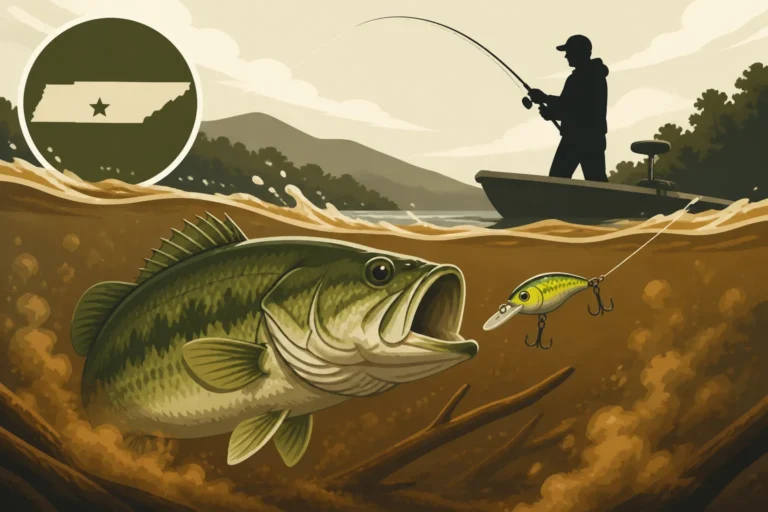
Let's be honest, bass fishing can sometimes feel like you're trying to solve a Rubik's Cube while blindfolded. You've got all the gear, you've scouted the perfect spot on your favorite Tennessee lake, but those elusive bass just aren't biting, often because your lure is constantly snagging in dense cover. This guide is dedicated to untangling that frustration, showing you exactly how to rig and fish one of the most effective and weedless bass presentations out there: the Texas Rig.
Demystifying the Texas Rig: Why It Works So Well
The Texas Rig isn't just another lure setup; it's a foundational technique in bass fishing, a true workhorse that seasoned anglers rely on year-round. If you've ever felt the frustration of losing lures to submerged brush or dense grass, the Texas Rig is about to become your new best friend. It excels where many other presentations fail, making it an essential tool in your tackle box, especially when targeting stubborn Tennessee bass tucked away in their hiding spots.
The Genius of its Weedless Design: No Snags, More Fish
The primary reason the Texas Rig has earned its legendary status is its incredible weedless nature. Unlike a traditional jig or an exposed hook lure, the Texas Rig is designed to have the hook point buried directly into the soft plastic bait. This ingenious design allows the bait to glide effortlessly through the thickest cover imaginable – think dense lily pads, submerged timber, gnarly rock piles, or matted grass – without getting hung up.
Imagine you're fishing a spot on Chickamauga Lake, known for its incredible bass but also for its abundant hydrilla and thick laydowns. Throwing a crankbait or a spinnerbait might result in constant snags and lost lures, which is not only costly but also incredibly disheartening. With a Texas Rig, your bait can literally push through these obstacles, emerging on the other side clean and ready to entice a strike. This means more time fishing and less time re-rigging, leading to a much more productive and enjoyable day on the water. It’s the perfect setup for punching through cover where the big ones often hide.
Unmatched Versatility: From Shallow Grass to Deep Ledges
Another huge advantage of the Texas Rig is its remarkable versatility. It's not a one-trick pony; this rig can be adapted to almost any depth or type of cover you encounter across Tennessee's diverse waterways. Whether you're targeting shallow largemouth bass lurking in grass beds on Reelfoot Lake or probing deep rock ledges for smallmouth bass on Dale Hollow Lake, the Texas Rig can be your go-to presentation.
By simply adjusting the weight of your bullet sinker, you can quickly change the depth at which your bait falls and how fast it descends. A lighter weight is perfect for slowly working through shallow cover, allowing the bait to gently flutter down. Conversely, a heavier weight will punch through thick mats and quickly get your bait down to deeper structure, attracting those elusive offshore fish. This adaptability makes it an invaluable tool for exploring different parts of a lake and figuring out where the bass are holding on any given day. It’s also incredibly effective for fishing a wide range of water conditions, from clear mountain streams to stained reservoir waters, making it truly adaptable to the full range of Tennessee's fishing environments.
Core Components: What You'll Need to Get Started
Before we dive into the rigging process, let's go over the essential components that make up a successful Texas Rig. Understanding each piece and its purpose is key to maximizing your effectiveness on the water. Luckily, most of these items are readily available from retailers like Amazon, making it easy to stock up.
First, you'll need a soft plastic bait. This is the star of the show, mimicking everything from worms and crawfish to creature baits and lizards. The variety is endless, and choosing the right bait depends on the fish's mood and the forage in the water. We'll delve deeper into bait selection shortly.
Next, you'll need a worm hook, specifically designed for soft plastics. These often come in Extra Wide Gap (EWG) or straight shank designs, both of which are excellent for keeping your bait weedless and ensuring a solid hookset. Hook size will depend on the size of your chosen soft plastic.
Then comes the bullet weight. This typically lead or tungsten sinker is shaped like a bullet, allowing it to slide smoothly through cover. Tungsten weights are generally preferred by serious anglers because they are denser and smaller than lead weights of the same mass, offering a more compact profile and enhanced sensitivity, helping you feel subtle bites.
Finally, you'll need fishing line suitable for bass fishing. The choice here depends on the cover and your preference, but fluorocarbon, monofilament, and braided lines all have their place in Texas Rig fishing, each offering distinct advantages in certain situations. We'll explore these options in more detail when we discuss gear selection.
Assembling Your Texas Rig: A Step-by-Step Guide
Rigging a Texas Rig correctly is crucial for its weedless performance and natural presentation. Don't worry, it's simpler than it sounds, and with a little practice, you'll be rigging them up quickly on the water. Precision here translates directly into more bites and fewer snags, so take your time and follow these steps closely.
Selecting the Right Hook for Your Bait
The hook is arguably the most critical component of your Texas Rig, as it needs to securely hold your bait, remain weedless, and effectively penetrate the bass's jaw. The most common choices are Extra Wide Gap (EWG) hooks and straight shank worm hooks.
EWG hooks are incredibly popular because their design, with a wide gap between the hook point and the shank, allows for excellent hook penetration even with bulky soft plastic baits. They also tend to keep your bait securely in place, reducing the chances of it sliding down the hook during casting or retrieval. For baits like thicker creature baits or larger worms, an EWG hook in a 3/0 to 5/0 size is often ideal.
Straight shank hooks, on the other hand, offer a more streamlined profile and are excellent for longer, thinner worms. They provide a quicker, more direct hookset, especially in open water or lighter cover. Some anglers prefer them for their stealthy appearance. The key is to match the hook size to your bait – the hook point should emerge cleanly from the bait without bunching it up, ensuring a natural presentation. For a 7-inch worm, a 3/0 or 4/0 hook might be perfect, while a 10-inch worm might call for a 5/0 or even 6/0. You can find a vast array of options on Amazon to match your preferred bait sizes.
Weighting Your Rig: Bullet Weights and Their Purpose
The bullet weight serves several purposes: it helps you cast your bait, gets it down to the desired depth, and allows you to feel what your bait is doing on the bottom. As mentioned, tungsten weights are often preferred due to their higher density and sensitivity. They transmit vibrations from the bottom much more effectively than lead, allowing you to discern subtle changes in bottom composition and detect light bites more easily.
Bullet weights come in various sizes, typically ranging from 1/16 oz for very shallow, finesse applications to 1 oz or even heavier for punching through dense mats or fishing in deep current. For general fishing in light to moderate cover, a 1/4 oz or 3/8 oz weight is a good starting point. If you're fishing heavy grass or dense brush piles, you might bump up to a 1/2 oz or 3/4 oz to ensure your bait penetrates the cover.
You also have the option of "pegging" your weight. Pegging means using a small rubber stopper, toothpick, or specialized peg to keep the bullet weight snug against the hook eye. This is particularly useful when fishing in very heavy cover, as it prevents the weight from sliding up the line and separating from your bait, which can cause snags or reduce your hookup ratio. When fishing more open water or sparse cover, an unpegged weight allows the bait to move more freely and can sometimes entice more bites with its natural fall.
Threading Your Soft Plastic Bait: Achieving That Natural Look
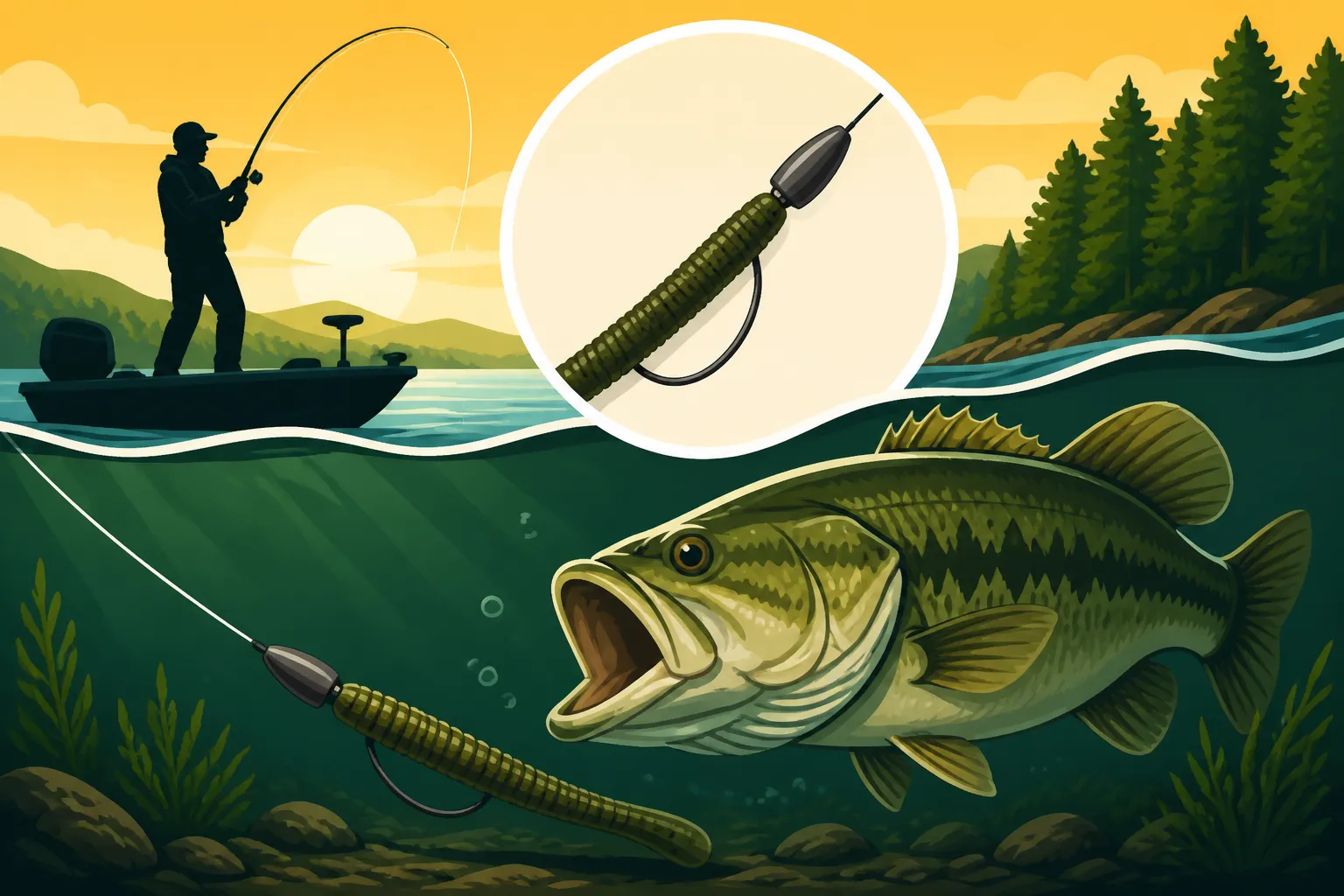
This is where the magic of the Texas Rig's weedless design really comes to life. Start by inserting the hook point into the very tip (the head) of your soft plastic bait, roughly 1/4 to 1/2 inch deep, depending on the bait's thickness. Push the hook through the bait until the eye of the hook is almost entirely hidden within the plastic.
Next, rotate the hook 180 degrees so the hook point is facing the body of the bait. Lay the hook shank alongside the bait to measure where the hook point should exit. You want the hook to lay straight and flat along the bait's body, without bunching it up or causing it to kink. Mark that spot, then push the hook point through the body of the bait.
Finally, gently pull the bait forward so that the hook point is just barely buried back into the plastic, making it weedless. The bait should lay perfectly straight on the hook, resembling a natural creature. A straight bait is crucial for a natural presentation and ensures the bait doesn't spin erratically in the water, which can deter bass. When rigged correctly, your Texas Rig should be able to slide through almost anything without snagging.
The Critical Connection: Line Choice and Knot Tying
Your choice of fishing line and a reliable knot are paramount to the success of your Texas Rig. Each line type offers distinct advantages:
Fluorocarbon line is a favorite among many Texas Rig enthusiasts because it's virtually invisible underwater, offers excellent abrasion resistance (crucial around cover), and has minimal stretch, providing fantastic sensitivity. This combination allows you to feel even the lightest bites and detect subtle changes in bottom composition. For most Texas Rig applications, a 12-20 lb fluorocarbon line is a solid choice.
Braided line excels in extremely heavy cover or when fishing with heavier weights. Its zero-stretch properties offer unparalleled sensitivity and immense strength, allowing you to yank fish out of the thickest nastiness. However, braid is highly visible, so many anglers opt to tie a fluorocarbon leader (e.g., 20-30 lb braid with a 15-20 lb fluorocarbon leader) to maintain stealth.
Monofilament line is a more budget-friendly option that offers good castability and some stretch, which can be forgiving with aggressive hooksets. However, its visibility and lower abrasion resistance make it less ideal for heavy cover situations compared to fluorocarbon or braid.
No matter your line choice, always use a strong, reliable knot. The Palomar knot is a classic choice for tying hooks and weights, known for its strength and ease of tying. The improved clinch knot is another excellent option. Practice these knots at home until you can tie them quickly and confidently, as a failed knot can mean losing a trophy bass and your precious lure. A good knot is truly the final piece of the rigging puzzle, ensuring that all your efforts aren't undone by a simple failure.
Fishing the Texas Rig: Techniques for Every Scenario
Once your Texas Rig is expertly tied, the real fun begins. The beauty of this setup lies not only in its weedless design but also in the multitude of ways you can present it to bass. Mastering these techniques will allow you to adapt to various conditions and provoke strikes from even the most hesitant fish.
Casting and Presentation: Getting Your Bait Where It Needs to Be
Getting your Texas Rig to the fish is half the battle. When fishing around dense cover like brush piles, submerged trees, or dock pilings, accuracy is key. This is where pitching and flipping techniques truly shine.
Pitching involves a pendulum-like motion, swinging your bait forward with a short underhand cast. It's ideal for making precise, quiet presentations to targets that are a bit further away (10-30 feet). The goal is for your bait to enter the water with minimal splash, not to spook any nearby bass. This is particularly effective when working boat docks or fallen timber along the banks of lakes like Percy Priest Lake.
Flipping is an even shorter-range, more controlled presentation, typically used for targets within 10 feet. You strip line from your reel, hold the bait in one hand, and swing it forward like a pendulum, guiding it gently into the tightest cover. This stealthy approach is perfect for dropping your bait into the smallest pockets of cover, where bass often ambush prey.
For more open areas or when covering large flats, a conventional overhead or sidearm cast works perfectly. The key with any cast is to ensure your bait lands softly and accurately, allowing it to sink naturally into the strike zone. Remember, a loud splash can often send wary bass scurrying, especially in clear water.
Retrieval Strategies: Bringing Your Bait to Life
The way you retrieve your Texas Rig is just as important as how you cast it. You're trying to mimic a crawfish scurrying, a worm wiggling, or a creature bait darting, so think about what the natural forage would be doing.
One of the most common and effective retrieval methods is simply dragging your bait along the bottom. Cast your rig out, let it sink to the bottom, then slowly drag it back by sweeping your rod tip from 9 o'clock to 12 o'clock, reeling in the slack as you drop your rod tip back down. This methodical retrieve allows your bait to stay in contact with the bottom, kicking up puffs of silt and mimicking a crawfish foraging. It's incredibly effective when bass are lethargic or holding tight to structure.
Another popular method is hopping or lift-and-drop. After your bait hits bottom, lift your rod tip sharply to make the bait jump off the bottom, then let it fall back down on a semi-slack line. Most bites often occur on the fall, so watch your line intently for any twitches or sudden movement. This resembles a startled crawfish or a fleeing baitfish and can trigger a reaction strike.
Sometimes, a subtle shaking motion can be the ticket. Cast your bait out, let it sink, and then gently shake your rod tip while barely moving the bait forward. This causes the soft plastic to quiver and twitch enticingly in place, mimicking a dying or distressed creature. This can be especially effective in cold water or when bass are pressured and unwilling to chase. Consider these retrieval methods when figuring out How to Fish for Bass in Summer Heat or even when you're wondering about Winter Bass Fishing Techniques.
Reading the Bite and Setting the Hook: Feel vs. See
Detecting a bite on a Texas Rig can sometimes be subtle, a soft "tick," a spongy feeling, or simply a sudden weightlessness as a bass picks up your bait and swims towards you. This is where the sensitivity of fluorocarbon or braided line, combined with a sensitive rod, truly pays off.
When a bass bites, you might feel a distinct "thump" as it inhales the bait. Other times, your line might simply go slack, or you might notice it moving sideways unexpectedly. It takes practice to distinguish between a bite and your weight bumping against a rock or limb. The moment you feel anything out of the ordinary, or if your line tightens or moves, don't hesitate.
The hookset for a Texas Rig should be firm and sweeping. Reel down any slack line until you feel resistance, then quickly set the hook by sweeping your rod powerfully upwards and to the side, maintaining tension. You need to drive that buried hook point through the plastic and into the bass's mouth. Don't be shy – a weak hookset is a common reason for lost fish. Remember, Tennessee's Largemouth Bass Limit Is 5 Per Day, Only 1 Over 18 Inches, so you want to make sure you land every legal fish you hook.
Texas Rig Strategies for Tennessee's Diverse Waters
Tennessee offers an incredible variety of fishing environments, from the vast reservoirs of the TVA chain to the smaller, clearer rivers. The Texas Rig's adaptability means it can be tweaked to excel in all these different settings, making it an indispensable part of your bass fishing arsenal.
Conquering Heavy Cover: Brush Piles, Docks, and Timber
Heavy cover is where the Texas Rig truly shines, and Tennessee's lakes are full of it. Whether you're targeting submerged brush piles in the Tennessee River, docks on Old Hickory Lake, or standing timber in Watts Bar Lake, the weedless nature of the Texas Rig allows you to get your bait into places other lures simply can't reach.
When fishing brush piles or laydowns, pitch or flip your Texas Rig directly into the densest parts. Let it sink to the bottom, then slowly work it through the branches with subtle hops and drags. Pay close attention to any resistance or changes in line movement – often, a bass will be nestled right within the thickest part of the cover, waiting to ambush. This is a prime spot to use a heavier pegged weight (like 1/2 oz or 3/4 oz tungsten) to ensure your bait punches through and gets to the fish.
For dock fishing, especially around the pilings or under the pontoons, make precise pitches or flips to get your bait as close as possible to the structure. Let it fall naturally, then give it a few subtle shakes or short hops before retrieving. Bass love to hide in the shade and ambush prey from under docks. The key is to be patient and thoroughly work each piece of cover, as bass can be incredibly territorial.
Working Ledges and Deep Structure: Finding Those Offshore Bass
While the Texas Rig is famous for its prowess in shallow cover, don't underestimate its effectiveness on deeper structure. Ledges, humps, creek channels, and submerged roadbeds are key areas where bass often congregate, especially during the warmer months or colder seasons. This is especially true for Tennessee's Top Bass Fishing Lakes.
When fishing deep, you'll want to opt for heavier bullet weights, typically 1/2 oz to 1 oz or more, depending on depth and current. Tungsten weights are particularly valuable here for their increased sensitivity, allowing you to "read" the bottom composition – feeling rocks, gravel, or even subtle changes from hard bottom to soft mud. Cast your rig onto the top of the ledge or hump, let it sink, then slowly drag or hop it down the contour. Bass will often position themselves on the deeper side of the break, looking up for passing prey.
This technique is incredibly productive on large reservoirs like Kentucky Lake or Fort Loudoun Lake, where bass often relate to offshore structure. Look for areas where a creek channel swings close to a point, or where a hard bottom transitions to a soft bottom – these are prime spots for a Texas Rig. Remember, patience is key when working deep; sometimes, a fish will just pick it up and swim off, requiring a keen eye on your line. For more on this, check out How to Fish Deep Structure for Bass in Winter.
Adapting to Seasonal Changes: From Spring Spawning to Winter Holds
The Texas Rig's versatility truly shines through its ability to adapt to seasonal bass patterns.
In spring, during the pre-spawn and spawn phases, bass move shallow to reproduce. A Texas Rigged lizard or creature bait worked slowly around spawning beds or staging areas can be irresistible. A lighter 1/8 oz or 1/4 oz weight allows for a slower, more deliberate fall, mimicking a critter investigating a bed. This is a critical time, so understanding Pre-Spawn and Post-Spawn Bass Fishing Patterns can greatly increase your success.
As summer heat sets in, bass often retreat to deeper, cooler water or seek out dense overhead cover. This is when heavier Texas Rigs shine, punching through mats of vegetation or being slowly dragged along deep ledges and creek channels. Creature baits and worms in darker colors often perform well under these conditions.
In the fall, as water temperatures begin to drop, bass become more active and start feeding aggressively to prepare for winter. They can be found both shallow and deep, often chasing baitfish. The Texas Rig can be fished faster during this period, with quicker hops and drags around points, humps, and baitfish schools.
During winter, bass become more lethargic and generally hold tight to deep structure, often in 20-40 feet of water. A very slow, methodical retrieve with a Texas Rig, barely moving it, can still coax bites from cold, inactive fish. Heavier weights are essential to maintain bottom contact in these deep presentations. Understanding Tennessee Bass Fishing Seasons and Patterns will help you know when and where to deploy your Texas Rig effectively.
Pairing with Popular Baits: Worms, Creatures, and Lizards
The beauty of the Texas Rig is that it can accommodate a vast array of soft plastic baits. Choosing the right bait depends on the conditions, the local forage, and the mood of the bass. You can find an incredible selection of these on platforms like Amazon.
Plastic Worms are perhaps the most classic choice for a Texas Rig. Straight-tail worms, ribbon-tail worms, and trick worms all have their place. Ribbon-tail worms, with their undulating tails, create a lot of action on the fall and retrieve, making them great search baits. Straight-tail worms offer a more subtle, finesse presentation, ideal for pressured fish or colder water. For example, a 7-inch green pumpkin or junebug ribbon-tail worm is a staple for many Tennessee anglers.
Creature Baits are designed to mimic a variety of natural prey, from crawfish to various invertebrates. They often feature multiple appendages that flap and vibrate, creating a lot of commotion. Popular examples include beaver-style baits or soft plastic crawfish imitations. These are excellent for punching through heavy cover, as their bulky profile can displace water and entice aggressive strikes.
Lizard Baits are often deadly during the spring spawn, as they resemble predators to bass eggs, provoking a defensive strike from nesting bass. They also work well throughout the year, especially when bass are feeding on natural forage like salamanders. A 6-inch lizard in green pumpkin or watermelon red can be a highly effective choice. Experimentation is key; sometimes, a unique profile or color can be the difference-maker on tough days.
Here’s a quick guide to help you select your Texas Rig components based on common Tennessee fishing scenarios:
| Scenario | Recommended Weight | Recommended Hook Size | Recommended Bait Type | Line Type (Leader) | Retrieval Style |
|---|---|---|---|---|---|
| Heavy Matted Grass | 3/4 oz – 1.5 oz (Pegged) | 4/0 – 6/0 EWG | Beaver, bulky creature bait | Braid (Fluorocarbon) | Punching, subtle shake |
| Brush Piles/Laydowns | 1/2 oz – 3/4 oz (Pegged) | 4/0 – 5/0 EWG | Crawfish, creature bait | Fluorocarbon/Braid | Hopping, dragging |
| Deep Ledges/Humps | 3/8 oz – 1 oz (Unpegged) | 3/0 – 5/0 EWG/Straight | Ribbon-tail worm, creature | Fluorocarbon | Dragging, slow hops |
| Shallow Rocks/Sparse Cover | 1/8 oz – 1/4 oz (Unpegged) | 2/0 – 4/0 EWG/Straight | Straight-tail worm, lizard | Fluorocarbon | Gentle hops, dragging |
| Open Water Finesse | 1/16 oz – 1/8 oz (Unpegged) | 1/0 – 2/0 Straight | Small worm, finesse creature | Fluorocarbon | Slow drag, light shake |
| Spring Spawn Beds | 1/4 oz – 3/8 oz (Unpegged) | 3/0 – 4/0 EWG | Lizard, soft plastic tube | Fluorocarbon | Very slow drag/hold |
This table should give you a solid starting point, but remember, fishing is all about adapting. Don't be afraid to experiment with different combinations until you find what the bass are biting on that particular day.
Disclaimer
Fishing involves inherent risks. Always prioritize safety on the water, wear appropriate personal flotation devices, and be aware of your surroundings. Regulations regarding fishing licenses, catch limits, and boating safety in Tennessee are subject to change. Consult the latest Tennessee Wildlife Resources Agency (TWRA) regulations before heading out. This guide is for informational purposes only and does not constitute professional advice.