Best Lures for Stocked Rainbow Trout
It’s a familiar scenario for many anglers in Tennessee: you’ve heard the fish stocking reports, you head to your favorite stream or pond, and… nothing. Those freshly stocked rainbow trout can be surprisingly finicky, leaving you wondering if you picked the wrong lure. This guide is all about cutting through the confusion, helping you understand the best lures for stocked rainbow trout and how to present them for consistent success, turning those frustrating outings into memorable catches.
Understanding Stocked Rainbow Trout Behavior
Before you even think about tying on a lure, it’s incredibly helpful to understand the unique characteristics of stocked rainbow trout. They aren’t wild fish, and their upbringing in a hatchery environment shapes how they react to their new surroundings and, crucially, what they’re likely to bite.
Why Stocked Trout Act Differently
Hatchery-raised rainbow trout spend their entire lives in controlled environments, typically fed a consistent diet of processed pellets. This means they often lack the natural predatory instincts of wild trout, which have to hunt for their food. When released into a stream or lake, they're initially disoriented and often prioritize easy meals that resemble what they've always known. They're not actively chasing minnows or insects in the same way a wild brown trout might.
This initial confusion can last for days or even weeks. They're learning to forage in a natural environment, which is a huge adjustment. During this time, highly unnatural but familiar-smelling baits often perform exceptionally well because they trigger that conditioned feeding response. It's a bit like giving a picky eater their favorite comfort food in a new restaurant; it helps them relax.
Feeding Habits and Instincts
Despite their hatchery background, these trout quickly begin to adapt. While their primary diet was pellets, they do have a natural curiosity and an instinct to feed. They’ll start to key in on available food sources, which means they might investigate things that flash, wiggle, or have a familiar scent. They are often less wary than wild trout, especially immediately after stocking, making them more susceptible to a variety of presentations.
However, as time passes and they become "stream-wise" or "lake-wise," they can become more cautious. They'll start to recognize common angler mistakes and can become selective. This is why having a range of lure options and understanding how to present them is so important. Some will stick to the bottom, looking for easy pickings, while others might rise to chase a flash or vibration. Knowing the Tennessee Trout Stocking Schedule and Season can give you a hint as to how recently they were stocked and, therefore, how aggressive or wary they might be.
Top Lure Categories for Stocked Trout
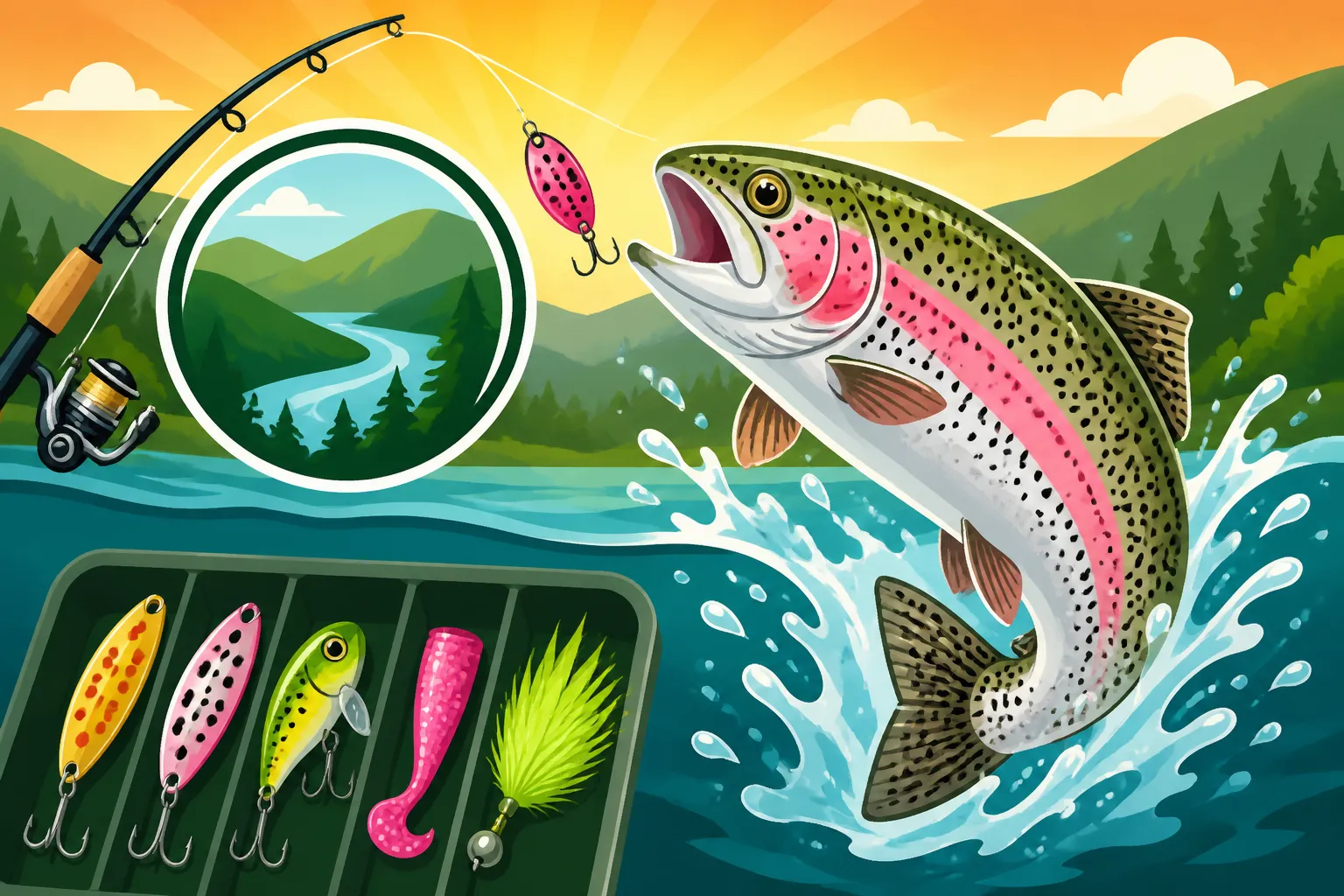
When it comes to tempting stocked rainbow trout, a few categories of lures consistently rise to the top. These aren't necessarily the most complex or flashy options, but they tap into the trout's natural curiosity and conditioned feeding responses.
Soft Baits and Dough Baits
Without a doubt, soft baits and dough baits, especially those specifically formulated for trout, are often the number one go-to for freshly stocked rainbows. Brands like PowerBait, which is widely available on Amazon and in most sporting goods stores, dominate this category. These baits are designed to mimic the appearance, scent, and often the texture of the pellets these trout were fed in the hatchery.
You'll find these in a rainbow of colors – literally – from neon green and orange to classic white and yellow. The scent is typically what draws them in, as it’s a familiar attractant. When fishing with dough baits, a small treble hook or an egg hook works best. Pinch off a small piece, mold it around the hook so the hook point is covered, and cast it out. Many of these baits are buoyant, allowing them to float just off the bottom, which is often where trout are cruising. Fishing them under a small bobber or with a split shot sinker can keep them in the strike zone. You can easily find a huge selection of PowerBait variations on Amazon, along with an array of other soft plastic worms, grubs, and eggs that imitate natural food sources or simply present an enticing profile.
Spinners: The Classic Trout Catcher
Spinners are arguably the most iconic trout lures, and for good reason. Their rotating blade creates flash and vibration in the water, mimicking an injured baitfish or a struggling insect, which can trigger an aggressive strike from both wild and stocked trout. They're versatile and effective in a variety of conditions.
Small inline spinners, typically in sizes #0 to #2, are excellent choices. Popular brands often come in gold, silver, copper, or painted blades with vibrant colors like chartreuse or orange. The key is a steady retrieve that keeps the blade spinning consistently. Vary your retrieve speed and depth until you find what the fish are looking for. Many anglers have their go-to brands, and you can stock up on several sizes and colors through retailers like Amazon to ensure you're prepared for different light and water conditions. Learning How to Spin Fish for Trout effectively is just as important as the lure itself, paying attention to casting accuracy and retrieve speed.
Spoons: Flash and Wobble
Small spoons, often weighing just a fraction of an ounce, are another highly effective lure for stocked rainbow trout. Their unique shape causes them to wobble and flash as they’re retrieved, mimicking a wounded baitfish, which can be an irresistible target. They cast well, allowing you to cover a lot of water, and can be fished at various depths.
Common colors include silver, gold, brass, and even brightly painted options. Size is crucial; aim for lures generally between 1/16 oz and 1/8 oz. A slow, steady retrieve often works best, allowing the spoon to exhibit its full wobbling action. You can also try a "lift and drop" technique, letting the spoon flutter down like a dying baitfish. Spoons are particularly good when you need to cast a bit further or when the trout are holding deeper in pools or along drop-offs.
Small Jigs and Flies (for spinning gear)
While often associated with fly fishing, very small jigs and even artificial flies fished on spinning gear can be deadly for stocked trout. The subtle presentation of a small jig, especially when tipped with a piece of worm or a PowerBait nibble, can entice finicky fish that are ignoring more aggressive presentations.
Micro jigs, typically 1/32 oz or 1/64 oz, often in white, black, or chartreuse, can be fished under a tiny bobber or slowly twitched along the bottom. The key is a slow, almost weightless presentation. Similarly, some anglers will attach a weighted float (like a casting bubble) above a small artificial fly (such as a nymph or a wet fly) and cast it with spinning gear. This allows you to present a very natural-looking fly without needing a fly rod. This technique combines the realism of fly fishing with the ease of spinning tackle, and it’s a great way to explore the effectiveness of various Best Fly Patterns for Stocked Trout even if you don't own a fly rod.
Matching Lures to Water Conditions and Techniques
Choosing the right lure is only half the battle; knowing when and how to present it based on the specific conditions of the water you're fishing can dramatically increase your success rate. Tennessee offers a diverse range of fishing environments, from clear mountain streams to larger, murkier reservoirs.
Clear vs. Murky Water
The clarity of the water plays a huge role in trout behavior and lure visibility.
In clear water, trout rely heavily on their sight. This means you need lures that are natural-looking, smaller, and have less obtrusive hardware. Earth tones, natural patterns, and subtle flashes tend to perform better. Soft baits in natural colors, small silver or gold spinners, and even artificial flies fished under a casting bubble are excellent choices. Ultra-light line (2-4 lb test) is also critical, as thick, visible line can easily spook cautious trout. When you're fishing spots like the pristine waters of the Clinch River or some of the Best Trout Streams in the Great Smoky Mountains, Tennessee, presentation and finesse are paramount.
Conversely, in murkier or stained water, visibility is reduced, so trout depend more on sound, vibration, and scent. This is where brighter colors and lures with more aggressive action shine. Chartreuse, orange, and neon pink soft baits or spinners with bright painted blades can stand out. The vibration from a spinner or the scent trail from a dough bait becomes a primary attractant. Don't be afraid to experiment with slightly larger lures or more vibrant colors to grab their attention.
Current vs. Still Water
Whether you're fishing a flowing stream or a calm pond also dictates your lure choice and presentation.
In moving water, trout often face upstream, waiting for food to drift by. Spinners and spoons are fantastic here because you can cast them upstream and retrieve them downstream, letting the current work the lure's action naturally. This allows the lure to drift into the trout's feeding lane realistically. Jigging small jigs through deeper pools where trout might be holding out of the main current can also be highly effective. The current helps distribute scent from soft baits, making them more attractive if you're bottom-fishing.
For still water environments like ponds or slower reservoir coves, trout have more freedom to move and can be harder to locate. Soft baits fished on the bottom or suspended under a bobber are often prime choices, as they mimic the static food sources trout expect. Spinners and spoons still work, but you'll need to be more deliberate with your retrieve to create the action. Varying your retrieve speed and adding pauses can trigger strikes. This is also where you might consider covering more ground, casting to different areas of the pond, perhaps even trying How to Fish for Trout in a Stocked Pond with different depths.
Time of Day and Season Considerations
Trout activity levels fluctuate with the time of day and the season.
Early morning and late evening are typically prime times, especially during warmer months. The cooler water temperatures and lower light levels make trout more active and less wary. This is when aggressive lures like spinners and spoons can be most effective, as trout are actively feeding.
During the mid-day heat of summer, trout often retreat to deeper, cooler waters or seek refuge in shaded areas. This might call for a slower, more subtle approach, such as bottom-fishing with dough baits or vertically jigging small spoons or jigs in deeper holes. Learning How to Catch Trout in Cold Water is particularly relevant in the winter, where trout are lethargic. Slower retrieves and bottom-oriented presentations become key as their metabolism slows down. The Tennessee Trout Fishing Season Explained outlines how limits and rules might even change depending on the time of year, impacting how you fish.
Practical Tips for Success with Stocked Trout Lures
Beyond choosing the right lure, there are several practical considerations and techniques that can make a significant difference in your success when targeting stocked rainbow trout.
Presentation is Key
You could have the "perfect" lure, but if you don't present it correctly, it won't matter. With stocked trout, subtle adjustments often yield big results. For soft baits, ensure your hook is completely covered and your bait is floating naturally if designed to do so. A small swivel above your leader can prevent line twist, which is common with spinners, and ensures your lure swims correctly.
With spinners and spoons, pay attention to the speed of your retrieve. Too fast, and the fish might not have time to react; too slow, and the lure might not have enough action. A common mistake is reeling too quickly. Try slowing down, adding small twitches, or pausing your retrieve to mimic a struggling baitfish. Sometimes, simply letting a spoon flutter to the bottom for a second before starting your retrieve can trigger a strike.
Experimentation and Adaptability
One of the most valuable lessons in fishing is that what worked yesterday might not work today. Trout can be incredibly finicky, and their preferences can change based on light conditions, water temperature, pressure, and even the time since they were stocked. Don't be afraid to change lures, colors, or retrieve speeds if you're not getting bites.
Start with a common choice, like a silver spinner or a bright dough bait, but if after 15-20 minutes you're not seeing any action, switch it up. Try a different color, a different lure type, or even a different retrieve. Maybe the fish are hitting the surface, suggesting a topwater lure, or perhaps they're hugging the bottom, calling for a jig. Many anglers carry a small tackle box packed with a variety of options, and you can easily put together a diverse selection of lures, line, and small weights via online retailers like Amazon. This adaptability is key to consistent success.
Gear Considerations
While stocked trout aren't typically monster fish, having the right gear enhances your fishing experience and increases your hook-up ratio. An ultralight or light action spinning rod, around 5'6" to 6'6" in length, paired with a small spinning reel, is ideal. This setup allows for casting small, lightweight lures with accuracy and provides excellent sensitivity to feel subtle bites.
Spool your reel with light monofilament or fluorocarbon line, typically 4 to 6 lb test. Lighter line is less visible to the fish and allows for a more natural presentation of smaller lures. Fluorocarbon is especially good as a leader material due to its near invisibility underwater. Consider a rod and reel setup that is balanced, making it comfortable for long periods of casting and retrieving. Choosing the Best Ultralight Rods for Trout Streams and Best Spinning Reels for Tennessee Trout Streams will greatly enhance your ability to cast and present these lighter lures, making your time on the water more enjoyable and productive.
Lure Comparison Table for Stocked Rainbow Trout
| Lure Type | Ideal Conditions | Pros | Cons |
|---|---|---|---|
| Soft Baits / Dough Baits | Freshly stocked fish, still water, bottom feeding. | Strong scent attraction, mimics hatchery food. | Less active presentation, can be messy to handle. |
| Inline Spinners | Moving water, active fish, clear to stained water. | High visibility and vibration, triggers aggressive strikes. | Can twist line, less effective for finicky, inactive fish. |
| Small Spoons | Deeper water, covering distance, imitating baitfish. | Excellent casting distance, versatile depths. | Requires careful retrieve to maximize action. |
| Micro Jigs (tipped) | Finicky fish, deep pools, subtle presentation. | Very natural, great for slow bites, can be tipped with bait. | Requires finesse, easily snagged in rocky bottoms. |
This table highlights some common choices, but remember that the "best" lure is always the one the fish are biting on that day.
Disclaimer
This article is for general informational purposes only and does not constitute professional advice. Laws, prices and regulations vary by location and change over time. Consult a qualified professional for guidance on your specific situation.