Tennessee Farm Pond Catfish Stocking Guide
There's nothing quite like the dream of having your own thriving farm pond, full of feisty fish ready for the catch. But let's be honest, turning that dream into a reality can feel a bit overwhelming, especially when you start thinking about stocking it. This comprehensive guide is here to walk you through everything you need to know about successfully stocking your Tennessee farm pond with catfish, ensuring you create a sustainable and enjoyable fishing haven for years to come.
Why Catfish are a Great Choice for Tennessee Farm Ponds
When it comes to stocking a farm pond in Tennessee, catfish consistently rank high on the list for a lot of good reasons. They’re adaptable, grow well, and provide excellent sport and table fare. If you're looking for a reliable and rewarding species, you really can't go wrong with catfish.
The Resilience and Growth of Catfish
One of the biggest advantages of catfish, particularly species like the Channel Catfish, is their incredible hardiness. They can tolerate a wide range of water conditions that might stress out other fish species. This resilience makes them a fantastic choice for pond owners who might not have perfectly pristine, spring-fed waters or who are new to pond management. They're pretty forgiving, which is a huge plus.
Beyond their ability to withstand varying conditions, catfish also boast impressive growth rates when properly managed and fed. You can often start with fingerlings and see them reach a respectable size for harvesting within a couple of years. This means less waiting time between stocking and enjoying the fruits of your labor, providing a relatively quick turnaround for your fishing efforts. They adapt well to supplemental feeding, which can further accelerate their growth and keep them robust.
Eating Quality and Angler Appeal
Let's be real, one of the main reasons many of us want a pond full of fish is to enjoy a fresh meal! Catfish from a well-managed pond are absolutely delicious, offering firm, flaky, white meat that’s incredibly versatile in the kitchen. Whether you like them fried, baked, or grilled, they consistently deliver a top-notch dining experience. Knowing that you can pull a fresh dinner directly from your backyard pond is a huge motivator.
But it's not just about the plate. Catfish also offer a fantastic fight on the line, making them incredibly popular with anglers of all ages. They're known for their powerful runs and dogged resistance, providing a thrilling challenge that can turn a casual afternoon into an exciting adventure. For families looking to introduce kids to fishing, the consistent action and strong pull of a catfish make for memorable experiences, often leading to a lifelong love of the sport. They're generally eager to bite, which reduces frustration for beginners and keeps everyone engaged.
Understanding Your Pond's Readiness for Catfish Stocking
Before you even think about ordering your first batch of fingerlings, it's crucial to assess your pond's current state. Stocking fish into an unprepared pond is like trying to plant a garden in rocky, unfertilized soil – you're just setting yourself up for disappointment. Taking the time to understand your pond's ecosystem will pay dividends in the long run, ensuring your catfish have the best possible chance to thrive.
Water Quality and Habitat Essentials
The health of your pond water is paramount. Catfish, while hardy, still need certain basic conditions to survive and grow. Key factors include pH levels, dissolved oxygen, and water depth. Ideally, your pond should have a pH range that's relatively neutral, generally between 6.5 and 8.5. You can test this easily with a simple kit you can find at most garden or pet supply stores, or even online through retailers like Amazon. Consistent oxygen levels are also critical, especially during hot summer months or in ponds with a lot of decaying organic matter. Low oxygen can quickly lead to fish kills, which is heartbreaking after all your effort.
Beyond just the water, consider the physical habitat. Does your pond have varying depths? Catfish often prefer deeper sections for refuge during extreme temperatures, both hot and cold. Structures like submerged brush piles, rock formations, or even old tires (cleaned, of course) can provide excellent cover and foraging areas for them. These structures give the fish a sense of security and a place to ambush prey, contributing to their overall well-being and making them easier to target when you're ready to fish.
Existing Fish Population and Pond Dynamics
It's vital to know what's already swimming in your pond. If you have an existing population of predatory fish, such as large bass or even overly abundant bluegill, they could quickly decimate your newly stocked catfish fingerlings. Larger predators view small catfish as an easy meal, and your investment could literally be eaten away within days. Assessing this beforehand will help you determine the size of catfish you need to stock or if you need to manage your existing predator population first.
Consider the balance of your pond's ecosystem. An overpopulation of smaller, forage fish might seem like a good food source, but it can also lead to stunted growth for all species if not properly managed. On the flip side, too few forage fish means your catfish won't have enough natural food, making supplemental feeding absolutely essential. Understanding these dynamics is key to creating a balanced environment where your stocked catfish can flourish rather than just survive. Sometimes, a professional pond management consultant can offer invaluable insights into your specific pond's needs.
Selecting the Right Catfish Species for Your Tennessee Pond
Tennessee is home to several species of catfish, but not all of them are created equal when it comes to farm pond stocking. Making the right choice ensures you get fish that are well-suited to your pond's size, your management style, and your fishing goals.
Channel Catfish: The Go-To Choice
For the vast majority of Tennessee farm pond owners, the Channel Catfish: Tennessee's Other Official State Fish is the undisputed champion. They are, without a doubt, the most popular and reliable choice for stocking. Channel Catfish are known for their fast growth, excellent eating quality, and their ability to thrive in a wide range of pond environments. They readily accept supplemental feed, which helps them grow quickly and plump up for the dinner table. Their willingness to bite makes them a favorite among recreational anglers, and they can provide consistent action throughout much of the year.
Their suitability isn't just about their personal attributes; it's also about their compatibility with typical farm pond ecosystems. Channel Catfish don't usually overpopulate a pond in the same way some other species might, especially if you're regularly harvesting them and managing the population. They're a resilient species that can handle fluctuating water temperatures and oxygen levels better than many other sport fish, a critical factor for ponds that may not have constant aeration or deep, cold-water refuges. If you're looking for a dependable, easy-to-manage fish that provides both sport and supper, Channel Catfish should be at the top of your list for Tennessee Farm Pond Channel Catfish Stocking.
Blue Catfish and Flathead Catfish Considerations
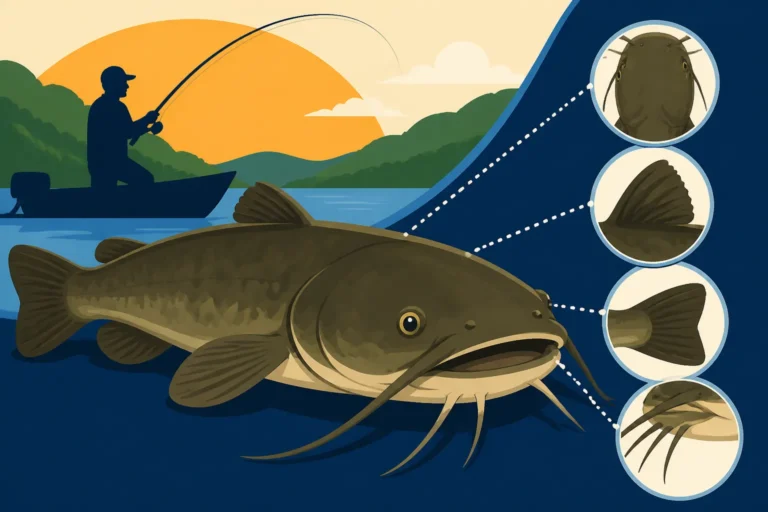
While Blue Catfish vs Channel Catfish Identification can be a fun exercise, and they are incredible fish in Tennessee's larger rivers and reservoirs, Blue Catfish are generally not recommended for typical farm pond stocking. Blue Catfish can grow to immense sizes, often reaching well over 50 pounds in their natural riverine habitats. A fish of that magnitude requires a massive amount of food and space, and they can quickly overeat and outgrow a smaller pond, disrupting the entire ecosystem. They are powerful predators that can decimate other fish populations in a confined space.
Flathead Catfish, another impressive species known for its size, presents even more challenges for pond owners. Unlike Channel and Blue Catfish, Flatheads are primarily piscivorous, meaning they prefer to eat live fish. This makes them extremely difficult to feed with commercial pellets, which is often a cornerstone of farm pond management. If you introduce Flatheads into your pond, they will quickly consume all other fish, including your valuable game species, and then potentially starve themselves. Their natural Flathead Catfish Habitat in Tennessee Rivers is vastly different from a pond environment. Stick with Channel Catfish for your pond; it's the safest and most rewarding bet.
Calculating Stocking Rates and Getting Your Catfish
Once you've determined your pond is ready and you've chosen your catfish species, the next big step is figuring out how many fish to put in and where to get them. This isn't a "one size fits all" situation; it requires a bit of planning to ensure you don't over- or under-stock your pond.
Determining the Right Number of Fish
Calculating the correct stocking rate is essential for a healthy pond. A good rule of thumb for Channel Catfish in a well-managed Tennessee farm pond, especially with supplemental feeding, is around 500-1,000 fingerlings per acre. However, this number can fluctuate significantly based on several factors. If your pond has excellent natural productivity (plenty of aquatic insects and smaller forage fish), good depth, and you're committed to a regular feeding program, you might lean towards the higher end. If you have less ideal conditions, such as a shallower pond or no aeration, you'll want to be more conservative.
Aeration plays a huge role here. Ponds with active aeration systems can support a much higher density of fish because oxygen is no longer a limiting factor. Without aeration, especially during hot summer nights, oxygen levels can plummet, and too many fish will quickly lead to disaster. It's always better to slightly under-stock and allow the fish to thrive than to over-stock and create a stressed, unhealthy environment where growth is stunted and disease is more likely.
Sourcing Healthy Fingerlings and Transport
Finding a reputable supplier for your catfish fingerlings is as important as the stocking rate itself. Look for fish hatcheries in Tennessee or neighboring states that specialize in pond stocking and have a good track record. Ask about their disease-free certification and their transportation methods. You want healthy, active fingerlings that haven't been stressed before they even reach your pond. A good hatchery will provide fish that are robust and ready to adapt to their new home.
When it comes to transport, minimizing stress is the name of the game. Fingerlings are typically transported in oxygenated bags or tanks. If you're picking them up yourself, ensure you have a cooler or insulated container large enough to hold the bags comfortably. Avoid long transport times, especially on hot days. When you get home, don't just dump them in! The less stress they experience during transport and introduction, the higher their survival rate will be. Think of it like bringing a new pet home – you want to make the transition as smooth as possible.
The Actual Stocking Process and Initial Care
The moment of stocking can be exciting, but it's also a critical period for the fish. A proper introduction significantly impacts their survival and adaptation. After they're in the water, the first few weeks of care are equally important to ensure they settle in well and start growing.
Acclimation and Release Techniques
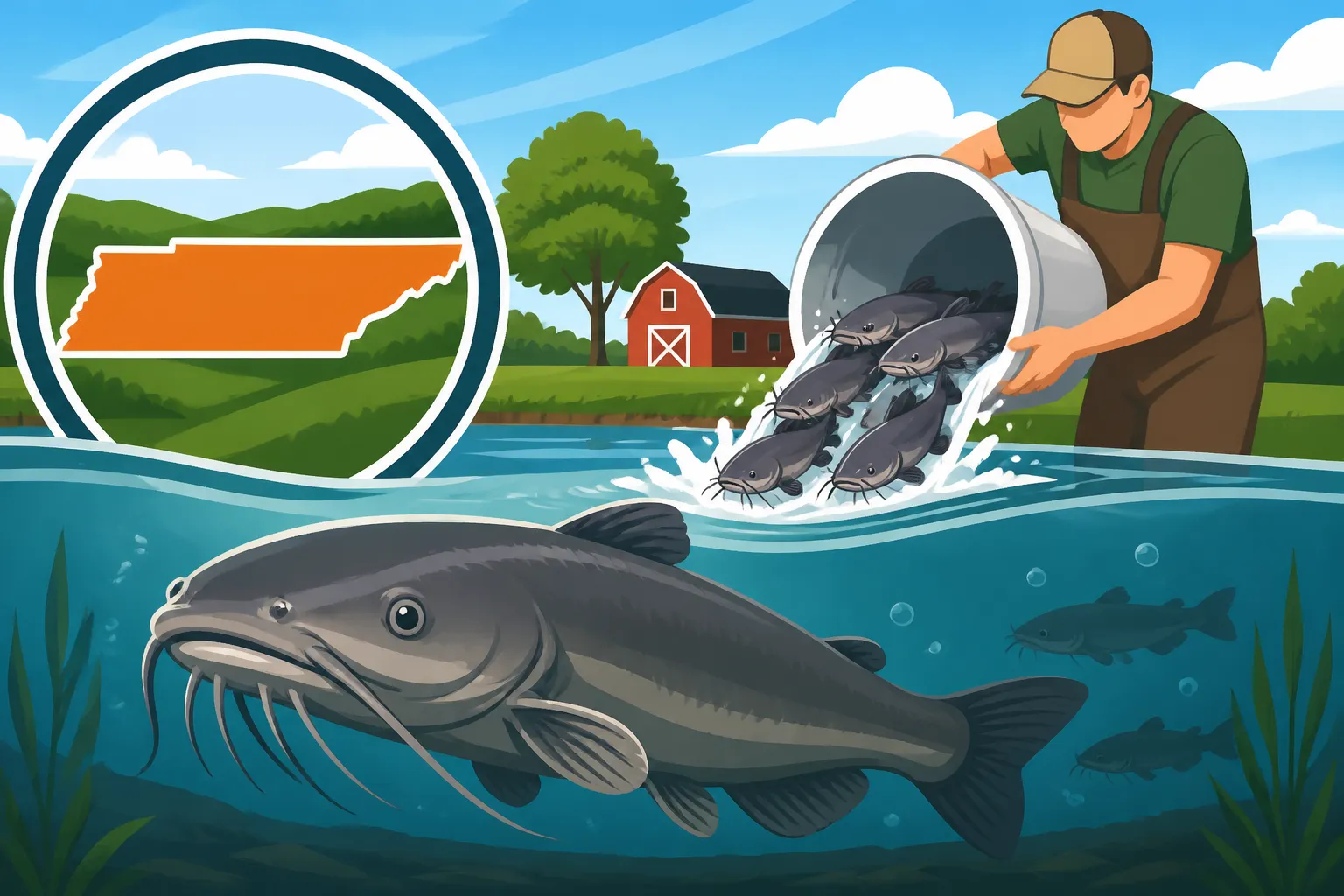
Sudden changes in water temperature and chemistry are incredibly stressful, even deadly, for fish. This is where acclimation comes in. When you bring your catfish fingerlings home, float the sealed bags in your pond for about 15-20 minutes. This allows the water temperature inside the bags to gradually match the pond's temperature. After temperature acclimation, open the bags and slowly add small amounts of pond water into the bags over another 15-20 minutes. This helps the fish adjust to the pond's water chemistry (pH, hardness, etc.) without a shock.
Once they've acclimated, gently tip the bags and allow the fish to swim out on their own. Try to release them in a calm, shallow area of the pond, away from any potential predators if possible. Avoid just pouring them out from a height or tossing them; this rough handling can injure them or scare them, increasing their stress. A calm, slow release gives them the best chance to orient themselves and find cover quickly. This careful approach is a small investment of time that yields significant returns in fish survival.
Post-Stocking Management: Feeding and Monitoring
After stocking, don't just forget about your new residents! Initial care, especially supplemental feeding, is crucial for promoting rapid growth. Start feeding your catfish a high-quality, commercial fish food designed for catfish, often available at local feed stores or online. Begin with small amounts, once a day, in the same general area. Observe how quickly they eat it; you don't want uneaten food sinking to the bottom and decaying, which can lead to water quality issues.
Keep a close eye on your pond for any signs of distress among the fish, such as gasping at the surface, unusual swimming patterns, or visible sores. This could indicate a water quality problem or disease. Continue to monitor your water quality regularly, especially for dissolved oxygen, using those kits we discussed earlier. Remember, a thriving pond relies on proactive management. This early monitoring is your first line of defense against potential issues that could impact your entire catfish population. You might find a wide selection of aeration systems or pond test kits on Amazon if you need to upgrade your setup.
| Catfish Species | Typical Farm Pond Suitability | Preferred Diet in Ponds | Max Size in Pond (Approx.) | Growth Rate | Primary Benefits |
|---|---|---|---|---|---|
| Channel Catfish | Excellent | Commercial feed, insects, small fish | 5-20 lbs (with management) | Fast | Hardy, great eating, eager bite |
| Blue Catfish | Poor (too large) | Fish, crawfish | Can exceed 50+ lbs (in large waters) | Very fast | Large size (for very large impoundments only) |
| Flathead Catfish | Very Poor (predatory) | Live fish only | Can exceed 50+ lbs (in large waters) | Moderate to fast | Unique challenge (not for typical ponds) |
Long-Term Management for a Thriving Catfish Pond
Stocking is just the beginning of your journey as a pond owner. To truly have a thriving catfish pond that provides years of enjoyment, you need to commit to ongoing management. This isn't just about catching fish; it's about nurturing an entire ecosystem.
Ongoing Water Quality Management and Pond Maintenance
Regularly checking your pond's water quality should become a routine part of your pond management calendar. Key parameters like pH, dissolved oxygen, and ammonia/nitrite levels can fluctuate due to weather, feeding, and natural decomposition. Understanding these changes allows you to intervene before problems escalate. For example, if oxygen levels drop dramatically during a hot, still spell, running an aerator, if you have one, can be a lifesaver. You can even find solar-powered aerators on Amazon for smaller ponds or remote locations.
Beyond water quality, physical pond maintenance is also crucial. Controlling excessive aquatic vegetation prevents oxygen depletion and provides more open water for fishing. Removing fallen leaves and other organic debris helps reduce nutrient loads, which can lead to algae blooms. Keeping the banks clear of dense brush makes for easier access and fishing, contributing to a more enjoyable experience. A clean, well-maintained pond is a healthy pond, and healthy fish are happy fish.
Harvesting and Re-stocking Strategies
For a sustained, healthy catfish population, regular harvesting is just as important as the initial stocking. If you don't harvest your fish, the pond can become overpopulated, leading to stunted growth, increased competition for food, and potential water quality problems. Aim to remove a percentage of your harvestable-sized fish each year. This creates space and resources for the younger fish to grow and helps maintain a balanced ecosystem. Think of it as pruning a garden – it makes everything else grow better.
After a few years of harvesting, you'll likely need to consider re-stocking. This helps to replace the fish you've removed and introduces new genetics into your pond. The frequency and numbers for re-stocking will depend on your harvesting rate, the pond's productivity, and your fishing goals. Some pond owners opt for annual re-stocking of a smaller number of fingerlings, while others might do a larger re-stock every few years. Continual monitoring of your fish population's health and average size will give you the best indicators for when and how much to re-stock. Remember, you might need a Tennessee Fishing License Costs and Types for harvesting, and it's always wise to be familiar with Tennessee Fishing Regulations Explained. This ensures you're managing your pond responsibly and within state guidelines.
Disclaimer
This article is for general informational purposes only and does not constitute professional advice. Laws, prices and regulations vary by location and change over time. Consult a qualified professional for guidance on your specific situation.