Best Trout Streams for Fly Fishing in Tennessee
Finding the perfect spot to cast a fly rod in Tennessee can feel like searching for a needle in a haystack, especially with so many incredible waterways. You hear whispers of legendary streams, but pinning down where to go, what flies to use, and what to expect can be overwhelming. This guide is here to cut through the confusion, helping you discover some of Tennessee's best trout streams for fly fishing and equip you with the knowledge to make your next angling adventure a true success.
Why Tennessee is a Fly Fishing Gem
Tennessee might be famous for its music and mountains, but it also holds a special place in the hearts of fly anglers. What makes this state so appealing for those who love the gentle art of fly casting? It's a fantastic blend of diverse water types, healthy fish populations, and breathtaking scenery that makes every trip memorable, whether you're chasing wild brook trout in a high mountain creek or battling a hefty rainbow in a wide tailwater.
A Rich Tapestry of Waterways
One of the biggest draws for fly fishing in Tennessee is the sheer variety of water. We're not just talking about one type of stream here; it's a whole spectrum! You've got your pristine freestone streams, rushing down from the Appalachian Mountains, cold and oxygen-rich, perfect for native trout. Then there are the large, consistent tailwaters, formed below major dams, which offer stable temperatures and abundant food sources year-round, leading to some truly remarkable fish. This means that no matter your skill level or what kind of fishing experience you're looking for, Tennessee likely has a stream that fits the bill. The state's geography provides unique opportunities, from the dense forests of East Tennessee to the rolling hills and river valleys further west.
Diverse and Thriving Trout Populations
When you talk about trout fishing in Tennessee, you're not just talking about one fish. Our waters are home to a fantastic trio: rainbow trout, brown trout, and, in some of the most pristine headwaters, the elusive native brook trout. Each species presents its own challenge and charm, requiring different approaches and techniques. Rainbows are often spirited fighters, browns can be cunning and wary, and brook trout are a true reward for those willing to hike into the wilderness. The Tennessee Wildlife Resources Agency (TWRA) works tirelessly with stocking programs and habitat management to ensure these populations remain healthy, offering consistent opportunities for anglers. You'll find different streams are managed for different experiences, from heavily stocked, easily accessible areas to wild trout management sections that demand a more delicate approach.
East Tennessee's Legendary Trout Waters
When most people think of fly fishing in Tennessee, their minds often drift eastward, and for good reason. East Tennessee is home to some of the most iconic and productive trout streams in the state, offering everything from challenging wild trout pursuits in national parks to trophy-sized fish in renowned tailwaters.
Great Smoky Mountains National Park Streams
The streams flowing through the Great Smoky Mountains National Park are truly a treasure. These are classic freestone streams, characterized by their rocky bottoms, clear, cold water, and often dense canopy of trees. What makes them so special is that they hold wild, self-sustaining populations of brook, rainbow, and brown trout. This isn't about stocked fish; it's about connecting with nature in its purest form. Streams like Little River, Abrams Creek, and Hazel Creek are legendary, requiring a bit of a hike but rewarding anglers with stunning scenery and feisty trout. You'll often find that presentation is key here, as the fish can be wary, especially in the more accessible sections. Dry flies, nymphs, and small streamers all have their place, depending on the season and water conditions. Trout Fishing in the Great Smoky Mountains, Tennessee offers a deeper dive into these pristine waters.
Fishing in the Smokies is less about catching huge numbers of fish and more about the experience – the solitude, the challenge, and the beauty of the surroundings. The park has specific regulations, including a strict catch-and-release policy for brook trout in most areas and tackle restrictions to protect the wild populations. It's important to be aware of the Tennessee Trout Limits and Season Rules that apply here. The wildness of these streams means they're subject to natural fluctuations in water levels and temperatures, so checking conditions before you go is always a good idea. Often, a lighter rod, like a 2 or 3-weight, is perfect for the smaller streams and delicate presentations needed for these wild trout.
The Clinch River Tailwater
Moving from the wild, rugged streams of the Smokies, we arrive at the Clinch River Tailwater below Norris Dam, a completely different, yet equally incredible, fly fishing experience. The Clinch is a powerful, nutrient-rich tailwater known for its stable cold temperatures and incredible biomass, which leads to some truly massive rainbow and brown trout. This is a big river, and it often requires different tactics than the smaller mountain streams. You'll find anglers drift-fishing nymphs under indicators, stripping streamers, and sometimes, during prolific hatches, experiencing epic dry fly fishing. Clinch River Trout Fishing in East Tennessee goes into greater detail about this specific fishery.
The sheer size of the fish here can be astounding; it's not uncommon to hook into trout measuring 20 inches or more. While much of the river is accessible from the bank, many anglers find a drift boat or raft to be invaluable for covering water and reaching prime holding lies. Water generation schedules from Norris Dam dictate flow, which in turn dictates fishing strategy, so always check the TVA generation schedule before heading out. For gear, a 5 or 6-weight rod is a common choice here to handle the larger fish and heavier rigs often employed. This river can truly challenge your skills, but the rewards are well worth the effort.
Central Tennessee's Unique Tailwater Fisheries
While East Tennessee gets a lot of the spotlight, Central Tennessee holds its own for exceptional fly fishing, primarily thanks to its impressive tailwater fisheries. These rivers, flowing out from the bases of dams, create environments perfectly suited for trout, offering consistent water temperatures and abundant food sources even when surrounding waters are too warm.
Caney Fork River Tailwater
The Caney Fork River, stemming from Center Hill Dam, is another powerhouse tailwater that offers phenomenal year-round trout fishing in Middle Tennessee. Just like the Clinch, the consistent cold water released from the dam creates an ideal habitat for both rainbow and brown trout. What makes the Caney Fork so beloved is its accessibility and diverse fishing opportunities. You can wade in many sections during low flows, or opt for a kayak, canoe, or drift boat to cover more ground. Caney Fork River Trout Fishing provides an excellent overview of this popular destination.
The Caney Fork is famous for its prolific midge and caddis hatches, leading to incredible dry fly action, especially in the spring and fall. However, don't underestimate the power of nymphing here; small zebra midges, pheasant tails, and caddis larvae patterns are consistently effective. Like all tailwaters, generation schedules are paramount. The river can rise quickly and become un-wadeable during generation, so always consult the TVA schedules. For those looking to escape the hustle and bustle, there are some beautiful, quieter sections that require a bit more exploration, but offer serene fishing experiences away from the crowds.
Elk River Tailwater
South of Nashville, the Elk River Tailwater below Tims Ford Dam is a somewhat lesser-known but incredibly productive fishery. It's often overshadowed by the Caney Fork or the Clinch, but experienced anglers know it consistently produces good numbers of healthy rainbow and brown trout. The Elk is generally a smaller river than the Caney Fork, making it very wadeable in many sections during low flows, which is a huge plus for those who prefer to explore on foot.
The fishing here can be fantastic with nymphs, especially during cooler months. Scuds, sowbugs, and various midge patterns are staples for Elk River trout. When hatches occur, typically caddis and mayflies, dry fly opportunities can be excellent. The river flows through beautiful, pastoral landscapes, offering a peaceful angling experience. Being a tailwater, it's still crucial to monitor water generation schedules from Tims Ford Dam, but generally, the flows are more predictable for wading than some of the larger tailwaters. It’s a great option for a day trip, providing a more intimate river experience.
Mastering Tennessee Trout: Species and Seasonal Strategies
Understanding the specific trout species you're targeting and how their behavior changes with the seasons is fundamental to successful fly fishing in Tennessee. Each species has its nuances, and the time of year dramatically impacts where they are, what they're eating, and how aggressively they'll bite. This isn't just about throwing a fly; it's about reading the water and the calendar.
Rainbow Trout: Year-Round Opportunity
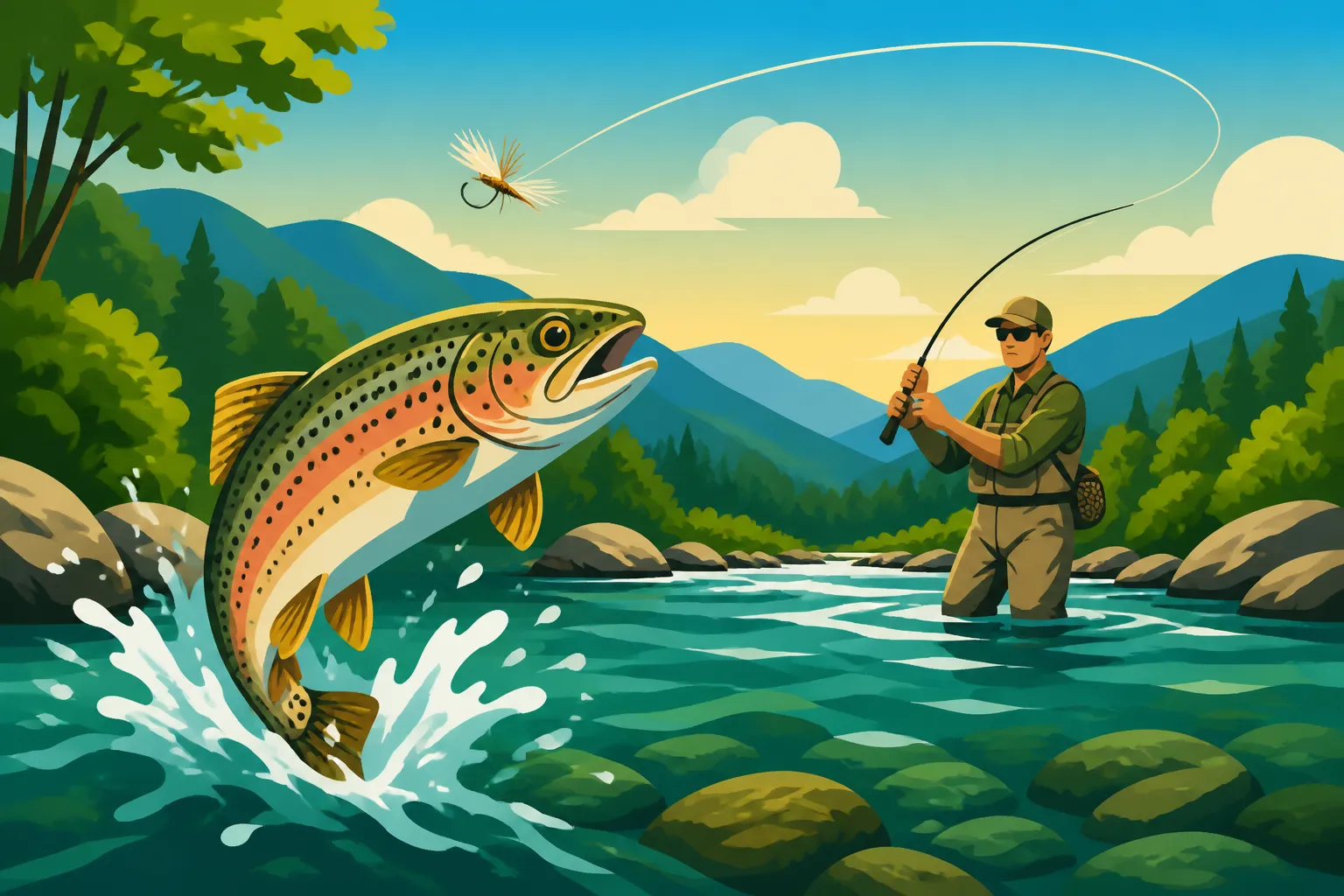
Rainbow trout are the most common species found in Tennessee's trout waters, thanks to extensive stocking efforts in many rivers and lakes, and robust wild populations in the high-elevation streams of the Smokies. They're known for their acrobatic fights and willingness to strike a variety of flies, making them a favorite among many anglers. How to Identify Rainbow Trout in Tennessee Streams can help you distinguish them from other species.
- Spring: As water temperatures begin to rise, rainbows become very active. Caddis and mayfly hatches can be prolific, leading to fantastic dry fly fishing. Nymphing is also highly effective as trout feed heavily on emerging insects. This is a prime time for a grand slam in the Smokies, potentially catching all three species.
- Summer: During the warmer months, rainbow trout in freestone streams will seek out colder, oxygenated water, often in deeper pools or faster riffles. Tailwaters, with their consistent cold temperatures, remain productive throughout the summer. Early mornings and late evenings are often best for dry flies, while nymphing in deeper runs is consistently effective.
- Fall: Cooler temperatures in the fall can trigger strong feeding behavior in rainbows, as they bulk up for winter. Fall hatches of blue-winged olives and midges can provide excellent dry fly action, and streamers can be very effective, especially for larger fish.
- Winter: Even in winter, tailwaters offer good rainbow trout fishing. They may be less active, but a slow, deep nymph presentation can be very rewarding. Fish tend to congregate in slower, deeper pools, so targeting these areas is key.
Brown Trout: The Wary, Trophy Fish
Brown trout, while not as widely distributed as rainbows, are highly prized for their elusive nature and potential for large sizes. They're often more challenging to catch, demanding precise presentations and stealth, but the reward of landing a big brown is unparalleled. Brown Trout vs Rainbow Trout: Key Differences can help you recognize these beautiful, spotted fish.
- Spring & Summer: Brown trout can be caught during these seasons, often mixed in with rainbows. They'll respond to similar patterns, but may require a more subtle approach. In freestone streams, they'll hold in prime lies with good cover.
- Fall: This is arguably the best time to target brown trout, as they prepare for their spawn. Aggressive fish will hit larger streamers, especially articulated patterns, fished in deeper runs and around structure. This is when you have the best chance at a true trophy brown. They become territorial and are less selective about their food.
- Winter: Post-spawn, browns can be sluggish but still feed. Deep nymphing and slowly retrieved streamers can entice strikes in slower, deeper water. Their metabolism slows down, so patience is key.
Brook Trout: The Native Gem
The native brook trout, Tennessee's only truly native salmonid, is typically found in the highest, coldest headwater streams of the Appalachian Mountains, primarily within the Great Smoky Mountains National Park. They are smaller than rainbows and browns, but their vibrant colors and wild spirit make them a cherished catch. Brook Trout in Tennessee's Cold-Water Streams details where these special fish reside.
- Year-Round (with caveats): Brook trout inhabit streams that maintain consistently cold temperatures year-round. However, their short growing season and vulnerability mean that many areas are catch-and-release only. They are less affected by seasonal changes than other trout, but high water or extremely low water can impact their activity.
- Technique: Ultra-light gear is often employed, and small dry flies (like elk hair caddis or parachute Adams) or small nymphs (pheasant tails, simple bead-head nymphs) are highly effective. Stealth and careful wading are crucial, as these fish spook easily in their small, clearwater homes. Hiking to remote sections of streams in the Smokies is often necessary to find the best brook trout fishing.
| Species | Preferred Water Type | Best Seasons | Common Fly Patterns (Examples) | Typical Size Range (Inches) | Fight Characteristics |
|---|---|---|---|---|---|
| Rainbow Trout | Tailwaters, Freestone Streams | Spring, Fall, Year-round (tailwaters) | Caddis, Mayflies, Midges, Stoneflies, Streamers | 8-20+ | Spirited, acrobatic jumps, strong runs |
| Brown Trout | Tailwaters, Freestone Streams | Fall (especially for large fish), Spring | Streamers, Nymphs, Terrestrials, Caddis | 10-25+ | Cunning, powerful, deep runs, less air-borne |
| Brook Trout | High-Elevation Freestone Streams | Spring, Summer, Fall | Small Dry Flies, Small Nymphs, Attractors | 5-10 | Feisty for their size, quick darting runs |
Gearing Up for Tennessee Fly Fishing
Stepping into the world of fly fishing can feel a little daunting with all the specialized gear. But fear not! You don't need to break the bank to get started, and having the right tools for Tennessee's diverse waters will make a huge difference in your success and enjoyment. Think about the types of water you'll be fishing most often, and tailor your setup accordingly.
Rods, Reels, and Lines: The Core Setup
Your fly rod, reel, and line are the triumvirate of your fly fishing setup. For most general trout fishing in Tennessee, a 9-foot, 5-weight fly rod is a fantastic all-around choice. It's versatile enough to handle both nymphs and dry flies, can cast heavier streamers, and has enough backbone for larger fish in tailwaters. If you plan on focusing exclusively on smaller mountain streams for brook trout, a lighter 7.5-foot to 8.5-foot, 2 or 3-weight rod might be more enjoyable for those delicate presentations. You can often find great beginner combos on Amazon that include a rod, reel, and line already spooled up.
Matching your reel to your rod weight is important for balance, but for trout fishing, the reel primarily serves to hold your line and retrieve fish. A good quality, smooth drag system is beneficial, but you don't need anything overly complex. As for line, a weight-forward floating line is the standard and most versatile choice for trout. Consider adding a sink-tip line if you plan on throwing a lot of large streamers in deeper tailwaters. Don't forget your leader and tippet! A 9-foot tapered leader ending in 4x or 5x is a good starting point, and spools of tippet in various sizes (from 6x for delicate dry fly work to 3x for heavier nymphing or streamer fishing) are essential. Best Rods and Reels for Tennessee Smallmouth Bass could also give you ideas for heavier gear if you plan to target bigger fish in wider rivers, though these are primarily focused on bass.
Flies and Terminal Tackle: What to Carry
This is where things can get overwhelming quickly! The key is to have a selection that covers the primary food sources and conditions you'll encounter. For nymphs, always carry a variety of sizes and colors of patterns like Pheasant Tails, Hare's Ears, Zebra Midges, Caddis Larvae, and Squirmy Wormies. Having both bead-head and unweighted versions is smart. For dry flies, essential patterns include Elk Hair Caddis, Parachute Adams, Stimulators, Blue-Winged Olives, and Griffith's Gnats. Don't forget some terrestrials like foam hoppers, ants, and beetles for summer fishing. Best Fly Patterns for Stocked Trout offers specific suggestions that work well across Tennessee.
Streamers like Woolly Buggers (in olive, black, and white) are incredibly effective for targeting larger, more aggressive trout, especially brown trout. Beyond flies, you'll need strike indicators (both floating and suspendable types), split shot weights for getting nymphs down deep, forceps or hemostats for hook removal, nippers for cutting line, and a net with a rubber bag to protect fish you intend to release. A small fly box or two to organize your patterns will be invaluable.
Waders, Boots, and Safety Essentials
Unless you're strictly bank fishing a few spots, a good pair of waders and wading boots are practically mandatory for fly fishing in Tennessee. Neoprene waders are warmer for colder months, while breathable waders are more comfortable for spring, summer, and fall. Look for durable, well-fitting options. Good wading boots with felt soles (check regulations, as some areas restrict felt to prevent invasive species spread) or sticky rubber soles with studs will provide essential grip on slick river rocks. Best Fly Rods and Waders for Tennessee Trout Streams details what to look for.
Beyond your primary fishing gear, don't overlook safety and comfort. A fishing vest or pack will help you organize your tackle and keep essentials handy. Sunscreen, a wide-brimmed hat, and polarized sunglasses are crucial for eye protection and spotting fish. A small first-aid kit is always a good idea, as are water and snacks, especially if you're hiking into remote areas. For those fishing larger rivers from a boat, be sure to review Tennessee Life Jacket and PFD Rules for Boaters and always wear an appropriate personal flotation device. You can find many of these crucial safety and comfort items, from waders to polarized glasses, readily available on Amazon.
Practicing Responsible Angling on Tennessee's Streams
Fly fishing is more than just catching fish; it's about connecting with nature and preserving these precious resources for future generations. Responsible angling practices are paramount, especially in sensitive trout environments like those found across Tennessee. Adhering to regulations, practicing proper catch-and-release, and minimizing your impact on the environment ensure that these streams remain vibrant and healthy.
Understanding and Following Regulations
The Tennessee Wildlife Resources Agency (TWRA) sets specific regulations for fishing, including licenses, seasons, and catch limits. These rules are in place to manage fish populations and protect sensitive ecosystems. Before you ever make your first cast, make sure you have a valid Tennessee Fishing License Guide and understand all the specific rules for the water you intend to fish. These regulations can vary significantly from one stream to another, particularly regarding size limits, creel limits (how many fish you can keep), and whether a trout permit is required in addition to your basic license. For example, many wild trout streams in the Great Smoky Mountains National Park have special restrictions, often being catch-and-release only with single-hook artificial lures.
It's your responsibility as an angler to know and follow these rules. This means checking local signage, consulting the TWRA fishing guide, or visiting their website. Ignoring regulations can lead to fines and negatively impact the very fisheries we love. Always remember that conservation is a collective effort, and compliance with the rules is the foundation of that effort.
Practicing Catch-and-Release Effectively
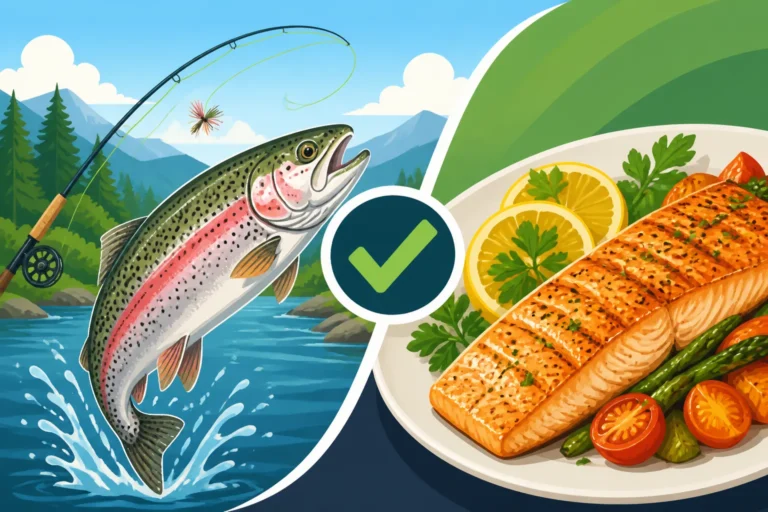
While keeping a few fish for a meal is certainly part of the angling experience, many fly anglers, especially in sensitive trout waters, practice catch-and-release exclusively. This practice is crucial for maintaining healthy fish populations, particularly for native brook trout and larger trophy-sized brown and rainbow trout. However, catch-and-release only works if done properly.
- Minimize Fight Time: Land the fish as quickly as possible to reduce stress. Prolonged fights exhaust trout, making them more vulnerable after release.
- Keep Fish in Water: If you plan to release a fish, try to keep it in the water as much as possible. This protects their delicate slime coat, gills, and internal organs.
- Wet Your Hands: Always wet your hands before handling a fish. Dry hands can remove the protective slime layer, leaving the fish susceptible to disease.
- Barbless Hooks: Consider using barbless hooks, or crimping down the barbs on your hooks. This makes hook removal much easier and causes less damage to the fish's mouth.
- Gentle Release: Support the fish upright in the water until it's strong enough to swim away on its own. Don't simply toss it back; ensure it has recovered sufficiently.
By following these simple steps, you significantly increase the survival rate of released fish, ensuring those beautiful trout are there to fight another day.
Leaving No Trace
Beyond the fish themselves, responsible angling extends to the entire environment. The "Leave No Trace" principles are vital for protecting the natural beauty and ecological integrity of Tennessee's trout streams.
- Pack it in, Pack it out: This is the golden rule. Everything you bring with you, take back out. This includes all trash, broken line, and discarded leader material. Monofilament line can be particularly harmful to wildlife.
- Stay on Trails: When accessing streams, stay on designated trails or established paths to minimize erosion and damage to sensitive vegetation.
- Respect Private Property: Always be aware of property lines and obtain permission if you need to cross private land to access public waters.
- Protect Stream Banks: Avoid unnecessary trampling of stream banks, which can lead to erosion and habitat degradation. If you're wading, do so carefully to avoid disturbing redds (spawning beds) or dislodging too much substrate.
By being mindful of your impact, you help preserve the pristine conditions of these streams, allowing both nature and future anglers to thrive. The more we protect these special places, the longer we can all enjoy the incredible fly fishing opportunities Tennessee has to offer.
Disclaimer
This article is for general informational purposes only and does not constitute professional advice. Laws, prices and regulations vary by location and change over time. Consult a qualified professional for guidance on your specific situation.