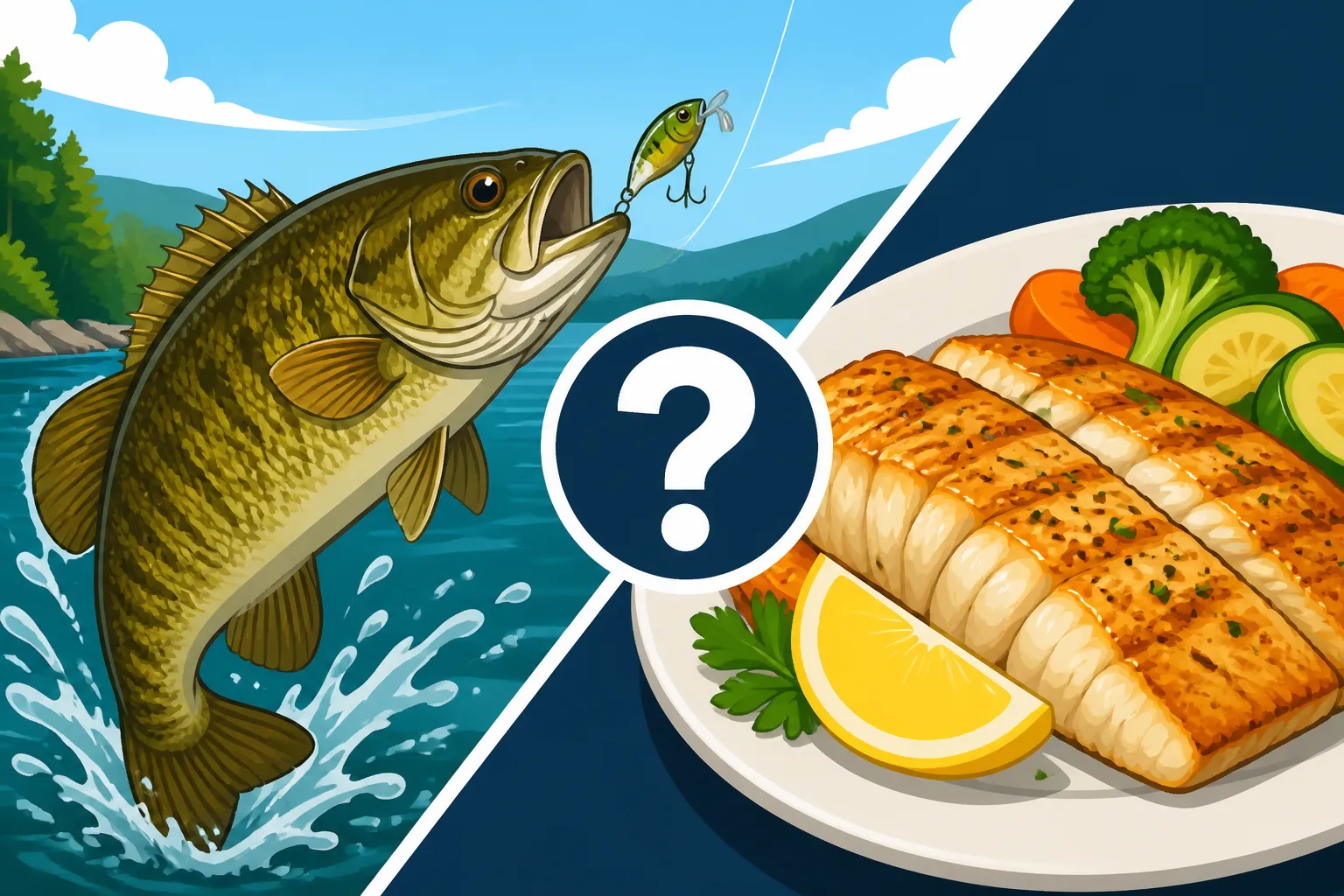
Is Smallmouth Bass Good Table Fare?
Ah, the smallmouth bass! It's one of Tennessee's most prized game fish, a real fighter on the line that leaves many anglers wondering if its culinary qualities live up to its sporting prowess. There's often a bit of hesitation about keeping a smallmouth for dinner, perhaps due to past experiences with other bass species, or just a general uncertainty about freshwater fish flavor. Well, let's cast aside those doubts and dive deep into whether the smallmouth bass is truly good table fare and how to make the most of your catch. This comprehensive guide will explore everything from its flavor profile to the best ways to prepare it, ensuring your next smallmouth catch could end up being your next delicious meal.
Understanding Smallmouth Bass as a Food Fish
When we talk about smallmouth bass, we're discussing a species known for its hard-hitting strikes and acrobatic leaps. But beyond the thrill of the catch, there's a whole world of flavor to consider. Many anglers, especially those new to keeping smallmouth, might wonder if it’s truly worth cleaning, or if they should stick to species like crappie or catfish for the dinner plate. Let me assure you, smallmouth bass absolutely holds its own in the culinary arena, often surprising those who try it for the first time.
The "Bronzeback" Reputation and What it Means for the Plate
The smallmouth bass, affectionately known as the "bronzeback" or "brown bass," earns its reputation from its distinct bronze hue and its preference for clear, rocky, cool waters. Unlike its cousin, the largemouth, which often lurks in weed beds and warmer, murkier impoundments, smallmouth thrive in riverine environments and the deeper, cleaner sections of our Tennessee reservoirs like Dale Hollow Lake or Norris Lake. This habitat preference plays a huge role in its flavor. Fish, much like any other animal, are largely a product of their environment and diet. A smallmouth's diet often consists of crawfish, small baitfish like shad or minnows, and aquatic insects. This clean, varied diet, combined with the colder, oxygen-rich waters they inhabit, contributes to a very desirable meat quality. You're not going to find the "muddy" or "gamey" taste that can sometimes be associated with fish from less pristine or warmer waters. Instead, you'll discover a firm, white, and exceptionally clean-tasting fillet. To truly appreciate this remarkable fish, it's good to understand How to Identify Tennessee's State Fish, the Smallmouth Bass, as positive identification ensures you're bringing home the right catch.
Flavor Profile: What to Expect from Smallmouth Bass
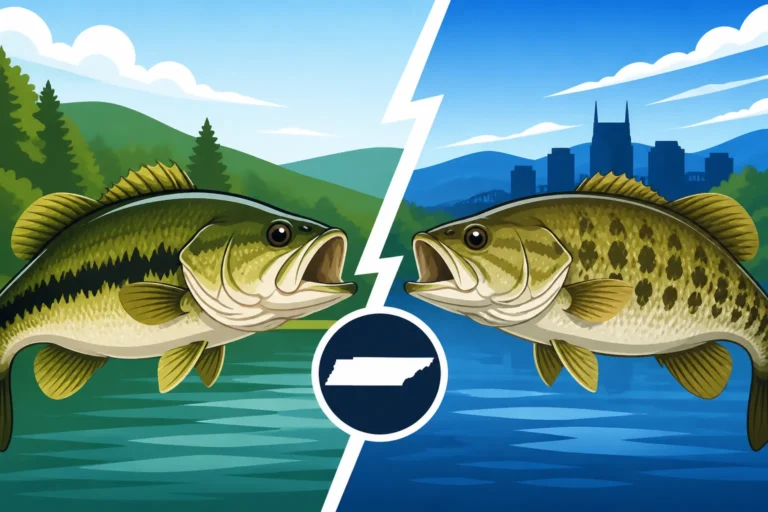
So, what does smallmouth bass actually taste like? For starters, it has a wonderfully mild, delicate flavor. It's not overpoweringly "fishy," which is a huge plus for those who are sometimes put off by stronger tasting fish. The flesh is white, flaky, and notably firm—firmer, in fact, than many other freshwater species. This firmness holds up well to various cooking methods without falling apart. You'll find it to be a clean, almost sweet flavor, often described as having a subtle nuttiness that is incredibly appealing. Many compare it favorably to other popular white-fleshed fish, both freshwater and saltwater. It’s a versatile canvas for your seasonings, allowing you to highlight its natural taste or build upon it with your favorite spices. Think of it as a premium option among freshwater fish, quite distinct from the often softer, sometimes milder flavor of a largemouth bass. You can even explore Smallmouth Bass vs Largemouth Bass: What's the Difference? to better understand their unique characteristics, both on the line and on the plate.
Key Factors Influencing Taste
While smallmouth bass generally boasts a fantastic flavor profile, there are several factors that can subtly influence the taste of your particular catch. Understanding these can help you choose the best fish for dinner or adjust your expectations.
The primary factor is, without a doubt, water quality. Smallmouth caught from cold, clean, clear rivers or deep, pristine lakes will almost always have a superior flavor and firmer texture. Waters with lower temperatures mean slower metabolism for the fish, which often translates to less "off" flavors. Conversely, a smallmouth caught from a shallower, warmer, or slightly turbid body of water might have a slightly softer texture or a hint of an undesirable taste, though this is far less common with smallmouth than with other species.
Diet also plays a significant role. Smallmouth that primarily feed on crawfish, shiners, or other small forage fish tend to have that clean, sweet flavor we just discussed. If they're in an area with a different, perhaps less ideal food source, it could subtly alter their taste. However, smallmouth are generally opportunistic feeders with a preference for high-quality protein, which works in our favor.
Finally, the size of the fish can impact its table fare. Smaller, younger smallmouth (within legal limits, of course, and always check Tennessee's Smallmouth Bass Limit Explained) tend to have the most delicate flavor and tenderest meat. Larger, older fish can sometimes have a slightly stronger flavor and a coarser texture, though still very palatable. It's often a personal preference, but many gourmands lean towards the mid-sized catches for the optimal dining experience. The time of year also matters; fish caught in colder months often have firmer flesh and a cleaner taste compared to those caught during the peak of summer when water temperatures are highest and fish are more active.
Preparing Your Smallmouth Bass for the Kitchen
Once you’ve made the decision to keep a smallmouth for dinner, the journey from the water to the plate is critical. Proper handling from the moment you land the fish can make all the difference in its taste and texture. I’ve seen countless anglers lose out on fantastic meals simply because they didn't prioritize good post-catch care. Trust me, a few extra steps here will pay off immensely!
Field Dressing and Cleaning Best Practices
The absolute first step to great-tasting smallmouth bass is to get it on ice immediately after catching. This slows down spoilage and keeps the flesh firm. A cooler full of ice is non-negotiable if you plan to keep fish. Once you're ready to clean, work quickly and efficiently.
You have a couple of options for preparing your smallmouth: scaling and gutting the whole fish, or filleting it. For smallmouth, filleting is generally preferred as it eliminates bones and allows you to remove the skin easily. When filleting, make a cut behind the gill plate and run your knife along the backbone towards the tail. Flip the fillet and carefully separate the skin from the meat.
One crucial tip: remove the lateral line. This darker, reddish strip of meat running down the side of the fillet can sometimes impart a stronger, fishier flavor, especially in larger fish. Simply trim it out with a sharp knife after you've filleted and skinned the fish. You'll be left with pure, white, clean-tasting meat. A good, sharp fillet knife is paramount here; you can find excellent options on Amazon, often bundled with sharpening tools to keep them in top shape.
Storage and Freshness: Keeping Your Catch Prime
After cleaning, how you store your smallmouth fillets will determine how long they maintain their peak freshness. For immediate consumption, place the fillets in a shallow dish, cover with plastic wrap, and refrigerate. They're best eaten within 1-2 days.
If you're not planning to cook them right away, freezing is your best bet. The goal with freezing fish is to protect it from freezer burn, which can dry out the meat and degrade its flavor and texture. My go-to method is to place the fillets in a freezer-safe bag, fill the bag with water (or even milk for an extra layer of protection against freezer burn, though water works great), and squeeze out as much air as possible before sealing. This creates an ice block around the fish, preventing direct contact with the freezing air. Alternatively, a vacuum sealer (also readily available on Amazon) is a fantastic investment for anglers. It removes all air, preserving freshness for much longer periods. Properly frozen smallmouth can last for several months without significant loss of quality. Just remember to thaw them slowly in the refrigerator overnight when you're ready to cook.
Simple Seasoning and Cooking Methods
The beauty of smallmouth bass is its mild flavor, which allows it to shine with minimal seasoning. You don't need to overpower it with heavy sauces or spices. Simple is often best.
For basic seasoning, a sprinkle of salt, black pepper, and perhaps a dash of garlic powder or paprika is usually all you need. A squeeze of fresh lemon juice before or after cooking also brightens the flavor considerably. Herbs like dill, parsley, or chives also pair wonderfully with its delicate taste.
As for cooking methods, smallmouth bass is incredibly versatile:
- Pan-frying is a classic. A light dredge in seasoned flour or cornmeal gives it a beautiful, crispy crust while keeping the inside moist and flaky.
- Grilling offers a slightly smoky flavor that complements the fish well. Use a fish basket or grill pan to prevent sticking and breaking, especially with delicate fillets.
- Baking or broiling with a touch of butter, lemon, and herbs is a healthy and straightforward option.
- Deep-frying is always a crowd-pleaser, delivering that familiar crispy texture that many love with freshwater fish.
Experiment with what you have on hand. The smallmouth is a forgiving fish that truly shines with simple, fresh ingredients.
Popular Smallmouth Bass Recipes and Serving Ideas
Now that your smallmouth fillets are pristine and ready, let's talk about putting them to good use in the kitchen. The possibilities are truly endless, but some methods stand out for their ability to highlight the fish's natural deliciousness.
Classic Pan-Fried Smallmouth Fillets
There's a reason pan-frying is a beloved method for many freshwater fish—it creates a perfect balance of crispy exterior and tender, flaky interior. For smallmouth, this method really lets its clean flavor shine.
Here’s a simple step-by-step for a truly delightful meal:
- Pat Dry: Start by patting your smallmouth fillets completely dry with paper towels. This is a critical step for achieving a crispy crust.
- Seasoning: In a shallow dish, combine flour, cornmeal, or a mix of both. Season generously with salt, black pepper, garlic powder, and a pinch of cayenne or paprika if you like a little kick. You can even find specialized fish fry mixes on Amazon that make this step even easier.
- Dredge: Lightly dredge each fillet in the seasoned mix, shaking off any excess. You want a thin, even coating.
- Heat Oil: Heat a good amount of cooking oil (like vegetable, canola, or peanut oil) in a heavy-bottomed skillet over medium-high heat. You need enough oil to cover about half the thickness of your fillets.
- Fry: Carefully place the fillets in the hot oil. Don't overcrowd the pan; cook in batches if necessary. Cook for 3-5 minutes per side, depending on thickness, until golden brown and cooked through. The fish should flake easily with a fork.
- Drain & Serve: Remove the fillets from the pan and place them on a wire rack over paper towels to drain excess oil. Serve immediately with a squeeze of fresh lemon, tartar sauce, and your favorite sides like hushpuppies, coleslaw, or French fries.
This method is incredibly satisfying and highlights the inherent goodness of Tennessee's Official State Fish, the Smallmouth Bass.
Grilling for a Smoky Flavor
Grilling smallmouth bass offers a wonderful alternative, imbuing the fish with a delicate smokiness that pairs beautifully with its firm texture. This is a fantastic option when you want to enjoy the outdoors and avoid heating up your kitchen.
Tips for grilling success:
- Oil the Fish and Grate: Lightly brush your fillets with olive oil or melted butter before seasoning. This helps prevent sticking. Also, make sure your grill grates are clean and well-oiled before placing the fish down.
- Marinades: While simple seasoning is great, a light marinade can add an extra layer of flavor. Try a mixture of olive oil, lemon juice, minced garlic, fresh dill, and a touch of white wine for about 30 minutes before grilling.
- Fish Basket or Foil: For smaller or more delicate fillets, a fish grilling basket is an absolute game-changer. It allows you to flip the fish easily without it falling apart. Alternatively, you can create a foil packet, adding some herbs, lemon slices, and a splash of broth or wine, which essentially steams the fish on the grill.
- Cooking Time: Grill over medium-high heat for 4-6 minutes per side, depending on thickness, until the fish is opaque and flakes easily. Be careful not to overcook, as grilled fish can dry out quickly.
- Serving: Grilled smallmouth is excellent with roasted vegetables, a fresh salad, or even nestled into soft tortillas for delicious fish tacos.
Creative Culinary Approaches
While classic preparations are fantastic, don't be afraid to get a little creative with your smallmouth bass. Its mild flavor and firm texture make it surprisingly versatile for a variety of dishes.
- Smallmouth Fish Tacos: Flake cooked smallmouth (pan-fried or grilled) into warm tortillas. Top with shredded cabbage, a creamy lime sauce, pico de gallo, and a sprinkle of cilantro. This is a fresh, vibrant meal that's perfect for a summer evening.
- Baked with Herbs and Vegetables: Place fillets in a baking dish with cherry tomatoes, sliced bell peppers, onions, and your favorite herbs (rosemary, thyme, oregano). Drizzle with olive oil, white wine, and lemon juice. Bake until the fish is cooked through and the vegetables are tender-crisp.
- Smallmouth Fish Cakes: Leftover cooked smallmouth can be flaked and mixed with mashed potatoes, herbs, and a binding agent (like an egg and breadcrumbs) to form patties. Pan-fry until golden brown for delicious fish cakes. Serve with a remoulade or a spicy aioli.
- Smallmouth Chowder or Stew: The firm flesh holds up well in hearty soups and stews. Add chunks of smallmouth to a creamy chowder with potatoes, corn, and bacon, or a tomato-based stew with root vegetables.
- Ceviche (for the adventurous!): If you're confident in the absolute freshness of your catch, smallmouth can even be used in a ceviche. Dice the fish and marinate in citrus juices (lime, lemon, orange) with diced onions, cilantro, and chili peppers until "cooked" by the acid. This raw preparation is a true test of freshness and highlights the clean taste.
No matter how you prepare it, smallmouth bass offers a delightful dining experience that might just make you rethink your usual catch-and-release policy for this particular species.
Comparing Smallmouth to Other Tennessee Game Fish
It's natural to compare the eating qualities of smallmouth bass to other popular species found in Tennessee waters. Every fish has its unique characteristics, and understanding these differences can help you decide what to keep for the plate on any given fishing trip.
Smallmouth vs. Largemouth Bass for Eating
This is perhaps the most common comparison, given their shared "bass" moniker. While both are members of the black bass family and excellent sport fish, their table fare qualities do differ.
Largemouth bass typically inhabit warmer, often weedier, and sometimes muddier waters. Their diet can be very diverse, and this, combined with their habitat, can sometimes give largemouth a slightly stronger, occasionally "gamey" flavor. The flesh of a largemouth is generally softer and can be a bit mushier than a smallmouth's, with a more pronounced red lateral line that often needs to be removed for the best flavor. They are still perfectly good to eat, especially when caught from clean waters, but many anglers find they benefit more from stronger seasonings or being deep-fried.
Smallmouth bass, as we've discussed, thrive in cleaner, cooler, rockier environments. Their diet of crawfish and clear-water baitfish leads to a consistently milder, cleaner flavor. The flesh is notably firmer, whiter, and flakier. It has less of that "fishy" taste and takes on seasonings beautifully without being overwhelmed. If you're looking for a delicate, white-fleshed fish from a Tennessee lake or river, smallmouth generally holds the culinary edge over largemouth. For more on distinguishing these species, check out Largemouth vs Smallmouth Bass: Tennessee Angler's Guide.
How Smallmouth Stacks Up Against Trout and Crappie
When you compare smallmouth bass to other freshwater favorites like trout and crappie, you'll find distinct differences that cater to various tastes and cooking preferences.
Trout (like rainbow, brown, and brook trout, detailed in Tennessee Trout Guide: Rainbow, Brown, and Brook Trout) are known for their distinct, often richer flavor. Their flesh can range from white to pinkish-orange, depending on their diet. Trout tend to be fattier than smallmouth, which contributes to their moistness and richer taste, making them fantastic for smoking or baking whole. The flavor of trout is more robust and "trout-like," which some adore and others find too strong. Smallmouth is much milder by comparison.
Crappie (both black and white crappie, often targeted in Tennessee Crappie Fishing Guide by Season) are widely celebrated for their incredibly delicate, sweet flavor and very fine, flaky white flesh. They are generally considered one of the best-eating freshwater fish, prized for their consistently mild taste. The texture of crappie is typically softer than smallmouth bass, almost melting in your mouth when cooked properly. While both are mild, crappie might be slightly sweeter and more delicate, while smallmouth offers a firmer, flakier texture and a subtle, clean flavor. It often comes down to personal preference for texture and the subtle nuances of sweetness.
Here's a quick comparison table:
| Fish Species | Typical Flavor Profile | Texture | Common Cooking Methods | Best for Anglers Who Like… |
|---|---|---|---|---|
| Smallmouth Bass | Mild, clean, slightly sweet | Firm, flaky | Pan-fry, grill, bake, tacos | Delicate flavor, firm texture, versatile preparations |
| Largemouth Bass | Mild to slightly gamey | Softer, flaky | Deep-fry, pan-fry, blackened | Robust seasonings, crispy preparations |
| Rainbow Trout | Rich, distinct, often earthy | Tender, moist | Bake, grill, smoke, pan-fry | Stronger "fish" flavor, higher fat content, baking whole |
| Black Crappie | Very mild, sweet | Very tender, fine flakes | Pan-fry, deep-fry | Delicate, sweet flavor, melt-in-your-mouth texture, simplicity |
| Channel Catfish | Earthy, distinct | Firm, meaty | Deep-fry, blackened, stew | Stronger flavor, meaty texture, classic Southern preparations |
Considering Catch and Release vs. Harvest
Ultimately, the decision to keep a smallmouth bass for the table is a personal one, balancing the thrill of sport with the pleasure of a meal. Many dedicated smallmouth anglers are passionate about catch and release, especially for larger breeding fish, to protect these valuable populations. This is a noble practice and critical for conservation. However, responsibly harvesting a few fish for dinner, particularly mid-sized ones that are within legal limits and caught from healthy populations, is also a valid part of the angling experience.
Always be mindful of local regulations, including length and creel limits. These are in place to ensure sustainable fishing for generations to come. Tennessee Fishing Regulations Explained provides excellent guidance. If you're participating in fishing tournaments, remember that Catch-and-release tournaments still require licensed participants in Tennessee, and the rules often dictate immediate release.
For those who do choose to keep a smallmouth, know that you’re bringing home a truly delicious prize. Its firm, white, mild flesh makes it a standout option, proving that the bronze warrior of Tennessee’s waters is just as rewarding on the dinner plate as it is on the end of your line.
Disclaimer
This article is for general informational purposes only and does not constitute professional advice. Laws, prices and regulations vary by location and change over time. Consult a qualified professional for guidance on your specific situation.