Best Sit-On-Top Kayaks for Tennessee Bass Fishing
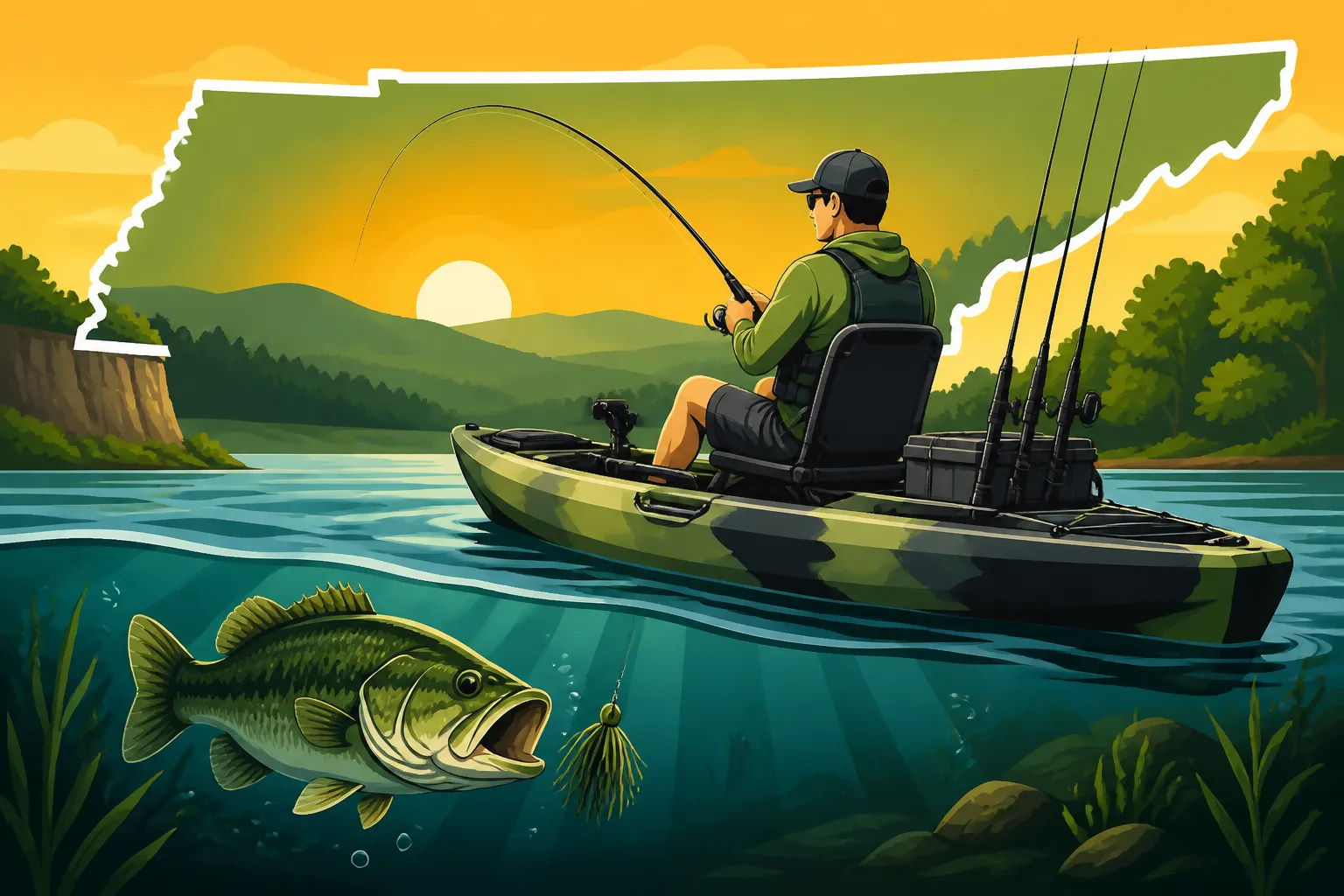
The diverse waters of Tennessee, from the vast expanses of Kentucky Lake to the winding currents of the Clinch River, present a unique challenge for bass anglers. While traditional bass boats offer speed and power, they often can't access those hidden coves, shallow backwaters, or quiet river stretches where trophy bass love to lurk. This guide is all about helping you navigate those options and understand why a sit-on-top kayak might just be the ultimate stealth machine for chasing largemouth and smallmouth bass across the Volunteer State, and what specific features you should prioritize when making your choice.
Why Sit-On-Top Kayaks are Perfect for Tennessee Bass Fishing
When it comes to bass fishing in Tennessee, anglers often face a dilemma: do you want to cover vast amounts of water quickly, or do you want to quietly stalk your prey in hard-to-reach places? For those who lean towards the latter, a sit-on-top kayak is an absolute game-changer. These aren't your typical recreational kayaks; modern fishing kayaks are purpose-built machines designed to give you an edge over the fish and over other anglers.
Unmatched Stability and Freedom on the Water
One of the biggest advantages of a good sit-on-top fishing kayak is its inherent stability. Unlike traditional sit-inside kayaks, which can feel tippy and restrictive, many sit-on-tops are designed with a wider beam and a flatter hull, providing a remarkably stable platform. This stability is absolutely crucial when you're targeting bass. Imagine standing up to get a better vantage point, scanning the water for submerged structure or cruising fish, and then making a precise cast with a How to Fish a Texas Rig for Bass. With a stable sit-on-top, you can do exactly that. You can shift your weight, reel in a heavy fish, or even stand to stretch your legs without feeling like you're about to take an unexpected dip. This freedom of movement isn't just about comfort; it directly translates to better fishing opportunities, allowing you to react quickly to changing conditions or a sudden bite from a Largemouth Bass Identification Tips for Tennessee Anglers.
The open deck design also means easy entry and exit, which is a huge plus when you're launching from tricky bank spots or if you need to hop out and wade a shallow section of a river. There's no claustrophobic cockpit to squeeze into; you simply sit on top, giving you an open, unencumbered fishing experience that feels far more connected to the water. This can be particularly beneficial when fishing in smaller creeks or tributaries that feed into major Tennessee reservoirs, where getting in and out quickly and quietly is often part of the strategy.
Ample Storage and Rigging Potential
Let's be real: bass fishing requires gear. Lots of it. Rods, reels, tackle boxes brimming with lures, a cooler for drinks and snacks, maybe even a small anchor or a fish finder. Traditional kayaks struggle with this, but sit-on-top fishing kayaks are built with storage in mind. They often feature large open stern wells, bow hatches, and multiple access points to internal storage, giving you plenty of room to stash all your essentials. You can easily strap down a crate full of tackle or a cooler, keeping everything secure yet accessible.
Beyond just raw storage space, these kayaks are usually equipped with mounting points and gear tracks that allow for extensive customization. You can attach extra rod holders, camera mounts, fish finder displays, or even a GPS unit. This rigging potential means you can set up your kayak exactly how you like it, optimizing your workflow on the water. Want to run three rods for different presentations, or have your depth finder precisely where you can see it without craning your neck? A good sit-on-top kayak allows for all of this and more. This adaptability is key for serious bass anglers who want to maximize their time and efficiency on the diverse waters of Tennessee.
Comfort for Long Days on the Water
Spending hours on the water, especially under the Tennessee sun, demands comfort. Early model kayaks often featured molded-in seats that could become uncomfortable after just an hour or two. Modern sit-on-top fishing kayaks, however, have revolutionized seating. Many models now come standard with adjustable, elevated, frame-style seats that are incredibly supportive and comfortable. These seats often resemble a small lawn chair, complete with breathable mesh and various reclining positions, allowing you to truly relax and focus on fishing.
The elevated seating position not only enhances comfort by reducing pressure points but also improves your visibility. Being higher off the water gives you a better vantage point for spotting fish, reading water, and making accurate casts. This is particularly valuable when you're trying to spot subtle changes in bottom structure or identify schooling baitfish. Combine this with the ability to stand up and stretch occasionally, and you've got a vessel that allows for truly extended fishing sessions without the usual aches and pains. Whether you're planning a quick morning trip or an all-day bass marathon on Watts Bar Lake, comfort is a non-negotiable, and sit-on-tops deliver.
Essential Features for a Tennessee Bass Fishing Sit-On-Top Kayak
Choosing the right sit-on-top kayak for bass fishing in Tennessee means looking beyond just the cool factor. You need to consider practical features that will enhance your fishing experience and stand up to the specific demands of our local lakes and rivers.
Rock-Solid Stability is Non-Negotiable
When you're trying to land a feisty smallmouth from the Holston River or battling a powerful largemouth on Chickamauga, the last thing you want is a wobbly kayak. Stability is paramount for bass fishing from a sit-on-top. Look for kayaks with a wide, flat hull design, often referred to as a "pontoon" or "catamaran" style hull. These designs displace more water and provide a broader, more stable platform, making it easier to stand up and cast, sight fish, or just generally move around without feeling precariously balanced.
Think about the conditions you'll typically face. Are you often casting into heavy cover, needing to lean out a bit? Do you like to stand and pitch jigs or crankbaits? A stable kayak allows you to perform these actions with confidence. Test out a few models if you can, either by sitting in them on dry land or, ideally, by taking them for a paddle. Pay attention to how easily they rock side-to-side. Some kayaks even feature specialized "standing platforms" with grippy pads to enhance this capability. Brands like Perception and Old Town often prioritize stability in their fishing-specific models, understanding that anglers need to feel secure to fish effectively.
Propulsion Options: Paddle, Pedal, or Motor?
How you move your kayak across the water profoundly impacts your fishing style and the types of water you can effectively cover. Each propulsion method has its unique advantages for Tennessee bass fishing:
Paddle Power: Simplicity and Stealth
The traditional paddle kayak is often the most affordable and simplest option. Paddling offers unparalleled stealth, allowing you to sneak up on wary bass in shallow coves or quiet river bends. It's also great for getting into really tight spaces where other boats can't go. The downside, of course, is that paddling can be tiring over long distances, especially if you're battling wind or current on large lakes like Kentucky Lake Fishing on the Tennessee Side. However, for those who value the workout and the quiet approach, a paddle-powered sit-on-top can be incredibly effective, especially when paired with a quality, lightweight paddle.
Pedal Power: Hands-Free Fishing
Pedal drive systems, like those offered by Hobie or Old Town, have revolutionized kayak fishing. Using your legs to propel the kayak means your hands are completely free for casting, reeling, and managing your tackle. This is a massive advantage when actively fishing, allowing for continuous casting as you slowly troll a lure or hold your position against a current. Pedal kayaks are also generally faster and more efficient over long distances than paddle kayaks, making them excellent for covering larger reservoirs or fishing against stronger river currents. The trade-off is often a higher price point and a slightly heavier kayak, but for many serious anglers, the hands-free fishing experience is well worth the investment. Imagine working a jig along a drop-off on Norris Lake, all while subtly adjusting your position with your feet – it's a game-changer.
Motorization: Speed and Range
For the ultimate in power and range, some sit-on-top kayaks are designed to accept electric trolling motors. These setups offer the speed to cover significant distances quickly and the ability to hold your position precisely with GPS-enabled spot-lock features, even in strong winds or currents. Motorized kayaks are perfect for anglers who want the stealth and shallow-water access of a kayak but also need to keep up with bass boats, or fish large areas like the Tennessee River system. This option does add considerable weight, requires batteries, and comes with a higher cost and more maintenance. However, the ability to effortlessly cruise to distant fishing spots and then precisely maneuver around structure can significantly boost your catch rates, especially on big waters where bass can roam widely. Remember to check Boat Fishing Rules and License Requirements in Tennessee if you add a motor, as registration requirements may change.
Thoughtful Storage and Rigging for Anglers
Effective storage and the ability to customize your setup are what truly differentiate a fishing kayak from a recreational one. You need dedicated spaces for your fishing gear, and they need to be easily accessible.
- Rod Holders: Look for flush-mounted rod holders behind the seat and, ideally, universal gear tracks or mounting points on the gunwales (the top edge of the kayak). These tracks allow you to add adjustable rod holders, perfect for trolling, holding spare rods, or simply keeping them out of the way while you're paddling or retying.
- Tackle Management: Large tank wells in the stern are ideal for strapping down tackle crates, soft coolers, or dry bags. Many kayaks also feature smaller hatches, often in the bow or center console, which are perfect for storing items you need quick access to, like pliers, line cutters, or your favorite Best Lures for Pre-Spawn Bass Fishing. Some even come with built-in tackle organizers or trays.
- Accessory Mounts: Gear tracks are fantastic for attaching fish finders, GPS units, action cameras, or other electronic devices. They allow for tool-free adjustment and removal, which is a huge convenience. The ability to easily mount a transducer for your fish finder, for instance, means you can accurately pinpoint structure and fish on Cherokee Lake. Many kayak manufacturers and third-party accessory makers offer a wide range of compatible mounts available at places like Bass Pro Shops or online at Amazon.
Comfortable Seating for Endurance
We've touched on comfort already, but it bears repeating: your seat is perhaps the most critical component for long-term enjoyment. An uncomfortable seat can turn a fantastic day of fishing into a painful slog. Prioritize kayaks with:
- Elevated Frame Seats: These are generally the most comfortable, keeping you up and out of any water that might slosh into the kayak. The elevation also makes standing and sitting much easier, reducing strain on your back and knees.
- Adjustability: Look for seats that can be adjusted forward and backward to accommodate different leg lengths, and ideally, those with adjustable backrests for lumbar support. Some premium seats can even be adjusted vertically.
- Breathability: Mesh fabrics are excellent for hot Tennessee summers, allowing airflow to keep you cool and prevent discomfort.
Consider the time you expect to spend on the water. If you're someone who loves to fish from dawn until dusk, investing in a kayak with a top-tier seat will pay dividends in comfort and overall enjoyment.
Navigating Tennessee's Diverse Waters with Your Kayak
Tennessee is a mosaic of waterways, from vast, deep reservoirs to shallow, winding rivers. Your sit-on-top kayak needs to be versatile enough to handle these varied conditions while getting you to the best bass fishing spots.
Lake Fishing vs. River Fishing Considerations
The choice of kayak can differ significantly depending on whether you primarily fish lakes or rivers, or if you aim for a versatile craft that handles both.
For the Big Lakes
Tennessee's major reservoirs like Chickamauga, Watts Bar, and Best Fishing Lakes in Tennessee are expansive bodies of water that can get windy and choppy. For these environments, a longer kayak (12 feet or more) generally tracks straighter and handles waves better. Pedal-drive kayaks excel here because they offer efficiency for covering long distances and fighting against wind. Stability is still crucial, especially when boat wakes roll through. You might also consider a kayak that can be easily accessorized with a small trolling motor for those really long hauls or for precise station-keeping. The deeper, more open waters often hold schools of bass, and being able to quickly move between spots can make a big difference.
For the Rivers and Creeks
The Best Rivers for Fishing in Tennessee, like the Cumberland, Caney Fork, or smaller creeks, demand a different set of kayak characteristics. Here, maneuverability is often more important than pure speed. Shorter kayaks (under 12 feet) are easier to turn and navigate through tighter bends, around submerged logs, or through shallow rapids. Paddle kayaks often shine in these environments due to their quietness and simpler setup, making them perfect for stealthily drifting past riverbanks and casting into eddies. If the river has a strong current, a pedal drive with reverse capabilities can be invaluable for holding position or backing away from hazards. Portability is also key, as river access points might be less developed, requiring you to carry your kayak further.
| Feature | Primarily Lake Fishing | Primarily River Fishing | Versatile (Both) |
|---|---|---|---|
| Kayak Length | Longer (12 ft+) for tracking & speed | Shorter (under 12 ft) for maneuverability | Medium (11-13 ft) |
| Propulsion | Pedal drive or motor for distance & efficiency | Paddle drive for stealth & tight spaces | Pedal drive for efficiency, paddle for stealth |
| Stability | High, for standing & handling wakes | Moderate to High, for casting & navigating | High, for general confidence |
| Storage | Ample, for gear, cooler, electronics | Moderate, for essential tackle & safety gear | Good balance of accessible & secure storage |
| Durability | UV resistant, resistant to impacts from docks | High, for scraping rocks, logs | High, across all environments |
| Portability | Less critical if trailering | Very important for diverse access points | Important for solo loading/unloading |
Accessing Remote Bass Havens
One of the great joys of kayak fishing in Tennessee is the ability to reach spots that larger boats simply can't. These often include shallow backwaters, oxbows, small tributaries, or sections of rivers with challenging access. A sit-on-top kayak, especially one that's not excessively heavy, can be easily launched from unimproved banks, gravel bars, or even carried down short trails.
Consider the "portability factor." Can you comfortably car-top your kayak, or will you need a trailer? Lighter kayaks made from rotational molded polyethylene are durable and often easier to handle solo. If you frequently fish remote spots on the Clinch River or some of the lesser-known creeks that feed into Dale Hollow Lake, a kayak that's manageable to load and unload by yourself will greatly expand your fishing horizons. This ability to get off the beaten path is where kayak fishing truly shines, allowing you to find undisturbed bass that rarely see a lure.
Weathering Tennessee's Elements
Tennessee weather can be unpredictable, often swinging from bright sunshine to sudden thunderstorms or gusty winds. Your kayak needs to be able to handle these conditions safely and effectively.
- Wind Resistance: On large, open lakes, wind can be a major challenge. Longer, narrower kayaks track better into the wind, but a wider, more stable kayak might offer more confidence in choppy conditions. Pedal and motorized kayaks have a distinct advantage in windy situations, as they allow you to maintain course and speed with less effort.
- Sun Protection: Being exposed on a sit-on-top means you'll get a lot of sun. Consider wearing appropriate clothing and having good sun protection. Some kayaks even have mounts for small fishing umbrellas or bimini tops, which can offer some relief on scorching summer days.
- Rain Readiness: While no kayak will keep you completely dry in a downpour, the open deck of a sit-on-top drains quickly. Ensure your dry storage is truly waterproof, and always have a change of clothes and proper rain gear in a dry bag.
Always check the weather forecast before heading out, especially on larger lakes where conditions can change rapidly. And never forget your Tennessee Life Jacket and PFD Rules for Boaters – safety is paramount!
Choosing Your Ideal Sit-On-Top Kayak for Bass Fishing
Making the final decision on your sit-on-top kayak can feel daunting with so many options out there. It really comes down to balancing your budget, understanding what kind of fishing you'll do most, and choosing the right accessories to complete your setup.
Budgeting for Your Kayak Fishing Adventure
Kayak fishing can be as affordable or as high-end as you want to make it.
- Entry-Level Options: For beginners or those on a tighter budget, paddle-powered sit-on-top kayaks can be found for relatively low prices. These are often great for getting started, learning the ropes, and exploring local ponds or calm rivers. While they might lack some of the advanced features of pricier models, they're perfectly capable of catching bass. Many sporting goods stores like Bass Pro Shops or online retailers like Amazon offer good entry-level packages.
- Mid-Range Models: Stepping up to the mid-range typically gets you better seats, more integrated storage, and often a more refined hull design for improved stability or tracking. You might start seeing some basic pedal-drive options or kayaks pre-wired for a trolling motor in this category. These offer a great balance of features and value for the dedicated amateur angler.
- High-End Kayaks: The top-tier kayaks often come with advanced pedal drives, integrated electronics, specialized motor mounts, and premium seating. These are built for serious anglers who spend a lot of time on the water and demand peak performance, comfort, and customization. They are a significant investment but can provide an unparalleled fishing experience.
Remember to factor in the cost of essential accessories like a paddle, life jacket, anchor, and rod holders, as these can add to the overall investment. A solid Kayak Fishing Gear Checklist for Beginners can help you organize your budget.
Understanding Different Kayak Models and Their Strengths
Manufacturers offer a wide array of sit-on-top fishing kayaks, each with specific design philosophies.
- Recreational Kayaks: While some people fish from recreational sit-on-tops, they generally lack the stability, storage, and rigging options of purpose-built fishing kayaks. They're fine for a casual cast, but if you're serious about bass, you'll want something more specialized.
- Dedicated Fishing Kayaks: These are designed from the ground up for anglers. They often have wider, more stable hulls, elevated seats, multiple rod holders, gear tracks, and ample storage. Brands like Hobie, Old Town, Native Watercraft, and Wilderness Systems are leaders in this space, each offering models tailored to different fishing styles and water types. Look for reviews and try to get a feel for them in person if possible.
Consider the specific type of bass fishing you plan to do most often. If you’re targeting smallmouth in rocky rivers, you might prioritize a durable, maneuverable paddle kayak. If you’re chasing largemouth across a vast reservoir like Chickamauga Lake, a speedy pedal drive or even a motorized kayak might be more suitable.
Accessories That Make a Difference
Beyond the kayak itself, a few key accessories can dramatically improve your fishing experience:
- Paddle: Even with a pedal or motor drive, a good paddle is essential for getting in and out of shallow areas or as a backup. Choose one that's lightweight and the correct length for your kayak width.
- Personal Flotation Device (PFD): This isn't just a safety item; it's the law in Tennessee. Invest in a comfortable, fishing-specific PFD with pockets for small gear.
- Anchor System: Essential for holding your position in current or wind. A lightweight, collapsible grapnel anchor or a drift sock can be incredibly useful. Make sure you have an anchor trolley system for easy deployment and retrieval. Learn more about Best Kayak Anchors for River Fishing.
- Fish Finder: While optional for some, a compact fish finder can be a game-changer, helping you locate structure, depth changes, and, of course, fish. Many models are now designed specifically for kayak mounting.
- Rod Leashes/Paddle Leashes: These inexpensive items can save you a lot of heartache (and lost gear!) by keeping your rods and paddle attached to your kayak if you accidentally drop them.
- Storage Crates/Bags: A milk crate customized with rod holders and tackle trays is a classic kayak fishing solution. Dry bags are crucial for keeping electronics, wallets, and keys safe from splashes.
By carefully considering these features and accessories, you can select a sit-on-top kayak that will serve as a reliable, effective, and enjoyable platform for all your Tennessee bass fishing adventures. Happy paddling, pedaling, or motoring!
Disclaimer
This article is for general informational purposes only and does not constitute professional advice. Laws, prices and regulations vary by location and change over time. Consult a qualified professional for guidance on your specific situation.