Best Fish Finders for Tennessee Lake Fishing
Trying to catch fish on Tennessee's vast and diverse lakes can sometimes feel like trying to find a needle in a haystack, especially when you're staring at miles of open water with no idea where the fish are hiding. It's a common frustration for both seasoned pros and weekend warriors alike, spending hours casting into seemingly barren water. This guide will help you understand the world of fish finders, exploring how these incredible tools can transform your fishing experience on Tennessee's beautiful lakes, helping you pinpoint fish and structure with confidence.
Why a Fish Finder is a Game Changer for Tennessee Lake Fishing
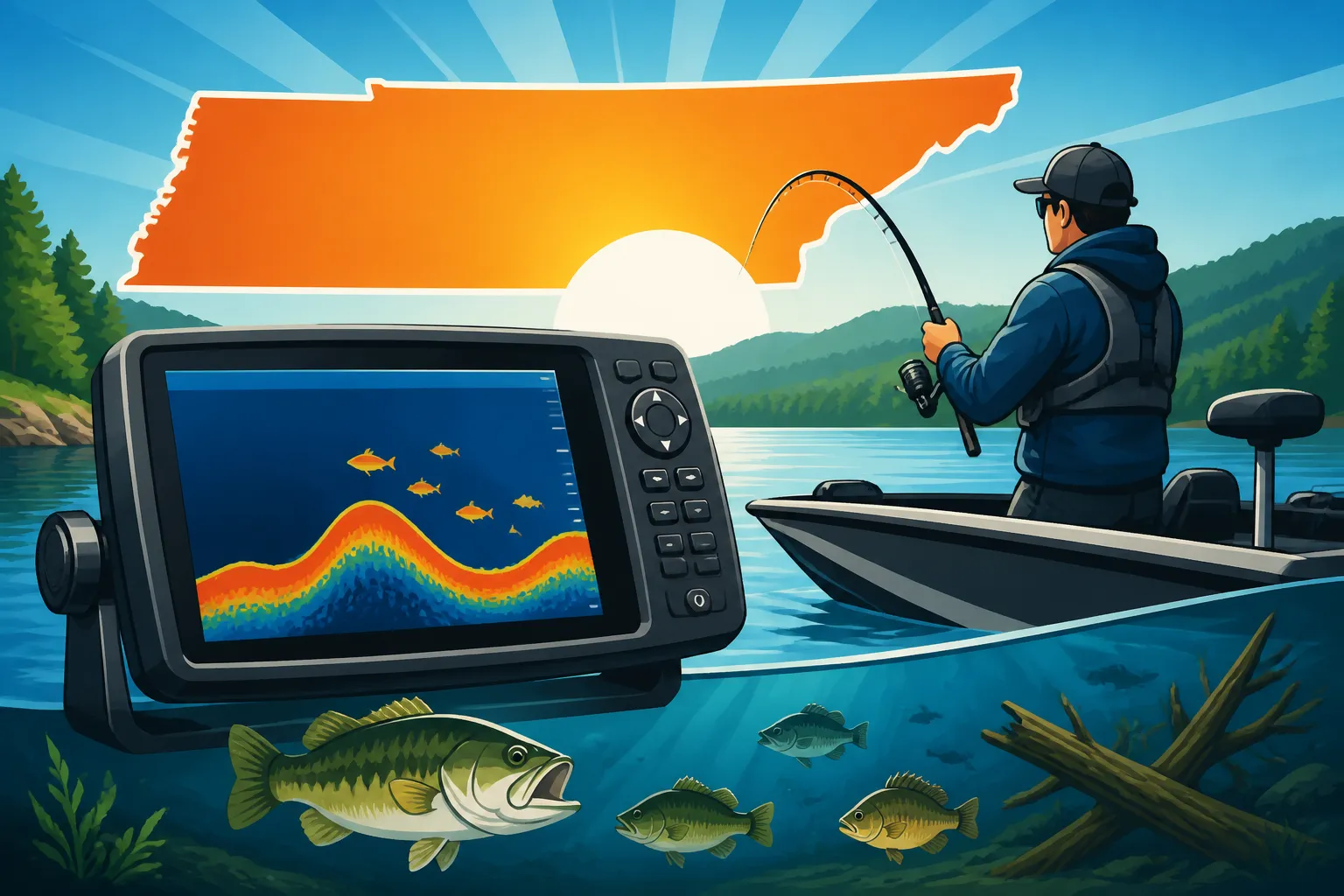
Imagine cruising across the calm waters of Percy Priest Lake, but instead of guessing where the fish might be, you see a detailed underwater map on your screen, highlighting drop-offs, submerged timber, and even schools of baitfish with predators lurking nearby. That's the power of a good fish finder. It takes the guesswork out of finding fish, turning a frustrating day of blind casting into a targeted and often successful angling adventure. In a state like Tennessee, with its incredibly varied aquatic environments, knowing what's beneath the surface is paramount.
Understanding Tennessee's Diverse Lake Ecosystems
Tennessee is blessed with an incredible array of lakes, each with its own unique characteristics. You have massive reservoirs like Kentucky Lake and Chickamauga Lake, known for their sprawling open water, complex creek channels, and vast areas of standing timber. Then there are deeper, clearer mountain lakes like Norris Lake and Dale Hollow Lake, which present their own challenges with dramatic depth changes and rocky structures. Even unique natural wonders like Reelfoot Lake, with its cypress trees and shallow, murky waters, demand specific approaches.
Each of these environments requires a different understanding of fish behavior and habitat. Fish finders, with their various sonar technologies, allow you to adapt your approach to these diverse settings. What works to find bass in the deep ledges of Watts Bar Lake might be entirely different from how you locate crappie suspended over a brush pile in Old Hickory Lake, and a modern fish finder provides the insights for both.
The Frustration of Blind Fishing
We've all been there: you get out on the water, full of optimism, only to spend hours casting without a single bite. You try different lures, different depths, different spots, but nothing seems to work. This "blind fishing" approach isn't just inefficient; it can be incredibly disheartening, making you question your skills or even your love for the sport. The sheer size of many Tennessee lakes makes relying solely on visual cues or past knowledge a daunting task.
A fish finder eliminates much of this frustration by giving you a clear window into the underwater world. Instead of blindly casting, you're now making informed decisions, targeting areas where fish are actively present or where structure suggests they should be. It's like having a local guide sitting right next to you, pointing out the hot spots. This shift from guessing to knowing significantly increases your chances of success and, more importantly, enhances the enjoyment of your time on the water.
Essential Features to Look for in a Fish Finder
When you're wading into the world of fish finders, it can feel overwhelming with all the technical jargon and endless options. But don't fret! At its core, a fish finder is about giving you information, and understanding a few key features will help you pick the right tool for your Tennessee adventures. Thinking about how and where you fish most often is the first step in narrowing down your choices.
Transducer Types and What They Mean for Your Fishing
The transducer is the unsung hero of your fish finder—it's the part that actually "sees" underwater. It sends out sound waves and listens for the echoes. Different types of transducers and sonar technologies offer distinct advantages:
- 2D Sonar (Traditional Sonar): This is the classic "fish arch" view most people associate with fish finders. It's excellent for seeing depth, bottom structure, and fish directly beneath your boat. Most units have this standard. For general use on any Tennessee lake, this is a must-have baseline.
- Down Imaging/DownScan: This technology provides a much clearer, photo-like image of what's directly beneath your boat. You'll see submerged trees, rock piles, and even individual fish with incredible detail. It's fantastic for dissecting specific pieces of structure or identifying bait balls. If you spend a lot of time fishing around timber or brush piles in lakes like Watts Bar, this is invaluable.
- Side Imaging/SideScan: This is where things get really exciting for covering water quickly. Side Imaging sends sonar beams out to the sides of your boat, scanning a wide area up to hundreds of feet on either side. You can quickly locate structure, drop-offs, and schools of fish without having to drive directly over them. For covering vast areas of Kentucky Lake or finding offshore ledges on Chickamauga Lake, Best Side-Imaging Fish Finders for Kentucky Lake can truly be a game-changer. It means less time searching and more time fishing.
Understanding these transducer types will directly impact how effectively you can scout and locate fish in different scenarios across Tennessee's varied waters. You can find units combining all these technologies, often called "multi-function displays," providing a comprehensive view.
Screen Size and Resolution: Clarity on the Water
Imagine trying to read a map with tiny print on a blurry screen while your boat is bouncing. That's why screen size and resolution are so important. A larger screen, typically 7 inches or more, provides a much better viewing experience, especially when you're splitting the screen to view multiple sonar technologies or your map simultaneously. High resolution, measured in pixels, means crisper images and more detail, making it easier to distinguish between a fish and a piece of submerged debris.
While smaller screens are more portable and often more budget-friendly, especially for Best Budget Fish Finders for Bank Fishing or kayaks, they can make interpretation challenging. On a bright, sunny day on the water, a larger, higher-resolution screen from brands available at Bass Pro Shops or Amazon will reduce glare and eyestrain, allowing you to quickly interpret the information and focus on your fishing.
GPS and Chartplotter Integration: Navigating the Big Water
For anyone fishing Tennessee's larger reservoirs, a fish finder with integrated GPS and chartplotter capabilities is practically a necessity. This feature allows you to:
- Navigate safely: See your boat's position on a detailed map, avoiding hazards like shallow areas, rock piles, or tricky channels. This is particularly useful on expansive bodies of water like Kentucky Lake Fishing on the Tennessee Side.
- Mark waypoints: When you find a promising spot—a brush pile, a school of baitfish, or a productive drop-off—you can mark it as a waypoint. This means you can return to that exact spot later, even if conditions change or you leave the area.
- Create trails: Track your path on the water, which is great for understanding your movements, especially when trolling or exploring new territory.
Having this mapping capability built into your fish finder eliminates the need for separate devices, streamlining your setup and making your fishing more efficient. Imagine marking that specific spot where you landed a trophy bass on Chickamauga Lake and being able to navigate right back to it next time.
Types of Fish Finders for Different Tennessee Anglers
Not all fish finders are created equal, nor should they be! The "best" fish finder for you really depends on your fishing style, your budget, and the kind of water you typically fish in Tennessee. Whether you're a casual bank angler, a dedicated kayaker, or a serious tournament boater, there's a fish finder designed with your needs in mind.
Entry-Level and Portable Options for Bank or Kayak Anglers
For those who fish primarily from the bank, a pier, or a kayak, portability and ease of use are paramount. You're not looking to rig up a complex system, but you still want an edge over blind casting.
- Castable Sonar Devices: These innovative gadgets, often looking like small bobbers, connect wirelessly to your smartphone or tablet. You cast them out, and they send sonar data directly to your device. They're incredibly portable, affordable, and perfect for scouting depths and structure from shore, a dock, or a Best Kayaks for Tennessee Bass Fishing. While the screen size is limited by your phone, the convenience is unmatched. Many popular brands are readily available through retailers like Amazon.
- Small, Portable Units: These often feature a compact screen and a simple transducer that can be temporarily mounted to a kayak or even clamped to a boat rail. They typically offer basic 2D sonar, sometimes with Down Imaging. They're battery-powered, making them ideal for short trips or situations where permanent installation isn't feasible. For a weekend trip to a smaller state park pond or exploring a quiet cove on Percy Priest Lake from a paddle craft, these are fantastic. Consider checking out Best Kayak Fish Finders for Anglers for more in-depth options.
These entry-level options are perfect for getting your feet wet (pun intended!) with sonar technology without a significant investment, giving you that crucial insight into what's happening beneath the surface.
Mid-Range Models for Serious Boaters
If you own a small to mid-sized boat and spend a good amount of time on the water, exploring various Tennessee lakes, a mid-range fish finder offers a fantastic balance of features, performance, and value. These units typically feature:
- Larger Screens: Usually 7-9 inches, offering much clearer views and the ability to split the screen for multiple sonar types and GPS mapping.
- Advanced Sonar: Most will include 2D, Down Imaging, and often Side Imaging, giving you a comprehensive view of the underwater world. This versatility is key for navigating diverse lake environments, from the deep channels of the Tennessee River to the shallower flats of Chickamauga.
- Integrated GPS/Chartplotter: Essential for navigation and marking waypoints on larger bodies of water. You'll often find pre-loaded lake maps or the ability to add high-detail charts.
- Better Transducers: More powerful and sensitive transducers improve target separation and depth penetration, which is vital when searching for crappie suspended over deep brush piles or locating bass along subtle creek channels.
These units are durable, weather-resistant, and designed for more frequent use. They're the workhorse for many serious recreational anglers who might be targeting anything from bass to crappie or even striped bass in their local waters. You can find a wide selection of these models at major outdoor retailers like Bass Pro Shops.
High-End Units for Tournament Anglers and Dedicated Pros
For the truly dedicated angler, especially those involved in tournaments or who demand the absolute best technology available, high-end fish finders are the pinnacle of performance. These sophisticated machines are often found on bass boats designed for competitive fishing on lakes like Chickamauga or Kentucky.
- Massive Screens & Networking: Expect large, high-resolution screens (10-16 inches or more), often networked together. This means you might have one screen at the console for mapping and general sonar, and another at the bow for precise fish finding while actively fishing. This seamless integration allows for maximum information at your fingertips, whether you're idling to find structure or actively casting.
- Cutting-Edge Sonar Technologies: Beyond traditional 2D, Down, and Side Imaging, these units boast specialized technologies like Forward-Looking Sonar (Live Sonar), which allows you to see fish and structure ahead of your boat in real-time. This is invaluable for actively hunting fish and pitching lures to them. High-frequency CHIRP sonar provides unparalleled target separation, letting you distinguish individual fish even in dense schools.
- Advanced Mapping & Customization: They offer highly detailed mapping, often with the ability to create your own custom contour maps of specific lake areas, revealing hidden humps and drop-offs. Full customization of settings, from transducer frequency to screen palettes, allows pros to fine-tune their view for optimal performance in any condition.
- Seamless Integration with Trolling Motors: Many high-end fish finders integrate directly with electric trolling motors, allowing for features like "spot-lock" (holding your boat in place) and "follow-the-contour" navigation. This level of integration, often found with brands like Minn Kota or Lowrance, gives an angler incredible boat control and precision. In a competitive environment where every detail matters, having a fish finder that works in tandem with Best Trolling Motors for Tennessee Bass Boats is a huge advantage.
These units represent a significant investment, but for the serious angler, they provide an unmatched advantage, allowing for precise fish location, detailed structure analysis, and efficient navigation on Tennessee's toughest waters.
Interpreting Your Fish Finder: Beyond the Arches
Getting a fish finder is one thing; understanding what it's telling you is another. It's not just about seeing pretty colors or arches; it's about interpreting the data to make informed decisions that put more fish in your boat. Learning to read your screen effectively is a skill that develops with practice, and it will pay dividends on any Tennessee lake you fish.
Reading Structure and Bottom Composition
Fish love structure—it provides cover, ambush points, and concentrates baitfish. Your fish finder is your best tool for uncovering these hidden gems.
- Bottom Contour: Look for changes in depth. Drop-offs, humps, ledges, and creek channels are all prime locations for fish, especially bass and crappie. A sudden change from a flat bottom to a steep incline often indicates a current break or a natural travel route for fish. On a chartplotter, these features will be clearly defined by contour lines.
- Submerged Features: Your fish finder can reveal specific structures like brush piles, standing timber, rock piles, and even old roadbeds. Down Imaging and Side Imaging are particularly good at rendering these structures with photo-like clarity. For instance, a clear image of a submerged cedar tree on Chickamauga Lake tells you exactly where to drop your lure.
- Bottom Hardness: A thicker, more intense return on your 2D sonar usually indicates a harder bottom (rock, gravel), while a thinner, less intense return suggests a softer bottom (mud, silt). Many fish species prefer certain bottom compositions; for example, smallmouth bass often relate to rocky bottoms. Some advanced units even provide a "bottom hardness" reading.
Learning to identify these structures and understand what type of fish might relate to them is a crucial step in becoming a more successful angler. It turns your screen into an underwater blueprint of productive fishing spots.
Identifying Fish vs. Baitfish Schools
One of the most exciting things to see on a fish finder is, well, fish! But not every blob or arch is a trophy. Differentiating between individual fish, schools of baitfish, and even submerged debris is key.
- Fish Arches: On traditional 2D sonar, fish often appear as arches. A full, strong arch indicates a fish that passed through the sonar cone. Larger, thicker arches usually mean larger fish. Half-arches or partial lines can be fish on the edge of the cone or fish moving quickly. The deeper the fish, the longer the arch tends to be because the sonar cone is wider, meaning the fish stays in the beam longer.
- Baitfish Schools: These usually show up as dense clouds or balls of tiny dots. When you see baitfish, it's a good sign that predatory fish might be nearby. Watch for larger, individual arches or strong lines around or beneath these bait balls—those are your target species. On many Tennessee lakes, especially during summer, locating these bait schools is often the first step to finding active game fish.
- Interpreting Colors: Many fish finders use different colors to represent signal strength. Brighter, more intense colors typically indicate a stronger return, meaning a harder target (like a large fish or solid structure) or a target closer to the transducer. Experiment with your unit's color palette to find what works best for your eyes.
Remember, practice makes perfect. Spend time observing your screen and correlating what you see with what you catch. Eventually, you'll develop an intuitive understanding of what those underwater images truly represent. Do You Need a Fish Finder for Crappie Fishing in Tennessee? can give you more specific tips for a popular Tennessee species.
Understanding Thermoclines and Water Temperature
Water temperature plays a monumental role in fish behavior, dictating everything from spawning patterns to feeding activity. Your fish finder can give you critical insights into these conditions.
- Thermoclines: In deeper lakes, especially during the summer, water stratifies into layers of different temperatures. The thermocline is the distinct boundary where warmer surface water meets colder deep water. On your fish finder, it often appears as a fuzzy, horizontal line or band. Many fish, particularly bass and crappie, will hold at or just above the thermocline because it offers optimal temperature, oxygen levels, and often concentrates baitfish. Identifying the thermocline on Norris Lake or Center Hill Lake can instantly narrow down your search for active fish.
- Surface Temperature: While not displayed directly on the sonar image, most modern fish finders have a temperature sensor integrated into the transducer, displaying the surface water temperature. This is incredibly valuable for understanding seasonal patterns. For example, knowing the water temperature is crucial for pinpointing the bass spawn timing in Tennessee.
- Correlation with Fish Activity: Colder water generally slows fish metabolism, while warmer water often increases activity. By observing water temperature alongside fish presence and structure, you can piece together a more complete picture of why fish are in a particular area. For instance, if you're fishing for trout in a tailwater, even a slight temperature difference can make a huge impact on their willingness to bite.
This environmental data, combined with structure and fish readings, empowers you to make smarter decisions about where and how to present your baits.
Setting Up and Maintaining Your Fish Finder
Once you've chosen your fish finder, the next step is getting it installed and ensuring it performs optimally. A properly installed and maintained unit will give you years of reliable service and clearer images, while a hasty setup can lead to frustrating performance issues.
Installation Tips for Different Boat Types
The installation process will vary significantly depending on your boat and the type of fish finder you have. The goal is always a clear, unobstructed signal for your transducer.
- Bass Boats and Fiberglass Hulls: Many fiberglass boats benefit from "in-hull" transducers, which are epoxied directly to the inside of the hull. This provides a clean look and protection but requires a spot free of air bubbles for the best signal. Alternatively, transom mounts are common, requiring careful placement to avoid turbulence from the motor or hull design. For networked systems, running power and transducer cables neatly and securely is paramount to avoid interference.
- Aluminum Boats (Jon Boats, V-Hulls): Transom mounts are very popular for aluminum boats. The key is to mount the transducer as low as possible without being damaged during trailering or launching, and in a spot that is as smooth as possible when the boat is on plane. Jack plates often offer excellent mounting locations for transducers, keeping them out of turbulent water. Best Boat Ramps on Chickamauga Lake are often designed for easy launch, so consider your transducer's exposure.
- Kayaks and Canoes: For kayaks, "through-hull" mounting kits are available where the transducer sits in a small well of water, or temporary "clamp-on" mounts are used on the side. You want to make sure the transducer is fully submerged but not so deep it creates excessive drag or is vulnerable to impacts. Battery placement should be secure and waterproof. Best Fish Finder Mounts for Kayaks covers these options in more detail.
No matter your boat, always follow the manufacturer's instructions carefully. Improper installation is the number one cause of poor fish finder performance. Route cables away from electrical interference sources like engine wiring or other electronics.
Software Updates and Troubleshooting Common Issues
Just like your smartphone, fish finders receive software updates. These updates can introduce new features, improve existing ones, and fix bugs, so it's a good idea to keep your unit's software current.
- How to Update: Most modern fish finders allow you to download updates from the manufacturer's website onto an SD card, which you then insert into your unit. Check your manual or the brand's website (e.g., Lowrance, Humminbird, Garmin) for specific instructions. Regularly checking for updates a couple of times a year can keep your unit performing at its peak.
- Common Troubleshooting:
- No Bottom Reading/Lost Signal: Often caused by a loose transducer cable, a transducer mounted in turbulent water, or weeds/debris on the transducer face. Check connections, clean the transducer, or adjust its mounting angle.
- Interference/Noise on Screen: Can be caused by electrical interference from other electronics (trolling motor, bilge pump) or even another boat's sonar. Try adjusting sensitivity, noise rejection settings, or ensure your wiring is separate from other electrical components.
- Inaccurate Depth: Again, transducer placement is key. Ensure it's fully submerged and not hitting air bubbles.
Knowing a few basic troubleshooting steps can save you a lot of frustration and keep your valuable fishing time focused on, well, fishing!
Power Management and Battery Life
Fish finders, especially the larger, more powerful units, draw a significant amount of power. Proper power management is essential for a full day of fishing on the lake.
- Battery Selection: For smaller, portable units or kayaks, a dedicated 12V lithium-ion or sealed lead-acid battery is typically used. For larger boats, your fish finder will draw from your boat's main cranking battery or dedicated electronics batteries. Ensure your battery bank has enough capacity for all your electronics.
- Wiring: Always use appropriate gauge wire for the length of your run to avoid voltage drop, which can cause erratic performance, especially at peak power draw. Install an inline fuse or breaker close to the battery for safety and protection.
- Battery Monitoring: Keep an eye on your battery voltage, especially when running multiple electronics or a powerful trolling motor simultaneously. Many fish finders display voltage, or you can add a separate battery monitor. Nothing is worse than your fish finder dying mid-day on Norris Lake Fishing Guide, Tennessee's Clearest Water when you're miles from the ramp.
- Charging: Invest in a good quality battery charger that matches your battery type. Fully charging your batteries after each trip is crucial for their longevity and reliable performance.
By paying attention to your power setup, you ensure your fish finder has the juice it needs to guide you to your next catch.
Top Considerations for Specific Tennessee Lakes
Tennessee's waterways are incredibly diverse, and what works well on one lake might not be ideal for another. Tailoring your fish finder's capabilities and your approach to the specific lake environment will significantly improve your success.
Navigating Deep Waters like Norris Lake or Dale Hollow Lake
Lakes such as Norris Lake and Dale Hollow Lake are renowned for their stunning clarity and incredible depths, often plunging hundreds of feet. This presents unique challenges and opportunities for anglers.
- Deep Water Penetration: You'll want a fish finder with a powerful transducer capable of effectively reaching and returning signals from extreme depths. Look for units that specify good deep-water performance. Lower frequencies (e.g., 50 kHz) generally penetrate deeper but offer less detail, while higher frequencies (e.g., 200 kHz, 455/800 kHz) provide more detail in shallower water. Modern CHIRP sonar excels here, using a range of frequencies to give both depth and detail.
- Thermocline Detection: As discussed earlier, the thermocline becomes even more critical in these deep, clear lakes. Fish will often suspend at specific depths related to this temperature boundary. Your fish finder's ability to clearly show the thermocline will be invaluable for targeting species like suspended striped bass or crappie.
- Contour Mapping: Highly detailed contour maps are a must. These lakes have dramatic ledges, points, and drop-offs. Having good mapping data, either pre-loaded or user-generated, helps you quickly identify and navigate these significant structural changes without having to idle over every inch. These are the kinds of tools that can really help you find the Best Bass Fishing Spot on Dale Hollow Lake.
Shallow, Structure-Rich Lakes like Reelfoot or Chickamauga Lake
On the opposite end of the spectrum, lakes like Reelfoot Lake, with its shallow, cypress-filled waters, or Chickamauga Lake, with its vast shallow flats and dense timber, demand a different focus from your fish finder.
- High-Frequency Sonar for Detail: In shallower water, high-frequency sonar (e.g., 200 kHz, 455/800 kHz) and specifically Down Imaging and Side Imaging become incredibly important. These technologies provide razor-sharp detail of submerged vegetation, cypress stumps, brush piles, and even fish hiding within them. On Reelfoot, being able to distinguish a cypress knee from a big catfish is crucial.
- Side Imaging for Scanning: On large, shallow flats or areas with scattered cover like Chickamauga, Side Imaging truly shines. You can quickly scan wide swaths of water, locating isolated stumps, rock piles, or schools of baitfish that might be too spread out for traditional sonar. This saves immense time in finding productive areas.
- Navigating Obstacles: In extremely shallow, obstacle-laden waters like Reelfoot, having a precise GPS and a reliable chartplotter that can show channel markers or track your path through intricate stump fields is vital for both safety and efficient fishing. You might also want to look at how your fish finder integrates with Best Fish Finder Mounts for Kayaks if you're navigating these areas in smaller craft.
River Systems and Current Challenges
While many Tennessee anglers focus on lakes, the state's powerful river systems, like the Cumberland and Tennessee Rivers, offer fantastic fishing but with their own unique dynamics, primarily current.
- Current Interference: Strong currents can sometimes create turbulence around your transducer, leading to noisy or unclear sonar returns. Ensure your transducer is mounted securely and in as clean water as possible. Some units have advanced filtering options to reduce this noise.
- Structure in Current: Fish in rivers often relate to current breaks—eddies, behind large rocks, submerged logs, or deeper holes where they can rest out of the main flow. Your fish finder is essential for locating these subtle changes in bottom contour and submerged structure that provide current relief.
- River Maps: Just like lake maps, detailed river maps with channel markers, depths, and potential hazards are incredibly valuable. The GPS function helps you stay within safe navigation channels and efficiently work stretches of productive water. For targeting species like striped bass in the main river channel, understanding depth and structure along current lines is paramount.
By considering the specific characteristics of the Tennessee waterways you frequent, you can select a fish finder that truly enhances your angling success. Whether you're a full-time pro or just getting started, there's a fish finder out there ready to unlock the underwater world for you.
| Feature | Entry-Level Portable (e.g., Kayak/Bank) | Mid-Range Boater | High-End Tournament |
|---|---|---|---|
| Price Range | Most Accessible | Mid-Tier | Significant Investment |
| Screen Size | Phone/Tablet or 3-5 inches | 7-9 inches | 10-16+ inches (networked) |
| Sonar Types | 2D, sometimes basic Down Imaging | 2D, Down, Side Imaging | All types, Live Sonar, CHIRP |
| GPS/Mapping | Phone-based or basic GPS | Integrated GPS, detailed charts | Advanced GPS, custom mapping, networked |
| Power Source | Internal battery or small 12V | Boat's 12V system | Dedicated high-capacity 12V batteries |
| Installation | Clamp-on, castable, temporary mount | Transom, in-hull, bow mount | Multiple permanent mounts, integrated |
| Best For | Casual anglers, bank fishing, kayaks | Recreational boaters, diverse species | Pro anglers, tournament fishing, extreme detail |
| Example Use Case | Scouting a new pond from shore | Finding crappie on Kentucky Lake | Hunting trophy bass on Chickamauga Lake |
Disclaimer
This article is for general informational purposes only and does not constitute professional advice. Laws, prices and regulations vary by location and change over time. Consult a qualified professional for guidance on your specific situation.