Trout Fishing in the Great Smoky Mountains, Tennessee
Many anglers dream of crystal-clear mountain streams, but actually finding productive trout waters that aren't overcrowded can feel like chasing a ghost. The Great Smoky Mountains National Park offers some of the most pristine and rewarding trout fishing experiences in Tennessee, a true escape where wild trout thrive. This comprehensive guide will walk you through everything you need to know, from identifying fish to mastering techniques and navigating regulations, ensuring your next adventure is a resounding success.
Why the Great Smoky Mountains are Prime for Trout Fishing
There’s something truly special about casting a line in the Great Smoky Mountains. It’s not just the stunning scenery, though that certainly adds to the allure. It’s the feeling of stepping back in time, connecting with nature, and pursuing fish in their natural, unspoiled habitat. This unique environment isn't just picturesque; it's biologically perfect for trout.
Unique Ecosystem and Water Quality
The Great Smoky Mountains National Park is a haven for cold-water species, primarily due to its elevation and abundant rainfall. Thousands of miles of streams crisscross the landscape, fed by countless springs and snowmelt. These headwater streams maintain consistently low temperatures, even during the peak of summer, which is absolutely critical for trout survival. Imagine trying to find fish in murky, warm low-land rivers; it's a completely different ballgame up here. The water is often crystal clear, oxygen-rich, and remarkably free from pollution, providing an ideal habitat where trout can thrive and reproduce naturally.
Furthermore, the geology of the Smokies plays a significant role. The ancient, undisturbed forests act as natural filters, preventing excessive sediment runoff and maintaining a stable streambed. This means healthier aquatic insect populations, which are the primary food source for wild trout. When you're standing knee-deep in a pristine stream, surrounded by towering hardwoods and the sound of rushing water, you understand immediately why this place is so vital for trout. The overall biodiversity here, including the insects, ensures a robust food chain that keeps the trout population healthy and thriving, unlike many other regions where human impact has degraded water quality.
Abundant Wild and Stocked Trout
One of the biggest draws to fishing in the Smokies is the prevalence of wild trout. Unlike many fisheries that rely heavily on stocking programs, a significant portion of the trout population in the Great Smoky Mountains National Park is self-sustaining. This means you’re not just catching hatchery fish; you’re pursuing truly wild, naturally reproduced trout that have developed incredible instincts and fight. These fish are typically smaller but offer a challenge that seasoned anglers crave, making every catch feel like a genuine accomplishment.
While the emphasis is often on wild trout, some peripheral areas bordering the park and state waters outside the park boundaries do receive regular stockings, primarily from the Tennessee Wildlife Resources Agency (TWRA). These stocked areas, such as sections of the Little Pigeon River or parts of the Oconaluftee River just outside the park, provide fantastic opportunities for anglers looking for a higher catch rate or larger fish. They can be a great option for beginners or families looking to introduce kids to the joy of fishing. However, within the national park itself, all streams are managed for wild trout populations, and no stocking occurs. This two-tiered approach means that whether you're seeking the solitude and challenge of wild trout or the more accessible fishing of stocked waters, the region truly has something for everyone. If you’re ever wondering about the difference, check out our guide on how the Tennessee trout season split explained: March to September vs October to February, as regulations can vary.
Key Trout Species to Target in the Smokies
When you head to the Smokies, you’re not just fishing for "trout." You're fishing for specific species, each with its own characteristics, preferred habitats, and fishing challenges. Understanding these differences can significantly improve your success rate and make your fishing experience even more rewarding.
Native Brook Trout: The Mountain Gem
The Southern Appalachian Brook Trout, often called "speckled trout" by locals, is the only trout species native to the Great Smoky Mountains. These fish are absolutely stunning, with vibrant red and yellow spots, blue halos, and a distinctive worm-like pattern on their backs. Catching a wild brook trout from its native stream is often considered the pinnacle of a Smoky Mountain fishing trip. They are typically found in the highest elevation, coldest, and most pristine headwater streams, often requiring a good hike to reach.
Brook trout are usually smaller than their rainbow and brown counterparts, rarely exceeding 10 inches in the Smokies. Don't let their size fool you, though; they are incredibly feisty and beautiful. They prefer small, pocket water, often hiding behind rocks, logs, or in deep pools. Light tackle is essential for these wary fish, and delicate presentations with small dry flies or tiny spinners are usually the most effective. Remember, these are precious native fish, and practicing strict catch and release is highly encouraged to protect their populations. You can learn more about Brook Trout: Tennessee's Native Cold-Water Species if you're keen on targeting these beauties.
Rainbow Trout: The Feisty Fighter
Rainbow trout are undoubtedly the most widespread trout species in the Great Smoky Mountains National Park, and they're a favorite among many anglers for their strong fight and willingness to strike a variety of lures and flies. While not native, they were introduced to the region over a century ago and have since established robust, self-sustaining populations throughout most of the park's larger and mid-elevation streams. Their silver bodies, often with a distinct red or pink stripe along their sides, make them easily recognizable.
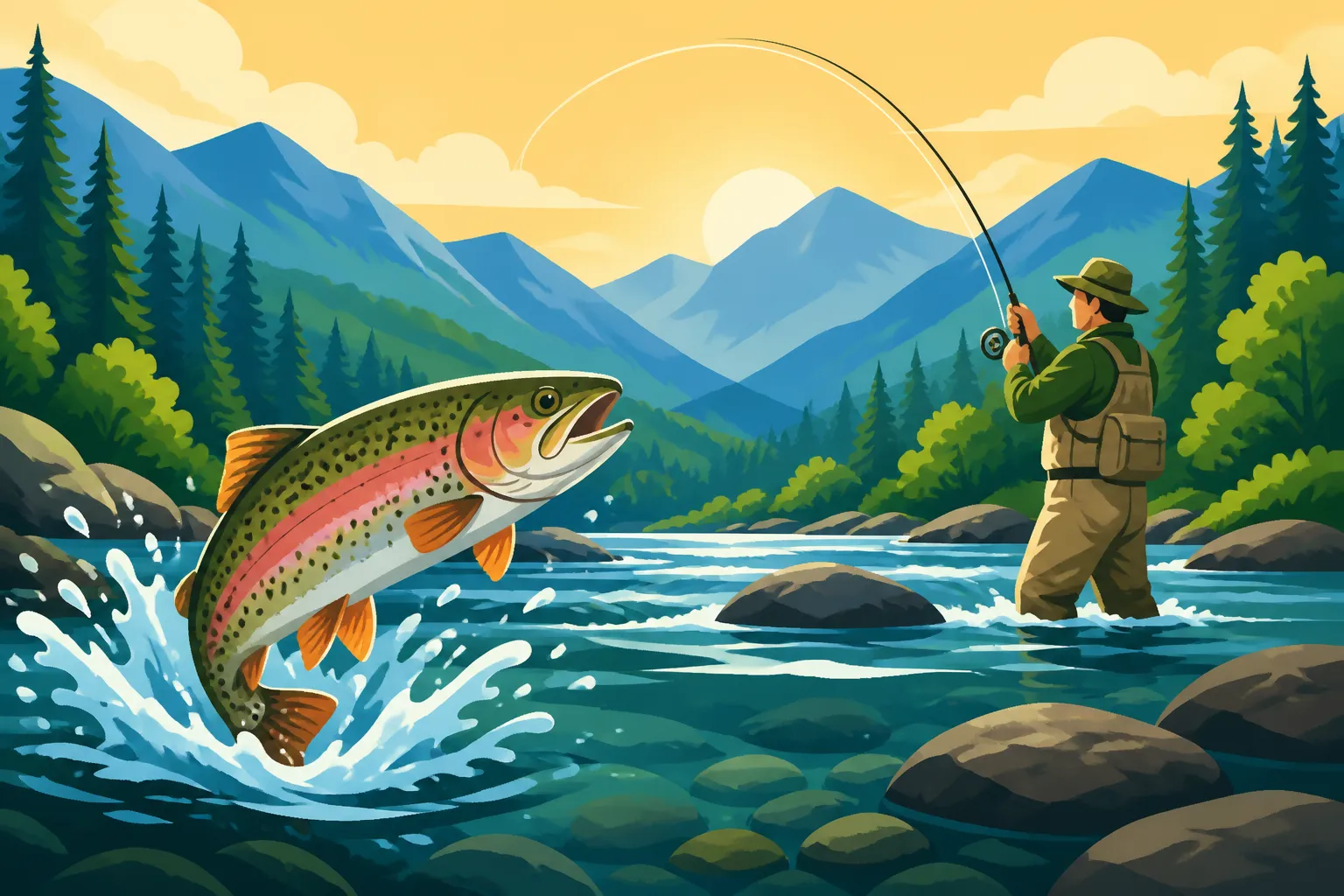
You'll find rainbow trout in almost every fishable stream in the park, from the smaller tributaries to the larger rivers like the Little Pigeon River. They are less particular about water temperature than brook trout, allowing them to inhabit a broader range of waters. Rainbows are opportunistic feeders, taking everything from aquatic insects to small baitfish. This adaptability makes them a great target for both fly anglers and spin fishermen. When you hook into a rainbow, be ready for acrobatic jumps and powerful runs! Many anglers find them to be the most consistent biters, especially after a good rain when the water is slightly off-color. To properly identify them, check out our guide on How to Identify Rainbow Trout in Tennessee Streams.
Brown Trout: The Elusive Predator
Brown trout are the largest and often the most challenging trout to catch in the Great Smoky Mountains. Characterized by their golden-brown bodies, large dark spots, and sometimes red spots with pale halos, they are notorious for their elusive nature and predatory instincts. Like rainbows, brown trout are not native to the Smokies but were introduced and have established wild populations, particularly in the lower and mid-elevation sections of the larger streams. They are fewer in number compared to rainbows but make up for it in size and cunning.
Brown trout are known to grow quite large, sometimes reaching impressive sizes, especially in the deeper pools and undercut banks of rivers like the West Prong of the Little Pigeon River. They are often most active during low light conditions, such as dawn, dusk, or even at night, when they'll hunt larger prey like sculpins, crawfish, or even small rodents. This makes them a prime target for anglers who enjoy streamer fishing with flies or using larger artificial lures. A significant challenge with brown trout is their incredible wariness; they are highly sensitive to shadows, noise, and angler presence. Success often comes down to stealth, patience, and precise presentations. Understanding Brown Trout Identification Tips for Tennessee Anglers will certainly help you on the water.
Here’s a quick overview of the main trout species you'll encounter:
| Species | Native/Introduced | Typical Size (Inches) | Preferred Habitat | Common Characteristics |
|---|---|---|---|---|
| Brook Trout | Native | 4-10 | High elevation, cold, small streams | Red/yellow spots with blue halos, vermiculation on back |
| Rainbow Trout | Introduced | 6-16 | Mid-to-lower elevation, larger streams | Red/pink stripe along side, black spots on body and tail |
| Brown Trout | Introduced | 8-20+ | Lower elevation, deeper, larger streams | Golden-brown body, large dark spots, often red spots with halos |
Best Seasons and Times for Trout Fishing in the Smokies
Timing is everything when it comes to trout fishing, and the Great Smoky Mountains are no exception. While you can technically fish year-round, certain seasons offer distinct advantages and challenges that can make or break your trip. Understanding these patterns will help you plan your adventure and increase your chances of success. You can also dive deeper into Tennessee Trout Fishing Season Explained for statewide regulations that might apply to areas just outside the park.
Spring: Abundant Hatches and Active Fish
Spring is arguably the most popular and productive season for trout fishing in the Smokies, typically running from March through May. As the weather warms, streams become alive with insect hatches, triggering a feeding frenzy among trout. Stoneflies, caddisflies, and various mayflies emerge, providing an abundant food source. This means fish are active and often less selective, making them more willing to strike your offerings. The melting snow and spring rains contribute to higher water levels, which can make wading a bit more challenging, but also creates excellent holding water and encourages fish to spread out.
Early spring, especially March and April, sees some of the most consistent dry fly action as major hatches get underway. For instance, the Grannom caddis hatch can be spectacular. As the season progresses into May, water temperatures stabilize, and fish become even more active. This is a fantastic time for both dry fly enthusiasts and nymph fishermen. However, it's also a busy time for the park, so expect more company on popular streams. Planning your trips for weekdays or exploring less accessible areas can help you find solitude. Remember, the Tennessee Trout Limits and Season Rules are often at their standard 7 fish per day during this time.
Fall: Cooler Waters and Vibrant Colors
Fall, from September through November, offers a completely different, yet equally rewarding, trout fishing experience. The summer crowds have thinned, the leaves are changing into a breathtaking display of reds, oranges, and golds, and the cooler water temperatures re-energize the trout. This is a particularly exciting time for brown trout, as they begin their spawning rituals. Their territorial instincts kick in, making them more aggressive and willing to chase larger streamers or lures.
The lower sun angles and clearer water during the fall mean that stealth and presentation become even more critical. You might not see the same massive hatches as in spring, but smaller midges and Blue-Winged Olives can provide delicate dry fly opportunities, especially on sunny afternoons. Nymphing remains a consistent producer, mimicking the insects that are still abundant in the water column. Fall is also a fantastic time for peaceful solitude, especially if you venture into the backcountry. The crisp mountain air and vibrant scenery alone make a fall fishing trip to the Smokies unforgettable, even if the fish are a bit more challenging to entice.
Winter and Summer Considerations
While spring and fall are prime, the Smokies still offer viable fishing opportunities in winter and summer, though with different considerations. Winter (December-February) brings cold, clear water and often slower fish. Hatches are minimal, consisting mainly of tiny midges. This is a time for deep nymphing, careful presentations, and patience. Fish will often concentrate in slower, deeper pools, seeking thermal refuge. It can be a great time to catch larger brown trout that become less active but more susceptible to specific deep-water tactics. Just be prepared for colder weather and potential snow, and ensure you have the right gear.
Summer (June-August) can be challenging due to higher water temperatures in lower elevations and increased park visitation. However, the higher elevation streams, particularly those holding brook trout, remain cold and productive. This is the perfect season for hiking deep into the backcountry to find those pristine, cooler waters. Early mornings and late evenings are often the most productive times, as fish seek refuge from the midday sun. Terrestrial patterns like grasshoppers, ants, and beetles can be very effective during summer months, especially when fished near grassy banks or overhanging vegetation. For a deeper dive into how specific species might be affected, check out our guide on Tennessee's Trout Limits and Season Rules which detail specific regulations for different times of the year and bodies of water.
Essential Gear and Techniques for Smoky Mountain Trout
Trout fishing in the Great Smoky Mountains demands respect for the environment and the fish. Having the right gear and understanding the most effective techniques can dramatically improve your experience and success. Whether you prefer the elegance of fly fishing or the versatility of spin casting, there's a method that fits your style.
Fly Fishing: The Traditional Approach
Fly fishing is often considered the quintessential method for trout in the Smokies, offering a unique blend of challenge and reward. It allows for delicate presentations that mimic natural insect hatches, which is crucial for wary wild trout. For the majority of streams in the park, a lightweight fly rod (typically a 2-weight to 4-weight, 7 to 8.5 feet long) is ideal. This lighter setup provides the sensitivity needed to detect subtle bites and makes casting in tight, brushy quarters much easier. A good quality floating fly line matching your rod weight, a tapered leader, and 4x-6x tippet are standard. Many anglers find that a simple setup is often the most effective.
When it comes to flies, diversity is key. You'll want a selection of dry flies that imitate common hatches like Elk Hair Caddis, Parachute Adams, and Blue-Winged Olives. For subsurface fishing, nymphs such as Pheasant Tail Nymphs, Hare's Ear Nymphs, and Squirmy Wormies are indispensable, especially when fish aren't rising to the surface. Streamers like Woolly Buggers can also be highly effective for larger brown trout. The key to fly fishing in the Smokies is often "matching the hatch," meaning using a fly that closely resembles the insects currently present in the stream. However, even when no specific hatch is occurring, a well-presented generic pattern can often draw a strike. If you're just starting, our Fly Fishing Basics for Trout guide can give you a great foundation. Many experienced anglers also book guided trips through services like FishingBooker to learn the nuances of local waters and techniques from seasoned pros.
Spin Fishing: Effective and Versatile
While fly fishing gets a lot of attention, spin fishing is an incredibly effective and often more accessible method for catching trout in the Great Smoky Mountains. It's a great choice for beginners, kids, or anyone who prefers a more straightforward approach. A lightweight spinning rod (ultralight to light action, 5 to 6 feet long) paired with a small spinning reel spooled with 4-6 lb test monofilament or fluorocarbon line is perfect for these mountain streams. The key is to keep your tackle light and your presentations subtle, as heavy gear can easily spook the wary trout.
For lures, small inline spinners like Panther Martins, Mepps, or Rooster Tails in sizes #0 to #2 are consistent producers. Colors like gold, silver, black, or natural trout patterns are usually best. Small spoons, such as Phoebe or Kastmaster, can also be effective in deeper pools. When using bait, natural offerings like worms, crickets, or salmon eggs are highly attractive to trout. Just be sure to check the specific regulations for bait use within the park, as some areas may have restrictions. The versatility of spin fishing allows you to cover more water and fish different depths, making it a powerful tool in your trout fishing arsenal. Remember to retrieve your lures slowly and methodically, mimicking natural prey, and pay attention to how current dictates where fish might be holding.
Wading Safety and Essentials
Wading in the Great Smoky Mountains' rocky, fast-flowing streams requires careful attention to safety and the right gear. The currents can be deceptively strong, and the streambeds are often uneven and slippery. High-quality wading boots with felt soles or rubber soles with studs provide crucial traction. Neoprene wading socks can add warmth and comfort, even if you’re wet wading without full waders. A wading staff is not optional; it’s an absolute necessity for maintaining balance, testing depths, and preventing falls. This simple tool can be a lifesaver, especially when crossing swift currents or navigating unfamiliar stretches of river.
Beyond footing, consider what you'll wear. If the water is cold, breathable chest waders are essential. In warmer months, many anglers opt for wet wading in quick-drying pants or shorts, but always ensure your footwear offers proper protection. Always fish with a partner if possible, and let someone know your float plan, especially if you're venturing into remote areas. A small backpack with water, snacks, a first-aid kit, and rain gear is also highly recommended, as mountain weather can change quickly. And speaking of clothing, check out our guide on Best Fly Rods and Waders for Tennessee Trout Streams to ensure you're equipped for the varied conditions.
Top Trout Fishing Streams and Spots
The Great Smoky Mountains National Park boasts over 2,900 miles of streams, with approximately 800 miles supporting fish populations. While many are too small or steep to fish effectively, there are numerous fantastic options ranging from easily accessible roadside waters to remote backcountry havens. Knowing where to go is half the battle, especially if you're on a tight schedule or planning a multi-day trip.
Popular and Accessible Rivers
For those looking for easier access or a more casual fishing experience, several streams offer roadside pull-offs and well-trodden paths. These waters are often where you’ll find a mix of rainbow and brown trout, with occasional brook trout in their higher reaches.
- Little Pigeon River (West Prong): Flowing near Gatlinburg, the West Prong of the Little Pigeon River is one of the most popular and accessible trout fishing destinations in the Smokies. You'll find numerous pull-offs along Highway 441, making it easy to hop in and out. While it sees more pressure, it holds a healthy population of rainbow and brown trout. This section is generally wider and offers a mix of riffles, runs, and deeper pools, suitable for both fly and spin fishing. Early mornings or weekdays are your best bet for avoiding crowds.
- Big Creek: Located in the eastern part of the park near Hartford, TN, Big Creek is another fantastic option for accessible fishing. A scenic trail follows the creek for several miles, offering easy wading access. It's known for its robust rainbow trout population and is often less crowded than the West Prong. The creek features classic pocket water and deep bends, perfect for nymphing or small spinner presentations.
- Deep Creek: Near Bryson City, NC (on the park's North Carolina side, but often visited by TN anglers), Deep Creek is a popular spot, especially its lower sections. It offers a combination of good access and a productive fishery for rainbow and brown trout. The area also features hiking trails, picnic spots, and even tubing in summer, making it a good choice for family outings where fishing is just one activity.
These popular spots are great for a quick trip, but remember that fish here tend to be warier due to consistent angler presence. Stealth and thoughtful presentation become even more important. Booking a trip through FishingBooker can sometimes connect you with local guides who know the less-frequented stretches of these popular rivers.
Remote Backcountry Streams
If solitude and the pursuit of wild native brook trout are your goals, the backcountry streams of the Smokies are calling. These waters require a significant hike, often several miles, but the reward is unparalleled fishing in truly pristine environments, far from the madding crowd.
- Hazel Creek: Widely regarded as one of the premier backcountry trout streams in the park, Hazel Creek offers incredible opportunities for all three trout species, with particularly good populations of brown and brook trout in its upper reaches. Access typically involves a boat shuttle across Fontana Lake (from Bryson City, NC) to the mouth of the creek, followed by a hike upstream. The effort is well worth it, as you'll find long, undisturbed stretches of water with abundant fish. It’s a true wilderness experience.
- Eagle Creek: Also accessible via Fontana Lake, Eagle Creek is another fantastic option for a backcountry adventure. It fishes similarly to Hazel Creek, offering excellent populations of rainbow and brook trout. The hike can be strenuous, but the reward is remote, unpressured fishing that feels truly wild. These streams are ideal for experienced fly anglers looking to test their skills against truly wild fish.
- Lynn Camp Prong: Located off the Little River Road between Gatlinburg and Townsend, the trailhead for Lynn Camp Prong leads to a strenuous but beautiful hike into an area known for strong brook trout populations. The stream itself is classic high-gradient brook trout water, with plenty of small pools and pocket water. It's a challenging but highly rewarding destination for those seeking the native speckled trout. These remote streams are perfect for those who want to experience Best Trout Streams for Fly Fishing in Tennessee.
Navigating Park-Specific Regulations
Fishing in the Great Smoky Mountains National Park comes with its own set of rules and regulations, which can differ significantly from statewide Tennessee fishing regulations. It is absolutely crucial to be aware of these park-specific guidelines before you cast a line. The National Park Service manages fishing within park boundaries, and their regulations supersede state laws.
Key rules include:
- Fishing License: You must possess a valid Tennessee or North Carolina fishing license. A national park-specific permit is not required, but a state license is. For Tennessee residents, you'll need to know Tennessee Fishing License Requirements.
- Creel Limits: Generally, the daily limit for trout within the park is 5 fish, with a size limit of 7 inches minimum. However, many anglers practice catch and release to preserve the wild populations.
- Artificial Lures Only: Only artificial flies and lures with a single hook are permitted. Bait (worms, corn, minnows, etc.) is strictly prohibited throughout the entire park to prevent the introduction of non-native species and protect water quality. This means no live bait, no power bait, nothing but artificial presentations.
- No Treble Hooks: All hooks must be single-point hooks. Barbless hooks are highly encouraged for easy release and minimal harm to the fish.
- Fishing Hours: Fishing is permitted from 30 minutes before sunrise to 30 minutes after sunset. Night fishing is not allowed.
These regulations are in place to protect the fragile aquatic ecosystem and the wild trout populations. Always check the official Great Smoky Mountains National Park website or visit a visitor center for the most up-to-date information before your trip. Ignoring these rules can lead to fines and legal trouble.
Regulations and Conservation Efforts in the Smokies
Fishing in the Great Smoky Mountains isn't just about catching fish; it's about being a responsible steward of a truly special natural resource. The National Park Service places a strong emphasis on conservation, and anglers play a crucial role in maintaining the health of these pristine waters and their wild trout populations.
Catch and Release Practices
While the park does have a legal creel limit, practicing catch and release, especially for native brook trout, is widely encouraged and is vital for the long-term health of the fishery. Wild trout populations, particularly brook trout, can be slow to recover from overfishing, and releasing your catch ensures they can reproduce and grow. When you hook a fish, minimize its time out of water. Use wet hands to handle the fish gently, support its body, and avoid squeezing. If possible, remove the hook while the fish is still in the water.
Using barbless hooks (or crimping down the barbs on your hooks) makes hook removal much easier and reduces stress and injury to the fish. If a fish swallows the hook deeply, it’s often best to cut the line as close to the hook as possible rather than trying to remove it, as this can cause more internal damage. Take a quick photo if you must, but prioritize getting the fish back into the water as quickly as possible. These practices not only help the fish survive but also maintain a healthy, vibrant fishery for future generations to enjoy. It’s a small effort that makes a huge difference, particularly since Tennessee's Trout Limits and Season Rules can vary, and exercising additional caution within the park is always a good idea.
Licenses and Permits
As mentioned previously, anyone aged 13 or older fishing within the Great Smoky Mountains National Park must possess a valid fishing license from either Tennessee or North Carolina. If you are a resident of Tennessee, you will need a Tennessee fishing license. If you're coming from North Carolina, you'll need a North Carolina license. It's not reciprocal within the park, so you must have a license from the state you are geographically in, or the state you reside in, depending on the rules. For example, if you're fishing a stream that runs along the border, check where you’re physically standing.
For Tennessee residents, options range from annual licenses to specific combination hunt and fish licenses. The cost varies based on residency, age, and duration. For example, a Tennessee's resident combination hunt and fish license costs $33 a year, which is a popular choice for many outdoors enthusiasts. Non-residents also have various options, including short-term licenses perfect for a vacation. You can purchase these licenses online through the TWRA website, at most sporting goods stores like Walmart or Bass Pro Shops, or at local bait and tackle shops. Always carry your license with you while fishing, either a physical copy or a digital version on your phone, as park rangers and game wardens conduct regular checks. Failure to produce a valid license can result in a fine. Ensure you understand all aspects of the Tennessee Fishing License Guide before you head out.
Disclaimer
Please note that fishing regulations and conditions can change. Always check the latest regulations from the Great Smoky Mountains National Park Service and the Tennessee Wildlife Resources Agency (TWRA) or North Carolina Wildlife Resources Commission (NCWRC) before planning your fishing trip. This guide is for informational purposes only and does not constitute legal advice. Adhere to all local, state, and federal laws and regulations.