Best Bass Fishing Spot on Watts Bar Lake, Tennessee
Trying to pinpoint the single best bass fishing spot on a massive, sprawling reservoir like Watts Bar Lake in Tennessee can feel like searching for a needle in a haystack. This huge body of water, with its diverse habitat and constantly changing conditions, presents both incredible opportunities and frustrating challenges for anglers. This guide is here to cut through the confusion, helping you understand the prime areas where bass thrive and how to approach them effectively, ensuring your next trip to Watts Bar is a resounding success.
Understanding Watts Bar Lake's Dynamic Bass Habitat
Watts Bar Lake isn't just one big puddle; it's a complex, dynamic ecosystem formed by the Tennessee River. This means it has distinct riverine sections, expansive main lake areas, and countless creek arms, all offering different types of cover and structure that bass absolutely love. Knowing these nuances is key to consistently finding fish.
Riverine vs. Lake Sections
The upper reaches of Watts Bar, particularly closer to where the Tennessee River flows in, tend to have more current. This riverine influence creates distinct ledges, current breaks, and log jams that are perfect ambush points for bass, especially smallmouth and spotted bass. These areas can be fantastic when the TVA is generating power, pulling baitfish through predictable channels. Think about those sharp bends and areas where tributaries enter the main river channel – these are often overlooked gems.
As you move south, the lake widens significantly, taking on more of a traditional reservoir feel. Here, the current is less dominant, and you'll find more expansive flats, hydrilla beds, and humps. Largemouth bass absolutely dominate these mid-lake and lower lake sections, seeking out the vast amounts of submerged vegetation and various bottom contours. It's a completely different approach to fishing compared to the swift water upstream. Anglers really need to adjust their techniques and lure choices based on whether they're in a river-run area or a wide-open lake basin.
Key Forage and Structure
Watts Bar Lake is rich in various types of forage, which directly influences where you'll find bass. Shad are abundant, as are various types of sunfish and crawfish. Where the baitfish are, the bass will follow. Beyond bait, the lake offers an incredible array of structure:
- Hydrilla and other submerged vegetation: This is arguably the most dominant and productive feature on Watts Bar, especially in the mid and lower lake sections. Bass use these thick grass beds for cover, ambush points, and spawning. Learning to fish the edges, holes, and tops of this grass is paramount.
- Rock and Ledges: From rip-rap on causeways to natural rock bluffs and submerged ledges along old river channels, rocky structures provide excellent habitat, especially for smallmouth and spotted bass. These areas offer immediate depth changes and cover from current or harsh sunlight.
- Timber and Brush Piles: Remnants of flooded timber, as well as intentionally placed brush piles by anglers and the TWRA, create vertical cover that attracts baitfish and, consequently, bass. These can be particularly good in the colder months.
- Docks and Boathouses: Human-made structures are always bass magnets. The shade, cover, and hard structure offered by docks provide year-round opportunities. Flipping and pitching techniques shine here.
Understanding these habitat features helps you mentally map out the lake, identifying areas that are likely to hold fish before you even launch your boat. It’s like having a secret decoder ring for bass patterns!
Top Bass Fishing Hotspots on Watts Bar Lake
Alright, let's get down to brass tacks. While "the best" spot can change daily due to weather, water temperature, and pressure, there are certainly consistent producers on Watts Bar Lake that seasoned anglers swear by. These areas typically have a combination of the habitat features we just discussed.
Big Creek and Backwaters
One of the most consistently talked-about areas for bass fishing on Watts Bar is the Big Creek arm, particularly its backwaters and tributary creeks. Located on the lake's eastern side, Big Creek offers a fantastic mix of shallow grass, deeper channels, and plenty of docks.
The beauty of Big Creek is its diversity. In spring, the shallower pockets and coves within Big Creek become prime spawning grounds for largemouth bass, especially as the water temperatures rise. You'll find bass tucked into newly growing hydrilla or around submerged stumps and laydowns. As the water warms into summer, bass will often move to the deeper edges of the grass lines or suspend over the main channel of the creek. During the fall, the entire creek system can light up as baitfish move into the shallower areas, creating a feeding frenzy. If you're looking for an area with a strong population of largemouth, Big Creek and its numerous fingers are definitely a go-to choice. Its protected nature also makes it a great spot on windy days when the main lake is rough.
Mid-Lake Humps and Ledges
For anglers looking to target deeper bass, especially during the summer and winter months, the mid-lake region of Watts Bar is riddled with humps, ledges, and channel swings that are absolutely phenomenal. These submerged structures are often overlooked by casual anglers but can hold huge schools of fish.
Think about the area around Euchee Bar or the deeper sections near the Watts Bar Dam itself. These aren't just random bumps; they're remnants of old riverbeds, roadbeds, or natural high spots that provide bass with easy access to deep water thermal refuge while remaining close to feeding grounds. Here, you'll want to use your electronics extensively to locate these subtle depth changes and identify baitfish schools. Big largemouth, smallmouth, and spotted bass will stack up on these offshore structures. Fishing a Carolina rig, deep-diving crankbaits, or football jigs along these contours can be incredibly effective. The key is finding the right hump or ledge that's holding bait, and that often means exploring several different spots until you get a bite.
Southern End River Channels and Islands
The southernmost part of Watts Bar, particularly closer to the Watts Bar Dam and stretching towards the I-75 bridge, retains more of that distinct river channel characteristic. This area is a fantastic zone for smallmouth bass and those hard-fighting spotted bass, though largemouth are certainly present too.
Here, the main river channel is well-defined, with sharp drops, current breaks, and numerous small islands or rock piles that create ideal ambush points. The deeper, cooler water makes this section productive even during the dog days of summer. Look for current seams created by points, islands, or even the subtle flow around bridge pilings. Smallmouth love to hug these current breaks, waiting for baitfish to be swept past. Drop-shot rigs, shaky heads, and Ned rigs are deadly here, especially when targeting smallmouth in clearer water. You'll also find some impressive largemouth working the deep grass edges and brush piles along the shoreline in this region. If you're planning a trip, be sure to check out our guide on Tennessee Bass Fishing Seasons and Patterns to align your tactics with the time of year.
Seasonal Strategies for Watts Bar Bass
Bass fishing on Watts Bar Lake is a year-round affair, but your strategies need to shift dramatically with the seasons. What works in spring will likely fail miserably in summer. Understanding these seasonal changes is crucial for consistent success.
Spring Spawn and Pre-Spawn Tactics
Spring is often considered prime time for trophy bass on Watts Bar. As the water temperatures climb into the 50s and low 60s Fahrenheit, bass move from their deeper wintering grounds to shallower staging areas for the spawn.
- Pre-Spawn: This is when bass are packing on weight, gorging themselves before the rigors of spawning. They'll stage on points, creek channel bends, and the outer edges of hydrilla beds. Think about areas with a gradual slope that offers easy access to deeper water. During this phase, reaction baits like lipless crankbaits, spinnerbaits, and ChatterBaits are incredibly effective as bass are aggressive and chasing down food. Try to match the size and color of the local shad population. This is also a great time to be flipping jigs or throwing swimbaits into newly emerging grass.
- Spawn: Once the water hits the mid-60s, bass move to shallow, protected pockets and coves to build nests. Watts Bar has abundant shallow cover, particularly hydrilla, which makes it an ideal spawning ground. Look for males guarding beds and larger females cruising nearby. Sight fishing can be effective in clearer areas, but often you'll be casting to unseen beds in grassy pockets. Soft plastics like lizards, tubes, or senkos worked slowly on a Texas rig or wacky rig can entice bites from bedding fish. Remember to respect the fish during this vulnerable time; practice catch and release, especially for the larger females.
Summer Deep Water Fishing
When the brutal Tennessee summer heat arrives, bass on Watts Bar often follow the baitfish to deeper, cooler water. This doesn't mean they're impossible to catch, just that your approach needs to change significantly.
During summer, the shallow grass can still hold some fish, especially early in the morning or late in the evening, but the real action often moves offshore. This is when those mid-lake humps, ledges, and channel swings really shine. Fish will suspend over brush piles or congregate around thermoclines. Techniques like deep cranking with large diving crankbaits (think names like Strike King 6XD or Norman DD22) are incredibly effective, especially in areas with rock or hard bottom. Also, don't underestimate the power of a football jig or a heavy shaky head worked slowly along deep contours. Big worms, especially those in 10-12 inch sizes, can also tempt sluggish bass hiding in deep cover. Another excellent strategy is to explore what the pros call "Main Lake Structure," referring to the various depth changes that run parallel to the main river channel. For anglers specifically targeting smallmouth bass during the warmer months, areas with significant current and rock offer consistent action. If you're a fan of fishing from a boat, you might find our guide on Best Boats for Watts Bar Lake helpful for navigating these conditions.
Fall Transition and Feeding Frenzy
Fall on Watts Bar Lake is a dynamic time. As water temperatures begin to cool, bass become incredibly active, often chasing baitfish back into the shallower creek arms and main lake flats. This is another fantastic time to be on the water.
The "fall turnover" can sometimes make fishing a bit tougher temporarily, but once the water stabilizes, bass go into a full-on feeding frenzy as they prepare for winter. Look for schooling activity on the surface, especially early mornings or late evenings, as bass push shad to the surface. Topwater baits like poppers, walking baits, and buzzbaits can be explosive. Spinnerbaits and ChatterBaits also excel as bass become more nomadic and willing to chase. Don't forget about squarebill crankbaits and swim jigs fished around the remaining grass lines and shallower cover. The key in fall is to cover water efficiently and follow the bait. Bass will move where the food is most accessible, and that can mean targeting everything from shallow flats to creek mouths. Local guides often use platforms like FishingBooker to share their latest fall patterns, offering invaluable insights for visiting anglers.
Winter Deep Water and Slow Presentations
Winter fishing on Watts Bar can be challenging, but it can also produce some of the biggest bass of the year if you know how to approach it. Bass become lethargic in cold water, moving slower and often holding tight to deep cover.
During winter, bass often stack up on deep humps, creek channel ledges, and over offshore brush piles. Vertical presentations are key. Often, the fish will be grouped tightly, so once you find one, you've likely found a school. Spoons, heavy jigs, and slow-rolling swimbaits are excellent choices. Focus on extremely slow presentations – think dragging, not hopping. A shaky head or a drop shot rig can also be deadly when the bass are finicky, especially if you're targeting suspended fish. Electronics become absolutely indispensable in winter to locate these deep schools and pinpoint your presentations. Remember, strikes can be very subtle, so a sensitive rod is a must. Don't give up on the shallow bite entirely, however; sunny, rocky banks or warm water discharges can attract bass on warmer winter days. For more detailed advice on fishing during the colder months, our article on How to Fish Deep Structure for Bass in Winter offers great insights.
Essential Gear and Techniques for Watts Bar Bass
Having the right tackle and knowing how to use it makes all the difference on a lake as varied as Watts Bar. Don't show up with just one rod and expect to conquer it all!
Recommended Lures and Baits
Watts Bar bass respond to a wide array of baits, but some are perennial favorites:
| Season | Topwater Lures | Subsurface Reaction Baits | Finesse Baits | Structure/Cover Baits |
|---|---|---|---|---|
| Spring | Poppers, Buzzbaits | Lipless Crankbaits, Spinnerbaits, ChatterBaits | Senkos, Tubes, Lizards | Jigs, Swim Jigs |
| Summer | Walkers (early/late) | Deep Diving Crankbaits | Drop Shot, Shaky Head | Football Jigs, Big Worms |
| Fall | Poppers, Walkers, Buzzbaits | Spinnerbaits, ChatterBaits, Squarebills | Flukes, Swimbaits | Jigs, Texas Rigs |
| Winter | N/A | Slow Rolled Swimbaits | Drop Shot, Ned Rig | Spoons, Heavy Jigs |
This table is a general guide, of course. For instance, in Spring, during the pre-spawn phase on Watts Bar, you'll find that Best Lures for Pre-Spawn Bass Fishing often include jerkbaits and bladed jigs, which can be incredibly effective when bass are staging on points. Always carry a variety and be willing to experiment. Local bait shops are fantastic resources for current hot baits and colors.
Boat Positioning and Electronics
Because Watts Bar Lake is so vast and often features subtle underwater structures, effective boat positioning and the smart use of modern electronics are paramount for consistent bass fishing success.
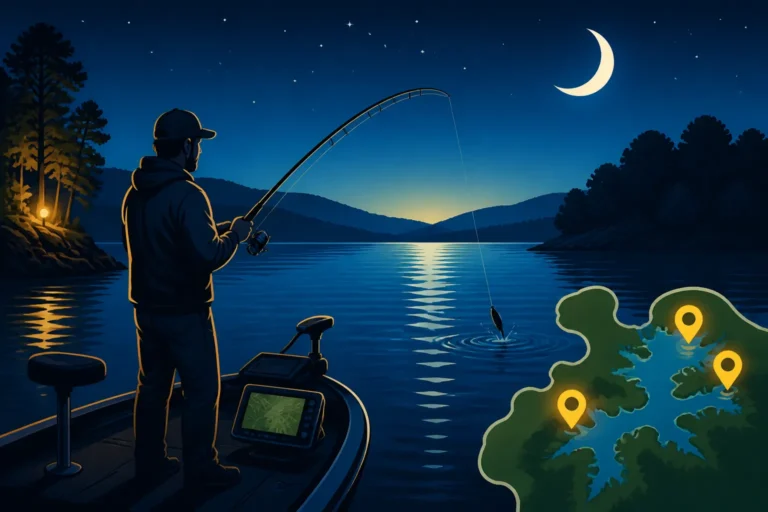
- Electronics are your eyes underwater: A good fish finder with side imaging and down imaging is almost a necessity, especially when fishing offshore humps and ledges. These tools allow you to scan large areas, identify baitfish schools, locate brush piles, and even see individual fish relating to structure. Learn how to interpret your sonar readings to understand bottom composition and identify those crucial depth changes. Without them, you're essentially fishing blind in many of the most productive areas.
- GPS and Mapping: Modern GPS units with detailed lake mapping (like those offered by brands such as Lowrance, Humminbird, and Garmin) are invaluable. They allow you to mark waypoints of productive spots, navigate safely, and quickly return to areas that have produced in the past. Understanding contour lines on your map helps you visualize underwater topography and predict where bass might be holding. Many serious anglers even mark areas of submerged hydrilla on their GPS as the season progresses.
- Boat Positioning for Angles: Whether you're casting to a dock, flipping a hydrilla mat, or dragging a jig on a deep ledge, your boat's position matters. Try to approach your target from different angles. Sometimes a slight change in presentation angle can trigger a bite from a finicky bass. For instance, when fishing a ledge, position your boat slightly off the break, casting up onto the flat and dragging your bait down the incline. If you're using a trolling motor, like those often installed on Does a Trolling-Motor-Only Boat Skip Tennessee's Registration Requirement?, use it to subtly adjust your drift or maintain a precise casting distance from cover. Remember, even though Watts Bar is large, respecting other anglers' space, especially in popular spots, is always good etiquette. If you're interested in connecting with local experts who can guide you directly to the action, many highly rated Watts Bar Lake fishing charters are available through services like FishingBooker. They can provide not only the boat but also the local knowledge you need to hit the ground running.
Disclaimer
Fishing conditions and regulations in Tennessee are subject to change. Always consult the latest Tennessee Wildlife Resources Agency (TWRA) guide for current fishing regulations, license requirements, and any specific lake rules before heading out on Watts Bar Lake or any other body of water. Stay safe and respect the resource.