Night Fishing Spots on Pickwick Lake, Tennessee
There's nothing quite like the allure of the water at night, is there? The quiet, the cooler air, and the feeling that you've got the lake all to yourself – it’s a special kind of magic. But if you’ve ever tried night fishing on a big body of water like Pickwick Lake, you know it can also be a bit daunting to find those sweet spots when visibility is low. This comprehensive guide will illuminate the best night fishing spots on Pickwick Lake, Tennessee, offering detailed insights into where and how to cast your line under the stars for an unforgettable and productive angling adventure.
Why Night Fishing on Pickwick Lake is a Game Changer
Daylight fishing on Pickwick Lake can be an absolute blast, with its incredible reputation for various species. However, for many seasoned anglers and those looking for a different kind of experience, night fishing offers a distinct advantage. It's a whole different ballgame once the sun dips below the horizon, transforming the lake into a calmer, often more productive environment.
Beating the Heat and the Crowds
Let’s be honest, those Tennessee summer days can get hot. Sweltering temperatures not only make for uncomfortable fishing but can also drive fish into deeper, cooler waters, making them harder to locate. Night fishing provides a welcome reprieve from the relentless sun, allowing you to fish in much more comfortable conditions. This alone is a huge plus, especially if you're planning a full day out on the water and want to extend your fishing hours without overheating.
Beyond the temperature, the crowds also tend to thin out dramatically once evening sets in. During the day, Pickwick Lake can be a bustling hub of activity with pleasure boats, jet skis, and other anglers all vying for space. Come nightfall, much of that traffic disappears, leaving you with more peace and quiet. This reduced pressure means less disturbance for the fish and a more serene, focused experience for you. Imagine having your favorite cove or a prime ledge almost entirely to yourself – that's the tranquility night fishing offers on Pickwick Lake.
Understanding Nocturnal Fish Behavior
Fish behavior changes significantly once the sun goes down, and understanding these shifts is key to successful night fishing. Many species become more active and less wary under the cloak of darkness, often moving into shallower waters to feed. This is largely due to the reduced light, which makes them feel safer from predators and allows them to ambush prey more effectively.
Predatory fish, like bass and catfish, often rely on their excellent low-light vision and lateral lines to hunt, making them formidable nocturnal hunters. They’re less likely to spook from boat noise or shadows, and your approach can be far more stealthy. Even crappie, which are typically schooling fish, will move closer to structure and often suspend at shallower depths, especially around artificial lights. Learning these patterns is crucial for consistent success, turning the challenge of darkness into a strategic advantage.
Unique Opportunities for Specific Species
Night fishing isn't just about general activity; it opens up specific opportunities for certain species that are often more challenging to catch during the day. For instance, massive catfish are legendary on Pickwick Lake, and they are incredibly active after dark. These whiskered giants use their keen sense of smell and touch to navigate and feed, making them prime targets once the lights go out. You’ll often find them roaming flats, channels, and humps where they might be much deeper during the day.
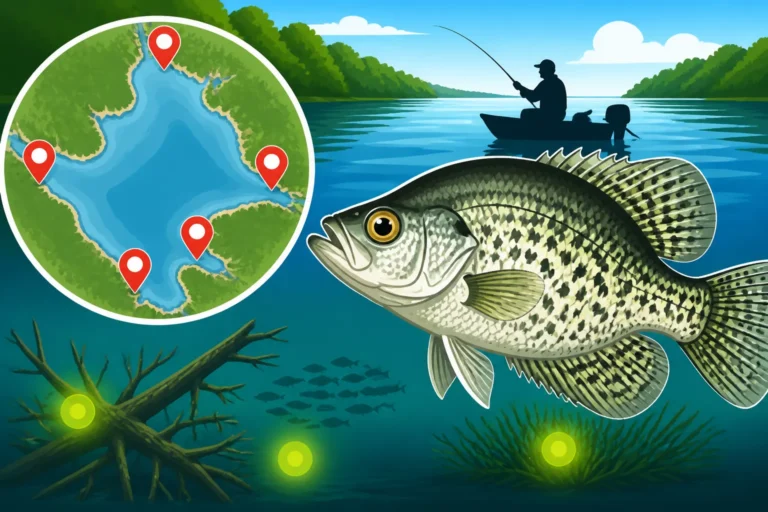
Crappie fishing can also be exceptionally good at night, especially when you use underwater lights to attract baitfish, which in turn draws in the crappie. This method creates a miniature ecosystem right under your boat, providing consistent action. Bass, particularly largemouth, will move from their deeper daytime haunts to cruise shallow points, weed lines, and structural elements under the cover of darkness. They become more aggressive and less particular about lure presentation, making for thrilling strikes. Understanding these nuances allows you to tailor your techniques and increase your chances of landing a trophy.
Prime Night Fishing Locations on Pickwick Lake
Pickwick Lake, with its sprawling waters, numerous coves, and diverse underwater structures, offers a plethora of options for night anglers. Knowing where to focus your efforts is paramount, as blindly searching in the dark can be unproductive and even unsafe. The best spots leverage the natural feeding patterns of nocturnal fish.
The Tailwaters Below Pickwick Dam
The area immediately below the Pickwick Dam is an absolute hotspot for night fishing, especially for catfish and striped bass. The constant current and nutrient flow from the dam create a rich feeding ground that attracts a wide array of baitfish, which in turn draws in larger predators. This section of the lake is dynamic, with deep scour holes, rocky bottom structures, and strong currents that provide ideal ambush points.
When fishing the tailwaters at night, focus on areas where the current breaks or slows down, as these are natural holding spots for fish seeking refuge and food. The eddies and current seams are particularly productive. You’ll often find large blue and channel catfish hunkering down in these areas, ready to pounce on anything that drifts by. Striped bass also frequent these waters, especially when the dam is generating power, creating a turbulent, oxygen-rich environment they love. Be sure to check the generation schedule if possible, as changes in water flow can significantly impact fish activity. This area is often listed among the Best Rivers for Fishing in Tennessee.
Submerged Structure and Ledge Fishing
Pickwick Lake is renowned for its incredible submerged structure, including old roadbeds, creek channels, stumps, rock piles, and especially ledges. These underwater features act as highways and homes for baitfish and predators alike, making them prime targets for night fishing. During the day, fish often hold tight to these structures in deeper water to escape the light and heat. At night, they become more active around these same features.
Ledge fishing at night can be particularly productive for bass. The fish will move up onto the shallower parts of the ledges or suspend off the breaks, ambushing baitfish that also migrate vertically. Using your electronics to identify these ledges and any brush piles or timber on them is crucial, even in the dark. Once you've located a promising structure, anchor quietly or use your trolling motor to maintain position. Cast your baits parallel to the ledge or work them slowly down the break. For detailed strategies, consider learning more about Fishing From the Bank vs a Boat to see how boat positioning enhances ledge fishing. The more intricate details of these spots can often be found by booking local guides, and services like FishingBooker can help connect you with experienced captains who know these specific spots intimately.
Shallow Flats and Backwater Coves
While deep structures are great, don't overlook the shallow flats and backwater coves at night. Many fish, especially crappie and largemouth bass, will move into these shallower areas to feed under the cover of darkness. These spots often warm up faster and hold abundant baitfish during the day, but at night, the predators feel safer moving in.
For crappie, look for coves with standing timber, brush piles, or docks that have lights near them. The lights attract plankton and baitfish, creating a feeding frenzy. Anglers using portable submersible lights can replicate this effect, drawing crappie directly to their boat. For largemouth bass, target shallow flats adjacent to deeper water, weed lines, and points. These bass will cruise these areas, hunting frogs, baitfish, and crawfish. A quiet approach is essential here; using a trolling motor or drifting silently can make all the difference. Understanding the Dawn and Dusk Fishing Patterns for Crappie can give you an edge, as night fishing extends these prime low-light periods.
Essential Gear and Techniques for Night Fishing on Pickwick Lake
Night fishing isn't just about picking the right spot; it also requires specific gear and adapted techniques to ensure both safety and success. The darkness presents unique challenges that can be easily overcome with proper preparation and a little know-how.
Lighting, Safety, and Navigation
Safety should always be your top priority when fishing after dark. Good lighting is non-negotiable. You'll need reliable headlamps or spotlights on your boat to navigate safely, tie knots, and unhook fish. For your boat, ensure all navigation lights are in perfect working order, as these are legally required and critical for preventing collisions. A powerful spotlight can help you spot hazards like floating debris or other vessels that might not be as well-lit.
Beyond lights, a GPS or chart plotter is invaluable for navigating Pickwick Lake at night. Even if you know the lake well during the day, features can look completely different in the dark. Mark your productive spots, waypoints for channels, and any known hazards. Having a reliable VHF radio or fully charged cell phone for emergencies is also a smart move. Remember, a life jacket isn't just for emergencies; consider wearing one, especially if you're moving around the boat or fishing in unfamiliar waters. Always review Boat Fishing Rules and License Requirements in Tennessee before heading out after dark to ensure you're fully compliant.
Best Baits and Lures for Night Angling
When it comes to baits and lures for night fishing, you’ll want to focus on options that either create a lot of vibration, emit light, or have a strong scent. Since visual cues are diminished, fish rely more on their other senses.
- For Catfish: Live bait like shad, sunfish, or large shiners are excellent. Cut bait, particularly shad or skipjack, with its potent scent, is a proven winner. Prepared stink baits also work wonders. When targeting these behemoths, techniques like Night Fishing Techniques for Catfish are crucial.
- For Bass: Dark-colored lures, especially black, blue, or purple, often create a stronger silhouette against the moonlit sky or artificial light, making them easier for bass to track. Jigs, spinnerbaits with large thumping blades, crankbaits that wobble aggressively, and topwater lures that create a distinct "plopping" or "walking" action are all effective. Experiment with slow retrieves, allowing the fish more time to locate your bait.
- For Crappie: Live minnows are king for crappie at night, especially when suspended under a bobber near lights. Small jigs, typically 1/16 to 1/8 ounce, in glow-in-the-dark or chartreuse colors, can also be highly effective. The subtle glow or bright contrast helps them stand out.
Adapting Your Approach to Darkness
Fishing at night requires a different mindset and approach compared to daytime angling. Patience is key, as bites might be more subtle or less frequent than during peak daylight hours. Pay close attention to your line for any unusual movement, as sometimes a light bite is all you'll get.
Your casting accuracy will naturally be lower in the dark, so focus on casting to specific targets you’ve identified during the day or with your electronics. If you’re fishing around lights, cast just beyond the lighted area and retrieve your bait into the glow, mimicking prey moving from dark to light. Minimize noise on your boat – sounds travel further and clearer on a still night, potentially spooking nearby fish. Practice quiet boat maneuvers, and when setting hooks or landing fish, try to keep disruptions to a minimum. The serene environment of Pickwick Lake at night can be incredibly rewarding, but it demands a more thoughtful and deliberate approach.
Species to Target and Regulations to Remember
While night fishing on Pickwick Lake offers exciting opportunities, it’s important to know which species you’re most likely to encounter and to be fully aware of all applicable fishing regulations. Being prepared means not only a better fishing experience but also staying on the right side of the law.
Targeting Catfish, Crappie, and Bass at Night
Pickwick Lake is a true multi-species fishery, and several popular game fish become particularly active after sunset.
Catfish: If there's one species synonymous with night fishing on Pickwick, it's catfish. The lake is home to impressive populations of channel, blue, and flathead catfish.
- Best Locations: Look for them in deep channels, river bends, below the dam tailwaters, and along the edges of shallow flats that drop off into deeper water. They often use their excellent sense of smell to forage along the bottom.
- Techniques: Bottom fishing with heavy tackle is the go-to method. Use stout rods, reels spooled with strong braided line, and circle hooks with cut bait or live bait. Set out multiple rods with varying depths and locations to cover more ground. The key is allowing the strong scent of your bait to draw them in. For more depth on tactics, explore Tennessee Catfish Fishing Techniques and Seasons.
Crappie: Nighttime crappie fishing can be incredibly rewarding, often providing consistent action, especially with the use of lights.
- Best Locations: Crappie will congregate around structure in backwater coves, under docks, and near bridge pilings, particularly where artificial lights are present or can be deployed. They tend to suspend at various depths, so vertical jigging or slow-trolling with multiple lines is effective.
- Techniques: A popular method involves using submersible lights. Drop one or two green or white submersible lights into the water from your boat. These lights attract plankton, which then draws in baitfish, and finally, the crappie. Fish live minnows on small hooks or tiny jigs (glow-in-the-dark or chartreuse are great) just above and around the light source. Adjust your depth until you find the biting zone. Check out Tennessee Crappie Fishing Guide by Season for more seasonal insights.
Bass (Largemouth & Smallmouth): While bass might not be as universally associated with night fishing as catfish, they certainly provide thrilling action after dark on Pickwick.
- Best Locations: Largemouth bass will often move into shallower areas, cruising weed lines, rocky points, and submerged timber. Smallmouth bass, known for their preference for clear water and rocky structures, might be found on offshore humps and gravel bars adjacent to deeper water.
- Techniques: Slow-moving, noisy, or dark-colored baits are effective. Topwater lures that create a distinct commotion (like poppers or buzzbaits) can be deadly, especially during warmer months. Dark-colored spinnerbaits with large blades create vibrations that bass can home in on. Jigs and plastic worms fished slowly along structure are also excellent choices. Remember, bass strikes at night are often aggressive and unmistakable. For broader understanding of bass behaviors, consult Tennessee Bass Fishing Seasons and Patterns.
| Species | Preferred Night Spots | Recommended Baits/Lures | Key Technique |
|---|---|---|---|
| Catfish | Deep channels, tailwaters, river bends | Cut bait (shad, skipjack), live bait, stink bait | Bottom fishing, tightlining |
| Crappie | Backwater coves, docks, bridge pilings | Live minnows, small jigs (glow-in-the-dark) | Vertical jigging, lights |
| Largemouth Bass | Shallow flats, weed lines, rocky points | Dark jigs, spinnerbaits, topwater lures | Slow retrieve, target structure |
| Smallmouth Bass | Offshore humps, gravel bars, rock piles | Dark jigs, slow-rolled spinnerbaits, crankbaits | Structure fishing, slow presentation |
Navigating Night Fishing Regulations and Safety
Before you head out onto Pickwick Lake after dark, it’s imperative to be fully informed about Tennessee's fishing regulations. These rules are in place for conservation and safety, and ignorance is not an excuse. First and foremost, ensure you have a valid Tennessee fishing license. You can find comprehensive details in the Tennessee Fishing License Guide or learn about specific rules in Tennessee Fishing Regulations Explained.
Beyond licensing, be mindful of specific regulations for each species you target, including daily creel limits and size restrictions. While many statewide rules apply, it's always wise to check for any lake-specific regulations that might override them. These can sometimes differ, especially on large reservoirs like Pickwick.
Regarding safety, we've touched on lights and navigation, but also consider:
- Partners: Fishing with a buddy, especially at night, is always a good idea. There's safety in numbers, and an extra set of hands can be invaluable for landing a big fish or in an emergency.
- Weather: Check the forecast thoroughly before heading out. Night conditions can change rapidly, and storms or heavy winds are far more challenging to deal with in the dark.
- Alcohol: Avoid alcohol while operating a boat or fishing at night. Your reflexes and judgment are critical when visibility is low.
- Preparedness: Have a well-stocked first-aid kit, spare batteries for all your lights, and extra fuel. Tell someone ashore your float plan – where you're going and when you expect to return.
Many anglers plan their trips with the help of resources like FishingBooker, not just for guides, but to ensure they have all their ducks in a row. They can help you understand local nuances, including seasonal peaks for Pickwick Lake Bass and Catfish Fishing or identifying the Best Fishing Lakes in Tennessee for a specific species. Being responsible and prepared ensures your night fishing adventure on Pickwick Lake is not only successful but also safe and enjoyable for everyone involved.
Disclaimer
Please be aware that fishing conditions, regulations, and fish behavior can change. Always consult the latest Tennessee Wildlife Resources Agency (TWRA) regulations before heading out on the water. This guide provides general information and recommendations, but local conditions can vary. Fish responsibly and safely.