Easy Bank-Access Ponds for a First Fishing Trip Near Knoxville
There’s nothing quite like the idea of heading out for a relaxing day of fishing, but if you’re new to the angling world, or introducing someone to it, the thought of navigating vast lakes or complicated techniques can feel a bit overwhelming. The struggle is real when you just want to cast a line in a peaceful spot without needing a boat, a ton of gear, or a deep understanding of complex waters. This guide is all about simplifying that first fishing trip, focusing on those perfect, easy bank-access ponds right around Knoxville, Tennessee, where you can actually enjoy the experience.
Why Bank Fishing is Perfect for Beginners
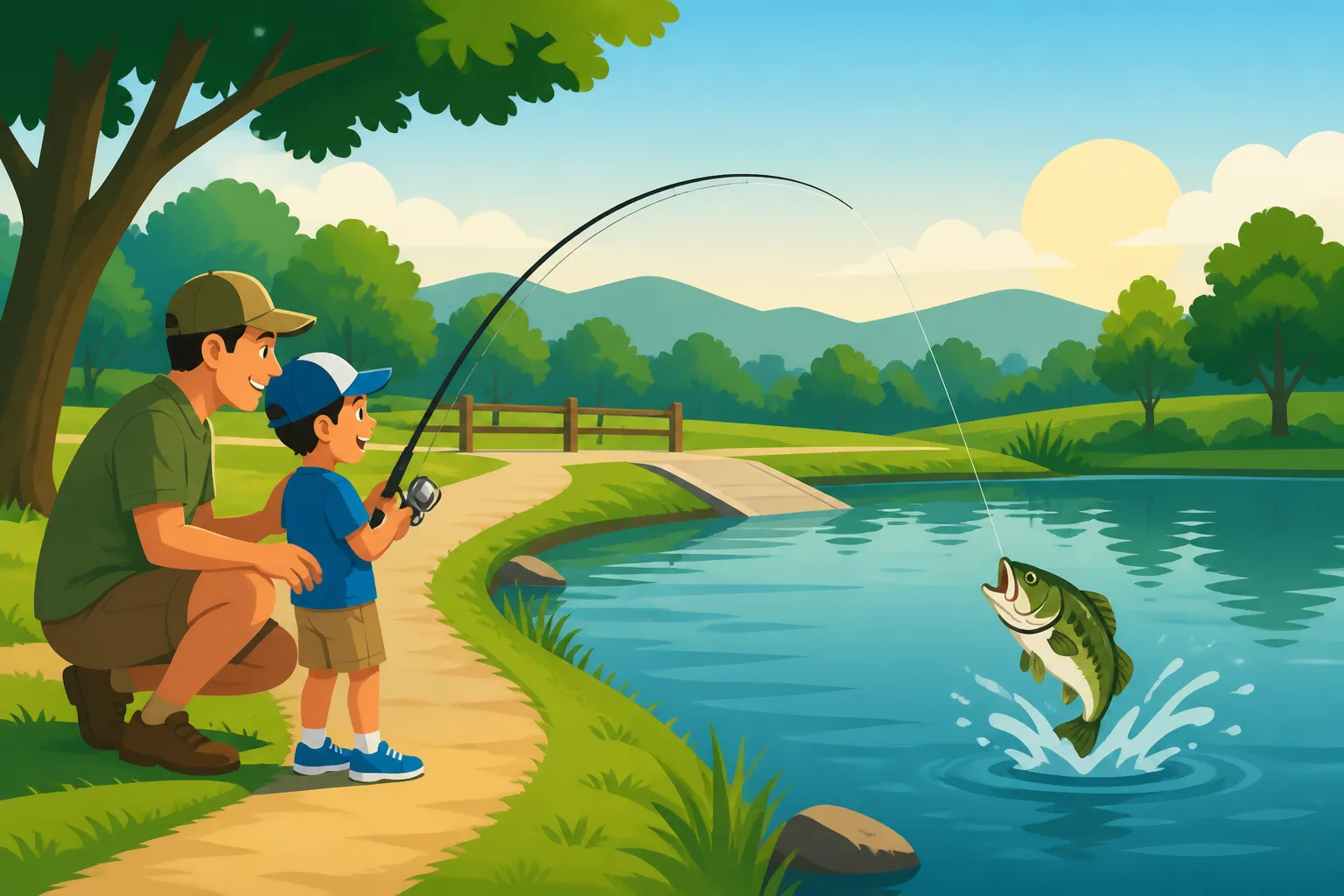
When you’re just starting out, or you’re bringing kids along, the idea of launching a boat, dealing with expensive electronics, or navigating deep waters can quickly turn a fun outing into a stressful chore. That’s where bank fishing truly shines. It strips away a lot of the complexity, allowing you to focus on the pure joy of the sport itself. There’s a wonderful simplicity to just walking up to the water’s edge, casting a line, and waiting for that first gentle tug.
The Joys of Simplicity and Accessibility
One of the biggest hurdles for new anglers is often the sheer amount of gear and knowledge they think they need. But with bank fishing, you can literally get by with a rod, a reel, some basic tackle, and a bucket of bait. You don't need a boat, you don't need a heavy-duty truck to tow anything, and you don't need to learn how to operate complex machinery. This makes it incredibly accessible for everyone, from young children to those who might have mobility challenges. Many of these easy-access spots often have paved paths, picnic areas, and restrooms, making the entire experience far more comfortable and less about roughing it in the wilderness. It's about enjoying nature and the act of fishing without all the extra fuss.
Building Confidence with Easier Catches
Let's be honest, nothing builds excitement and confidence for a beginner quite like actually catching a fish! Smaller ponds, especially those managed for recreational fishing, are often stocked with eager species like bluegill and catfish, which tend to be less finicky than their counterparts in larger, wilder waters. These fish are generally more forgiving, less spooky, and more likely to bite, increasing the chances of success on a first outing. When you’re able to feel that first bite, reel in a fish, and hold it in your hands, it creates an unforgettable memory and ignites a passion that might just last a lifetime. It’s a low-pressure environment where learning and fun take precedence over chasing trophy fish.
Top Bank-Access Ponds and Lakes Near Knoxville
Knoxville and its surrounding areas are blessed with some fantastic water bodies, but for beginners, pinpointing the right spot can be tricky. You're not looking for the next trophy bass lake where seasoned anglers compete; you're looking for a friendly, accessible spot where the fish are cooperative and the setting is comfortable. The key is to find places that are easy to get to, offer plenty of space along the shore, and have a good population of smaller, more aggressive fish.
Identifying Ideal Spots: What to Look For
When you're scouting for that perfect beginner-friendly fishing spot, keep a few things in mind. First, look for designated public fishing areas or community ponds. These are often managed by the Tennessee Wildlife Resources Agency (TWRA) or local parks departments and are specifically designed to encourage recreational fishing, sometimes even with regular stocking. Second, consider the amenities: is there ample parking close to the water? Are there paved walking trails or clear, flat bank access? Are there restrooms and picnic tables? These small comforts make a huge difference, especially when you're fishing with family or if someone needs a break. Lastly, check for reports of panfish like bluegill, sunfish, and smaller catfish. These are typically the easiest to catch and provide consistent action for new anglers. Many anglers find great success by researching online, and platforms like FishingBooker can sometimes help you discover local guides or even spots that might not be on every map, giving you insights into hidden gems.
Specific Recommendations
Based on accessibility and beginner-friendliness, here are a few excellent options near Knoxville where you can enjoy some rewarding bank fishing:
1. Fort Loudoun Lake (Specifically Carl Cowan Park)
While Fort Loudoun is a massive reservoir, Carl Cowan Park in West Knoxville offers fantastic, easy-to-access bank fishing. The park features paved greenways that run right along the water's edge, multiple fishing piers, and open grassy areas perfect for casting.
- Target Species: You can catch a variety here, including bluegill, crappie, catfish, and even some smaller bass. The bluegill and catfish are particularly good targets for beginners, as they're often found close to the banks and piers.
- Accessibility Features: Excellent paved parking, clean restrooms, picnic pavilions, playgrounds, and wide, flat paths along the shoreline. There are also specific fishing platforms that are very easy to use.
- Potential Challenges: It can get busy on weekends, especially during pleasant weather. While largely family-friendly, it’s a large lake, so setting realistic expectations for bigger catches helps.
2. Melton Hill Lake (Specifically Melton Hill Park)
Similar to Fort Loudoun, Melton Hill Lake is a large body of water, but Melton Hill Park on the northern side near Oak Ridge provides exceptional bank access. This park is known for its serene environment and well-maintained facilities.
- Target Species: Expect to find a good population of bluegill, crappie, and catfish here. You might also hook into a small bass or a drum. The consistent panfish action makes it ideal for beginners.
- Accessibility Features: Ample parking, paved trails leading to various fishing spots, restrooms, and even a canoe/kayak launch if you want to try a different perspective later on. The banks are generally gentle and easy to navigate.
- Potential Challenges: While often less crowded than Carl Cowan, it can still see a fair number of visitors. Be mindful of rowers, as Melton Hill is also a popular rowing venue.
3. Sinking Creek Pond (Powell, TN)
Located just north of Knoxville in Powell, Sinking Creek Pond is a smaller, community-focused pond that’s part of the TWRA's Community Fishing Lakes program. These lakes are specifically managed to provide easy and productive fishing experiences for the public.
- Target Species: This pond is regularly stocked with channel catfish, rainbow trout (in cooler months), and has a healthy population of bluegill and sunfish. This variety means there's usually something biting.
- Accessibility Features: Easy parking right next to the pond, a fishing pier, and clear, mowed bank access around much of its perimeter. It's designed with family fishing in mind.
- Potential Challenges: Being a smaller, well-known community spot, it can sometimes attract a crowd, particularly after stockings. Always check the Tennessee Trout Stocking Schedule and Season if you're targeting trout, as they are seasonal.
Here's a quick comparison of these great beginner spots:
| Location | Primary Target Species (Beginner) | Key Features for Beginners | Known for |
|---|---|---|---|
| Carl Cowan Park (Ft. Loudoun) | Bluegill, Catfish, Crappie | Paved greenways, fishing piers, playgrounds, restrooms | Excellent overall family park, easy access |
| Melton Hill Park (Melton Hill) | Bluegill, Crappie, Catfish | Paved trails, gentle banks, picnic areas, restrooms | Serene environment, good panfish numbers |
| Sinking Creek Pond (Powell) | Bluegill, Catfish, Stocked Trout | Fishing pier, mowed banks, designed for community fishing | Regular TWRA stockings, consistent action |
Essential Gear and Simple Techniques for Bank Anglers
One of the great things about starting with bank fishing is that you don't need to break the bank on gear. You can get a perfectly functional setup for a very reasonable price, and the techniques are straightforward enough for anyone to learn quickly. The key is choosing versatile items that will serve you well without overcomplicating things.
Your Basic Gear Checklist
For a successful and enjoyable first fishing trip, here’s a simple checklist of what you'll need:
- Rod and Reel Combo: Look for a beginner-friendly spinning rod and reel combo. A medium-light or medium action rod, around 6-7 feet long, is a versatile choice that can handle everything from panfish to smaller bass. These combos are usually pre-spooled with line, making them ready to go. You can find excellent options for Best Fishing Gear for Beginners that won't overwhelm you.
- Line: Most combos come with monofilament line, which is perfectly fine for beginners. A 6-8 pound test line is a good all-around choice.
- Hooks: A variety pack of small to medium-sized hooks (sizes 6-10) will cover most panfish and smaller catfish. Look for Aberdeen or baitholder hooks.
- Bobbers (Floats): These are essential for bank fishing with kids or beginners. A small, round clip-on bobber is easy to use and provides a visual indicator when a fish bites.
- Sinkers (Weights): A small assortment of split-shot sinkers will help get your bait down to where the fish are.
- Bait: This is where it gets fun! Live bait like worms (nightcrawlers or red wigglers) is universally effective and easy for beginners to use. Crickets are also fantastic for bluegill. For catfish, stink bait or cut bait can be very productive.
- Pliers/Forceps: For safely removing hooks from fish. A small pair of needle-nose pliers works wonders.
- Bucket or Stringer: To keep any fish you plan to take home fresh. A small cooler with ice works even better.
- Small Tackle Box: To keep all your hooks, sinkers, and other small items organized.
- Chair or Blanket: For comfort while you wait for bites.
- Sunscreen, Hat, Water: Essential for any outdoor activity!
Beginner-Friendly Fishing Methods
You don't need to learn complicated casting techniques or intricate lure presentations for a successful first outing. The beauty of bank fishing, especially for panfish and catfish, lies in its simplicity.
1. Bobber Fishing (Float Fishing): This is perhaps the most iconic and easiest method for beginners.
* Setup: Tie a hook to the end of your line. About 12-18 inches above the hook, crimp on a small split-shot sinker. Then, clip a bobber onto the line about 1-2 feet above the sinker.
* Action: Put your bait (a piece of worm, a cricket) on the hook. Cast your line out gently. The bobber will float on the surface, keeping your bait suspended at a certain depth. When a fish bites, the bobber will jiggle, dip, or go completely under the water. This is your cue to gently set the hook with an upward sweep of the rod and start reeling! This method is particularly effective for bluegill and other panfish. For more tips on this, check out Bluegill Fishing for Beginners in Tennessee.
2. Bottom Fishing (Still Fishing): Great for targeting catfish and larger panfish that often dwell near the bottom.
* Setup: Tie a hook to the end of your line. About 6-12 inches above the hook, attach a heavier sinker (like an egg sinker or a small pyramid sinker) to ensure your bait stays on the bottom. You can also use a "Carolina Rig" where the sinker slides freely above a swivel, with a leader connecting the swivel to the hook.
* Action: Bait your hook (worms, cut bait, stink bait). Cast your line out and let the sinker settle on the bottom. Prop your rod up on a rod holder or a sturdy branch, loosen your drag slightly, and watch the tip of your rod for movement. When a fish bites, you'll see the rod tip twitch or bend. Wait for a steady pull, then set the hook and reel in. If you want a guide to all things catfishing, we have a great resource on Tennessee Catfish Fishing Techniques and Seasons.
When planning your trip, and especially if you're introducing someone new to the sport, consider what species are active. For consistent action on a first trip, bluegill and crappie are usually the most reliable. Services like FishingBooker can offer up-to-date fishing reports from local guides, which might give you an edge on what's biting where, even if you're not booking a full trip.
Rules, Regulations, and Etiquette for Public Ponds
Fishing in Tennessee is a fantastic pastime, but it's important to be a responsible angler. This means understanding and adhering to the rules set forth by the Tennessee Wildlife Resources Agency (TWRA) and practicing good etiquette at public access points. It might seem like a lot to learn, but it's designed to protect our natural resources and ensure everyone can enjoy the water.
Understanding Tennessee's Fishing Regulations
Before you even make your first cast, you'll need a fishing license. It's a non-negotiable requirement for almost everyone aged 13 and older in Tennessee, whether you're a resident or just visiting. There are different types of licenses available, from annual options to single-day passes, so you can choose what best fits your needs. You can learn all about it in our comprehensive guide on the Tennessee Fishing License Guide.
- Who Needs a License? Generally, anyone 13 years and older needs a license. This applies to both residents and non-residents. However, there are some exceptions, like on Bobby Wilson Free Fishing Day in Tennessee which is a great opportunity to try fishing without needing a license. Also, children 12 and under typically don't need a license, but it's always good to confirm current Youth Fishing License Rules in Tennessee.
- How to Get One: Getting a license is easy! You can purchase one online through the TWRA website, at most sporting goods stores, or at approved license agents across the state. For a step-by-step process, check out How to Get a Tennessee Fishing License. It's quick, painless, and vital.
- Creel and Size Limits: While many community ponds have more relaxed rules, you should always be aware of statewide regulations for common species like bass, crappie, and trout. These limits dictate how many fish you can keep (creel limit) and how big they need to be (size limit). For example, there are specific Crappie Limits Under Tennessee Fishing Rules and Tennessee Trout Limits and Season Rules that vary by season and water body. It’s always a good idea to quickly check the TWRA's fishing guide for the specific water you're visiting to avoid any unintentional violations. Penalties for fishing without a license in Tennessee can be steep, so it’s always best to be prepared.
Being a Good Angler: Pond Etiquette
Fishing in public areas means sharing the space with others – fellow anglers, picnickers, hikers, and sometimes even wildlife observers. Practicing good etiquette ensures a pleasant experience for everyone.
- Respect Other Anglers' Space: When you arrive at a spot, try to leave a reasonable distance between yourself and other anglers. Don't cast over someone else's line or crowd them unnecessarily. A simple wave or nod can go a long way in establishing a friendly atmosphere.
- Leave No Trace: This is perhaps the most crucial rule. Whatever you bring in, take it out. This includes fishing line, bait containers, snack wrappers, and drink bottles. Our natural spaces are precious, and litter detracts from everyone's experience and harms wildlife. If you clean your fish at the site, dispose of entrails properly, away from the water's edge and main pathways.
- Handle Fish Carefully: If you plan to release a fish, handle it gently and return it to the water as quickly as possible. Wet your hands before touching the fish to protect its slime coat, and try to keep it in the water if you're taking a photo. If you're using a net, make sure it's a soft, rubberized net to minimize harm.
- Be Mindful of Noise: Public parks are places of relaxation. Keep voices and music at a respectful level. Loud noises can also scare away fish, so quiet movements are beneficial for your fishing success too!
- Know Local Rules: Some parks or ponds might have specific regulations beyond statewide TWRA rules. For example, some might be catch-and-release only, or have restrictions on certain types of bait. Always look for posted signs near the water's edge.
Stepping out for that first fishing trip near Knoxville doesn't have to be complicated or intimidating. With the right easy-access spots, a basic gear setup, simple techniques, and a mindful approach to regulations and etiquette, you're well on your way to creating wonderful memories and perhaps even sparking a lifelong love for angling. Tight lines and happy fishing!
Disclaimer
The information provided in this guide is for general informational purposes only and does not constitute legal advice. Fishing regulations, license requirements, and local rules can change. Always consult the official Tennessee Wildlife Resources Agency (TWRA) website or relevant local authorities for the most current and accurate information before planning your fishing trip. Ensure you have the proper licenses and adhere to all posted signs and regulations at your chosen fishing location.