When Tennessee Stocks Rainbow Trout Each Year
It can be incredibly frustrating to plan a perfect fishing trip, only to arrive at your favorite spot and realize the fish aren't biting as you hoped, especially when you're targeting trout. Many anglers wonder exactly when and where the Tennessee Wildlife Resources Agency (TWRA) releases those feisty rainbow trout to ensure a better chance at a successful outing. This comprehensive guide is designed to pull back the curtain on Tennessee's annual rainbow trout stocking schedule, helping you understand the patterns, find the information you need, and ultimately, put more fish in your net.
The Science Behind Tennessee's Trout Stocking Program
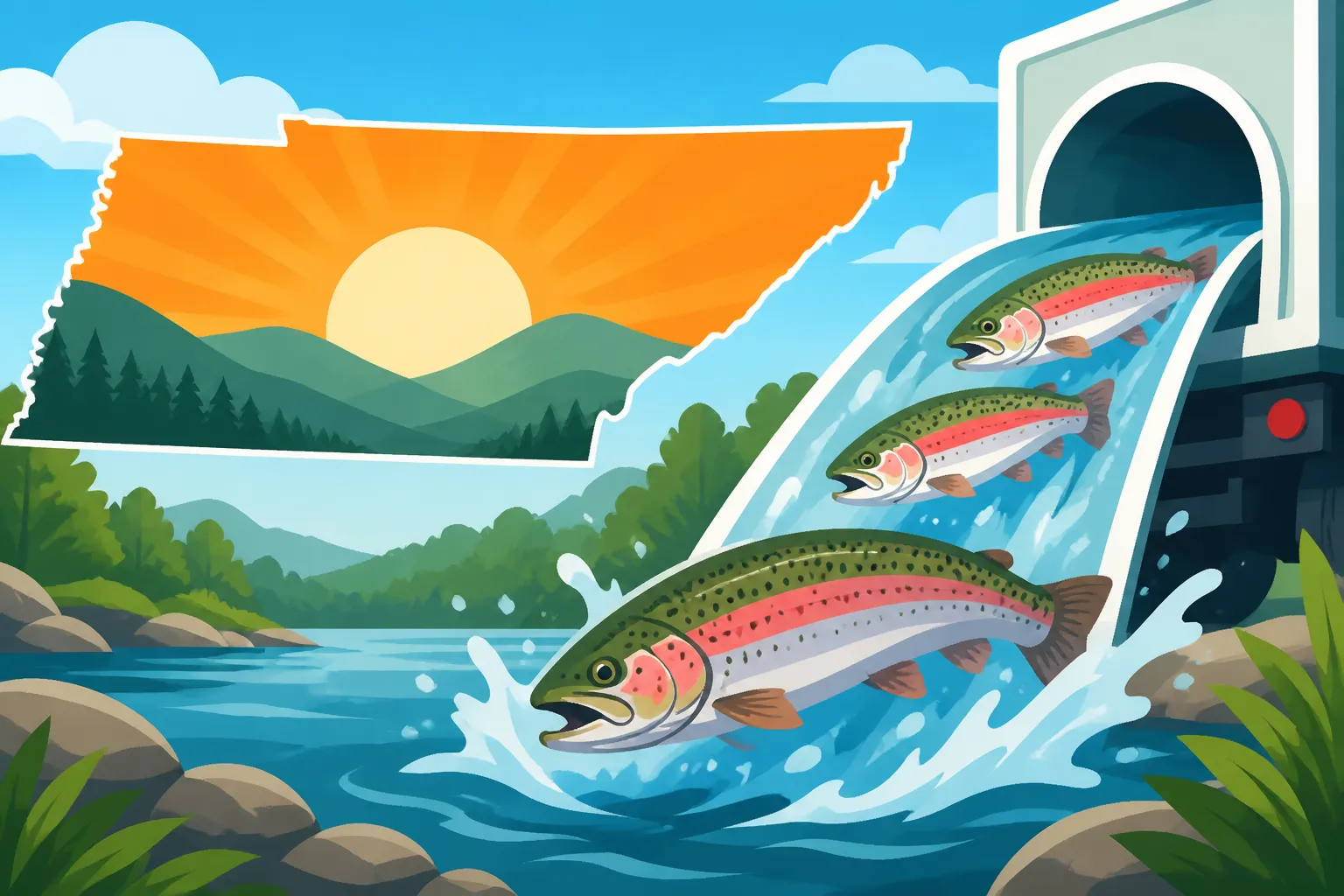
Understanding why and how rainbow trout are stocked in Tennessee isn't just trivia; it's key to becoming a more effective angler. The Tennessee Wildlife Resources Agency (TWRA) doesn't just randomly dump fish into the water; there's a carefully planned, science-backed program at work, primarily aimed at enhancing recreational fishing opportunities for everyone. This effort creates vibrant fisheries in areas where natural trout reproduction might be limited or nonexistent, expanding the joy of trout fishing across the state.
The Purpose of Stocking Rainbow Trout
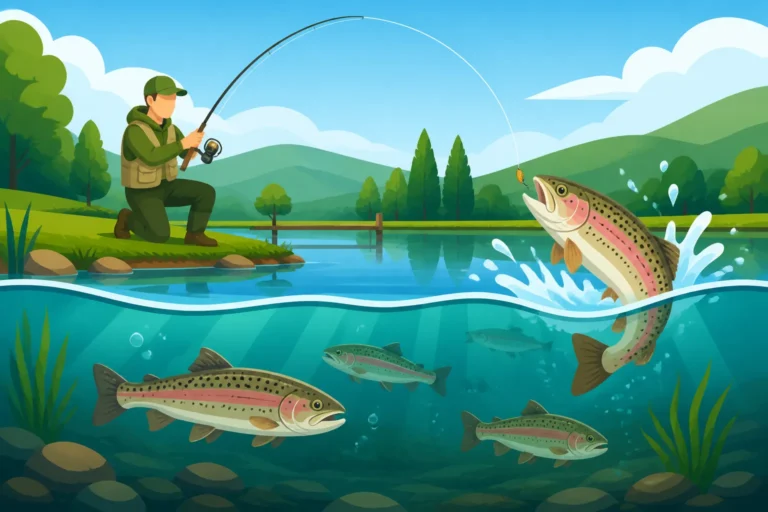
At its core, the primary purpose of stocking rainbow trout in Tennessee is to provide "put-and-take" fisheries. This means the fish are stocked with the expectation that anglers will catch and keep them. Unlike many native species that reproduce naturally and sustain their populations, rainbow trout often require regular stocking, especially in warmer waters where they might struggle to spawn or survive year-round. These stocking programs are particularly crucial in creating opportunities for anglers in regions that lack natural cold-water streams suitable for trout. It also means that even if you're not an expert fly fisherman targeting wild trout in remote streams, you can still enjoy a fantastic day of trout fishing closer to home.
Beyond just creating fishing opportunities, stocking also helps to distribute fishing pressure. By offering readily available trout in various locations, TWRA can help reduce the impact on more fragile, naturally reproducing trout populations in pristine streams. It’s a balancing act: providing accessible fun for the masses while protecting the wild resource.
Who Manages Trout Stocking in Tennessee
The Tennessee Wildlife Resources Agency, or TWRA, is the dedicated state agency responsible for managing all fish and wildlife resources, including the extensive trout stocking program. They operate several hatcheries across the state, such as the Dale Hollow National Fish Hatchery, which specifically raises rainbow trout (along with brown trout and brook trout) for release into Tennessee's public waters. These hatcheries are essentially fish farms, meticulously controlling water quality, feed, and growth rates to produce healthy, catchable-sized trout.
TWRA biologists and staff monitor water temperatures, oxygen levels, and overall fish health to determine the best times and locations for stocking. Their expertise ensures that the stocked fish have the best chance of survival until they meet an angler. This isn't just about throwing fish in the water; it's a sophisticated operation requiring a deep understanding of aquatic ecology and fish biology, often funded by your fishing license fees and federal excise taxes on fishing tackle and equipment.
Key Factors Influencing Stocking Decisions
Several critical factors weigh heavily on TWRA's decisions regarding when and where to stock rainbow trout. The most paramount factor is water temperature. Rainbow trout are cold-water fish, thriving in temperatures generally between 50-65°F (10-18°C). If the water gets too warm, typically above 70°F (21°C), trout become stressed, making them more susceptible to disease and less likely to survive or bite. This is precisely why widespread stocking typically slows down significantly during the heat of summer, except in specific cold-water tailwaters. You can learn more about How Water Temperature Affects Trout Stocking Timing in Tennessee to better plan your trips.
Another significant factor is angler demand and access. TWRA aims to stock waters that are accessible to the public, including state park lakes, community ponds, and specific rivers and streams. They also consider the size of the water body and its ability to hold a certain number of fish. Weather conditions, such as heavy rain or drought, can also influence the schedule, sometimes leading to delays or adjustments to ensure the safety of the fish during transport and release. Local tournaments or special events can also occasionally influence stocking schedules, as TWRA works to support community fishing initiatives.
The Annual Stocking Schedule: A Seasonal Breakdown
Tennessee's rainbow trout stocking program isn't a static, year-round affair. It shifts with the seasons, responding to environmental conditions and angler activity. While exact dates can vary slightly from year to year, there's a clear pattern to when and where you can expect to find freshly stocked trout. Understanding these seasonal trends is crucial for planning your most productive fishing trips.
Fall Stocking: Kickstarting the Cool Season
As the heat of summer fades and autumn leaves begin to change, water temperatures in many Tennessee lakes and rivers finally drop back into the optimal range for trout. This makes fall a prime time for TWRA to kick off its robust stocking program. Beginning typically in late September or October and continuing through November, vast numbers of rainbow trout are released into a wide array of waters across the state. This fall stocking period is incredibly popular because the cooler weather is comfortable for anglers, and the fish are often aggressive as they acclimate to their new environment.
During this time, TWRA often targets smaller community ponds, state park lakes, and accessible sections of larger rivers. The idea is to quickly establish a fresh population of catchable fish for the fall and early winter months. These "put-and-take" fisheries thrive in the crisp autumn air, providing excellent opportunities for both experienced anglers and families looking for a fun day out. It's often when you'll find the most consistent action for rainbow trout outside of the major tailwaters.
Winter Stocking: Keeping the Fires Burning
When winter officially settles in, many people pack away their fishing gear, but savvy trout anglers know this is a fantastic time to continue chasing rainbows. TWRA's stocking efforts don't stop with the first frost; in fact, they often intensify, especially in areas that can sustain trout through colder temperatures. The winter stocking program typically runs from December through February, providing much-needed fishing opportunities during a season when other warm-water species might be less active. The colder water holds more oxygen, and the trout remain lively, though their feeding patterns might shift slightly compared to warmer months.
Many of the same locations stocked in the fall continue to receive winter infusions of rainbow trout. These can include urban ponds, city lakes, and tailwater sections below dams, which often maintain stable, cool temperatures year-round. For anglers, winter fishing offers a unique solitude and the chance to target healthy, actively feeding trout. Dressing warmly and using appropriate techniques for cooler water conditions are key to success during these months.
Spring Stocking: Peak Opportunities
Ah, spring! As the days lengthen and temperatures slowly rise, Tennessee's waters burst with life, and the trout stocking program reaches one of its annual peaks. The spring stocking period, generally from March through May, is arguably the most anticipated time for many rainbow trout enthusiasts. Water temperatures are typically perfect, the fish are active, and anglers are eager to get back out after the winter chill. During this time, TWRA goes all-out, stocking a massive number of rainbow trout to ensure widespread availability.
This is when you'll see many popular fishing spots, from small community ponds to larger river sections, receive consistent deliveries of trout. It’s also often the time when TWRA specifically targets streams and rivers that are part of the state's designated trout waters, particularly those in East Tennessee. Whether you're a fly fisherman or prefer spin casting, the spring offers some of the best chances to land a limit of rainbow trout. For a comprehensive overview, check out the Tennessee Trout Fishing Season Explained.
Summer Stocking: Limited but Crucial Spots
When the scorching Tennessee summer arrives, typically from June through August, widespread rainbow trout stocking becomes far less common. As mentioned, rainbow trout struggle in warm water. However, this doesn't mean trout fishing completely shuts down. TWRA significantly reduces its stocking efforts to focus almost exclusively on specific, cold-water refuges: the tailwater sections of major rivers below large dams. Rivers like the Clinch River, Caney Fork River, and others maintain consistently cold water temperatures year-round due to the release of cold water from the bottom of deep reservoirs.
These tailwaters become premier destinations for trout anglers during the summer. While the number of stocked fish might be lower and the schedule less frequent than in other seasons, these areas can still provide excellent fishing. It's important to remember that these summer fisheries often involve different techniques and a deeper understanding of river currents and trout behavior in a more stable, but still challenging, environment. If you're planning to fish during this time, make sure to specifically target these cold-water havens.
Finding Specific Stocking Information and Locations
While understanding the general seasonal patterns is helpful, knowing the exact details of where and when trout are being stocked is what truly makes a difference in your fishing success. The TWRA makes this information publicly available, but knowing how to access and interpret it is key. Don't rely solely on word-of-mouth; get the official scoop!
Navigating the TWRA Stocking Schedule
The most reliable source for current and upcoming rainbow trout stocking information is the Tennessee Wildlife Resources Agency (TWRA) website. They maintain an updated stocking schedule that lists the specific water bodies, the dates of stocking, and sometimes even the number of fish released. To find this, you'll typically navigate to the "Fishing" section of their site and look for "Trout Stocking" or a similar link. This schedule is usually updated frequently, so it's a good habit to check it right before you plan your trip.
It's also worth noting that TWRA often publishes an annual overview of their stocking plans, which can give you a long-range view of anticipated stockings for the year. However, always defer to the most current, localized schedule for immediate planning, as unforeseen circumstances like weather or fish health can sometimes lead to last-minute changes. This information is invaluable and can save you a lot of guesswork. You can often find details on the Rainbow Trout Stocking Schedule Across Tennessee directly on their platform.
Popular Stocked Waters in Tennessee
Tennessee boasts a remarkable variety of waters that receive rainbow trout stockings throughout the year. While the specific list can change, some popular and consistently stocked locations include:
- East Tennessee Rivers: The Clinch River Trout Fishing in East Tennessee is a perennial favorite, known for its cold tailwaters that support trout year-round. The Caney Fork River, another excellent tailwater fishery, also receives regular stockings. Other rivers like the Holston and Watauga also have sections managed for trout.
- Community Ponds and Lakes: Many smaller, accessible lakes and ponds near urban centers are heavily stocked. These often include city parks, county lakes, and TWRA-managed ponds specifically designed for family and youth fishing. Examples include ponds at Laurel Run Park in Church Hill, Marrowbone Lake in Franklin, or the lakes within the TWRA's own managed areas.
- State Park Lakes: Several Tennessee State Parks feature lakes that are part of the stocking program, offering beautiful scenery alongside great fishing. Pickwick Landing State Park and Tims Ford State Park are just a couple of examples that frequently receive trout. These spots often have excellent amenities, making them perfect for a full day trip.
Before heading out, always consult the TWRA schedule for the exact locations and dates, as some waters might only be stocked during specific seasons.
How Local Conditions Impact Stocking
While TWRA plans its stocking operations meticulously, local conditions can and do cause changes. For instance, an unexpected warm spell in late spring can cause stream temperatures to rise too quickly, forcing TWRA to delay or even cancel a planned stocking to prevent fish mortality. Conversely, a prolonged period of cool weather might extend the stocking season in certain areas. Drought conditions, leading to low water levels, can also impact where and when trout are stocked.
It's also important to consider localized fishing pressure. In high-traffic areas, fish might be caught out quickly, necessitating more frequent stockings. In more remote spots, the fish might last longer. Being aware of current weather forecasts and recent fishing reports from your chosen destination can provide additional clues, complementing the official TWRA schedule. A little bit of local knowledge, gained by checking forums or calling local bait shops, goes a long way.
Maximizing Your Chances After a Stocking Event
Landing a fresh, feisty rainbow trout right after a stocking event can be exhilarating. These fish are often eager to bite as they explore their new surroundings and look for food. However, simply showing up isn't always enough. Employing the right tactics and gear can dramatically increase your success. These trout, having been raised in hatcheries, tend to respond well to certain presentations, which can be different from targeting wild, stream-born fish.
Best Baits and Lures for Freshly Stocked Trout
When fishing for recently stocked rainbow trout, simplicity and scent often win the day. These fish are accustomed to a pellet diet from the hatchery, so they don't always shy away from brightly colored, scented baits. Some of the most effective options include:
- PowerBait or Trout Dough: These synthetic baits come in various colors (chartreuse, orange, rainbow) and are infused with scent. They float, allowing you to present them off the bottom away from snags. A small glob molded around a treble hook or single hook is often all it takes. You can find a huge variety of these on Amazon.
- Corn: Yes, plain old canned corn can be incredibly effective. Its bright color and slight sweetness seem to attract stocked trout. Use a few kernels on a small hook.
- Worms: Live earthworms or mealworms are always a classic and reliable choice. The natural movement and scent are irresistible to most fish, including hungry trout.
- Small Spinners and Spoons: Brands like Panther Martin, Mepps, or Rooster Tail spinners, and tiny Kastmaster or Super Duperspoons, are excellent for casting and retrieving. Their flash and vibration mimic small baitfish, triggering aggressive strikes. Look for lures in sizes 0-2 and in silver, gold, or bright colors.
- Small Jigs: Tiny jigs, often tipped with a piece of PowerBait or a wax worm, can be deadly when fished under a bobber or slowly retrieved.
Experiment with different colors and presentations until you find what the trout are hitting on that particular day. For more ideas, explore the Best Lures for Stocked Rainbow Trout.
Essential Gear for Stocked Trout Fishing
You don't need a boatload of expensive gear to successfully fish for stocked rainbow trout. A simple, lightweight setup is often all you need, making it a perfect entry point for new anglers.
- Rod and Reel: An ultralight or light action spinning rod, 5 to 7 feet in length, paired with a small spinning reel (size 1000-2000) is ideal. This setup allows for light lines and sensitive bites.
- Line: Spool your reel with 4 to 6-pound monofilament or fluorocarbon line. Lighter line is less visible to the fish and allows for longer casts with small baits and lures.
- Terminal Tackle: A selection of small hooks (sizes 8-14), split shot weights, and small bobbers (slip bobbers are versatile) are essential. Don't forget swivels to prevent line twist, especially when using spinners.
- Net: A small landing net with a rubberized mesh is highly recommended to safely land your fish and protect their slime coat if you plan to release any.
- Tackle Box: A compact tackle box or bag to keep your baits, lures, and tools organized. Many excellent, affordable options are available on Amazon.
- Waders/Boots: If you plan to wade fish in streams or rivers, a good pair of waders and wading boots will keep you comfortable and dry. However, for many stocked ponds, bank fishing is perfectly sufficient.
This basic setup will cover most stocked trout scenarios. You might also want to look into Spin Fishing Techniques for Trout for more specific guidance.
Ethical Angling Practices for Stocked Waters
Even in "put-and-take" fisheries, practicing ethical angling is important. It ensures the health of the fishery and maintains a positive experience for all anglers.
- Know the Regulations: Always be aware of the daily creel limits and any specific size restrictions for the water you're fishing. Tennessee Trout Limits and Season Rules can provide detailed information. Not all stocked waters have the same rules, so check the TWRA regulations specific to your location.
- Handle Fish Carefully: If you plan to release a fish, minimize its time out of water. Wet your hands before handling, support the fish horizontally, and avoid squeezing it. Use a de-hooking tool if the hook is deep.
- Respect Other Anglers: Stocked waters can sometimes get crowded, especially right after a stocking. Give others ample space, avoid casting over their lines, and keep noise levels down.
- Leave No Trace: Pack out everything you pack in, including discarded fishing line, bait containers, and any other trash. Help keep Tennessee's beautiful fishing spots clean for everyone.
- Report Poaching: If you witness illegal fishing activity, such as exceeding bag limits or fishing without a license, report it to TWRA. This helps protect the resource for everyone. Remember, fishing without a license can lead to severe Penalties for Fishing Without a License in Tennessee.
Beyond Rainbows: Other Trout Species Stocked by TWRA
While rainbow trout are undoubtedly the stars of Tennessee's stocking program due to their hardiness and popularity, they aren't the only trout species that TWRA manages or introduces into the state's waters. It's worth briefly touching on these other species to give you a complete picture of trout fishing in the Volunteer State, although the primary focus of widespread stocking remains on the easily adaptable rainbow trout.
Other Trout Species Stocked by TWRA
The Tennessee Wildlife Resources Agency does stock other trout species, albeit often in more specific locations or in smaller numbers compared to rainbows.
- Brown Trout: Brown trout are also raised in TWRA hatcheries and stocked in certain rivers and streams, particularly in tailwaters and larger freestone streams that can sustain them. Brown trout are known for being a bit more elusive and harder to catch than rainbows, often growing to larger sizes and offering a more challenging fight. They are also a bit more tolerant of slightly warmer water than brook trout, making them suitable for some of Tennessee's larger rivers. While not as widely distributed through stocking as rainbows, they are an important part of the state's trout diversity. For those interested in pursuing them, understanding How Tennessee's Brown Trout Limit Works During Trout Season is essential, as their regulations can differ from rainbows.
- Brook Trout: The brook trout is Tennessee's only native trout species. While TWRA undertakes significant conservation efforts to protect and restore wild brook trout populations in high-elevation, pristine streams, they are generally not widely stocked in "put-and-take" fisheries like rainbows. Any stocking of brook trout is usually part of specific restoration projects aimed at re-establishing populations in their native habitats, rather than providing recreational angling opportunities in easily accessible locations. Finding a wild brook trout in a remote mountain stream is a true prize and a testament to conservation success.
This strategic stocking and management approach ensures that anglers have diverse opportunities, from readily accessible rainbow fisheries to challenging wild brown and brook trout experiences.
Natural Reproduction Versus Stocking Programs
It's important to distinguish between naturally reproducing trout populations and those sustained by stocking. Many of Tennessee's pristine, high-elevation streams in the eastern part of the state, particularly within the Great Smoky Mountains National Park and surrounding national forests, support self-sustaining populations of wild brook, brown, and rainbow trout. These fish hatch, grow, and reproduce entirely on their own, often without any human intervention. Catching a wild trout from these streams is a different experience, often requiring more technical skill, stealth, and a deep understanding of stream ecology. For those who enjoy the challenge, the Best Trout Streams in the Great Smoky Mountains, Tennessee are unparalleled.
Stocking programs, on the other hand, are designed to supplement or create fisheries where natural reproduction is limited or impossible due to unsuitable habitat, water temperature, or other environmental factors. Most of the rainbow trout you'll catch in Tennessee's more accessible lakes, ponds, and larger rivers are a direct result of TWRA's stocking efforts. These programs ensure that trout fishing remains accessible to a wider demographic of anglers across the state, even in areas that wouldn't naturally support trout populations. Both types of fisheries are valuable, offering different experiences and contributing to the rich tapestry of Tennessee's fishing landscape.
| Season | Typical Stocking Months | Primary Target Waters | Angler Experience | Common Baits/Lures |
|---|---|---|---|---|
| Fall | Late September – November | Community Ponds, State Park Lakes, Accessible River Sections | Excellent | PowerBait, Corn, Worms, Small Spinners |
| Winter | December – February | Community Ponds, State Park Lakes, Tailwaters | Good | PowerBait, Worms, Small Jigs |
| Spring | March – May | Community Ponds, State Park Lakes, Trout-Designated Streams | Excellent (Peak) | PowerBait, Corn, Worms, Spinners, Spoons |
| Summer | June – August | Cold-Water Tailwaters (e.g., Clinch, Caney Fork Rivers) | Challenging/Specialized | Flies, Worms, Small Spinners, Trolling Lures |
Disclaimer
Fishing regulations, stocking schedules, and local conditions can change. Always consult the official Tennessee Wildlife Resources Agency (TWRA) website or their current printed regulations guide before planning any fishing trip to ensure you have the most up-to-date information regarding licenses, limits, and specific water body rules. Stay safe and enjoy your time on the water!