Fall Trout Stocking Streams in Tennessee
For many Tennessee anglers, the end of summer can feel like the end of the best fishing, but that couldn't be further from the truth, especially when it comes to trout. The transition into cooler fall weather actually kicks off one of the most exciting and productive times to chase trout in our beautiful state. This guide will walk you through everything you need to know about where to find fall trout stocking streams, why autumn is such a sweet spot for trout fishing, and how to make the most of your trips.
Understanding Fall Trout Stocking in Tennessee
When the leaves start to change colors and there’s a crispness in the air, a different kind of magic begins for trout anglers in Tennessee. This isn't just about Mother Nature providing cooler water; it’s about the dedicated efforts of the Tennessee Wildlife Resources Agency (TWRA) to ensure fantastic fishing opportunities well into the colder months.
The Tennessee Wildlife Resources Agency Role
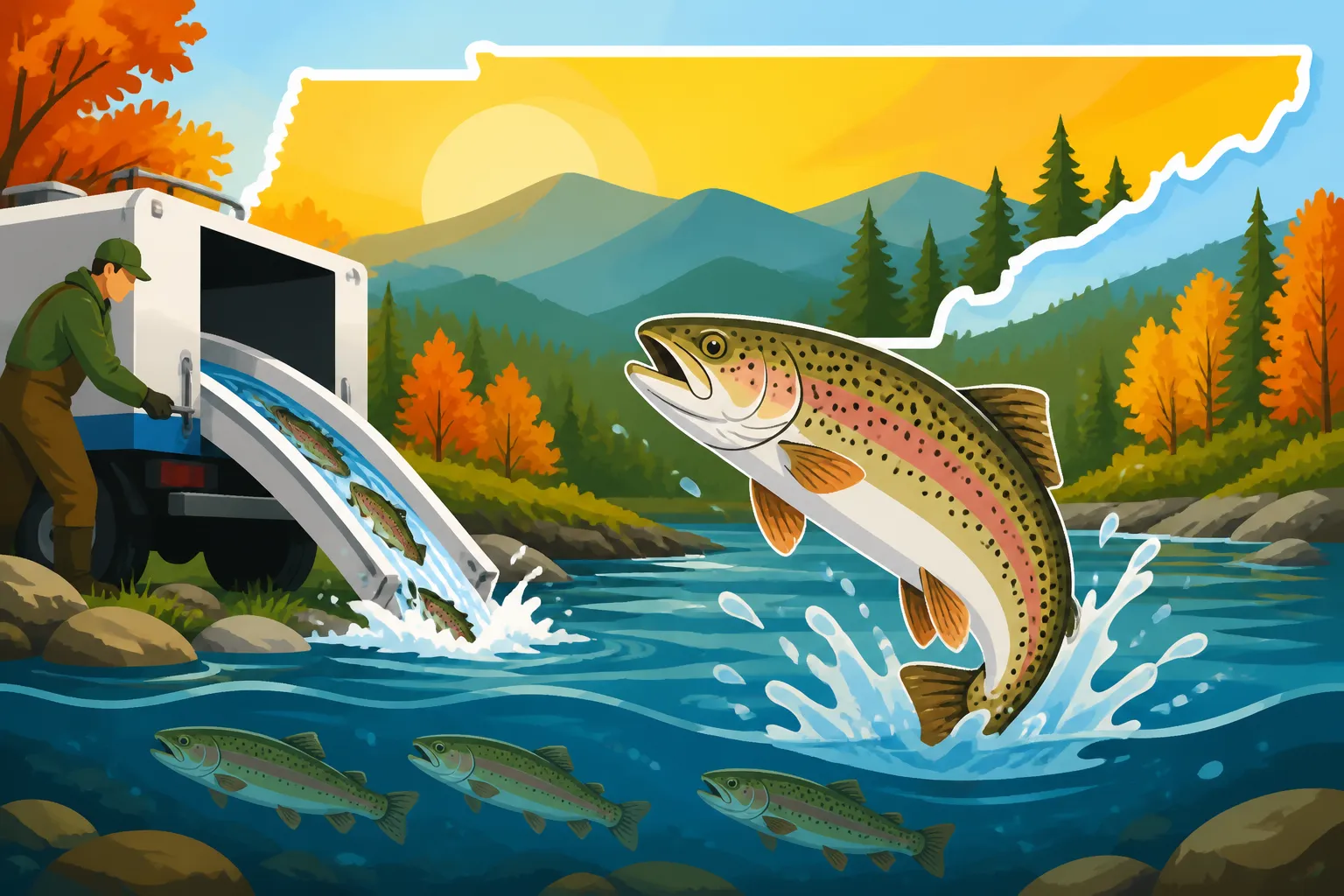
The TWRA plays a critical role in managing Tennessee's fisheries, and their fall trout stocking program is a prime example of their commitment to anglers. As summer’s heat retreats, many of our rivers and streams cool down to temperatures that are much more hospitable for trout. This is when the TWRA steps in, stocking thousands of hatchery-raised trout into designated public waters across the state. They don't just dump fish; they strategically distribute them to maximize angler access and success, often in areas that are easily reachable for bank fishermen and those with limited mobility. This thoughtful approach ensures that a wider range of the angling community can enjoy the bounty.
For many years, the TWRA has fine-tuned its stocking schedules to align with optimal water conditions, making these fall stockings highly anticipated events. It's a way for them to supplement the natural populations, especially in waters where natural reproduction might be limited or where fishing pressure is high. This means even if a stream isn't a native trout stream, it can become a fantastic put-and-take fishery in the fall, offering exciting action for both seasoned and novice anglers. Keeping an eye on their official stocking reports is key to hitting these freshly stocked spots at their peak.
Species Stocked in the Fall
While Tennessee boasts a variety of trout species, including the elusive native brook trout and robust brown trout, the vast majority of fall stockings are focused on rainbow trout. These vibrant, hard-fighting fish are ideal for put-and-take fisheries because they are relatively easy to raise in hatcheries and adapt well to newly stocked environments. They’re also incredibly eager to bite, making them a fantastic target for anglers of all skill levels.
Rainbow trout are known for their beautiful coloration and their willingness to strike a variety of baits and lures, which makes them a popular choice for families and those just getting into trout fishing. You might occasionally find some brown trout included in these stockings, particularly in certain tailwaters or larger rivers, but rainbow trout are definitely the stars of the fall stocking show. Their aggressive feeding habits after being released mean that if you find a freshly stocked spot, you’re often in for a day of consistent action. It’s a wonderful opportunity to experience the joy of catching trout without needing specialized knowledge of wild trout behaviors.
Why Fall is Prime for Trout in Tennessee
There's just something special about fishing in the fall. The air is crisp, the scenery is breathtaking with all the changing leaves, and perhaps most importantly for trout anglers, the fish are often more active and accessible. It's truly a sweet spot in the annual fishing calendar.
Cooler Water Temperatures and Trout Behavior
As summer's intense heat gives way to cooler autumn days and nights, the water temperatures in Tennessee's streams and rivers begin to drop. This is a game-changer for trout, which are cold-water species. When water temperatures are high, trout become lethargic, seek out deeper, cooler pools, and are generally less active, making them harder to catch. However, once the water cools into their preferred range – typically between 45 and 65 degrees Fahrenheit – they become much more active, energetic, and most importantly, hungry!
These ideal water conditions mean trout are more willing to move into shallower areas, feed more aggressively, and are generally more spread out throughout the water column. You'll find them actively foraging for insects, small baitfish, and other food sources, which makes them far more receptive to your offerings. The improved oxygen levels in cooler water also contribute to their increased activity. For anglers, this translates into more consistent bites and a greater chance of success, whether you're fly fishing tiny nymphs or tossing spinners. It’s a noticeable shift from the often challenging summer months and sets the stage for a rewarding fishing experience.
Fewer Crowds and Serene Fishing
Let's be honest, nothing ruins a peaceful fishing trip quite like shoulder-to-shoulder crowds. One of the unsung heroes of fall trout fishing in Tennessee is the reduction in angler pressure. As summer vacations end and folks get back into school and work routines, many popular fishing spots become significantly less crowded. This means you’re more likely to have stretches of stream all to yourself, allowing for a truly serene and uninterrupted fishing experience.
Imagine standing in a beautiful, tree-lined stream, the only sounds being the gentle rush of water and the rustle of leaves, with no competition for the best pools. This tranquility isn't just good for your soul; it’s good for the fishing too. Less pressure means the trout are often less wary and more apt to strike. You can take your time, experiment with different techniques, and truly immerse yourself in the natural beauty of the surroundings. It's a chance to escape the hustle and bustle and reconnect with nature, all while enjoying some of the year's best trout fishing. This period often extends well into late fall, offering plenty of opportunities to find your own slice of fishing paradise.
Key Streams and Rivers for Fall Stocking
Tennessee is blessed with an abundance of diverse waterways, but when it comes to fall trout stocking, some areas truly shine. While stocking locations can vary slightly year to year based on water conditions and TWRA plans, there are perennial favorites that anglers reliably look to.
East Tennessee's Renowned Waters
East Tennessee is undoubtedly the heartland of trout fishing in the state, and this holds true for fall stockings as well. The region’s mountainous terrain provides a wealth of cold, clear water, creating ideal habitats for trout. Rivers like the Tellico River and its tributaries, the Hiwassee River, and the Clinch River below Norris Dam are legendary for their trout fishing, and they receive significant attention during the fall stocking season. The Clinch River, in particular, is a tailwater fishery, meaning its water comes from the deep, cold bottom of Norris Lake, making it suitable for trout year-round, but fall stockings bolster its already robust population.
Another fantastic option is the Watauga River and the South Holston River, both tailwater fisheries known for their trophy trout potential and consistent flows. These rivers offer diverse fishing experiences, from wide-open stretches ideal for drift boat fishing to more intimate wading opportunities. Anglers often find success using both artificial lures and natural baits in these waters, especially shortly after a fresh stocking. The sheer volume of fish released in these renowned East Tennessee waters ensures that there's usually plenty of action to be found. For instance, the Clinch River's cold waters make it a prime spot to fish for trout year-round, and the fall stocking simply enhances an already excellent fishery. You can find more details on Trout Fishing in the Great Smoky Mountains, Tennessee for natural trout populations.
Middle and West Tennessee Opportunities
While East Tennessee gets most of the glory, the TWRA doesn't forget about anglers in other parts of the state. Several waters in Middle and, to a lesser extent, West Tennessee also receive fall trout stockings, providing closer-to-home options for many. The Caney Fork River, located in Middle Tennessee near Nashville, is a prime example. This beautiful tailwater river, flowing out of Center Hill Lake, cools significantly in the fall and receives regular stockings of rainbow trout, transforming it into a popular destination for fly and spin anglers alike. It offers easy access at multiple points and is a great spot for those looking for a relatively gentle wading experience.
Other locations might include specific small lakes or ponds that the TWRA identifies as suitable for seasonal trout fishing. These "put-and-take" fisheries are often found in state parks or local community lakes and are perfect for a quick trip, especially for families or beginners. While not as numerous or as wild as the Eastern streams, these waters provide invaluable local opportunities. Always check the TWRA’s stocking schedule for the most current information, as these locations can sometimes vary. For example, the Obey River is another popular spot for trout fishing in this region. You might also want to explore Best Fishing Spots Near Nashville, Tennessee for other local options.
Specific Stream Spotlights
Let's dive a little deeper into a couple of standout fall stocking streams.
The Clinch River (below Norris Dam): This river is a national treasure for trout fishing. Its consistent cold water provides an ideal environment for trout, and the TWRA's fall stockings only add to the abundance. Anglers frequently catch rainbows here, with browns also present. The river offers ample public access points, from Miller's Island to the Songbirds area. Wade fishing is popular, but many also float the river in drift boats or kayaks. The water is typically clear, making stealth and presentation crucial. You can learn more about Clinch River Trout Fishing in East Tennessee for specific techniques.
The Caney Fork River (below Center Hill Dam): For anglers in Middle Tennessee, the Caney Fork is often the first thought for trout. Its proximity to major population centers like Nashville makes it incredibly accessible. While it experiences periodic water level fluctuations due to dam releases, the fall offers generally stable, cooler conditions. The TWRA regularly stocks rainbows here, and they're often eager to hit corn, PowerBait, or small spinners. Fly anglers find success with midges, small nymphs, and streamers. The section around the dam and downstream offers excellent wading, but always be aware of generation schedules before heading out. The Caney Fork is mentioned as one of the Best Rivers for Fishing in Tennessee for good reason.
The Hiwassee River: Another fantastic East Tennessee option, the Hiwassee is a wider, more powerful river that also benefits from fall stockings. It's especially popular with drift boat anglers due to its size, but there are also wadeable sections, particularly at lower flows. The Hiwassee often yields larger-than-average stocked rainbows, and the scenery during the fall foliage peak is simply incredible. Trout often congregate around current breaks and deeper runs. This river is highlighted in the Hiwassee River Fishing Guide.
Gear and Techniques for Fall Stocked Trout
You don’t need a boatload of specialized gear to enjoy fall trout fishing, but having the right setup can definitely improve your chances. Whether you're a seasoned angler or just starting out, a few key pieces of equipment and some basic techniques will serve you well.
Essential Tackle for Spinners and Bait
For many, spin fishing with bait or lures is the most straightforward and effective way to catch stocked trout, especially right after a stocking. You'll want a lightweight spinning rod, ideally in the 5 to 7-foot range, paired with a small spinning reel spooled with 4 to 6-pound test monofilament or fluorocarbon line. This lighter line helps with casting small lures and baits and is less visible to wary trout. A reputable brand like Ugly Stik offers durable rods that are perfect for this kind of fishing, and you can find great deals on reels on Amazon.
When it comes to terminal tackle, a selection of small hooks (sizes 10-14), split shot weights, and small swivels are essential. For bait, classic choices like corn, PowerBait (in various colors and forms), and small worms are incredibly effective on recently stocked rainbow trout. Rigging is simple: a small hook with a piece of PowerBait or corn, a small split shot a foot or so up the line, and possibly a bobber if you're fishing stiller water or want to suspend your bait at a certain depth. Small inline spinners, like Panther Martins or Rooster Tails, in sizes 0 to 2, are also deadly effective on stocked trout. These lures mimic small baitfish or insects and can entice aggressive strikes. Always have a variety of colors, from bright to natural, to see what the fish prefer on any given day.
Fly Fishing for Fall Trout
If you're into fly fishing, fall is a spectacular time to hit the streams, particularly in those famous East Tennessee tailwaters. You’ll want a light to medium-weight fly rod, typically a 3-weight to 5-weight, paired with a floating fly line. A 7.5 to 9-foot leader, tapering down to a 5x or 6x tippet, will give you good presentation for smaller flies. Fly selection can vary, but generally, smaller patterns work well.
During the fall, trout are often feeding on various aquatic insects. Your fly box should include an assortment of nymphs like Pheasant Tails, Hare’s Ears, and Prince Nymphs in sizes 14-20. When fishing these, a strike indicator can be invaluable for detecting subtle bites. Midges are also prevalent in colder water, so tiny zebra midges or similar patterns can be highly effective. If you encounter rising fish, small dry flies imitating Blue Winged Olives (BWOs) or tiny Caddis might work. Even after stockings, these hatchery-raised trout quickly revert to natural feeding behaviors, especially in streams with healthy insect populations. Streamers, like Woolly Buggers in olive or black, can also be fantastic for enticing aggressive strikes from larger trout, particularly when stripped through deeper pools. Check out our guide on Fly Fishing Basics for Trout for more foundational tips.
Best Baits and Lures
Choosing the right bait or lure can make all the difference, especially when targeting freshly stocked trout that might still be getting used to their new environment.
For Bait Anglers:
- PowerBait: This artificial dough bait is a consistent winner for stocked trout. It comes in various colors (chartreuse, rainbow, glittery blends) and forms (dough, nuggets). Experiment with colors; sometimes a bright, visible bait is best, other times a more subdued, natural tone.
- Corn: A simple classic, canned corn works surprisingly well. The small, yellow kernels mimic a natural food source and trout seem to love it. It's also super affordable and easy to use.
- Worms: Small red wigglers or nightcrawlers (pieces of them) are always a reliable choice. They offer a natural presentation and scent that fish find irresistible.
- Salmon Eggs: Often found in jars, these also provide a natural attractant that can be very effective, particularly in clear waters.
For Lure Anglers:
- Inline Spinners: Brands like Mepps, Panther Martin, and Rooster Tail are fantastic. Sizes #0 to #2 are ideal. Silver, gold, black, or even bright yellow/green blades can all produce. Cast them upstream or across, let them sink slightly, and reel them in slowly to get the blade spinning.
- Small Spoons: Tiny Kastmasters or Little Cleos in silver or gold can imitate small baitfish. They cast a long way and have a tempting wobbling action on the retrieve.
- Mini Jigs: Small marabou jigs or plastic grub jigs (1/32 to 1/16 ounce) in white, olive, or black can be deadly when fished under a bobber or slowly retrieved.
Regardless of your preference, having a small tackle box filled with these versatile options will cover most scenarios you'll encounter during fall trout fishing in Tennessee. Many of these items are readily available at local sporting goods stores or online on Amazon.
Navigating Regulations and Limits
Fishing without a proper license or accidentally breaking regulations can quickly turn a great day into a frustrating one. It's crucial to understand the rules set by the TWRA, especially when it comes to trout.
General Statewide Regulations
First and foremost, anyone 13 years or older needs a valid Tennessee fishing license. For trout, you'll also need to ensure your license includes the appropriate trout stamp or "Trout Permit" if you plan to keep any. This is a common point of confusion for new anglers, but it’s an absolute necessity. You can typically add the trout permit when you purchase your main license. You can find out more about How to Get a Tennessee Fishing License and the Tennessee Fishing License Costs and Types to make sure you're covered.
The statewide daily creel limit for trout in Tennessee is generally seven fish per day, with no more than two brown trout included in that limit from March through September. However, it’s vital to note that from October 1st through the end of February, these statewide limits can shift to water-specific regulations. This is where things get a bit more complex, and checking local rules becomes paramount. During this colder period, many streams convert to "catch and release only" or have specific size restrictions to protect wintering trout populations or allow recently stocked fish to disperse. Always carry proof of your license while fishing in Tennessee.
Water-Specific Rules and Permits
This is where paying attention really matters. While there's a general statewide framework, many of Tennessee's prime trout waters, especially the tailwaters and designated trout streams, operate under special regulations that override the default rules. These special regulations might include:
- Length Limits: Minimum or maximum size limits for certain species.
- Creel Limits: A reduced daily limit (e.g., 3 fish instead of 7) or even "catch-and-release only" zones.
- Gear Restrictions: Some areas might be "artificial lures only" or "fly fishing only," prohibiting the use of natural baits.
- Harvest Slots: Specific size ranges of fish you can keep, with fish above or below that slot needing to be released.
For example, the Clinch River and Caney Fork River, two popular fall stocking destinations, both have special regulations that differ from the statewide limits. The Clinch River, particularly in certain sections, has an "artificial lures only" restriction and specific length limits for brown and rainbow trout. These rules are put in place to manage the fishery more effectively, promote catch-and-release, and ensure a healthy population for future angling.
Before heading to any specific stream, particularly during the October-February period, always consult the current Tennessee Fishing Regulations Explained guide published by the TWRA. This guide is available online on their website, at TWRA offices, and often at local bait and tackle shops. Failing to know the specific rules for the water you're fishing can lead to fines and penalties for fishing without a license in Tennessee or violating other regulations. It's not just about getting a license; it's about understanding and respecting the unique rules of each water body you visit. A quick search of the TWRA website will provide the most up-to-date information on Lake-Specific Fishing Rules That Override Tennessee's Statewide Limits.
Planning Your Fall Trout Fishing Trip
A little preparation goes a long way in ensuring a successful and enjoyable fall trout fishing adventure. From knowing when and where the fish are being released to packing the right essentials, these tips will help you make the most of the season.
Checking Stocking Schedules
This is arguably the most critical step for maximizing your success with fall stocked trout. The TWRA publishes its trout stocking schedule, which indicates the specific streams and lakes that will be stocked, the dates (often weekly or bi-weekly during peak stocking periods), and sometimes even the species and number of fish. These schedules are usually available on the TWRA website.
It's a good idea to check this schedule frequently, as stocking dates can sometimes change due to weather, water conditions, or hatchery availability. Aim to fish a particular stream within a day or two of a stocking event. Freshly stocked trout are often quite eager to bite as they adjust to their new surroundings and begin actively feeding. If you wait too long, they can become more wary and disperse throughout the stream, making them a bit harder to locate and catch. Subscribing to TWRA email alerts or following their social media pages can also keep you in the loop about the latest stocking news. Knowing When Tennessee Stocks Rainbow Trout Each Year can really help plan your trips.
Here's an example of how a stocking schedule might look, though specific details vary by TWRA district and actual events:
| Region | Water Body | Common Species Stocked | Typical Fall Frequency | Special Regulations (Oct-Feb) | Best Gear |
|---|---|---|---|---|---|
| East Tennessee | Clinch River | Rainbow, Brown | Weekly/Bi-weekly | Artificial Lures Only | Fly, Spin (small lures) |
| East Tennessee | Hiwassee River | Rainbow | Bi-weekly | Artificial Lures Only | Fly, Spin (streamers) |
| East Tennessee | Tellico River | Rainbow | Weekly | Artificial Lures Only | Fly, Spin (small nymphs) |
| East Tennessee | Watauga River | Rainbow, Brown | Bi-weekly | Specific Catch & Release | Fly, Spin (small lures) |
| Middle Tennessee | Caney Fork River | Rainbow | Weekly/Bi-weekly | Artificial Lures Only | Fly, Spin (PowerBait, corn) |
| Middle Tennessee | Obey River | Rainbow | Bi-weekly | General Trout Rules | Spin (PowerBait, worms) |
Note: This table is illustrative. Always check the official TWRA stocking schedule for current, accurate information and specific regulations for each water body.
Essential Trip Planning Tips
Beyond checking the stocking schedule, there are a few other things that can help make your fall trout fishing trip a smooth and enjoyable one.
Weather and Layering: Fall weather in Tennessee can be unpredictable, with warm afternoons and surprisingly chilly mornings or evenings. Dressing in layers is crucial. Start with a moisture-wicking base layer, add an insulating fleece or down jacket, and top it off with a waterproof and windproof outer shell. Don't forget a warm hat and gloves, especially for early morning starts or late evening finishes. Good, waterproof wading boots are also a must if you plan to get in the water.
Safety First: Always let someone know where you're going and when you expect to return, especially if you're venturing into more remote areas. Carry a fully charged cell phone (though service can be spotty in some mountainous regions), a small first-aid kit, and plenty of water and snacks. If wading, use a wading staff for stability, and be mindful of slippery rocks and strong currents. Always respect private property signs and access points.
Respect the Resource: Fall stocked trout are a fantastic opportunity, but it’s important to practice good angling ethics. If you plan to harvest fish, only keep what you'll eat and adhere strictly to creel limits. For fish you intend to release, handle them gently with wet hands, minimize their time out of water, and ensure they swim away strongly. Consider using single, barbless hooks, especially in catch-and-release areas, to reduce harm to the fish. Taking care of our fisheries ensures these opportunities remain for everyone for years to come. Remember to properly dispose of any trash; packing out what you pack in keeps our beautiful streams pristine. For safety, remember Life Jacket Rules for Kayaks and Canoes in Tennessee if you're floating.
Final Thoughts on Fall Trout Fishing
Fall trout fishing in Tennessee is more than just catching fish; it's about soaking in the incredible beauty of the changing season, enjoying the crisp air, and experiencing the peace that comes from being on the water. With the TWRA's consistent stocking program, cooler water temperatures, and often fewer crowds, autumn truly offers some of the best angling opportunities of the year for trout enthusiasts.
Whether you prefer the simplicity of bait fishing, the challenge of fly casting, or the active retrieve of a spinning lure, there’s a place and a method for you to connect with these vibrant fish. Just remember to check those stocking schedules, understand the local regulations, and dress appropriately for the season. A well-prepared angler is a successful and happy angler, and with this guide, you’re well on your way to enjoying some unforgettable fall days on Tennessee’s trout streams. So grab your gear, maybe pick up some new lures from Amazon if you need them, and head out to experience the magic of fall trout fishing!
Disclaimer
Fishing conditions and regulations can change rapidly. Always consult the latest official Tennessee Wildlife Resources Agency (TWRA) regulations and stocking schedules before planning any fishing trip. This guide provides general information and recommendations and should not be considered a substitute for official TWRA resources. Users are responsible for their own safety and for adhering to all applicable laws and regulations.