Jug Fishing for Catfish Explained
There’s nothing quite like the thrill of fighting a big catfish on a rod and reel, but let’s be real, sometimes you want to cover more water, kick back a little, and still put some delicious fish in the cooler. Traditional methods can be demanding, and if you’re trying to multitask or just enjoy the scenery, they don’t always cut it. That's where jug fishing comes in – a fantastic, often overlooked technique for catching catfish in Tennessee that offers a more relaxed yet incredibly effective way to fill your stringer. This guide will explain everything you need to know about setting up and successfully jug fishing for catfish in our amazing Tennessee waters.
What Exactly is Jug Fishing?
Jug fishing is one of those timeless, almost rustic methods that has been a staple for generations of catfish anglers. It’s effective, it’s exciting in its own unique way, and it’s a great way to put a lot of fish in the boat without holding a rod all day.
The Basic Concept and Appeal
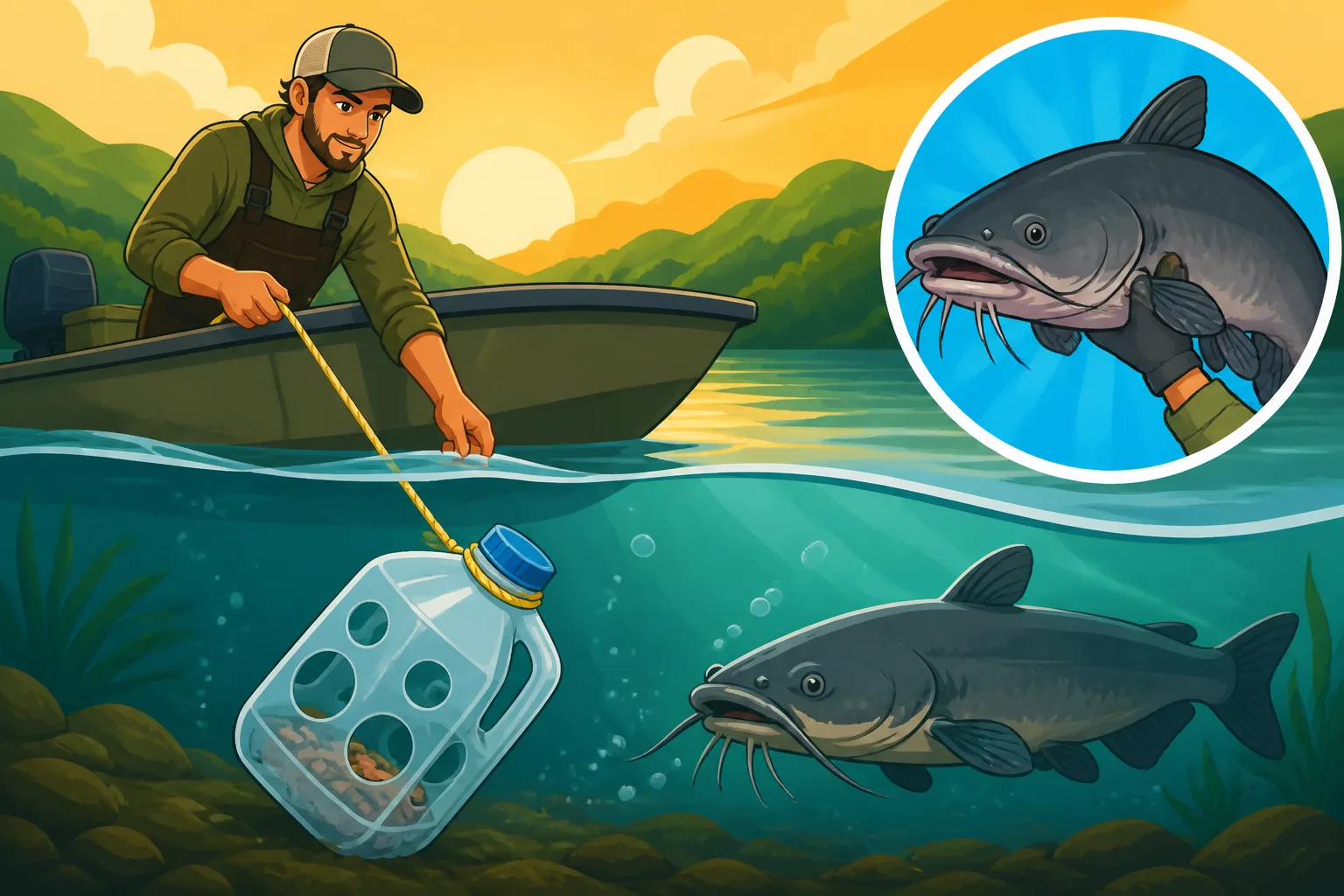
At its core, jug fishing involves attaching baited hooks to lines suspended from floating devices – the "jugs" themselves. These floats drift freely with the current or wind, presenting your bait to catfish across a wide area. Imagine a fleet of mini fishing boats, each working independently to attract a bite. The appeal is immediately obvious: it’s a hands-off approach that allows you to deploy multiple lines simultaneously, significantly increasing your chances of success compared to a single rod and reel.
What makes it truly exciting is the "hunt." You'll be motoring around, scanning the water, looking for that tell-tale sign – a jug dancing, bobbing erratically, or even disappearing beneath the surface. That’s your signal that a big Channel Catfish or even a hefty Blue Catfish has taken the bait and is putting up a fight. It’s a different kind of adrenaline rush than a rod bend, but just as satisfying when you pull a monster from the depths, knowing your simple setup did the trick. This method is especially popular in larger bodies of water where catfish have plenty of room to roam, offering a practical solution for anglers who want to maximize their time on the water.
Legality and Regulations in Tennessee
Before you even think about tossing your first jug, it’s absolutely critical to understand the Tennessee Wildlife Resources Agency (TWRA) regulations surrounding this method. Ignoring these rules isn't just a minor oversight; it can lead to fines and confiscated gear. In Tennessee, a common and very important regulation is the number of jugs allowed. Each licensed angler can deploy up to 50 jugs. That’s a lot of potential lines in the water, which is why proper adherence to the rules is paramount.
Beyond the quantity, every single jug you put out must be clearly marked with your name and address, or your TWRA identification number. This is non-negotiable and helps TWRA officers identify ownership and ensure compliance. While jug fishing is generally permitted on public waters, there can be specific restrictions on certain smaller lakes, state park ponds, or designated fishing areas, so always double-check local regulations for the specific body of water you plan to fish. You’ll also need to ensure you have a valid Tennessee Fishing License Guide before you even start rigging your jugs. These regulations are designed to ensure fair chase, prevent overfishing, and maintain safety on our beautiful Tennessee lakes and rivers.
Essential Gear for Setting Up Your Jugs
Jug fishing might seem simple, but having the right gear is crucial for durability, effectiveness, and compliance with regulations. You don't want to spend your day chasing lost jugs or losing fish because your setup wasn't up to par.
Choosing the Right Floats or "Jugs"
The "jug" itself is the most iconic part of this fishing method, and you have several options when it comes to material. The key characteristics you're looking for are buoyancy, visibility, and durability.
- Plastic Bottles: The classic choice, and perhaps the most budget-friendly, are recycled plastic bottles – think gallon milk jugs or two-liter soda bottles. They're readily available and cost next to nothing. However, they can be less durable, especially if you’re catching larger fish that might really put a strain on them, and some can be difficult to see from a distance, particularly in choppy water or low light.
- PVC Pipes: Many seasoned jug fishermen opt for capped PVC pipes (typically 1.5 to 2 inches in diameter and about 12-18 inches long). These are incredibly durable, long-lasting, and can be easily painted bright colors for maximum visibility. The added weight of the PVC also makes them more stable in the water.
- Pool Noodles: A very popular and effective option is to cut sections of pool noodles. They are incredibly buoyant, easy to handle, and come in vibrant colors like neon green, orange, and pink, making them highly visible on the water. You can thread your line directly through them or attach a line to a small eye bolt inserted into the foam. These are fantastic for the average angler and are often sold in packs, making them an economical choice.
Regardless of your choice, remember to make sure your floats are clearly marked with your identification as per TWRA rules. Bright colors like orange, yellow, or fluorescent green are always best, as they stand out against the water, especially when you’re scanning for that tell-tale bob or dive.
Lines, Hooks, and Weights
Once you've got your floats, it's time to build the business end of your jug rig. This is where your bait meets the fish, so quality and appropriate sizing are paramount.
- Line Type and Strength: Catfish are powerful, and they live in abrasive environments, so you need strong, durable line. Monofilament line in the 50-80 pound test range is a popular choice for its abrasion resistance and shock absorption. Some anglers prefer braided line for its superior strength-to-diameter ratio and lack of stretch, which can help detect subtle bites, though its lack of stretch can sometimes lead to hooks pulling out if not handled carefully. You'll want about 3-6 feet of line per jug, depending on the depth you're targeting. For fishing in deeper channels or over submerged structures, you might want longer leaders, but generally, you want to keep the bait relatively close to the jug.
- Hook Types and Size: For catfish, especially when jug fishing, circle hooks are highly recommended. They are designed to hook fish in the corner of the mouth, which is much safer for the fish if you plan to release them, and also makes for a more secure hook-up, reducing the chance of the fish swallowing the hook. Sizes ranging from 5/0 to 10/0 are common, depending on the size of catfish you expect to catch. If you’re targeting trophy Blue Catfish, don’t hesitate to go with larger hooks.
- Weights and Swivels: Weights are necessary to keep your bait at the desired depth and prevent it from simply floating up under the jug. A simple egg sinker or pyramid sinker, weighing anywhere from 1/2 ounce to 2 ounces, can be threaded onto your line above the hook. Many anglers use a sliding sinker setup, where the weight slides freely above a swivel, allowing the fish to take the bait without immediately feeling the full resistance of the weight. Swivels are also incredibly important; a good barrel or ball bearing swivel placed between your main line and your leader will prevent line twist, which is a common problem when fish are spinning and fighting on the line. You can find all these components, from high-quality hooks to durable line and a variety of sinkers, at your local tackle shop or even on Amazon, ensuring you have everything you need for a robust setup.
Crafting the Perfect Catfish Bait for Jugging
Catfish are primarily scavengers with an incredible sense of smell, and jug fishing really plays to this strength. The right bait is arguably the most crucial element to your success.
The Power of Stink Baits and Cut Baits
When it comes to attracting catfish from a distance, nothing beats a potent scent trail. This is where stink baits and cut baits truly shine, making them the top choices for jug fishermen across Tennessee.
- Stink Baits: These are commercially prepared baits, often dough-like or spongy, infused with powerful attractants that release a strong, lingering scent in the water. Brands like Catfish Charlie or Sonny's Super Sticky are well-known and can be incredibly effective. The idea is that the strong aroma disperses, drawing catfish from a wide radius to your jug. Many anglers swear by these, especially in warmer water where fish are more active and their sense of smell is heightened. The downside is they can be messy to handle, but their effectiveness often outweighs this minor inconvenience.
- Cut Baits: For a more natural, yet equally powerful, approach, fresh cut bait is king. The blood and oils released from a freshly cut piece of fish create an irresistible scent plume that catfish simply can't ignore. Shad and skipjack are gold standards in many Tennessee waters; cutting them into chunks, strips, or even using a whole head (for bigger Flatheads) can be deadly. Chicken livers are another classic, widely available and incredibly effective, though they can be notorious for easily falling off the hook – a small piece of nylon stocking or thread can help secure them. The key is freshness; the fresher the bait, the more potent and appealing it will be to hungry catfish.
Regardless of whether you choose a potent stink bait or a natural cut bait, the goal is the same: to create an irresistible scent trail that guides catfish directly to your hooks.
Other Effective Baits and Presentation Tips
While stink and cut baits are usually the primary weapons, don’t dismiss other options, especially if you're targeting specific species or dealing with different fishing conditions.
- Live Baits: For truly trophy-sized Flathead Catfish, live bait is often preferred. Small bluegill, sunfish, or even legal-sized creek chubs are excellent choices. Ensure you check Tennessee Fishing Regulations Explained regarding the use of live bait, as some local rules might apply, especially concerning the transport of non-native species. Hooking a live baitfish through the back (above the lateral line) or through the lips allows it to swim naturally, attracting predatory Flatheads who prefer live prey over scavenged meals. This method also works for large Blue Catfish.
- Worms and Crickets: While less common for large catfish on jug lines (as they might get picked off by smaller fish before a big cat finds them), a wad of nightcrawlers can still be effective for Channel Catfish, especially if smaller cats are prevalent in your area. They’re easy to acquire and can still produce bites.
- Presentation Tips: For jug fishing, securing your bait is paramount. The constant movement of the jug, combined with currents, means flimsy bait can be lost quickly. For chicken livers, wrap them with a small piece of thread or surgical tubing. For cut bait, make sure your hook passes through a tougher part of the fish, ensuring it stays on. The goal is to keep the bait on the hook long enough for a catfish to find it and take it. Some anglers even add a small piece of foam or cork to their leaders to slightly suspend the bait off the bottom, making it more visible and accessible in certain conditions.
Strategic Deployment and Retrieval Techniques
Knowing where and how to deploy your jugs can make all the difference between a sparse and a full cooler. It’s not just about tossing them out; it’s about understanding catfish behavior and the water itself.
Where to Set Your Jugs in Tennessee Waters
Catfish are structure-oriented fish, and understanding their preferred habitats is key to successful jug fishing. Different species have different preferences, and the characteristics of Tennessee’s diverse waterways will dictate your approach.
- Targeting Specific Catfish Species:
- Channel Catfish: These guys are widespread and often found in shallower waters, around creek mouths, flats, and edges of weed beds, especially at night or during low-light conditions. They’re less particular about current.
- Blue Catfish: Blues prefer deeper, open water, often congregating in main river channels, sharp breaks, ledges, and humps. They love current and will often hold in areas where current brings food to them. Lakes like Kentucky Lake Fishing on the Tennessee Side and Watts Bar Lake, Tennessee's Largest Lake for Fishing are renowned for their abundant Blue Catfish populations.
- Flathead Catfish: Flatheads are ambush predators and prefer heavy cover – submerged timber, rock piles, log jams, and deep holes in rivers. They are less prone to chasing a scent trail than Channels or Blues, which is why live bait is often more effective for them.
- Current vs. Still Water: In lakes and reservoirs, understanding the current created by dam discharges or wind can be hugely beneficial. Catfish will often orient themselves into the current, waiting for food to drift by. Setting your jugs to drift through current seams or along channel edges can be highly productive. In areas with little current, consider covering a wider area or placing jugs near known catfish hangouts.
- Time of Day and Weather: Catfish are often most active during low-light conditions – dawn, dusk, and especially at night. Night fishing with jugs can be incredibly productive, as catfish move into shallower foraging areas under the cover of darkness. Warm, overcast days or fishing just after a summer rain can also trigger a feeding frenzy, as the rain washes nutrients and food into the water, and the reduced light penetration makes them bolder.
Remember, successful jug fishing is often a process of elimination. Start with educated guesses based on the local topography, current, and known catfish behavior, and adjust your deployment based on where you find success. Understanding the Tennessee Bass Fishing Seasons and Patterns can also provide insights into overall fish activity, though catfish often follow slightly different patterns.
Spacing, Monitoring, and Safe Retrieval
Once you’ve identified your target areas, the next step is deploying your jugs effectively and ensuring you can retrieve them safely. This involves careful planning and constant vigilance.
- Spacing Your Jugs: Don’t just drop all your jugs in one tight cluster. The beauty of jug fishing is covering a wide expanse of water. A good rule of thumb is to space them out far enough that they won’t immediately tangle but close enough that you can keep an eye on them. Depending on current and wind, this could be anywhere from 20 to 100 yards apart. You want your "fleet" to drift across promising structures or contours, presenting bait to a broad swath of catfish. If you see one jug consistently getting bites, you might want to concentrate a few more in that general area.
- Monitoring Your Jugs: This is where the "hunt" comes in. Stay within sight of your jugs. Binoculars can be your best friend for scanning a wide area, especially on large reservoirs like Chickamauga Lake. You’re looking for any unusual movement: a jug that’s suddenly disappeared, one that’s bobbing violently, or one that’s moving against the current. These are all signs of a fish on the line. Never leave your jugs unattended for extended periods, as this can be dangerous for other boaters and can result in lost fish or even fines for unattended gear. If fishing at night, reflective tape on your jugs can greatly aid in spotting them with a spotlight.
- Safe Retrieval: When you spot a dancing jug, approach it slowly and carefully with your boat. Catfish can put up a strong fight, and a large one can easily pull a jug under the boat, potentially tangling with your propeller or other lines. Once you get to the jug, grab the line securely and pull the fish in hand-over-hand. Always be prepared for a strong tug, and consider wearing gloves to protect your hands from the line and potential fin punctures from the catfish. Have a net or a gaff (check regulations for gaff use) ready for larger fish. Once the fish is in the boat, unhook it quickly and humanely. For fish you intend to release, consider using a de-hooking tool to minimize handling stress. This hands-on part is exhilarating, but always prioritize safety for yourself and the fish.
Maximizing Your Catfish Haul with Jug Fishing
Jug fishing, like any other technique, benefits from a strategic approach. It's about combining your gear, bait, and knowledge of catfish behavior to consistently put fish in the boat.
Best Practices for Success
To consistently catch catfish using jugs, you need to think like a catfish and adapt to the conditions. These best practices will significantly increase your odds.
- Consistent Bait Checks: Even though it’s a hands-off method, your bait isn't indestructible. Small fish can nibble it off, or it might simply degrade in the water. Regularly check your jugs and re-bait as needed. If a jug hasn't moved in a while and you suspect the bait is gone, retrieve it, re-bait, and redeploy it in a promising area. This proactive approach ensures your lines are always working for you.
- Varying Depths and Locations: Don’t assume all catfish are at the same depth. Some days they might be shallow, others deep. Set some jugs with shorter lines to target shallower areas (2-3 feet) and others with longer lines for deeper channels (5-10+ feet). Similarly, don’t just stick to one type of structure. Experiment with drifting over a flat, along a channel edge, or near submerged timber. The more varied your approach, the quicker you’ll identify where the active fish are holding. This also helps you understand Tennessee Catfish Fishing Techniques and Seasons more broadly.
- Fishing Optimal Conditions: As mentioned, catfish are often most active during low light. Prioritize dawn, dusk, and night fishing for your jugging expeditions. During the day, look for cooler, deeper water or shady areas. Pay attention to water temperature; warmer water generally means more active fish. Additionally, fishing after a good rain can be incredibly productive, as the influx of fresh water often brings food sources and stimulates catfish activity.
By being diligent with your bait, diverse in your deployment, and attentive to the conditions, you'll find that jug fishing can be an incredibly productive and enjoyable way to pursue catfish in Tennessee.
Common Mistakes to Avoid
Even seasoned anglers can make mistakes, and when it comes to jug fishing, some errors can quickly lead to frustration or even legal trouble. Being aware of these common pitfalls can save you a lot of headache.
- Not Marking Jugs Properly: This is a big one. The TWRA is very clear that every single jug must be marked with your name and address or your TWRA ID number. Failing to do so can result in fines and the confiscation of your gear. It’s not just about legality; it also helps prevent confusion with other anglers. Take the time to permanently mark your jugs with waterproof markers or engraved tags.
- Overlooking Local Regulations: While statewide rules for jug fishing are generally consistent, specific lakes, rivers, or Wildlife Management Areas (WMAs) might have unique rules or prohibitions. Always consult the latest Tennessee Fishing Regulations Explained for the body of water you plan to fish. For instance, some smaller public ponds may prohibit jug fishing entirely to manage pressure. Don't assume; always verify.
- Using Inadequate Gear: Trying to save a few dollars by using flimsy line or small, weak hooks will almost certainly cost you fish. Catfish are surprisingly strong, especially bigger specimens. Invest in good quality, heavy-duty line (50-80 lb test), large, strong circle hooks (5/0 to 10/0), and durable floats. You don’t want to watch your jug disappear downriver with a trophy fish because your gear wasn’t up to the task.
- Giving Up Too Soon or Not Covering Enough Water: Jug fishing is often a numbers game and a waiting game. If your jugs aren't getting bites in one area after an hour or two, don't be afraid to pull them and redeploy them in a different spot. Catfish can be scattered, and covering more ground, or trying different depths, is part of the strategy. Similarly, don't pull your jugs the moment the sun comes up; catfish can remain active well into the morning, especially on overcast days.
By avoiding these common mistakes, you’ll not only stay on the right side of the law but also significantly improve your chances of a successful and enjoyable jug fishing outing in Tennessee.
Preserving Your Catch and the Resource
Catching catfish is a blast, but it comes with the responsibility of handling your catch properly and being a good steward of our natural resources. Whether you’re planning a fish fry or practicing catch-and-release, it's vital to do it right.
Handling Your Catfish for Best Table Fare
If you’re jug fishing with the goal of bringing home a meal, proper handling from the moment you retrieve the fish to when you get it into the cooler will make a huge difference in its taste and quality.
- Keeping Fish Alive Until Cleaning: The best-tasting fish are those that are kept alive and healthy until just before cleaning. A large cooler filled with ice water, a spacious livewell, or a sturdy stringer submerged in the water are all good options. Avoid letting fish flop around on a hot boat deck, as this quickly degrades the meat quality. The cooler with ice water is often the preferred method for jug fishermen, as it not only keeps the fish fresh but also cools them down, firming up the flesh for easier cleaning.
- Quick and Humane Dispatch: When it's time to clean your fish, dispatch them quickly and humanely. A sharp blow to the head or quickly severing the spine behind the head are common methods. This minimizes stress on the fish and ensures the best quality meat.
- Cleaning Techniques: Catfish can be a bit intimidating to clean if you're new to it due to their tough, slimy skin and sharp pectoral fins. There are two primary methods:
- Filleting: Use a sharp, flexible fillet knife to cut along the backbone, then turn the fish and slice down to remove the fillet. Repeat on the other side.
- Skinning: Many anglers prefer to skin catfish. You can buy specialized catfish skinners, or simply use a pair of pliers and a sharp knife. Make a cut behind the head, all the way around, then use pliers to peel the skin off. This method removes most of the fat directly under the skin, which can sometimes have a "muddy" taste.
- Icing Down Fillets: Once cleaned, immediately place your fillets in a Ziploc bag and bury them in ice. This rapid cooling locks in freshness and prevents bacterial growth. Avoid letting them sit in meltwater, as this can leach flavor and texture. For more detailed advice, consider exploring resources on Catfish Species Found in Tennessee Waters to understand how different species might be best handled.
Practicing Responsible Angling
Being a responsible angler ensures that future generations can enjoy the same fantastic fishing opportunities we have today. It's about respecting the resource and your fellow outdoors enthusiasts.
- Adhering to Catch Limits: Always know and respect the Tennessee Fishing Season and Catch Limits for catfish. These limits are in place to ensure sustainable populations. Don't be tempted to keep more than your legal daily limit, even if you’re having an exceptionally good day. If you accidentally catch an undersized fish or one that you don't intend to keep, release it quickly and gently to maximize its chances of survival.
- Proper Disposal of Waste: Leave no trace. This means disposing of all trash, including unused bait, line scraps, and food wrappers, properly. Never leave monofilament line in the water or on the banks, as it can be incredibly harmful to wildlife. Take everything you bring in, back out with you.
- Releasing Unwanted Fish Carefully: If you’re practicing catch and release, or if you catch a fish you don’t wish to keep, handle it with care. Keep the fish in the water as much as possible, use a de-hooking tool to remove the hook quickly, and support its body fully when releasing it. Avoid dropping fish from a height or squeezing them tightly. Large catfish, especially Flatheads, can be delicate if handled improperly.
- Being Considerate of Others: Share the water. Be mindful of other anglers, boaters, and property owners. Don’t set your jugs in areas where they will interfere with other boat traffic or fishing operations. Retrieve your jugs promptly when you're done, and always be polite and respectful to everyone you encounter on the water.
By following these guidelines, you're not just ensuring great fishing for yourself, but you're contributing to the health of Tennessee's fisheries and the enjoyment of the outdoors for everyone.
Here's a quick comparison of popular jug materials to help you decide which is best for your next outing:
| Jug Material | Pros | Cons | Visibility (Typical) | Durability | Cost (Per Jug) |
|---|---|---|---|---|---|
| Plastic Bottle | Inexpensive, readily available, lightweight | Less durable, can crack, may not withstand large fish well, less stable in wind/current | Low (unless painted) | Low | Very Low |
| PVC Pipe | Extremely durable, long-lasting, highly stable, customizable for length | Heavier, requires basic construction (cutting, capping), can be more expensive initially | Medium (if painted) | Very High | Medium |
| Pool Noodle | Very buoyant, highly visible (bright colors), easy to rig, lightweight | Less rigid than PVC, can get chewed up by fish/wildlife, slight risk of line cutting foam | High | Medium | Low-Medium |
Disclaimer
Fishing inherently involves risks. Always exercise caution on the water, be aware of your surroundings, and prioritize safety. Local regulations, weather conditions, and fish behavior can change rapidly. Always consult the latest TWRA regulations before engaging in any fishing activities. This guide is for informational purposes only and should not replace official safety instructions or legal advice.