How to Jig for Crappie in Shallow Water
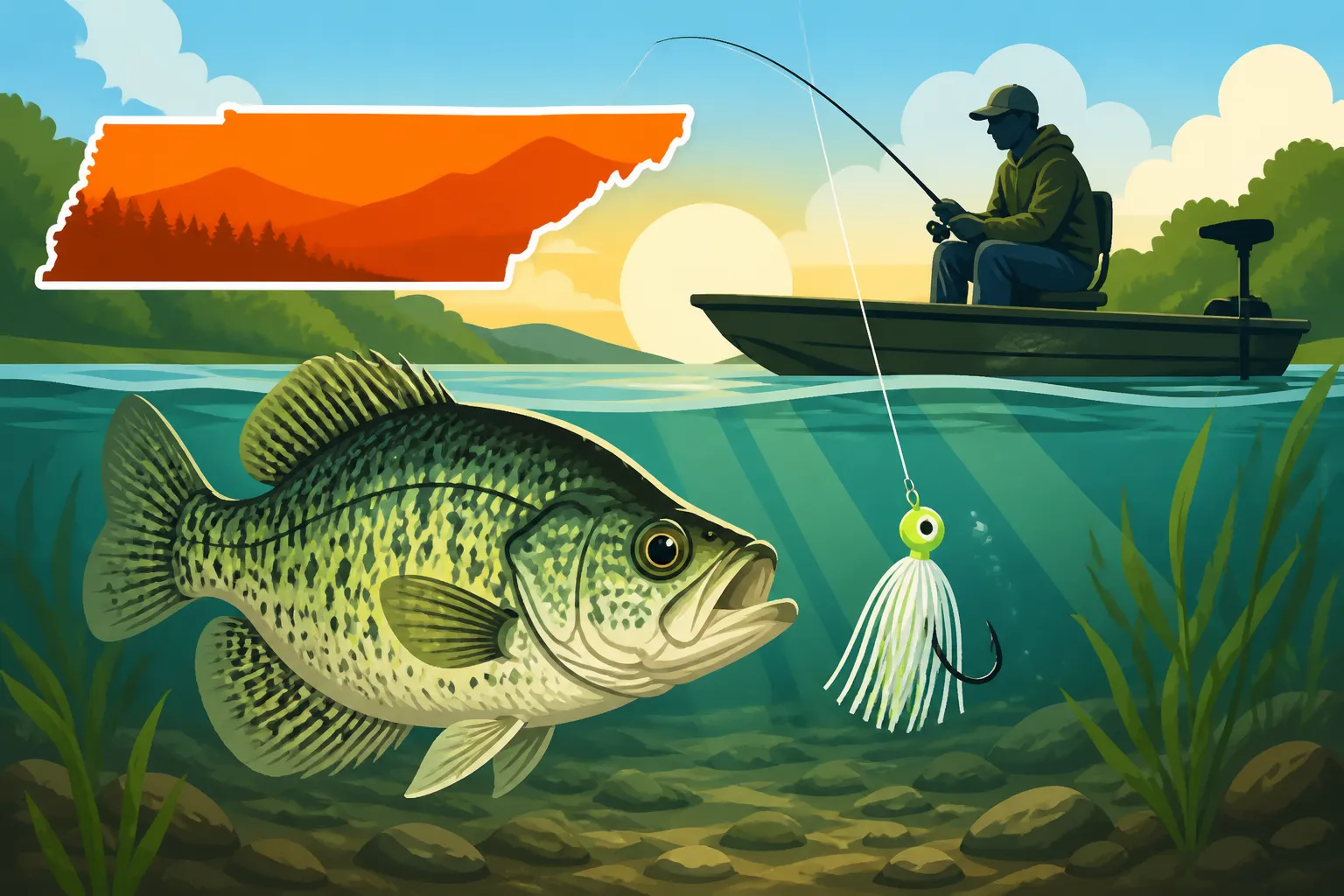
It’s a frustrating scenario many of us have faced: you know the crappie are supposed to be moving into the shallows, maybe for the spawn or chasing baitfish, but actually catching them there feels like a mystery. You see the brush piles, the lily pads, the docks, but your usual deep-water tactics just aren't cutting it. This guide is here to unravel that mystery, providing a comprehensive look at how to effectively jig for crappie in those skinny waters here in Tennessee, turning those frustrating outings into successful ones.
Understanding Shallow Water Crappie Behavior
Before you even think about tying on a jig, you need to get inside the head of a crappie. These fish aren't just randomly swimming around; they have motivations, just like us looking for a good meal or a comfortable place to hang out. Understanding why they go shallow and where they prefer to hide is your first step to success.
Why Crappie Move Shallow
Crappie, both black and white, are opportunistic feeders and structure-oriented fish, meaning they love cover. They don't just move to shallow water on a whim; there are usually a few key drivers. The most obvious, and perhaps most anticipated, reason is the spawn. As water temperatures begin to rise in early spring, usually when the water hits the mid-50s to low 60s Fahrenheit, crappie push into shallow areas to reproduce. They're looking for firm bottoms, often near some sort of cover like submerged brush, docks, or cypress trees, where they can build nests. This is a prime time to target them because they're concentrated and actively defending their territory.
Beyond the spawn, crappie will also venture shallow to feed. Baitfish, their primary food source, often congregate in shallower, warmer waters, especially during early mornings or late evenings. Shad, minnows, and small sunfish will seek refuge and food in these areas, and the crappie follow suit. Also, oxygen levels can be higher in certain shallow areas, especially those with some current or vegetation, making them more comfortable for fish. The time of day plays a huge role; bright, sunny midday conditions often push them deeper or into dense shade, while overcast days or lower light periods like dawn and dusk can bring them right up to the surface.
Key Shallow Water Structures to Target
Crappie love cover like a teenager loves their phone – they just can't get enough of it. When they're in shallow water, they're almost always associated with some form of structure. This could be natural or man-made, but the key is that it provides them with protection from predators, shade from the sun, and an ambush point for unsuspecting baitfish.
Think about places like laydowns – those fallen trees that extend into the water. Crappie will hold tight to the branches, especially where the water depth changes along the trunk. Brush piles, whether natural or intentionally placed by anglers, are also crappie magnets. Docks and piers, particularly older ones with lots of pilings and submerged debris, offer fantastic overhead cover and shade. Don't overlook aquatic vegetation either, such as lily pads, cattails, or submerged grass beds. These provide excellent cover and harbor abundant baitfish. The edges of these vegetation lines, where the open water meets the plants, are often key feeding lanes. Understanding "Crappie Fishing Season in Tennessee Lakes" can help you pinpoint when they are most likely to be in these shallow areas.
Reading the Water for Crappie Signs
Sometimes, the crappie will give themselves away if you know what to look for. One of the clearest signs of crappie activity in shallow water is the presence of their food source. If you see schools of small baitfish flickering on the surface, or if you notice minnows jumping near cover, there's a good chance crappie are lurking nearby. Birds diving into the water can also indicate a baitfish school, and therefore, potentially crappie below.
Water clarity is another big indicator. In clear water, crappie can be incredibly spooky, so a stealthier approach is required. You might see them darting away from your boat or shadow. In stained or slightly muddy water, they tend to be less wary and might hold closer to cover, making them easier to approach. Look for subtle ripples or disturbances near structure that aren't caused by wind, which could be a crappie feeding or a school moving. Pay attention to changes in bottom contour as well; even a subtle drop-off from 3 feet to 5 feet can hold a surprising number of fish.
Essential Gear for Shallow Water Jigging
Okay, so you know why crappie go shallow and where they hide. Now, let's talk about the tools of the trade. Having the right gear isn't just about catching fish; it's about making the experience enjoyable and increasing your efficiency, especially when trying to present a tiny jig precisely.
Rods and Reels for Precision Jigging
When you're jigging in shallow water, especially around tight cover, precision and sensitivity are paramount. You're not casting a mile; you're often making short, accurate pitches or drops. This calls for a specific type of rod and reel setup. For rods, think light action, or even ultralight. A rod in the 5 to 7-foot range with a fast or extra-fast tip is ideal. This sensitive tip allows you to feel those incredibly subtle crappie bites, which can sometimes feel like nothing more than a slight "tick" or added weight on your line. A longer rod, say 7 feet, can give you better line control and allow you to reach further into cover from a distance, while shorter rods offer greater accuracy for close-quarters combat. You can find excellent options on Amazon, often in combo packs.
For reels, a small, lightweight spinning reel (typically a 1000 or 2000 series) that balances well with your chosen rod is perfect. Spinning reels are generally easier for making accurate casts with light jigs and prevent the backlashes that can plague baitcasters with such light presentations. When it comes to line, you have a few choices. Monofilament line (4-6 lb test) is a classic for its stretch, which can act as a shock absorber for aggressive crappie, and its subtle presentation. Fluorocarbon (4-6 lb test) is nearly invisible underwater and offers better sensitivity, but it has less stretch. Braided line (6-10 lb test) with a fluorocarbon leader (4-6 lb test) provides maximum sensitivity and strength for pulling fish out of thick cover, but the lack of stretch can sometimes rip small hooks out of a crappie's paper-thin mouth. Many anglers choose the mono or fluoro for crappie due to their mouth structure.
The Right Jigs and Baits
This is where the magic happens! Shallow water crappie often respond best to smaller, more subtle presentations.
For jig heads, you're generally looking at lighter weights, typically 1/32 ounce to 1/16 ounce. If the water is super calm and shallow (1-3 feet), a 1/32 ounce jig head can be deadly. It falls slowly, giving the crappie plenty of time to react. In slightly deeper shallow water (4-6 feet) or if there's a light breeze or current, a 1/16 ounce jig head provides enough weight for control without sacrificing the slow, enticing fall. On windy days, you might even bump up to 1/8 ounce just to maintain contact and control, but this is less common in truly shallow scenarios.
Soft plastic bodies are the go-to for crappie jigs. Small grubs (often 1-2 inches), tube jigs, and minnow-imitation plastics are all excellent choices. The action of the tail on a grub or the subtle quiver of a tube jig can be irresistible. Color selection is crucial and can change based on water clarity and light conditions. In clear water, natural colors like smoke, clear with glitter, or light greens tend to work well. In stained or murky water, brighter colors like chartreuse, orange, or white often stand out better. You might find a great variety of "Best Jig Colors for Spring Crappie" online. Sometimes, a dark color like black or junebug can be surprisingly effective on bright, sunny days when crappie are looking up at the silhouette against the light. Don't be afraid to experiment! While plastics are dominant, don't forget about live bait alternatives. A small live minnow hooked through the lip or back, fished under a bobber with a tiny split shot, is still one of the most effective crappie baits, especially for finicky fish.
Essential Accessories
Beyond your rod, reel, and jigs, a few accessories can make a world of difference in your shallow water crappie fishing.
Bobbers, both fixed and slip, are indispensable. Fixed bobbers are great for precise depth control in very shallow water, where you don't need to cast far. Slip bobbers allow you to fish deeper presentations with easier casting. A small pair of pliers or forceps is a must-have for safely removing hooks. Line clippers are far superior to teeth for snipping line. A measuring tape or bump board is important to ensure your catch meets the "Crappie Limits Under Tennessee Fishing Rules". And if you plan to keep your catch, a cooler with ice or a livewell is essential to keep them fresh.
A good landing net with a soft, rubberized mesh can prevent snagging hooks and protect the delicate scales and slime coat of the crappie you intend to release. A headlamp can be invaluable for early morning or late evening trips. Finally, a small tackle bag or box to organize your jig heads, soft plastics, and other small terminal tackle will keep you efficient on the water, rather than fumbling around when the bite is hot. When stocking up on your "Best Tackle for Tennessee Crappie Fishing", checking out retailers like Amazon can save you time and money.
Mastering Shallow Water Jigging Techniques
Now that you're geared up and have a sense of where crappie should be, it's time to talk tactics. Jigging for crappie in shallow water isn't just about throwing a lure out; it's about presentation, subtle movements, and reading the fish's mood.
Casting and Presentation
Accuracy is key when fishing shallow cover. Often, the crappie will be holding tight to a log, a dock piling, or the edge of a lily pad patch. You need to be able to place your jig precisely where they live. Underhand pitches or roll casts work well for quiet, accurate presentations with minimal splash. Avoid big, splashy casts that can spook fish in shallow water.
Once your jig hits the water, controlling its fall is critical. Crappie often strike on the initial drop, mistaking the falling jig for a dying minnow. Keep a semi-slack line, allowing the jig to fall naturally, but watch your line closely for any twitches, pauses, or sudden movements that indicate a bite. If you're fishing near a vertical piece of cover like a dock piling or bridge support, try to drop your jig directly alongside it, letting it fall slowly into the strike zone. Remember, crappie are ambush predators; they won't chase a bait far in shallow water, so you need to bring the bait to them. Being quiet in your approach, whether from a boat or the bank, is vital. Small electric trolling motors for boat positioning are excellent for shallow water stealth.
Jigging Actions and Retrieves
There's no single "best" way to jig for crappie; success often comes from experimenting with different actions and retrieves until you find what the fish want on a given day.
- Vertical Jigging: This is effective when you're directly over a brush pile or a submerged tree. Drop your jig straight down, let it hit the bottom (or just above the cover), then slowly lift and drop your rod tip, imparting a subtle jigging motion. Keep your eye on your fish finder if you have one, or just feel for the cover.
- Slow Retrieve with Twitches: After casting, let your jig sink to your desired depth. Then, begin a very slow, steady retrieve, occasionally twitching your rod tip gently. This makes the jig dart and pause, mimicking an injured baitfish.
- Pausing: Don't underestimate the power of a pause. Crappie are notorious for hitting a jig as it pauses or starts to fall again after a twitch. Sometimes, just letting the jig hang motionless for a few seconds is all it takes.
- Dead Sticking: In colder water or when crappie are particularly lethargic, simply casting your jig out, letting it sink to the target depth, and then holding it perfectly still can trigger a strike. The subtle action of the plastic in the water might be enough.
Remember to vary your retrieve speed, the height of your jigging motions, and the length of your pauses. One day they might want an aggressive jig, the next a barely moving bait. Knowing "How to Jig for Crappie" generally is a good start, but shallow water adds a layer of finesse.
Using a Bobber Effectively
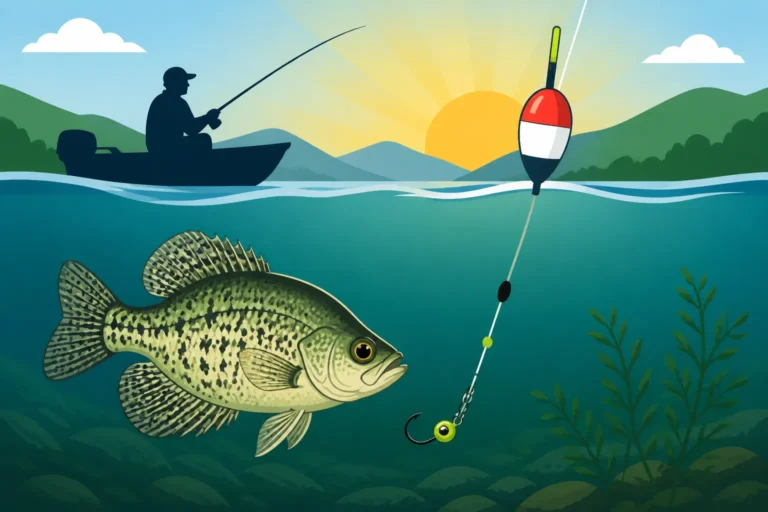
Using a bobber with your jig in shallow water is a game-changer for many anglers, especially when the crappie are spread out or less aggressive. A bobber allows you to present your jig at a consistent depth, which is vital when fish are holding in a specific water column.
There are two main types:
- Fixed Bobbers: These are perfect for very shallow water, typically 2-5 feet deep. You simply slide the bobber up your line to set the jig's depth, and it stays fixed. They're great for casting short distances and keeping your bait exactly where you want it.
- Slip Bobbers: For slightly deeper shallow water (say, 5-8 feet) or when you need to cast further, a slip bobber is ideal. A bobber stop (a small piece of string or rubber) is tied on your line to set the depth, allowing the bobber to slide freely down to your jig during casting, and then float up to the stop once it's in the water. This makes casting much easier.
With a bobber, you can cast your jig to a piece of cover, let it sit, and then impart subtle twitches by gently moving your rod tip. The bobber will dip, dance, and signal even the lightest bites. It's also excellent for windy conditions, as it helps keep your bait in place and allows you to detect bites that might otherwise be lost in the wind's effect on your line. Furthermore, when fishing with kids, a bobber is often the easiest way to keep them engaged and simplify bite detection. Consider the advantages of a "One-Day License vs Annual License: Which Costs Less" if you're only making a short trip but want to try out different setups.
Seasonal and Environmental Considerations
Just like the leaves change colors, crappie behavior shifts throughout the year. What works in spring might not be as effective in summer, and environmental factors like water clarity and weather can also dictate your approach.
Spring Crappie in the Shallows
Spring is arguably the prime time for shallow water crappie jigging. The water warms up, and the crappie move in to spawn.
- Pre-Spawn: As water temperatures climb into the low 50s, crappie will stage in slightly deeper water adjacent to their spawning grounds, often 6-10 feet deep. They'll make short forays into the shallows to test the water temperature and feed aggressively. Target points, channels leading into coves, and the mouths of creeks.
- Spawn: Once water temperatures consistently hit the mid-50s to low 60s, crappie are on their beds in 1-5 feet of water. This is when they're most concentrated and actively defending their nests. Look for them around wood, brush, lily pads, and especially the sunny side of docks. For a deeper dive, check out "Spring Crappie Spawn Timing in Tennessee". They can be very aggressive, but also finicky. Sometimes they'll inhale a jig, other times they'll just "thump" it.
- Post-Spawn: After the spawn, crappie, especially the females, will move back to slightly deeper water to recover, but the males might linger for a while. They become less aggressive, and you might need a slower, more subtle presentation. They'll often be found suspended near submerged brush or timber, still close to those shallow spawning flats.
Summer and Fall Shallow Water Opportunities
While spring is famous, don't write off the shallows in summer and fall!
In summer, as water temperatures soar, crappie generally retreat to deeper, cooler water during the day. However, early mornings, late evenings, and even night fishing can bring them back into the shallows to feed. Look for them in shaded areas, under thick canopies of trees overhanging the water, or deep under docks where it's cooler. They'll often cruise along drop-offs or humps that extend into shallow water, ambushing baitfish. Understanding "How to Find Crappie in Summer" is critical during these warmer months, as their patterns shift dramatically.
Fall is another fantastic time for shallow water crappie. As water temperatures begin to cool, crappie become much more active. They'll follow baitfish into shallower creeks, coves, and flats as those baitfish move into these areas. They're often feeding heavily, preparing for winter, making them very catchable. Target brush piles, channel swings, and cover where baitfish are concentrated. They might be a bit deeper than their spring counterparts, but still firmly in what most would consider "shallow" water, often 5-10 feet.
Dealing with Water Clarity and Weather
Environmental factors can greatly impact your shallow water strategy.
- Water Clarity: In clear water, crappie rely heavily on sight, but they can also see you. Use natural jig colors (smoke, clear, light green), lighter line (4 lb test fluorocarbon or mono), and make longer casts to avoid spooking them. A stealthy approach is crucial. In stained or muddy water, visibility is low, so crappie rely more on vibration and scent. Brighter jig colors (chartreuse, orange, white, black/chartreuse) and those with strong profiles become more effective. Adding a scent attractant can also help.
- Weather: Wind can make boat control and jig presentation tricky, but it can also position baitfish and crappie along wind-blown banks. Use heavier jigs (1/16 oz) or a bobber to maintain control. Rain can sometimes turn on a bite, especially a light, steady rain, as it washes nutrients and insects into the water and can break up the surface, making fish less wary. However, heavy downpours can muddy the water, requiring adjustments. Cold fronts are notorious for shutting down crappie bites. After a cold front, crappie often become lethargic and move deeper or burrow into the thickest cover. A much slower, more subtle presentation, or even dead-sticking your jig, might be required. They'll often be finicky, so smaller jigs and natural colors might tempt them.
Best Spots for Shallow Water Jigging in Tennessee
Tennessee is blessed with an abundance of fantastic crappie lakes, many of which offer superb shallow water opportunities throughout the year, especially during the spring spawn and fall feeding binges. While crappie can be found in almost any public water body, some spots are simply renowned for their shallow water crappie fishing.
West Tennessee is famous for its shallow-water crappie action. Reelfoot Lake, a natural cypress-studded lake, is a prime example. Its shallow, stump-filled waters are crappie heaven. Anglers often navigate through cypress trees, pitching jigs to the base of the trees or into dense lily pad fields. Kentucky Lake, particularly its northern reaches on the Tennessee side, is another powerhouse. While known for its ledges, during the spring, its numerous bays and creeks offer incredible shallow water crappie fishing around submerged brush, docks, and flooded willows. Areas around Big Sandy or New Johnsonville can be very productive.
Moving towards Middle Tennessee, Percy Priest Lake near Nashville might surprise some, as it's often considered a deeper lake. However, its many coves and backwaters, particularly those with flooded timber or brush piles, offer excellent shallow water crappie fishing, especially in spring. Old Hickory Lake, also near Nashville, with its abundant laydowns, docks, and creek channels, is another consistent producer for shallow crappie. You can often find "Where to Catch Crappie on Old Hickory Lake, Tennessee" in the spring by targeting the secondary creek arms and shallow flats.
In East Tennessee, larger reservoirs like Watts Bar Lake and Chickamauga Lake, while famous for their bass, also hold incredible crappie populations. Their numerous backwater areas, creek mouths, and shallow coves, especially around flooded timber and docks, can be excellent for shallow jigging. Norris Lake, with its clear waters, might require a more subtle approach, but its abundant coves and brushy areas can be very productive, particularly after a rain or during low light conditions when crappie feel more comfortable moving shallow. For specific spots, checking resources like "Best Crappie Fishing Lakes in Tennessee" can provide tailored recommendations.
When you're out there, always keep an eye out for fresh water, whether it's a small stream entering the main lake or run-off after a rain. These areas often attract baitfish and, consequently, crappie. And remember, shallow water crappie can be anywhere from a foot to ten feet deep, so always be prepared to adjust your jigging depth, even within a single piece of cover. Don't forget that "How to Catch Crappie From the Bank" is also a viable option in many of these shallow areas, especially if you focus on accessible docks or shorelines with cover.
| Jig Head Weight | Condition / Depth | Soft Plastic Size | Common Colors (Clear Water) | Common Colors (Stained Water) |
|---|---|---|---|---|
| 1/32 oz | 1-3 ft, Calm, Finicky | 1-2 inches | Smoke, Chartreuse/Pearl | Chartreuse, White |
| 1/16 oz | 3-6 ft, Light Breeze/Current | 1.5-2.5 inches | Pearl, Light Green/Glimmer | Chartreuse, Orange, Black/Chartreuse |
| 1/8 oz | 5-8 ft, Moderate Wind/Current | 2-3 inches | Natural Minnow, Black | Red/Chartreuse, Dark Green |
Disclaimer
Fishing conditions and regulations in Tennessee can change. Always check the latest Tennessee Wildlife Resources Agency (TWRA) regulations before heading out on the water. This guide is for informational purposes only and does not supersede official regulations. Stay safe and enjoy your time on the water!