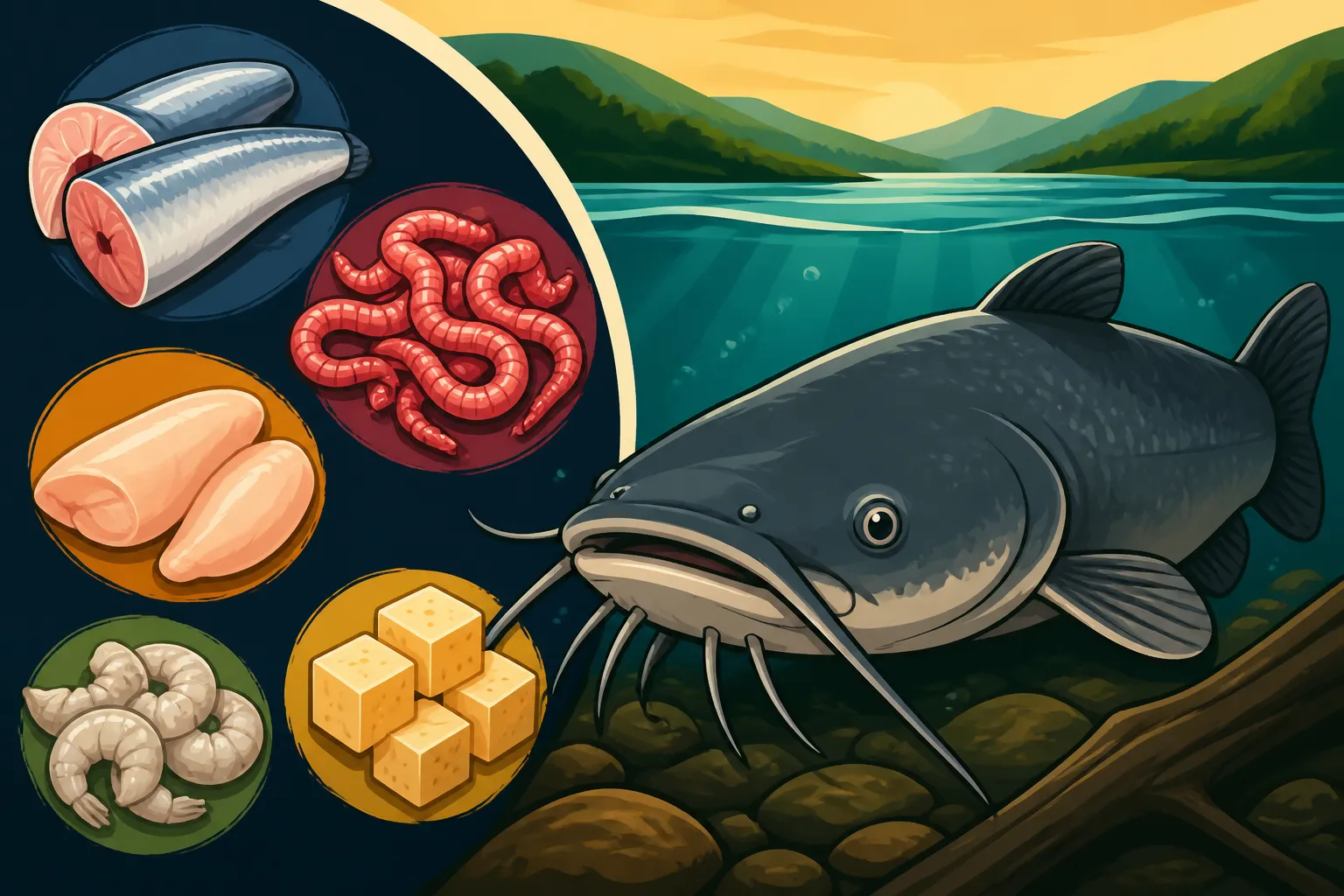
Best Bait for Bottom Fishing Catfish
There's nothing quite like the thrill of feeling that solid thump on your line when you're bottom fishing for catfish, but let's be honest, sometimes it feels like they're just not interested in what you're offering. It can be incredibly frustrating to spend hours waiting, only to reel in an empty hook. This guide is all about cutting through that frustration, diving deep into the world of catfish baits, and helping you discover the most effective options for bottom fishing specifically in Tennessee's diverse waters, ensuring your next trip is packed with more catches and fewer head-scratching moments.
Understanding Catfish and Bottom Fishing in Tennessee
Catfish are fascinating creatures, known for their powerful fights and delicious fillets. But to consistently catch them, especially when you're targeting them on the bottom, you need to understand their habits and preferences. Bottom fishing is a classic and highly effective method for these whiskered wonders, tapping into their natural feeding behaviors.
Why Catfish Love the Bottom
Imagine the bottom of a lake or river—it’s a bustling buffet for catfish. They are primarily scavengers and opportunistic predators, with an incredible sense of smell and taste, thanks to those long whiskers (barbels). These barbels are packed with chemoreceptors, allowing them to detect food particles and scents even in murky water or low light conditions. The bottom of the water column is where decaying organic matter settles, where smaller baitfish often hide or forage, and where many insects and crustaceans live. For a catfish, this is prime hunting ground.
They're built for it, too. Their flat undersides and downturned mouths are perfectly designed for rooting around in the muck, sand, or gravel. Unlike sight-dependent predators that chase bait near the surface, catfish are masters of the dark, using their senses to home in on a meal sitting right on the lakebed. When you present your bait directly on the bottom, you're essentially putting it exactly where they expect to find their next meal, making your offering incredibly appealing. This is especially true for larger species like blue and flathead catfish, which often patrol deeper, bottom-oriented structures.
Gear Up for Bottom Success
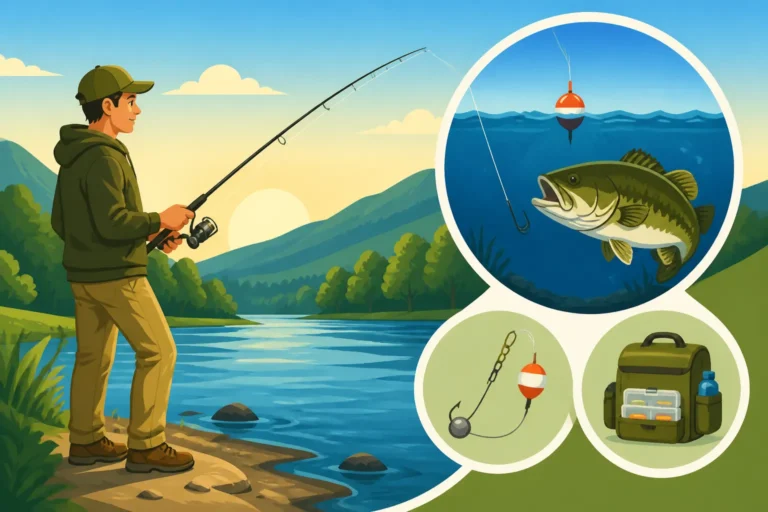
While the focus here is on bait, it’s worth a quick mention that your rig plays a huge role in successful bottom fishing. You don't want your bait floating off into the mid-water column when the fish are down low. A good bottom rig ensures your bait stays exactly where the catfish are feeding. The most popular choice for many Tennessee anglers is the Carolina Rig, which uses an egg sinker or bullet weight sliding freely on your main line, above a swivel, and then a leader to your hook. This setup allows the fish to pick up the bait without feeling the weight of the sinker, leading to a more natural presentation and fewer dropped baits.
Another excellent option, especially in current, is a three-way swivel rig, which lets you attach a weight to one eye, your main line to another, and your leader with bait to the third. For serious trophy hunters, a Santee-Cooper rig is a modified Carolina rig that adds a float just above the hook to keep your bait slightly off the bottom, preventing it from getting buried in silt or weeds, while still remaining in the bottom zone. Understanding these basic rigging principles for Catfish Bottom Fishing Basics will undoubtedly increase your chances once you've picked the perfect bait.
The Best Natural Baits for Tennessee Catfish
When it comes to catfish, Mother Nature often knows best. Natural baits, whether live, cut, or otherwise organic, are incredibly effective because they mimic what catfish already eat. It's about tapping into their instinctual feeding patterns.
Live and Fresh Cut Bait: The Classics
Nothing beats the real thing for a hungry catfish. Live bait offers scent, movement, and a realistic profile that can be irresistible. Cut bait, on the other hand, broadcasts a powerful scent trail that catfish can follow from a remarkable distance.
-
Shad: If there's one bait that Tennessee catfishermen swear by, it's shad. Both gizzard shad and threadfin shad are absolute dynamite, especially for trophy-sized blue and flathead catfish in large reservoirs like Kentucky Lake or Chickamauga Lake. Live shad are fantastic, but fresh cut shad is often even better for bottom fishing. The oils and blood released from cut sections create an irresistible scent plume that travels far. When using cut shad, make sure your pieces are proportionate to the size of fish you're targeting—smaller strips for channel catfish, and larger chunks, heads, or entire halves for big blues and flatheads. The key is freshness. Don't use shad that's been frozen and thawed multiple times; the fresher, the better. You can catch your own shad with a cast net, or sometimes find it at local bait shops.
-
Bluegill & Other Panfish: Another incredible live and cut bait option, especially for flatheads, is bluegill. Flatheads are notorious for preferring live bait, and a lively bluegill hooked through the back or lips is often their undoing. For blue and channel catfish, cut bluegill can be just as effective as cut shad. Remember to check local regulations on using game fish as bait; in Tennessee, you can use legally caught panfish as bait, but they must adhere to all size and creel limits. Using a small, legal bluegill on a sturdy hook can entice some truly massive fish. Look for areas with dense structure where catfish might be lurking, then present your live bluegill near the bottom.
-
Eels: While not as common as shad or bluegill, eels can be an outstanding bait for monster blue and flathead catfish, particularly in the larger river systems like the Tennessee River or Cumberland River. Their tough, oily flesh and strong scent make them appealing. Eels are often used as cut bait, in chunks, and are known to attract some of the biggest specimens. They are less readily available than other baits but can be a secret weapon for those targeting true giants.
Natural Scents and Enticements
Sometimes, it's not about the live wriggle but the powerful aroma. These baits might not swim, but their scent profile is exactly what a catfish is looking for when grubbing around on the bottom.
-
Chicken Liver: Oh, the classic chicken liver! It's messy, it's stinky, and catfish absolutely adore it, especially channel catfish. The soft texture and strong blood scent make it incredibly attractive. The challenge with chicken liver is keeping it on the hook. Many anglers use small treble hooks or wrap the liver with a piece of pantyhose or netting to prevent it from flying off on the cast or being easily nibbled away. You can find chicken liver at pretty much any grocery store, making it a convenient and affordable option. For added appeal, some anglers will "doctor" their liver by letting it sit in garlic salt or even Jell-O overnight. This enhances the scent and toughens it up slightly.
-
Nightcrawlers & Worms: Good old worms are a universal bait, and catfish are certainly no exception. A big, juicy nightcrawler or a cluster of smaller redworms can be highly effective, particularly for channel catfish and smaller blues. The continuous wiggling motion and natural earthy scent are very appealing. When bottom fishing, thread a worm onto a hook, leaving a good portion dangling, or try a "wacky rig" style where you hook it once through the middle, allowing both ends to writhe freely. Worms are easy to come by, either by digging in your backyard or purchasing them from any bait shop. They are especially good for new anglers or kids, offering consistent bites. You can learn more about Best Bait for Bluegill and Panfish if you're looking for other small, easy-to-manage baits that might cross over for catfish.
-
Shrimp: Raw, peeled shrimp, especially the cheaper, smaller varieties from the grocery store, can be a surprisingly effective catfish bait. They have a natural scent that catfish find appealing, and their firm texture means they stay on the hook better than chicken liver. You can use whole shrimp or cut them into chunks, depending on the size of catfish you're targeting. Some anglers will let shrimp sit out for a short while to "ripen" before using them, increasing their pungent appeal. This is a great alternative when you can't get your hands on fresh shad or bluegill.
Prepared Baits: The Scent Trail Specialists
While natural baits are hard to beat, there's a whole world of prepared baits designed specifically to exploit a catfish's incredible sense of smell. These often feature potent, long-lasting scents that can call fish in from a considerable distance.
Stink Baits and Punch Baits
This category is probably what most people think of when they hear "catfish bait," and for good reason—they work! Stink baits, as their name suggests, are formulated with powerful, often foul-smelling ingredients that catfish find irresistible.
-
Stink Baits: These come in various forms: pastes, doughs, and dips. The common thread is their intense, lingering odor. They often contain aged cheese, blood, fish guts, and other potent attractants. To use stink bait, you typically need a specialized bait holder, such as a plastic worm with a small sponge or a spring-loaded treble hook designed to hold the gooey bait. Some popular brands offer pre-made stink baits that are ready to go. The beauty of stink bait is its staying power; it slowly dissolves, releasing a continuous cloud of scent on the bottom, drawing in curious catfish. These are particularly effective for channel catfish in lakes and slower-moving rivers.
-
Punch Baits: Similar to stink baits but often thicker and more fibrous, punch baits are meant to be "punched" onto a bare treble hook. They usually contain cotton fibers or other binders that help them adhere to the hook, allowing for longer casts and better staying power in current. You press your treble hook into a tub of the bait, twist, and pull, and a wad of bait adheres to the hook. They release a strong, oily scent trail and are known for attracting good numbers of channel catfish. Just like stink baits, they come in various pungent flavors, each angler having their personal favorite. Specialized bait holders and scent enhancers are also widely available on Amazon.
Dough Balls and Commercial Options
Beyond the truly stinky options, there are other prepared baits that offer different consistencies and scent profiles, often aimed at a broader range of catfish or ease of use.
-
Dough Balls: These are often made from flour, cornmeal, cheese, and various flavorings (garlic, anise, or even Kool-Aid). They are soft enough to mold around a hook but firm enough to stay on. While not as "stinky" as dedicated punch baits, they still release an enticing aroma into the water. Many anglers swear by their secret family recipe for homemade dough balls. They're particularly effective for channel catfish and bullheads, and their softer texture means fish can engulf them easily. You can often find commercial versions of these, too, if you're not into making your own.
-
Marshmallows: Believe it or not, plain old marshmallows can catch catfish! While they don't have a strong natural scent, they float slightly, which can lift your bait off the bottom just enough to be visible and accessible in soft mud. Many anglers will "doctor" marshmallows by soaking them in fish attractants, garlic juice, or even cooking extracts to infuse them with scent. They're inexpensive, easy to use, and can be surprisingly effective for smaller channel catfish and bullheads, especially when combined with a worm or piece of corn.
-
Hot Dogs: Another surprising, but effective, option! Cut into chunks, hot dogs have a good texture to stay on the hook and a processed meaty scent that catfish seem to enjoy. You can enhance their appeal by soaking them in garlic powder or commercial fish attractants. Hot dogs are incredibly convenient and affordable, making them a great last-minute bait choice or something to keep in your cooler as a backup. They're generally most effective for channel catfish.
Matching Your Bait to Tennessee Waters and Species
Choosing the "best" bait isn't a one-size-fits-all answer. What works wonders in a muddy river might fall flat in a clear lake. The type of catfish you're targeting, the time of year, and even the water conditions all play a crucial role in bait selection.
Bait Choices for Different Catfish Species
Tennessee is home to a fantastic variety of catfish, each with its own preferred diet. Knowing what you're after helps narrow down your bait selection significantly. You might be interested in Catfish Species Found in Tennessee Waters to get a better understanding of what swims below.
-
Channel Catfish: These are the most common and often the most eager biters. They're not particularly picky and are drawn to strong scents. Chicken liver, stink baits, punch baits, cut shad, shrimp, and nightcrawlers are all excellent choices. If you're fishing a local pond or smaller river, a simple worm or chicken liver on a slip sinker rig will often do the trick. For lakes like Percy Priest Lake, these generalist baits will serve you well.
-
Blue Catfish: The big bruisers of Tennessee waters! Blue catfish are predominantly piscivores, meaning they love to eat other fish. For blues, fresh cut bait—especially shad, skipjack herring, or even cut bluegill—is king. The fresher, the better. Live bait can also be effective, but the scent trail of fresh cut bait is often what draws in the biggest blues from a distance. Target deep channels and river bends in large reservoirs like Watts Bar Lake. For larger fish, try big chunks of cut bait. If you're wondering How Big Do Channel Catfish Get in Tennessee Lakes?, blues can grow significantly larger.
-
Flathead Catfish: These are the most predatory of the three main species and strongly prefer live bait. A lively bluegill, shad, or sunfish hooked through the back or lips is often the most effective bait for flatheads. They are ambush predators and are less likely to respond to stink baits or even cut bait compared to blues or channels. Focus on areas with heavy cover, submerged timber, or rocky bottoms in rivers and larger creeks. A well-placed live bait near their lair is your best bet for these elusive giants. They are often found in places like Pickwick Lake.
Here's a quick comparison of popular catfish baits for Tennessee:
| Bait Type | Best For | Key Advantage | Best Season | Rigging Tip |
|---|---|---|---|---|
| Fresh Cut Shad | Blue, Channel | Powerful scent trail, natural | All Year | Large hook, leave skin on for durability |
| Live Bluegill | Flathead, Large Blue | Irresistible movement, natural | Warm Months | Hook through back or lips, sturdy leader |
| Chicken Liver | Channel | Intense blood scent, affordable | Warm Months | Small treble hook, use mesh/pantyhose |
| Stink/Punch Bait | Channel | Long-lasting scent, easy to use | Warm/Mild | Specialized bait holder or spring treble hook |
| Nightcrawlers | Channel, Bullhead | Natural appeal, universal | All Year | Thread on hook, leave ends dangling for movement |
| Shrimp (Raw) | Channel, Small Blue | Natural scent, good texture | All Year | Cut into chunks, soak in attractant |
Seasonal and Water Condition Considerations
The time of year and the prevailing water conditions will also influence what bait performs best.
-
Warm Water (Spring/Summer): This is prime time for catfish, and they are actively feeding. Their metabolism is high, and they're more aggressively seeking food. Strong-smelling baits like chicken liver, stink baits, and fresh cut bait will be incredibly effective. Live baits are also at their liveliest and most appealing during these months. This is when you can expect the most action, and perhaps even catch some pre-spawn blues or channels. Knowing the Best Time of Year to Catch Catfish can make a significant difference in your success.
-
Cooler Water (Fall/Winter): As temperatures drop, catfish metabolism slows down, and they become less active. While they still need to eat, they might not travel as far for a meal. During these times, focus on more subtle, natural baits like fresh cut shad or live bait. The scent trail of cut bait is still effective, but you might need to present it more directly to the fish, often in deeper holes where they congregate. Less-aggressive stink baits might still work, but their effectiveness can wane.
-
Clear Water: In clear water, fish tend to be more wary of unnatural presentations. While scent is still paramount, the visual aspect can play a bigger role. Live baits or very fresh, natural-looking cut baits might outperform brightly colored stink baits. Focus on more natural colors and ensure your rigging is as stealthy as possible.
-
Muddy Water: This is where catfish truly shine, and so do strong-smelling baits. The turbidity reduces visibility, making a catfish's sense of smell even more critical. Stink baits, punch baits, and super-fresh, bloody cut bait are absolutely phenomenal in muddy water. The powerful scent can cut through the murky conditions and lead catfish directly to your hook. How to Catch Catfish in Muddy Water explores this in more detail.
Presentation Matters: Rigging for Success
Even the best bait won't work if it's not presented correctly. When bottom fishing for catfish, your goal is to make the bait accessible and appealing.
-
Hook Size: Match your hook size to your bait and the size of catfish you expect to catch. Generally, a larger, stronger hook is needed for catfish due to their tough mouths and powerful fighting abilities. Circle hooks are highly recommended because they are designed to hook in the corner of the fish's mouth, minimizing harm if you plan to release fish and often resulting in fewer lost fish.
-
Leader Material: Catfish don't have razor-sharp teeth like some predatory fish, but they can still be abrasive. A sturdy monofilament or fluorocarbon leader, heavier than your main line, is a good idea to prevent break-offs against their rough mouths or bottom structure.
-
Weight Selection: Use just enough weight to hold your bait on the bottom in the current conditions. Too much weight can make your presentation unnatural; too little, and your bait will drift away. Slip sinkers (egg sinkers or bullet weights) are popular as they allow the line to slide freely, letting the fish pick up the bait without feeling resistance.
-
Depth and Location: Catfish often relate to structure on the bottom, such as submerged logs, rock piles, ledges, and channel drop-offs. Use your sonar if fishing from a boat to identify these features. When bank fishing, look for current breaks, deeper holes near bends, or areas with overhead cover. Casting your bait strategically to these areas, especially where current brings food, is key. Think about the Best Spots to Catch Blue Catfish on Kentucky Lake – these often involve deep channels or bends in the main river.
By combining the right bait with the right rig and presenting it effectively in the right location, you'll significantly increase your chances of a successful catfish outing in Tennessee. Good luck out there!
Disclaimer
This article is for general informational purposes only and does not constitute professional advice. Laws, prices and regulations vary by location and change over time. Consult a qualified professional for guidance on your specific situation.