Chickamauga Lake, Tennessee’s Top Spot for Record Largemouth Bass
Every angler dreams of landing that one fish, the absolute giant that makes all the early mornings, tangled lines, and missed bites worthwhile. For many, that dream centers around a trophy largemouth bass. But if you’ve spent countless hours on lakes only to come up short, it can be incredibly frustrating, leaving you wondering if those monster bass are just myths. This comprehensive guide is here to tell you that not only are they real, but there's a particular lake in Tennessee where your chances of encountering one are exceptionally high: Chickamauga Lake. We're going to dive deep into why this specific body of water has become synonymous with record-breaking largemouth bass, and how you can prepare to tackle its legendary waters.
The Legend of Chickamauga Lake's Largemouth Bass
It's not just hype; Chickamauga Lake has truly earned its reputation as a big bass factory. For years, anglers have whispered about its potential, but in recent times, those whispers have turned into roars of excitement as record after record has been broken.
A Reputation Built on Giants
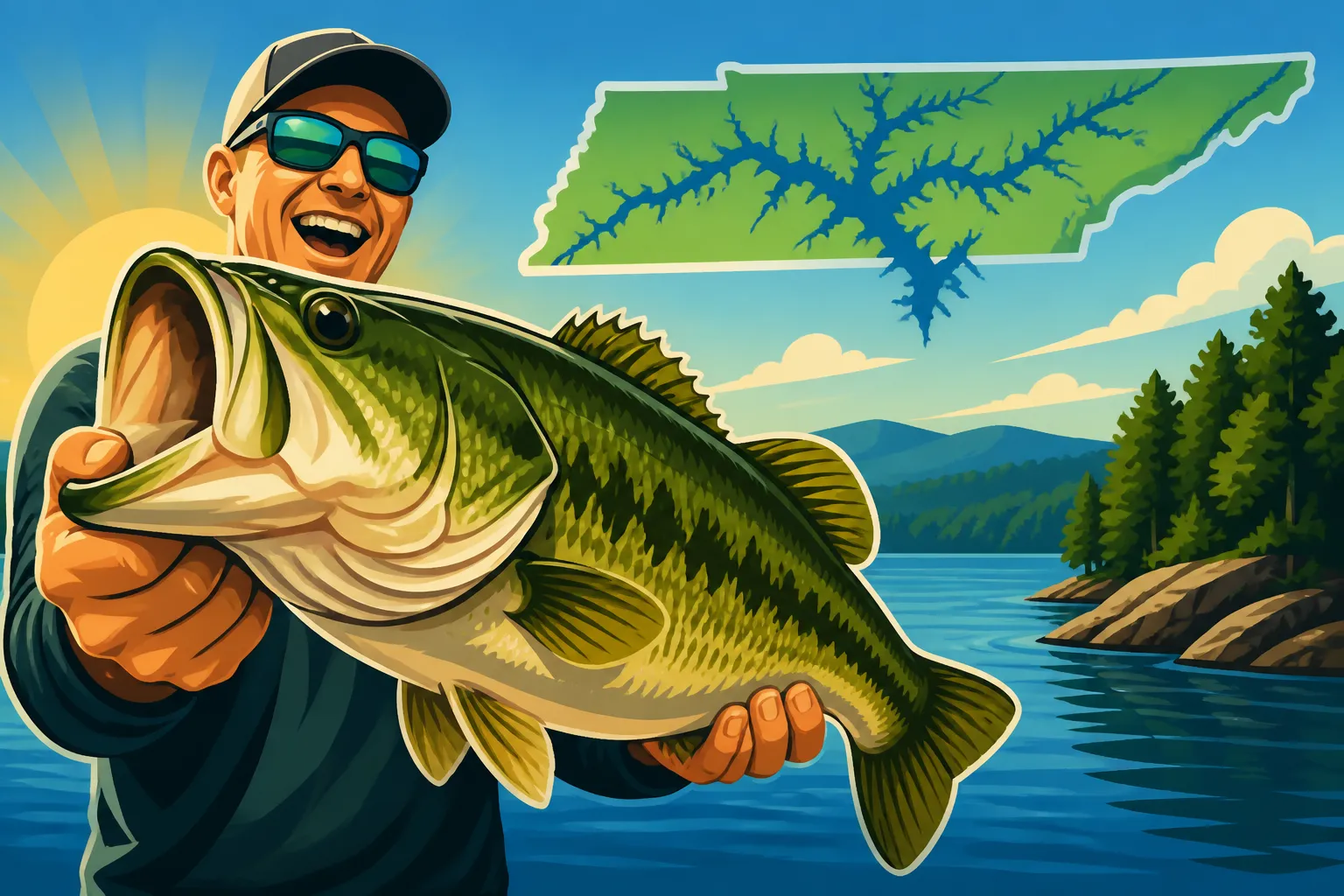
Chickamauga Lake, a sprawling impoundment on the Tennessee River, didn't become a household name in the bass fishing world overnight, but its ascent has been meteoric. In the last decade, this lake has consistently produced some of the largest largemouth bass caught in Tennessee, including numerous fish pushing and even exceeding the double-digit mark. This isn't just a handful of lucky anglers; it's a regular occurrence, turning tournaments into spectacles and drawing fishermen from all corners of the country. When you see photos circulating online of grinning anglers holding what look like small green footballs, there's a high probability that fish came from Chickamauga. The lake's notoriety has grown so much that it's often the first place serious bass anglers think of when planning a trip to the Southeast, especially if their goal is to land a true "hawg."
This consistent output of massive fish hasn't just come from chance; it's a testament to the lake's incredible ecosystem and the dedicated efforts of local wildlife management. Anglers who might feel discouraged by chasing ghosts on other lakes will find a renewed sense of hope here, knowing that the potential for a personal best is genuinely lurking beneath the surface. The pressure can be intense, with many boats on the water, but the reward often justifies the effort. There's an undeniable buzz that permeates the air at Chickamauga boat ramps, a shared expectation that today could be the day you hook into the fish of a lifetime.
Why Chickamauga Stands Apart
So, what makes Chickamauga Lake such a unique and prolific fishery for largemouth bass? It’s a combination of several critical factors that have converged to create a perfect storm for bass growth. Firstly, the lake boasts an incredibly diverse range of habitats. From vast, shallow hydrilla fields that stretch for miles, offering unparalleled cover and ambush points, to deep, rocky ledges and creek channels, there’s a place for bass to thrive in every season and condition. This structural variety means bass don't get "stuck" in one area; they can migrate and utilize different parts of the lake as their needs change throughout the year.
Secondly, and perhaps most importantly, is the phenomenal forage base. Chickamauga is teeming with threadfin and gizzard shad, crappie, bluegill, and various types of crayfish. This abundance of protein-rich food allows largemouth bass to grow at an astonishing rate. They don't have to expend excessive energy searching for food; it's readily available, enabling them to pack on pounds quickly. Combine this rich diet with relatively mild Tennessee winters, which allow for longer feeding periods, and you have a recipe for truly colossal bass. The sheer volume and quality of available prey distinguish Chickamauga from many other reservoirs, making it a genuine anomaly where 10-pound bass are not just possible, but increasingly probable. Understanding What Are Tennessee's 52 Recognized Sport Fish Species? helps illustrate the biodiversity supporting such a rich bass population.
Understanding Chickamauga's Productive Ecosystem
Delving deeper into the environmental factors helps clarify why Chickamauga has become the go-to spot for anglers seeking trophy largemouth bass. It's a finely tuned system where natural elements and thoughtful management coalesce to create an optimal environment.
Ideal Habitat for Growth
The sheer variety and quality of habitat on Chickamauga Lake are truly remarkable and play a pivotal role in nurturing its monster bass population. The lake features extensive main river channels with steep drops and subtle ledges that become critical staging areas for bass, especially during colder months or when they're transitioning between spawning and feeding grounds. Interspersed are vast, shallow flats that can hold anything from flooded timber to dense aquatic vegetation. It's these submerged forests of hydrilla, coontail, and milfoil that are often considered the crown jewels of Chickamauga's bass habitat. These weed beds provide incredible cover, protecting smaller fish from predators and offering ambush points for the larger bass. Imagine a labyrinth of green, stretching for acres, where bass can hide, hunt, and feel secure.
Beyond the vegetation, the lake also offers numerous rock piles, stumps, and rip-rap along its banks and bridge crossings. These hard structures attract baitfish and crayfish, which in turn draw in hungry largemouth. Anglers need to be prepared to fish a full spectrum of depths and cover types, from pitching heavy jigs into dense mats to dragging crankbaits along deep contours. This diversity ensures that bass have safe havens and abundant hunting grounds year-round, minimizing stress and maximizing their growth potential. The more comfortable and well-fed a bass is, the larger it can get.
Abundant Forage Base
A fish, much like any other animal, is only as healthy as its diet, and Chickamauga Lake offers a veritable buffet for its largemouth bass. The primary food sources fueling these giants are abundant populations of threadfin and gizzard shad. These schooling baitfish provide a constant, high-energy food supply throughout the year, allowing bass to grow rapidly without expending too much effort. When you consider the sheer volume of shad in Chickamauga, it’s easy to see how bass can quickly pack on the pounds needed to reach trophy size. It's not uncommon to see massive schools of shad flickering on your sonar, and where there's shad, there are usually hungry bass not far behind.
Beyond shad, the lake also hosts healthy populations of other panfish like bluegill and crappie, which serve as excellent secondary food sources. A big largemouth isn't shy about inhaling a substantial bluegill or even a smaller crappie if the opportunity arises. Additionally, crayfish are prevalent in the rocky areas and provide another crucial protein source, particularly for bass grubbing along the bottom. This diverse and rich forage base ensures that even the largest bass can find ample sustenance, directly contributing to their incredible size and robust health. This ecological wealth is a cornerstone of Chickamauga's success as a trophy fishery.
TWRA's Role in Management
The incredible fishery at Chickamauga Lake isn't purely a natural phenomenon; it's also a testament to the diligent and forward-thinking management practices of the Tennessee Wildlife Resources Agency (TWRA). Their commitment to sustaining and enhancing the lake's health has played a critical role in its rise to prominence. The TWRA regularly monitors fish populations, assessing growth rates, overall health, and reproductive success to ensure the ecosystem remains balanced and productive. This data-driven approach allows them to make informed decisions regarding regulations and habitat improvements.
While specific bass stocking programs aren't always necessary in such a fertile natural environment, the TWRA does engage in habitat enhancement projects. This could include adding beneficial aquatic vegetation, creating artificial structures, or managing water levels in coordination with the Tennessee Valley Authority (TVA) to optimize spawning conditions or forage availability. Crucially, the TWRA also sets and enforces fishing regulations, such as Tennessee's Largemouth Bass Limit Is 5 Per Day, Only 1 Over 18 Inches, which help protect the larger, older bass that contribute to the trophy potential. These regulations are designed to allow a certain number of fish to reach maturity and maintain a healthy age structure within the bass population. By protecting the breeding stock and ensuring a robust environment, the TWRA ensures that Chickamauga continues to produce the monster bass that anglers travel far and wide to catch. Their ongoing efforts are vital for the long-term sustainability of this world-class fishery.
Prime Largemouth Bass Hotspots on Chickamauga
Chickamauga is a large lake, and while bass can be found throughout its waters, certain areas and types of cover consistently produce bigger fish. Knowing where to focus your efforts can drastically improve your chances of success.
The Expansive Hydrilla Beds
If there's one defining feature of Chickamauga Lake's trophy bass habitat, it has to be the vast, sprawling hydrilla beds. These underwater jungles, often extending for miles in the lower and middle sections of the lake, are absolute magnets for big largemouth. The hydrilla provides unparalleled cover, shade, and ambush points, making it a perfect sanctuary for bass looking to avoid predators and hunt unsuspecting baitfish. Fishing these dense mats isn't for the faint of heart; it often requires specialized techniques and heavy tackle, but the rewards can be truly spectacular.
Anglers targeting these areas often employ methods like "punching" or "flipping." This involves using heavy tungsten weights (often 1-1.5 ounces or more) Texas-rigged with stout, weedless creature baits or jigs, and punching them directly through the thick mat of vegetation. The idea is to penetrate the canopy and present your bait to the bass lurking underneath. Frog fishing is another incredibly exciting and effective technique over these mats, especially in warmer weather. A topwater frog walked or popped across the surface can draw explosive strikes from bass hiding below. Locating the most active hydrilla – typically the areas with greener, healthier growth or subtle edges – is key. While challenging, mastering these techniques in the hydrilla is often the secret to landing a true Chickamauga giant.
Ledges and Drops on the Main Channel
While the hydrilla gets a lot of attention, the main river channel and its associated ledges and drops are equally crucial, especially during certain times of the year. As the water warms in summer and cools into fall and winter, bass often migrate from the shallower cover to these deeper, more stable environments. Here, they relate to the contours and structure of the old riverbed, staging on points, humps, and abrupt depth changes. These offshore structures act as highways and feeding zones, where bass can ambush schools of shad moving along the channel.
Fishing ledges effectively requires a keen understanding of electronics. A good fish finder with side imaging and detailed mapping is invaluable for identifying subtle breaks, brush piles, and even individual fish holding tight to the bottom. Techniques typically involve deep cranking with large crankbaits that can reach depths of 15-25 feet or more, slowly dragging football jigs, or using heavy Carolina rigs. The retrieve speed and bait presentation are critical; sometimes a slow, methodical drag is best, while other times a faster, more aggressive retrieve triggers strikes. Identifying key "sweet spots" on a ledge, such as a brush pile, a slight current break, or a hard-bottom patch, can be the difference between an empty livewell and a boat full of big bass. These deep-water tactics are essential for year-round success on Chickamauga, especially when the shallow bite slows down.
Creeks and Backwater Areas
Chickamauga Lake isn't just a main lake fishery; its numerous creeks and backwater areas also play a vital role in its productivity, particularly during the crucial spring spawning season. Creeks like Sale Creek, Wolftever Creek, and Harrison Bay, along with various other smaller coves and pockets, offer calmer, shallower waters that warm up faster than the main lake. This makes them prime locations for bass to move into for pre-spawn feeding and eventually, spawning. The protected nature of these areas also shields them from strong winds and current, creating ideal conditions for bass reproduction.
These areas often feature a mix of docks, laydowns, stumps, and some scattered vegetation, providing abundant cover for bass during their most vulnerable stages. Anglers will find success in the spring by targeting transitional areas – points leading into creeks, creek channel bends, and the backs of coves where bass are staging. During the spawn itself, focusing on protected pockets with hard bottom or woody cover can yield results. Even after the spawn, many bass will linger in these areas, recovering and feeding on the abundant post-spawn forage before eventually moving back out to the main lake ledges. These creeks offer a different kind of challenge and reward compared to the main lake, often allowing for more traditional shallow-water power fishing tactics with spinnerbaits, chatterbaits, and shallow crankbaits.
Docks, Marinas, and Rip-Rap
Sometimes, the best fishing spots are right under your nose, or more accurately, right next to established human structures. Docks, marinas, and rip-rap areas might seem less "wild" than hydrilla beds or offshore ledges, but they are incredibly productive habitats for largemouth bass on Chickamauga Lake. Docks provide consistent shade, structure, and often attract baitfish, making them excellent cover for bass year-round. Marinas, with their myriad of boat slips and submerged structures, offer an even larger complex of hiding spots. Anglers can spend an entire day simply "skipping" jigs or soft plastics under these docks, probing every dark corner for a lurking lunker.
Rip-rap, the rocky banks often used to prevent erosion along causeways, bridges, and channel edges, is another fantastic, often overlooked, hotspot. These rocks provide excellent cover for crayfish, which are a major food source for bass. They also absorb heat, making them attractive to bass in cooler water, and provide a stable foraging ground. Fishing rip-rap with crankbaits that mimic crawfish, shaky heads, or even spinnerbaits can be highly effective. While these areas might not always hold the absolute biggest fish of the lake, they consistently produce good numbers and offer a great option when other bites are tough. Don't underestimate the power of fishing these man-made structures; they concentrate fish and often provide easy access for bank anglers too.
Essential Techniques for Landing a Chickamauga Giant
Catching trophy largemouth bass on Chickamauga isn't just about showing up; it's about employing the right strategies with the right gear. The lake demands a versatile approach, adapting to different conditions and the unique ways its giant bass behave.
Punching and Flipping Heavy Cover
When Chickamauga's hydrilla mats are in full swing, usually from late spring through fall, punching and flipping heavy cover becomes a non-negotiable technique for targeting the biggest bass. These fish often seek refuge deep within the dense vegetation, enjoying the shade, ambush opportunities, and stable water temperatures. To get your bait to them, you need specialized equipment. Think heavy or extra-heavy action rods, typically 7'6" to 8' in length, paired with baitcasting reels spooled with heavy braided line – often 50-80 pound test. This robust setup is crucial for not only punching through the thick mat but also for quickly extracting a large bass from the dense cover before it can wrap you up and break off.
The baits used for punching and flipping are typically compact, weedless profiles like creature baits, soft plastic craws, or jigs, all rigged with stout, heavy-wire hooks. A tungsten weight, ranging from 1/2 ounce to a full 2 ounces or more, depending on the thickness of the mat, is pegged directly above the bait to help it penetrate the vegetation. The technique involves precisely dropping your bait into small pockets or holes in the mat, letting it fall quickly to the bottom, and then subtly shaking or twitching it. Strikes can be incredibly subtle – sometimes just a slight "thump" or the line moving sideways – so paying close attention is paramount. It’s an aggressive, power-fishing technique that rewards patience and persistence, often yielding explosive bites from truly enormous bass.
Deep Cranking and Structure Fishing
While shallow water and heavy cover dominate discussions about trophy bass, ignoring Chickamauga's deep-water potential would be a huge mistake. During the summer heat, and extending into the cooler months, many of the lake's largest bass relocate to offshore ledges, humps, and creek channel bends, often at depths of 15-30 feet or even more. Here, they relate to subtle contour changes, brush piles, or old stumps, ambushing schools of shad that suspend or cruise along these structures. This is where deep cranking and other structure-fishing techniques truly shine.
Employing large, deep-diving crankbaits that can reach these depths is critical. Color patterns that mimic shad or crawfish are often highly effective. Anglers use long, medium-heavy action cranking rods to maximize casting distance and provide enough flex to absorb the shock of a big strike. The retrieve is key; sometimes a consistent, moderate retrieve is best, allowing the bait to "grind" along the bottom, ticking off cover. Other times, a stop-and-go retrieve or a deflecting off structure can trigger bites. Beyond crankbaits, football jigs, Carolina rigs, and large shaky heads are also highly effective for probing these deep areas. Successfully fishing offshore structure requires a combination of good electronics to locate the fish, patience to systematically work an area, and the right tackle to present your bait effectively. This is often where anglers find big schools of bass, and the potential for multiple giants in one spot is very real. When targeting these deeper areas, having reliable gear, easily found on Amazon, can make all the difference.
Topwater and Frog Fishing
For sheer excitement and visual thrill, few techniques compare to topwater and frog fishing on Chickamauga Lake. These methods are most effective during warmer months, typically from late spring through early fall, when bass are actively feeding near the surface or beneath dense overhead cover. Topwater lures, such as walking baits, poppers, and prop baits, are fantastic for targeting bass in low-light conditions like dawn and dusk, or on cloudy days, in open water, along sparse grass lines, or around docks. There's nothing quite like the heart-stopping moment when a huge bass explodes on a topwater bait, creating a memorable "blow-up" that you'll recount for years.
Frog fishing, on the other hand, is a specialized topwater technique reserved for fishing over the thickest hydrilla mats and lily pads. Hollow-bodied frogs, designed to be completely weedless, can be worked directly across the top of dense vegetation where other lures would simply snag. Bass lurking beneath the mats will see the frog silhouette, and when it walks or pops over a likely ambush point, they'll often erupt through the mat in a spectacular strike. While strikes on frogs are often violent, hook-up ratios can be challenging, so it's crucial to wait a brief moment after the strike to ensure the fish has fully engulfed the bait before setting the hook with authority. Both topwater and frog fishing offer an incredibly interactive and adrenaline-pumping way to target Chickamauga's aggressive largemouth, especially when they're actively feeding.
Jig Fishing and Finesse Tactics
While Chickamauga is renowned for its power fishing opportunities, there are many times when a more subtle approach with jigs or finesse tactics can be the key to unlocking trophy bass. Jigs, in their many forms, are incredibly versatile lures that can be effective year-round in various depths and cover types. Football jigs are perfect for dragging along deep ledges and rock piles, mimicking crawfish or bottom-dwelling bait. Swim jigs, often paired with a paddle-tail trailer, can be worked through sparse vegetation or around docks, imitating a fleeing baitfish. Flipping jigs, similar to punching baits but often with a skirt, are excellent for pitching into brush piles, laydowns, or dense cover. Best Lures for Reservoir Bass often includes a variety of jig types because of their adaptability.
Beyond jigs, finesse tactics come into play, especially after cold fronts, during periods of high fishing pressure, or when bass are simply being finicky. Techniques like shaky heads, drop shots, and Neko rigs, often employing smaller soft plastics on lighter line, can tempt bass that are unwilling to commit to larger, more aggressive presentations. These methods rely on subtle movements and a more natural bait presentation. For example, a shaky head worm slowly dragged or lightly vibrated on the bottom can be deadly when bass are sluggish. While you might not be punching through thick mats with these rigs, they are invaluable for picking apart specific pieces of cover, targeting individual fish, or getting bites when nothing else works. A true Chickamauga angler knows when to switch from power to finesse, understanding that adaptability is crucial for consistent success on such a diverse lake, particularly after adverse weather, as highlighted in Best Lures to Use After a Cold Front.
Navigating Regulations and Seasonal Patterns
Understanding the "rules of the road" and how bass behave throughout the year are just as important as knowing where and how to cast. These elements directly impact your success and compliance on Chickamauga Lake.
Chickamauga-Specific Regulations
When fishing a lake like Chickamauga, it's absolutely crucial to be aware of any specific regulations that might apply to that body of water, as they can sometimes differ from statewide limits. While Tennessee has general statewide fishing regulations, some lakes, especially those managed for trophy fish, might have special length limits or creel limits designed to protect and enhance their fish populations. For largemouth bass on Chickamauga, the general statewide limit often applies, which is Tennessee's Largemouth Bass Limit Is 5 Per Day, Only 1 Over 18 Inches. This means you can keep five bass, but only one of them can be over 18 inches. This specific regulation is a common strategy employed by wildlife agencies to protect the larger, sexually mature bass that contribute significantly to the genetics of the fishery.
However, it's always, always your responsibility as an angler to double-check the latest regulations before you hit the water. The Tennessee Wildlife Resources Agency (TWRA) website is the definitive source for current rules and any lake-specific exceptions. Regulations can change from year to year, so relying on old information is a recipe for a potential citation and harm to the fishery. Always carry proof of your fishing license, whether digital or physical, and be prepared to show it to a TWRA officer. Adhering to these regulations is not just about avoiding penalties; it's about being a responsible angler and contributing to the conservation efforts that keep Chickamauga such an incredible fishery for generations to come. Tennessee Fishing Regulations Explained can provide a broader understanding of the statewide rules.
Seasonal Largemouth Behavior
Largemouth bass are highly influenced by the changing seasons, and their behavior, location, and feeding patterns shift dramatically throughout the year. Understanding these seasonal movements is fundamental to consistently catching fish on Chickamauga Lake.
- Spring (Pre-spawn, Spawn, Post-spawn): This is arguably the most anticipated time for trophy bass on Chickamauga. As water temperatures climb into the 50s and 60s, bass move from deep wintering grounds into shallower bays and creek arms. The pre-spawn period sees bass gorging themselves, building energy for the spawn, and they can be incredibly aggressive. Once water temperatures hit the mid-60s, bass move onto beds to spawn, often found in protected, shallower areas. Post-spawn, the fish are often lethargic, recovering from the arduous spawning process, but eventually move to slightly deeper cover as they regain their strength.
- Summer: As water temperatures soar, many bass move offshore to the main lake ledges, humps, and deep points, seeking cooler, more oxygenated water. They'll relate to structure and cover, often suspended over brush piles or holding tight to contour breaks. Early mornings, late evenings, and night fishing can also be productive as bass venture shallower to feed under the cover of darkness.
- Fall: As water temperatures begin to drop, bass become highly active, following schools of baitfish into creek arms and shallower flats, anticipating the colder winter months. This can be a fantastic time for both power fishing with reaction baits and targeting schooling fish. The "fall turnover" can sometimes make fishing challenging for a brief period as water layers mix.
- Winter: During the coldest months, bass typically retreat to deeper, more stable water in the main lake channel, deep ledges, and creek channels. Their metabolism slows, and they become less aggressive. Slow, methodical presentations with jigs, spoons, and subtle finesse baits are often most effective.
These general patterns, expanded upon in Tennessee Bass Fishing Seasons and Patterns, provide a roadmap, but factors like water clarity, current generation, and specific weather events can always influence fish behavior.
Optimal Water Temperatures for Success
Water temperature is arguably the single most critical factor influencing largemouth bass behavior and location on any lake, and Chickamauga is no exception. Understanding the ideal temperature ranges for different bass activities is like having a secret weapon in your fishing arsenal. For instance, the pre-spawn phase, a prime time for catching actively feeding trophy bass, typically kicks into high gear when water temperatures reach the low to mid-50s Fahrenheit. At this point, bass are moving shallow, gorging themselves on baitfish and crawfish to build energy for the upcoming spawn.
The spawn itself, when bass are on beds, generally occurs when water temperatures consistently hold in the mid-60s, often ranging from 62-68 degrees Fahrenheit. Finding protected pockets and flats with these temperatures will put you in prime spawning territory. Post-spawn, as temperatures climb into the 70s, bass begin to recover and then transition to their summer patterns, often moving to deeper main lake ledges where the water is cooler and more stable. In the fall, as temperatures dip into the 60s and then 50s, bass will follow baitfish into shallower creeks, engaging in aggressive feeding frenzies. In winter, when temperatures drop into the 40s, bass will move to the deepest, most stable water available, becoming much more lethargic.
Paying close attention to your boat's temperature gauge and understanding how water temperature affects bass feeding patterns, as detailed in How Water Temperature Affects Bass Feeding, will allow you to predict where bass are likely to be and what techniques might be most effective. A sudden cold front, for example, can drop water temperatures and push bass deeper or make them less active, requiring a change in your strategy. Conversely, a warm spell in early spring can kickstart the bite much earlier than anticipated.
Equipping Yourself for Chickamauga Success
Catching trophy bass on Chickamauga Lake isn't just about technique; it's also about having the right tools for the job. The sheer size of the fish and the diverse cover demand robust and specialized gear. Trying to tackle Chickamauga with inadequate equipment will only lead to frustration and lost opportunities.
Rods, Reels, and Line Selection
A serious angler approaching Chickamauga Lake needs a versatile arsenal of rods, reels, and line choices to cover the multitude of techniques required for success. You can't just have one setup and expect to punch hydrilla and drag deep ledges effectively.
For punching and heavy flipping, you'll need heavy to extra-heavy power baitcasting rods, typically 7'6" to 8' long, paired with high-gear ratio baitcasting reels capable of handling heavy braided line (65-80 lb test). This allows you to punch through dense mats and quickly pull a big bass out of the cover.
For deep cranking and offshore ledger fishing, a medium-heavy to heavy power cranking rod, often made of fiberglass or a composite material, around 7' to 7'10" in length, is ideal. These rods have a more moderate action to load up better on casts and absorb the shock of a strike. Pair this with a low-to-medium gear ratio baitcasting reel (5.0:1 to 6.5:1) spooled with 12-17 lb fluorocarbon line, which offers sensitivity and abrasion resistance. You can find excellent options for these setups on Amazon, making it easy to build your tackle collection.
For topwater and spinnerbait fishing, a medium-heavy fast action rod, 6'6" to 7'3", with a versatile baitcasting reel (7.0:1 gear ratio) spooled with 15-20 lb monofilament or fluorocarbon is a good choice. Monofilament's buoyancy can be an advantage for topwater.
Finally, for finesse techniques like shaky heads or drop shots, spinning gear is often preferred. A medium-light to medium power spinning rod, 6'9" to 7'4" with a fast action, paired with a small to medium spinning reel spooled with 8-12 lb fluorocarbon or braided line (with a fluorocarbon leader) provides the necessary sensitivity and casting ability for lighter baits. Having a range of these setups will ensure you're prepared for whatever Chickamauga throws at you.
Essential Lures and Baits
To conquer Chickamauga's trophy largemouth, your tackle box needs to be stocked with a diverse array of proven lures and baits. Given the lake's varied habitats and seasonal patterns, relying on just one or two bait types simply won't cut it.
For hydrilla fishing, your core baits should include heavy punching jigs (1/2 oz to 1.5 oz) in colors like black and blue, green pumpkin, or junebug, often paired with matching creature bait trailers. Hollow-bodied frogs in natural patterns (greens, browns) or brighter colors (white, chartreuse) are also mandatory for fishing over the mats.
When targeting offshore ledges and deep structure, deep-diving crankbaits that reach 15-25+ feet are crucial. Look for shad patterns (chrome, blue back herring) and crawfish patterns. Large football jigs (3/4 oz to 1 oz) with bulky trailers, and heavy Carolina rigs with lizards or soft plastic worms, are also highly effective. These are often the baits that bring up the biggest bass from the depths.
For general shallow water and power fishing, keep a good selection of spinnerbaits (1/2 oz to 1 oz, white, chartreuse, or natural patterns), vibrating jigs (chatterbaits) with matching trailers, and shallow-to-medium diving crankbaits. Topwater walking baits and poppers are essential for early morning or low-light conditions.
And don't forget soft plastics. Texas-rigged worms (10-12 inches), creature baits, tubes, and shaky head worms are versatile and can be fished in almost any cover or depth. Having a variety of colors, especially green pumpkin, black and blue, junebug, and natural shad colors, will cover most situations. Building a truly comprehensive collection might feel overwhelming, but many of these reliable staples can be easily acquired from retailers like Amazon.
Electronics and Mapping
On a large, complex reservoir like Chickamauga Lake, especially when targeting offshore structure, sophisticated electronics and detailed mapping are not just helpful – they're absolutely indispensable. Trying to fish deep ledges without a good fish finder is like trying to navigate a dark room blindfolded.
Modern fish finders with Side Imaging or Mega Imaging capabilities allow you to scan wide swaths of the bottom, revealing brush piles, rock piles, humps, and even individual fish holding off to the sides of your boat. This dramatically increases your efficiency in locating productive areas that might otherwise go unnoticed directly beneath you. Down Imaging provides a clearer, photo-like view of what's directly below, helping to identify structure composition and fish suspended in the water column. Traditional 2D Sonar remains excellent for quickly identifying fish and bait schools.
Coupled with these sonar technologies, detailed GPS mapping is equally vital. High-definition lake maps provide contour lines that outline changes in depth, old creek channels, and submerged roadbeds – all prime areas for bass. The ability to mark waypoints on your GPS for productive spots, brush piles, or subtle breaks allows you to return to those areas with precision. Investing in quality electronics from reputable brands can transform your fishing experience on Chickamauga, turning guesswork into informed decision-making. These tools help you efficiently break down the vastness of the lake, ensuring you spend less time searching and more time fishing in the right places, often leading to more bites from bigger fish. If you're looking for guidance, Best Fish Finders for Tennessee Lake Fishing offers excellent insights into what to consider.
The Role of a Local Guide
For many anglers, especially those visiting Chickamauga Lake for the first time, the sheer size and complexity of the fishery can be overwhelming. Trying to break down thousands of acres of water, understand current patterns, and locate productive spots can eat up valuable fishing time and lead to frustration. This is where the invaluable expertise of a local fishing guide comes into play. Hiring a professional guide who specializes in Chickamauga Lake bass fishing can be one of the best investments you make for your trip.
A good guide doesn't just put you on fish; they teach you. They'll have up-to-the-minute knowledge of current patterns, water conditions, and where the fish are biting, saving you countless hours of searching. They'll show you how to effectively fish the local techniques – whether it's punching hydrilla, dragging ledges, or fishing specific creek arms – and help you understand the nuances of presenting baits in Chickamauga's unique environment. They can also help you understand Largemouth Bass Identification Tips for Tennessee Anglers and confirm the species you're catching. For visitors, a guide can also provide valuable insights into local etiquette, boat ramp access, and other logistical details that make your trip smoother. Think of it as an accelerated learning curve; you'll gain knowledge and confidence that would take many trips to acquire on your own. While it's an added expense, the experience, education, and increased chance of landing a trophy bass often make it well worth the investment, transforming a potentially confusing outing into a highly productive and educational adventure.
Planning Your Trip to Chickamauga Lake
A successful fishing trip to Chickamauga, especially if you're traveling a distance, requires more than just knowing where to cast. Thoughtful planning can make all the difference between a memorable adventure and a logistical headache.
Accommodations and Access
Chickamauga Lake stretches for miles, with various communities offering different access points and amenities. For anglers, key towns to consider for accommodations and boat access include Dayton, often considered the heart of Chickamauga's bass fishing scene, especially for tournament anglers. Dayton offers several marinas, public boat ramps, and lodging options specifically catering to fishermen. Further north, Soddy-Daisy provides access to the upper and middle sections of the lake, also with multiple ramps and services. Closer to Chattanooga, areas around Harrison Bay State Park offer excellent public boat ramps and easy access to the lower lake, along with beautiful camping facilities.
When planning your trip, consider what section of the lake you want to focus on and choose your base of operations accordingly. Many hotels and motels in these towns are accustomed to early-morning angler departures. If you're bringing your own boat, ensure your chosen accommodation has adequate parking for a truck and trailer. Booking in advance, especially during peak fishing seasons or major tournaments, is always a wise move. Reliable resources for finding boat ramp locations and checking water levels are crucial for smooth launching and retrieving. Good planning for access ensures you maximize your time on the water, rather than struggling with logistics on shore.
Checking Conditions and Forecasts
Fishing success on Chickamauga Lake, like any large body of water, is heavily influenced by environmental conditions, and failing to monitor these can quickly lead to a frustrating day. Before and during your trip, it's absolutely critical to stay on top of several key factors:
- Weather Forecast: This is paramount. High winds can make certain areas unfishable and create dangerous conditions on a large reservoir. Heavy rain can muddy waters, affecting fish behavior. Sudden cold fronts, as discussed in Best Lures to Use After a Cold Front, can drastically shut down a bite. Always check the forecast for wind speed, precipitation, and temperature swings.
- Water Levels: Chickamauga is a TVA reservoir, meaning water levels are managed and can fluctuate. Significant drops or rises can impact fish location and access to certain areas. Local marinas or online resources often provide current water level information.
- Current Flow (Dam Generation): The operation of the Chickamauga Dam significantly influences current in the main river channel. Strong current can position bass differently on ledges and structure, often making them more aggressive, but also making boat control more challenging. Knowing the dam generation schedule can help you plan your fishing times, focusing on periods of active current for ledge fishing.
- Water Clarity: Heavy rains can muddy creek arms, while the main lake might remain clearer. Different lures and techniques are effective in varying water clarities.
Being informed about these conditions allows you to adapt your strategy, choose appropriate lures, and ensure a safer, more productive day on the water. Never head out blindly; the bass of Chickamauga demand respect for their environment.
Safety on the Water
Chickamauga Lake is a large, busy body of water, especially during peak fishing seasons and holidays. As exciting as it is to chase trophy bass, prioritizing safety should always be your number one concern. Overlooking basic safety precautions isn't just risky for you, but for everyone else on the lake. Always ensure your boat is properly equipped with all required safety gear. This includes functional navigation lights for low-light conditions, a sound-producing device (horn or whistle), a fire extinguisher, and a first-aid kit.
Crucially, make sure you have enough U.S. Coast Guard-approved life jackets for everyone on board, and insist that children under a certain age (often 12 in Tennessee) wear them at all times while the boat is underway. It's also a good idea for adults to wear them, especially if you're fishing alone or in adverse conditions. Understanding Tennessee Life Jacket and PFD Rules for Boaters is essential. Operating your boat responsibly, observing speed limits, giving way to other vessels, and being aware of your surroundings are non-negotiable. Large lakes can get rough quickly, so be prepared for changing weather. Always tell someone your float plan – where you're going and when you expect to return. A little caution goes a long way in ensuring your Chickamauga bass fishing adventure is not only successful but also safe for everyone involved.
Disclaimer
This article is for general informational purposes only and does not constitute professional advice. Laws, prices and regulations vary by location and change over time. Consult a qualified professional for guidance on your specific situation.