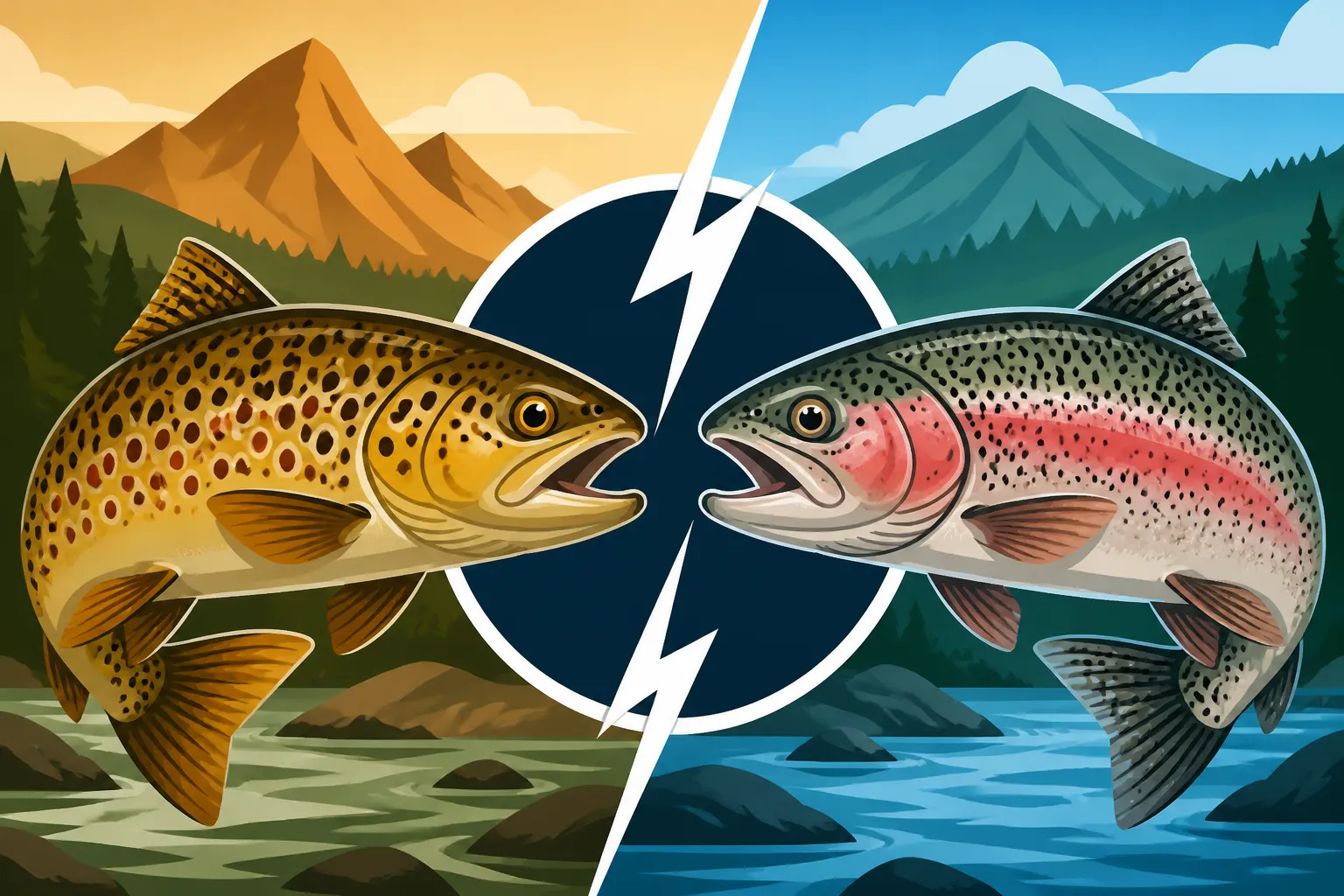
Brown Trout vs Rainbow Trout: Key Differences
Anglers in Tennessee often encounter various trout species, but two of the most popular and sometimes confusing are the Brown Trout and the Rainbow Trout. While both are prized catches in our state's beautiful coldwater streams and rivers, they have distinct characteristics that influence where you find them, what they eat, and how best to catch them. This guide will help you understand the key differences between these magnificent fish, making you a more informed and successful angler. If you're looking for a broader overview of Tennessee's trout, check out our Tennessee Trout Guide: Rainbow, Brown, and Brook Trout.
Visual Distinctions: Telling Them Apart in the Water
One of the first things you'll want to master as an angler is how to identify your catch. While Brown and Rainbow trout might both be shimmering beauties, they have some tell-tale features that make them quite distinct upon closer inspection. Knowing these visual cues will not only help you adhere to regulations but also deepen your appreciation for each species.
Body Shape and General Build
When you first land a trout, pay attention to its overall body structure. Brown Trout tend to have a more robust, stocky build, often appearing thicker through the body, especially as they mature. This muscularity often reflects their predatory lifestyle and ability to hold their own in strong currents. As male brown trout approach spawning season, they can develop a noticeable kype, which is a pronounced hooked jaw, adding to their formidable appearance. Their tails are usually square or only slightly emarginate, meaning they have a very shallow fork, feeling firm and powerful when handled. This sturdy build hints at their often more aggressive nature and their preference for holding in areas with good cover.
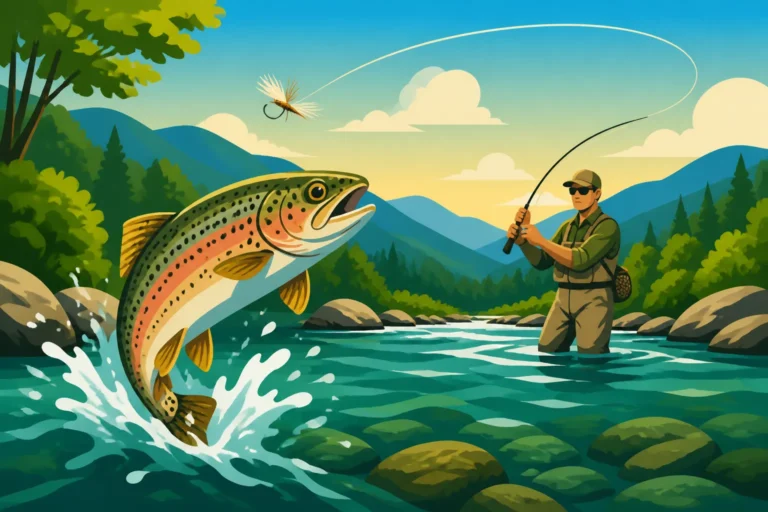
Rainbow Trout, on the other hand, typically exhibit a more streamlined, torpedo-shaped body. They often appear sleeker and are built for speed and making powerful, acrobatic fights when hooked. This body shape is perfectly adapted for swimming in faster currents and executing those thrilling aerial leaps that make catching a rainbow such an adrenaline rush. Their tails are usually quite noticeably forked, which provides excellent propulsion and maneuverability in the water column. When you compare them side-by-side, the Rainbow's more athletic and slender profile is often quite apparent, especially in younger fish.
Coloration and Spotting Patterns
The coloration and spot patterns are perhaps the most reliable way to differentiate these two species in Tennessee's waters. Brown Trout truly live up to their name with a base color that ranges from a golden-brown to an olive-green on their backs, gradually fading into a creamy white or yellowish hue on their bellies. Their most distinctive feature is a scattering of prominent dark spots, typically black or dark brown, which are often surrounded by lighter, almost ghostly halos. Crucially, brown trout also usually have red or orange spots interspersed along their sides, which may also be encircled by a pale blue halo. These red spots, often quite vivid, are a definitive characteristic. The dark spots typically extend onto their dorsal, adipose, and caudal (tail) fins, sometimes quite densely.
Rainbow Trout get their evocative name from the iridescent, reddish-pink band that runs horizontally along their sides, much like a rainbow. This stripe is particularly noticeable on larger fish and becomes more vibrant during spawning periods. Their bodies are generally a bluish-green or olive on the back, transitioning to silvery sides and a clean white belly. Unlike the brown trout's distinct haloed spots, rainbow trout are covered in numerous small, irregular black spots. These spots are typically uniform in color, lacking the halos or distinct red markings found on browns. The spotting usually covers their entire body, including their dorsal, adipose, and caudal fins quite extensively, sometimes giving them a peppered appearance. To help you further, check out our guide on How to Identify Rainbow Trout in Tennessee Streams and Brown Trout Identification Tips for Tennessee Anglers.
Fin Characteristics
While less obvious than body shape and coloration, there are subtle differences in their fins that can aid identification. Brown Trout often possess slightly larger pectoral and pelvic fins relative to their overall body size when compared to rainbow trout. These larger fins can contribute to their ability to hold steady in currents and maneuver around submerged cover. The adipose fin, that small fleshy fin located between the dorsal and tail fins, might also display some spotting on a brown trout. This is another subtle clue to look for if you're still unsure.
Rainbow Trout typically have fins that are somewhat clearer, though, as noted, their dorsal and caudal fins are often heavily spotted. The spots on the fins of a rainbow trout tend to be smaller and more evenly distributed than those you might see on a brown. Furthermore, the mouth of a brown trout tends to extend further back on its head, often reaching beyond the posterior edge of the eye. In contrast, a rainbow trout's mouth typically ends even with the middle of the eye or only slightly before it. This difference in mouth size can sometimes be a subtle indicator of their preferred diet, with the larger-mouthed brown trout being more adapted for consuming larger prey.
Habitat Preferences and Behavioral Traits
Beyond their looks, Brown and Rainbow trout have distinct personalities and preferred living arrangements. Understanding these differences is absolutely vital for any angler hoping to consistently find and catch either species in Tennessee. Their chosen environment and daily habits dictate where you should cast and what tactics you should employ.
Preferred Water Environments
Brown Trout are renowned for their incredible hardiness and adaptability, which makes them quite successful in a range of environments. While they certainly thrive in cold, clear, and well-oxygenated water, they demonstrate a surprising tolerance for slightly warmer water temperatures and even more turbid (cloudy) conditions than their rainbow cousins. You'll often find brown trout favoring slower, deeper pools, seeking refuge under undercut banks, amidst fallen timber, or around large rocks. These locations offer crucial cover, providing both shelter from predators and ideal ambush points for their prey. They're typically considered more elusive and wary, making them a challenging target that often requires a stealthier approach. Browns are masters of concealment, preferring to hide and strike unsuspecting prey rather than actively chase in open water.
Rainbow Trout, on the other hand, generally prefer colder, clearer, and faster-flowing waters that boast higher oxygen levels. They are typically found frequenting riffles, fast runs, and the heads of pools where the current constantly delivers a fresh supply of food. They tend to be less shy than brown trout and are often observed actively feeding in more open water, which contributes to their popularity, especially in heavily stocked areas. Rainbows are known to hold in current seams, behind boulders, or in other structures where they can expend minimal energy while waiting for aquatic insects or small baitfish to drift by. Their preference for these energetic, flowing waters makes them a common sight in Tennessee's pristine mountain streams and robust tailwater fisheries.
Dietary Habits and Feeding Behavior
The diet of these two trout species significantly differs, influencing the types of lures, flies, and baits that are most effective. Brown Trout are truly opportunistic predators with a diet that becomes increasingly diverse as they grow larger. Younger browns will feast on a variety of aquatic insects, nymphs, and small crustaceans. However, as they mature, their diet expands dramatically to include larger prey items. This can include minnows, sculpins, crayfish, frogs, and, quite famously, even small rodents or snakes that unfortunately find their way into the water. Brown trout are also often quite nocturnal feeders, frequently becoming most active during low light conditions at dawn, dusk, or even throughout the night. This makes targeting trophy-sized browns a unique and often formidable challenge for anglers. If you're looking to match their forage, exploring Tennessee's Best Trout Streams and understanding what local food sources are available will be key.
Rainbow Trout primarily feed on a wide array of aquatic and terrestrial insects, such as mayflies, caddisflies, stoneflies, and grasshoppers, along with small crustaceans and fish eggs. While larger rainbows will certainly consume smaller baitfish, they are generally less piscivorous (fish-eating) compared to brown trout. They tend to be more active during the day, especially in good light conditions, and are renowned for their eagerness to rise to the surface to take dry flies. This particular feeding behavior makes them a beloved target among fly fishermen, offering thrilling topwater action. Rainbows tend to be less selective than browns, often striking at a wider variety of offerings, which can make them a bit more approachable for novice anglers.
Spawning Cycles and Locations
Understanding the spawning cycles of trout is not only fascinating from a biological perspective but also crucial for responsible angling. Brown Trout are fall spawners in Tennessee, typically reproducing from late October through December. However, the exact timing can vary slightly based on specific water temperatures and local conditions. During this period, they will build redds, which are shallow, bowl-shaped nests, in gravelly stream bottoms. These redds are often constructed in smaller, well-oxygenated tributaries or the upper reaches of larger rivers. Male brown trout undergo significant physical changes during spawning, developing a prominent kype (hooked jaw) and showcasing intensely vibrant colors to attract mates. It's incredibly important to be aware of Tennessee Trout Limits and Season Rules and to avoid disturbing these sensitive spawning areas during this critical time, as successful reproduction is vital for wild populations.
Rainbow Trout are generally spring spawners, typically reproducing from late winter to early spring, usually between February and April in Tennessee. Like brown trout, they seek out areas with clean gravel bottoms in streams and rivers to lay their eggs. Their vibrant colors also intensify during this period, with the distinctive red band on their sides becoming particularly prominent. Many of the trout stocked in Tennessee by the TWRA are hatchery-raised rainbows. While these fish provide fantastic angling opportunities, their spawning instincts and overall success rates in the wild might differ from truly wild, stream-bred populations. Understanding these differences helps in appreciating the ecological role each species plays in our diverse aquatic ecosystems.
Fishing Strategies and Gear Considerations
Whether you're a seasoned fly fisherman or a casual spin caster, knowing how to approach each trout species can significantly impact your success. Brown and Rainbow trout require different mindsets, different tackle, and sometimes even different times of day to truly unlock their secrets.
Lure and Fly Selection for Each Species
When it comes to targeting Brown Trout, thinking like a stealthy, opportunistic predator is key. For lure anglers, small crankbaits, jerkbaits, and spinners that accurately mimic baitfish are often highly effective. Spoons, especially those with natural or mottled patterns, can also entice a strike when retrieved properly. These lures should be fished in deeper water, around structure, or along undercut banks where browns often lie in wait. For fly anglers, streamers that imitate sculpins, minnows, or crayfish are excellent choices, particularly when stripped aggressively through deeper pools or swung through current seams. Nymphs and wet flies are also productive, especially when drifted naturally in faster water where brown trout might be feeding on insects. Many anglers find a good selection of these on Amazon, including renowned brands like Panther Martin or Rapala. Consider trying patterns like Woolly Buggers, Clouser Minnows, or Muddler Minnows to imitate their favored prey. For specific fly pattern advice tailored to brown trout, you might find valuable insights in our Best Fly Patterns for Brown Trout guide.
Rainbow Trout, given their more insect-focused diet and their willingness to feed more actively in open water, respond well to a wider array of flies and smaller lures. For fly fishermen, dry flies can be incredibly exciting during insect hatches, offering visual strikes that are hard to beat. Nymphs, emergers, and small wet flies are consistent producers throughout the year, representing the bulk of a rainbow's diet. For spin fishermen, small inline spinners (like Mepps or Rooster Tail), tiny spoons, and micro jigs are great options. Soft plastics that imitate worms, salmon eggs, or insect larvae can also be deadly, especially in stocked waters. When choosing lures, bright colors can sometimes trigger a curious strike from a rainbow, even if it's not directly mimicking natural prey. From a wide array of specific fly patterns to high-quality ultralight spinning reels, checking out the diverse selection on Amazon can set you up for success.
Bait Fishing Approaches
For anglers who prefer natural baits, the choices for Brown Trout should primarily mimic their larger prey items. Live minnows, small salamanders, or crayfish can be exceptionally effective, especially when fished under a float in a slow current or strategically on the bottom near cover. Worms, salmon eggs, or even corn can also work, particularly in areas where brown trout have been regularly stocked and have become accustomed to a wider range of food sources. Remember, brown trout are wary, so presenting your bait naturally, with minimal weight and a subtle drift, is often more important than the bait itself. This approach helps to overcome their innate cautiousness. For more ideas on effective baits, our Best Bait for Brown Trout Fishing article can provide detailed recommendations.
Rainbow Trout are often more eager to take a variety of natural baits, making them a popular target for beginners or those simply looking for consistent action. PowerBait, scented marshmallows, corn kernels, and salmon eggs are perennial favorites, especially in heavily stocked waters where fish are accustomed to these offerings. Garden worms, crickets, and grasshoppers can also be very effective, especially during warmer months when these terrestrial insects are abundant. Many anglers rig these baits on a small, light hook with a single split shot a foot or so above, allowing the bait to drift naturally in the current or settle gently on the bottom. Fishing with light tackle is often preferred to fully enjoy the spirited fight of a rainbow trout, as their runs and jumps are truly memorable. You can often find pre-made bait setups or specialized scent enhancers for these on Amazon, making preparation for your trip even easier.
Strategic Differences for Anglers
Fishing for Brown Trout often demands a higher level of patience, stealth, and strategic thinking. Their preference for tight cover—under logs, in deep pockets, or beneath undercut banks—means you need to be precise with your casts and understand how to present your offering in challenging spots. Targeting them during low light conditions, such as dawn, dusk, or even at night, can significantly increase your chances of hooking a larger brown, as this is when they often become most active and less wary. A deep understanding of river structure, current breaks, and prime ambush points is crucial. Look for deep runs, eddies, and submerged structures where a brown can hide and dart out to feed.
Rainbow Trout, being generally less cautious, can often be targeted with a more active approach. They are frequently found actively feeding in open runs and riffles, where food is constantly delivered by the current. While stealth is always a beneficial trait in fishing, rainbow trout might be more forgiving of less-than-perfect presentations compared to their brown counterparts. They are also widely known for their incredible fighting ability once hooked, characterized by spectacular jumps and powerful runs. Targeting recently stocked areas or high-traffic zones can often yield good results, especially since rainbows are a popular choice for Rainbow Trout Stocking Schedule Across Tennessee. For both species, having a quality fishing net is a must to safely land your catch and ensure a healthy release if you're practicing catch-and-release.
Brown Trout and Rainbow Trout in Tennessee
Tennessee boasts an incredible diversity of trout fisheries, and both brown and rainbow trout contribute significantly to the angling opportunities across the state. Understanding how they are managed, where they thrive, and the specific regulations in place is essential for a successful and legal fishing trip.
Stocking Practices and Wild Populations
Tennessee has a robust and highly successful trout management program, and both brown and rainbow trout play significant roles. Rainbow Trout are extensively stocked throughout the state by the Tennessee Wildlife Resources Agency (TWRA). This stocking primarily occurs in the cold tailwaters below our large dams, such as the Clinch River and Caney Fork, as well as in many designated trout streams and community ponds. This widespread stocking means that anglers often have excellent and consistent opportunities to catch rainbows in many accessible locations, making them a fantastic target for families and beginners alike. These stocked fish contribute heavily to the creel limits and overall fishing pressure. To learn more about where and when these fish are introduced, you can often find specifics on Where TWRA Stocks Rainbow Trout in Tennessee.
Brown Trout are also stocked in Tennessee, though often in more selective numbers or in specific waters where the habitat supports their ability to establish wild, self-sustaining populations. What's truly special about brown trout in Tennessee is their strong natural reproduction in many of the state's colder, higher-elevation streams, particularly in the eastern mountainous regions. This means that while you'll certainly encounter stocked browns, catching a truly wild, stream-bred brown trout is an incredibly rewarding and special experience, often seen as a testament to their resilience and the health of our natural waterways. These wild populations are a cherished resource that many anglers seek out for a more challenging and pristine fishing adventure.
Key Tennessee Waters for Each Species
For those looking to target Rainbow Trout, many of Tennessee's famed tailwater fisheries are prime destinations. Rivers such as the Clinch River near Knoxville, the Caney Fork River below Center Hill Dam, and the Hiwassee River in southeastern Tennessee, all benefit from consistent cold-water releases from deep reservoirs, creating ideal conditions. These waters are regularly stocked with rainbows and offer fantastic opportunities for both fly and spin fishermen. Additionally, many state park lakes and community ponds across Tennessee receive rainbow trout stockings, providing convenient and family-friendly access. Popular choices include sections of the Little Tennessee River and various smaller mountain streams nestled within the expansive Cherokee National Forest.
Brown Trout thrive in many of the same tailwaters as rainbows but often prefer the deeper, slower sections or areas with significant structure. The South Holston River, for instance, is particularly famous for its large brown trout, drawing anglers from far and wide who dream of catching a true trophy. Other rivers like the Watauga River and the upper reaches of the Clinch River also hold strong populations of browns, some of which are wild-bred. For a more remote and challenging fishing experience, many of the wild streams within the Great Smoky Mountains National Park hold populations of native or wild brown trout, offering a pristine environment for those seeking Best Trout Streams for Fly Fishing in Tennessee in a stunning natural setting. These environments demand respect and an appreciation for the wildness of the fish.
Regulations and Conservation Efforts
Tennessee's fishing regulations are meticulously designed to manage trout populations sustainably, ensuring healthy fisheries for future generations. It's important to note that these regulations can sometimes differ significantly for wild versus stocked fish, or even vary by specific water body within the state. Generally, Rainbow Trout often have more liberal creel limits due to the extensive stocking programs, which allow anglers to keep a certain number of fish within size limits. This helps to manage the stocked population and provide ample harvest opportunities.
Brown Trout limits can, at times, be more restrictive, especially in waters that are specifically managed for trophy potential or where wild, naturally reproducing populations are being conserved. For example, some waters may feature slot limits, where only fish within a certain size range can be kept, or impose lower daily creel limits for browns compared to rainbows. It is absolutely imperative that you consult the current Tennessee Fishing Regulations Explained or the TWRA website before heading out on any fishing trip. The general trout season in Tennessee follows a specific Tennessee Trout Fishing Season Explained structure, often with a split between spring/summer and fall/winter. Additionally, special rules for brown trout might apply during these periods, such as How Tennessee's Brown Trout Limit Works During Trout Season. Conservation efforts extend beyond just regulations; they also focus on crucial habitat protection, ongoing stocking programs to supplement natural populations, and educating anglers on responsible fishing practices, including thoughtful catch-and-release, especially for larger, wild-spawning fish. Ensuring we respect these rules and practice ethical angling helps keep our beautiful trout fisheries healthy and vibrant for generations to come.
Growth, Lifespan, and Angling Challenge
Beyond their appearance and where they live, the ultimate size these trout can reach and the challenge they present to an angler are also key distinguishing factors. Both species offer unique thrills, but they do so in different ways, leading to varied expectations and angling rewards.
Size and Age Potential
When it comes to potential size, Rainbow Trout, particularly those inhabiting heavily stocked tailwaters with an abundant food supply, can grow impressively large. Fish measuring in the 15-20 inch range are quite common in these nutrient-rich environments. Furthermore, some trophy-sized rainbows can exceed 25 inches, especially in larger reservoirs where they have consistent access to a diverse diet of baitfish. Their growth rate can be remarkably rapid under optimal conditions, allowing them to reach considerable size relatively quickly. This rapid growth and substantial size make them a highly sought-after sport fish.
Brown Trout, however, generally have the potential to grow even larger and live longer than rainbow trout. It is not uncommon for browns in prime trophy waters like the South Holston River to consistently exceed 20 inches, and truly massive fish over 30 inches are periodically caught, making them legendary among dedicated anglers. Their typically slower growth rate combined with a longer lifespan contributes significantly to their reputation as a premier trophy fish. A truly large brown trout is often a seasoned survivor, having evaded countless anglers and natural predators for many years, making its capture all the more rewarding and a testament to its cunning and resilience.
Survival and Resilience
Rainbow Trout are incredibly popular for stocking partly because they are relatively easy to raise in hatcheries, grow quickly, and readily provide excellent angling opportunities for a wide audience. However, in some purely wild or highly variable environmental settings, they can be a bit more sensitive to extreme environmental changes, particularly pronounced temperature fluctuations outside their ideal cold-water range. They also tend to be more susceptible to angling pressure; their less wary nature often makes them easier to catch, which can deplete populations quickly without proper management.
Brown Trout are renowned for their impressive hardiness and remarkable ability to survive and even thrive in conditions that might be more challenging for other trout species. They are often more resilient to slightly warmer water temperatures (within certain limits) and exhibit a high degree of adaptability to varying habitat conditions. Their inherently wary and elusive nature also means they are generally less vulnerable to overfishing, allowing older, larger individuals to persist and contribute to natural reproduction within wild populations. This inherent resilience and self-preservation instinct are a significant part of why many anglers consider a wild brown trout a pinnacle achievement in freshwater fishing.
Angling Challenge and Reward
Rainbow Trout offer an incredibly exciting and dynamic fight once hooked. They are famous for their acrobatic jumps, strong, line-stripping runs, and overall spirited resistance, making them a fantastic target for anglers of all skill levels, from beginners to experienced veterans. Their willingness to strike a wide variety of baits and lures also makes them very accessible and a great species for those just starting out. The sheer numbers available through extensive stocking programs ensure a high chance of success for those seeking a fun and action-packed day on the water, providing consistent opportunities to hook into a feisty fish.
Brown Trout are widely considered the ultimate challenge for many dedicated trout anglers. Their elusive nature, nocturnal tendencies, and preference for heavy, often difficult-to-reach cover demand a higher degree of skill, immense patience, and a deep understanding of trout behavior and stream dynamics. Hooking a truly large, wild brown trout is often the culmination of careful planning, precise presentation, and sheer persistence. The reward of outsmarting such a cunning and wary fish is immense, elevating them to a legendary status among seasoned trout fishermen. For instance, finding and catching these elusive fish often involves investing in quality equipment, from specialized rods to advanced fish finders, which can often be found on platforms like Amazon. This pursuit becomes more than just fishing; it's a strategic game of wits against one of nature's most intelligent freshwater predators.
Trout Identification at a Glance: Brown vs. Rainbow
Here's a quick summary of the key differences to help you identify brown and rainbow trout in Tennessee's waters:
| Feature | Brown Trout | Rainbow Trout |
|---|---|---|
| Scientific Name | Salmo trutta | Oncorhynchus mykiss |
| Appearance | Golden-brown to olive back, cream/yellow belly; prominent dark spots often with light halos; typically has distinct red/orange spots with blue halos; square/slightly emarginate tail; mouth extends noticeably past the eye. | Bluish-green/olive back, silvery sides, white belly; distinctive reddish-pink band along the side (especially visible on larger fish); uniform small black spots covering body and all fins; noticeably forked tail; mouth usually to middle of the eye. |
| Preferred Habitat | Deeper, slower pools; under undercut banks, fallen timber, large rocks; more tolerant of slightly warmer water and turbidity; seeks cover aggressively. | Colder, clearer, faster-flowing riffles and runs; high oxygen levels; often holds in current seams and behind structure; less wary in open water. |
| Primary Diet | Aquatic insects, nymphs, crustaceans; mature fish are highly piscivorous (minnows, sculpins, crayfish, frogs, even small rodents); very opportunistic. | Primarily aquatic & terrestrial insects, crustaceans, fish eggs; larger fish will eat small baitfish, but less piscivorous than browns. |
| Feeding Behavior | Often nocturnal or most active during low light (dawn, dusk); wary, ambush predators; prefers to hide and strike. | More active during the day; willing to rise to the surface for dry flies; generally less wary and more actively feeding in open water. |
| Spawning Season | Fall (typically October-December in Tennessee). | Spring (typically February-April in Tennessee). |
| Growth Potential | Generally grows larger and lives longer; known for attaining true trophy size, especially in prime waters. | Faster growth, but generally reaches a slightly smaller maximum size and has a shorter lifespan than browns. |
| Angling Challenge | More elusive, requires heightened stealth, patience, and precision; high reward for skilled and persistent anglers; often requires specific techniques to target larger, nocturnal fish. | More accessible and often eager to strike; offers a spirited fight with characteristic jumps; good for all skill levels, especially beginners due to extensive stocking. |
Disclaimer
This article is for general informational purposes only and does not constitute professional advice. Laws, prices and regulations vary by location and change over time. Consult a qualified professional for guidance on your specific situation.