Chickamauga Lake, Tennessee’s Trophy Bass Fishery
For many anglers, the dream of hooking a true trophy bass remains just that – a dream, often feeling out of reach on vast, unfamiliar waters. The sheer size of Tennessee's reservoirs can be intimidating, leaving you wondering where to even begin your quest for that wall-hanger. This guide aims to demystify Chickamauga Lake, widely regarded as Tennessee's premier trophy bass fishery, by breaking down its unique characteristics, seasonal patterns, and proven techniques to help you turn that dream into a thrilling reality.
The Legend of Chickamauga: Why It's a Trophy Bass Powerhouse
When you talk about big bass in Tennessee, or even across the Southeast, Chickamauga Lake inevitably comes up. It's not just a good lake; it's legendary. For years, anglers have been drawn to its waters, chasing after the kind of largemouth bass that make headlines and break state records. But what is it about Chickamauga that makes it such an incredible trophy bass fishery? It's a combination of factors, a perfect storm of environmental conditions, abundant forage, and smart fisheries management that converge to create an angler's paradise.
More Than Just a Lake: Its Riverine Heart
At its core, Chickamauga isn't just a static lake; it's a reservoir on the Tennessee River, fed by the powerful currents of one of the nation's great waterways. This riverine influence is critical. The constant flow brings in nutrients, oxygenates the water, and creates diverse current-driven habitats that baitfish and bass absolutely thrive in. The Tennessee Valley Authority (TVA) manages the water levels, which can fluctuate, creating dynamic fishing conditions that keep anglers on their toes. These fluctuations often push bait and bass into predictable patterns, especially around structure and cover, rewarding those who pay close attention. It means that while the lake itself is enormous, understanding the river's influence helps you break it down into more manageable, fishable sections.
The Perfect Storm: Forage, Cover, and Management
Chickamauga Lake boasts an incredible abundance of forage, which is essentially the food chain for its bass. Threadfin and gizzard shad are everywhere, providing a rich, high-protein diet that allows largemouth bass to grow to impressive sizes at a rapid rate. Beyond the baitfish, the lake's incredible aquatic vegetation, particularly hydrilla and milfoil, provides essential cover for both baitfish and the bass that prey on them. This dense grass offers ambush points, shade from the summer sun, and protection from predators. Furthermore, the Tennessee Wildlife Resources Agency (TWRA) has done an exceptional job managing the fishery, implementing regulations that foster healthy bass populations and allow larger fish to survive and grow. This careful balance of natural resources and thoughtful human intervention is what truly sets Chickamauga apart as Chickamauga Lake, Tennessee's Top Spot for Record Largemouth Bass. It’s a place where big fish don’t just happen by chance; they’re nurtured by the environment and supported by smart conservation.
Deciphering Chickamauga's Unique Underwater World
To consistently catch trophy bass on Chickamauga, you really need to understand what's happening beneath the surface. This isn't a small farm pond; it's a complex ecosystem with varied depths, currents, and an incredible amount of structure and cover. Learning to "read" the water and identify these key features will be your biggest asset. It’s like learning the language of the lake – once you understand it, you can predict where the bass will be and how they’ll behave.
Hydrilla, Grass, and Timber: Bass Heaven
The aquatic vegetation in Chickamauga Lake, especially the vast mats of hydrilla and milfoil, is perhaps its most famous feature. These submerged grass beds provide phenomenal habitat. Bass use them for everything: hiding from predators, ambushing prey, spawning, and even escaping harsh sunlight or cold fronts. The edges of these grass lines, the pockets within them, and the areas where they transition to deeper water are absolute goldmines. But it’s not just about the grass; there's also plenty of standing timber, stumps, and laydowns, particularly in the upper reaches of the lake and in creeks. These woody covers offer another layer of complexity to the bass's world, providing vertical structure that they often relate to, especially during times of higher current or when seeking shade. Navigating and fishing these areas effectively requires patience and often, specialized gear to pull those big fish out of the thick stuff.
Ledges, Points, and Channels: Structure for Success
Beyond the obvious cover of grass and timber, Chickamauga is a classic Tennessee River reservoir, meaning it's absolutely loaded with subtle yet crucial underwater structure. Ledges are prime examples – these are underwater drop-offs where the bottom contour changes significantly, often from a shallow flat to a deep channel. Bass use these ledges as highways, moving up and down the water column to feed. Points, especially those that extend far out into the main lake or into creek arms, also act as magnetic attractors for bass, particularly those that have access to deep water nearby. And, of course, the main river channel itself, along with numerous creek channels that wind through the lakebed, provides constant current and deeper refuge. Understanding how bass position themselves relative to current on these structures is key. They'll often sit on the "down-current" side of a point or ledge, waiting for baitfish to be swept past them. Learning to identify these types of spots, whether through your electronics or by observing the shoreline, is essential for finding Best Bass Fishing Spot on Chickamauga Lake, Tennessee.
Targeting Chickamauga's Big Bass: Species and Their Habits
While Chickamauga is often celebrated for its largemouth bass, it's a diverse fishery, home to several species that can offer a fantastic fight. Knowing what you're targeting and understanding their habits will significantly increase your chances of success. It's not just about casting and hoping; it's about making informed decisions based on what fish are likely to be where.
The Reign of the Largemouth Bass
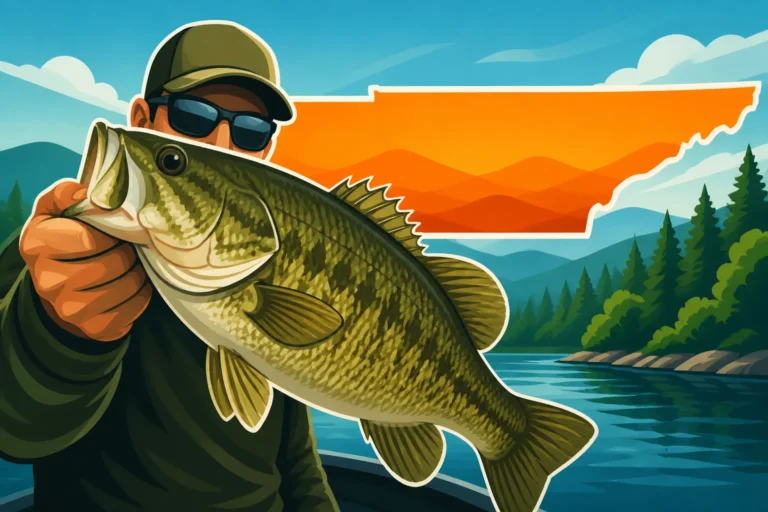
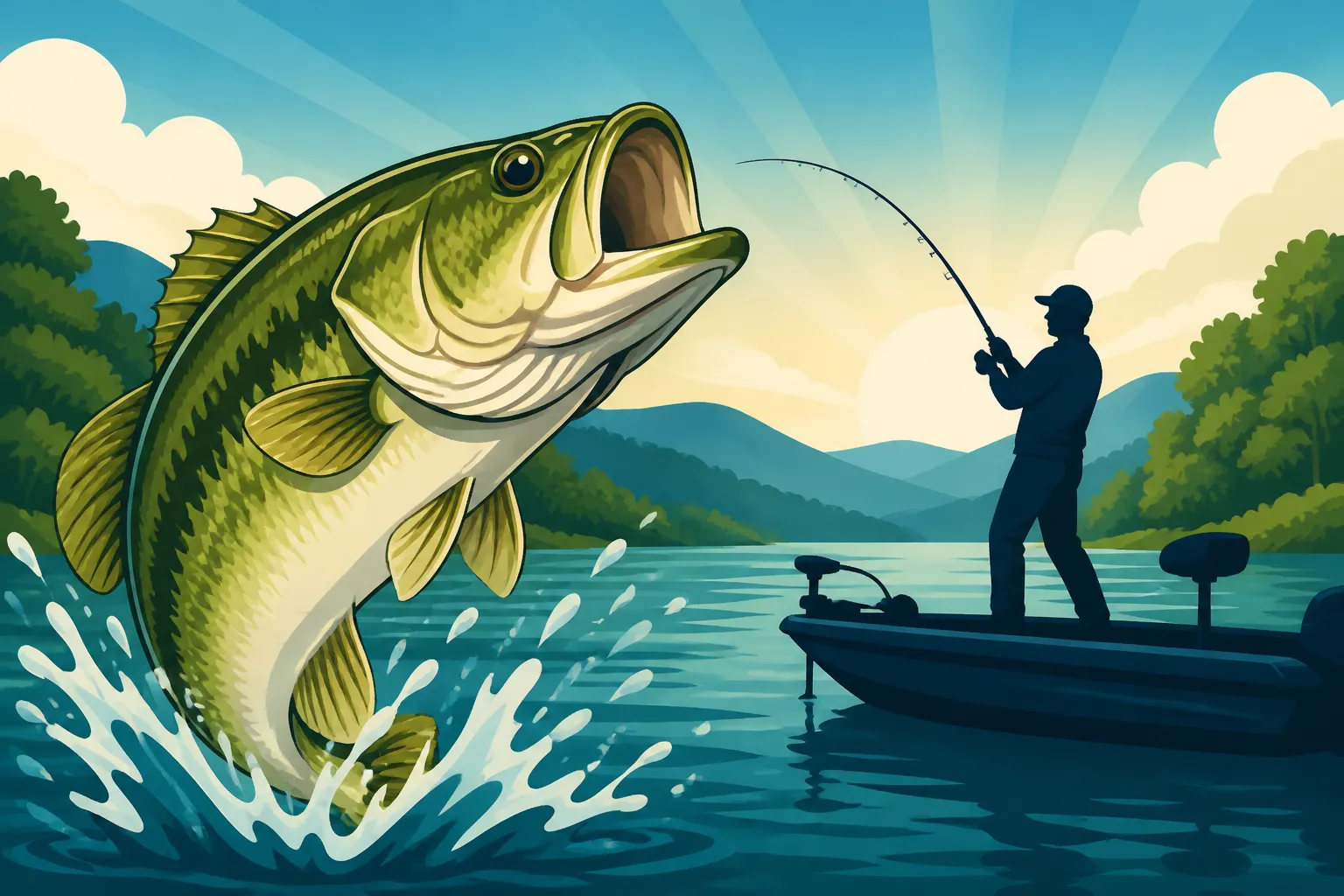
Without a doubt, the largemouth bass is the king of Chickamauga Lake. This species thrives in the lake's rich, fertile waters, with its abundant hydrilla and endless buffet of shad. Largemouth here grow to incredible sizes, often reaching double digits, and they are what put Chickamauga on the national map. They tend to relate heavily to cover – think thick grass beds, submerged brush piles, and shallow timber. During different seasons, their patterns will shift: shallower in spring for the spawn, deeper or into dense cover in summer, aggressively feeding in fall, and often hunkering down on deep structure or isolated cover in winter. Understanding these Tennessee Bass Fishing Seasons and Patterns is paramount. They are ambush predators, so presentation is key; often, a lure slowly worked through their hiding spots will draw the most explosive strikes.
Other Game Fish You Might Encounter
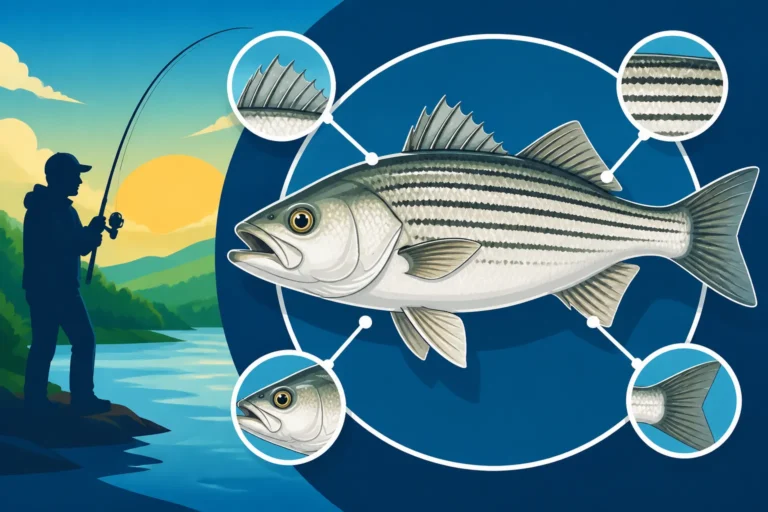
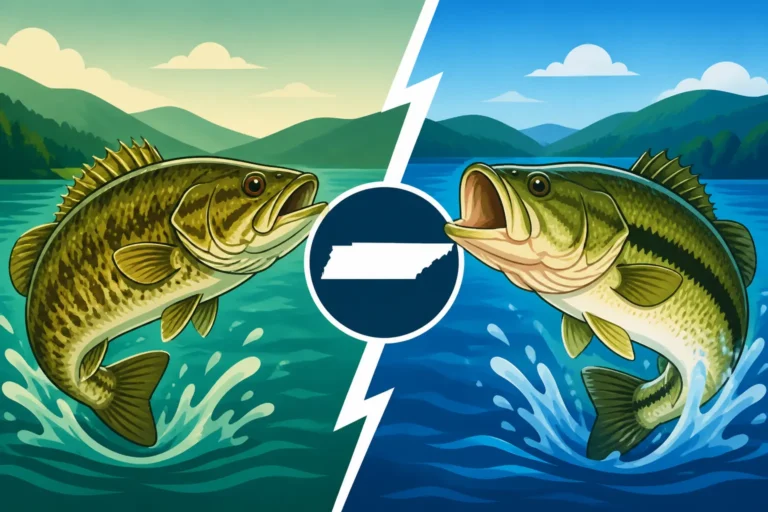
While largemouth steal the show, Chickamauga Lake also holds healthy populations of other exciting species. Smallmouth bass, Tennessee’s official state fish, can be found, particularly in the lower, rockier sections of the lake and around deeper, current-swept humps and ledges. They prefer clearer water and rockier bottoms, offering a different kind of fight than their largemouth cousins. Spotted bass are also present, often schooling in open water or around main lake points and humps. While they don't typically reach the trophy sizes of largemouth, they are aggressive biters and can provide a lot of fun on lighter tackle. Additionally, there are strong populations of crappie, catfish (both channel and blue), and even some striped bass, making Chickamauga a truly versatile fishery. So, even if the bass aren't biting, there's usually something else willing to take your bait.
| Species | Primary Habitat | Preferred Forage | Typical Behavior |
|---|---|---|---|
| Largemouth Bass | Thick hydrilla, submerged timber, creek arms | Shad, bluegill, crawfish | Ambush predator, cover-oriented, seasonal movements |
| Smallmouth Bass | Rockier main lake points, ledges, current | Shad, crawfish, minnows | Active hunter, prefers clearer, cooler water |
| Spotted Bass | Open water schools, main lake points, humps | Shad, small minnows | Aggressive, often suspended, less size-selective |
| Crappie | Brush piles, standing timber, deep creek channels | Minnows, small jigs | Schooling fish, often found in vertical cover |
| Catfish | Deep holes, river channel, muddy bottoms | Cut bait, worms, shad | Bottom feeder, nocturnal, scavenger |
Year-Round Strategies for Chickamauga's Trophy Bass
Chickamauga Lake fishes differently throughout the year, and understanding these seasonal shifts is critical for consistent success, especially when you're after those bigger fish. What works in April won't necessarily work in August. You need to be adaptable and willing to change your approach as the water temperature and fish behavior evolve. Let's break down the major seasons and what you can expect.
Spring: The Pre-Spawn and Spawn Frenzy
Spring on Chickamauga is arguably the most anticipated time for trophy bass anglers. As water temperatures begin to rise from the mid-40s into the 50s and 60s, the bass transition from their winter haunts to shallower waters, driven by the urge to spawn. The pre-spawn phase sees big females feeding aggressively, trying to pack on weight before the taxing spawning process. This is when they are often most vulnerable and can be caught on a variety of baits, from lipless crankbaits and spinnerbaits worked along grass lines and points, to jigs and Texas-rigged plastics pitched into sparse cover. The key is to find those staging areas just outside of spawning coves.
Once water temperatures hit the mid-60s, the spawn kicks into high gear. Bass move onto beds in shallower, protected areas, typically along grassy flats, creek banks, or small pockets. During this time, sight fishing can be incredibly effective, carefully pitching soft plastics like creature baits or Senkos onto or near beds. However, remember to practice responsible catch-and-release with bedding fish to ensure the health of the fishery. After the spawn, the post-spawn can be a bit trickier, as fatigued females recover and disperse. They'll often move to slightly deeper cover near spawning areas, or transition to main lake grass lines. This period requires a bit more finesse, often with shaky heads, wacky rigs, or topwater lures if the conditions are right. For more on this, check out Pre-Spawn and Post-Spawn Bass Fishing Patterns.
Summer: Deep Water and Early Morning Bites
Tennessee summers can be scorching, and Chickamauga bass react accordingly. As water temperatures climb into the 80s, the fish will generally seek deeper, cooler, more oxygenated water, or bury themselves deep within the dense hydrilla mats. Early mornings and late evenings often offer the best opportunities for a topwater bite around grass edges or scattered timber. However, during the heat of the day, anglers focus on fishing deep ledges along the main river channel. This is where big schools of bass will congregate, often suspended over the structure or relating directly to the bottom. Heavy football jigs, deep-diving crankbaits, large swimbaits, and Carolina rigs are popular choices for targeting these deep-water giants. Patience and quality electronics are invaluable for finding these schools. Learning How Water Temperature Affects Fish Activity is crucial during these warmer months. Look for areas with current flow, as this often positions baitfish and makes bass more active, even in the heat.
Fall: Feeding Frenzy Before Winter
Fall on Chickamauga is a beautiful time to be on the water, and the fishing can be exceptional. As water temperatures start to drop into the 70s and 60s, the bass begin their annual migration from deep summer haunts back towards shallower and mid-depth areas, following the abundant shad. This is a time of aggressive feeding as they stock up for the leaner winter months. Think "power fishing" – crankbaits, spinnerbaits, chatterbaits, and topwater lures can all be incredibly effective, especially around main lake points, creek mouths, and the edges of remaining grass beds. Schooling bass can often be found chasing bait on the surface in the mornings and evenings. Later in the fall, as temperatures continue to fall, jerkbaits and jigs become more productive as bass might hold tighter to cover. The key is to cover a lot of water and look for active schools of bait.
Winter: Slow and Steady for Giants
Winter fishing on Chickamauga can be tough, but it often produces some of the biggest bass of the year for dedicated anglers. The lake becomes much less crowded, and while the bites are fewer, they can be truly memorable. Bass will congregate in deep pockets, bends in the river channel, and around isolated rock piles or stumps that offer thermal refuge. Their metabolism slows down, so presentations need to be much slower and more methodical. Popular techniques include slow-rolling football jigs, jigging spoons vertically over deep structure, dragging shaky heads, or painstakingly working finesse baits like drop shots or Ned rigs. Pay close attention to your electronics to pinpoint exactly where fish are holding. Even a few degrees difference in water temperature can concentrate fish, so keep an eye on those readings. While challenging, the reward of a true Chickamauga giant on a cold winter day is absolutely worth the effort.
Essential Gear and Tactics for Chickamauga Success
Fishing Chickamauga, especially for trophy bass, isn't just about showing up with a rod and reel. It requires a bit of thoughtful preparation and the right tools for the job. The lake's diverse habitats and the sheer size of its fish demand tackle that can handle the toughest conditions and presentations. Let's talk about what you'll need in your arsenal.
Rods, Reels, and Line: Building Your Arsenal
For Chickamauga's big bass, you'll want a versatile collection of rods and reels. For power fishing in heavy cover (like those dense hydrilla mats), a heavy or medium-heavy action casting rod, around 7' to 7'6" in length, paired with a high-quality baitcasting reel with a fast retrieve ratio (7.1:1 or higher) is essential. Spool these with 15-20 lb fluorocarbon or 50-65 lb braided line to pull those giants out of the thick stuff. For open water techniques, such as deep cranking or throwing spinnerbaits, a medium-heavy rod with a slower reel (6.4:1) might be better, allowing for more controlled retrieves. For finesse techniques, like shaky heads or drop shots, a 7' medium or medium-light spinning rod with a sensitive tip is crucial. Pair it with a reliable spinning reel spooled with 8-10 lb fluorocarbon or braided line with a fluorocarbon leader. Best Rods for Largemouth Bass and Best Reels for Smallmouth Bass can give you more specific ideas, but for Chickamauga, robustness and sensitivity are key.
Top Lures and Baits for Different Seasons
Your tackle box for Chickamauga should be well-stocked with a variety of lures, ready for any condition. For fishing the famed hydrilla, jigs (flipping and football), Texas-rigged soft plastics (creature baits, worms, craws), and punch rigs (heavy weights with compact soft plastics) are absolute must-haves. When bass are actively feeding, deep-diving crankbaits in shad patterns, lipless crankbaits ripped through grass, and spinnerbaits or chatterbaits are incredibly effective. Topwater lures like frogs, buzzbaits, and walking baits shine during low-light conditions in spring and fall. For targeting suspended fish or subtle bites, jerkbaits, swim baits, shaky heads, and drop shots will come in handy. Don't be afraid to experiment with colors; shad, bluegill, and crawfish patterns are always a good starting point. You can often find a wide selection of these specialized lures on Amazon, allowing you to stock up on different sizes and colors to match the hatch.
Electronics and Navigation: Your Underwater Eyes
On a lake as vast and complex as Chickamauga, reliable marine electronics are not a luxury; they're a necessity. A good fish finder with GPS mapping capabilities is paramount. Look for units with high-definition side-imaging and down-imaging, which allow you to literally "see" structure, cover, and fish schools far off to the sides of your boat and directly beneath it. This technology is invaluable for finding those subtle ledges, brush piles, and hydrilla edges that hold trophy bass. The GPS mapping will help you navigate the lake safely, mark hot spots, and return to them with precision. Many anglers also utilize trolling motors with GPS anchoring features, which allow you to hold your boat precisely over a deep-water school or along a productive grass line, even in current. Investing in quality electronics will dramatically shorten your learning curve and significantly improve your success rate on this big water. Finding the right Best Fish Finders for Tennessee Lake Fishing can be a game-changer for your fishing experience on Chickamauga.
Navigating Chickamauga: Access Points and Local Considerations
Chickamauga Lake is a big place, and knowing how to access it, where the amenities are, and what local considerations might affect your trip is really important. It’s not just about fishing; it’s about having a smooth, safe, and enjoyable experience from launch to weigh-in.
Boat Ramps and Marinas: Getting on the Water
There are numerous public and private boat ramps located all around Chickamauga Lake, making access relatively easy, no matter which section of the lake you plan to fish. On the northern end, near Chattanooga, you'll find popular ramps like Chester Frost Park or Harrison Bay State Park, offering excellent facilities. Further south, you might explore areas closer to Dayton or Soddy-Daisy. Many of these parks and marinas also offer gas, bait and tackle shops, and sometimes even lodging, making them convenient hubs for a multi-day trip. Always check ramp conditions, especially during periods of low water, to ensure safe launching and retrieval. Some popular marinas, like Island Cove Marina, are also great for grabbing supplies or getting local advice. Familiarizing yourself with the Boat Ramp Access on Tennessee's Major Lakes will save you valuable time on the water.
Local Rules, Safety, and Respecting the Fishery
Beyond your fishing license, always be aware of any specific local rules or advisories for Chickamauga Lake. While general statewide regulations apply, some areas might have specific speed limits, no-wake zones, or even temporary closures. Always carry your Tennessee Fishing License Guide and be familiar with Tennessee Fishing Regulations Explained. Safety on big water like Chickamauga is paramount. Always wear your life jacket, especially if boating alone or in rough conditions, and have all required safety gear on board. The weather can change quickly, so keep an eye on forecasts. Respect other anglers, especially tournament fishermen who may be practicing or competing. And remember, the health of Chickamauga's trophy fishery depends on all of us. Practice catch-and-release, especially with larger breeding females, to ensure future generations can enjoy the same incredible fishing experiences. If you're looking for specific items like a new PFD or other safety gear, Amazon is a great place to start your search.
Disclaimer
This article is for general informational purposes only and does not constitute professional advice. Laws, prices and regulations vary by location and change over time. Consult a qualified professional for guidance on your specific situation.