Spotted Bass Habitat in Tennessee Lakes
Spotted bass in Tennessee lakes prefer deep water structures, ledges, humps, points, and submerged timber located fifteen to forty feet deep.
Know what’s on the line.
Gamefish and panfish profiles — identification, behavior, feeding habits, and species-specific strategies for every catch.
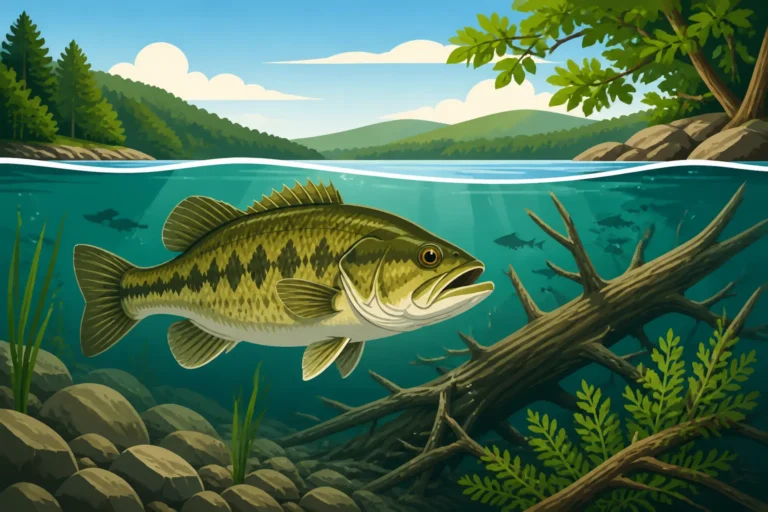
Spotted bass in Tennessee lakes prefer deep water structures, ledges, humps, points, and submerged timber located fifteen to forty feet deep.
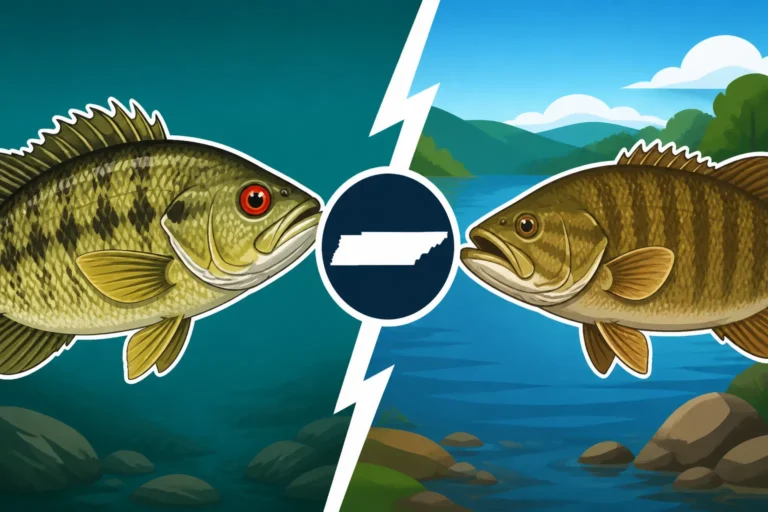
Redeye bass and smallmouth bass identification details help Tennessee anglers distinguish these two similar fish species.

Tennessee spotted bass records managed by the Tennessee Wildlife Resources Agency require certified scales, witnesses, and affidavits to qualify.

Redeye bass culinary potential, stream diets of insects and crayfish, and fish sizes explain if this Tennessee game fish is good to eat.
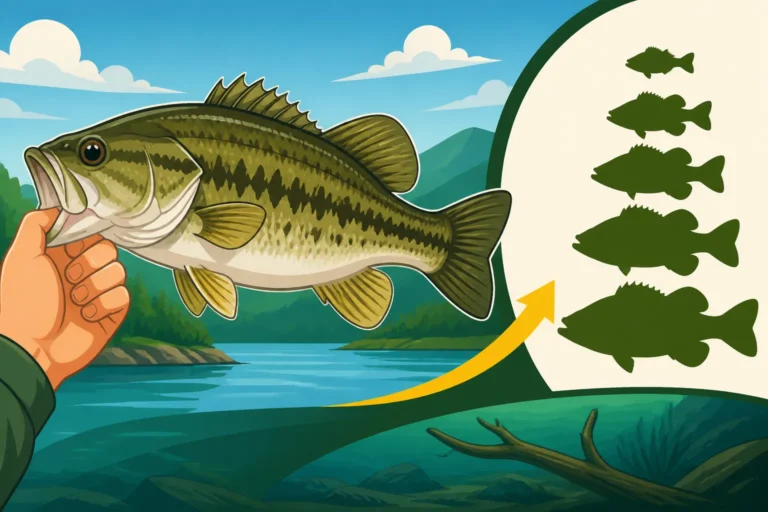
Tennessee spotted bass typically reach twelve to fifteen inches, offering anglers a solid fight and weighing up to two and a half pounds.
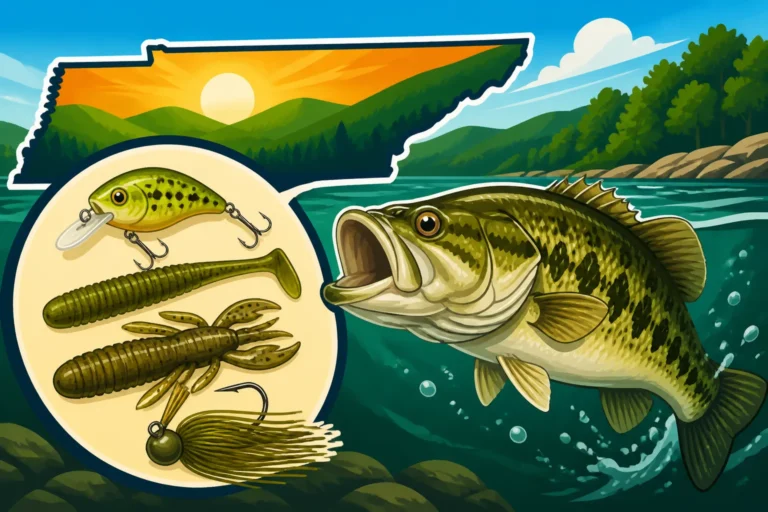
Tennessee spotted bass fishing techniques, habitat locations, and artificial baits explained for anglers targeting these aggressive gamefish.
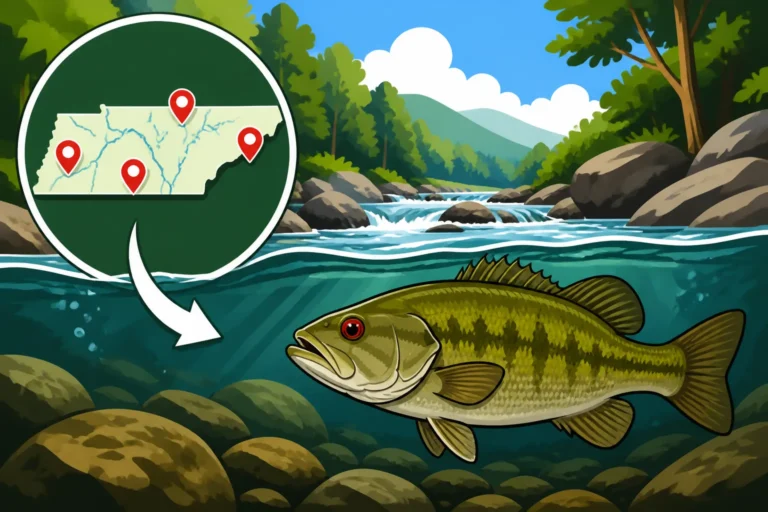
Coosa redeye bass locations in Tennessee streams, preferred cold flowing habitats, and physical identification traits for anglers.
Redeye bass identification, distinct physical features, and stream habitats help anglers find this native Tennessee fish.
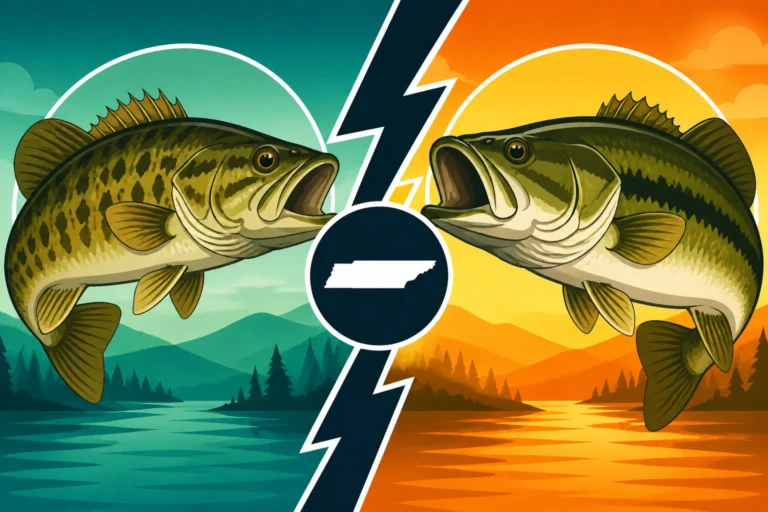
Spotted bass and largemouth bass identification explained through jaw size, lateral markings, belly spots, and tongue features.
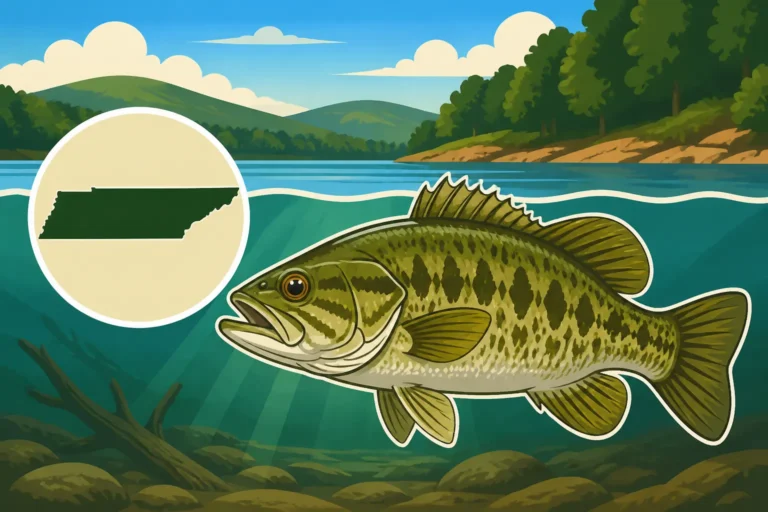
Spotted bass identification in Tennessee reservoirs helps anglers follow regulations, refine techniques, and protect local fish populations.