Is Brook Trout Good to Eat?
Oh, the age-old question that dances in every angler's mind after a successful day on a pristine Tennessee stream: "Is this brook trout good to eat?" It's a natural thought, especially when you've put in the effort to find those elusive, brightly colored beauties in our clear, cold mountain waters. There's a certain satisfaction that comes with enjoying the fruits of your labor, but you also want to make sure it's worth the culinary effort. This guide is here to walk you through everything you need to know about preparing and enjoying Tennessee's native brook trout, from their unique flavor profile to the best ways to cook them, ensuring your catch is a true table delight.
The Brook Trout: A Tennessee Gem and a Culinary Delight
For many of us who cherish Tennessee's natural beauty, the brook trout holds a special place. They’re not just fish; they’re symbols of wilderness, inhabiting some of the most stunning, untouched cold-water streams in our state. But beyond their aesthetic appeal and wild habitat, they offer a truly exceptional eating experience that stands out from other freshwater species.
What Makes Tennessee Brook Trout Special?
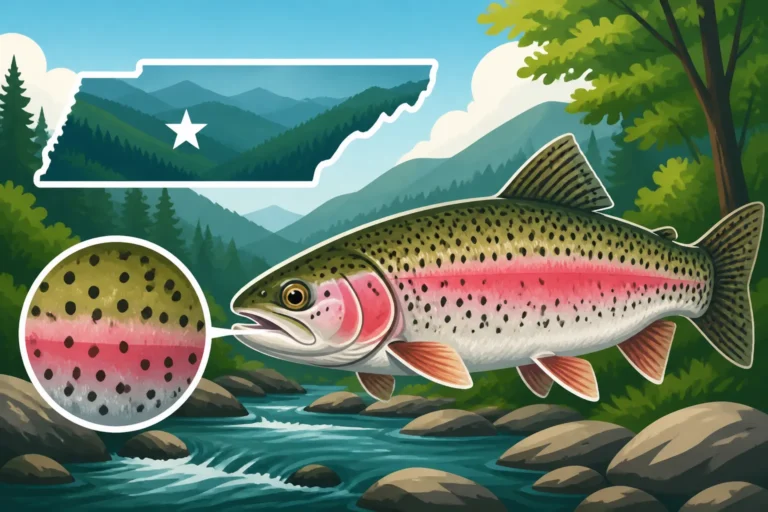
Tennessee's brook trout, often called "speckled trout" by locals, are native to the Appalachian Mountains. They thrive in incredibly cold, oxygen-rich waters, often in the higher elevations of places like the Great Smoky Mountains National Park or the headwaters of the Clinch River. This native status means they've adapted perfectly to our specific environment, feeding on natural insects and small aquatic life that contribute to their unique characteristics. Unlike some other trout species that are widely stocked, many of the brook trout you encounter in Tennessee streams are truly wild, descended from generations living in these pristine environments. This wild upbringing, coupled with their specific diet, has a profound impact on their meat quality. When you're fishing for these native gems, you're not just catching a meal; you're connecting with a piece of Tennessee's natural heritage, which makes the experience all the more rewarding. Understanding Brook Trout: Tennessee's Native Cold-Water Species can deepen your appreciation for these beautiful fish.
Unpacking the Flavor and Texture of Brook Trout
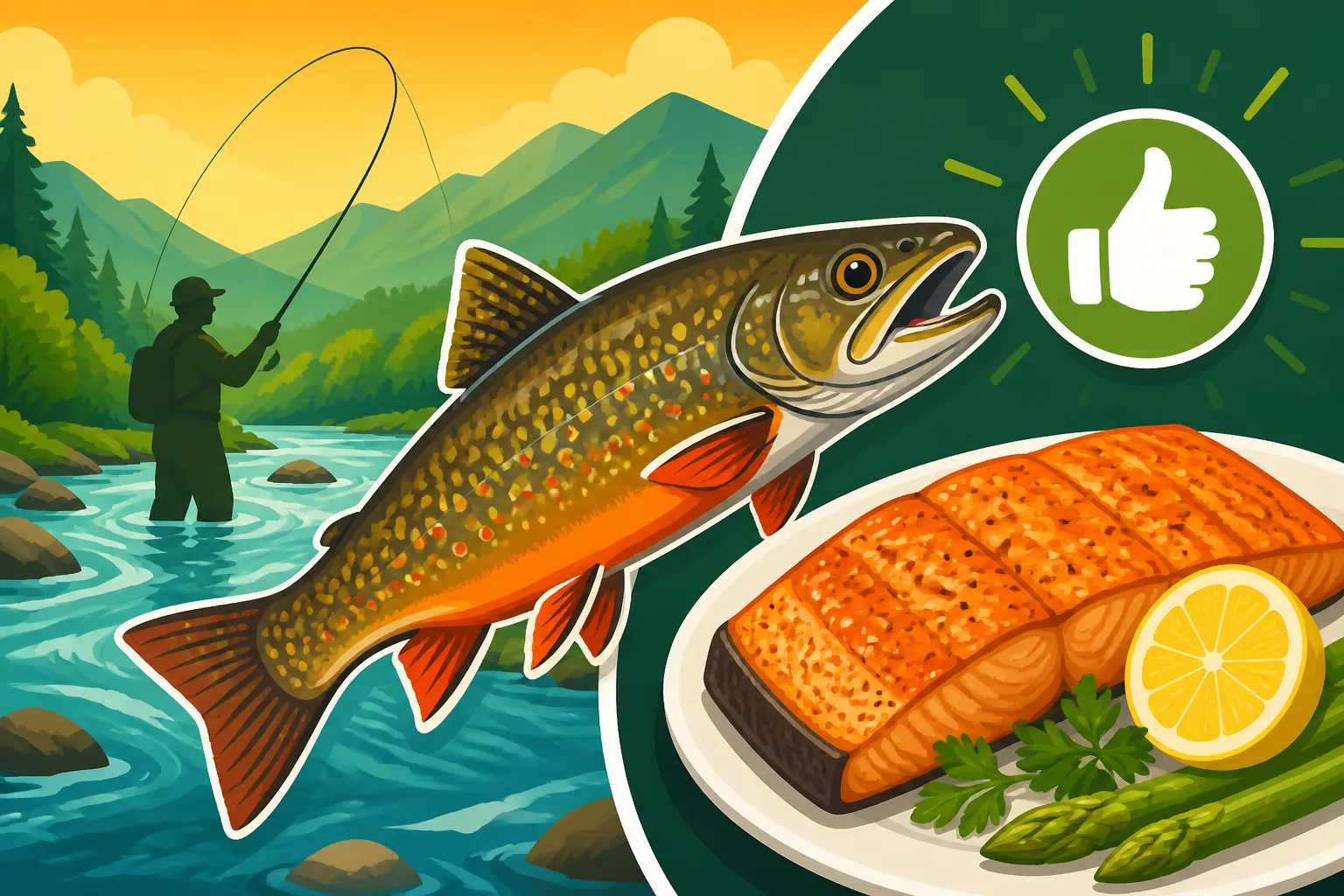
So, what about the taste? When folks ask, "Is brook trout good to eat?", my answer is always an enthusiastic "Absolutely!" The flavor of a Tennessee brook trout is typically described as delicate, mild, and sweet, often with a slightly nutty undertone. It's clean, fresh, and lacks any "fishy" taste, which makes it incredibly appealing even to those who aren't usually big fish eaters. This pristine flavor comes directly from their cold, clean habitats and natural diet.
The texture is equally impressive. Brook trout meat is fine-flaked and tender, falling apart easily with a fork. The color of the flesh can vary, often appearing pale white or pinkish, depending on their diet and environment. Compared to, say, a farm-raised rainbow trout, which might have a slightly fattier or more pronounced "trout" flavor, a wild brook trout offers a subtlety that is truly exquisite. It's a prime example of how the environment directly influences culinary quality – a fish from pure, cold water simply tastes better, making it a true delicacy to be savored.
From the Stream to Your Dinner Plate: Catching and Preparing Brook Trout
The journey from a Tennessee mountain stream to your dinner plate is an art in itself. It involves not just the skill of the catch but also a deep respect for the resource and careful handling to ensure the best possible culinary outcome.
Mindful Harvesting: Regulations and Conservation
Before you even think about putting a brook trout in your cooler, it's absolutely crucial to understand Tennessee's fishing regulations. Brook trout, especially the wild populations, are precious, and their conservation is paramount. Always check the latest Tennessee Fishing Regulations Explained or Tennessee Trout Limits and Season Rules for the specific body of water you're fishing. Many pristine brook trout streams have special regulations, such as catch-and-release only, or specific size and creel limits that might be different from general statewide rules. For instance, some areas might have a strict "two brown trout" limit or require single-hook artificial lures only to minimize harm to released fish.
It's tempting to keep every fish you catch, but with native brook trout, the philosophy of "take what you need, not what you can" is a beautiful practice. Consider the impact of keeping fish from a fragile ecosystem. If you do choose to keep a few for a meal, make sure they are within the legal limits and that you've secured the proper Tennessee Fishing License Guide. Remember, a thriving brook trout population today means more opportunities for future generations to enjoy this unique Tennessee fishing experience.
Post-Catch Care: Cleaning and Preserving Freshness
Once you've decided to keep your brook trout, the clock starts ticking on freshness. Proper care in the field is just as important as how you cook it. The quicker you can clean and cool your fish, the better it will taste.
First, dispatch the fish quickly and humanely. Then, gutting the fish immediately helps prevent digestive enzymes from breaking down the flesh, which can lead to off-flavors. Make a shallow cut from the vent to the gills, scoop out the entrails, and thoroughly rinse the cavity with cold, clean water. Remove the gills if you plan on keeping the head, as they can also contribute to a "fishy" taste. Many anglers carry a small, sharp fillet knife (you can find great options on Amazon) and a cooler with plenty of ice specifically for this purpose. Pack the cleaned fish directly on ice, ensuring they're fully surrounded to chill them rapidly. Avoid letting them sit in meltwater, as this can leach flavor and degrade texture. If you're on a multi-day trip, freezing might be necessary, but for immediate consumption, keeping them fresh and cold is key. This meticulous care ensures that when you finally bring your catch home, it’s in prime condition for cooking.
Savoring Your Catch: Delicious Ways to Cook Brook Trout
The delicate flavor and tender texture of brook trout mean they don't need much fuss. Simple preparations often shine the brightest, letting the natural goodness of the fish take center stage. But for those who like to experiment, brook trout are versatile enough for some creative culinary adventures too.
Simple Preparations to Highlight Natural Flavor
When you have a fish as naturally delicious as a brook trout, the best approach is often the simplest. You want to highlight its clean, sweet flavor, not mask it.
- Pan-Frying: This is arguably the most classic and popular method for trout. Heat a little butter or olive oil in a skillet over medium-high heat. Season your cleaned and patted-dry brook trout (whole or filleted) with just salt and freshly ground black pepper. Cook for about 2-4 minutes per side, depending on thickness, until the skin is crispy and the flesh flakes easily. A squeeze of fresh lemon juice and a sprinkle of chopped fresh dill or parsley right before serving elevates it beautifully. The crisp skin and moist, flaky interior are a match made in angler heaven.
- Grilling: For a lovely smoky flavor, grill your trout. If cooking whole, you can stuff the cavity with lemon slices and herbs like thyme or rosemary. Brush the fish lightly with olive oil and season. Place it in a fish grilling basket to prevent sticking and easier turning. Grill over medium heat for about 4-6 minutes per side, again, until the fish flakes apart. The char from the grill adds another layer of flavor without overpowering the trout.
- Baking: For a hands-off approach, baking is fantastic. Lay your trout on a baking sheet, drizzle with olive oil, season with salt, pepper, and perhaps a dash of paprika, and add some thinly sliced onions or cherry tomatoes. Bake at 375°F (190°C) for 12-15 minutes, or until cooked through. This method keeps the fish incredibly moist and allows for easy cleanup, especially if you line the pan with parchment paper.
The beauty of these methods is how little is needed. A good quality brook trout, a few basic seasonings, and proper cooking technique are all you really need for an unforgettable meal.
Exploring More Adventurous Brook Trout Recipes
While simple is often best, brook trout can also be the star of more complex dishes. If you're feeling adventurous, here are a couple of ideas that respect the fish's natural qualities while adding interesting twists:
- Foil-Baked with Vegetables: This is a fantastic way to infuse flavor and keep the fish incredibly moist. Take a large piece of heavy-duty aluminum foil. Lay your whole or filleted trout on it. Surround it with thin slices of bell peppers, zucchini, carrots, and onions. Drizzle with white wine, olive oil, and a sprinkle of your favorite herbs (tarragon works wonderfully with trout). Seal the foil tightly, creating a little steaming packet, and bake at 400°F (200°C) for 15-20 minutes. When you open the packet, you'll be met with an aromatic, perfectly cooked meal, and the vegetables absorb all the delicious fish juices.
- Smoked Trout: If you have a smoker, brook trout takes to it beautifully. The delicate flesh absorbs the smoke flavor wonderfully. Brine your trout for a few hours (a simple brine of water, salt, brown sugar, and a bay leaf works). Pat them dry thoroughly, then cold smoke for an hour or two, or hot smoke until the internal temperature reaches a safe level. Smoked trout can be enjoyed on its own, flaked into salads, or mixed with cream cheese for a delicious spread on crackers.
These methods offer a chance to experiment and bring a gourmet touch to your wild-caught Tennessee brook trout. Remember to adjust cooking times based on the thickness of your fish to avoid overcooking, which can dry out the delicate flesh.
Brook Trout in Perspective: Comparing with Other Popular Tennessee Fish
It's helpful to understand where brook trout stand in the culinary landscape of Tennessee, especially when compared to other beloved species. Each fish offers its own unique experience, both on the line and on the plate.
Brook Trout vs. Other Popular Tennessee Game Fish
When we talk about trout in Tennessee, we're usually thinking about brook, rainbow, and brown trout. While all are excellent eating, there are subtle differences:
| Feature | Brook Trout | Rainbow Trout | Brown Trout |
|---|---|---|---|
| Flavor | Delicate, mild, sweet, often nutty | Mild, slightly more pronounced "trout" flavor, can be earthy | Richer, more robust, sometimes stronger "fish" taste |
| Texture | Fine-flaked, very tender | Flaky, firm | Firmer, denser |
| Flesh Color | Pale white to pinkish | Pink to orange | White to yellowish |
| Habitat (TN) | Cold, pristine headwater streams (native) | Widely stocked in rivers, streams, lakes | Stocked, but also wild populations in colder rivers |
| Culinary Use | Best with simple preparations to highlight natural flavor | Versatile, good pan-fried, baked, grilled, smoked | Stands up well to stronger flavors, good for baking/stuffing |
As you can see, brook trout often win for their delicate, pristine flavor, making them a favorite for those who appreciate subtlety. Rainbow trout are incredibly versatile, and brown trout offer a more assertive flavor for those who like a bolder fish. If you want to dive deeper into the differences between species, checking out Rainbow Trout vs Brown Trout: How to Tell Them Apart can be very insightful.
Expanding Your Palate: Other Great Eaters in Tennessee Waters
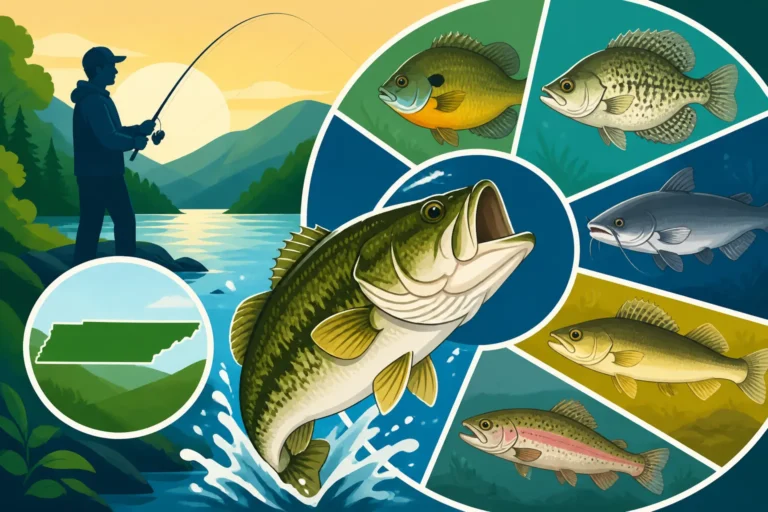
While brook trout are a fantastic catch, Tennessee waters offer a smorgasbord of other delicious fish. If you're looking to expand your culinary horizons beyond trout, here are a few other species that are highly prized for their table quality:
- Crappie: These panfish are a huge favorite among Tennessee anglers. Their white, flaky meat is incredibly sweet and delicate, making them superb for pan-frying. Many consider crappie one of the best-eating freshwater fish, perfect for a classic fish fry with hushpuppies and coleslaw. If you’re curious about their appeal, you might enjoy Is Crappie Good to Eat?.
- Catfish: From the Channel Catfish, one of Tennessee's official state fish, to the massive Blue and Flathead Catfish, these bottom dwellers are incredibly popular for eating. Catfish have a distinctive, often mild, white flesh that is very firm. They’re fantastic fried, baked, or even in stews and gumbos. Is Channel Catfish Good to Eat? provides a great overview of this state treasure.
- Bass (Largemouth, Smallmouth, Spotted): While primarily known as sport fish, bass can also be quite good to eat, especially the smaller ones. Their meat is white and flaky, though it can sometimes have a slightly stronger "gamey" flavor than trout, depending on the water quality. Many anglers enjoy them pan-fried or baked. For more on this, check out Is Largemouth Bass Good to Eat?. Remember, Tennessee even has two official state fish: Tennessee's Official State Fish: Channel Catfish and Smallmouth Bass.
Ultimately, the best eating fish is often the one you catch fresh and prepare with care. Each species offers a unique taste experience, and exploring them all is part of the joy of fishing in Tennessee.
In conclusion, brook trout are not just "good to eat" – they are truly a culinary treat. Their delicate flavor, tender texture, and the satisfaction of catching them from Tennessee's pristine streams make them one of the most rewarding fish to bring to the table. Just remember to fish responsibly, respect the regulations, and handle your catch with care to ensure the best possible meal.
Disclaimer
This article is for general informational purposes only and does not constitute professional advice. Laws, prices and regulations vary by location and change over time. Consult a qualified professional for guidance on your specific situation.