How Big Do Channel Catfish Get in Tennessee Lakes?
It's a common daydream for many Tennessee anglers: reeling in a monstrous catfish, something truly legendary. But when it comes to channel catfish in our beloved Volunteer State lakes, many folks wonder what's a realistic expectation and how big these whiskered wonders can truly get. This guide will dive deep into the typical sizes, growth factors, and the incredible potential of channel catfish across our diverse Tennessee waters, helping you understand what to expect and maybe even inspiring your next trophy hunt.
Understanding Channel Catfish Growth in Tennessee's Waters
When we talk about how big a channel catfish can get in a Tennessee lake, it’s not as simple as picking a number. These fish are incredibly adaptable, and their size is heavily influenced by a cocktail of environmental factors, food availability, and even genetics specific to a particular body of water. A channel cat thriving in the rich, fertile waters of West Tennessee might look very different from one living in a cooler, less nutrient-dense reservoir in East Tennessee, even if they're the same age.
For most casual anglers, a channel catfish in the 1 to 5-pound range is a common and respectable catch from many of our state's lakes and reservoirs. These are the fish that provide excellent table fare and a spirited fight on lighter tackle. However, the potential for truly massive channel cats is always lurking beneath the surface. Factors like ample forage – think shad, bluegill, and other smaller baitfish – combined with stable water temperatures and plenty of cover, create ideal conditions for channel catfish to bulk up. Waters with less fishing pressure and a longer growing season also tend to produce larger, older fish. It’s a delicate balance, but when all these elements align, that’s when you hear the whispers of genuinely gigantic fish being pulled from our lakes.
Typical Sizes and Record Potential for Tennessee Channel Cats
While the average catch might be a few pounds, channel catfish in Tennessee's larger lakes and rivers can certainly reach impressive dimensions. It's not uncommon for anglers who regularly target these fish to pull in specimens ranging from 10 to 20 pounds, particularly from well-managed fisheries with abundant food sources. These are the "bragging rights" fish that truly test your gear and your resolve. They have thick shoulders, powerful tails, and can put up a fight that makes your reel scream.
The real giants, those truly exceptional channel catfish, can push past the 30-pound mark and, in rare instances, even higher. These are usually older fish that have survived many seasons, grown fat on plentiful prey, and avoided the hooks of countless anglers. While I can't give you exact record numbers, it's widely known that Tennessee has produced some truly monumental channel catfish over the years, proving that our waters are capable of growing world-class specimens. Imagine tying into a fish that's longer than your arm and heavier than a bowling ball – that's the kind of potential we're talking about in certain hotspots. Understanding How to Identify Channel Catfish, Tennessee's Other State Fish can help you appreciate the specific characteristics of these incredible fish as they grow larger.
Here's a general idea of what you might encounter:
| Category | Typical Weight Range (pounds) | Typical Length Range (inches) |
|---|---|---|
| Average Catch | 1 – 5 | 12 – 20 |
| Good Catch | 6 – 15 | 20 – 28 |
| Trophy Potential | 16 – 30+ | 28 – 36+ |
These figures are broad averages, of course, and can fluctuate wildly depending on the specific lake and conditions. Some small ponds might have stunted fish that never break a few pounds, while massive reservoirs are the true proving grounds for giants. It's all part of the adventure of Channel Catfish Size and Growth Rates!
Key Factors Influencing Channel Catfish Size and Distribution
The size a channel catfish ultimately achieves is a complex story written by its environment, diet, and lifespan. It's not just about a particular lake having big fish; it's about the unique combination of elements that allow those fish to thrive.
Habitat and Food Sources
One of the most critical drivers of channel catfish size is the abundance and quality of their food source. Tennessee lakes are teeming with various baitfish like gizzard shad, threadfin shad, and various sunfish species. Where these forage fish are plentiful, channel catfish have a buffet, allowing them to grow faster and larger. Lakes with vast open waters, but also plenty of deep channels, creek bends, and submerged structures like old timber or rock piles, provide both hunting grounds and sanctuary for catfish. These features offer protection from predators and ambush points for their meals. For instance, large reservoirs like Kentucky Lake Catfish Fishing Spots or Pickwick Lake Catfish Fishing Spots, Tennessee offer incredible expanses of water with diverse habitats, contributing to their reputation for big cats. Understanding Where Channel Catfish Are Found in Tennessee Streams can also clue you into the types of structure they prefer in riverine systems.
Water depth and oxygen levels also play a significant role. Channel catfish prefer deeper, cooler water during the heat of summer but will move shallower to feed. Lakes that maintain stable, well-oxygenated deep pockets even in warm months can sustain larger fish populations. You'll often find bigger fish congregating around drop-offs, submerged humps, and ledges where they can easily move between deep and shallow water for feeding.
Water Quality and Temperature
Water quality is another unsung hero in the story of a channel catfish's growth. Clean, well-oxygenated water is essential for the health and vitality of all fish, including catfish. Pollution or excessive nutrient runoff can deplete oxygen levels, particularly in warmer months, stressing fish and hindering their growth. Tennessee's proactive management of its waterways helps ensure many of our lakes maintain a good environment for fish to flourish.
Temperature also dictates metabolism. Warmer water generally means a higher metabolism, which means fish need to eat more to grow. However, excessively hot water can stress fish, making them lethargic and less inclined to feed. There's a sweet spot, and Tennessee's seasonal temperature changes provide varying conditions that challenge and nurture these fish throughout the year. The prolonged warm seasons in Tennessee allow for extended growth periods, which contributes to the potential for larger catfish.
Age and Genetics
Like all living creatures, genetics play a role in the maximum size a channel catfish can achieve. Some fish are simply predisposed to grow larger and faster than others. While anglers don't directly control genetics, good fishery management practices that allow a healthy gene pool to thrive are beneficial.
Age is, of course, inextricably linked to size. A channel catfish needs years to reach trophy proportions. In heavily fished waters, older, larger fish may be caught more frequently, thus removing the biggest individuals from the population. Lakes with sensible fishing pressure and strong conservation efforts are more likely to harbor those older, larger specimens. When you catch a 20-pound channel cat, you're not just holding a big fish; you're holding a survivor that has lived for many years in our challenging waters.
Targeting Larger Channel Catfish in Tennessee Lakes
If you're dreaming of a true lunker, there are definitely strategies you can employ to increase your chances of hooking into one of Tennessee's trophy channel cats. It often comes down to choosing the right gear, the right bait, and knowing where and when to present it.
Best Baits and Rigs
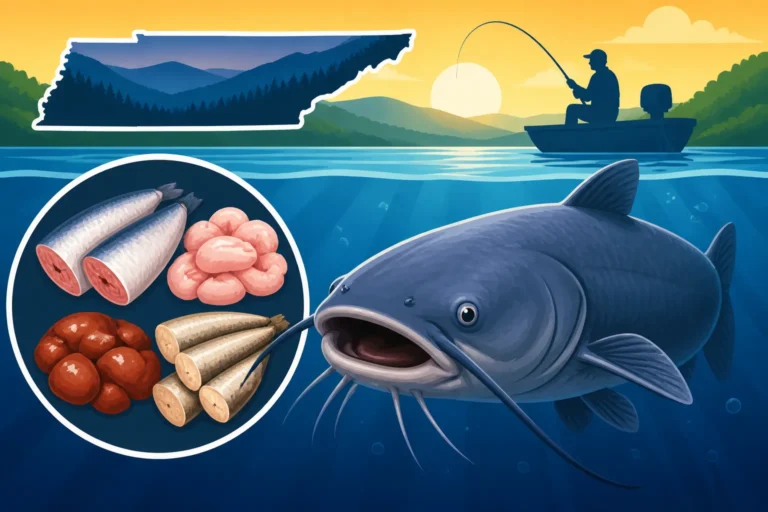
Forget the small bits of hot dog if you're seriously hunting a giant channel cat! While they'll eat almost anything, bigger fish are often after bigger, more substantial meals. Cut bait is king for large channel catfish. Chunks of fresh shad, bluegill, skipjack herring, or even chicken liver can be incredibly effective. The stronger the scent, the better! Some anglers swear by specialized "stink baits" or dip baits, often applied to a worm or sponge, which release a potent scent cloud to attract fish from a distance. If you're looking for quality baits or the components to make your own powerful concoctions, Amazon is a great resource where you can find a wide variety of options, from pre-made stink baits to the hooks and weights you'll need.
For rigs, a simple Carolina rig or a three-way swivel rig is usually all you need. Heavy line (20-pound test or more) is a must, especially if you're fishing near snags. Circle hooks, sized appropriately for your bait (think 5/0 to 8/0), are fantastic as they tend to hook the fish in the corner of the mouth, making for easier release if you're not keeping your catch, and preventing gut-hooking. For a solid foundation, check out Best Rod Setup for Channel Catfish.
Optimal Fishing Spots and Times
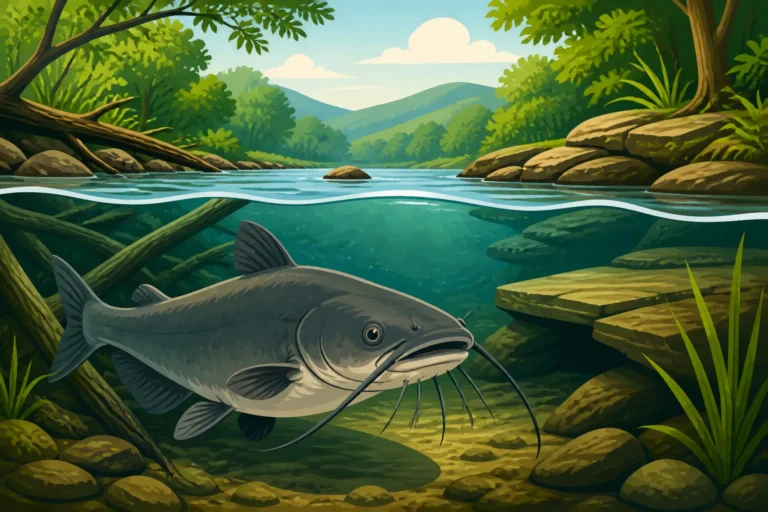
Larger channel catfish are often found in deeper water, especially during the day and in warmer months. Look for main river channels, deep holes, old creek beds, and abrupt drop-offs in lakes like Watts Bar Lake Catfish Fishing Spots. These areas offer cooler temperatures and a natural highway for fish movement. Submerged timber, rock piles, and bridge pilings are also prime real estate as they provide cover and ambush points.
Night fishing is arguably the most productive time for targeting big channel cats. As the sun sets and temperatures cool, these fish become much more active, moving into shallower flats, creek mouths, and even along rip-rap shorelines to feed. They use their keen sense of smell and barbels to hunt in the dark. Learning How to Catch Catfish at Night can dramatically improve your success rate. Also, consider the Best Time of Year to Catch Catfish, as spring and fall often offer excellent opportunities when fish are actively feeding.
Patience and Persistence
Catching a truly massive channel catfish isn't always an everyday occurrence. It requires patience, persistence, and a willingness to learn from your experiences. Don't get discouraged if you only catch smaller fish at first; you're gaining valuable insight into the lake and the fish's behavior. Experiment with different baits, depths, and locations. A good fish finder can be an invaluable tool for locating those deep structures and baitfish schools that big cats rely on. There are many affordable and effective models available on Amazon that can help you map out the underwater terrain.
Moreover, pay attention to the moon phases and barometric pressure. While not always definitive, some anglers swear by certain conditions that seem to trigger more aggressive feeding behavior in larger fish. Sometimes, it’s about waiting out the bite, letting your bait soak for an extended period in a promising location. Being prepared with good quality gear, plenty of bait, and a comfortable setup for those long waits is crucial.
Remember, every cast is a chance to make a memory. Whether it's a feisty 2-pounder or a true lake monster, channel catfish offer some of the most exciting fishing Tennessee has to offer.
Disclaimer
This article is for general informational purposes only and does not constitute professional advice. Laws, prices and regulations vary by location and change over time. Consult a qualified professional for guidance on your specific situation.