Best Live Bait for Flathead Catfish
Flathead catfish are truly one of Tennessee's most formidable and rewarding freshwater fish to target. However, these elusive predators are notoriously picky, often ignoring traditional cut baits that other catfish devour. If you've ever felt the frustration of casting out what you thought was a prime bait only to be met with silence, you're not alone. This comprehensive guide is here to unravel the mystery, detailing the best live bait options and techniques to help you consistently hook into those massive, hard-fighting flatheads in Tennessee.
Understanding Flathead Catfish Behavior and Diet
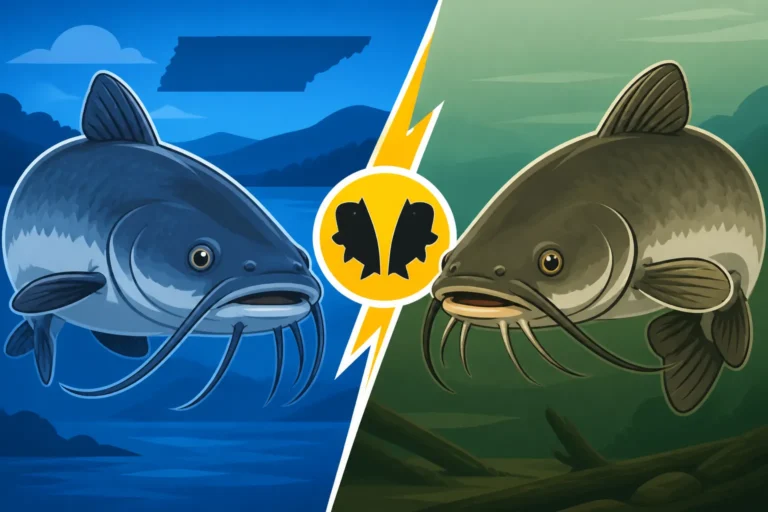
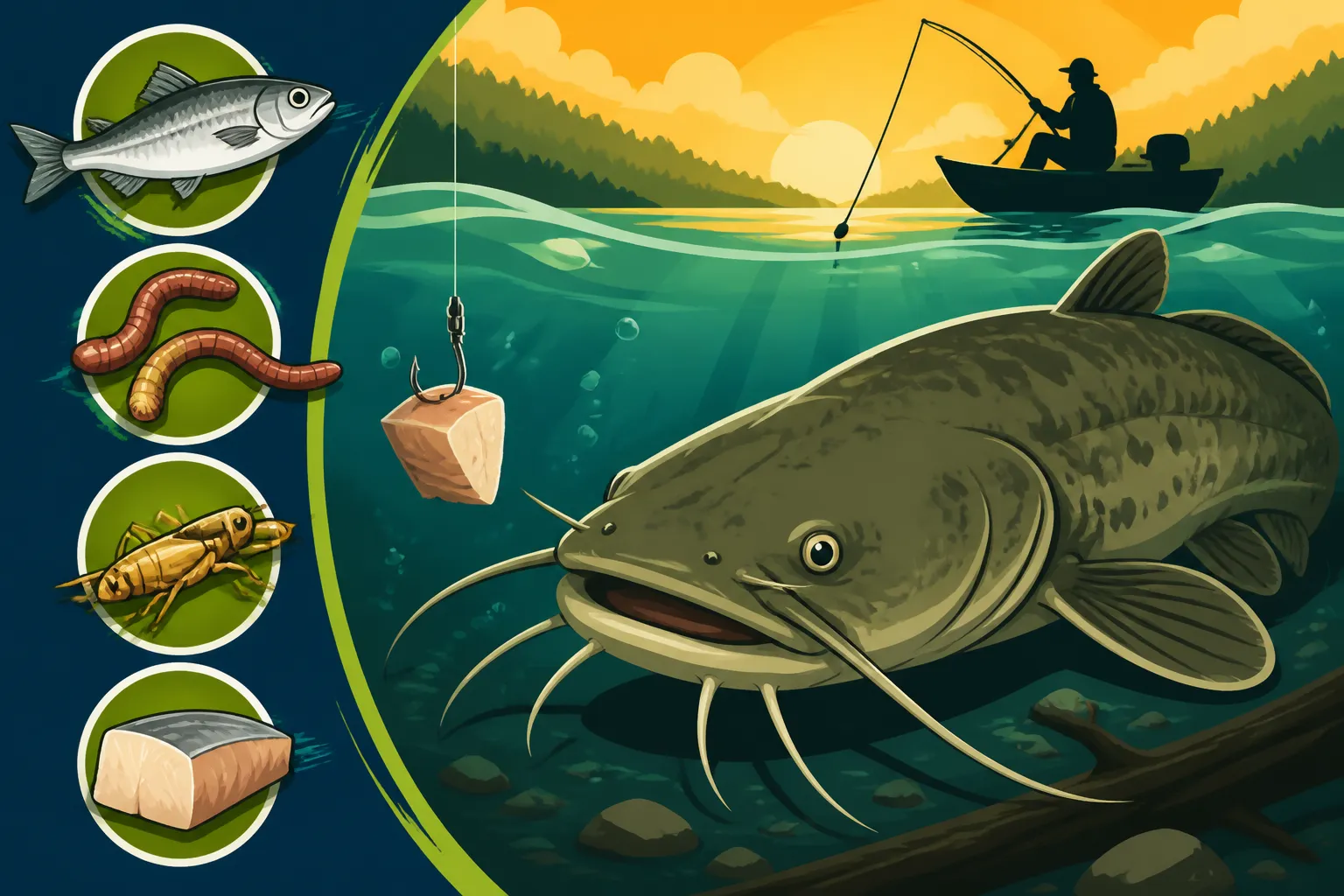
Before we dive into specific baits, it's crucial to understand what makes a flathead tick. Unlike their scavenging cousins, the channel and blue catfish, flatheads are ambush predators. They are wired to hunt, preferring live, struggling prey over anything inert or processed. This fundamental difference in feeding behavior is the key to unlocking consistent success when targeting these giants. If your approach isn't centered around mimicking what they naturally hunt, you're likely to struggle.
Flatheads are often found lurking in deep holes, under large submerged structures like fallen trees or rocky outcroppings, and along sharp drop-offs in rivers and reservoirs. They use these spots as ambush points, waiting for an unsuspecting meal to swim within striking distance. Their broad, flattened heads and powerful bodies are perfectly adapted for these stealthy attacks. They don't want to chase something; they want something vulnerable to come to them.
Why Live Bait is King for Flatheads
Given their predatory nature, it becomes clear why live bait isn't just an option for flathead catfish – it's often the only consistently effective choice. A lively baitfish struggling on the hook sends out irresistible vibrations and distress signals that trigger a flathead's hunting instinct. This is a stark contrast to a piece of dead cut bait, which, while potent for blues and channels, simply doesn't mimic the living prey a flathead craves.
Many anglers who are new to flathead fishing often get discouraged because they use the same tactics and baits they would for other catfish species. While a chunk of chicken liver or a smelly punch bait might work wonders for a feisty channel cat, a large flathead will typically ignore it entirely. You're trying to appeal to a hunter, not a scavenger. Embracing the live bait strategy means you're speaking their language, presenting them with a meal that looks, feels, and acts exactly like what they would naturally pursue. This fundamental shift in approach is the most critical lesson in flathead fishing.
Natural Prey in Tennessee Waters
To select the best live bait, we need to consider what flatheads are naturally eating in Tennessee's diverse aquatic environments. Flatheads are adaptable, but their diet heavily features species that are abundant in their specific habitats. By understanding their natural forage, you can choose bait that flatheads recognize and instinctively target.
In Tennessee's rivers, large reservoirs, and even some ponds, flatheads commonly prey on a variety of smaller fish. These can include species like bluegill, green sunfish, small suckers, creek chubs, shad, and even small carp. These fish often share the same habitats as flatheads – around submerged cover, along current breaks, and in deeper pools. Using a baitfish that naturally lives in the waters you're fishing gives you a significant advantage, as it's a familiar and preferred food source. For instance, if you're fishing the Tennessee River, choosing a baitfish commonly found there, like a locally caught bluegill, will almost always outperform an exotic species a flathead has never encountered.
Top Live Bait Options for Flathead Catfish in Tennessee
When it comes to the "best" live bait, you're looking for a combination of liveliness, durability, and a size that will attract a substantial flathead without being too overwhelming. These top choices consistently prove their worth on Tennessee waters, leading to memorable battles with these powerful fish.
Bluegill and Other Sunfish
The bluegill holds a revered spot in the hearts of many flathead anglers, and for good reason: it is arguably the single most effective live bait for flathead catfish across Tennessee. These feisty panfish are incredibly abundant in virtually every lake, pond, and river system throughout the state, making them a natural and accessible food source for flatheads. Their disc-shaped profile, combined with their strong swimming action, creates significant vibrations in the water, which flatheads readily detect. Green sunfish and small rock bass are also excellent choices, functioning similarly to bluegill.
When selecting bluegill for bait, aim for a size appropriate for the flatheads you're targeting. Generally, a bluegill between 4 to 8 inches long is ideal for most applications, offering a substantial meal that even trophy flatheads won't pass up. Smaller bluegill might attract smaller flatheads or other species, while much larger ones can sometimes be too cumbersome for average-sized flatheads. The key is to ensure your bluegill are lively and healthy. A frisky bluegill constantly trying to swim away is a far more enticing target than a sluggish one. These hardy baitfish can remain active on the hook for extended periods, which is a huge advantage during long waits for a bite.
Creek Chubs and Suckers
While bluegill are phenomenal, creek chubs and various species of suckers are incredibly potent baits, particularly in river systems where they are indigenous. Creek chubs are slender, silvery fish commonly found in smaller streams and tributaries throughout Tennessee. They are remarkably hardy and resilient, capable of staying alive and active on a hook for a long time. Their natural habitat often overlaps with prime flathead holding areas, making them a familiar and desirable meal.
Suckers, such as white suckers or various redhorse species, are also excellent choices, especially the smaller ones. They have a more cylindrical body shape than bluegill and are naturally bottom-oriented, which aligns perfectly with where flatheads often feed. Their toughness and ability to withstand the stress of being hooked are significant advantages. You'll often find these species in cooler, cleaner water, making them great candidates for flathead fishing in larger rivers like the Clinch River or the Cumberland River, particularly if you are also targeting other game fish. Their natural movements along the bottom mimic a distressed fish, sending out those crucial "come eat me" signals that attract hungry flatheads.
Goldfish and Other Pond Fish
Sometimes, convenience dictates your bait choice, and in those situations, goldfish and other readily available pond fish can be surprisingly effective. While goldfish are not native to Tennessee waters, they are easily purchased from pet stores and can attract flatheads, especially in waters where they might have been introduced or where flatheads are less wary. Their bright coloration and active swimming make them highly visible and attention-grabbing, which can be an advantage in murky water conditions.
Beyond goldfish, other pond fish like shiners or small carp can also be used. The primary appeal of these options is their accessibility. If you're short on time to catch your own bait, a quick trip to a local pet store or a well-stocked bait shop can supply you with lively, albeit sometimes pricier, alternatives. The critical factor remains the same: ensure they are healthy and full of life when you deploy them. A flathead is a predator looking for an easy meal, not a dead offering. Always be sure to check local Tennessee Fishing Regulations Explained regarding the use of non-native species as bait, as rules can vary by specific water body and can change.
| Bait Type | Key Advantages | Ideal Size (inches) | Primary Habitat | Effectiveness for Flatheads |
|---|---|---|---|---|
| Bluegill | Abundant, very active, natural prey | 4-8 | Lakes, ponds, rivers, sunny areas | Excellent |
| Creek Chubs | Very hardy, active, natural river prey | 3-6 | Smaller streams, river tributaries | Excellent |
| Suckers | Hardy, bottom-oriented, natural prey | 4-8 | Rivers, larger streams | Very Good |
| Goldfish | Readily available, active | 3-6 | Pet stores, urban ponds (check rules) | Good |
| Shad | Natural prey, strong scent | 4-7 | Large rivers, reservoirs | Very Good |
Sourcing and Keeping Your Live Bait Fresh
Securing the best live bait is a fantastic start, but it's equally important to know how to acquire it and, more importantly, how to keep it alive and kicking. A dead or dying baitfish is just a less effective lure for a discerning flathead. Fresh, lively bait is the foundation of a successful flathead fishing trip. For instance, keeping your bait lively is just as critical as having the right Tackle Box Setup by Species.
Catching Your Own Bait
For many dedicated flathead anglers, catching their own bait is an essential part of the fishing experience and often the most reliable way to ensure you have the freshest, liveliest fish. Bluegill, sunfish, and creek chubs can typically be caught with minimal effort using small hooks (size 8-12), ultralight line, and tiny bits of worm, corn, or even bread. A simple cane pole, a lightweight spinning outfit, or a small net for minnows are often all you need. You can often find an abundance of these baitfish in shallow coves, around boat docks, or in slower-moving sections of rivers and streams. Remember to bring a reliable bait bucket or a small cooler equipped with an aerator to immediately transfer and keep your catch alive.
It's absolutely essential to be mindful of Tennessee Fishing Regulations Explained when catching bait. There are often specific rules concerning which species can be used as bait, size restrictions, and possession limits. For example, some areas might prohibit the use of certain species, or there could be a daily limit on the number of bluegill you can catch and keep, even if they are for bait purposes. Always consult the most current regulations from the Tennessee Wildlife Resources Agency (TWRA) to ensure full compliance. Using a cast net can be highly effective for catching schooling baitfish like shad in open waters, but confirm that cast net use is permitted in your specific fishing area. Understanding How Tennessee Fishing Licenses Work is also vital before you start.
Buying Live Bait
If catching your own bait isn't practical or if you're targeting specific species like goldfish that aren't easily caught, purchasing live bait is your next best option. Many local bait and tackle shops throughout Tennessee stock a variety of live bait, from minnows and shiners to bluegill and sometimes even larger suckers. It's a good idea to call ahead, especially if you're looking for specific larger baitfish, as inventory can vary. When buying, always inspect the bait: look for active, healthy fish with no visible signs of disease, injury, or sluggishness.
For transporting purchased bait, a high-quality insulated bait bucket or cooler with a robust aerator is indispensable. You can find excellent portable aerators and bait coolers on platforms like Amazon, which are crucial for maintaining bait health, especially during hot Tennessee summers. A reliable aerator continuously pumps oxygen into the water, preventing your baitfish from becoming stressed or dying due to oxygen depletion. This equipment isn't just a convenience; it's a vital investment in your flathead fishing success. Checking out Where to Buy a Fishing License in Tennessee can also point you to local bait shops that might offer live bait.
Proper Bait Care
Keeping your live bait vigorous and attractive is absolutely paramount for flathead fishing. Here are some indispensable tips to ensure your bait stays alive and appealing:
- Aeration is Crucial: Whether you're using a battery-powered aerator in your bucket or a sophisticated livewell system on your boat, a constant supply of oxygen is non-negotiable. Without it, baitfish will quickly consume the available oxygen, particularly in warmer water, leading to stress and death.
- Temperature Control: Rapid changes in water temperature can shock and kill baitfish. Strive to keep the bait water temperature consistent with the water you'll be fishing in. On hot days, adding a frozen plastic water bottle (rather than direct ice, as tap water often contains chlorine harmful to fish) to the bait bucket can help maintain a cool, stable temperature.
- Avoid Overcrowding: Stuffing too many fish into a small container will quickly deplete oxygen levels and cause immense stress. Give your baitfish ample room to swim and breathe comfortably.
- Maintain Clean Water: Periodically change out a portion of the bait water, especially if it becomes cloudy or fouled. Use fresh water from the lake or river you're fishing to avoid introducing tap water chemicals that can harm your bait.
- Gentle Handling: Minimize handling your baitfish directly. Use a small, soft net to scoop them out of the bucket rather than grabbing them by hand, as your hands can remove their protective slime layer, making them vulnerable to disease and stress.
By diligently following these bait care guidelines, your baitfish will remain lively, attractive, and capable of sending out the irresistible distress signals that trigger aggressive flathead strikes.
Rigging Techniques for Live Bait Flathead Fishing
Once you have your premium live bait, the next critical step is presenting it effectively to those elusive flatheads. The way you rig your bait can be the deciding factor between a fruitless outing and landing a trophy. Flathead fishing typically involves getting your bait down to the bottom where they lurk, or suspending it just above structure. Let's delve into some of the most reliable rigging methods. Knowing about Boat Fishing Rules and License Requirements in Tennessee is also important if you're planning to fish from a vessel.
The Carolina Rig
The Carolina rig is a timeless and incredibly effective setup for presenting live bait directly on the bottom, while still allowing your baitfish a natural range of movement. This rig typically consists of a heavy sinker (often a flat no-roll sinker or an egg sinker, usually 1 to 4 ounces, depending on current and depth), followed by a small bead (to protect the knot from the sinker's abrasion), then a strong barrel swivel, and finally a leader tied to your hook. The leader length can vary, usually from 18 inches to 3 feet, providing your baitfish sufficient freedom to swim and attract attention without immediately alarming the flathead.
The main line (generally heavy monofilament or braided line, 30-80 lb test) passes through the sinker, allowing a flathead to pick up the bait and swim off without feeling the immediate resistance of the weight. This "free-sliding" aspect is paramount because flatheads are notoriously wary; any unnatural resistance can cause them to drop the bait before fully committing. You'll want a stout circle hook, typically a 7/0 to 10/0, matched to the size of your bait. Circle hooks are exceptional for flatheads as they are designed to hook securely in the corner of the fish's mouth, minimizing harm and facilitating easier release if you choose. You can find robust circle hooks and all the necessary components for this rig from reputable brands on Amazon or at any well-stocked tackle shop.
Three-Way Swivel Rig
For situations involving current, or when you need to suspend your bait precisely above snags or the bottom, the three-way swivel rig (sometimes referred to as a dropper rig) is an outstanding choice. This versatile rig utilizes a three-way swivel, which, as the name suggests, has three eyelets. Your main line ties to one eyelet. From a second eyelet, you tie a shorter leader (typically 6-12 inches) to a heavy sinker, which anchors your setup to the bottom. From the third eyelet, you tie a longer leader (ranging from 18 inches to 4 feet, depending on the conditions) to your live bait hook.
This configuration allows the sinker to rest firmly on the bottom, holding your position, while your live bait swims freely above it, safely away from immediate snags or thick cover. It is particularly effective when targeting flatheads that might be suspended near vertical structure or in areas with moderate to strong current, such as the main channels of the Tennessee or Cumberland rivers. The ability to adjust the length of your leaders allows for precise bait presentation, positioning your live bait exactly where you anticipate the flatheads are lurking. This rig helps prevent your bait from getting buried in muck or immediately snagging on underwater obstructions.
Hook Placement for Max Effectiveness
Proper hook placement is absolutely critical for ensuring your live bait remains alive, swims naturally, and sends out those alluring distress signals. The objective is to hook the bait in a way that allows it maximum freedom of movement without inflicting fatal injury or making it appear unnatural.
- Through the Back: This is the most common and often preferred method for bluegill, suckers, and other larger baitfish. Carefully hook the baitfish just behind its dorsal fin, making sure to avoid piercing the spine. This placement allows the fish to swim naturally and stay alive for an extended period. The hook point should always be exposed for optimal hook-ups.
- Through the Lips: For smaller baitfish, or when fishing in strong currents, hooking the bait through both lips (from the bottom lip up through the top lip) can keep it securely attached. This method is also advantageous if you want the bait to face directly into the current, mimicking a struggling fish.
- Careful Handling: Always handle your baitfish with extreme gentleness. Excessive squeezing or rough handling can damage internal organs and quickly kill the fish. Once hooked, get the bait into the water as swiftly and smoothly as possible.
- Hook Size: Match your hook size precisely to your baitfish. A hook that is too small won't provide a secure hold, and one that is too large will significantly restrict the bait's movement and may kill it prematurely. For flatheads, generally opt for large, stout hooks, such as a 7/0 to 10/0 circle hook. These are widely available from quality brands on Amazon or at any reputable local tackle shop. Remember, the goal is to penetrate the notoriously tough mouth of a flathead, so hook sharpness and strength are non-negotiable.
By mastering these rigging techniques and diligently practicing proper bait care and handling, you will dramatically increase your chances of hooking into that monster flathead catfish you've been dreaming about. Don't forget to review Tennessee Fishing License Costs and Types before your trip, and always be aware of Tennessee's Fishing License Requirements to ensure a legal and enjoyable outing. For a general overview of the rules, check out Tennessee Fishing Rules Every Angler Should Know. Also, considering where to fish for these giants, explore Best Catfish Lakes in Tennessee or Best Rivers for Fishing in Tennessee. And for general regulations, remember to consult A Complete Guide to Fishing Licenses in Tennessee. Happy fishing!
Disclaimer
This article is for general informational purposes only and does not constitute professional advice. Laws, prices and regulations vary by location and change over time. Consult a qualified professional for guidance on your specific situation.