Best Bait for Crappie Fishing
Oh, the age-old question that keeps every crappie angler up at night: "What's the best bait?" It's a riddle wrapped in an enigma, isn't it? One day they hit anything, the next they're as picky as a gourmet critic. If you've ever stood on the bank of a Tennessee lake, scratching your head while watching other boats pull in slab after slab, you know the frustration. This guide is here to cut through the confusion and give you a comprehensive breakdown of the most effective baits for crappie fishing across our beautiful Volunteer State, helping you understand not just what to use, but when and why.
Decoding Crappie Appetites: Why Bait Choice Matters So Much
Crappie are fascinating fish, known for their distinctive speckled patterns and delicious white meat. But they can also be notoriously finicky, especially when conditions aren't perfect. Their preferences can change with the season, water temperature, clarity, and even the time of day. This is why having a diverse tackle box and a good understanding of their habits is absolutely crucial to consistent success. It's not just about throwing something in the water; it's about making an informed decision.
The Eternal Debate: Live Bait vs. Artificial Lures
This is where the crappie fishing world often splits. On one side, you have the traditionalists who swear by live bait, particularly minnows. On the other, the modernists who have mastered the art of artificial lures, often out-fishing the live bait crowd with jigs and soft plastics. And then there are those of us who carry a little of both, ready for anything!
The truth is, neither is universally "better." Crappie are opportunistic predators, and sometimes the natural scent and action of a live minnow are simply irresistible. Other times, the flash, vibration, or specific profile of an artificial lure can trigger a bite that live bait can't. It truly depends on the mood of the fish and the specific conditions you're facing. Don't fall into the trap of thinking one is always superior; instead, learn to leverage the strengths of both.
Understanding Crappie Behavior: The Key to Bait Success
Before we dive into specific baits, let's take a moment to consider what makes crappie tick. Crappie are schooling fish, meaning they often hang out together in groups, sometimes in significant numbers. They love structure: brush piles, submerged timber, docks, bridge pilings, and even sudden changes in bottom contours. They're ambush predators, often hiding in these structures, waiting for an unsuspecting meal to swim by.
Their vision is excellent, especially in low light, which is why dawn and dusk are often prime crappie times. They also detect vibrations and scents in the water, which play a huge role in their feeding. Knowing this helps you understand why certain baits and presentations work, and why that tiny jig in chartreuse might be the ticket when the sun is bright, but a slow-moving minnow is better in murky water. It's about presenting something they perceive as an easy, appealing meal within their strike zone.
The Tried-and-True: Live Bait Options for Tennessee Crappie
When crappie get lockjaw, or if you're just looking for a reliable bite, live bait is often your best friend. There's something about the natural movement and scent that crappie just can't resist.
Minnows: The Undisputed King of Crappie Baits
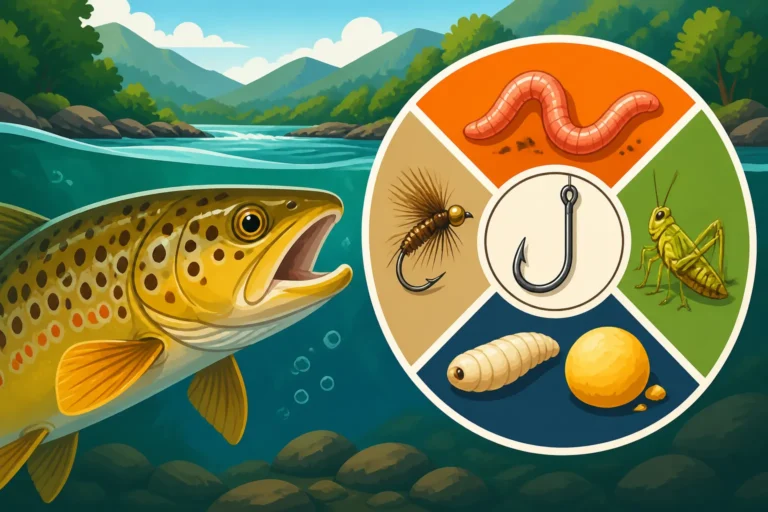
If there's one bait that defines crappie fishing in Tennessee, it's the humble minnow. Whether it's a shiner, a fathead, or a rosy red, a lively minnow is almost always a surefire way to entice a bite. They're crappie's natural forage, and nothing imitates a natural meal quite like the real thing.
When rigging minnows, a light wire hook (size 1 or 2) is usually best. You can hook them through the lips for a natural swimming action, or just behind the dorsal fin if you want them to struggle a bit more, which can sometimes trigger an aggressive strike. A simple slip bobber rig, allowing you to present the minnow at a specific depth, is incredibly effective, especially around brush piles or submerged trees. For colder water, a slow presentation with a live minnow can be absolutely deadly. This is especially true when learning How to Catch Crappie in Cold Water, as their metabolism slows down and they prefer an easy meal. Many local bait shops around lakes like Kentucky Lake or Chickamauga Lake will have fresh minnows, or you can even find aerators and minnow buckets on Amazon to keep them lively.
Crickets and Worms: Sometimes the Surprise Winners
While minnows get all the glory, don't overlook crickets or worms, especially if crappie are being particularly stubborn or if you're targeting other panfish alongside them. Crickets are more commonly associated with bluegill and other sunfish, but a small cricket on a tiny hook, fished under a bobber, can definitely draw in crappie, especially in clearer, shallower waters.
Red wigglers or small pieces of nightcrawlers can also be effective. While not their primary forage, the scent and wriggling action can sometimes be just enough to tempt a curious crappie. These baits are particularly good for casual bank fishing, or when taking kids out, as they are easy to rig and handle.
Keeping Your Live Bait Lively: Essential Tips
A lively minnow is a biting minnow. If your bait is sluggish or dead, it's far less effective. Here are a few tips to keep your live bait in prime condition:
- Aeration: Invest in a good aerator for your minnow bucket. This keeps oxygen in the water, which is vital for minnow health.
- Water Temperature: Try to keep the water in your bucket close to the temperature of the water you'll be fishing in. Drastic temperature changes can shock minnows.
- Avoid Overcrowding: Don't put too many minnows in one bucket. Give them room to swim.
- Change Water: If you're out for an extended period, change a portion of the water in your bucket with fresh lake water (if it's clean).
- Handle Gently: When hooking minnows, be gentle to avoid injuring them unnecessarily.
Artificial All-Stars: Jigs, Plastics, and Hard Baits
For many anglers, the challenge and reward of catching crappie on artificial lures are unmatched. These baits offer versatility, allow you to cover more water, and come in an incredible array of colors and designs. Plus, no need for aerators or changing water!
The Versatility of Jigs: From Hair to Tube
Jigs are undoubtedly the most popular artificial lure for crappie, and for good reason. They are incredibly versatile, mimicking various baitfish and insects, and can be fished in countless ways.
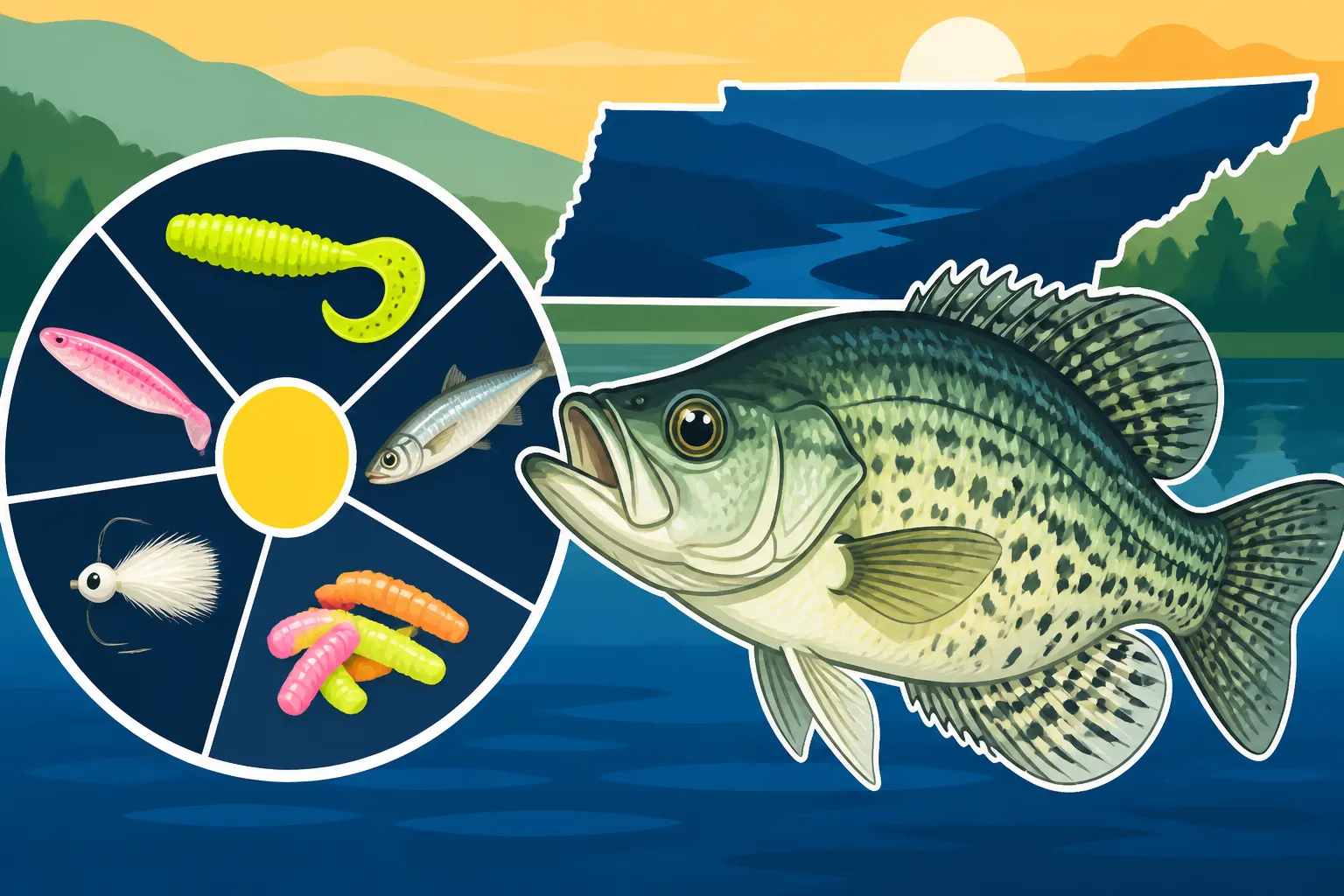
- Hair Jigs: Often made from real animal hair (like squirrel or deer), these jigs have a natural, pulsating action in the water. They are fantastic in clear water and for finicky fish, providing a subtle, lifelike presentation.
- Tube Jigs: These are soft plastic tubes with tentacles that flare out, creating a seductive action. They're often paired with a jig head and are incredibly effective, especially in varying water clarities.
- Grub Jigs: Perhaps the most common, these feature a soft plastic grub with a curly tail or a paddle tail, providing lots of action even on a slow retrieve.
Jig head weights typically range from 1/32 to 1/8 ounce for most crappie fishing in Tennessee, depending on depth and current. When you're trying to figure out How to Jig for Crappie, remember that the retrieve is often as important as the bait itself. A slow lift-and-drop, a gentle twitch, or a steady retrieve can all be effective. You can find an incredible variety of jig heads and soft plastic bodies on Amazon, allowing you to experiment with different combinations.
Soft Plastics: The Endless Color and Shape Spectrum
Beyond the traditional grub, the world of soft plastics for crappie has exploded. You'll find everything from tiny crappie magnets to small swimbaits and creature baits designed specifically for slabs.
- Curly Tail Grubs: Still a staple, these offer constant action even at very slow speeds.
- Paddle Tail Swimbaits: These provide a thumping action that can attract more aggressive crappie.
- Crappie Magnets and Micro Plastics: These tiny, often straight-tail or split-tail plastics are fantastic when crappie are targeting very small forage or are being particularly picky.
Color is incredibly important with soft plastics. For example, knowing the Best Jig Colors for Spring Crappie can make a huge difference. Bright colors like chartreuse, pink, and orange often work well in murky water or on overcast days, while more natural colors like smoke, clear with glitter, or minnow patterns excel in clear water or bright sunshine. Many anglers also add scent to their soft plastics to further entice bites.
Small Crankbaits and Spinnerbaits: When to Cover Water
While jigs and minnows are often fished vertically or slowly, sometimes crappie are scattered, or you need to cover a lot of water to find them. This is where small crankbaits and spinnerbaits come into play.
- Small Crankbaits: These lures dive to various depths and have a built-in wobbling action. They are excellent for trolling or casting to cover, especially when crappie are active and chasing baitfish. Look for models designed for shallow to medium depths.
- Small Spinnerbaits: Often called "inline spinners" or "beetle spins," these feature a spinning blade that creates flash and vibration, along with a soft plastic or hair body. They can be cast and retrieved or trolled slowly, and the flash can be irresistible to crappie.
These are particularly effective when How to Spider Rig for Crappie over larger areas, allowing you to present multiple baits at different depths and speeds, quickly identifying what the crappie prefer on a given day.
Matching Your Bait to Tennessee's Seasons and Conditions
Understanding crappie behavior throughout the year is perhaps the most crucial aspect of selecting the right bait. Tennessee's diverse waterways, from the mountain streams to the vast reservoirs, mean that tactics will vary. If you're looking for a general overview, check out our Tennessee Crappie Fishing Guide by Season.
Spring Frenzy: Spawning Crappie and Their Feast
Ah, spring! This is arguably the most exciting time for crappie fishing. As water temperatures rise into the 50s and 60s, crappie move into shallower waters to spawn. They become incredibly aggressive and protective, making them easier to target.
During the Spring Crappie Spawn Timing in Tennessee, look for crappie around shallow cover like submerged brush, downed trees, weed beds, and even riprap. Brightly colored jigs (chartreuse, pink, orange, or combinations) are incredibly effective, as are small minnows. A slow-falling jig or a minnow under a bobber, positioned right in a brush pile, can lead to non-stop action. Many anglers focus on areas where How to Catch Crappie Around Brush Piles is most effective, as these spots offer both cover and feeding opportunities.
Summer Deep Dive: Locating Crappie in Warmer Waters
Once the spawn is over and water temperatures really climb, crappie retreat to deeper, cooler waters. They'll often suspend over creek channels, along ledges, or congregate in deep brush piles.
Finding them is key, and this is where electronics come in handy. Once located, vertical jigging with minnows or small jigs directly over their heads can be effective. Trolling with small crankbaits or spider rigging with multiple rods, each presenting a different bait (minnow, jig, or soft plastic) at varying depths, is also a highly productive tactic for How to Find Crappie in Summer. Focus on main lake points, channel swings, and deep timber, especially on lakes like Kentucky Lake or Chickamauga.
Fall Feast and Winter Slump: Transition and Slow Presentations
Fall can be another fantastic time for crappie, as they feed heavily in preparation for winter. They'll often move back shallower, chasing schools of baitfish, but can still be found deeper in timber. Jigs, soft plastics, and minnows are all excellent choices.
Winter crappie fishing, while challenging, can be incredibly rewarding. Crappie school up tightly in deep water, often near the bottom in channels, over deep brush piles, or around bridge pilings. Their metabolism slows down considerably, so slow, subtle presentations are paramount. Vertical jigging with tiny jigs (1/32 or 1/64 oz) or small minnows becomes the most effective strategy. A gentle twitch, barely moving the bait, is often all it takes to trigger a bite.
Practical Considerations and Pro Tips
Beyond choosing the right bait, there are several other factors that can significantly impact your crappie fishing success.
| Bait Type | Best Use Cases | Pros | Cons |
|---|---|---|---|
| Live Minnows | All seasons, especially cold water or finicky fish; vertical presentations, under bobbers. | Natural scent and action; often irresistible. | Requires special care; can be expensive; less mobile. |
| Tube Jigs | All seasons; versatile for casting, vertical jigging, trolling. | Versatile colors/sizes; easy to rig; durable. | No natural scent; action depends on retrieve. |
| Grub Jigs | All seasons; casting, slow retrieve, trolling. | Great action from curly tail; wide color range. | Can be ripped off easily; no natural scent. |
| Hair Jigs | Clear water; finicky fish; subtle presentations. | Very natural, subtle action; durable. | Limited color range; requires specific retrieve. |
| Small Crankbaits | Covering water; active, chasing fish; trolling. | Covers wide area; inherent action; varied depths. | Less effective for suspended or very deep fish. |
| Small Spinnerbaits | Active fish; low light; covering water; shallow cover. | Flash and vibration; good for aggressive fish. | Can snag easily; less subtle for finicky fish. |
The Importance of Rod, Reel, and Line
You can have the best crappie bait in the world, but if your tackle isn't right, you'll miss bites. Crappie have soft mouths, so a forgiving rod is key.
- Rod: An ultralight or light action spinning rod, 5 to 7 feet long, with a fast or moderate action, is ideal. This setup provides the sensitivity to detect subtle crappie bites and the forgiveness to prevent hooks from tearing out of their mouths.
- Reel: A small spinning reel (500 to 1000 size) balances perfectly with an ultralight rod.
- Line: Light line, typically 4 to 6 lb test monofilament or fluorocarbon, is preferred for crappie. Its low visibility and minimal stretch help with bite detection. Some anglers opt for thin braid with a fluorocarbon leader for enhanced sensitivity. Building a well-rounded Tackle Box Setup for Crappie Fishing means paying attention to these details.
Experimentation and Local Wisdom
Don't be afraid to experiment! If what you're doing isn't working, change your bait, change your color, change your depth, or change your presentation. Sometimes a slight alteration is all it takes.
Additionally, local bait shops are treasure troves of information. The folks who run these places often know exactly what the crappie are biting on in their particular area. Online forums and local fishing groups can also provide valuable real-time insights into what's working on specific lakes. The beauty of places like Amazon is that you can quickly find a wide array of new jigs, hooks, and lines to try based on the latest tips.
Reading the Water and Weather
Environmental factors heavily influence crappie behavior and bait preference.
- Water Clarity: In clear water, natural colors, smaller baits, and slower presentations often work best. In murky water, brighter colors (chartreuse, orange, pink) and baits that create more vibration (like a paddle tail grub or small spinnerbait) can be more effective.
- Temperature: As mentioned, colder water means slower presentations. Warmer water generally means more active fish and potentially faster retrieves or more aggressive lures.
- Sunlight: Overcast days or low light conditions (dawn/dusk) often see crappie more active and willing to chase. Bright, sunny days may push them deeper or into denser cover, requiring more precise presentations.
Where to Find Crappie in Tennessee
Tennessee boasts some incredible crappie fisheries. From the cypress-filled waters of Reelfoot Lake in West Tennessee to the expansive reservoirs of the Tennessee River system like Kentucky Lake, Chickamauga Lake, and Watts Bar, there's no shortage of fantastic places to fish. For some great starting points, check out our Best Crappie Fishing Lakes in Tennessee. The Tennessee Wildlife Resources Agency (TWRA) also does a fantastic job with their Black Crappie Stocking by TWRA in Tennessee programs, helping ensure healthy populations across the state. They love structure, so focus your efforts around brush piles, submerged trees, docks, and bridges, regardless of the water body.
Disclaimer
This article is for general informational purposes only and does not constitute professional advice. Laws, prices and regulations vary by location and change over time. Consult a qualified professional for guidance on your specific situation.