Native Fish Species and Where They’re Found in Local Waters
It's easy to get caught up in the excitement of landing a big bass or a feisty crappie in Tennessee, but have you ever paused to think about the fish that truly call these waters home, the ones whose ancestors have swum here for millennia? Many anglers, myself included at times, focus on the popular sport fish, overlooking the rich tapestry of native species that define our state's aquatic heritage. This guide will take you on a journey through Tennessee's truly local waters, exploring what makes a fish native, which species are our natural treasures, and where you can find these remarkable residents.
What Exactly Makes a Fish "Native" in Tennessee?
When we talk about native fish, we're not just discussing any fish you can catch in a Tennessee lake or stream. We're talking about species that have naturally evolved and established populations in our waterways without human intervention. They've been here, adapting and thriving, long before anyone cast a line or built a dam. Understanding this distinction is crucial to appreciating the unique ecological balance of our local waters.
The Deep Roots of Tennessee's Aquatic Ecosystems
Think of native fish as the original inhabitants of our rivers, creeks, and lakes. Their presence is a testament to the long, intricate history of Tennessee's natural environment. These species developed alongside the specific geological formations, climate patterns, and other flora and fauna that make our state unique. They are perfectly adapted to the varied conditions, from the cold, clear mountain streams of East Tennessee to the slower, warmer rivers of the west. When you see a native fish, you're not just looking at an individual creature; you're witnessing a living piece of our state's natural legacy, a species that has found its perfect niche over countless generations.
In contrast, many of the fish we commonly target, while now abundant, were actually introduced. Largemouth bass, for instance, are incredibly popular, but their original range didn't include all of Tennessee's diverse waters. Stocked trout species like rainbow and brown trout, while providing fantastic angling opportunities, are also not native to many of the streams where they now thrive. This isn't to say introduced species are inherently bad; they often fill ecological roles and provide recreational benefits. However, recognizing the difference helps us understand the delicate balance of an ecosystem and the importance of preserving the species that truly belong. It's about respecting the deep, evolutionary story written in our waters.
How Human Activity Shapes Native Fish Habitats
While native fish have an incredible ability to adapt, human activities have undeniably changed the landscape of their habitats over the centuries. From early agricultural practices leading to siltation in streams, to the massive damming projects that created many of our large reservoirs, our actions have profoundly impacted where and how native fish can survive. Rivers that once flowed freely and provided diverse habitats now often form vast, still lakes, altering temperature regimes, flow patterns, and available spawning grounds. This can be a huge frustration for anglers seeking those untouched, wild fishing experiences, as finding truly pristine native habitats becomes a greater challenge.
Pollution, even in trace amounts from various sources, has also played a role in diminishing or shifting native fish populations. While environmental regulations have improved significantly over time, historical impacts linger, and ongoing challenges remain. For instance, the sheer volume of boat traffic on some of our larger lakes can affect water quality and disturb sensitive spawning areas. These changes mean that many native species, especially those with very specific habitat requirements like certain darters or delicate cold-water trout, have seen their ranges shrink or become fragmented. It's a constant battle between human development and the preservation of these irreplaceable natural resources, and it makes finding and protecting these fish all the more critical.
Iconic Native Sport Fish You Can Target
While many native fish are small and often overlooked, Tennessee is home to several incredible native sport fish that offer thrilling angling experiences. These species are not just fun to catch; they represent the wild heart of our state's fishing heritage. They often require a bit more finesse and understanding of their unique habitats, but the reward of landing a truly wild, native fish is unmatched.
Smallmouth Bass: The Mountain Stream Marvel
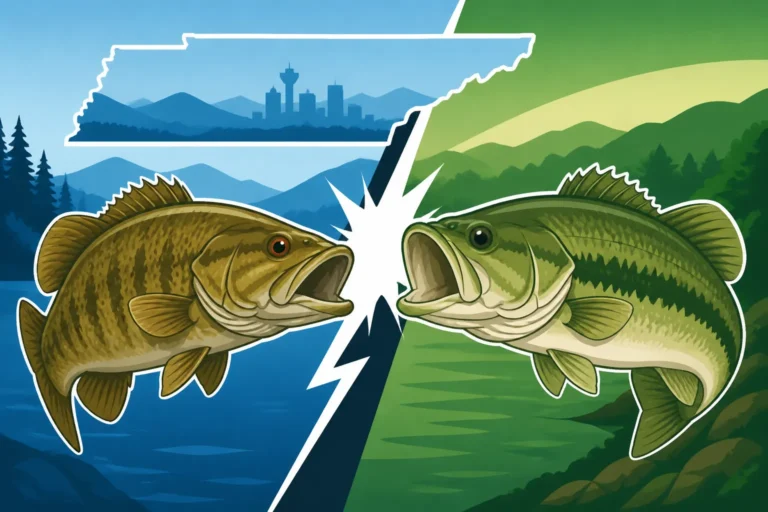
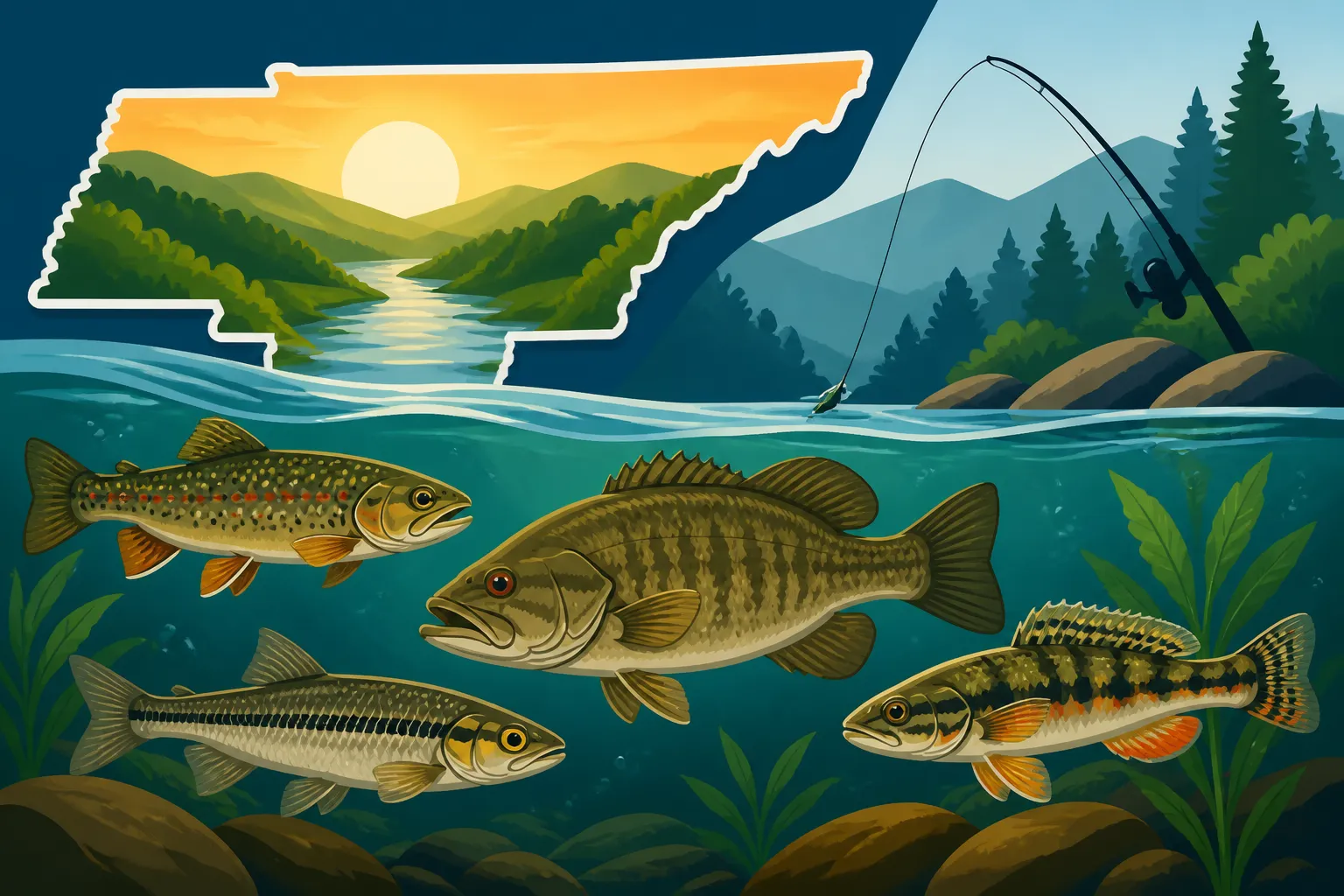
If there's one fish that truly embodies the spirit of Tennessee's native waters, especially in the eastern part of the state, it's the smallmouth bass. Our beloved smallmouth is not only a fantastic fighter but also one of Tennessee's official state fish. Unlike its largemouth cousin, the smallmouth prefers cooler, clearer water, often found in rocky streams, rivers, and certain deep, clear reservoirs. You'll often find them lurking around current breaks, submerged boulders, and gravel beds, waiting to ambush unsuspecting prey. They are incredibly powerful for their size, known for their strong runs and acrobatic jumps once hooked. Catching a smallmouth in its native river habitat is an experience every angler should have.
Imagine standing in a cool, rushing river, the water clear enough to see the rocky bottom, and suddenly, your line goes taut with the unmistakable thump of a smallmouth. This isn't just a fish; it's a testament to the wildness of the landscape. While they thrive in many of our rivers like the Holston, French Broad, and Nolichucky, some of our deepest, clearest reservoirs also hold fantastic smallmouth populations. Dale Hollow Lake, for example, is renowned for its trophy smallmouth, offering a unique opportunity to target these powerful fish in a reservoir setting. Whether you're casting small crankbaits, jigs, or live crawfish, the smallmouth offers a challenging and deeply rewarding fight that connects you directly to the natural pulse of Tennessee's waters. For more on this incredible fish, check out Smallmouth Bass: Tennessee's Official State Fish and Best Rivers for Smallmouth Bass Fishing in Tennessee.
Brook Trout: The High-Altitude Gem
Venturing into the highest elevations of Tennessee's Great Smoky Mountains, you'll discover another true native gem: the brook trout. These aren't just any trout; these are Tennessee's only truly native salmonid species, descendants of populations that have survived in these cold, pristine headwater streams since the last ice age. Brook trout are undeniably beautiful, with their distinctive worm-like markings (vermiculations) on a dark olive back, vivid red spots, and creamy leading edges on their fins. They are incredibly sensitive to water quality and temperature, making their presence a clear indicator of a healthy, unspoiled ecosystem.
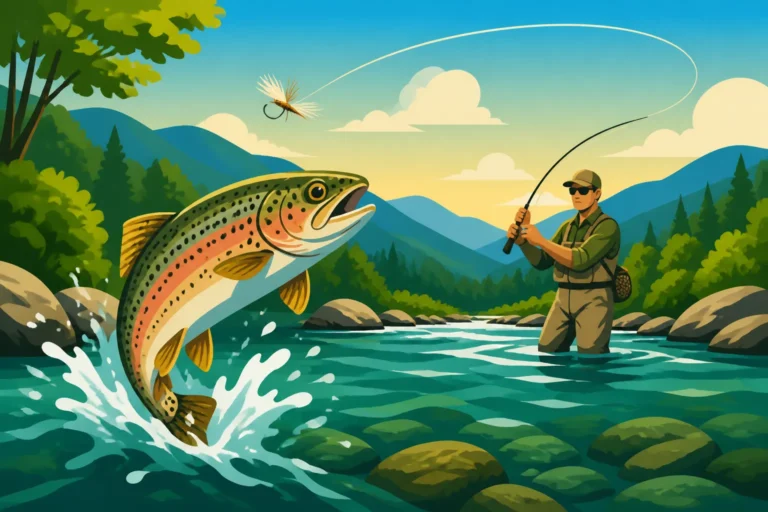
Fishing for brook trout is often more about the experience than the size of the catch. These fish are typically small, but their vibrant colors and the breathtaking mountain environments they inhabit make every encounter special. You'll usually find them in tiny, crystal-clear streams, often requiring some serious bushwhacking and careful wading to reach. Fly fishing with small dry flies, nymphs, or tiny spinners are popular methods. It’s a pursuit that demands respect for the environment and a light touch. Conservation efforts are vital to protect these precious fish and their delicate habitats from siltation, warming waters, and overfishing. If you're looking for a truly wild trout experience, the brook trout streams in the Smokies offer an unforgettable adventure. Learn more about these specific habitats in Brook Trout in Tennessee's Cold-Water Streams.
Redeye Bass: A Lesser-Known Native Fighter
While not as widely known as the smallmouth or largemouth, the redeye bass is another fascinating native species found in the clear, cool waters of Eastern Tennessee. Sometimes confused with smallmouth bass due to similar appearances and habitats, redeyes typically have a more pronounced reddish eye, and their coloration can vary from olive green to dark brown, often with subtle vertical bars. They are members of the black bass family, much like smallmouth and largemouth, but they tend to be smaller, generally reaching lengths of only 8-12 inches, though larger specimens are occasionally caught.
Redeye bass prefer swift-flowing, rocky streams and rivers, often found in smaller tributaries than where you'd typically target smallmouth. They're opportunistic feeders, readily striking small spinners, jigs, and natural baits like crickets or worms. The joy of catching a redeye often comes from the pristine, wild settings you find them in, and the satisfaction of connecting with a species that is truly part of Tennessee's original aquatic landscape. If you're an angler who loves exploring new waters and discovering native species, seeking out the redeye bass is a rewarding endeavor. It's a great opportunity to explore those less-traveled streams that hold so much natural beauty. Dive deeper into this unique species with Redeye Bass: A Tennessee Native Worth Knowing.
Other Fascinating Native Fish Beyond the Sport Fish Spotlight
Beyond the thrilling sport fish, Tennessee's waters teem with a remarkable diversity of native species that often go unnoticed by the average angler. These fish, though not always targeted with a rod and reel, play vital roles in the health and balance of our aquatic ecosystems. Understanding their presence and importance offers a more complete picture of what truly makes our local waters unique.
The Underappreciated World of Native Panfish
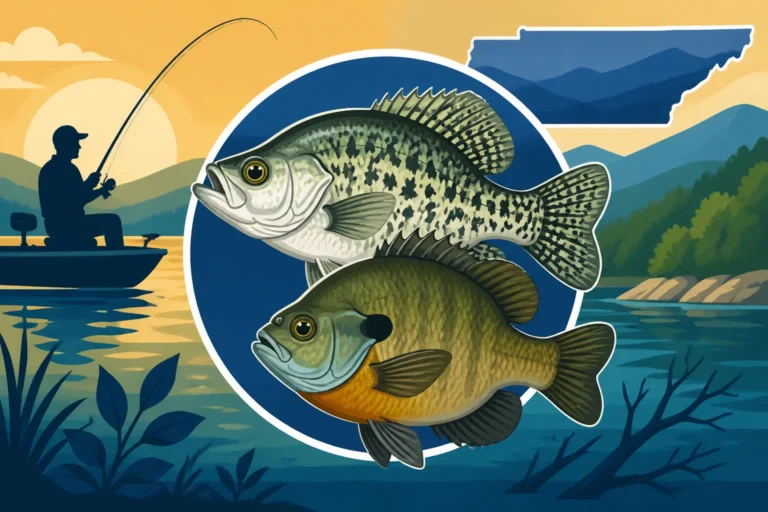
When we talk about panfish, many anglers immediately think of bluegill or crappie. While crappie are widespread and popular, and bluegill are found almost everywhere, some of our most truly native panfish are the various species of sunfish. Beyond the common bluegill, Tennessee is home to vibrant longear sunfish, green sunfish, warmouth, and redbreast sunfish, among others. These small, colorful fish are the backbone of many aquatic food webs, providing forage for larger predatory fish and helping to control insect populations. They are also incredibly fun to catch on light tackle, offering spirited fights even on tiny hooks.
You'll find these native sunfish almost everywhere, from the quiet backwaters of major rivers to small farm ponds and the sun-dappled coves of our reservoirs. They tend to congregate around submerged vegetation, fallen trees, and rocky banks, always looking for insects, small crustaceans, or tiny minnows. Fishing for them can be a fantastic way to introduce children to the joys of angling, using simple methods like a bobber and a worm. They are a testament to the incredible biodiversity of our state's waters, proving that even the smallest fish can hold immense ecological value. For a deeper dive into these widespread species, refer to Bluegill and Panfish Guide for Tennessee Anglers.
Diverse Catfish Species: Bottom Dwellers with History
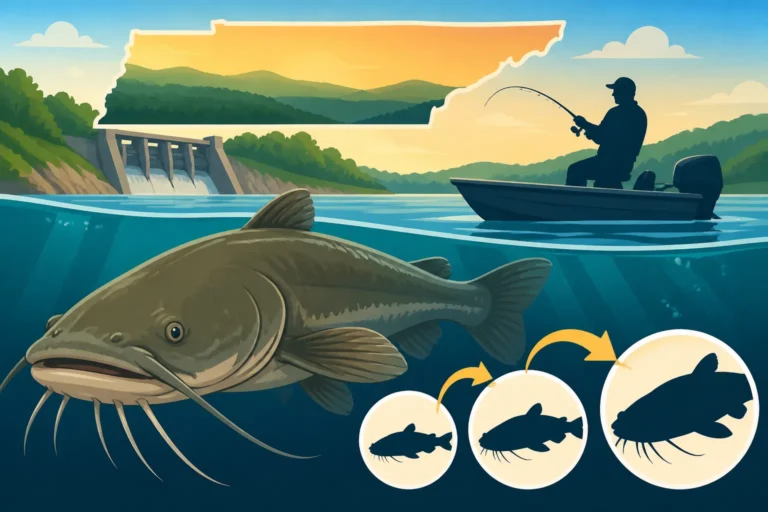
While channel catfish are widely distributed and a popular target, Tennessee's native catfish scene is richer than many realize, particularly with the impressive flathead catfish. Flatheads are truly magnificent native bottom dwellers, preferring the larger, slower-moving sections of our major rivers like the Tennessee and Cumberland. They are formidable predators, known for their broad, flattened heads and often mottled, dark coloration. Unlike channel catfish that will readily take prepared baits, flatheads are predominantly piscivorous, meaning they prefer live bait such as bluegill, shad, or even smaller catfish.
Catching a truly massive flathead is a test of patience, strength, and the right gear. These fish can grow to immense sizes, often tipping the scales into the triple digits, and provide an absolutely brutal fight. They play a crucial role as apex predators in their ecosystems, helping to keep populations of other fish in check. Their preference for natural, often murky riverine habitats means they are a true indicator of a healthy, diverse river system. For those who love the thrill of battling a big, powerful fish that has a long history in our state's waterways, the flathead catfish is a prime native target. You can learn more about their preferred habitats in Flathead Catfish Habitat in Tennessee Rivers.
Lesser-Known Natives: Darters, Sculpins, and Shiners
Beyond the species typically targeted by anglers, Tennessee boasts an astounding array of lesser-known native fish species that are absolutely crucial to the health of our aquatic ecosystems. We're talking about groups like darters, sculpins, and shiners – fish that might not end up on your dinner plate but are integral members of the food web and incredible indicators of environmental health. Darters, for instance, are small, elongated fish known for "darting" across stream bottoms, often exhibiting incredibly vibrant colors, especially during spawning season. They have specific habitat needs, often requiring clean, oxygen-rich gravel or rocky bottoms in fast-flowing streams.
Sculpins, another fascinating group, are bottom-dwelling fish with large heads and pectoral fins, often camouflaged to blend in with rocky streambeds. They are masters of hiding and are vital consumers of aquatic insects and small invertebrates. Shiners, a diverse family of small, silvery fish, form vast schools in many rivers and lakes, serving as a primary food source for almost every predatory fish species, from bass to herons. These "forage fish" might seem insignificant, but without them, the entire food chain would collapse. Protecting their habitats—clean water, stable streambeds, and intact riparian zones—is just as important as protecting the trophy fish we chase. They are the unsung heroes of Tennessee's incredible aquatic biodiversity, often only glimpsed by scientists or keen observers.
| Native Fish Species | Typical Habitat | Angling Appeal | Conservation Status |
|---|---|---|---|
| Smallmouth Bass | Clear, cool rivers & rocky reservoirs (e.g., Dale Hollow) | Excellent fight, challenging | Stable, but habitat protection important |
| Brook Trout | High-elevation, cold, pristine mountain streams | Iconic, beautiful, sensitive | Vulnerable, requires strict habitat protection |
| Redeye Bass | Clear, cool, rocky streams & small rivers (East TN) | Spirited fight on light tackle | Generally stable, can be localized |
| Longear Sunfish | Varied, from streams to lake coves with vegetation | Colorful, fun on ultralight gear | Stable |
| Flathead Catfish | Large, slow-moving rivers with deep holes & structure | Trophy potential, powerful fight | Stable |
| Mottled Sculpin | Cold, rocky stream bottoms | Indicator species, rarely angled | Stable, but sensitive to pollution |
Finding Native Fish: Understanding Their Local Waters
Successfully finding native fish species in Tennessee is less about luck and more about understanding their preferences. These fish aren't just anywhere; they thrive in very specific environments that cater to their evolutionary needs. By learning to "read the water" and embracing responsible angling practices, you can significantly increase your chances of connecting with these authentic residents of our beautiful state.
Reading the Water: Habitat Clues for Native Species
One of the most rewarding aspects of targeting native fish is the inherent challenge of learning their preferred haunts. It's like becoming a detective, piecing together clues that the water itself provides. For smallmouth bass, look for stretches of river with a good mix of current and eddies, focusing on areas with large rocks, boulders, and submerged ledges. These structures provide cover, current breaks, and ambush points. In reservoirs, seek out deep, clear water near rocky points, ledges, and humps. For brook trout, your eyes should be peeled for small, high-gradient streams with crystal-clear water, dense canopy cover providing shade, and a bottom composed of gravel and small rocks. The colder, the better!
Even for the less-fished species, habitat clues are everywhere. Native panfish, for example, often lurk around submerged woody debris or dense aquatic vegetation in quieter backwater areas, where they can find food and shelter from predators. Flathead catfish will seek out the deepest holes, log jams, and undercut banks in larger rivers. Being observant about water clarity, current speed, bottom composition, and riparian vegetation will give you immense insight. Think like the fish: where would you hide? Where would you find food? Investing in a good waterproof field guide to Tennessee's fish (you can often find excellent options on Amazon) can also be an invaluable tool for identifying species and understanding their specific habitat requirements. Every ripple, rock, and weed bed tells a story if you know how to listen.
Conservation and Responsible Angling Practices
When pursuing native fish, especially sensitive species like brook trout, conservation isn't just a suggestion—it's an imperative. Many native fish populations are more fragile than their widely stocked counterparts, making ethical angling practices absolutely critical. Catch and release is often highly encouraged, particularly for brook trout, to help sustain their wild populations. Using single, barbless hooks can minimize harm to the fish, ensuring they swim away healthy. It’s a good idea to always wet your hands before handling fish to protect their delicate slime coat, and to revive them gently in the water before release.
Beyond individual fishing practices, being mindful of the broader environment is key. Avoid disturbing streambeds, never leave trash behind, and be aware of potential invasive species you might unknowingly spread between waterways on your boots or boat. Before you even cast a line, it's essential to familiarize yourself with Tennessee Fishing Regulations Explained and Tennessee Fishing Rules Every Angler Should Know, as special rules, such as reduced creel limits or tackle restrictions, often apply to native species or specific sensitive waters. Sometimes, certain areas within Wildlife Management Areas might have unique rules too, so it's worth checking Wildlife Management Area Fishing Rules in Tennessee. Our native fish are a precious natural heritage, and it's up to every angler to be a steward of these incredible resources, ensuring that future generations can also experience the joy of connecting with Tennessee's true aquatic residents.
Disclaimer
This article is for general informational purposes only and does not constitute professional advice. Laws, prices and regulations vary by location and change over time. Consult a qualified professional for guidance on your specific situation.